Population aging is one of the biggest social and health challenges of the coming decades, and the traditional model of care (residential facilities with waiting lists, scarce in-person caregivers, families that can’t cope) is reaching its capacity limit. That’s where AI robots for elderly care news come in: intelligent conversational agents available at any time, capable of accompanying, remembering, listening, and alerting when something goes wrong. We’re not talking about humanoid-shaped science fiction here; we’re talking about technology already in use in hospitals, nursing homes, and homes. In this article we review what exactly an AI robot is for. AI in the care of older people Stop being a promise and become a tool that works from the first day.
What does the term "AI robot" really mean in elderly care today?
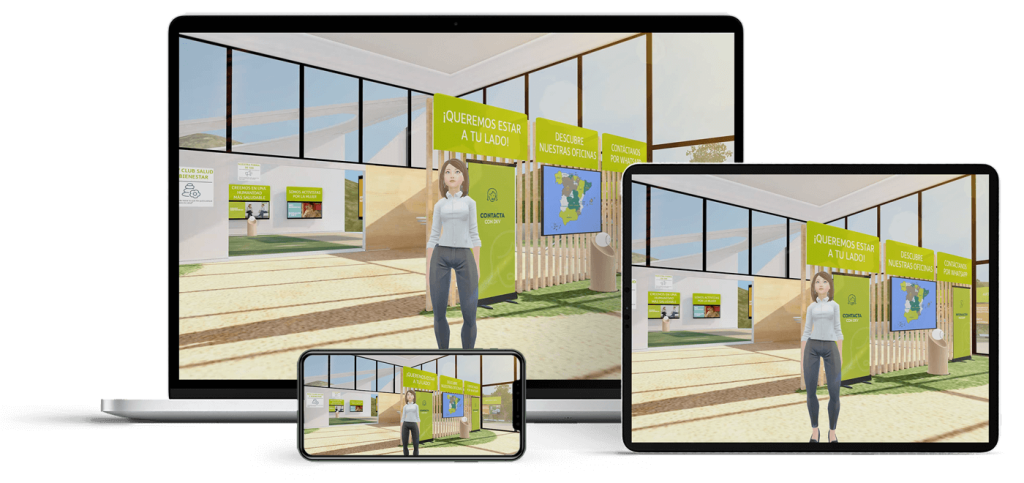
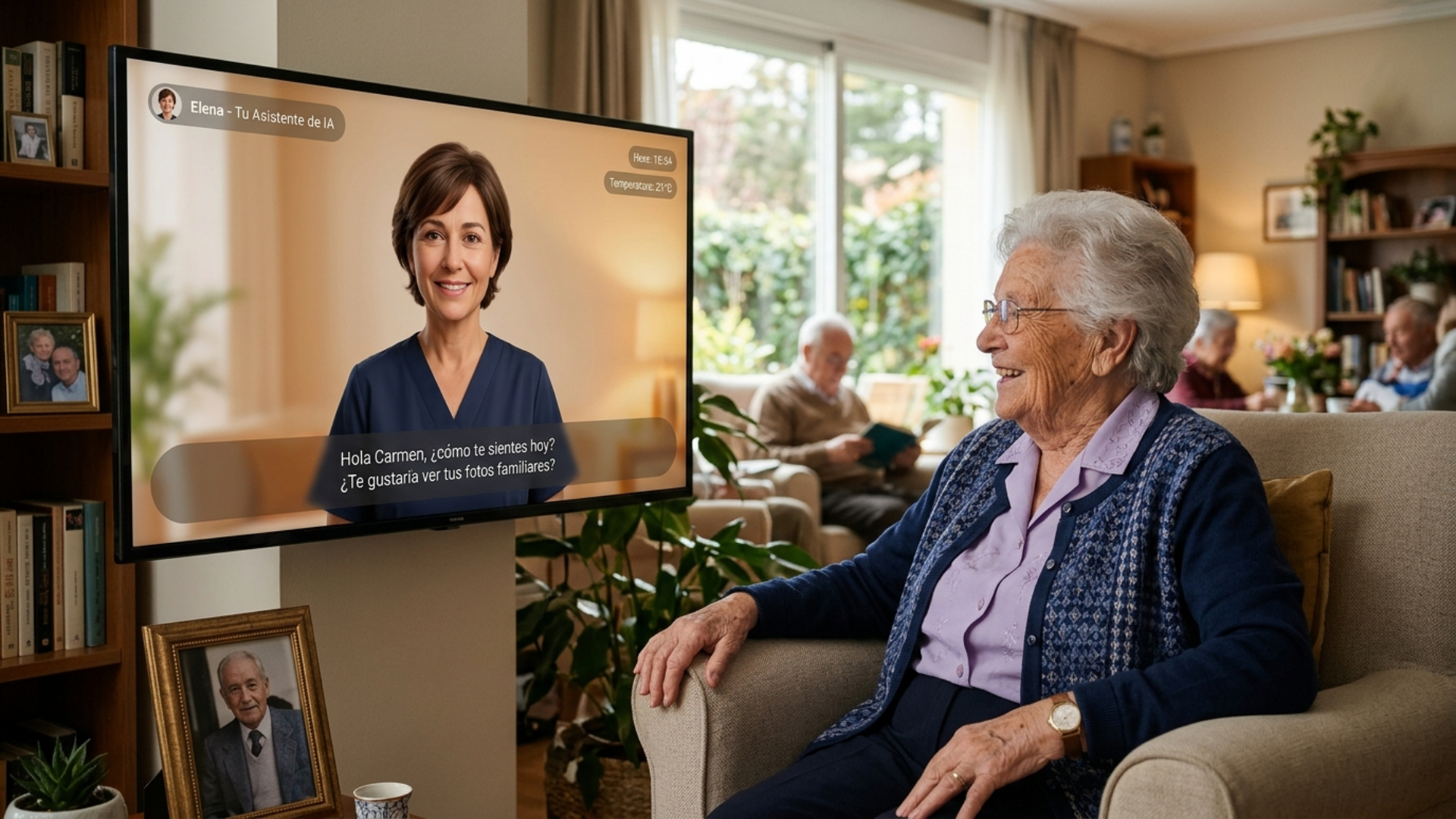
A «AI-powered robot» in elderly care is not usually the science fiction humanoid, but rather a Conversational avatar It speaks naturally to the elderly person, remembers their routines and preferences, and detects changes in their tone of voice or mood that could indicate a problem. This type of interactive robot based on Artificial intelligence It does not replace the human caregiver: it serves as a bridge that alerts the family or the medical team when it detects an alarm signal, placing digital eyes and ears where there were none before. If you want to know more, go here: How virtual assistants transform patient care
What do AI conversational agents actually do for elderly people?
When we talk about AI applications for the care of the elderly, We are not dealing with a technology with a single function; instead, we are dealing with a set of capabilities that work together. We go from function to function in our AI robots for elderly care news
Daily companionship and cognitive stimulation to combat isolation at scale
Many older people spend hours alone, without anyone to talk to all day. An intelligent agent fills that gap: it offers memory games, asks about their day, and remembers anecdotes the person has already told them before. It does not replace a family visit, but it reduces the hours of silence.
Medication reminders, appointment management and health monitoring
Forgetting a pill or a doctor's appointment is one of the most common and most dangerous mistakes among older adults. The assistant alerts you at the exact moment, confirms that the medication has been taken, and keeps a record that the doctor can consult on the next visit. No more lost notes in the fridge.
Emotional state detection and early alert to caregivers or family
A change in tone of voice, shorter responses than usual, less willingness to talk: these are signs that a family member does not always notice them in time because they do not live with the person. AI does detect them, day after day, and warns before the problem gets worse.
Multilingual and accessibility-first design to reach every patient
The best technology is useless if it only works in one language or requires the use of a small touchscreen. As AI robots in elderly care news and developments continue to attract attention, these systems must be designed to support multiple languages, with clear voices, large text, and voice commands. Accessibility is not an added feature; it is a prerequisite for the technology to be truly usable.

AI robots in care facilities and home care: two different deployment models
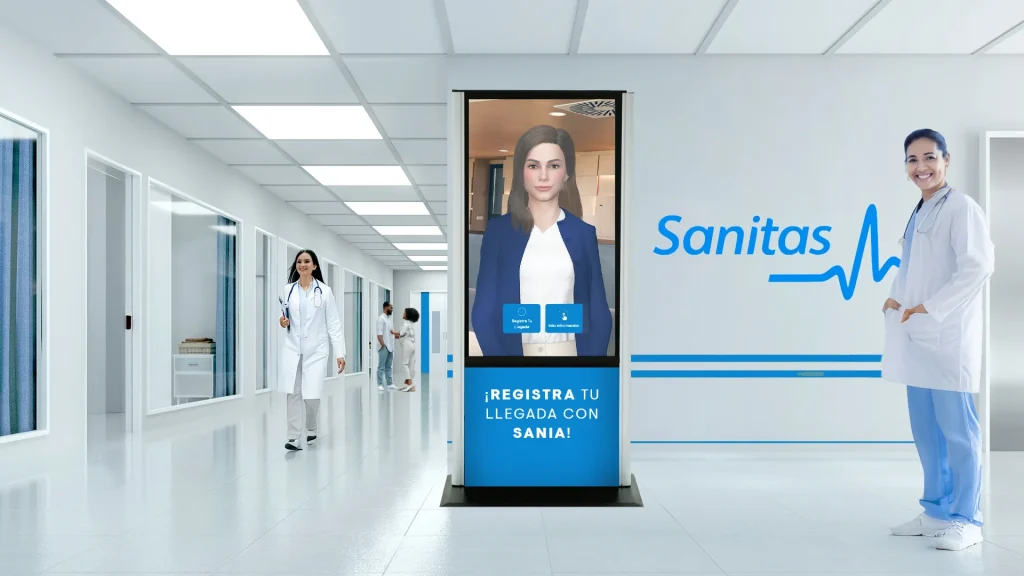
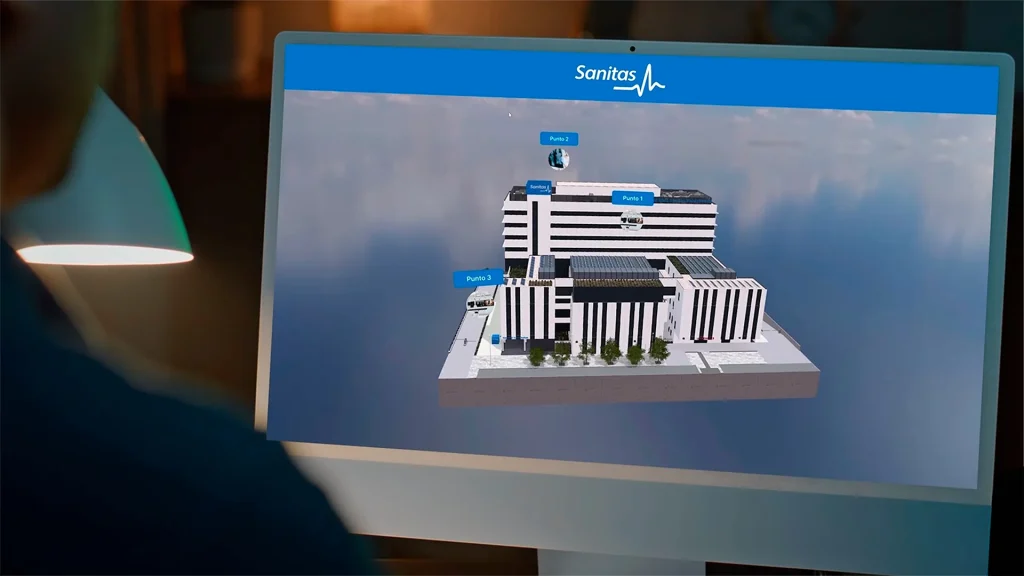
Implementing a Agent with AI In a residential care facility, it is not the same as doing so at the home of an elderly person living alone. In a residential care facility, the challenge is for technology to coexist with healthcare staff and existing protocols without creating friction, something we work closely with Sanitas on. hospital environment. At home, however, there is no nurse nearby to validate what the system is doing: the AI has to detect mood changes on its own, alert the family on its own and function without constant supervision. Because of that difference in contexts, in Imascono We developed VEGA Trainer as an adaptable platform, with the same technological base adjusted to two different configurations: one designed for the rhythm of a residence and the other for the autonomy required by a home. That field experience, along with our presence at events such as the Santen medical congress, allows us to discuss AI and elderly care from a practical perspective, while keeping up with the latest AI robots in elderly care news and developments, rather than relying on theory alone.
How does Imascono design AI companions for healthcare and elderly care?
We don’t start from a generic template and adapt it afterwards. Each assistant is designed with the person who will be talking to them in mind first: an elderly person, often with difficulties in vision, hearing, or simply a lack of familiarity with technology. This influences every decision, from the size of the font to the tone of voice used by the system. Real accessibility: large buttons, clear voice, instructions without jargon. Responses with empathy, because a robotic assistant generates rejection. And simplicity: if a function takes more than two steps, the elderly person stops using it. An isolated assistant, without connecting with the patient’s medical history or the center’s software, is just another tool to monitor, not one that reduces workload. That’s why we integrate it with existing systems, without duplicating processes. An elderly person does not have an emergency only during office hours. The assistant is active constantly, listening, remembering, and alerting at any time, without shifts or breaks. Would you like to know how a person like this would fit into your residence?, hospital or the insurer? Discover the latest AI robots in elderly care news and how these innovations could benefit your organisation. Contact us And let's talk about your specific case.