Interactive mock-up: the leading tool for selling real estate projects
In an increasingly competitive real estate market, real estate developers interactive models is positioned as the ultimate tool to captivate and convince to prospective buyers. More than just a simple visualization, they offer an interactive experience where the customer can explore, personalize and experience the project first-hand before it even exists. The result: an immediate emotional connection and faster, more confident decision-making. In this article you will discover how this innovative technology is revolutionizing the way real estate projects are presented and sold. Whether from Virtual Reality designed mock-ups or Virtual Twins accessible from URL, the latest advances in technology in Real Estate open up a new range of possibilities when it comes to publicizing the spaces for sale.
What is an interactive model and how does it revolutionize real estate sales?
If we look at its definition, an interactive model is a digital and/or virtual tool that allows to visualize and explore real estate projects in an immersive and intuitive way, in first person and adapting in real time all relevant elements. constructive and decorative level. The idea is to go beyond static plans and paper, interactive models allow you to adapt the space to the requests of each visit, which increases the emotional connection and sense of belonging. You can no longer just imagine how you would renovate or decorate the property, now you can see it thanks to technology. Through screens, augmented or Virtual Reality, the customer can walk through spaces, customize them, and experience a realistic experience before they are built. .
Difference between a traditional model and an interactive model
Traditional models, while visually stunning, are limited in terms of flexibility and upgradeability. They are physical, static and costly to modify, making them difficult to adapt to changes or adjustments over time. In addition, their scope is reduced, as they only allow a static view and do not offer interactivity or in-depth exploration of the available options. On the other hand, the interactive models represent a significant evolution in the visualization of real estate projects. Thanks to advanced technologies such as Augmented Reality, Virtual Reality and web-based virtual twins, these mockups not only allow for real-time interaction, but are also easily updatable and customizable. Users can explore different design configurations, interiors and locations dynamically, remotely and in real time, providing a much more complete and reliable experience. In addition, its ability to show a higher level of detail and provide more informed decisions amplifies the confidence and interest of potential buyers. For more information, we invite you to visit our post about Technology trends in Real Estate .
Main features and functionalities of interactive models
Interactive models are much more than a digital representation, are a more engaging and powerful selling tool They enhance the personalization and at the same time the emotional connection of the clients with the spaces. They combine technology and design showing the real estate project in an innovative, persuasive and more accessible way than before. These are some of its key functionalities:
Real-time interactivity
Interactive mock-ups allow for real-time interaction, giving users a more immersive and dynamic experience when exploring a real estate project. Thanks to these digital tools both real estate agencies and the users themselves can modify aspects of the design, visualize interiors, change materials or choose different room configurations in real time . Move around the space, change perspectives, consult floor plans, see views from a particular floor, or switch between day and night to see how natural light hits. This ability to interact with the model in an immediate and personalized way not only improves understanding of the project, but also facilitates faster and more informed decision making, as stakeholders can see the results of their choices instantly, creating a much more complete and confident experience in the buying process.
Remote accessibility
Remote accessibility is one of the main advantages of interactive models, as it allows users to view real estate projects from anywhere in the world. Going a step beyond just static photographs and videos. Whether through a tablet, a computer or VR glasses, customers can accessing the model in real time without the need to be physically present . This not only significantly expands the commercial reach, but also streamlines the decision making process, allowing potential buyers to evaluate different design options and property features in a convenient and efficient manner, without the logistical constraints of traditional tours. In this way, any place is turned into a virtual showroom accessible 24 hours a day, 7 days a week. An example of this can be found in the virtual twin of the Rafa Nadal Academy by Movistar which allows us to travel virtually to Manacor (Mallorca) to visit all the facilities of the tennis academy. We invite you to visit our post Bitácora → Digital Twin 4.0. in the real estate sector
Detailed 3D representation
Gracias a la tecnología 3D de alta calidad, estas maquetas recrean con precisión cada aspecto del proyecto: desde la fachada hasta los interiores, pasando por zonas comunes, paisajismo y el entorno urbano. Todo en una estética realista que genera confianza y enamora a primera vista, es decir, el cliente puede ver cómo será su futuro hogar como si ya estuviera construido. Esta representación puede adaptarse a todo tipo de soportes: desde la Realidad Virtual (maqueta virtual interactiva), donde recorres la maqueta real en primera persona a través de las gafas. En Virtual Spaces, como la casa virtual de Lékué donde visitas los diferentes espacios en formato web y a través de avatares. O, incluso, como Virtual Twins o infografías, donde ves la maqueta digitalizada. Ya sea de la casa, del vecindario o de la ciudad entera. Un ejemplo de ello lo encontramos en la maqueta 3D desarrollada para Certest, donde se han virtualizado al detalle sus más de 25.000 m².
Outstanding benefits of interactive mock-ups for real estate projects
In a market where first impressions are crucial, interactive mockups have become essential tools to captivate customers from the first click. These mockups not only present a project, but transform it into an immersive experience that informs, excites and facilitates decision making. Their main benefits are detailed below:
Increased customer collaboration
Interactive models allow customers to be actively involved in the decision-making process. It is no longer a matter of just observing, but of participate dynamically: the client can choose locations, compare options, simulate finishes or explore views at different times of the day. This active interaction fosters greater commitment, generating trust and creating a stronger emotional connection with the project. In this way, the client ceases to be a spectator and becomes a protagonist of the process.
Increasing the attractiveness and personalization of the experience
The technology behind the interactive models allows for complete customization of the tour, showing only what is most relevant to the buyer's profile and even adapting the interior design to their preferences. . This flexibility not only increases the attractiveness of the project, but also makes each visit unique, close and memorable. The personalized experience ensures that each client feels catered to their specific needs, elevating the perceived value of the project.
Deeper understanding of the project
Forget about complicated floor plans and abstract descriptions. With an interactive model, the client can clearly visualize and understand what the space will look like, how the different areas are connected and what will be experienced when living in it. This clear and visual representation speeds up the decision-making process, reducing uncertainties and facilitating the purchase by providing a complete and detailed view of the future home or property.
Imascono as your strategic partner
In an industry where innovation makes the difference, in Imascono we turn technology into a sales tool emotional, immersive and disruptive . We are experts in creating state-of-the-art interactive models that transform architectural projects into unique digital experiences. Our approach brings together 3D design, Extended Reality and Artificial Intelligence for offer customized solutions that the client falls in love with from the first second. We work hand in hand with you to understand your vision and turn it into an effective tool for your company. Want to take your real estate projects to the next level with an interactive mockup that really makes an impact? At Imascono we are ready to help you create experiences that make a difference. Contact us at and discover how we can transform your vision into an innovative and engaging sales tool.
Metaverse in medicine: applications and the future
The Metaverse or, as we call them in Imascono, the virtual spaces, are transforming medicine in ways that seemed unimaginable a few years ago. From the medical training with hyper-realistic simulations to the virtual medical consultation through AI avatars, This and other immersive technologies are revolutionizing the healthcare sector. Its main benefits include the cost reduction management and training, the global access to medical resources y la personalization of treatments for the patient creating a more efficient and accessible healthcare system. However, this progress is not without its challenges . In this article we explore how this technology is changing the landscape of medicine and what challenges and opportunities await us in the future .
Areas of application of the Metaverse in the health sector
El mundo virtual, encabezado por la tecnología web inmersiva del Metaverso, está abriendo un nuevo abanico de posibilidades en la medicina y, en especial, en la formación de los profesionales sanitarios y en la atención al paciente. Gracias a los espacios virtuales, los profesionales de la salud ahora pueden entrenar, innovar y brindar atención médica más allá de una app, una web o una videollamada. En estos Virtual Spaces los pacientes pueden entrar en un hospital o centro ambulatorio virtual donde acceder a toda la información y recursos del centro. De forma mucho más intuitiva y cercana, como en el proyecto de virtualización de sus instalaciones desarrollado por el San Juan de Dios Hospital. A continuación, queremos compartir contigo las principales áreas de aplicación del Metaverso en el sector sanitario. Tanto a nivel veterinario como medicina humana o dental e incluso seguros médicos. El Metaverso permite abrir nuevos campos hasta ahora inimaginables.
Medical consultation in the Metaverse
The medical consultation in the Metaverse allows access to medical care from home, without long waits. Through secure and private virtual consultations professionals interact in real time with patients, eliminating geographic barriers and offering access to specialists, even in rural areas or developing countries. This technology is revolutionizing medical care, providing faster and quality access. In this sense, the Artificial Intelligence applied to the healthcare field takes on special relevance, especially in the first diagnosis, in the symptom consultation. Here, it helps the patient to determine which specialist to contact and at the same time, it makes a small report of the conversation held with the patient to speed up and facilitate the doctor's dealings with the patient in his subsequent visit. To learn more about AI in medicine we recommend you to visit our post Main benefits of the use of Artificial Intelligence in healthcare
Medical training
Medical training is one of the fundamental pillars of evolution in the healthcare sector, and the Metaverse is taking this process to a whole new level. Imagine performing surgery without physically being in an operating room, or studying human anatomy with a precision and detail never seen before. Thanks to immersive virtual environments and interactive infographics In this way, doctors and students have access to hyper-realistic simulations that allow them to practice procedures without any risk. In the Metaverse, future healthcare professionals can interact with 3D models of organs, perform virtual surgery or attend lectures and workshops from anywhere in the world. This not only optimizes learning time, but also makes training more accessible, regardless of geographic location or available resources. As an example, we would like to highlight the Virtual Training developed by Boehringer Ingelheim for the training of healthcare professionals in the handling of its latest vaccine. You may be interested in → Virtual Reality and medicine: applications in the healthcare sector
Desarrollo de medicamentos
The drug development process has historically been long and costly. However, the Metaverse is changing the way these investigations are conducted . Using 3D simulations and models, researchers can more efficiently analyze how drugs interact through simulations of the human body. This reduces testing time and the need for costly early-stage clinical trials. This virtual environment also allows the creation of interactive laboratories where scientists can visualize the behavior of molecules and compounds in real time. The Metaverse opens doors to personalized treatments based on massive data analysis and predictive modeling . An example of this type of simulations can be found in the international company Merz Aesthetics The company specializes in aesthetic medicine and, through Virtual Reality, shows both patients and doctors the impact of their treatments in a simulated way.
Immersive diagnostics and therapies for patients
The Metaverse is marking a before and after in the field of health and medicine The new treatment opportunities for a variety of physical and psychological conditions. Through immersive virtual environments, patients can experience simulations that allow them to interact with controlled scenarios and therapeutic exercises, and even receive more accessible and personalized medical care . These experiences provide a safe and comfortable space for patients, facilitating rehabilitation, cognitive therapy and desensitization processes, without the need to travel. A clear example of this application is the Apetest project launched by the Aragon Health Research Institute focused on the early detection of eating disorders (ED) in adolescents. This pilot project combines gamified technology and accessibility with clinical questionnaires to identify early possible cases of ED. Facilitating interaction with children and adolescents in the detection of cases of juvenile mental health.
Benefits of the Metaverse in medicine
The Metaverse is revolutionizing the field of medicine, providing innovative solutions for diagnosis, treatment and medical education. Through interactive virtual environments and realistic simulations, healthcare professionals can improve the accuracy of their interventions, while patients access immersive therapies and rehabilitation in a more accessible and personalized way. In this section, we will explore how the Metaverse is transforming medicine and what concrete benefits it is bringing to patients and healthcare professionals.
Reducción de costes
The Metaverse is helping to reduce costs in the healthcare sector, something that benefits both institutions and patients. By implementing immersive technologies, healthcare institutions are able to reduce expenses associated with training, at least in the first introductory topics where the important thing is to know each area of an operating room or the correct process of handling a drug. In addition, the Metaverse eliminates travel and logistical costs We have a strong commitment to the health system, both in terms of training and also in terms of patient care in the case of one-off consultations. All this contributes to a more sustainable and efficient healthcare system. We invite you to visit the post → Potential of Augmented Reality in Medicine
Global access to medical resources
One of the greatest benefits of virtual environments is their ability to democratize access to medical resources. Thanks to virtual platforms, anyone, no matter where they are located, can access specialized treatments, medical consultations and high-level training. . This is especially crucial in rural areas or countries with less medical infrastructure. One of the most noteworthy examples in this area is the case of the Royal Canin and MSD Animal Health Virtual Congress two of the largest veterinary product companies joined forces to offer more than 20 hours of virtual lectures with the country's leading veterinary experts.
Main challenges of the Metaverse in health and medicine
A pesar de sus promesas transformadoras, la implementación del Metaverso en el ámbito médico presenta diversos retos.
La privacidad de los datos es uno de los más importantes, ya que la digitalización de la información médica debe cumplir con estrictos estándares de seguridad y ciberseguridad para garantizar la confianza de pacientes e instituciones.
La adaptación de los profesionales de la salud también es crucial, pues requiere capacitación en el uso de nuevas tecnologías inmersivas y en la integración de estos sistemas como aliados en la atención y formación médica.
Además, existe el riesgo de que las brechas tecnológicas agraven las desigualdades, especialmente en regiones con acceso limitado a infraestructura digital, lo que exige planes estratégicos para garantizar una adopción equitativa.
At Imascono we are specialized in the development of Virtual Spaces , virtual spaces and gamified environments focused on companies. User-empowered online worlds In addition, pre-sales are gamified and the mechanics of video games and the Metaverse are incorporated into the value proposition of the companies. Interested in learning more about virtual spaces and how to use them? Go to contact with us and our team of engineers and designers will be happy to answer all your questions.
5 key e-commerce trends for online success
The e-commerce is in the midst of a revolution. Digitization, AI and hyper-personalization are redefining the way consumers buy and brands sell. We are coming from a time of peak e-commerce growth. Now the marketplace is more mature and competitive, so adapting to the new ecommerce trends is not an option, it is the key to stand out and turn every click into a business opportunity. In this article we explore the 5 ecommerce trends and how to apply them strategically to attract, retain and sell more. From Artificial Intelligence and automated personal shoppers to blockchain, Augmented Reality and personalized conversational commerce. These innovations represent the cutting edge of ecommerce innovation The new technology, allowing brands to offer unique and differentiated experiences. Here are some real success stories and the technologies that are shaping the future of the ecommerce innovation .
Why is it important to adapt to new ecommerce trends?
E-commerce is evolving at a dizzying pace. What worked a couple of years ago may be obsolete today. Digitization has empowered consumers The company's customers, who are looking for seamless, personalized and convenient shopping experiences. Failure to adapt to new trends means losing competitiveness and, in the worst case scenario, to lag behind in an increasingly demanding market. Brands that innovate and embrace change not only sales increase but also strengthen your relationship with your customers and build a community of loyal consumers. We must anticipate the user's needs and offer him what he is looking for before he asks for it. You may be interested in → Customer experience: how to improve it through extended reality .
How ecommerce technology boosts sales
The ecommerce technology is transforming the way brands connect with their customers, improving the shopping experience and increasing conversions. Tools such as Augmented Reality, Experiential Marketing and AI avatars enable the creation of personalized, immersive, real-time experiences. These solutions represent a clear example of ecommerce innovation The new technology, enabling retailers to offer interactive environments where users can view products, try them virtually, and receive recommendations tailored to their tastes. The automation of customer service through intelligent avatars is revolutionizing the sector by providing 24/7 support and accompany the user throughout the entire purchasing process. Cases of AI avatars as that of Turrón, the virtual mascot of La Torre Outlet The new digital marketing strategy, which is based on AI and augmented reality, demonstrates how the combination of AI and augmented reality can generate unique experiences, improve loyalty and boost sales results in the digital environment. Access to our augmented reality services and find out how you can achieve success in your e-commerce through this technology.
5 ecommerce trends and how to apply them to your business
Ecommerce is constantly evolving, and brands that are ahead of the curve are dominating the market. The key? Adopt the technologies and strategies that are revolutionizing the online shopping experience. Here's what you need to know 5 must-have trends and how to implement them.
Artificial intelligence and hyperpersonalization
AI is redefining ecommerce, enabling shopping experiences hyper-customized by analyzing user behavior in order to recommend products, personalize emails and optimize prices in real time. Thanks to intelligent agents and virtual personal shoppers, personalized recommendations and machine learning to predict trends.
Blockchain in payments
The blockchain technology is revolutionizing payments in e-commerce, offering safer, faster and more transparent transactions . By integrating blockchain, e-commerce can guarantee the authenticity and security of transactions, eliminating intermediaries and reducing the risk of fraud. By accepting cryptocurrencies and using blockchain to automate payment and logistics processes In addition to improving efficiency, brands not only improve efficiency, but also increase consumer confidence by offering a more agile and secure shopping experience.
Omnichannel experience and sales
Today's customer does not differentiate between physical store, app or web: expects a seamless and personalized experience across all channels. . The omnichannel improves user satisfaction and increases conversions and loyalty by synchronizing stock and prices across all sales channels and personalizing the experience with CRM. To learn more about this trend visit our → article. Immersive technology applied to trade marketing: activate your brand at the point of sale
Realidad Aumentada en ecommerce
Augmented Reality allows customers to "try" products before they buy them eliminating uncertainty and improving the shopping experience. From trying on clothes to viewing furniture at home, AR experiences are transforming online conversion. If you want to go deeper in this line, we invite you to read our post Virtual fitting rooms as a trend in the retail sector
Virtual sales assistants
AI has turned virtual avatars in real purchasing advisors available 24/7 . Automate responses, guide the customer in their decision and streamline the buying process on the web and social networks. An fast and efficient service translates into more sales and satisfied customers. In addition, these intelligent agents have the entire information base about the brand and products as a training source, so they are able to serve users in detail. Both end customers and internal staff looking for support or guidance on what to recommend to a specific person. Don't miss our article about How to implement automation in companies and maximize its impact
Conversational commerce
Brands no longer sell only on their website, but also in chats, DMs, voice assistants such as Alexa or Google Assistant and even through virtual avatars that act as true brand ambassadors. Seeking to achieve fluid conversations, instant support and automated direct sales. Making the whole process more interactive, immediate and memorable. An example of these conversational assistants can be found at Smoky, the virtual chef of Nola Smoke that helps you to decide which is the best burger for you, based on your tastes and preferences.
What does the future hold for ecommerce?
Now that you know the main trends in e-commerce, you've noticed that its future is shaping up with advances that drive the technology and innovation in ecommerce completely transforming the shopping experience. Automation, Artificial Intelligence and personalization will take center stage, enabling online stores to anticipate customers' needs by means of predictive algorithms. In addition, the integration of physical and digital will offer unprecedented immersive experiences, eliminating traditional retail barriers. A prime example of this evolution is the Lékué Virtual project where a new immersive 3D virtual showroom which allows users to explore and discover products interactively, enriching the online experience. Likewise, the adoption of technologies such as the blockchain is redefining trust and security in transactions, creating a more transparent environment for consumers. Brands that embrace the technology and innovation in ecommerce will lead the digital transformation of the industry in the coming years.
How to implement these trends with innovative technologies
To stay at the forefront of ecommerce, it is essential to integrate emerging technologies that enrich the user experience and optimize business processes. Throughout this article, we have learned about some of the success stories of Imascono that exemplify these trends . However, here are some other retail and e-commerce projects that are representative of this technological trend.
Ecommerce Transformation Success Stories
These are some of the main examples of Imascono a leading company in the design and development of interactive products and experiences for companies in the field of Retail and Leisure.
Exclusiverse → Este entorno digital permite a los miembros del Exclusive Traveler Club acceder a experiencias exclusivas, gestionar sus membresías digitales mediante tecnología blockchain y participar en actividades y eventos interactivos. Diseñado para ofrecer una conexión continua con la comunidad de viajeros, Exclusiverse extiende la experiencia de viaje más allá del destino físico, creando un punto de encuentro y conexión con la marca accesible desde cualquier dispositivo.
ElBulliFoundation → Imascono colaboró con elBullifoundation and Telefónica para digitalizar y preservar el legado culinario Ferran Adrià en el elBulli. Mediante una plataforma interactiva, y a través de un museo virtual, un avatar 3D y una colección de NFT´s, dando acceso a una plataforma para adquirir artículos digitales que fusionan gastronomía y arte digital, redefiniendo el valor y la propiedad de la economía digital.
Lacasitos App → Lacasitos App es una aplicación móvil de Realidad Aumentada diseñada para transformar la experiencia de los más pequeños con la marca Lacasitos. Al escanear el código QR de los tubos, los niños pueden interactuar con cinco personajes animados que cobran vida a su alrededor. Esta iniciativa no sólo revitaliza el packaging del producto, sino que también fomenta la creatividad y el juego interactivo.
Do you want to take your e-commerce to the next level with innovative technologies? At Imascono We create virtual experiences that transform the relationship between brand and client. Contact with us and find out how we can boost your business. The future of e-commerce starts today!
Digital twin 4.0 in the real estate sector
If there is a sector that is growing globally, it is construction, infrastructure and real estate. Where, undoubtedly, digital transformation and the latest technological advances are leading the way. Among them, in this article, we would like to highlight the Digital Cufflinks virtual replicas of buildings and infrastructures that provide an overall view of the space. These Virtual Twins, guide users through three-dimensional buildings and real estate developments. Being able to explain the different points beyond the maps and static plans, developing true interactive infographics . Which are connected to the real world through IoT technology. All so that users have access to space information in the palm of their hand. In this blog, you will discover how digital twins not only enable you to visualize projects in a way never seen before, but transform the customer experience, optimize costs and facilitate more efficient and strategic decision making in real time. In addition, we take you to know projects such as Loarre XR and Setas Sevilla that are demonstrating the real impact of this technology in the present of Real Estate. Are you ready to understand how this digital revolution can transform your view of real estate?
What is a digital twin 4.0 and why is it important in Real Estate?
Imagine being able to visualize, analyze and optimize a building accurately, even before it has been built. This is one of the great advantages of Digital Twin 4.0, a technology that is revolutionizing the real estate sector. A digital twin is a detailed virtual representation of a building, infrastructure or even an entire city. However, Digital Twin 4.0 takes this concept much further. Thanks to the integration of advanced technologies such as the Internet of Things (IoT), Artificial Intelligence (AI) and Big Data. These digital models not only reflect reality, but are also capable of learning and evolving in real time, providing valuable data that allows more informed and strategic decisions to be made. In the real estate sector This technology is completely transforming the way projects are designed, managed and marketed. From optimizing resources during construction to enhancing the buyer experience, digital twins are revolutionizing the industry. Why is it key in Real Estate? Because digital twins provide unprecedented visibility, from 3D floor plans to hyper-realistic virtual tours; facilitate intelligent decision-making thanks to real-time data that reduces costs and improves efficiency; revolutionize the user experience, offering total personalization for buyers and agents; and optimize property management, enabling predictive maintenance and greater energy efficiency.
Outstanding benefits of digital twin 4.0 in the real estate sector
The digital revolution has arrived, and with it, digital twins 4.0 are redefining the way real estate is designed, marketed and managed. The result? Let's take a look at the main benefits that these virtual spaces offer to this sector.
Mejora de la experiencia del cliente
Buying or investing in a property is no longer just a matter of imagining it on a floor plan. With a digital twin, customers can explore every corner of a building even before it physically exists, by means of immersive virtual tours and interactive simulations . Whether through webapps, Virtual Reality experiences or interactive 3D recreations. In addition, customization is total: from choosing finishes, simulating different hours of natural light, redistributing spaces to visualizing how the furniture will look, all in real time. This immersive experience increases confidence, accelerates the purchasing decision and enhances the emotional connection with the property. Reducing uncertainty and encouraging sales. Customers no longer just imagine themselves there, with the digital twins they can start working on how the final space will look like.
Reducción de costes operativos
Building maintenance and management is one of the biggest expenses in the real estate sector. Thanks to this technology, it is possible to anticipate failures by means of predictive maintenance The new system is designed to optimize energy distribution and improve the efficiency of spaces according to actual use. This translates into a significant savings in operating costs The company's operations are based on the following principles: less waste of resources and a more sustainable management. Digital twins collect data on energy consumption, air quality, temperature and maintenance The project will be built on a single site, allowing future owners and construction companies to evaluate the efficiency and operating costs.
Increased ease of decision making
In real estate, every decision counts. With Digital Twin 4.0, developers, investors and asset managers have access to real-time data, allowing them to analyze multiple scenarios before making a decision. From forecasting the profitability of a project to optimizing the use of spaces, this technology provides accurate information and data-driven, eliminating unnecessary guesswork and risk. These digital twins become interactive maps and infographics, where users can access all the information of the interactive points in an easy and intuitive way. With a hyper-realistic vision, as in the case of the Virtual Twin of the biotechnology company Certest which has virtualized its entire industrial and operations center to have a global view of its various buildings, laboratories and manufacturing lines .
Main applications of the digital twin in the real estate sector
From immersive visualization to predictive analytics, digital twin applications in Real Estate are redefining the way buyers, investors and developers interact with real estate. Thanks to the combination of Artificial Intelligence, IoT and 3D modeling, this tool allows you to create an accurate virtual replica of a property or urban development, providing a detailed, real-time view of its condition, behavior and potential. The following are some of its applications that are already being implemented in the real estate sector:
Project planning and optimization
Real estate development is a complex process where every decision impacts costs, timelines and quality. Thanks to the digital twins, architects, engineers and developers can simulate and perfect every aspect of a building before laying a single brick. With a digital model, it is possible to optimize the distribution of spaces, evaluate the feasibility of materials and anticipate potential problems, ensuring that the project meets the highest standards of efficiency and sustainability. In addition, this technology facilitates the real-time collaboration between all those involved, streamlining decision making and reducing errors. It also allows simulations of energy consumption and long-term maintenance, optimizing profitability and ensuring smarter and more adaptive buildings.
Real-time data acquisition and analysis
Smart buildings are already a necessity. The digital twin 4.0 allows customers amazing accuracy, and can provide key information for decision making and building performance optimization. Thanks to integration with IoT sensors, Artificial Intelligence and advanced 3D models, it is possible to monitor variables such as energy consumption, space occupancy, air quality and the structural condition of the building . This capability not only improves operational efficiency, but also makes it possible to anticipate failures, reduce maintenance costs and ensure safer and more sustainable environments. The result: more efficient, cost-effective spaces adapted to real needs.
Simulation of changes for efficient designs
What if you could test different distributions, materials or systems before implementing them? With digital twins, this is a reality. Simulations allow multiple scenarios to be evaluated to maximize energy efficiency, improve daylighting or even adjust the design based on user behavior. This approach reduces errors and avoids having to make significant changes during the construction or renovation of spaces. An example of a digital twin of these three-dimensional simulations can be found in the Lékué's virtual house, an interactive showroom which allows to tour the digital twin of a home, where the brand's products are part of the day-to-day life of that large kitchen, living room and terrace, making customers feel at home.
Digital Twin 4.0 key to digital transformation
The digital twin 4.0 is at the center of the digital transformation revolutionizing the way real estate is designed, built and managed. Thanks to technologies such as Big Data, IoT, Artificial Intelligence and Virtual Reality. not only allows you to visualize projects with unprecedented realism, but also to optimize their performance, anticipating problems and improving operational efficiency. This innovation drives faster and safer decisions, reduces costs and offers a fully personalized experience for clients and investors. More than a tool, the digital twin 4.0 is the engine that is redefining Real Estate, taking it to a new level of intelligence and profitability. An example of digital transformation supported by digital twins can be found in the Rafa Nadal Academy by Movistar where you can virtually tour all the facilities of the tennis academy, sports center, school and hotel without having to travel to Manacor, Balearic Islands.
The future of digital twin 4.0
La evolución del gemelo digital 4.0 está revolucionando el sector inmobiliario, permitiendo una integración sin precedentes de tecnologías como la Realidad Aumentada y la Realidad Virtual. Esta fusión no solo optimiza la gestión y el diseño de los espacios, sino que también ofrece experiencias inmersivas que transforman la interacción de los usuarios con los entornos construidos. Empresas pioneras como Imascono están liderando esta transformación digital en el sector inmobiliario, desarrollando proyectos innovadores que ejemplifican el potencial de estas herramientas. A lo largo de este artículo hemos visto alguno de estos proyectos destacados, a los que podemos añadir:Loarre XR: Un viaje virtual al pasado→Loarre XR, es una recreación virtual del majestuoso Castillo de Loarre. Este proyecto permite a los usuarios explorar cada rincón de esta fortaleza románica del siglo XI desde cualquier lugar del mundo. A través de fotografías 360º, retos gamificados y experiencias VR, los visitantes pueden sumergirse en la historia y arquitectura del castillo. Haciendo accesible su riqueza cultural incluso para aquellos con movilidad reducida.Setas Sevilla: Innovación en espacios urbanos→ En el corazón de Sevilla, las icónicas Setas de la Encarnación han sido transformadas digitalmente por Imascono para ofrecer una experiencia interactiva única. Mediante su gemelo digital, los visitantes pueden descubrir información histórica, datos arquitectónicos y eventos culturales relacionados con esta estructura emblemática. Enriqueciendo su visita y conectando el pasado con el presente de la ciudad.Estos proyectos demuestran cómo el gemelo digital 4.0 industrial, a nivel real estate o a nivel turístico, está redefiniendo la manera en que interactuamos con nuestro entorno, ofreciendo experiencias más enriquecedoras y accesibles para todos.Si deseas conocer más sobre cómo el gemelo digital 4.0 puede transformar tu próximo proyecto inmobiliario o explorar las soluciones innovadoras que desde Imascono ofrecemos, Contact us y descubre cómo podemos hacer realidad tus proyectos más ambiciosos.
What is a virtual space and how to use it
In a society where digitization, digitalization digital transformation and technological innovation is advancing by leaps and bounds, the virtual spaces are positioning themselves as a key tool for businesses that seek to innovate in the way they interact with their customers, employees, audiences and collaborators. These immersive digital environments go beyond the traditional web pages, allowing the interactive experience in 3D and through avatars, combining advanced technology with personalization. From virtual tours to training simulations to gamified sales experiences, virtual spaces are transforming business activities. In this post we will see what a virtual space is and how companies can take advantage of its potential . From optimizing sales processes to training and onboarding. If you are looking for ways to innovate within your organization, read on!
What is a virtual space?
The definition of a virtual space is an immersive digital environment created to simulate real or imaginary scenarios. where users can interact, explore and actively participate. At a business level, they are online spaces that go beyond static web pages, where only products and services are shown. In virtual spaces you can test and interact with them incorporating the essence of video games and gamification to the digital presence of companies. The virtual spaces can be on the web, through WebApps or three-dimensional mobile applications. They can also be developed under the Virtual Reality as the Las Vueltas que da la Vida virtual neighborhood . Or in Augmented Reality as the time travel in the city of Zaragoza prepared by Ibercaja Xplora. Virtual spaces include environments such as video games, the Metaverse, virtual collaborative work platforms and educational applications, and are used in areas such as education, entertainment, teamwork and advertising. Allowing interaction and content creation by users.
Main characteristics of a virtual space
Now that you know what a virtual space is, you should know that they have revolutionized the way people interact, learn, work and entertain themselves, opening up new possibilities for companies of all types. These features not only provide enriching experiences for users, but also offer businesses interesting tools for creating innovative brand experiences , improve collaboration and optimizing performance . The following are some of the main characteristics of the virtual spaces that are being developed. transforming the digital interaction and business landscape.
Constant interactivity
One of the most important characteristics of virtual spaces is their ability to allow constant interactivity between users and the environment. In these spaces, users are not mere observers, but active participants, making the experience dynamic and engaging. This interactivity is maximized through gamification, a technique that uses game mechanics in non-game environments to motivate behavior and participation. For example, companies can integrate gamification elements such as missions , challenges , points and rewards within a virtual space, making the user experience more entertaining and engaging, while fostering brand loyalty and engagement. This is a key feature for companies, as it not only captures users' attention, but also improves retention and promotes loyalty.
Space customization
Another significant advantage of virtual spaces is their ability to be used in a variety of ways. custom according to the needs and preferences of the users. This customization refers not only to the aesthetic appearance of environments, but also to the adaptation of content and interactions. Businesses can create virtual spaces that resonate with the specific interests of their customers or employees, allowing for a more relevant and satisfactory . For example, in a Virtual Reality (VR) or Augmented Reality (AR) environment, a brand can customize the layout of products, advertisements or the user interface according to the user's characteristics and behaviors, which increases the effectiveness of advertising and enhances the customer experience.
Dashboards y analíticas
In virtual spaces, the integration of dashboards and analytics is a fundamental feature for monitoring performance and making informed decisions. Companies can collect real-time data on user behavior, interactions, preferences and overall performance within the virtual environment. This allows them to have a detailed view of how users interact with their content, products or services. What it provides valuable information to improve marketing strategies, optimize user experience and adjust business tactics. Analytics can also help identify trends, predict future behavior and measure return on investment (ROI) for promotional activities or virtual events, which is crucial for make data-driven decisions and improve profitability.
Outstanding benefits of a virtual space
Virtual spaces offer a variety of benefits, ranging from the improved user experience and reduced operating costs to the ability to customize the experience and access real-time analytics. These digital environments are transforming the way businesses interact with their audiences optimize their operations and foster innovation. As technology advances, virtual spaces will continue to play a key role in the future of the collaboration, marketing and business strategy.
Gamificar la preventa
La gamificación en la preventa es una estrategia efectiva para aumentar la participación, la emocionalidad y la fidelización de los clientes potenciales antes de que realicen una compra. Utilizar mecánicas de juego como desafíos, recompensas y misiones puede hacer que el proceso de compra sea más atractivo y entretenido. Un ejemplo de ello lo encontramos en Exclusiverse, la sede virtual del club de viajerosExclusive Traveler Club donde los más de 85.000 miembros tienen acceso a beneficios exclusivos, premios y challenges para disfrutar al máximo de su membresía digital.
Del storytelling al storyliving
Storytelling has been one of the most powerful marketing tools to connect emotionally with the public. However, we are now experiencing the arrival of the storyliving where the strategy goes one step further. Allowing the customer to live the story instead of just watching or listening to it. In this approach, users are not only observers, but active protagonists of the narrative. Within this trend from storytelling to storyliving, we find, for example, the campaign to approach the Rafa Nadal Academy by Movistar virtual, the 3D recreation of the facilities where through games, challenges and interactive points, users were invited to learn more about Rafa Nadal's academy.
Onboarding and interactive training
With virtual spaces, the onboarding process and employee or customer training are enriched. Traditional training methods are giving way to interactive experiences that allow users to learn in a more dynamic, engaging and effective way. In a single virtual platform, all of the employee-related processes and activities . Becoming a space for consultation, training and education, incorporating the continuous improvement of workers. Workers, end-users or children, as in the virtual space of Aprendiendo a Emprender developed by Ibercaja. A virtual training space where 5th and 6th grade students learn about entrepreneurship and business, following the gamified itinerary and achieving all the challenges.
Real-time remote collaboration
In the globalized and telework-centered work environment, the remote and real-time collaboration has become especially important. Digital platforms allow teams from different geographical locations to work together and even attend virtual events. Both at the training level and at the corporate level, as in the case of the Iberdrola Shareholders' Meeting held in its own virtual space . Inviting you to shareholders from all over the world to attend the meeting live. and could access all the reports and interactive content distributed throughout the space.
Examples of virtual spaces: outstanding projects
Virtual spaces are a essential tool for companies They are perfect for virtual tours, simulations and interactive product testing. Throughout this article we have seen what they consist of and their benefits. Now, we will see in detail their application in different sectors:
Projects of virtual spaces in education
Los espacios virtuales en la educación y formación ofrecen entornos inmersivos e interactivos que transforman el aprendizaje. Desde aulas y laboratorios virtuales hasta actividades gamificadas, estas plataformas hacen la educación más accesible e inclusiva. Con herramientas como simulaciones 3D, permiten comprender conceptos complejos de forma visual y dinámica, mejorando la retención del conocimiento y preparando a los estudiantes para escenarios reales.Un ejemplo de espacio virtual desarrollado por Imascono en este sector es Noche de las investigaciones, en el que se recreó la sala de conferencias de la Universidad de Zaragoza para celebrar allí el encuentro de investigadores y académicos. Gracias a esta tecnología, se pudieron conectar cerca de 3.000 personas al mismo tiempo.Si estás interesado en comenzar un proyecto en el sector de la formación, accede a nuestras soluciones de tecnología en la educación.
Projects of virtual spaces in tourism
In the tourism sector, virtual spaces are transforming every stage of the journey: before, during and after. During planning, they allow gamify the booking process and offer simulations for tourists to try out experiences before making a choice. During the trip, these environments enhance interaction by providing virtual guides and immersive activities, and, after the return, the virtual spaces maintain the connection with the brand through online events and activities, strengthening loyalty and creating a more lasting relationship with travelers. Like the one achieved by Seville Mushrooms a spectacular digital reconstruction of one of Seville's great monuments . Thanks to its aerial view, visitors and web users can see all the architectural details, obtaining a greater context and interaction with the space. If you want to improve your company, you might be interested in our solutions for technology applied to tourism access and consult all your doubts.
Projects of virtual spaces in health
With respect to the application of technology in medicine The virtual spaces are transforming both patient care and medical education We offer innovative solutions at every stage of the process. These platforms allow patients to have quick access to information and educational content. At the same time, facilitate virtual consultations and immersive therapies incorporating gamification and motivation to achieve the different challenges. In addition, they are a key tool for medical training, as they enable the simulation of complex procedures in controlled environments. Or because they provide access to virtual trainings such as the one proposed by Royal Canin in the First Virtual Congress for Veterinary Clinical Assistants . A three-day meeting with more than 20 hours of presentations and access to the stands of the main companies in the sector.
Projects of virtual spaces in retail
In the retail sector, web-based virtual spaces are transforming the online shopping experience by offering interactive and immersive environments accessible from any device. These platforms enable users to discover products in virtual showrooms, customize your options and test items thanks to simulations web or Augmented Reality experiences. In addition, brands can gamify the buying process, organize exclusive events in these digital spaces and maintain a more direct connection with their customers. These virtual spaces combine innovation and accessibility, providing unique experiences that enhance interaction and reinforce consumer loyalty. An example of this can be found in the virtual showroom of Lekue an interactive house where users can see all the kitchen products to scale and in operation. Imascono is able to implement these innovations thanks, for example, to our augmented reality services . At Imascono we are specialized in the development of Virtual Spaces virtual spaces and gamified environments focused on companies. User-empowered online worlds In addition, pre-sales are gamified and video game mechanics are incorporated into the value proposition of the companies. Interested in learning more about virtual spaces and how to use them? Get in touch with us and our team of engineers and designers will be happy to answer all your questions.
5 Artificial Intelligence use cases you should know about
5 Artificial Intelligence use cases you should know about
Artificial Intelligence is one of the great technologies that have been are transforming all types of companies and sectors . Its great capacity for adaptation, its low learning curve for users and its integration with other technological advances such as the Metaverse, Augmented Reality, or the Spatial Computing make the AI an important point in the future of companies . In this article we would like to discuss with you the 5 most interesting use cases of Artificial Intelligence today that companies of all kinds have already implemented. All to boost agility and creativity within companies. And above all, to increase the capabilities of the workers, being the Artificial Intelligence services constant support for the team.
Importance of Artificial Intelligence in today's world
Before submitting the applications and use cases of Artificial Intelligence in enterprises It is important to analyze the context in which we find ourselves in relation to the business world and the use of Artificial Intelligence. Artificial Intelligence is an essential technological tool in today's world. In the short time that it has been in widespread use among companies, this technology has radically transformed various industries, increasing efficiency across the board . Its ability to analyze large volumes of data allows companies to make faster decisions, optimizing resources. In addition, the AI has changed the way we interact with technology The company's customer service is improved through virtual assistants and chatbots, which saves time and enhances the user experience. If you want to learn more about this topic, we invite you to visit Artificial Intelligence Avatar: definition and main uses .
5 Artificial Intelligence Use Cases
This technology has marked a before and after in the strategies and methodologies of all organizations. Whether at the marketing level or at the production level, Artificial Intelligence allows to revalue, accelerate and increase creativity in all action plans. Next, we will review the 5 most relevant use cases of Artificial Intelligence in companies:
1. Análisis de datos
Artificial Intelligence has radically changed the way data is analyzed. . It allows processing large volumes of information and extracting key information in a fast and efficient way. It is a perfect tool to identify behavioral patterns and any impact variables that go unnoticed with conventional methods. In addition, deep learning algorithms lead to predictions by analyzing historical data sets, leading to better decisions in real time. From the process automation to the elimination of repetitive and error-oriented tasks, the various types of Artificial Intelligence enables you to deliver products and services faster and with less margin for error. Intelligent graphics reduce data with intuitive representations to facilitate learning and understanding of information.
2. Multiidioma
One of the main advantages that Artificial Intelligence offers is the ability to to perform automatic translations in real time, and even generate multi-language experiences that adapt to each user. An essential property in a globalized and automated world. AI models can be trained with data in different languages, allowing them to translate, interpret and respond in the desired language, thus facilitating interaction between people from diverse cultures and linguistic backgrounds . An example of this can be found in Cicerone's AI avatar, capable of managing a travel agency in more than 95 languages.
3. Personalization of contents
Artificial Intelligence plays an important role in personalizing the content offered to each company's audiences. A very useful tool for analyzing a company's a large number of these on users' tastes and buying behaviors. . This customization brings brands closer to their target audiences . Also reduces user saturation by offering them content more in line with their preferences. This favors the user satisfaction and pushes them to build deeper and longer relationships with companies or brands. that are to your liking. You may be interested in → Challenges of Artificial Intelligence applied to the enterprise .
4. Task automation
One of the great benefits that Artificial Intelligence offers is the possibility of automate repetitive tasks. Allowing employees to focus on more creative and strategic activities. Not only does this increase productivity, but it also enhances the job satisfaction The company's employees can devote more time to tasks that really require their knowledge and skills. In the business environment, automating processes such as data management, customer service and logistics has become commonplace. . The chatbots For example, they can handle frequent queries, freeing up human teams to solve more complex problems.
5. Virtual assistants
Undoubtedly, one of the main use cases of Artificial Intelligence in companies is the generation of virtual assistants or avatars for customer service, employee support and transparency in corporate communication. Offering a wide range of utilities that transform both personal and professional life . One of the most relevant current examples are the new line of virtual avatars called V-E-G-A where Artificial Intelligence becomes humanized by allowing users to speak, read and listen to them. These digital characters have great benefits, playing roles such as event assistant , tour guides , f nternal training in companies , customer service on the web , commercial agent o animated character to entertain children . The possibilities are endless.
Artificial Intelligence use cases at Imascono
Since 2019, at Imascono we have been developing a whole line of virtual avatars equipped with Artificial Intelligence. Thanks to the great advances experienced in relation to generative Artificial Intelligence, the V-E-G-A avatars have improved their capabilities of naturalization of conversations, their personalization and training. Humanizing Artificial Intelligence. Through these V-E-G-A avatars, Artificial Intelligence is impacting a multitude of sectors:
Artificial Intelligence in Tourism
The tourism sector is one of the first to adapt the latest trends and technologies for improve the user's travel experience . And at the same time, optimize resources for tourism companies, providing them with greater capacity for adaptation, data capture and creativity to improve engagement with travelers. In the latter area, the virtual tourist guide of Miguel de Cervantes . Through the avatar Cervantes IA In this way, users can ask the Spanish writer himself about his beloved Castilla-La Mancha. An Artificial Intelligence avatar that is deployed both in the Tourism Office of the City Council of Alcázar de San Juan as well as in the different emblematic points of the La Mancha route that pass through the city. You can learn more about this topic at Artificial Intelligence in tourism: characteristics and examples .
Artificial Intelligence in Retail and Entertainment
If there is a sector that benefits from the incorporation of virtual assistants, it is the retail and leisure sector. Thanks to these AI agents / avatars the customer service becomes more humanized in the digital world going a step beyond chatbots. With the Generative Artificial Intelligence the conversations become much more fluid and personalized. Where it is possible to record and analyze through dashboards all conversations held with the avatar, all anonymously. Allowing to have an overview of the brand perception, the most frequently asked questions and which products/services are the most demanded. An example of a use case of Artificial Intelligence in avatar format for the retail sector can be found at Smoky the avatar and virtual "chef" of Nola Smoke who greets, serves, picks up and delivers customer orders. In addition, it offers burger recommendations based on the customer's favorite ingredients and specific needs.
Artificial Intelligence in Industry
One of the sectors where Artificial Intelligence is having the greatest impact is in the industrial sector . At present, the industry is undergoing a change of revolution, of the Industry 4.0 (focused on automation) to Industry 5.0 (focused on workers' welfare), where AI plays a key role in both visions. Reducing costs and production times and at the same time, improving workplace quality . Becoming a support to increase workers' capabilities. An example of this is the virtual assistant developed by Iveco, IRIA the IA avatar. She is able to support, training and assistance to both employees and agents of the logistics, mechanical and transport line of the automotive company. Centralizing access to information, advice and updates from the company and facilitating its transparency. If you want, you can continue reading about the link between AI and the industrial sector in our post Artificial Intelligence Applications in Industry. Bottom line, AI is being implemented in a wide variety of areas and its expansion is shaping the current business world. . AI is the working tool of the present and the future; companies must put it into practice in order to face the great challenges we are experiencing. V-E-G-A avatars are a great resource for customization and adaptation to all kinds of situations. . Empathize with users and offer them the best experience and, in addition, it is of great help to save on costs, logistics and training and, finally, it has options to multi-language and multiplatform . For more information, do not hesitate to contact us at contact with Imascono . We will be happy to help you and answer any questions you may have about the incorporation of artificial intelligence in your company.
Benefits and characteristics of the metaverse in education
Benefits and characteristics of the metaverse in education
La innovación tecnológica forma parte de la educación del siglo XXI. Entre las diferentes tecnologías que han ido surgiendo en los últimos años, el Metaverso y los espacios virtuales ofrecen una amplia gama de beneficios y características que pueden enriquecer el proceso educativo, haciéndolo más accesible, interactivo y personalizado.
A medida que la tecnología evoluciona, su integración en la educación podría tener un impacto profundo y duradero. En los últimos meses, la adopción del Metaverso se ha acelerado en muchas escuelas y universidades, sobre todo a través de plataformas virtuales que buscan mantener la continuidad del aprendizaje en situaciones donde la presencialidad es inviable.
El familiarizarse con tecnologías emergentes, como la Realidad Virtual y Aumentada, prepara a los estudiantes para un futuro laboral en un mundo cada vez más digitalizado. Además, son una nueva forma de poner en práctica lo aprendido y motivar a los estudiantes de una forma más atractiva.
En el artículo de hoy, analizaremos en detalle los beneficios y características del Metaverso en el ámbito educativo.
Impact of the Metaverse on education
Before learning about the impact of the Metaverse on education, it is important to review what this technology consists of. The Metaverse could be defined as a series of interconnected virtual worlds where users can interact with each other and with the digital environment in real time. The Metaverse and virtual spaces combine technologies such as web3, Augmented Reality and Artificial Intelligence to create immersive experiences that revolutionize the way users interact with technology and the new digital ecosystem. You may be interested in → Features and benefits of Augmented Reality in education You may ask yourself, what is the metaverse in education, well, in this sector it offers multiple advantages to make learning much more practical and immersive . Encouraging students to put their knowledge into practice through simulations and virtual training. In addition to encouraging Gamification of the lessons, applying the mechanics of video games to the evaluation systems. Offering, thanks to the union between the Metaverse and Artificial Intelligence the possibility of offer adaptive and personalized educational experiences . These are adjusted to the needs and rhythms of each student. One of the great examples of the application of the Metaverse to education is the virtual space of Aprendiendo a Emprender developed together with Ibercaja Foundation to bring the business world closer to schoolchildren in a gamified environment close to video games.
Benefits of the Metaverse in the educational sector
As we have seen in the previous section, the Metaverse in education offers great benefits to the different educational centers. From its use in The company has been involved in the development of the program at early ages, as well as in high schools, universities, training centers and internal training in companies. The Metaverse, broadly speaking, allows you to eliminating geographical barriers to education The aim is to offer a personalized experience, adapted to the needs of each student and to reduce costs, both in terms of physical training material and in the use of facilities such as laboratories, travel and/or operating rooms in healthcare training courses. The following are the main ones benefits of using the Metaverse in education:
1. Gamificar la enseñanza
Gamification is the process of applying game design elements and techniques in non-game contexts. . It aims to increase people's motivation and participation in various activities by creating more engaging and dynamic experiences. This process is associated with a increased commitment , attention e interest by the students, regardless of their level of training. Thanks to its challenge/reward system, students are encouraged to give their best. With gamification, students internalize new knowledge in a more effective and entertaining way. As in the KAI XR Platform a Educational VR App where students can travel to the seabed, the pyramids of Egypt or NASA facilities, all in first person and through Virtual Reality glasses. If you want to learn more about this topic, we recommend you to visit→ Virtual Reality in education: features and benefits .
2. Simulaciones y formaciones
Simulations in the Metaverse are revolutionizing the educational sector by offering immersive and highly interactive environments that enhance learning by doing . The trainings carried out on this type of virtual platforms allow us to go a step further in online training. By making the leap to virtual campuses and schools that allow students not only to attend virtual classes, but also to walk around the facilities and connect with other students. Students can be anywhere in the world, as physical barriers are eliminated. Through the Virtual Reality This immersion in the educational experience is multiplied. As in the health training developed by Boehringer Ingelheim where health care professionals could learn about the preparation of their new medicines thanks to the Virtual Laboratory Virtual Training . If you are interested visit our article about Virtual Reality and medicine: applications in the healthcare sector
3. Onboarding and interactive training
Internally, the Metaverse's virtual spaces allow all processes and activities related to employees to be grouped together in a single digital environment. Thus, the onboarding and internal training are automated and, at the same time, are tailored to the specific needs of the employees. Becoming platforms for consultation, training, development and connection with other employees. All through virtual events and other types of business activities developed in the Metaverse. One success story is the project L'Oreal University a training space developed by L'Oreal to bring together influencers, makeup artists and experts in the beauty industry at its virtual university to learn first-hand about their latest products and usage tips.
4. Adaptive and active learning
Thanks to the Metaverse and virtual spaces, students can be offered new platforms for interaction, both with the subject matter and with their peers. In conjunction with Artificial Intelligence applied to education, educational platforms can adjust in real time to the needs and preferences of each learner, creating interactive environments that encourage active participation . The Metaverse, combined with Artificial Intelligence. is not only transforming the way we teach and learn The company is also preparing students and professionals for an increasingly digital and collaborative world. An example of this can be found in IRIA, Iveco's AI-equipped avatar. A companion in the training and day-to-day life of the automotive company's employees. If you would like to learn more about the relationship between the Artificial Intelligence and the virtual avatars we recommend you to visit Artificial Intelligence Avatar: definition and main uses
Metaverse, the future of education
The Metaverse is marking the future of the education and training sector . These virtual spaces will continue to transform the way we learn and interact with learning resources. Combined with the latest innovations in Artificial Intelligence, these educational platforms will allow to develop more personalized, automated and updated experiences in real time . Following at all times the individual progress of students and proposing new gamified challenges. This synergy will not only enrich education, but will also revolutionize the way we interact with various technologies, creating a new way for us to interact with our students. unique opportunities for training and professional development.
Examples of the use of Metaverse in education
Throughout this article we have learned about some of the most disruptive and innovative projects that have already been launched in the educational field. We will now take a closer look at some of them examples of the use of the Metaverse in education. - Rafa Nadal Academy by Movistar . Get to know the facilities of the Rafa Nadal's Academy through his virtual twin . You can discover the values, history and different buildings of the complex while completing different challenges and mini-games. A project with a marketing and viralization objective that achieved a reach in Social Networks and media of 48 million people. - KAI XR Platform . Virtual Reality Application that invites children and not so children to discover the world of science, history, technology or the environment in a fun and immersive way. - Research Night virtual event . At the university level, the virtual event developed by the University of Zaragoza stands out. Through the virtual recreation of one of its most representative classrooms, the university brought together researchers from all over Europe in the same digital space. Overcoming physical barriers to unite the scientific and research community. - LOARRE XR . At the historical and cultural level, the Metaverse allows the recreation of monuments to increase their diffusion, access and knowledge. This is the case of the Loarre Castle a Romanesque castle with more than ten centuries of history that can now be visited from anywhere in the world thanks to its transfer to the virtual world. At Imascono through our metaverse services for companies , we believe that the Metaverse in education can help us to be much more agile in our way of learning and to naturalize our interaction with the digital world. To do this, we can make use of technology that goes through AI avatars, virtual spaces and Augmented Reality . Since the company's inception, more than fourteen years ago, at Imascono we have been an active part of technological innovations in the education sector. Both for the launch of the Chromville educational app that has reached more than 120 countries with a million downloads as in the incorporation of Artificial Intelligence in the training in new technologies in the project. V-E-G-A tutor . Need a Metaverse to take the next educational leap? Get in touch with us! Our team of engineers and designers will be happy to help you incorporate this state-of-the-art technology into your training and educational projects.
4 Benefits of using Extended Reality and Big Data in tourism
4 Benefits of using Extended Reality and Big Data in tourism
The era of data has also reached the tourism sector. Thanks to the Big Data and to the advanced analytics Tourism companies are currently undergoing a profound and strategic transformation in the way they offer and optimize their tourism services. We are at an exciting time for the tourism industry . Now, more than ever, companies can learn more about travelers' tastes, needs and behaviors. Detecting trends, drawing conclusions in an agile way and defining much more personalized action plans. Everything for maximizing traveler experience and optimizing operational efficiency sector. For this digital transformation of tourism companies, it is necessary that the Big Data tool be accompanied by complementary technologies, such as artificial intelligence services , Extended Reality and Spatial Computing to make your integration as optimal as possible. In today's article we will analyze the main benefits of using Big Data in tourism. In addition, we will see how it is not only important to analyze the data, but also to know how to get it, where interactive experiences and Extended Reality Gamification play a key role in connecting with users.
Augmented Reality gamification project carried out for the Zaragoza City Council by Imascono.
Transformation of the tourism sector through Big Data
Big Data in tourism is a major revolution. It is transforming radically change how companies understand and interact with their customers. Advanced data and dashboards present an opportunity for tourism companies to analyze huge data sets. From online bookings and user reviews to social media interactions and travel and flight trends. Everything to get a complete and real-time view of travelers' behavior and preferences. This valuable information enables unprecedented personalization of services, optimization of supply and better demand management. Big Data also facilitates the trend forecasting and rapid adaptation to market changes, resulting in more informed decisions and more effective tourism marketing strategies. This interaction with the user is greatly benefited by the incorporation of new interactive and immersive travel experiences . Experiences that invite users to actively participate and connect with the tourism company. Turning Extended Reality into a key technology to interact with users in an effective, original and non-intrusive way. Surprising technological experiences such as diving among the fish, petting elephants or teleporting to an erupting volcano, as in the latest experience from Spatial Computing developed by Imascono in the tourism field.
4 surprising benefits: Big Data and Extended Reality in tourism.
The union of Big Data and interactive Extended Reality experiences allows for the creation of a new interaction between brands and users where new and interesting volumes of data are generated that help to optimize and personalize the strategies of engagement in the tourism field. New ways of interacting with travelers, which can be summarized as follows 4 main benefits of Big Data in tourism, powered by XR experiences:
Increasing new business opportunities in tourism
Both the development of interactive XR experiences for users and the collection of a large volume of high-value data. Both actions enable tourism companies to open up new business opportunities by focusing on the customer experience. Seeking new ways to connect with travelers, understand users and personalize travel offers and experiences. An example of these new business opportunities can be found in the following areas Exclusiverse the virtual space of the Exclusive Traveler Club which opens its memberships to the digital world. Through its virtual headquarters, the traveler's club offers a much more direct communication; it creates a community space between partners from all over the world and also collects all the behavioral information of users. Thus, it knows which areas are most visited, which memberships are the most consulted and the countries of origin of all virtual visitors, among other data.
Metaverse with digital memberships with Blockchain and NFT technology developed for Exclusive Traveller Club by Imascono
Mejora de la toma de decisiones
When working with data, it is not only important to know how to identify and filter the best sources. It is also vital to know how to turn that data into relevant information, that information into high-value knowledge, and that knowledge into decisions that help the company advance its business. . Thus, the Big Data enables tourism companies to analyze large volumes in depth of consumer and market data, identifying key trends and preferences that inform your strategic decisions. A improved decision making also for the tourists themselves as is the case, for example, with the interactive project of Cervantes IA . A hyperrealistic virtual avatar of Miguel de Cervantes trained with different sources and data, which serves as a tour guide to accompany visitors to Alcazar de San Juan (Castilla La Mancha). With this example of big data in tourism, through the avatar equipped with Artificial Intelligence tourists receive Cervantes' own recommendations and advice . Forever changing its interaction with the culture and tourist spot of the area. You may be interested in → Artificial Intelligence in tourism: characteristics and examples .
Virtual Avatar with Generative Artificial Intelligence developed by Imascono
Increased customer satisfaction
Now more than ever, the customer satisfaction plays a key role in tourism . Recommendations, opinions and travel trends determine whether a destination is attractive or not, in addition to the activities and tourist experiences it offers. In pursuit of this objective, Big Data applied to tourism allows us to keep track of the more personalized and deeper control of travelers' needs and behaviors, analyzing at both the macro and micro levels. All based on data that can come from the web, from social networks or from the interactive Extended Reality experiences . Where, through gamified challenges, interactive games or AR Apps In this way, users share their tastes and preferences with attractive, unobtrusive actions where the real protagonists are the travelers. As in the Rafa Nadal Museum in Manacor, where the different phygital experiences They represent a new and attractive point of contact with visitors, who interact with the brand and share their data and opinions while having fun and participating in different rankings and sweepstakes.
Phygital project developed for Rafa Nadal Museum by Imascono
Personalization of the user experience
As we are seeing in this article, Big Data and Extended Reality are two powerful tools for collecting user information and managing all that data. If, in addition, we incorporate the latest in Artificial Intelligence, we can take advantage of all that knowledge to personalize the tourist experience in real time . By adjusting offers, communications and interfaces precisely and taking into account the individual needs and wishes of each customer. Among the projects already underway that unite Big Data , Artificial Intelligence and creative XR experiences like Cicerone . The AI robot of iUrban which is also a travel agent and can customize tourist offers and proposals in more than 95 languages. You can to learn more about this topic at Smart destinations, what are they and what are their characteristics? .
Challenges and opportunities of Big Data for tourism
The introduction of Big Data in the tourism industry poses a number of challenges and opportunities for companies in the industry. Focusing the business on customer\/traveler data is a challenge at a global level. methodology and business organization, since requires a great ability to collect and analyze large volumes of data, preferences and behaviors in real time. Being, in addition, able to provide optimal responses, with the design of customized offers, anticipating market trends and optimizing resources. In addition, Big Data facilitates the identification of new market niches and expansion opportunities This can translate into strategic growth for tourism companies that know how to take advantage of this information. On the other hand, the management and analysis of large datasets requires significant investments in technology and specialized talent This can be a barrier for small and medium-sized companies in the sector. The privacy and data security The data and customer data also represent a major challenge for tourism companies in terms of data governance, storage and access to the personal information that is stored. It is therefore important to always count on technological partners that help tourism companies to work with and store these user data.
Discover our value proposition of analytics and dashboards in the XR experiences.
and, above all, to obtain this information from the most reliable sources. The most complete and with the greatest impact for the company. In this regard, the Extended Reality experiences applied to the tourism sector offer an attractive and fun way to interact with the brand. Sharing information about the tastes, interests and particularities of each consumer that would otherwise not be possible. At Imascono In this regard, we are committed to incorporating Smart Data to our XR experience developments. Transforming user interactions into advanced analytics dashboards, with heat maps, phygital interaction points, detailed provenance analysis... All for convert large volumes of data into organized, processed and refined information that is directly applicable and valuable to business decision-making processes. Do you want to go one step further in the introducing Big Data into your business ? Contact our team and we will help you incorporate dashboards and analytics into all your customer interactions.
Metaverse and NFTs: present and future relevance
Metaverse and NFTs: present and future relevance
In a world increasingly influenced by technological advances and major innovations in the digital world, two technologies have attracted global attention: Metaverse and NFTs (non-fungible tokens). Both technology trends are transforming all types of industries, from fashion and luxury to banking and finance. Knowing in detail its technological relevance is very important in order to continue betting on the digital transformation of our companies . Both the Metaverse and the NFTs are redefining value and ownership in the digital economy, are revolutionizing our interaction in virtual worlds and are generating new business opportunities that were unthinkable until now. In this article we will delve deeper into their definitions and complementary technologies, we will see in detail some of their We will discuss the most important use cases and analyze their benefits and future prospects.
Virtual Reality phygital project made for Ibercaja Explora by Imascono
Conceptos generales del Metaverso y NFTs
Before discussing the use cases, advantages and business opportunities of both technologies, it is important to have an in-depth knowledge of their definitions and Metaverse-related technologies and NFTs, including Blockchain and Web3, among others.
1. Definition of the Metaverse
El Metaverso se define como un universo virtual compuesto por múltiples mundos digitales tridimensionales vinculados. Un universo donde los humanos interactúan social y económicamente mediante avatares virtuales, NFTs y criptomonedas.
El Metaverso es la siguiente generación de Internet, en la que podemos disfrutar de una experiencia inmersiva, tridimensional y multisensorial gracias a la combinación de diferentes dispositivos y tecnologías. Como la Realidad Virtual, la Realidad Aumentada y lo último en tecnología Web3 y Digital Twins.
Desde Imascono contamos con servicios especializados de Realidad Aumentada, Virtual Reality and Realidad Mixta.
2. Definition of NFT
An NFT, or non-fungible token, is a type of digital asset that represents ownership or proof of authenticity of a unique item . Certified through Blockchain technology. Unlike cryptocurrencies such as Bitcoin or Ethereum, which are fungible (i.e., they are divisible and exchangeable for another of equal value), each NFT is unique, like a work of art. NFTs can be linked to specific digital objects such as works of art, music, videos, video game items, and more, providing a unalterable record of ownership and provenance. This traceability and authenticity capability makes NFTs a powerful tool for the digitization and marketing of digital and physical goods in various industries, including art and entertainment.
3. Definition of Web3
Web3 is defined as the next iteration of the Internet that seeks to decentralize the data structure. and allow users to have greater control over their own information. It is based on the idea of using the Blockchain to create an internet where applications and services do not depend on centralized intermediaries. Instead of having large companies controlling the information and data, Web3 puts ownership and control of data in the hands of users through decentralized networks. This vision of the web incorporates cryptocurrencies, smart contracts, and decentralized applications (dApps) operating on blockchain networks. Not to be confused with the term Web 3.0, which refers to the evolution of the Internet in general. . Moving from Web 1.0. of hyperlinks and Web 2.0. of two-way interaction and Social Networks, to a new era of Internet that is more intelligent, autonomous and based on natural language processing.
4. Blockchain definition
Blockchain, or blockchain, is a revolutionary coding technology that allows for decentralized tracking of all digital movements and transactions . This makes it a particularly useful technology for systems that require high security and transparency . Like cryptocurrencies, the smart contracts or identity management in the digital world. Due to its decentralized nature, the Blockchain technology eliminates the need for intermediaries in many processes potentially reducing costs and increasing efficiency. It is undoubtedly one of the technologies that is revolutionizing banking and the digital economy. You can continue to learn more about this new digital economic ecosystem at Banking and Metaverse: Use cases and the future .
Importancia de los NFTs para acceder al Metaverso
The future of the Metaverse monetization, to become the definitive space for the socioeconomic exchange in the digital world . For this purpose, cryptocurrencies, Blockchain technology and especially NFTs have a key role in the structure and functioning of the Metaverse . Offering a unique and secure way to represent the ownership and authenticity of digital and physical assets within these virtual worlds. In the Metaverse, NFTs can represent a variety of elements, ranging from virtual real estate, concert tickets and digital artwork to avatar identities and exclusive fashion items. This ability to directly link the ownership of assets with their digital representation offers users total control over your acquisitions facilitating a transparent and secure digital marketplace. You may be interested in → The Influence of Artificial Intelligence in the Metaverse . For example, in the fashion and retail sector, NFTs allow the creation of new business models with collections phygital (proposals for the real and virtual world) or garments/products created exclusively for the Metaverse as NFTs (digital objects) for our avatars. Or in the digital entertainment industry where the association of NFTs to concert tickets and other experiences allows both the audience and the promoter to be assured that the tickets are verified and are authentic . A successful case of the union between the NFTs and the Metaverse can be found in the virtual museum of the great Spanish chef Ferran Adrià . Web3, virtual avatars, NFTs... creativity and innovation from el bulli foundation makes the leap to the virtual world . After exhibiting in New York, Cleveland, Madrid and Buenos Aires, Ferran Adrià turns his works of art on culinary evolution in 114 NFTs that can be viewed and acquired directly through its own virtual museum.
Beneficios de los NFTs en el Metaverso
In the new virtual universe of the Metaverse and the digital twins NFTs are much more than just digital assets, they are becoming key elements in transforming the way we interact, trade and express ourselves on the Internet. virtual spaces offering authenticity, exclusivity and security to users. By exploring the benefits of NFTs in the Metaverse We discover how they not only power the digital economy, but also elevate user experiences, creating extraordinary opportunities for innovation and engagement. In the following, we will analyze the 3 main benefits of the union between NFTs and Metaverso :
Marketing tool
The integration of the NFTs and the digital assets in the Metaverse also has an impact on the marketing strategies for brands and companies . Not only to position the company at the forefront of technology and business innovation also for the promotion and sale of your products in virtual showrooms . In this way, companies can create and distribute unique digital products that capture attention and foster a unique sense of ownership and belonging among consumers. This is not only increases engagement by allowing users to interact with the brand in innovative and memorable ways, but also transforms products and experiences into marketing opportunities. As in the case of Metrovacesa Space, a unique space in the real estate Metaverse to access information about the brand, the company's activities and the online pre-reservation of homes through the new digital economy.
Metaverse developed for Metrovacesa by Imascono
Improved functionality in the Metaverse
The incorporation of NFTs into the Metaverse plays a key role in the improved functionality and overall experience of the user in these digital spaces. NFTs allow for deeper and more functional integration of digital assets, such as interactive tools, accessories for avatars with artificial intelligence The Metaverse's environment is enriched by art and real estate.
This integration facilitates not only the ownership, but also the personalization and digital exchange of these assets in a transparent and secure market. A new way of interacting in the virtual world that has gradually been introduced and brought closer to citizens. As in the Zaragoza City Council's virtual Flower Offering project, where the public institution promoted knowledge about NFTs by introducing them into the mechanics of the game within the virtual space. In addition, the NFTs were associated with different prizes such as concert tickets, exclusive experiences and gift baskets. This was a real pioneering action by a public administration to bring citizens closer to the importance and value of NFTs and digital assets.
Metaverse with NFTs of the city of Zaragoza developed for Zaragoza City Hall by Imascono
Identity and security in the virtual world
As we have seen throughout the post, the great advantage offered by the introduction of NFTs in the Metaverse has to do with the security and transparency they offer in interactions within the virtual world . A fact that, in addition, is a benefit to redefine and deepen the digital identity of users in the Metaverse.
Los NFTs posibilitan que los usuarios tengan un control completo y exclusivo sobre sus identidades y activos digitales, asegurando que solo ellos puedan acceder y transferir sus propiedades.
Un ejemplo de ello lo encontramos en Exclusiverse, el gran espacio virtual pionero en el sector turístico, donde sus más de 85.000 miembros pueden extender sus membresías digitales en el Metaverso gracias a la conexión de cada una de sus membresías con la tecnología blockchain y NFTs. Así pueden adquirir productos y experiencias turísticas exclusivas, nuevos beneficios para sus membresías y asegurar el pago y registro de todas sus interacciones con el club Traveler.
Si te interesa conocer más sobre este caso de éxito en la unión entre NFTs y Metaverso, puedes visitar nuestro post Membresía Digital: definición y principales ventajas.
Futuro de la Web3: Blockchain, NFTs y Metaverso
The Metaverse, as a space for socioeconomic interaction, is in full construction and evolution. Little by little, we are seeing how the most pioneering companies and brands are evolving towards this new concept of digital economy. Just as e-commerce revolutionized the business world, so are spaces in the Metaverse. The future of Web3 is shaping up to be a digital revolution based on the three technologies discussed throughout this article - Blockchain, NFTs and Metaverse - promising an era of more decentralized, secure and personalized online interaction, through avatars as a new key piece in our digital identity and the wallets virtual wallets that will protect all our assets. At Imascono we are aware that the future of companies depends on the Metaverse and the adoption of the technologies that shape it. For this reason, we have a whole area specialized in the development of experiences for the corporate Metaverse called Business To Metaverse . Thanks to our team of 30 engineers and designers With our own work methodology and the experience of more than 12 years of activity in the area of Metaverse and immersive technologies, we have accompanied companies such as Telefónica, Iberdrola, Rafa Nadal Academy, elbullifoundation or Metrovacesa in their leap to this new virtual ecosystem. Do you need a project in the Metaverse? Contact with us and together we will explore all the opportunities that the Blockchain technology of NFTs offers us in the business world.
The interaction of Artificial Intelligence in Virtual Reality
The interaction of Artificial Intelligence in Virtual Reality
En la actualidad la tecnología está avanzando a pasos agigantados y la Virtual Reality no se queda atrás. Gracias a su convergencia con otras innovaciones clave como el Metaverso o el Spatial Computing, la experiencia inmersiva que propone va un paso más allá. Transformando nuestra forma de interactuar en el mundo digital.
Entre las tecnologías con las que se está combinando la Realidad Virtual, destaca, sin lugar a dudas, la Inteligencia Artificial. Consolidándose como dos fuerzas disruptivas para múltiples sectores. Desde transformar la forma en que disfrutamos del entretenimiento hasta revolucionar procedimientos médicos y programas educativos.
La combinación de ambas tecnologías ofrecen nuevas vías para innovar en el mundo virtual, crear elementos digitales en tiempo real y personalizar al 100% la experiencia inmersiva.
En este artículo vamos a explorar cómo es la unión de la Inteligencia Artificial con las experiencias VR, las ventajas que supone su combinación y qué futuro les espera a ambas tecnologías.
Ocio digital – Proyecto Spatial Computing desarrollado por Imascono
Differences between Artificial Intelligence and Virtual Reality
Although both technologies are often mentioned when talking about technological advances and tech trends with more business applications , Artificial Intelligence and Virtual Reality start from different contexts and lines of research in computer science. Virtual Reality is the technology capable of immersing us in fully digital alternative worlds , simulating completely immersive experiences, where we are the users who decide where to focus our attention. 3D environments in which our senses stop perceiving the real world thanks to total immersion through Virtual Reality glasses and its accessories. Creating the illusion of being present in a totally different place. On the other hand, Artificial Intelligence refers to the set of technologies that allow machines to think/act like human beings. By adapting to different situations and performing tasks that would normally require human intelligence. All through algorithms that feed back and learn on their own through training with data . A combination of machine learning models, Big Data and strategies that perform tasks such as pattern recognition or even decision making. AI does not create an environment, but rather endows elements of that virtual environment with the ability to think and react intelligently to user actions. You can find out more about Artificial Intelligence → Types of AI: what are the most relevant today? .
Technological convergence: Artificial Intelligence and Virtual Reality
The relationship between Virtual Reality and Artificial Intelligence is based on its mutual empowerment . AI can significantly improve the experience, through virtual space services for companies , making it more flexible, adaptive and personalized to the behavior of each user. On the other hand, Virtual Reality experiences provide AI tools with a unique space to bring out the full potential of this technology. From the development of non-player characters (NPCs) or the incorporation of hyper-realistic avatars with Artificial Intelligence like V-E-G-A that have a "life of their own" with intelligent actions, behaviors and responses. Also, the development of 3D environments that adapt in real time... virtual test environments where Artificial Intelligence can be trained and refined by users, which provides a richer and more dynamic experience , accelerating the development of intelligent algorithms without real-world consequences. Artificial Intelligence and Virtual Reality expand the boundaries of our digital experiences with intelligent and adapted interactions in real time. Together, these technologies not only advance in their respective areas, but also open up new possibilities in entertainment, education, medicine, among other fields.
Applications of Artificial Intelligence in Virtual Reality
Artificial Intelligence enriches Virtual Reality capabilities , providing richer and more personalized experiences. Next, we will see in detail some of the most important applications of AI in projects developed under Virtual Reality technology.
Interactive learning
The combination between Virtual Reality and Artificial Intelligence is revolutionizing education . Through AI, virtual environments can adapt in real time to the needs, abilities and learning paces of individual users/students. Through 3D simulations or Virtual Training Projects , the experience is not fixed, it evolves as the learner makes decisions within the virtual environment. In addition, you can adjust the difficulty of the tasks, analyze in detail the times and the type of answers the student makes in order to reinforce the most important contents . Not only does this improve knowledge retention, but it also keeps students motivated and engaged by adjusting the challenges to their skill level in real time. These virtual world learnings can be guided or tutored in the format of Artificial Intelligence avatar , which helps the user become familiar with the virtual space.
Personalized entertainment
Artificial Intelligence allows you to customize Virtual Reality experiences as much as possible , especially in the area of digital leisure . In video games, virtual theme parks, and even in film and television, AI adjusts content in real time to adapt to user preferences and emotional responses , creating dynamic plots and scenarios that change based on the player's decisions. This customization deeply enhances immersion, making each experience unique to the user.
Automation and data analysis
Undoubtedly, one of the great applications of the integration of AI tools into Virtual Reality experiences is the automation of processes and the analysis of all data generated. In Virtual Reality environments, AI makes it possible to create simulations that can be used to predict behaviors , optimize processes and perform complex analyses in real time; generating a database of great value on user behavior and interaction with digital elements.
Design of virtual spaces in real time
As we have seen in the previous sections, the combination of Artificial Intelligence and Virtual Reality allows for real-time customization and personalization . Not only at the content level based on user behavior, but also in the virtual space itself. A fact that gives the user more control and independence, adapting landscapes, decoration, and even allowing them to build their own space in that Metaverse or virtual world. A very important change in the sector of video games has also occurred in more entrepreneurial fields such as architecture and interior design. Now these studios can immerse their customers in the digital twins of their future properties, being able to change in real time the layout, colors and furnishings. You may be interested in → The Influence of Artificial Intelligence in the Metaverse
Promising future of Virtual Reality and Artificial Intelligence
Virtual Reality is benefiting from the integration of Artificial Intelligence, both now and in the future. A combination of technologies that is marking a new era of innovation and human-machine interaction . This synergy is revolutionizing and will revolutionize different sectors, such as entertainment, education, commerce and healthcare. Seeking personalized immersive experiences , adaptive in real time and in which users can get around naturally. With AI managing virtual environments that respond and adapt in real time to the user's actions and emotions, enabling new and better learning experiences, play and personalized therapies. In addition, the combination of these technologies can lead to significant advances in the simulation and modeling of complex 3D scenarios , allowing users to explore and interact with virtual worlds that mirror or exceed the complexity of the real world. In the design of these spaces, the limit is in our imagination.
Artificial Intelligence and Virtual Reality Projects with Imascono
At Imascono we know that the future of Virtual Reality lies in the integration of Artificial Intelligence tools, both in their own development and in the content and experiences they offer to users. For this reason, we have a team of 30 engineers and developers specializing in Virtual Reality and Artificial Intelligence that can help you make the leap to these technological breakthroughs through our Virtual Reality for companies services. Need a project that combines the best of AI with the virtual world? Contact us at !
Virtual Reality in video games: the future of entertainment
Virtual Reality has ceased to be just a science fiction concept and has become the great immersive technology that allows us to travel to a whole new digital universe in which the users are in control. In the video game and entertainment industry that means that fiction reaches the real world . The fourth wall is broken and the user becomes part of the game world. In this article we want to go deeper into the video game industry's commitment to this immersive technology, the digital transformation that this sector is undergoing and the benefits, both in the present and for the future.
¿Qué es la Realidad Virtual?
Virtual Reality is the technology capable of immersing us in completely digital alternative worlds, where we, the users, are the ones who decide where to focus our attention. 3D environments in which our senses cease to perceive the real world, thanks to the total immersion through the Virtual Reality glasses (HMD or Head-Mounted Display) and its accessories. The various remotes, gloves, headsets and haptic suits not only allow us to see, hear and feel these new digital experiences, they also offer us a great freedom of movement to enjoy the virtual universe. Virtual Reality is just one of the immersive solutions encompassed within the Extended Reality . A series of technologies to which also belong the Augmented Reality y la Mixed Reality . Their origins and software are different, but their objective is similar: eliminating the barriers between the real and the virtual . While Virtual Reality transports users to the fully artificial 3D spaces In Augmented Reality, the real world is still shown, but with virtual elements superimposed on reality. On the other hand, the Mixed Reality is the result of the combination of the two previous technologies, where users can interact with these digital elements superimposed on the physical world. A technology that we can also see in Spatial Computing.
Evolution of videogame development and Virtual Reality
From the earliest developments, the video game industry has been gradually introducing technological advances in its entertainment experiences. Wireless controllers, motion recognition systems, high-definition screens... Currently, the world of video games is in the process of introducing a new technology that is forever changing the way we understand gaming: the Virtual Reality. As mentioned before, Virtual Reality not only immerses you in a whole new world, but also in a whole new world. makes you the protagonist of the story . A leap into first person and immersive 100% experiences that changes the dynamics of video games. Players feel part of the game world, their senses adapt to this new 360° space and they can even look into the eyes of the other characters in the video game. Undoubtedly, significant changes that mark a before and after in the entertainment industry. You can learn more about this topic in our post→ Technology trends in amusement parks: Virtual Reality .
Benefits of Virtual Reality in video games
Virtual Reality has revolutionized the how gamers experience digital entertainment This has brought with it a series of benefits for the videogame industry that can be summarized as follows:
Increased immersion level
Virtual Reality (VR) transports players into the heart of the video game, making them feel truly part of the game and the action. With detailed three-dimensional environments and the ability to interact with the whole space as if they were real, Virtual Reality transforms the gaming experience making each decision feel more impactful and meaningful. If we add to this the incorporation of haptic suits and gloves The level of immersion increases even more: the video game is no longer only seen and heard in first person, it is also felt. See involves our whole body, movements and senses as in the Frozen Emotion immersive experience where, by combining Virtual Reality with the installation of the phygital of a physical bridge, users feel the adrenaline rush of crossing a bridge high in the snow-capped mountains.
Increased interaction
The virtual world of the video game opens up a whole new range of actions, decisions and interactions within the game. Players can explore space at your own pace and in the first person manipulating objects and even communicating with the characters in a much more natural and interactive way through virtual avatars . If, in addition, these avatars are endowed with Artificial Intelligence interaction is multiplied, as these video game AI avatars, NPCs, are able to interact with the players themselves. With training, context and prior information that allows it to adjust to the needs and open-ended actions that users perform during the game.
Gamification of the business world
Beyond video games and the world of entertainment, Virtual Reality and its game mechanics are also reaching the more business-oriented sectors thanks to the Gamification . This trend consists of transfer the dynamics of video games to professional education and training, as well as to VR testing and training simulations. Gamification coupled with Virtual Reality offers an attractive and effective way of training skills in controlled but realistic environments . As in the Global Spedition Virtual Trainings for the prevention of occupational hazards or the pharmaceutical company Boehringer Ingelheim for the training of healthcare workers in the preparation of their new drugs. You may be interested in → Digital leisure as a new form of entertainment.
Examples of Virtual Reality video games
Virtual Reality is a before and after in the way we consume multimedia content, where immersion in the action makes the fourth wall disappear for the first time. immersing us in a whole universe of entertainment and action. . Below, we will look at some of the examples and the most relevant success stories in the area of Virtual Reality and video games:
Si algo nos permite la Realidad Virtual es la posibilidad de viajar al pasado y al futuro, como en la experiencia inmersiva de Ibercaja Xplora donde los usuarios pueden descubrir el paso del tiempo en la ciudad de Zaragoza cruzando el ‘Portal Virtual’.
Este mundo virtual permite conectar diferentes industrias del entretenimiento, como son los videojuegos con la televisión. ¿El ejemplo? El vecindario virtual de Las Vueltas que da la Vida. La primera producción española en grabarse en el Metaverso y que, además, permite que los usuarios visiten y descubran por sí mismos sus escenarios virtuales.
El desarrollo de videojuegos en VR también puede llevarse al mundo del marketing y el customer experience. Este es el caso del Foster’s Hollywood VR Game, un juego inmersivo lanzado para la noche más terrorífica del año.
¿Te imaginas competir en una carrera virtual? Este es el caso de la experiencia eRunner VR desarrollada por Ibercaja para promocionar la Carrera Popular entre los nativos digitales. ¿El objetivo? Atraer al público joven y llevar el entretenimiento al siguiente nivel.
El mundo de los videojuegos y de la Realidad Virtual también están unidas a la cultura y al turismo. Este es el caso de la experiencia inmersiva de Loarre XR, para visitar virtualmente el castillo románico y, más recientemente, la visita experiencial del Acuario de Zaragoza, desarrollada íntegramente para las gafas Apple Vision Pro. Introduciendo el Spatial Computing en el sector turístico.
El mundo de los videojuegos también tiene cabida en la educación y capacitación profesional. Gracias a la inmersión y a la gamificación de las dinámicas del juego, el aprendizaje revoluciona: implicando más a los alumnos, motivando y haciendo más amena la lección. Como en el Virtual Training desarrollado por CEVA Velactis en el sector sanitario.
The future of video games in the Metaverse
Not only Virtual Reality is shaping the future of the video game industry, but also the major technological trend of the Metaverse and virtual worlds such as Fornite, Decentraland, Roblox or Spatial. 3D worlds, interactive, multiplayer, where the experience goes beyond the game, becoming a new socioeconomic space and communication channel for companies looking to connect with new generations.
Blockchain
In relation to the video game industry, we are witnessing the birth of new games and experiences like the play-to-earn video games . Games developed in the Metaverse and based on blockchain technology that allows players to earn money by buying and selling digital assets from the video game world, whether they are add-ons, terrains or avatars. The majority of these video games require an initial investment in the form of cryptocurrencies or specific starter packages to start playing. From that moment on, the player takes control and decides how to play and what to do in this universe.
Artificial intelligence
The future of videogames and entertainment in general, also involves the incorporation of the Artificial Intelligence . AI makes it possible to create more realistic, flexible and responsive characters and environments adapting in real time to the actions and decisions of the players. Artificial Intelligence also makes it possible to develop more complex narratives that change and evolve, offering new levels of customization and adaptability.
Virtual Reality (VR) development for videogames
After more than 12 years in business, in Imascono we have specialized in the ideation, creation and development of all kinds of projects based on Virtual Reality with great examples in the world of entertainment and video games. In all of them we provide support both in the consulting part as well as in their installation, training and dissemination. We accompany you throughout the entire process, from conceptualization to final implementation. We focus on understanding your specific objectives and requirements in order to offer you a Virtual Reality solution for companies efficient and high quality for your VR experience. Our technical team of engineers and designers has a wide range of experience in the field. extensive experience in the development of Virtual Reality projects and its latest innovations. Contact with us and find out how we can help you develop your VR game.
The 5 most relevant Metaverse technologies
The 5 most relevant Metaverse technologies
El universo virtual de mundos interconectados ya es una realidad y las empresas debemos estar preparadas para dar el salto a esta nueva era digital.
Este concepto, nacido de la novela de ciencia ficción Snow Crash, escrita por Neal Stephenson a principios de los noventa, se ha convertido en los últimos años en una de las grandes tendencias tecnológicas. Este concepto supone el inicio de la carrera por elnuevo Internet 3D, por la nueva interacción humano-máquina que empieza a estar presente en nuestro día a día.
Sin duda, el Metaverso está revolucionando el sector tecnológico, cambiando la estrategia y modelo de negocio de todo tipo de empresas. Unos cambios que no serían posibles sin las tecnologías que dan forma a este universo virtual.
En el artículo de hoy nos centraremos en las 5 tecnologías clave en las que se basa el Metaverso, el nuevo universo virtual al que se están trasladando sectores tan importantes como el comercio, entretenimiento, ocio, cultura y formación.
The rise of the latest technologies in the Metaverse
The Metaverse can be defined as a great virtual world composed of multiple interconnected digital worlds. Where we humans interact socially and economically through virtual avatars , NFTs and cryptocurrencies into digital experiences that go beyond the static websites we all know, to truly immerse ourselves in interactive 3D spaces and gamified . The central idea of this new ecosystem is humanizing the virtual world and our digital presence thanks to the incorporation of the latest innovations in the field of Virtual Reality , Augmented Reality , web3, multiplayer system and Blockchain technologies. The rise of the Metaverse and immersive technologies that shape it comes from the digital transformation that our companies and our society are experiencing. The digital world has become a point of connection and the main source of income for a large number of companies. It will become increasingly important. In addition, our relationships are increasingly digital, thanks to the impact of e-commerce, social networks and teleworking. With the Metaverse, these interactions go one step beyond the screens, to more immersive, interactive, and humanized experiences in the virtual world. If you like, you can learn more about this new digital world at What is the Metaverse: Everything you should know about it .
Key technologies driving the Metaverse
Metaverse , Extended Reality , Spatial Computing ... are different terms that refer to the same concept: that idea of extending reality, making the interaction between the real world and the virtual world more natural, more humanized. To this end, this technological trend is supported by 5 key innovations in the technological world . Disruptive technologies whose integration brings out the full potential of the Metaverse ecosystem.
Realidad Aumentada
Augmented Reality is fundamental in the development of the Metaverse, as it allows virtual elements to be superimposed on the real world, enriching the user experience . Thanks to this immersive technology, the real and virtual environments are intermingled, creating interactive experiences that are accessible from several devices at the same time: from cell phones and tablets to Augmented Reality glasses. This synergy between Augmented Reality and Metaverse is pushing the boundaries of how we interact with our environment, merging the digital and the physical in innovative and practical ways. As in the AR experience and Lacasitos marketing campaign , where inside its famous tubes were hidden some amusing characters that came to life in the real world thanks to Augmented Reality.
Virtual Reality
Virtual Reality is an essential component of the Metaverse, providing the infrastructure necessary to create fully immersive environments that users can explore and interact with. We, the users, are the ones who decide where to focus our attention. By offering a detailed and immersive simulation, Virtual Reality allows users to enter the Metaverse, redefining digital interaction. Our senses cease to perceive the real world thanks to the total immersion through Virtual Reality glasses (HMD or Head-Mounted Display) and its accessories. This integration between VR and the Metaverse is setting a new standard for entertainment, education and virtual meetings, making previously unimaginable experiences possible. Experiences such as KAI XR, an educational platform in Virtual Reality where every child can enjoy different learning experiences focused on history, science or geography , to discover the pyramids of Egypt or to see how a NASA rocket launch is prepared.
Artificial intelligence
Artificial Intelligence is starting to influence content and developments in the Metaverse. The combination of both technologies revolutionizes the virtual world as we know it. AI is crucial to the Metaverse, as it powers the creation of dynamic environments and non-player characters (NPCs) that respond realistically to human interactions. Through the use of Artificial Intelligence, the Metaverse can offer personalized and adaptive experiences . AI is a powerful tool that learns and adjusts to the preferences and behaviors of each user. An AI success story can be found in V-E-G-A , an AI-enabled avatar that teaches about technology and can be accessed from web browsers, physical totems and virtual experiences in the Metaverse.
Internet de las Cosas
The Internet of Things (IoT) refers to the network of interconnected devices that collect and transmit data over the Internet, enabling the integration and automation of processes. IoT enriches the Metaverse by connecting devices from the physical world with the digital universe, allowing real information to influence virtual environments, and vice versa. Through the IoT, you can integrate real-time usage and behavioral data into the Metaverse . The accuracy and relevance of the simulations are improved, digital twins and interactions. This convergence enables a more synchronized and coherent experience between the physical and virtual worlds, expanding the possibilities for interaction and immersion in multiple sectors.
Blockchain and cryptocurrencies
Metaverse benefits from technology integration Blockchain, both in the control and security of socio-economic transactions carried out within the virtual world. Both the Blockchain and cryptocurrencies provide a secure, decentralized infrastructure essential for transactions and asset ownership within the metaverse, ensuring authenticity and transparency. These technologies enable Metaverse users to buy, sell and trade virtual goods with full verifiability and traceability. Fundamental to establish a robust digital economy . In addition, Blockchain fosters the creation of smart contracts and decentralized governance, facilitating more complex and automated interactions in Metaverse environments. You may be interested in → Metaverse and Tourism: revolution in the sector
Challenges of Metaverse Technologies
The Metaverse is currently under construction. Little by little, companies have been developing and moving our actions to the Metaverse, integrating the different technologies we have seen throughout the article. This step towards the 3D Internet and virtual universe present several challenges and opportunities that are important to consider when developing these immersive experiences. User adoption, cost optimization, privacy and security, and interoperability between different platforms are some of the key points that are marking the lines of work of this new technology. Incorporate the Metaverse and its technologies in the value proposition and business model is crucial for companies. It offers a revolutionary environment for business innovation , redefines customer interaction and experience and opens up new opportunities for growth in the digital world.
Business Metaverse developed by Imascono
At Imascono we are aware that the future of companies goes through the Metaverse and by the adoption of these technologies that shape it. Artificial Intelligence, IoT, Blockchain, AR/VR experiences... That is why we have a whole area specialized in the development of experiences for the business Metaverse called Business To Metaverse. Thanks to our team of engineers and designers, our proprietary working methodology and the experience of more than 12 years of activity in the Metaverse area and immersive technologies, we have accompanied companies such as Telefónica, Iberdrola, Rafa Nadal Academy, elBulliFoundation or Metrovacesa in their leap to this new 3D Internet. Do you need a project in the Metaverse? ¡ Contact us at !
We've detected you might be speaking a different language. Do you want to change to:

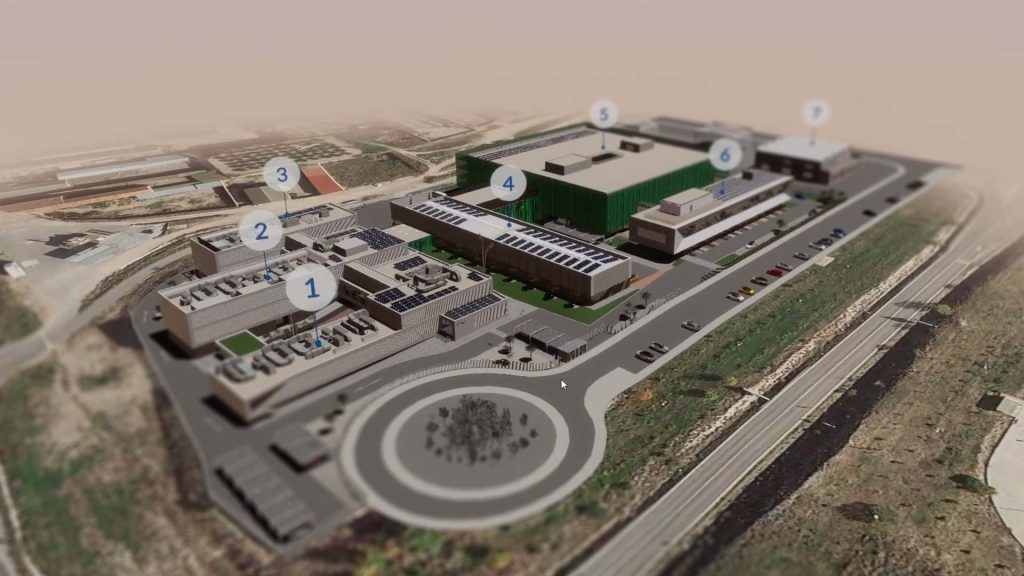
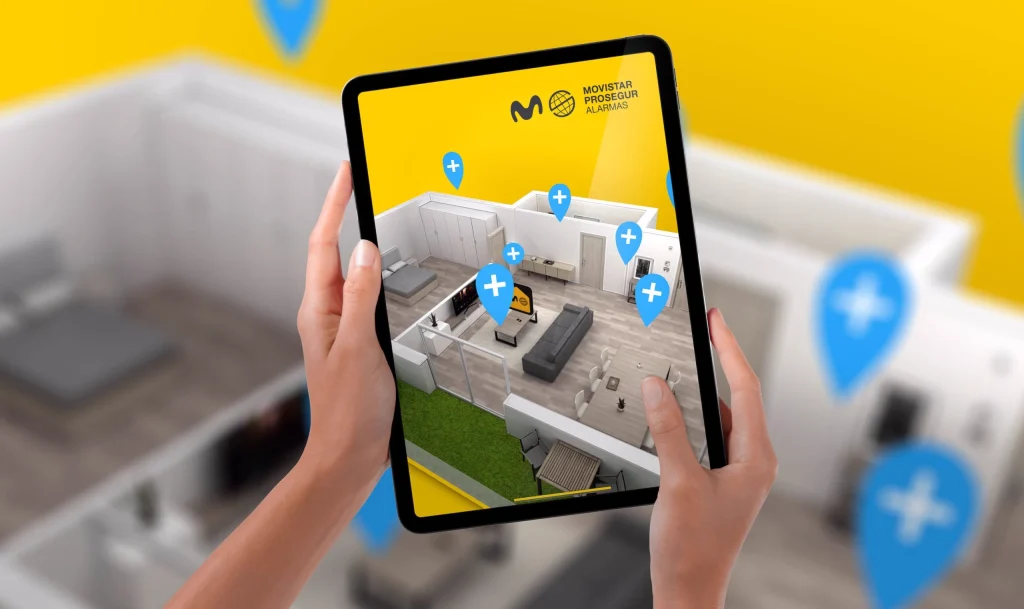
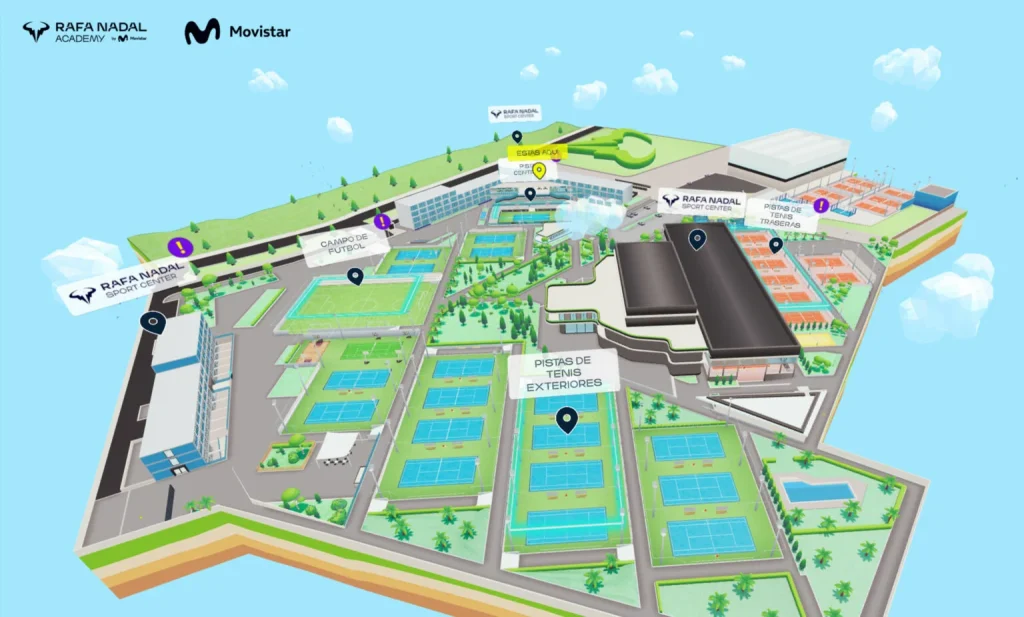
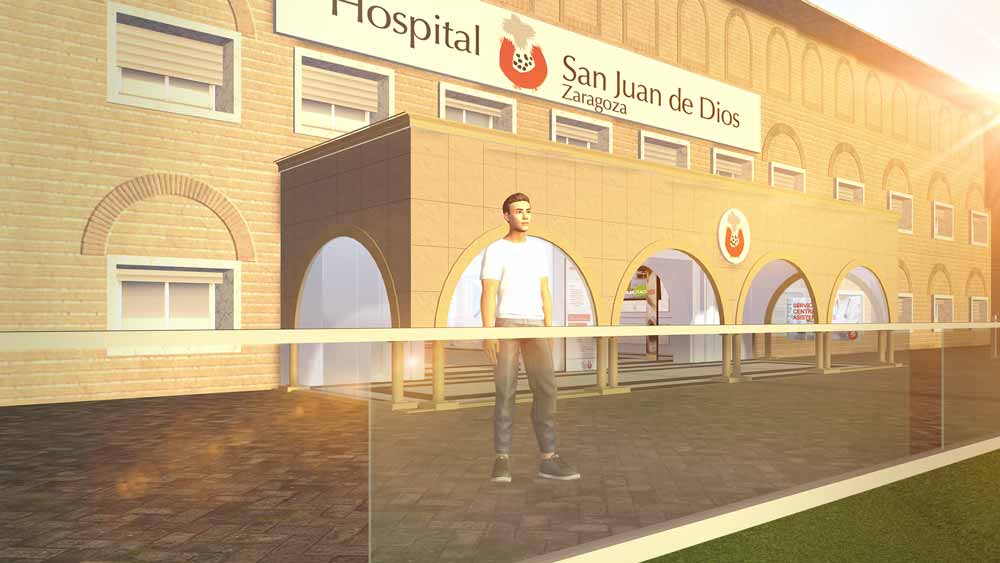
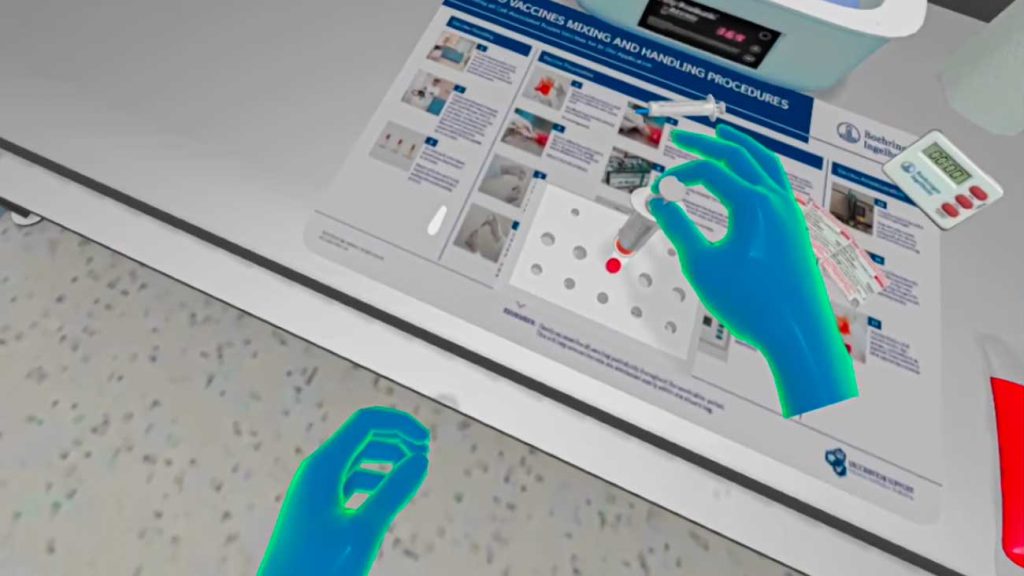
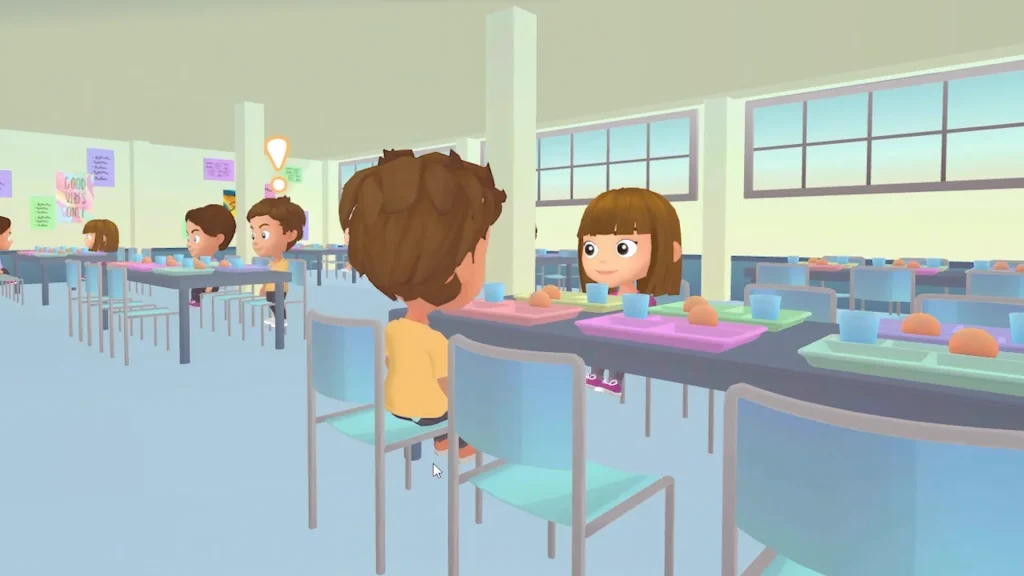
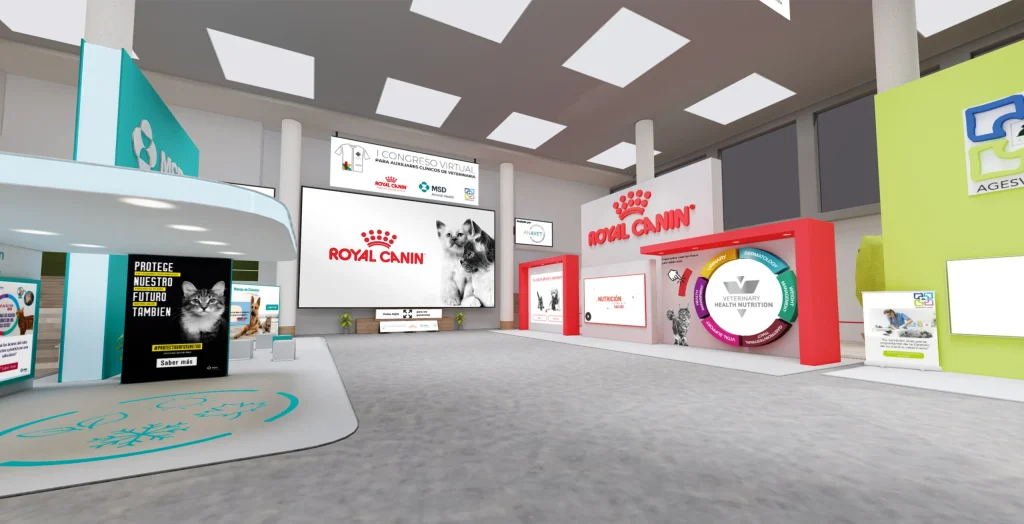
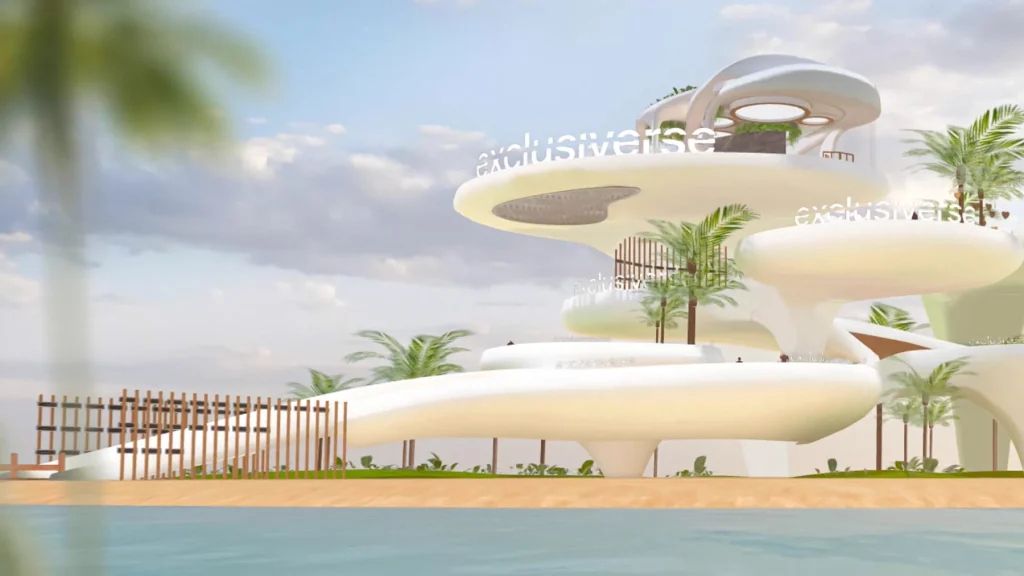

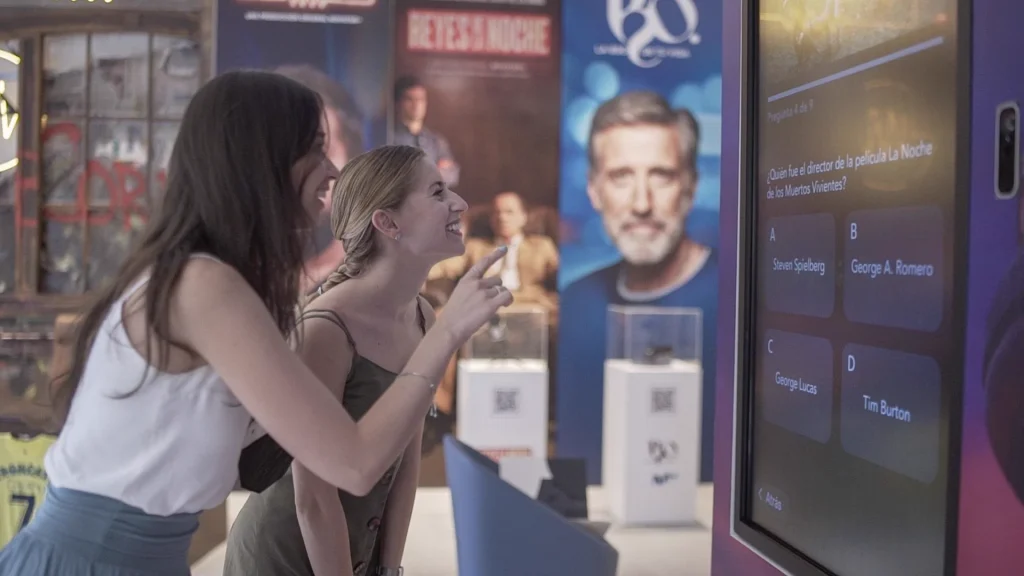

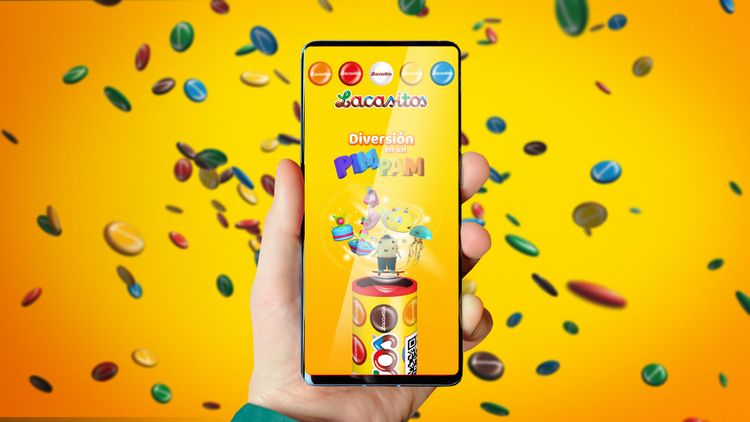
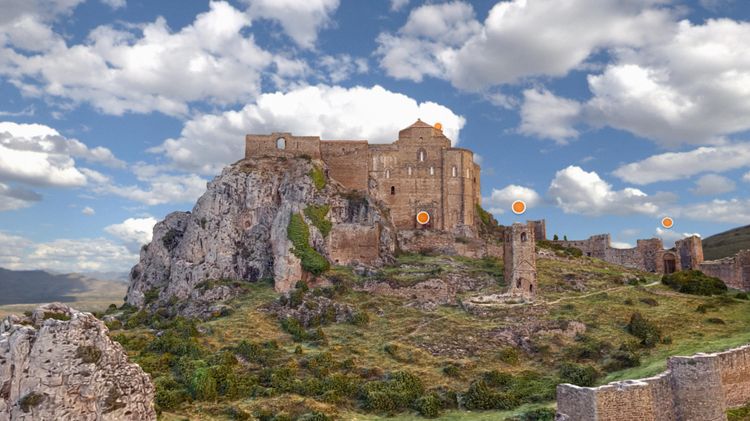
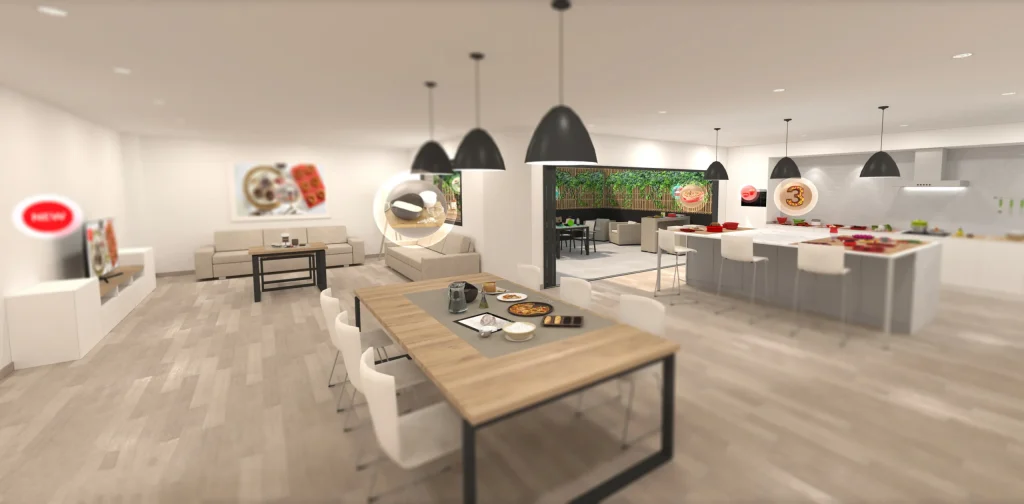
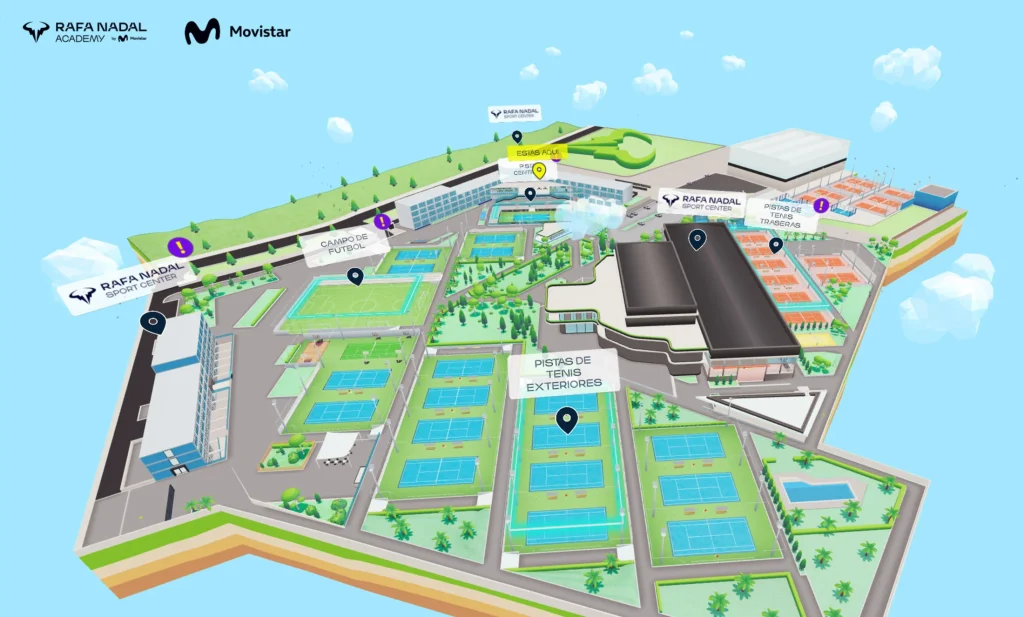
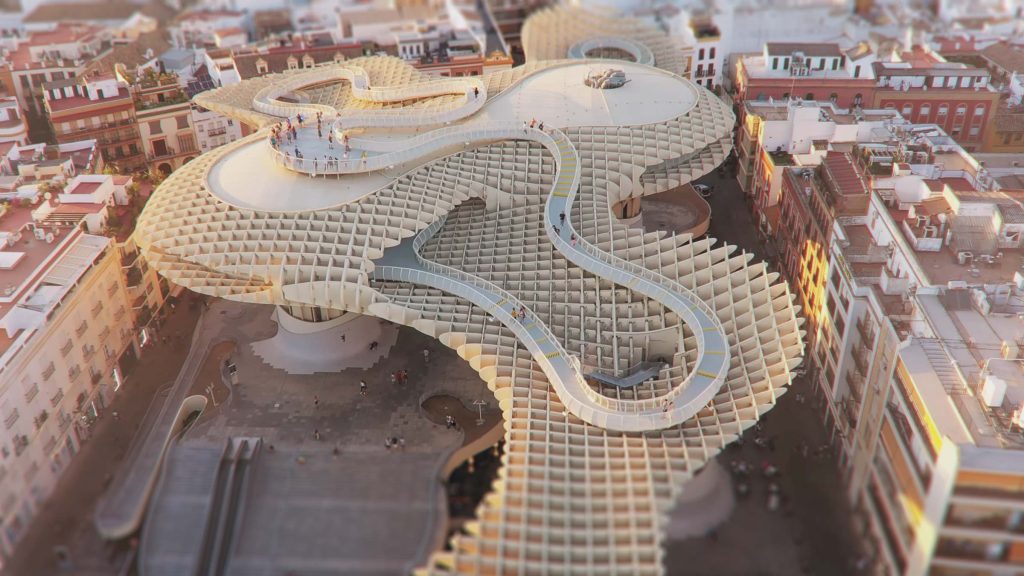
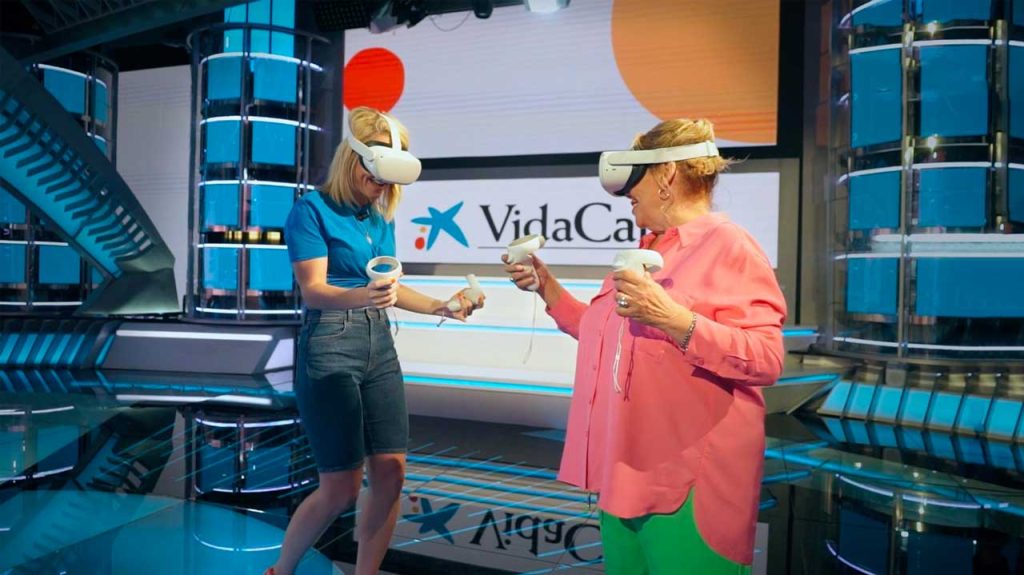

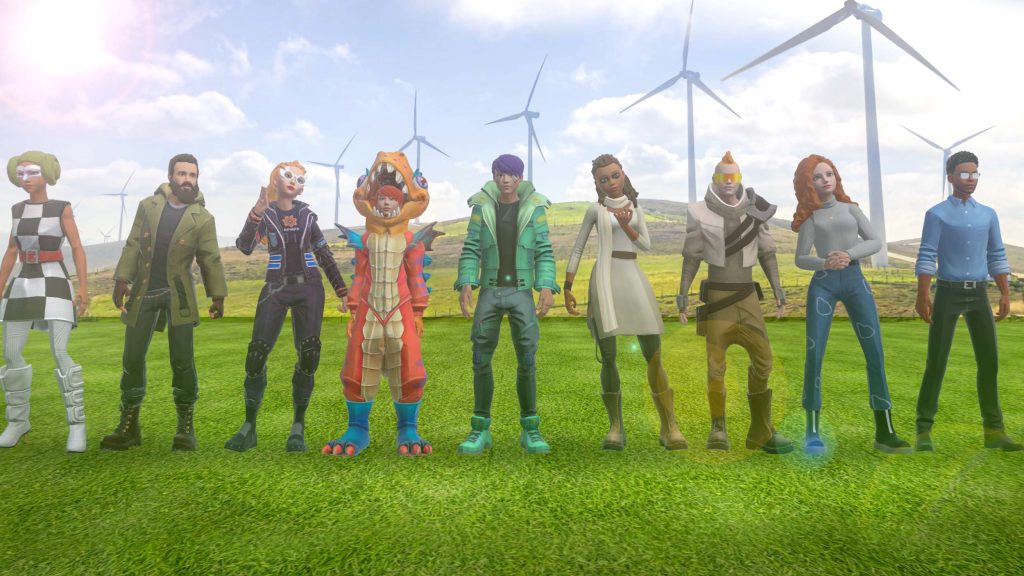
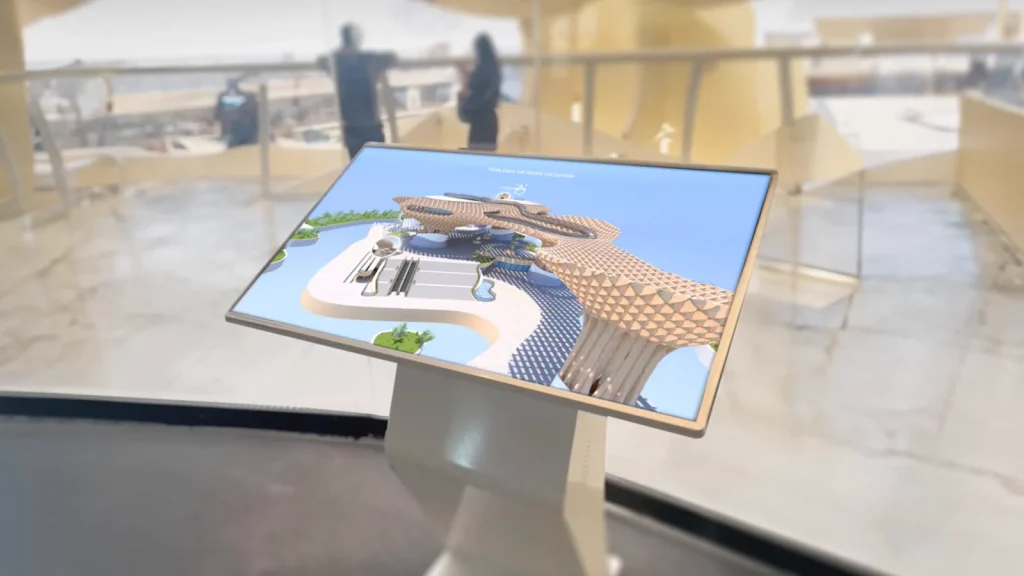
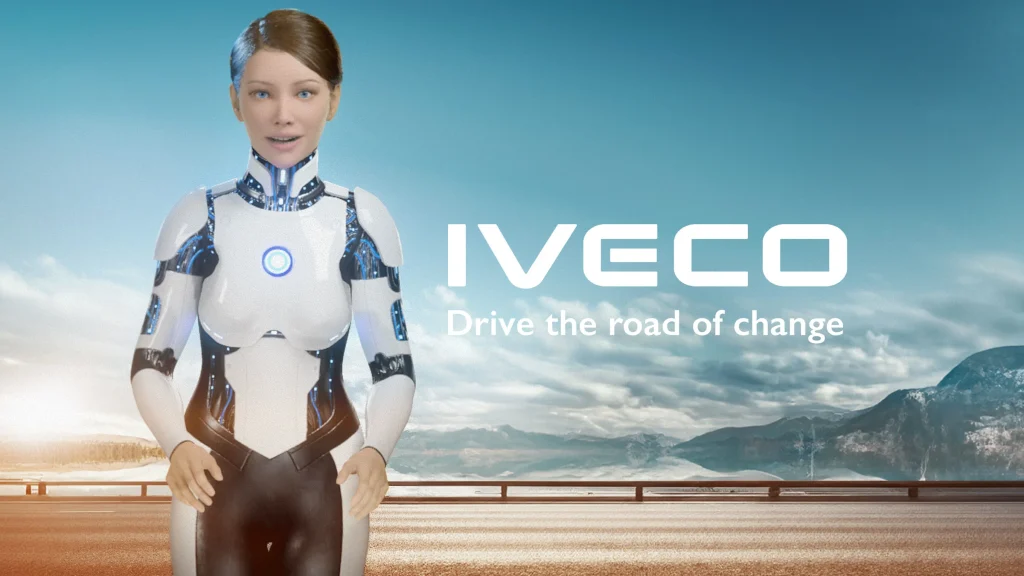
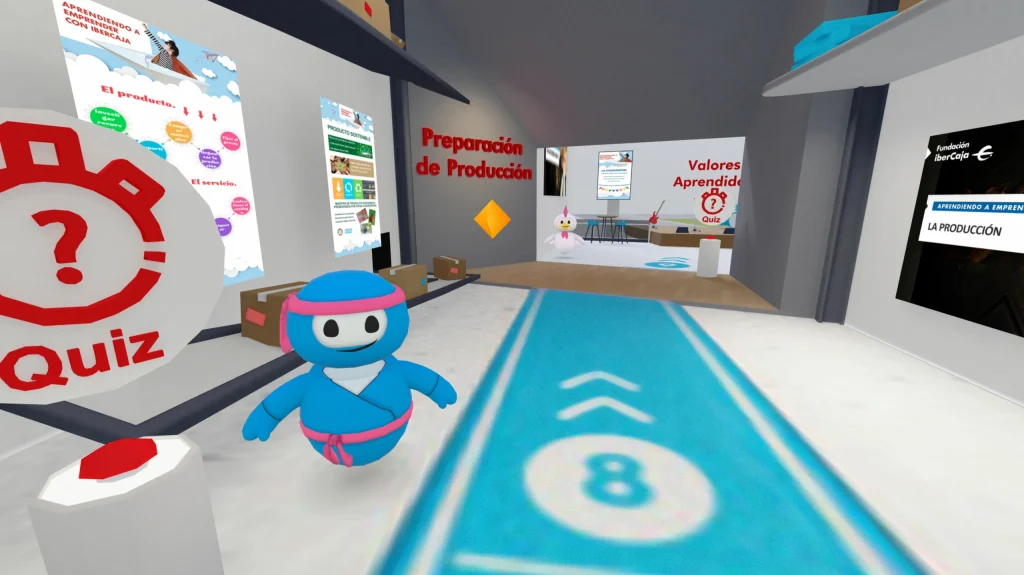
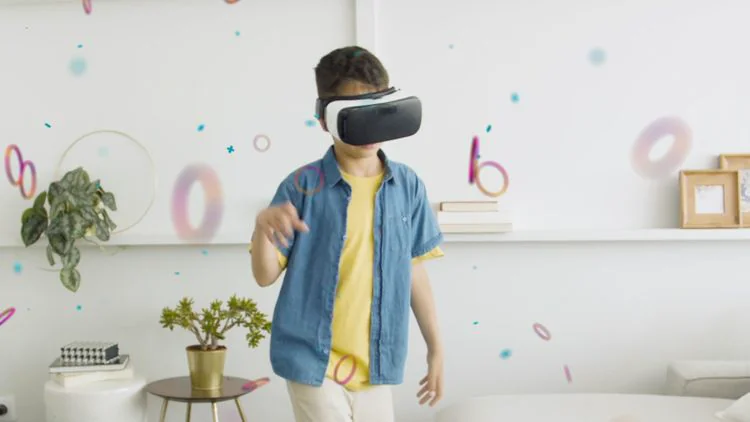

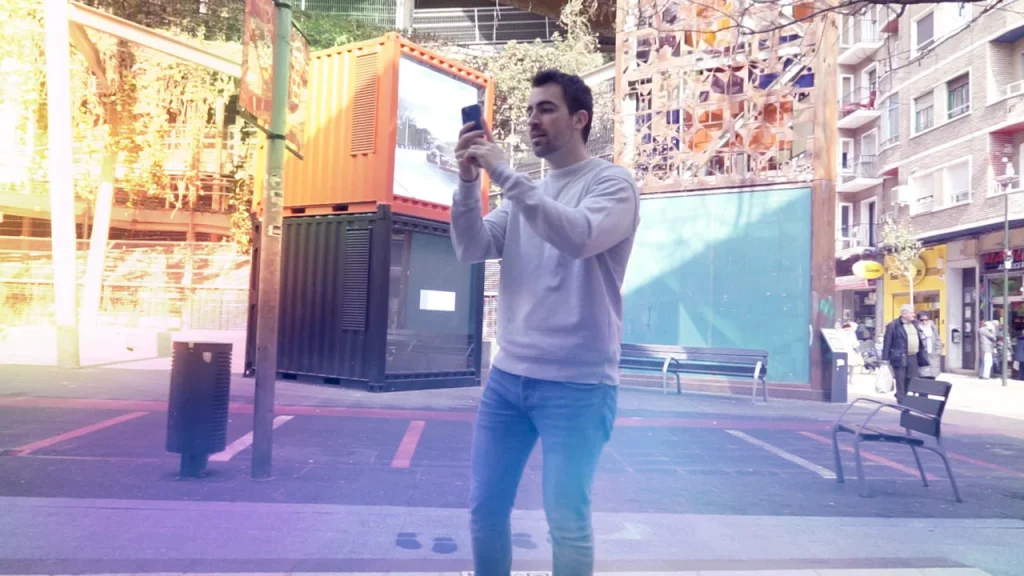

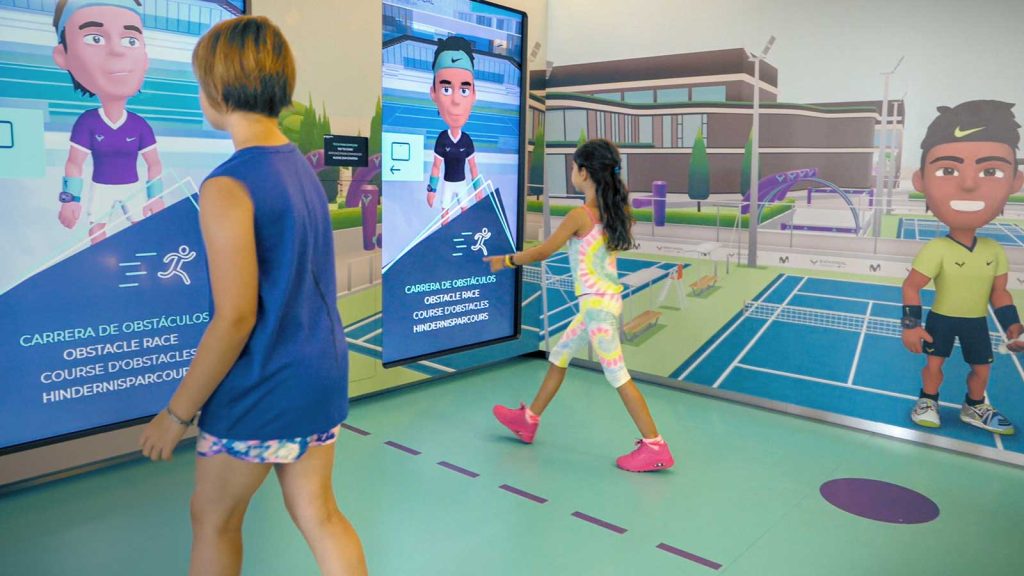
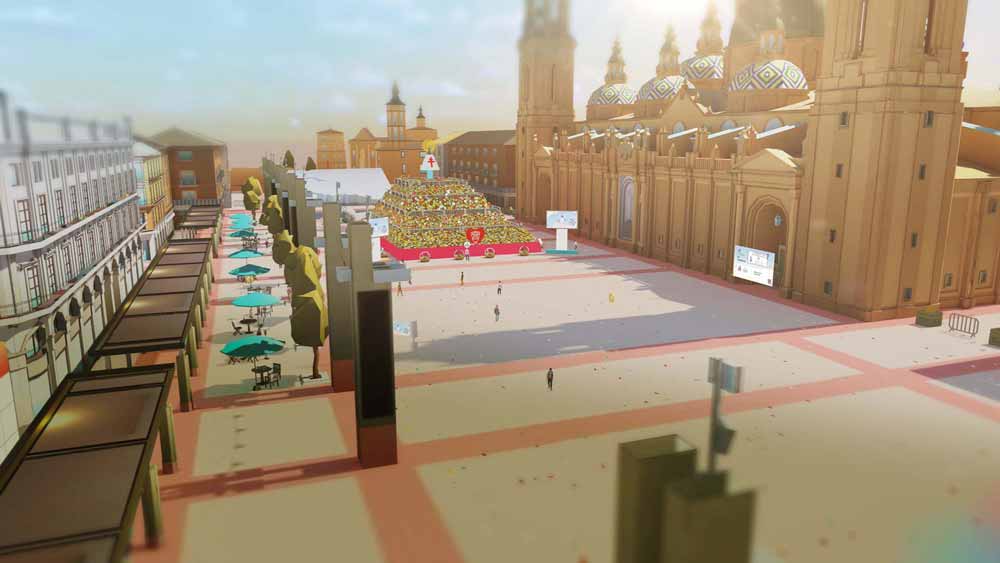
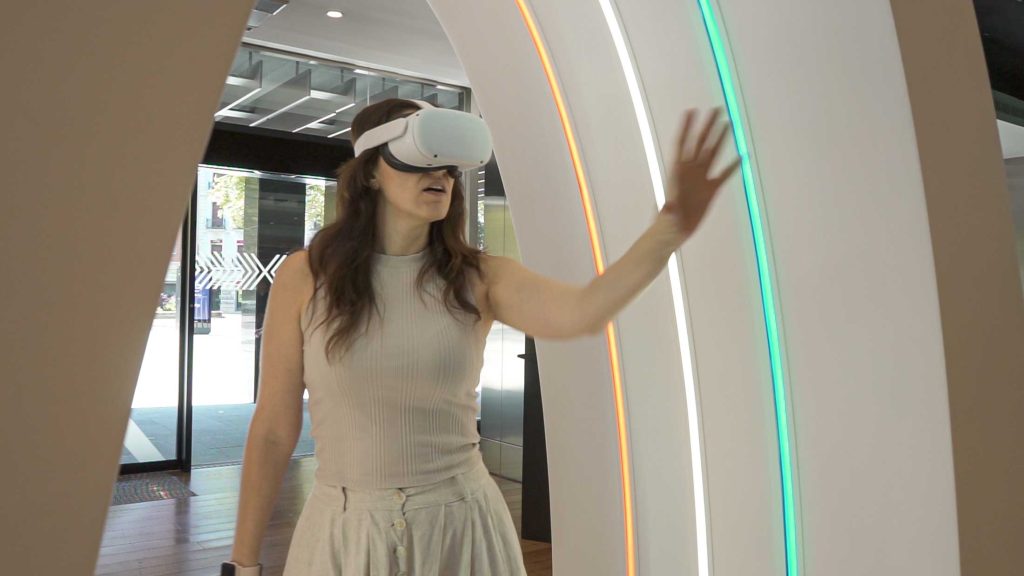
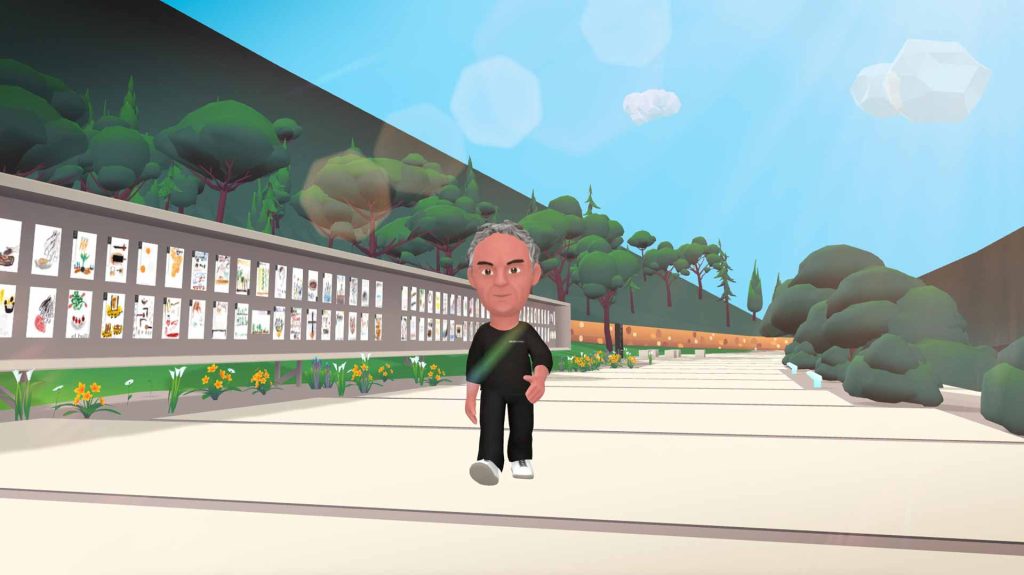
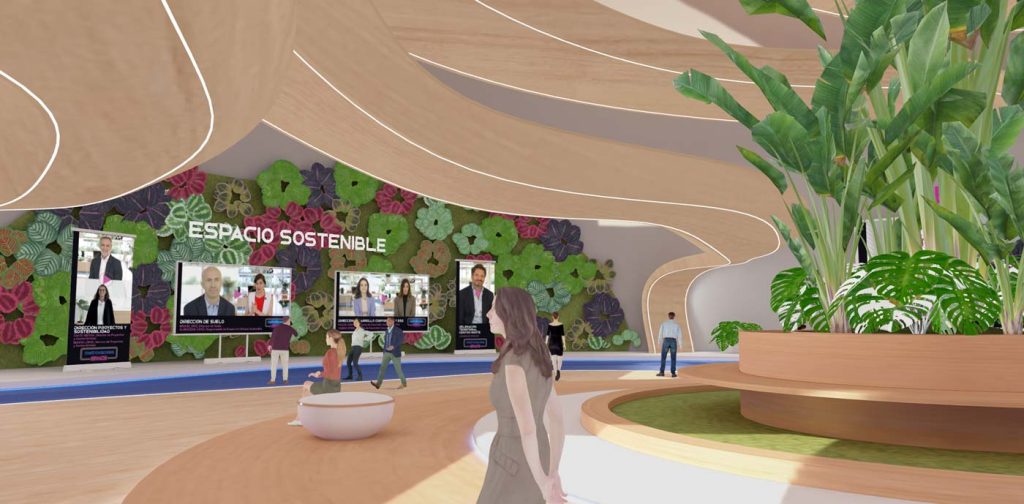
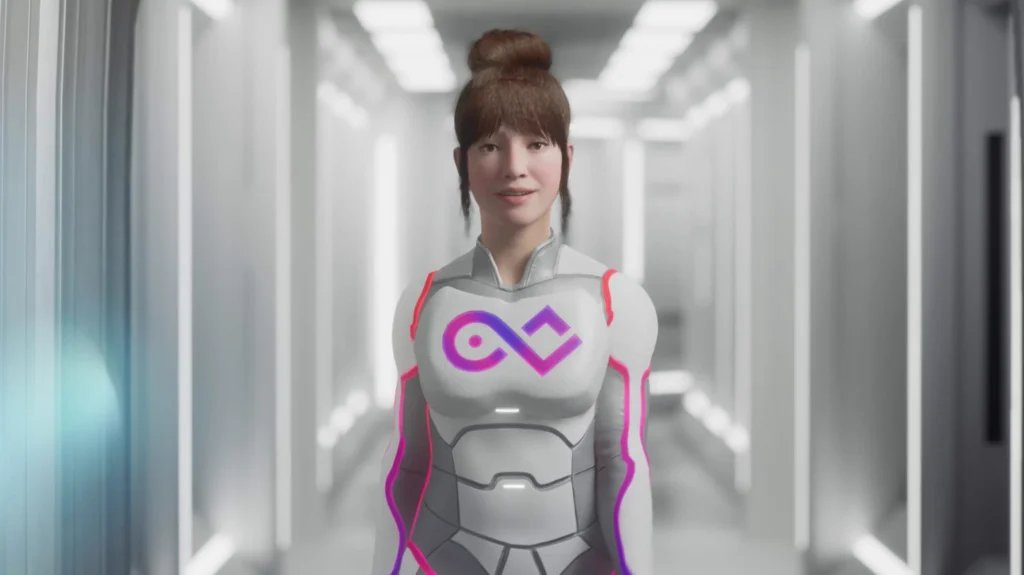
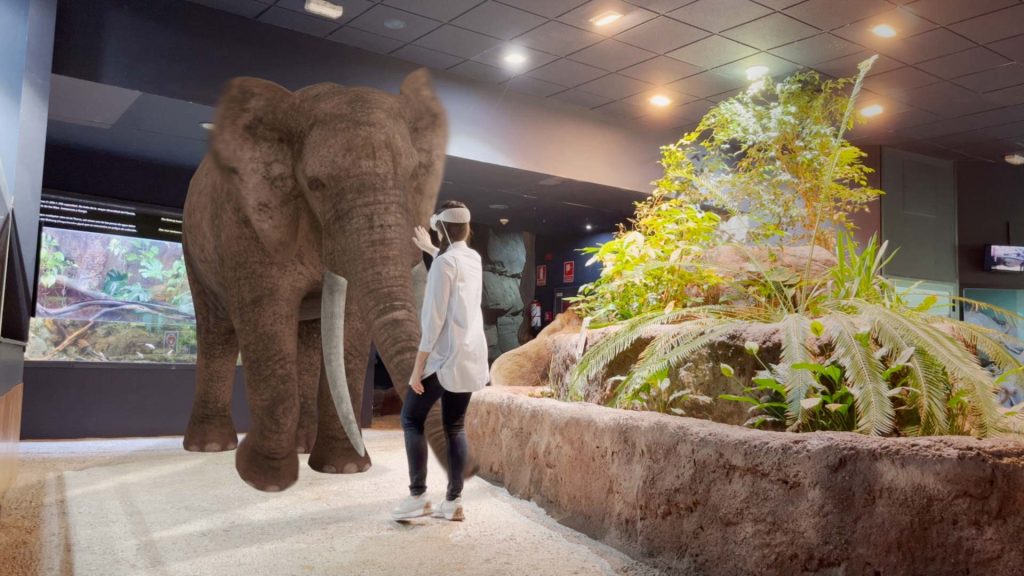

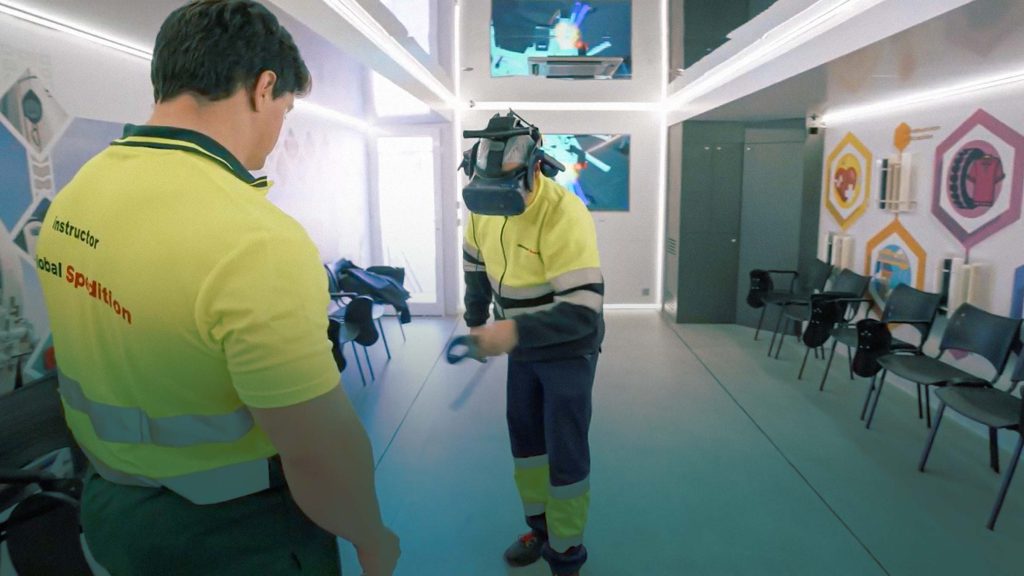
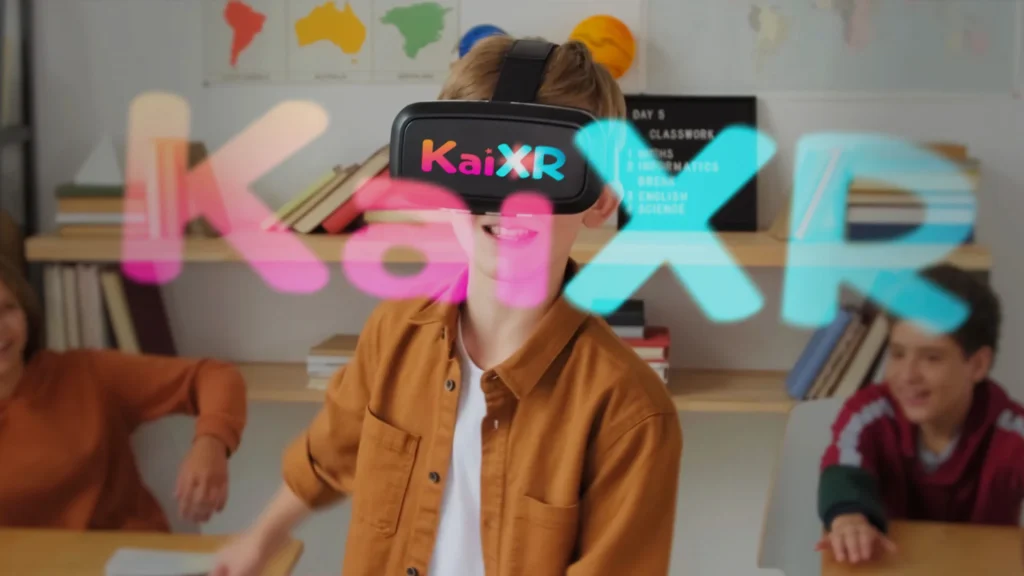
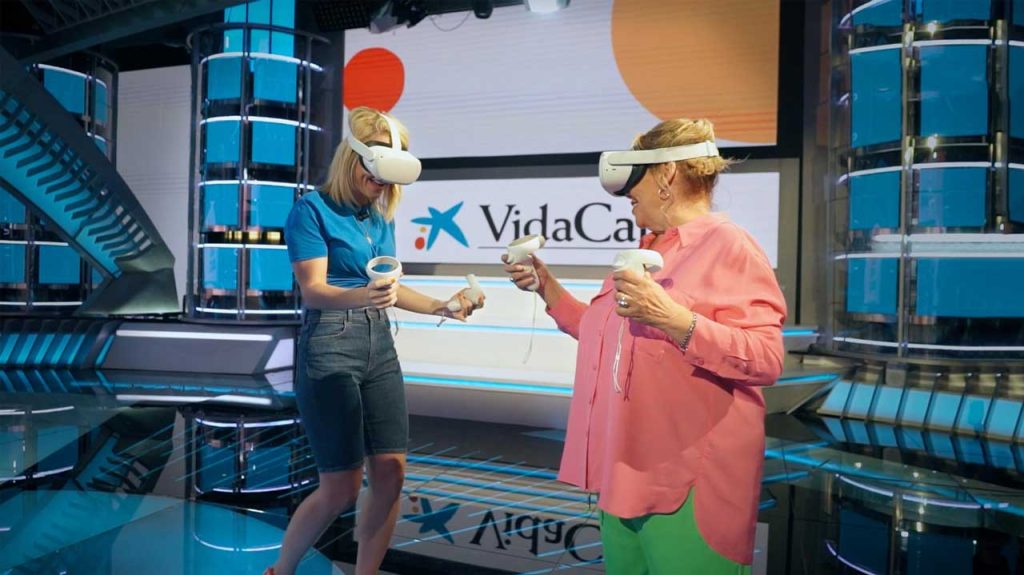
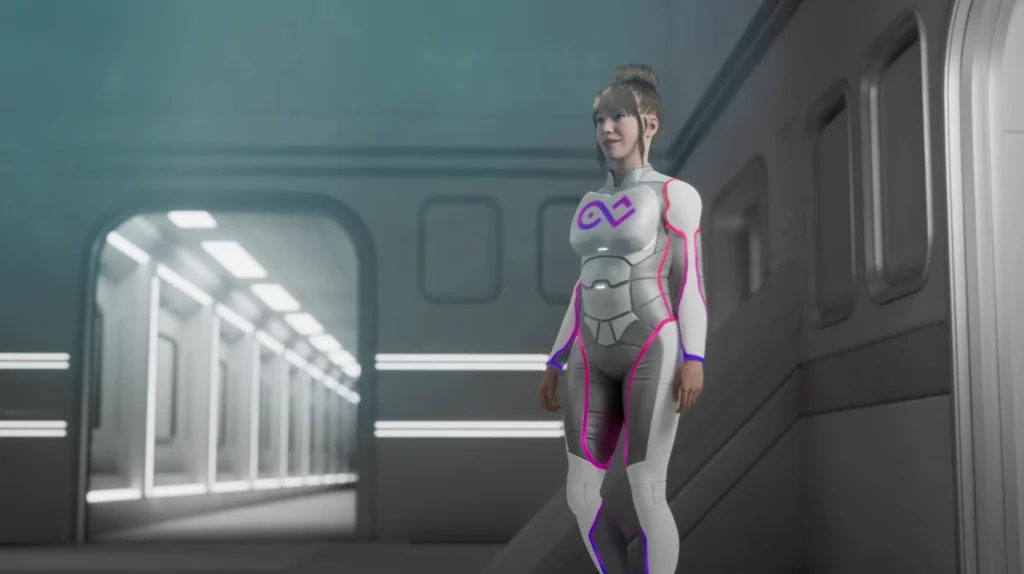
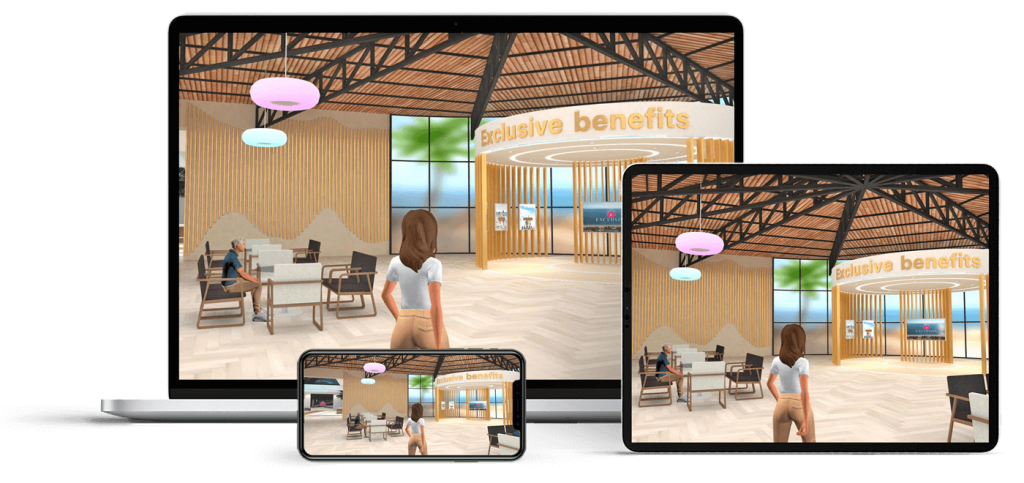
 Spanish
  English