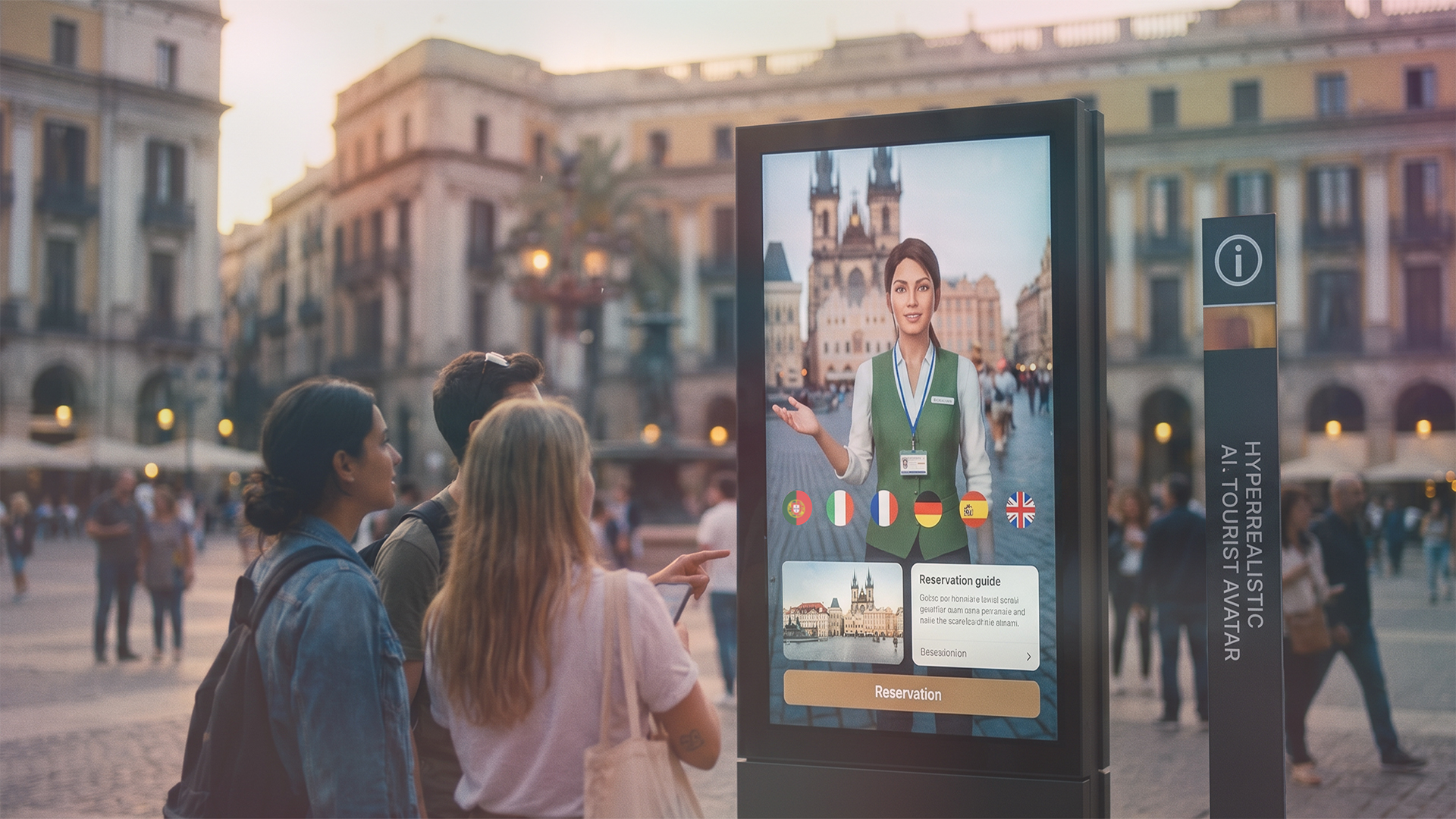
The hotel industry is undergoing a quiet but unstoppable transformation. While guests enjoy a more seamless and memorable stay, behind the scenes lies a whole technological infrastructure that is redefining what it means to host guests. Hospitality technology trends are no longer a luxury reserved for large chains; they are the new language of hospitality, and whoever masters it will make a difference. In this article, we explore how innovation is changing the game based on three pillars: the customer experience where the AI frontline and gamification turn every interaction into an opportunity to surprise; the operations area (back of house) , the invisible engine where the virtual twins and large-scale customization boost profitability, and the staff training , where immersive simulations elevate talent without limits. Because technology trends in the hospitality industry aren't about replacing people, but about empowering them. Join us on this journey through the hotel of the future.
Hospitality technology trends to redefine the guest experience
The guest experience no longer begins at check-in; it starts much earlier, the moment someone begins to envision their stay. Technological trends in the hotel industry are shifting the focus from operations to the customer experience, turning every touchpoint into an opportunity to delight, anticipate needs, and build loyalty. We're talking about technologies that amplify the hospitality , freeing up staff to focus on what really matters: caring for people.
AR and VR for pre-arrival engagement and virtual property tours
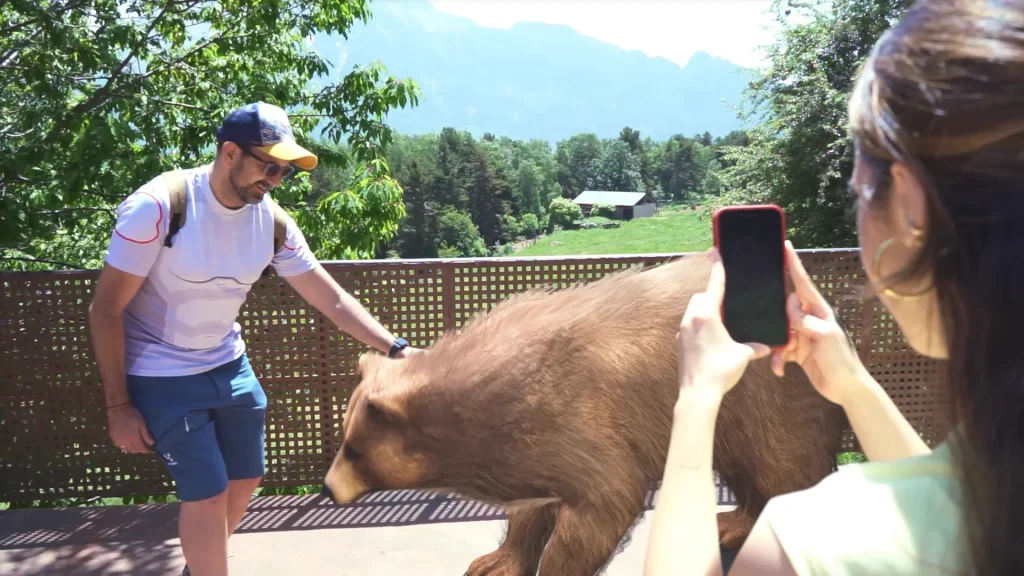
The Augmented reality and Virtual Reality allow guests to explore the room, spa, or restaurant before booking, eliminating the uncertainty of «I don't know what to expect.» This preview reduces doubts, increases conversion rates, and raises expectations with confidence. The hotel stops making promises and starts showing results, building trust from the very first click.
AI-powered virtual assistants are becoming the new dront desk
Available 24/7 and in any language, the virtual assistants with AI answer questions, handle requests, and assist guests without delays or set hours. They don't replace the front desk team; instead, they take on the repetitive tasks so that staff can focus on providing value-added service. The result is an immediate response that feels like impeccable service.
Gamification and experiential activations that drive ancillary revenue
The Gamification is one of the hospitality technology trends. It turns the stay into a game with rewards such as challenges, levels, and discounts that encourage guests to explore the hotel's services. Immersive experiences, on the other hand, transform a simple stay into a memory that guests want to repeat and share. Beyond entertainment, both strategies generate ancillary revenue and strengthen brand loyalty.
Technological Innovation in Smart Operations for Back of House (BoH)
Technology trends in the hotel sector don't stop at the guest-facing surface; their deepest impact happens where no one is looking, in the back rooms that sustain every flawless stay. The Back of House is the true engine of the property, and it is precisely there that technology unleashes its full potential to optimize resources, anticipate needs and make decisions based on data rather than intuition.
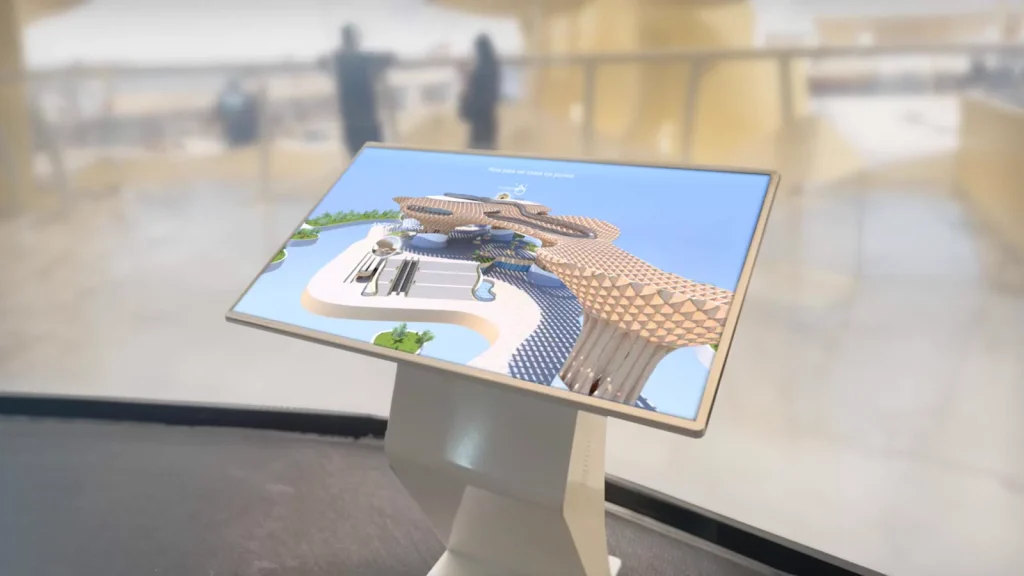
Virtual twins for property management and commercial presentations
A virtual twin precisely replicates every space in the property, making it possible to manage maintenance, plan renovations or supervise facilities without being physically present. On the commercial side, that replica becomes a sales tool capable of showing an entire property to investors or clients from anywhere in the world. A single technology that connects day-to-day operations with business strategy, reducing travel and speeding up decisions.
AI-driven personalization at scale
The inteligencia artificial perhaps the most recognizable of the hospitality technology trends, analyzes each guest's behavior to enable the most precise segmentation, delivering the right offer at the right touchpoint through the right channel. What once required entire teams of analysts now happens automatically and in real time, greatly increasing the relevance of every communication. The hotel It shifts from speaking to everyone in the same way to addressing each person as if they were the only one, in a variety of ways.
Immersive training technologies for workforce development
Entre las tendencias tecnológicas en el sector hotelero, la formación inmersiva merece un capítulo propio, porque ataca uno de los grandes retos del sector, capacitar a equipos numerosos, rotativos y distribuidos sin sacrificar la calidad ni disparar los costes. La Virtual Reality permite aprender haciendo, en entornos seguros donde el error no tiene consecuencias y la práctica se repite tantas veces como haga falta.
VR simulations for service quality, safety, and emergency protocols
The simulations recreate real-life situations—from dealing with a demanding guest to responding to an emergency—so that the team can practice them before facing them in person. This risk-free repetition reinforces protocols, refines service, and measurably enhances safety. Staff gain confidence and quick reflexes, and the hotel reduces incidents while standardizing excellence.
Scalable multilingual training for global hotel groups
For a global network, training thousands of people across different languages and cultures is a major logistical challenge. The immersive training It addresses that complexity with content that can be replicated, translated, and deployed at any location with the same quality. Every location benefits from the same standard of excellence, regardless of its location or the language spoken by its staff.
Hospitality technology trends powered by Imascono
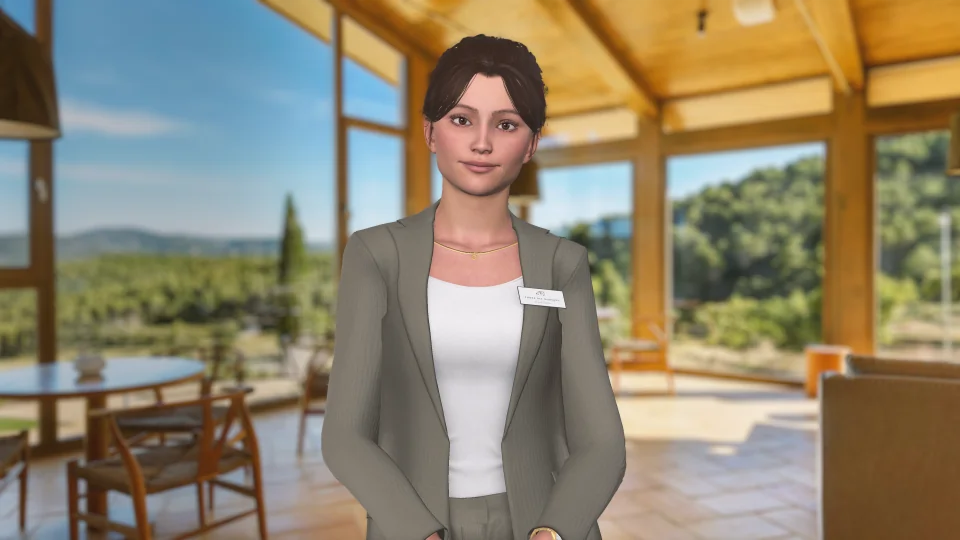
In Imascono no hablamos de tendencias tecnológicas en el sector de la hostelería desde la teoría, sino desde proyectos reales que ya están funcionando. Un buen ejemplo es Marta, la concierge digital del Hotel Torre del Marqués, el cinco estrellas rural enclavado en el Matarraña turolense. Marta es un avatar inteligente que acompaña al huésped las 24 horas, resuelve sus dudas sobre servicios y entorno, permite reservar actividades al momento y lo hace en seis idiomas. Una asistente con IA que materializa esa idea del «nuevo mostrador de recepción»: optimiza la operativa interna, eleva la satisfacción del visitante y demuestra que la tecnología puede aportar cercanía sin restar ni un ápice de exclusividad. Esa misma vocación de poner el dato al servicio de la experiencia define Audioguiarte, la plataforma de audioguías que desarrollamos para transformar la visita cultural. Más allá de reproducir contenidos, la solución recopila y visualiza métricas que revelan cómo interactúan los usuarios en cada espacio, convirtiendo cada visita en información estratégica para sus gestores. Con más de 7,8 millones de usuarios, el proyecto confirma que las tendencias tecnológicas en hostelería y Tourism son una palanca de gestión inteligente que ya genera resultados medibles a través de datos reales. Las tendencias tecnológicas en el sector hotelero ya no son una opción a futuro, sino una decisión estratégica del presente. En Imascono te acompañamos desde la idea hasta las solución. Contacta con nuestro equipo y diseñemos juntos el próximo capítulo de tu hotel.