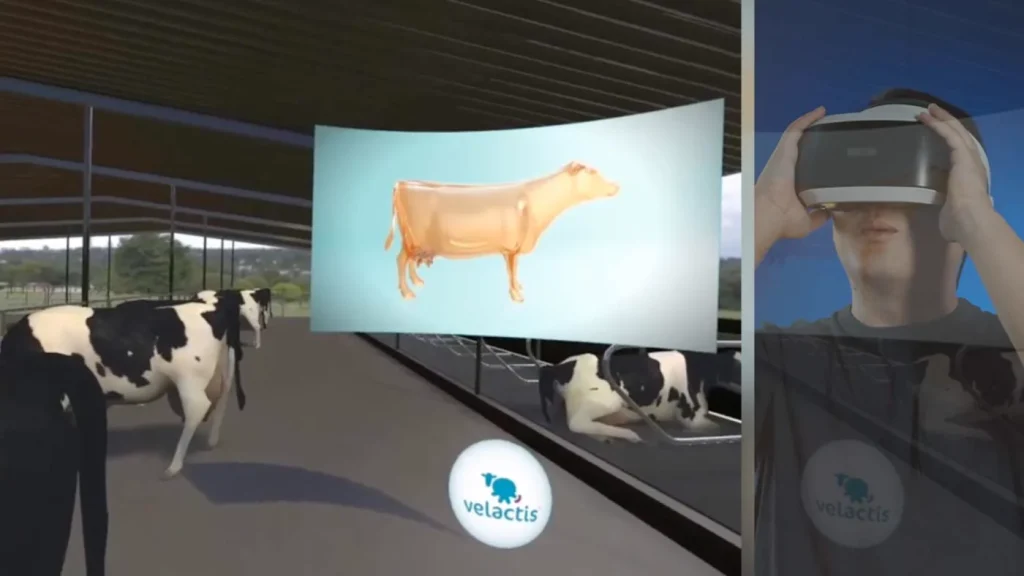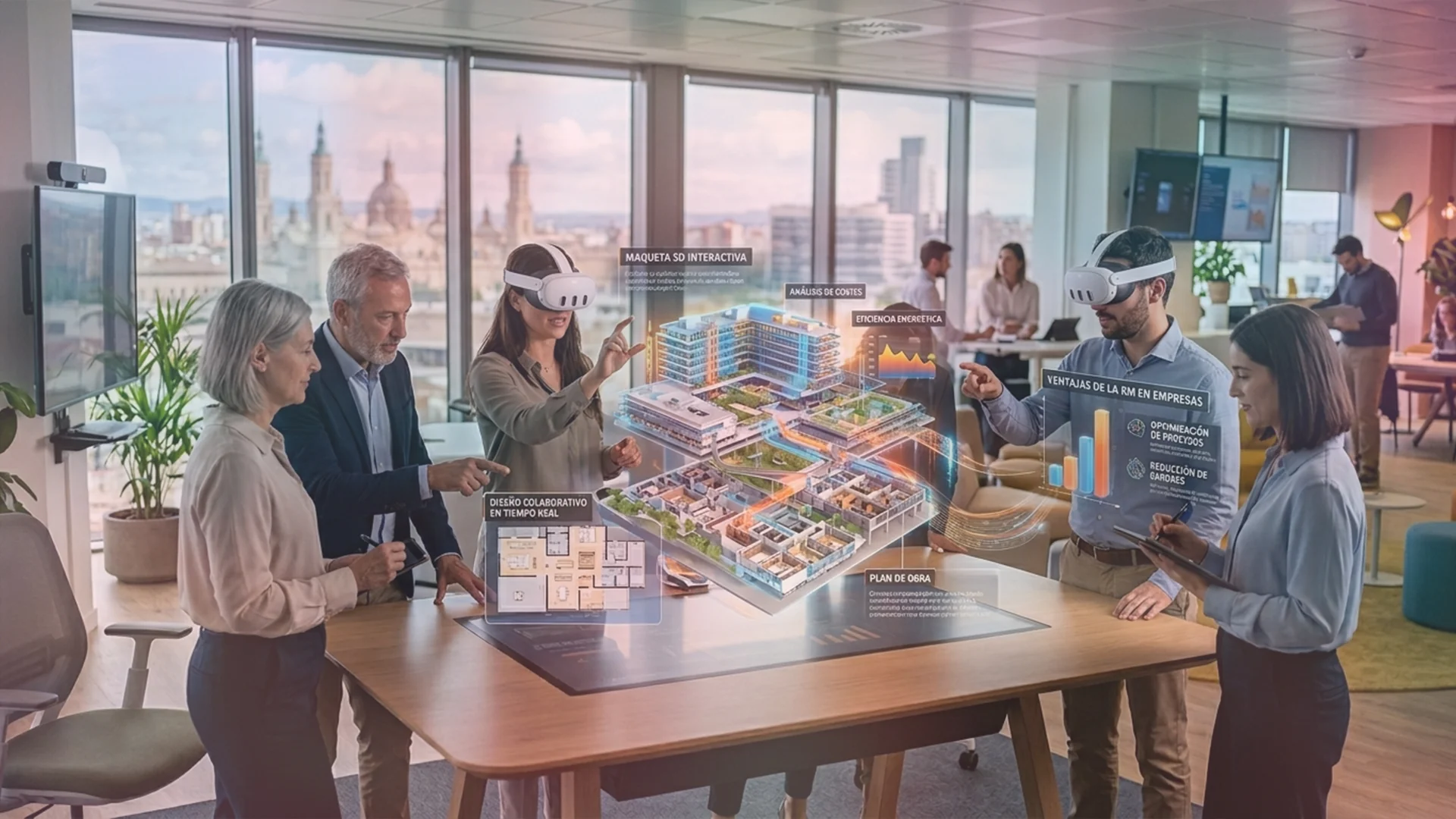
The mixed reality It has evolved from a laboratory promise into a real driver of business competitiveness. But amid confusing headlines, overlapping acronyms, and vendors promising miracles, it's not always easy to distinguish the hype from the opportunity. What can RM do that the Augmented reality y la Virtual Reality , on their own, aren't they enough? Where is the tangible return for a management team that demands results, not pie-in-the-sky ideas? In this article, we set the record straight. We'll explain exactly what mixed reality is and why that distinction matters, and we'll break down the five benefits of mixed reality that are already having the greatest impact in various environments industrial , sanitary facilities , architectural and commercial , and we tackle head-on the implementation challenges that every company must anticipate before taking the plunge. A guide designed for those who want to invest not in technology, but in results.
What Mixed Reality actually is (and why the distinction matters for business)
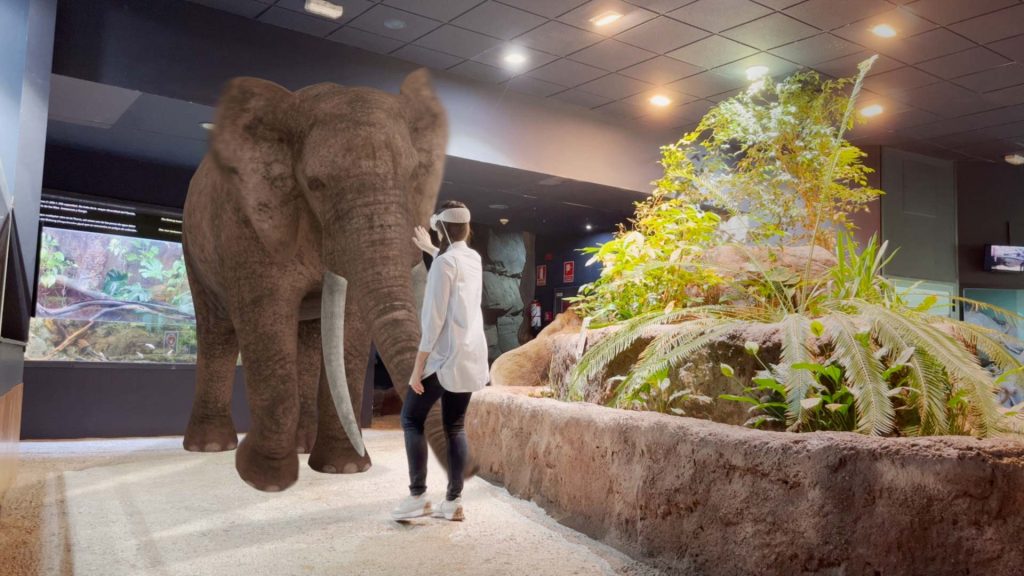
Before talking about benefits, it is worth setting things straight. Mixed reality is capable of merging the physical and digital worlds so that both interact in real time. Virtual objects no longer simply “appear” over your surroundings; they recognize them, respect them and respond to them. A holographic engine can rest on the real workshop table while an operator examines it from any angle and shares it with a colleague 3,000 kilometers away. That seemingly subtle difference is what makes MR a strategic tool for the corporate environment: a third space, half physical, half digital, where people work, train, design and collaborate without giving up either of the two worlds. And here is the decisive nuance. Confusing the three technologies is not a mere semantic slip; it means choosing the wrong tool for the right problem. And when we are talking about innovation budgets, that mistake comes at a price.
Distintion between MR, AR and VR
In short, the RA digital content is superimposed on the real world, the RV completely replaces reality with a virtual environment, and the RM merges both worlds, allowing them to dialogue with each other. If you want to go deeper into the technical and application nuances that separate each one, we explain it in detail in this article on the differences between augmented reality and virtual reality .
The core benefits of Mixed Reality in enterprise environments
Now that we've addressed the conceptual issues, it's time to talk about what really matters in any executive committee: the tangible impact on the business. The advantages of the mixed reality They go beyond mere futuristic promises and translate into concrete metrics for efficiency, quality, training, and customer experience. Below, we review the five benefits that generate a clearer and more measurable return.
Reduced error rates through real-time spatial guidance
MR overlays step-by-step instructions and checkpoints directly onto the physical workspace, eliminating that constant back-and-forth between the task and the manual that takes such a toll on concentration. By keeping eyes and hands always where they need to be, it drastically reduces cognitive load and context switching, which are responsible for most procedural errors in manufacturing, maintenance and the operating room. In these sectors, being able to train in safe environments makes the difference between getting a process right the first time and a costly repeat.
Accelerated training and knowledge transfer without stopping production
Training a new operator no longer requires stopping the machine or setting up a parallel environment; with MRI, all profiles learn directly on the real equipment, guided by overlays that accompany them in every gesture. In addition, the know-how of veteran technicians, that tacit knowledge that so often retires with them, can be captured and encoded in immersive workflows, making it a transferable and scalable asset for the entire organization. At Imascono we have seen firsthand how this virtual training approach accelerates the learning curve and boosts the ROI of any training plan.

Remote expert collaboration across any distance
Also, mixed reality allows an expert located anywhere in the world to see exactly the same as the technician in the field and make annotations, highlight a component, draw an arrow, mark a measurement, on its real physical environment, as if he were there in person. The operational savings are immediate, resulting in less travel by specialists, faster resolution of incidents and global access to the best talent from any plant. An especially strategic benefit for field service operations and healthcare environments, where every minute of downtime or every trip avoided translates directly to the bottom line.
Improved design validation and prototyping before physical production
In engineering, architecture and product design, MR makes it possible to place digital prototypes in real physical spaces and interact with them before manufacturing a single part. Teams can walk around the design, review it from any angle, subject it to ergonomic scrutiny and detect spatial conflicts in the digital phase, where fixing them costs practically nothing. This avoids the most feared, and most expensive, scenario of any project: discovering the flaw when the physical prototype is already on the table or in production.
Richer customer and stakeholder experiences
In the business world, the mixed reality It turns the intangible into the tangible, allowing products, spaces, and configurations that do not yet physically exist to be displayed directly in the customer's environment, both online and at the point of sale. For example, a real estate developer can guide a buyer through a completed building on an empty lot, and a machinery manufacturer can display its equipment at actual scale within the customer's facility and demonstrate how it will fit into the existing layout.
Overcoming enterprise Mixed Reality challenges with Imascono
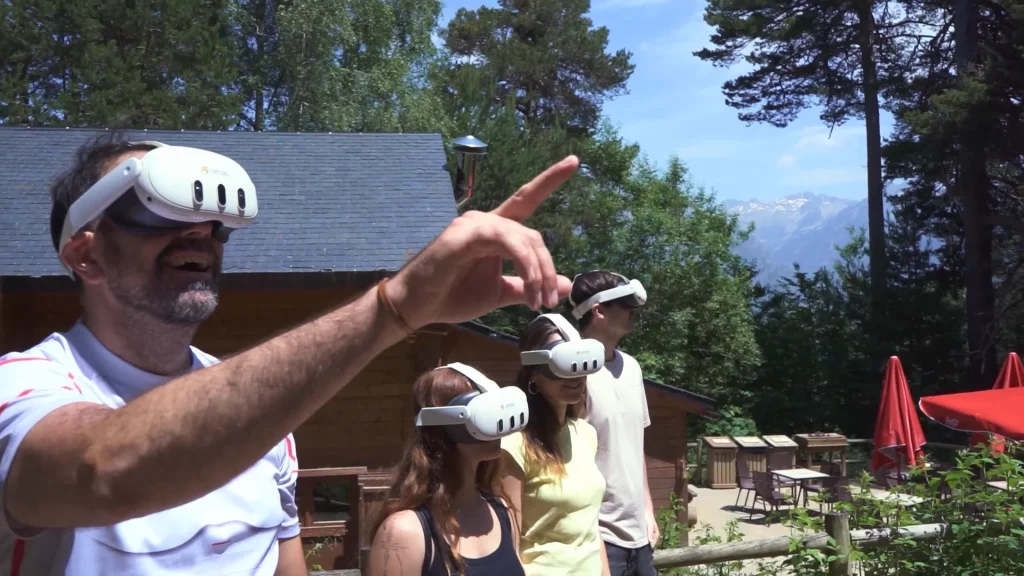
No transformative technology is without friction, and MRI is no exception. Any serious analysis of mixed reality benefits and drawbacks must recognize that, along with the benefits, there are real hurdles, hardware investment, integration with existing systems, team adoption or the ever-thorny task of demonstrating ROI. The good news is that, properly addressed, these challenges are no longer barriers but simply milestones in an implementation plan. At Imascono We don't implement technology just for the sake of it; we design projects that mixed reality designed to fit each client's operational reality. We address hardware costs through phased pilot programs and a measurable ROI from the very first test, and we take on the complexity of the IT infrastructure from end to end so that the client doesn't have to distract their technical team. To overcome resistance to change and uneven learning curves, we design a customized plan with the end user in mind, featuring intuitive and gamified experiences accessible to users of all skill levels. The final stretch of any implementation is played on two fronts, internal adoption and validation for the user profile. We solve this by identifying allies within the organization that act as drivers of change, generating quick wins that build trust, and incorporating impact metrics from day one so that each phase of the project is a business case. Because the advantages of mixed reality only materialize when the implementation is properly orchestrated, and that is where a specialized technology consultant makes the difference between a pilot that stays in the drawer and a technology that begins to generate results from the first quarter. Are you considering making the leap to mixed reality but don't know where to start? At Imascono we accompany you from the definition of the use case to the implementation, with tailor-made projects and a clear ROI from the first phase. Let's talk and turn MR into a real advantage for your business.