From challenge to solution
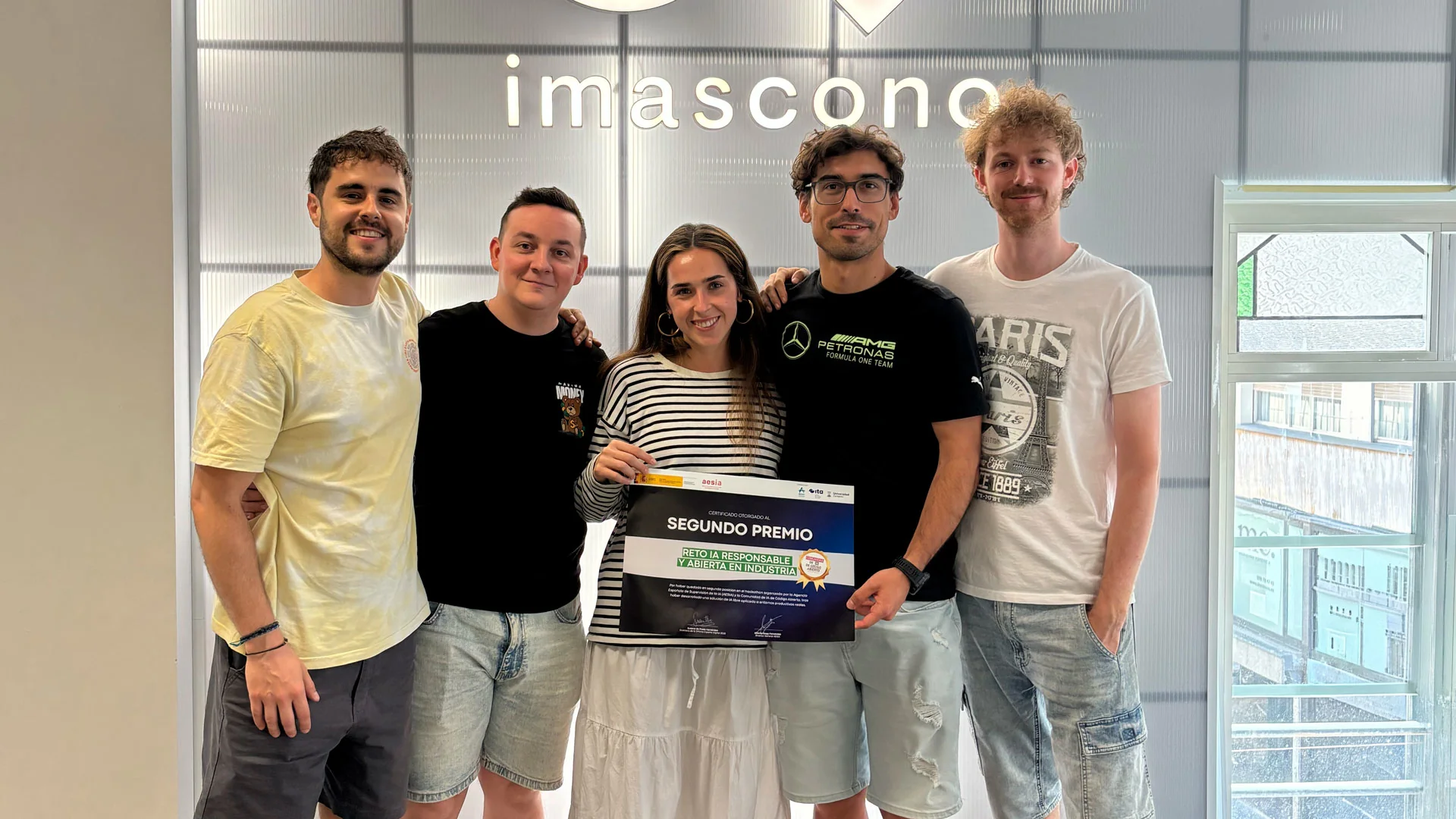
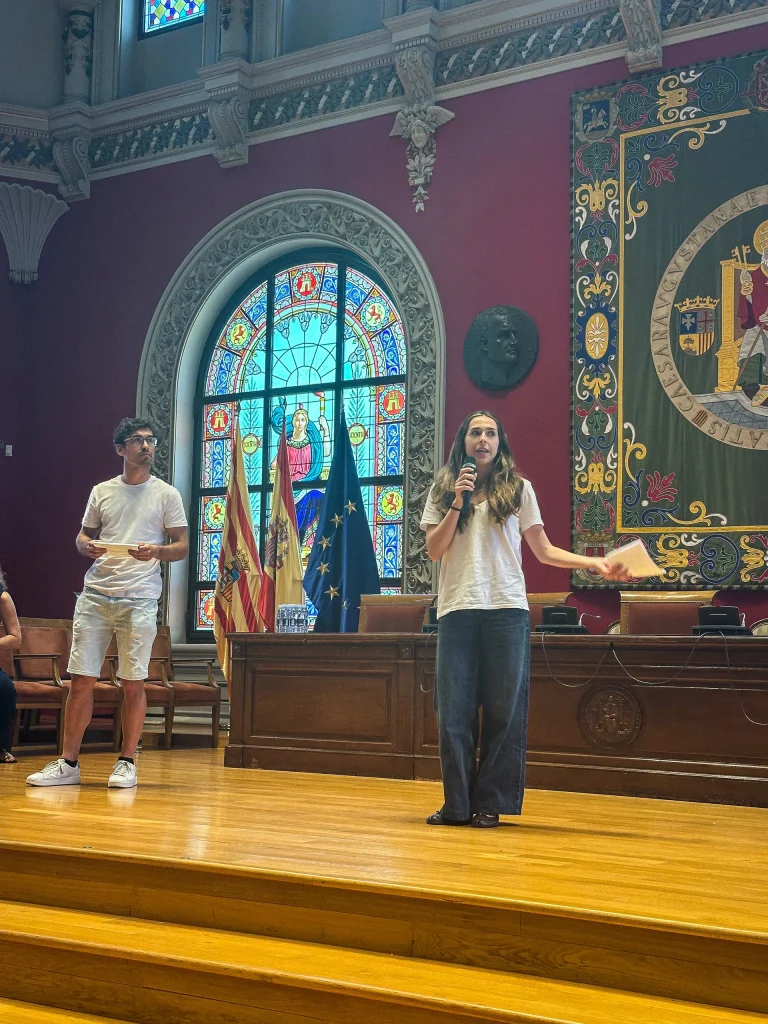
The Imascono team was at the University of Zaragoza presenting OpenWood, the project that earned us second place at the Responsible and Open Source AI Hackathon. A gathering promoted by AESIA (the Spanish Agency for the Supervision of Artificial Intelligence), Aragón EDIH, the Technological Institute of Aragon (ITA), the University of Zaragoza and the Open Source AI Community, focused on something we share: showing that Artificial Intelligence can be responsible and play a real role in industry.
More than an abstract challenge, OpenWood was born from a very specific case. The father of one of our teammates has been a carpenter for more than thirty years and, like so many professionals in the trade, spends hours outside his working day calculating quotes by hand: going over parts, hardware, measurements and costs. There we saw a real problem where technology could add value, one that fit squarely with our way of understanding technology.
What OpenWood is: from photo to result in minutes
OpenWood is an open tool based on Artificial Intelligence, designed for small carpentry workshops. From a simple photograph of the piece of furniture the customer wants to order, it returns a complete quote to the carpenter in minutes, along with the measurements, the plans for each part and its 3D model, removing steps that traditionally consume hours of manual work. On top of that, it adds a conversational assistant that answers the professional's questions in natural language, with no technical knowledge required.
Behind it lies a twofold conviction. First, to give the carpenter back hours of their day by automating an administrative task they currently do by hand and out of hours. Second, to do it responsibly, with human supervision at every step, transparency about how data is used and no dependence on closed technology.
A proposal designed for the trade's SMEs, which often lack the digital resources to compete with the large furniture industry. We believe Artificial Intelligence should reach small workshops too, without displacing the person from the process. That, for us, is humanising technology.