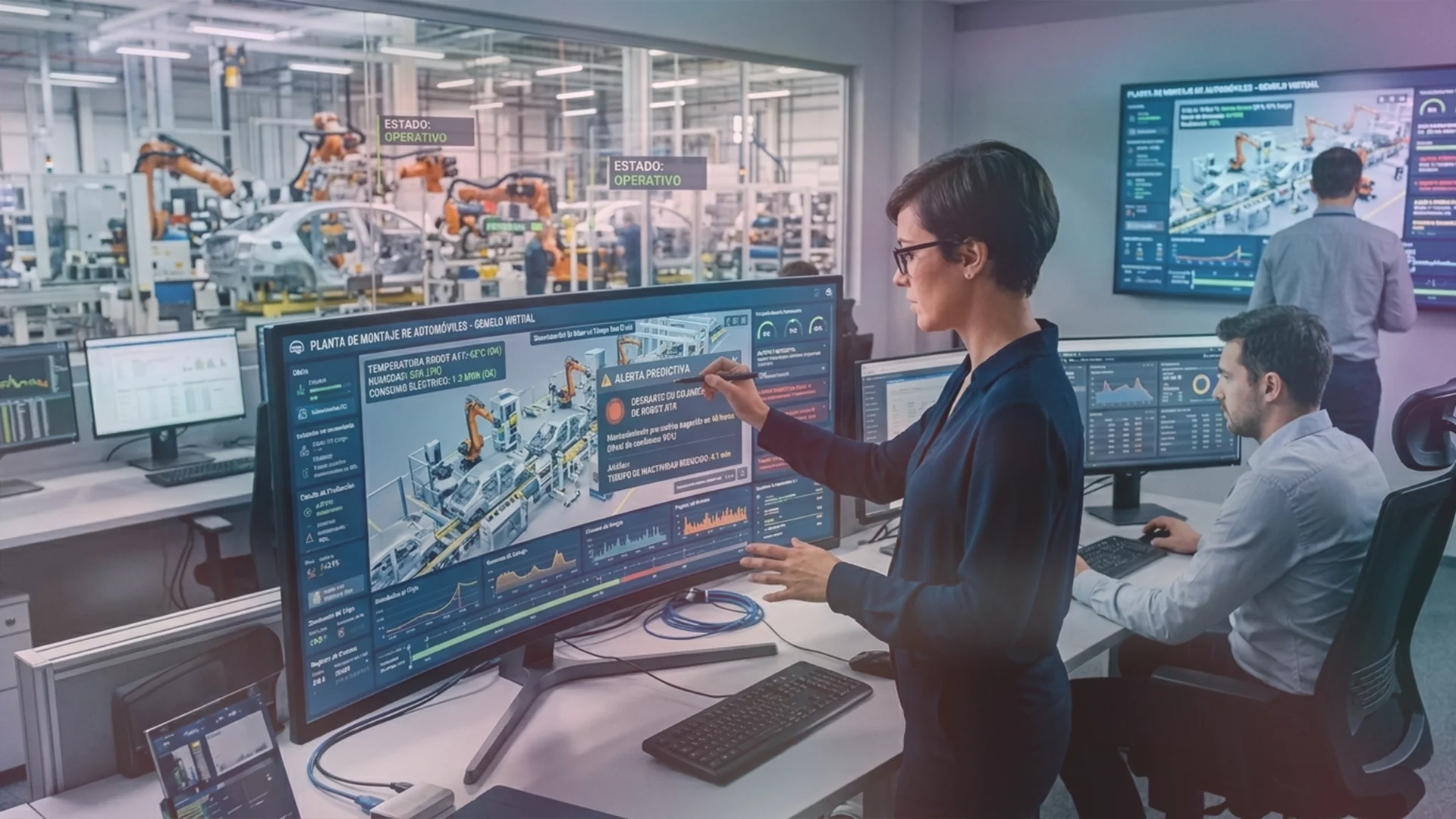
The digital twins have revolutionized the industry by enabling real-time monitoring of physical assets through sensors, platforms and connected data. However, the evolution to virtual twins takes this technology a step further, creating immersive and interactive environments where users can enter, explore and understand a digital replica as if it were real. To better understand what are virtual twins, it is important to see them not only as digital replicas, but as dynamic and collaborative environments that combine real-time data, simulation and immersive visualization. This new generation of experiences transforms the way decisions are made, teams are formed and processes or services are presented. Beyond visualizing data, virtual twins turn information into an accessible and collaborative experience, opening up new opportunities for companies in industries such as industry , health o industry among others.
What are virtual twins?
Imagine being able to walk through your factory without putting on a hard hat, tour a hotel before it opens its doors, or explain a complex production process to your team without a hundred-page manual. That, and much more, is what virtual twin technology makes possible: three-dimensional digital replicas of real spaces, infrastructures or processes that behave, evolve and react like their physical counterpart. If we look for the most precise definition of a virtual twin possible, we could say it is an interactive 3D environment that accurately reproduces a real-world asset and connects to it through data, sensors and IoT systems.
A visual layer that complements the digital twin
It is worth remembering that the digital twin and the virtual twin are not complementary concepts. The digital twin responds to a very specific type of project, focusing more on the digitization of processes and assets through specialized tools such as BIM, ERPs or monitoring dashboards, designed for technical profiles that work with data, plans and time series. Meanwhile, the virtual twin adds a visual, three-dimensional and interactive layer on top of this base that translates all this information into a spatial and intuitive language, accessible to any company profile, management, sales, operations or marketing, and not only to those who know how to read a KPI panel. In short, the digital twin provides the data, the virtual twin makes it understandable.
Advantages of virtual twins
The virtual twins They make it possible to transform spaces, processes, and data into visual and interactive experiences that facilitate understanding, management, and decision-making. Here are some of their main advantages: Realistic virtual recreations. Detailed 3D representations that offer a global view with useful and integrated information for the user. Complex processes explained in a simple way. Through interactive maps and infographics, users can visually understand processes, routes or key points of the environment. Remote and intuitive visits. Anyone can access the virtual environment from different devices. Information updated in real time. The contents and data of the 3D space can be dynamically managed and modified through CMS platforms, always keeping the information up to date. Navigation and active guidance. The integration between the physical and digital environment, together with geolocation technologies and interactive maps, allows the user to be oriented in a personalized way within the space. Simulations and immersive training. Virtual twins facilitate the explanation of manufacturing processes, team training and the presentation of operations in a visual and interactive way.
Data twin technology: how information flows in real time into the virtual environment
Twinning product allows a virtual environment to be connected in real time with its physical equivalent through sensors, IoT systems and management platforms. Thanks to this continuous synchronization, information generated in spaces such as factories, buildings or resorts is instantly reflected in a dynamic and interactive digital replica. This bidirectional flow of data makes digital twins a strategic tool for anticipating problems and improving decision-making. In Imascono , each virtual twin is built on a robust and scalable architecture that transforms data into useful insights and real value for businesses. If you want to know more about the power of data in virtual twins, click here: Data space the key to manage and analyze large scale information
How does virtual twin technology work?
Behind each digital replica is a precise technological architecture, in which each layer plays a specific role. To better understand what are virtual twins, it is important to explore the technologies that make these immersive and connected environments possible; it all starts with the creation of the 3D environment , where techniques such as photogrammetry, LiDAR scanning or manual 3D modeling make it possible to build a faithful spatial copy of the asset, space or physical product that we want to replicate. On that basis comes into play the real-time data integration IoT sensors, ERP and CRM systems and external sources are connected to the virtual environment to give life to the data twin layer, the one that keeps the replica always in sync with reality. This is the moment when the model is able to reflect what is happening on the store floor, in a store or in an entire complex. From this point on, the experience is materialized through the XR interface , The virtual twin access is adapted to each use case, VR glasses for total immersion, AR devices to superimpose information on the physical space, MR glasses with real spatial anchorage or 3D interfaces via web when what matters is accessibility without hardware. On this interface, the AI and interaction layer , The user can not only observe, but also consult, simulate hypotheses and receive contextual guidance in real time, with intelligent avatars, navigation assistants and scenario engines. And, finally, everything that happens within the environment is translated into data and analytics The system is based on a set of three main elements: user behaviors, scenario results and decision patterns that feed back into the system to optimize it on an ongoing basis.
How could Imascono's virtual twin solutions benefit your industry?
The great advantage of virtual twins is that they are cross-cutting: the same underlying technology that helps a city communicate its smart strategy can transform a patient's experience before they set foot in a hospital, or multiply a factory's commercial reach. Let's explore some of these success stories:
Virtual twins in urban planning and smart tourist destinations.
When a city or a destination wants to explain its digital transformation, it needs to tell the story in a language anyone can understand. In the Libelium IRIS 360 project, we created a virtual replica of a smart city where the company's 12 IoT products come to life, tripling how quickly its solutions are understood and logging more than 20,000 virtual visits in just four days. And at Setas Sevilla we virtualized more than 10,000 m² of the iconic viewpoint to enrich the museum visit: the result was five times more interaction with the venue's totems and three out of four visitors accessing the virtual twin WebApp.
Virtual twins for health
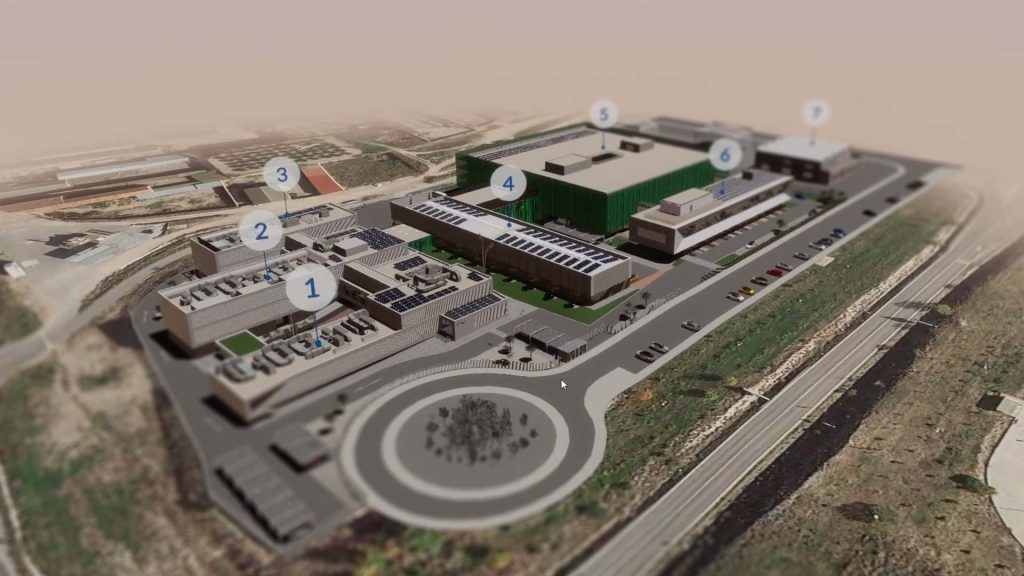
In the sector Healthcare, Reducing patient uncertainty is as important as the quality of care. Together with Sanitas we have developed the Blua Hospital in Valdebebas: A navigable virtual twin, with photogrammetry in key areas and interactive points that allow users to learn about services, specialties, and facilities directly from the hospital’s website. The project has tripled the spatial understanding of the center and increased % the time spent on the website by more than 30%, demonstrating that this technology not only informs but also humanizes the relationship between the brand, the patient, and the facility.
Virtual twins in industrial manufacturing and field operations
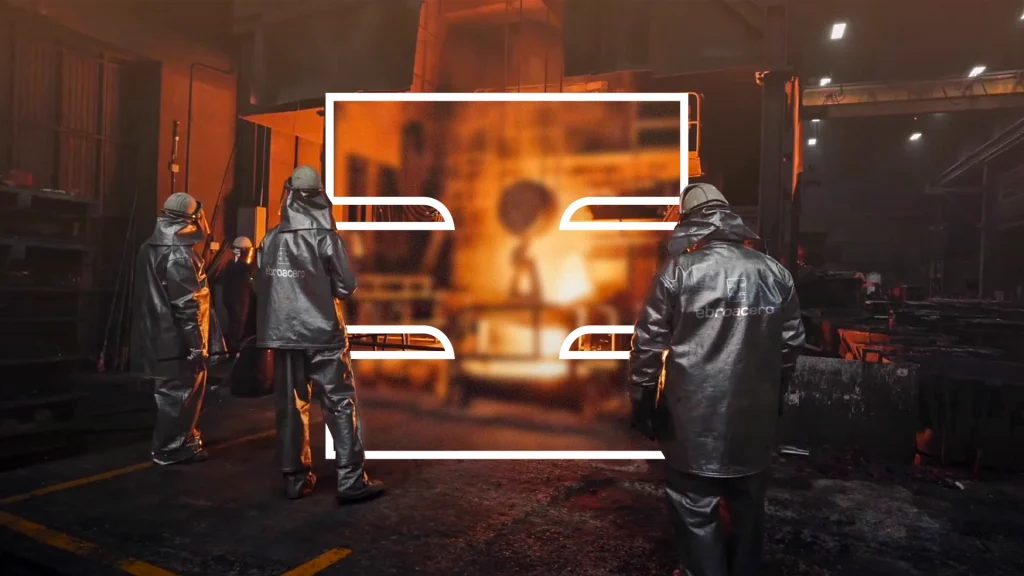
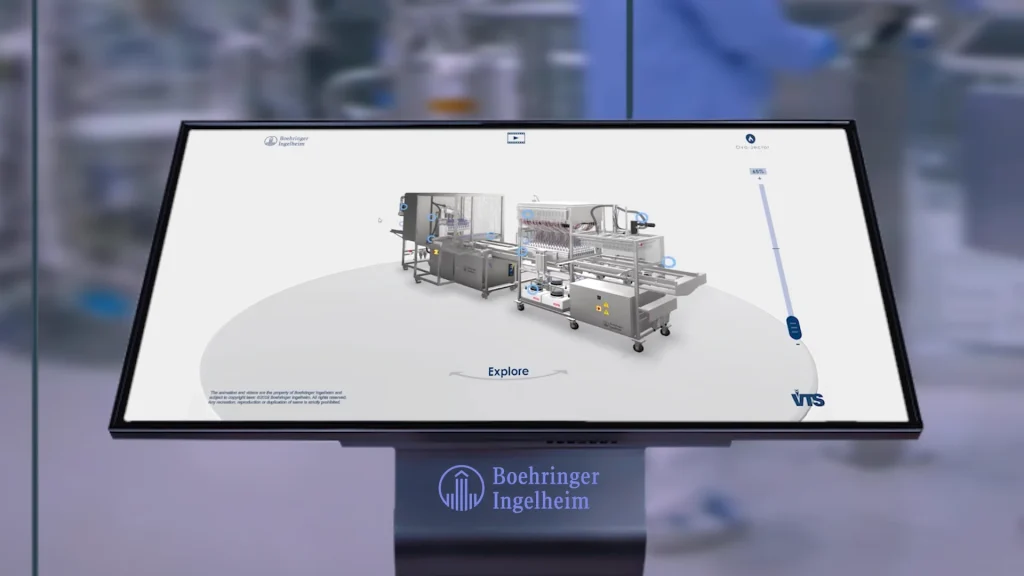
In the Industry, A virtual twin ceases to be a digital showcase to become an operational tool. In Ebroacero We virtualized its more than 21,500 m² of facilities and 8 production processes, transforming a steel foundry into an interactive infographic that clearly communicates with customers, teams, and suppliers. And in Grupo Tenías We take the concept a step further with a twin product of all their agricultural machinery, 20 self-explanatory interactive points that have reached 40 international trade shows and have reduced % the costs associated with industry events by 35%. The physical terrain is digitized, and the factory begins to sell, train, and communicate on a global scale.
Imascono's approach to the virtual twin experience
At Imascono we do not understand a Among the leading technology trends in hospitality industry, virtual twins as a deliverable, but as a strategic asset that has to generate business, knowledge or competitive advantage from day one. That is why our methodology tries to make every case a living project over time, encouraging client-partner collaboration throughout the process, so that we can design the product that best meets your needs. From there, we combine photogrammetry, scanning, 3D modeling, IoT integration, proprietary CMS platforms and artificial intelligence within a single project, avoiding the client having to orchestrate five different providers to make the piece fit together. This allows us to deliver experiences that are accessible, scalable and connected to the real world, aligned with the client's goals and ready to evolve with their business. If you want to discover how virtual twins can transform the way you visualize, manage, and explain your spaces or processes. Contact us at and take the first step toward a smarter, more interactive, and more connected digital experience.