There is a moment, in any company, when the customer needs an answer and the employee needs a piece of information. The first line, the point where the decision is made whether the experience will be good or bad. That is where artificial intelligence is coming in right now, although many companies still don't have a clear understanding of what a Frontline AI is. In this article we explain it, a perfect example for companies that want to apply AI with discretion.
Frontline AI for customer-facing teams
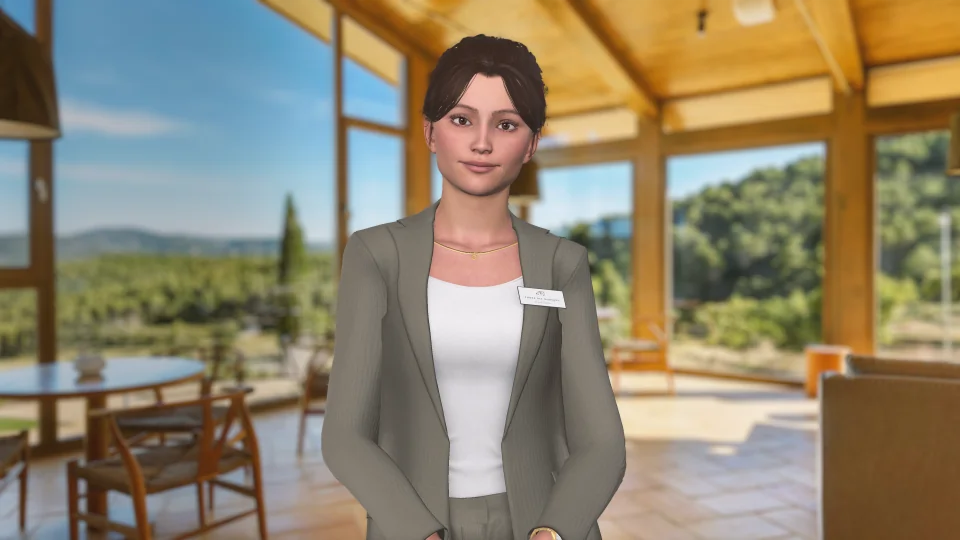
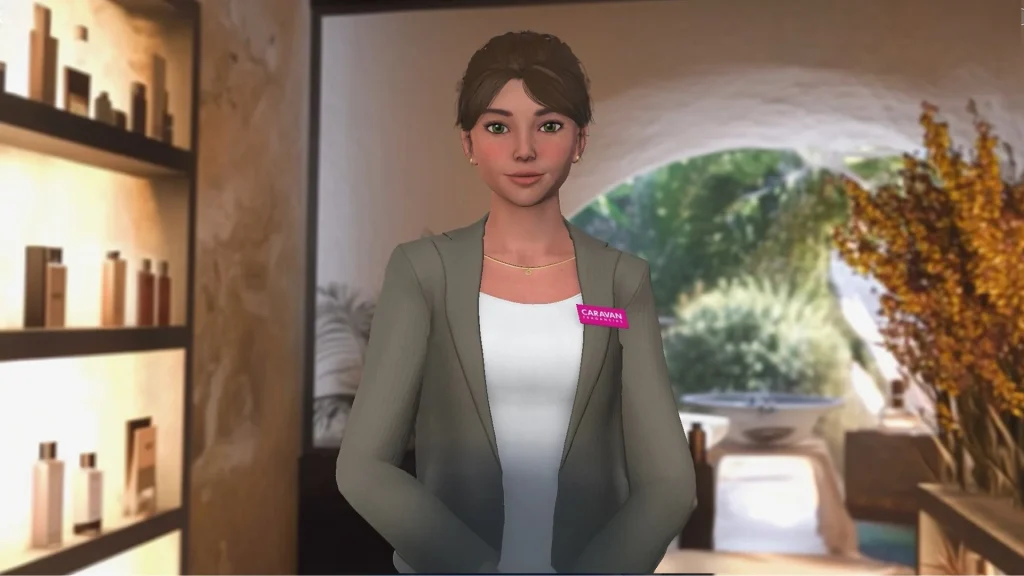
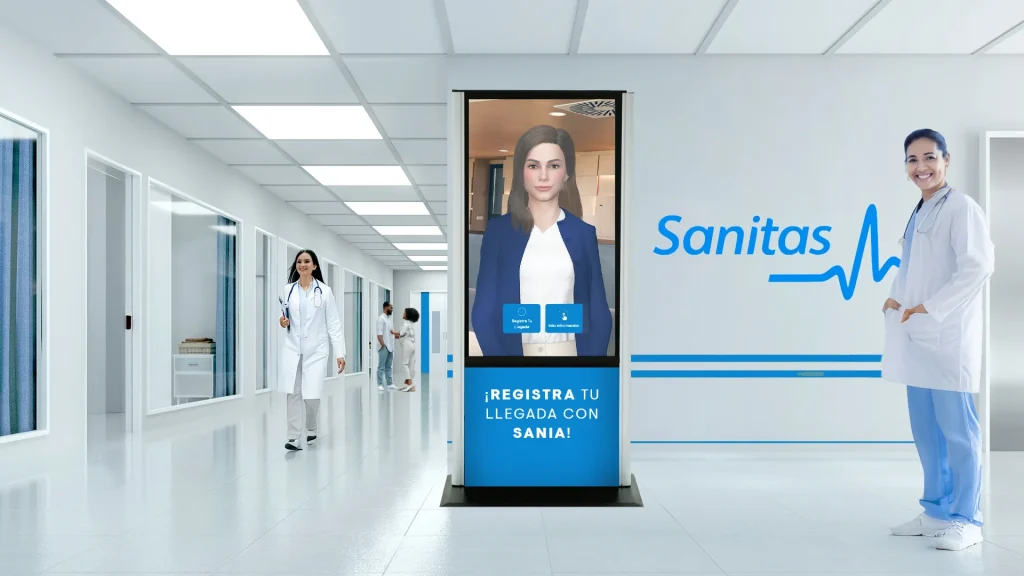
The AI In first line, it turns the point of contact with the customer into something that responds instantly: a conversational avatar that makes triage, resolves the repetitive tasks on its own and only redirects to a human agent when necessary, already with the full context of the previous conversation. This is how, in practice, Frontline AI is understood. The impact is seen in concrete operational figures: 24/7 availability in multiple languages, less waiting time when separating the simple from the complex, consistent messaging in every interaction, and a human team freed from the administrative burden to focus on what truly adds value. SanIA, the, the virtual assistant From Sanitas, it is a direct example of this in a high-demand environment: it directs patients and resolves procedures in the hospital itself, leaving healthcare staff free to assist when they really need it. This is the essence of what is now called AI frontline: not replacing people, but removing everything that prevents them from being present when it matters most.
Frontline AI for operational employees
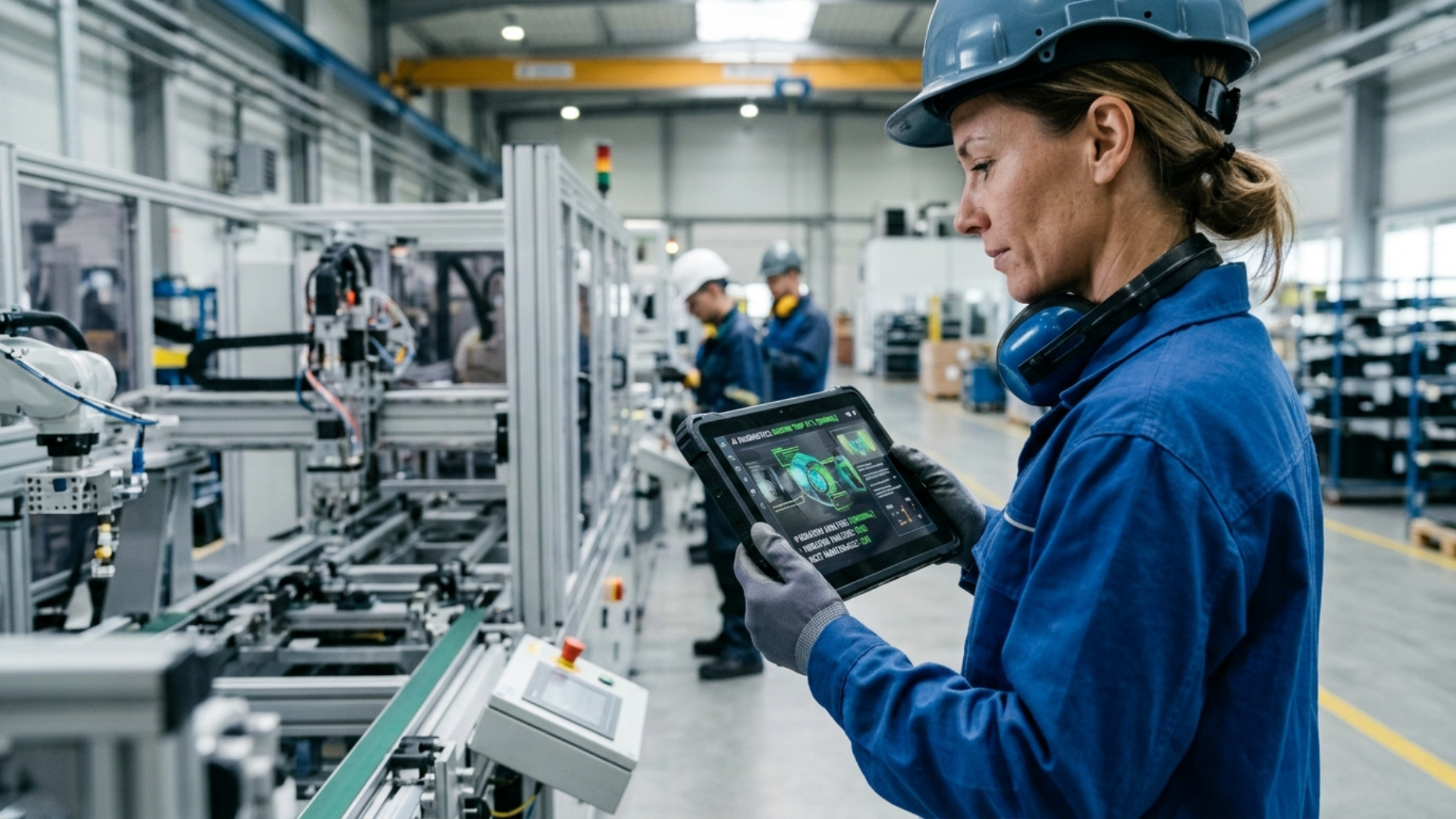
Front-line AI also acts outside the customer service desk: on the floor, with the operator needing an exact technical data without taking their hands off the task. That’s where task management based on AI for the frontline employees: real-time instructions, hands-free access to information, and contextual alerts integrated into the workflow, not as interruptions but as support. The goal is not to replace the operator’s judgment, but to amplify it at the moment they need it most. IRIA, the, the Smart avatar From Iveco, it is a good example of thisai-powered task management for frontline employees: it centralizes more than 100 documents from ten different departments and provides secure access to them. Education Of the 4,500 professionals in the group, 90% of the interactions came from the dealership network. This is proof that the frontline in the age of ai is not measured by how much technology is added, but by how much friction is eliminated between a question and its answer.
The risks of AI in frontline support: what companies need to manage
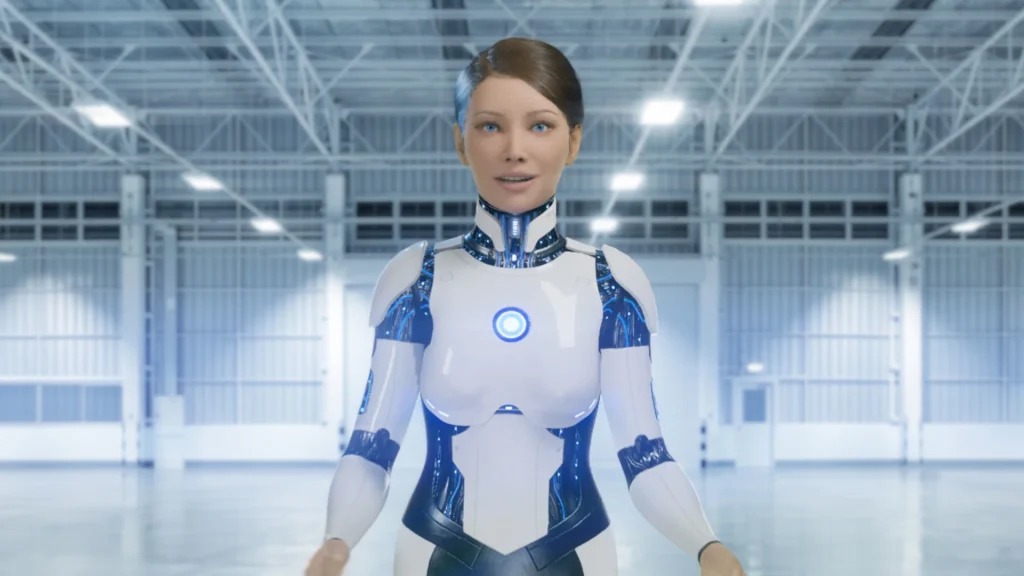
The risks of AI in first-line customer service are real and it is advisable to name them before encountering them in production. The first is hallucination: a model that invents responses with the same certainty as giving a correct one. AI solves this by training on the actual documentation of each customer, not with generic knowledge, which narrows the domain and reduces the margin of error. The second is the lack of emotional intelligence, something that VEGA Trainer addresses by adjusting tone and empathy to ensure that the AI detect the user's mood and adapt the response. The third risk is a poorly managed referral to the human agent, which forces the customer to repeat their problem and turns the time savings into frustration. Our avatars derive from the entire previous context, so the agent already enters with all the information. The fourth is privacy and data security., operates under cybersecurity and GDPR compliance standards, with anonymized data by default.
How to choose AI solutions for frontline support automation
How to choose AI solutions for the automation of first-line customer service begins with five questions, not the provider: Does the agent allow for customization of tone, personality, and topics, or is it a closed-loop experience for everyone? Is it integrated with your CRM and existing systems or lives isolated? Does it scale effectively, in terms of concurrent users and volume of questions, as your operation grows? Does it offer clear usage metrics to know if it works? And what support and implementation model is in place, before and after the signing? In Imascono We start from the customer's process, their bottlenecks, and what the end user needs, and from there we define which avatar, what level of customization, and which V·E·G·A Trainer plan makes sense. That's the difference between implementing AI because it automates and personalizes first-line customer service because it solves a real business problem. Want to know what Frontline AI is applied to your own business? In Imascono We design technology to measure your process, your team, and your customers. Contact our team and let's talk about how to solve your challenge.