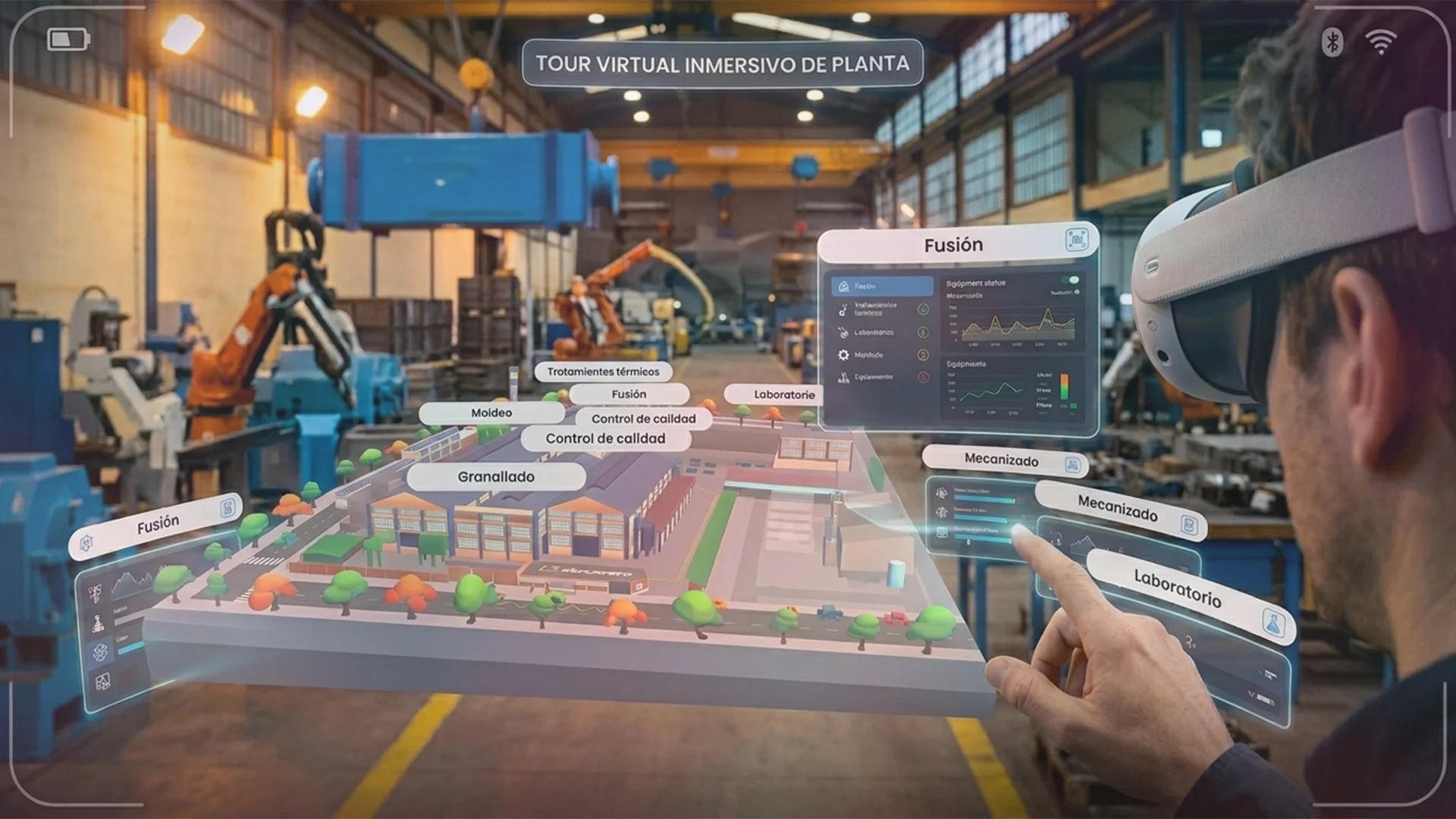
A virtual factory is a photorealistic, navigable digital replica of an industrial facility that anyone can explore and interact with using a web browser, a tablet, or extended reality glasses. Unlike the traditional digital twin, which focuses on sensors, data, and process optimization, the virtual factory uses that same technological foundation to enhance the experience: so that customers, professionals, partners, and investors can see, understand, and feel what happens on the factory floor without setting foot there. In this article, we will explore what is a virtual factory , what are the four components that make it possible, and how does all of this translate into real results, starting with the virtual factory simulation which allows complex machinery to be displayed without moving it, right down to the virtual factory tours that open the doors of an entire plant to the world. Real-world projects, quantifiable case studies, and an underlying theme that runs throughout the text: industrial complexity ceases to be a barrier and becomes a story that anyone can follow.
Virtual factory vs. digital twin: same data, different purpose
A virtual factory and a Among the leading technology trends in hospitality industry, virtual twins They are not the same. They share a common foundation, the same data, the plant's actual geometry, and technical accuracy, but they pursue different objectives. The classic digital twin, popularized by platforms such as ATS or NVIDIA environments, is geared toward operational precision; it relies on sensors, telemetry, and real-time data to predict failures, simulate production lines, and optimize every aspect of efficiency. It is, in essence, an engineering tool, a twin factory designed to make processes run more smoothly. That is why the virtual factory builds on those same foundations, since here the focus is not on the sensor, but on the person—the customer touring your plant from the other side of the world, the sales representative demonstrating an assembly line without setting foot in the factory, and the team training operators in a safe and interactive environment. That is why the virtual factory tours or a virtual factory tour are not a byproduct of Among the leading technology trends in hospitality industry, virtual twins , but rather a category with its own purpose. If you'd like to learn more about immersive technologies in industry, click here: Industrial optimization with immersive technologies: real-life examples
What makes up a virtual factory: the building blocks Imascono works with
A virtual factory is not improvised; it is built on four pillars that, combined, turn an industrial plant into a navigable, living, useful digital space. At Imascono we work on each of them as a layer stacked on top of the previous one, from visual realism to data, from interactivity to access, so that the result is not a pretty mock-up but a strategic tool. These are the components that shape every immersive simulation project we launch.
Photorealism and space navigation
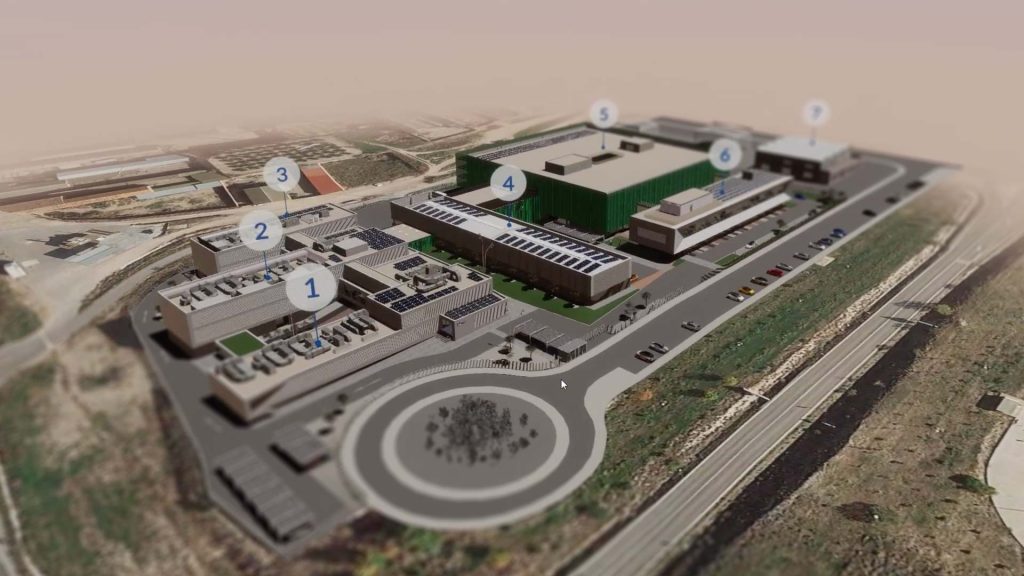
The first commandment of a virtual factory is that it can be explored, not just looked at. We are not talking about a static render or a panel on a dashboard, but a photorealistic three-dimensional space that users move through at their own pace, as if they were standing on the shop floor. Visual fidelity is not vanity; it is what creates that feeling of “being there” that turns an image into an experience. That spatial navigation is the foundation everything else rests on.
Asset data and industrial system integration (IoT, ERP) as a live information layer
A virtual factory truly comes to life when it stops being a mere snapshot and starts to breathe. That's why we integrate the industrial systems already in operation at the plant—IoT, ERP, and monitoring platforms—as a layer of real-time information. Each machine can display its status, production, or metrics in real time, connecting the virtual environment with operational reality.
Interactivity and content layers
Walking through is not enough; you need to be able to interact. In a virtual factory, every machine, process, or area can carry its own information: explainer videos, spec sheets, safety protocols, documentation, or tutorials. Users tap, open, dig deeper, and understand, going as deep as they need at any given moment. These layers of content turn a virtual industrial tour into a navigable source of knowledge rather than a merely decorative stroll.
Cross-platform accessibility
The best virtual factory should be as accessible as possible. That's why we design each project to reach users wherever they are—whether on a computer browser, a sales representative's tablet in the field, or augmented reality glasses for a fully immersive experience. This cross-platform accessibility is what makes the virtual factory tours stop being a one-off demo and become a tool for real, everyday use.
Virtual factory simulations and virtual factory tours as operational use cases
Theory is best understood in practice, and in Imascono We demonstrate this through projects that are already up and running for our clients. Two of them illustrate how a virtual industrial visit can be used to showcase facilities, processes, and operations
This Xtractor
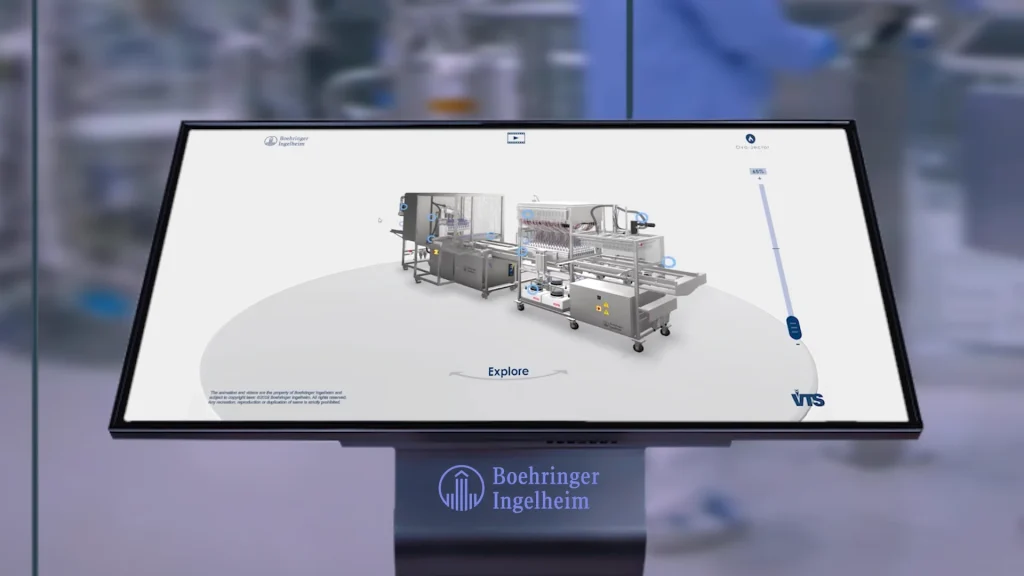
To Boehringer Ingelheim We developed the Virtual Twin of OVO Xtractor, one simulation virtual factory that virtualizes all the components and processes of its poultry vaccination machinery, interacting on screen and Virtual Reality. This is how they demonstrate their precision at trade shows and meetings without mobilizing the physical machinery. The result: more than 15 international trade shows, 40,000 visits, and a sales optimization of x1.75. One virtual twin on a machine scale that eliminates logistical costs and speeds up decision-making.
Ebroacero
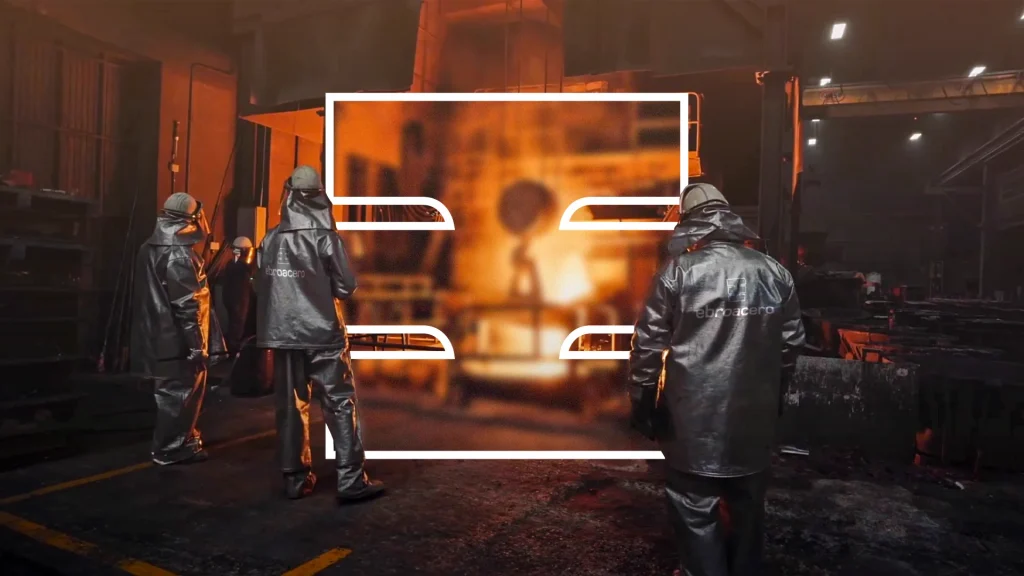
For Ebroacero, a steel foundry with more than 21,500 m² in operation around the clock, we created a platform embedded in its website that virtually replicates the plant and lets users tour it area by area. Each space includes interactive hotspots explaining its 8 virtualized processes, from molding to quality control. This virtual industrial tour makes it easy to understand the transformation of steel from start to finish and projects an image of transparency and excellence aligned with the brand.
Imascono leverages immersive technology to develop virtual factories
At Imascono we understand the virtual factory as the hub of a comprehensive technology ecosystem, XR, AI frontline and DATA, which we tailor to meet the specific challenges of each plant. Our factory virtualization service fully digitizes facilities for two purposes: the digital aspect, featuring interactive maps for safety onboarding, online meetings, and remote training; And the in-person use, enriching the physical visit with layers of digital content superimposed on the actual facilities. To this we add 3D technical catalogs that replicate machines and products with infographics online, avoiding the need to transport physical equipment to trade shows, and immersive training through simulations, role-playing, and VR onboarding, which significantly improve knowledge retention and allow for training in high-risk environments without exposing the operator to danger. What makes these pieces truly virtual factory simulation is its integration with actual operations: we connect IoT, MES, and ERP systems, and develop AI agents and we automate workflows so that the virtual environment not just a model, but a living tool aligned with the Industry 5.0. You don't need to know which technology is right for your plant—just tell us what problem you want to solve. At Imascono we design virtual factories tailored to your needs, and we'll be with you every step of the way. Let's talk and let's start building it together.