Cada año, los incidentes laborales siguen generando un enorme impacto económico y operativo, desde lesiones y paradas de producción hasta sanciones regulatorias. A pesar de los esfuerzos en prevención, los métodos tradicionales de formación no están logrando adaptarse a la complejidad de los entornos industriales actuales, dejando una brecha crítica entre el conocimiento teórico y la realidad en planta. En este escenario, la IA para la seguridad en el trabajo emerge como el punto de inflexión que permite pasar de un enfoque reactivo a uno verdaderamente proactivo.La convergencia entre AI en seguridad y operaciones industriales ya está demostrando resultados medibles: menos incidentes, formación más eficaz y decisiones basadas en datos. En este artículo descubrirás por qué es necesario evolucionar la formación tradicional, cómo la IA en la seguridad en el lugar de trabajo está transformando tanto el aprendizaje como la operativa, y qué beneficios reales están obteniendo las organizaciones que ya han dado este paso junto a partners como Imascono.
Why does traditional safety training fall short in high-risk environments?
La formación en prevención de riesgos laborales es un pilar esencial en cualquier organización industrial. Sin embargo, en entornos de alto riesgo, donde las decisiones deben tomarse en segundos y bajo presión, la IA para la seguridad emerge como un complemento estratégico frente a los métodos tradicionales. El reto ya no es solo transmitir conocimiento, sino garantizar que este se traduzca en acción efectiva en situaciones reales.
Limits of passive classroom-based safety instruction
The training Training based on presentations, manuals, or periodic courses serves an informational purpose, but it fails to develop the critical skills required in high-risk environments. There is, therefore, a gap between what is learned and what is actually put into practice on the job—a gap that the AI in security, thanks to data, is beginning to close through more immersive, hands-on, results-oriented experiences.
Lograr que la formación sea uniforme en plantillas numerosas sigue siendo un reto
Ensuring comprehensive training in organizations with multiple locations, shifts and professional profiles is one of today's major challenges. Variations in delivery, context or worker focus create inconsistencies that, in sectors such as industry, logistics, healthcare, energy or construction, can have critical consequences. That is why, the AI frontline offers new opportunities to standardize on-the-job training and tailor it to each employee's profile . If you want to learn more about the impact of AI on productivity, click here: Increasing business productivity with a virtual assistant
How does AI for workplace safety go beyond traditional training from simulation to real time intelligence?
The educational safety technologies powered by AI marks a paradigm shift by extending safety beyond one-time training and applying it throughout the entire operational cycle. Thanks to its ability to anticipate risks, adapt to each context, and support workers in real time, the AI frontline It transforms prevention into a dynamic and ongoing process. As a result, security shifts from being reactive to proactive, becoming strategically integrated into the day-to-day operations of organizations.
Immersive Simulation Powered by AI
The environments driven by AI for workplace safety are dynamic and respond to user behavior, generating changing scenarios and detecting risks in real time. This allows training decision making under pressure, evaluating the quality of responses and developing critical skills in contexts much closer to reality.
Personalized Learning Paths and Performance Analytics
The AI frontline and workplace safety allows the analysis of individual and collective performance to identify knowledge gaps and risk behaviors. Based on this data, personalized training itineraries are designed and possible non-compliances are anticipated before they occur, turning training into a predictive, adaptive and data-driven strategy.
Real-time AI assistance on the job site
Más allá de la formación, la IA en la seguridad en el lugar de trabajo actúa directamente en el entorno operativo mediante tecnologías como la realidad aumentada, la visión artificial o los asistentes por voz. Estas soluciones proporcionan soporte continuo, detectan riesgos en tiempo real y facilitan el acceso a información crítica sin interrumpir el trabajo, posicionando la IA como un aliado clave en la prevención activa.
Rentabilidad de la inversión en IA para la seguridad en el trabajo
Talking about educational safety technologies powered by AI is to talk about technological innovation, with direct impact on business results. Organizations that integrate AI into their prevention strategies are experiencing a significant reduction of incidents a acceleration of onboarding processes and a significant reduction in the administrative burden associated with regulatory compliance. Process automation, predictive analytics and data traceability optimize resources and minimize errors, transforming security into a driver of operational efficiency. In contrast to traditional models based on point formations, the AI frontline workplace safety provides cumulative and sustained value over time. Each interaction, each simulation and each piece of data collected contributes to building a continuous, coherent and evidence-based learning system. This improves the preparedness of teams, allowing them to make more informed decisions, anticipate risks and constantly evolve safety protocols. In this context, the AI for workplace safety is positioned as a key strategic asset. It not only drives people protection, but also contributes to talent development, operational cost reduction and reinforcement of corporate credibility in terms of ESG.
Imascono: real results in industrial and safety environments
At Imascono We have experience with numerous projects for the industrial sector and in the area of occupational risk prevention. That's why we're highlighting some of our key success stories and how they were actually implemented below.
Global spedition
In such a critical environment as the transportation of hazardous materials, the project transformed traditional training into an immersive virtual reality training experience, allowing workers to train loading and unloading processes without real risk. The solution converted manuals and presentations into gamified simulations, improving retention and speed of learning.
Iria Iveco
For a global organization like Iveco, the challenge was not only to train, but to democratize access to knowledge. Imascono developed IRIA, an artificially intelligent avatar that centralizes all corporate information and training in a single conversational interface. Thanks to its training with documentation from multiple departments, it allows thousands of employees to resolve doubts in real time and access relevant content autonomously.
Ovo xtractor
This project sought to create an immersive training experience for Boehringer Ingelheim that would allow for an interactive and realistic presentation of their machine, ensuring a full understanding of its benefits and operation. From the precision of in-ovo vaccination to its impeccable sanitization system. An advanced training that raises the brand's standards of quality and efficiency. If you want to discover how to apply the educational safety technologies powered by AI in your organization and transform your training processes into a real competitive advantage, in Imascono we can help you. Contact us at and we will design a customized solution that will take your equipment security to the next level.
New technologies that are changing marketing
The digital revolution is not a promise, it is happening. In a world where consumers are looking for unique, immediate and emotional experiences , brands that rely on new technologies stand out and lead their sector. Augmented reality, artificial intelligence, blockchain, gamified virtual worlds ... tools that once seemed like science fiction, are now available. transforming the form in which we connect and we communicate . In this article you will find out how these innovations are redefining the rules of the digital marketing , how they change the relationship between brands and people, and which companies are already setting trends. We explore success stories such as L'Oréal Academy , Hispano Suiza o Rafa Nadal Academy where the technology becomes experience , and experience in impact. If you want to know how to excite your audience in the digital age, this blog is your starting point.
How does technology affect marketing?
Technology has not only changed the rules of marketing, but it has created a whole new board where generic campaigns have given way to super personalized, interactive and precise strategies. Today, thanks to artificial intelligence, big data and automation, brands connect with their customers in real time , anticipating their desires and creating ongoing conversations that feel authentic and human. In addition, this technological revolution has democratized access to advanced tools that used to be dominated only by large corporations. Since the reality increased to the avatars available 24/7, startups and mid-sized companies can now design complete and memorable digital experiences. The result is a more empowered and demanding consumer, and a unique opportunity to brands that know how to listen, personalize and, above all, excite.
Changes in the way of interacting with brands
Interaction with brands has evolved radically thanks to technology. Gone are the days of one-way communication; now dialogue is bidirectional , immediate and multichannel . Consumers demand fast responses, relevant content and personalized experiences , and the brands they use technologies such as artificial intelligence, virtual worlds or augmented reality experiences. can offer just that. The interaction is no longer limited to a purchase, but becomes a journey of emotional connection and digital, where every point of contact is an opportunity to fall in love and build loyalty. Find out more about the digital branding and how to enhance it with immersive technologies
New technologies in digital marketing
Digital marketing is undergoing a true metamorphosis thanks to technologies that once seemed like something out of a movie. Today, brands that dare to innovate not only attract attention, but create authentic connections with its hearings . Discover how these technology trends are taking digital marketing to the next level.
Augmented reality to better connect with the consumer
Imagine that your customers can test a product without leaving home or that can live a brand experience exciting. Turn this vision into reality by offering immersive experiences with augmented reality that engage and build loyalty . Whether it's trying on clothes virtually or visualizing furniture in the living room, AR breaks down physical barriers and converts every interaction in a moment memorable .
Avatars with Artificial Intelligence
A personalized assistant that never sleeps? The AI avatars are revolutionizing customer service and personalization. . These digital ambassadors can converse, recommend and even anticipate needs, creating a close and human link, but enhanced by technology. They are the future of conversational marketing , where each user feels that the brand speaks directly to him or her.
Blockchain and NFTs
The crypto world, blockchain and NFTs are opening new doors for authenticity and exclusivity in digital marketing. These technologies make it possible to certify ownership, create unique digital products and open new avenues for monetization and loyalty. . Imagine campaigns where every digital asset is unique, secure and can generate community, trust and real value for your brand.
Internet of Things
The Internet of Things ( IoT ) connects everyday objects to the network, generating valuable data and unique marketing opportunities. From smart home appliances to wearables, the IoT offers brands the ability to ability to interact in real time and offer highly personalized experiences . This means more accurate campaigns, more satisfied users and marketing that responds before the customer even knows what they want.
Success stories: How companies are using new technologies in marketing
Hablar de innovación en marketing es hablar de experiences que conectan, sorprenden y se quedan en la memoria del consumidor. Y en Imascono, sabemos que la tecnología es el medio para crear emociones. Estos tres proyectos son un ejemplo claro de cómo las marcas pueden reinventarse con creatividad, estrategia and Technology.L’Oréal Academy:Este proyecto consiste en un programa formativo virtual para influencers centrado en skincare, sostenibilidad e innovación. Gracias a losVirtual Spaces de Imascono, ofrecieron masterclasses interactivas con contenido gamificado. Los participantes se formaron desde cualquier lugar, generando +10 millones de visualizaciones. Una experiencia educativa digital que posiciona a L’Oréal como líder en formación e innovación.Hispano Suiza: Para celebrar su 120º aniversario, Hispano Suiza lanzó un superdeportivo eléctrico de lujo.Imascono desarrolló la app móvil y el sistema de infoentretenimiento para una experiencia premium. Los conductores pueden personalizar funciones y controlar el coche desde su smartphone. Tecnología e historia unidas para redefinir el lujo automovilístico español.Rafa Nadal Academy: Imascono de la mano de Rafa Nadal Academy, virtualizó los 76.000 m² de la academia en una experiencia gamificada e inmersiva. Los usuarios pueden recorrer instalaciones, completar retos y ganar premios exclusivos. La campaña combina tecnología, viralización y estrategia comercial para amplificar el alcance, obteniendo 48 millones de personas conectadas en el centro deportivo desde cualquier parte del mundo.
Is your company ready for the future of technology in digital marketing?
In the digital marketing universe, the future is moving at breakneck speed. The brands that succeed today are not the biggest, but the most agile, those that dare to innovate, experiment and connect authentically in every interaction with their audience. The big question is: is your company ready to make the leap? Because the technology is not just a tool, it's an opportunity to transforming the way you think, create and communicate . Either by incorporating Augmented reality , AI avatars or immersive gamified experiences , The time to act is now. The marketing of the future belongs to those who design it today. Do you want to transform your brand with digital experiences that make a difference? At Imascono we unite creativity, technology and strategy to take your ideas to the next level. Contact us at and start building the future of your marketing, today.
Data space the key to manage and analyze large scale information
In a world where data is growing at breakneck speed, organizations that know how to manage them become digital leaders . Having the information is not enough, the real value is in connect it, analyze it and transform it into actionable knowledge . The DATA SPACES are the key to this change, enabling secure, interoperable and controlled information sharing, breaking down silos and powering advanced technologies such as artificial intelligence and virtual twins . In this blog you will discover what is a data space , You will learn how it works, what its key components are, why it is the future of digital transformation and how to drive it through technology. In addition, you will see how Imascono converts data into actual value through technology consulting and immersive technologies, helping organizations transform information into innovation, efficiency and sustainable competitive advantage.
The new value of data in the digital era
In today's digital economy, data has become one of the most valuable assets for organizations. It is all about collecting large volumes of information, and the goal is to know how to interpret it, connect it and convert it into actionable knowledge . Well-managed data drives decision making, improves operational efficiency and enables more personalized and intelligent experiences. However, many companies continue to operate with traditional models based on large information documents, disconnected systems and limited data governance. This means that, despite the availability of a lot of information, its real value is diluted. In this context, the need arises to new strategies with technologies to manage, share and exploit data in a secure, interoperable and scalable manner . This change in methodology positions the data space as a key piece in the digital transformation. An approach that makes it possible to activate data, integrate it with advanced technologies such as analytics, data analytics and artificial intelligence or virtual twins , and turn information into a real competitive advantage.
What is a data space and why is it revolutionizing information management?
A data space is a digital environment that allows information to be shared and managed in a secure, interoperable and controlled , both within an organization and between different stakeholders. Understand what is a data space means assuming a new model in which data ceases to be isolated in closed systems and becomes a connected asset, accessible and ready to generate real value, always maintaining sovereignty and control over the information. This approach is revolutionizing information management by enabling collaborative data ecosystems. Data spaces facilitate real-time analysis, the integration of multiple sources and the application of advanced technologies such as artificial intelligence or virtual twins. All this allows organizations to make smarter decisions, accelerate their process, build competitive advantages, anticipating their demand, all these decisions are based on the strategic use of data.
How a data space works: key components
A data space is not just a repository of information, it is a intelligent ecosystem designed to allow data to flow in a secure, efficient and scalable manner. Its operation is based on the combination of several essential components that ensure that information can be shared, analyzed and exploited without losing control or integrity. Among the key components stand out: Governance and access control: Each piece of data has clear rules about who can view, modify or share it. This ensures trust and data sovereignty in collaborative environments. Interoperability: It connects heterogeneous systems, platforms and organizations, making it easier for data to be understood and integrated without friction. Security and privacy: Through technology blockchain , In addition, advanced encryption, anonymization and compliance standards are applied, ensuring that sensitive information is handled with total protection. Scalable infrastructure: Capable of processing large volumes of information in real time, adapting to data growth and business needs. Analysis and visualization tools: They facilitate the transformation of data into actionable knowledge, supporting everything from operational decision making to innovation based on virtual twins and advanced simulations. These components make a data space much more than storage , The information is a dynamic environment where the information connects the data management with the technological innovation , to get the most out of the organizations.
The future of data spaces: an opportunity to lead digital transformation.
The future of DATA SPACES is closely linked to the digital transformation of enterprises. As volumes of information grow and organizations look to compete in increasingly fast-paced and connected markets, having a data space becomes a key strategic advantage . It's not just about storing or analyzing data, but about creating an ecosystem where information flows in a secure, sustainable, actionable way. Trends point to data spaces that are becoming more and more interoperable, collaborative and based on artificial intelligence , The company is able to connect organizations, sectors and technological platforms. This will allow the creation of innovation ecosystems , where shared data feeds into advanced solutions such as virtual twins, predictive analytics, big data and intelligent automation . Companies adopting this vision will not only optimize processes and reduce risks, but will also be able to leading the digital transformation , The information is a real driver of growth, efficiency and sustainable competitive advantage.
How Imascono drives data value through virtual twins
At Imascono we know that the importance of data is how they are managed and applied to drive innovation and efficiency . Our technology consulting helps organizations design and structure their data spaces, ensuring that information flows securely, interoperably and aligned with strategic business objectives. In addition, our virtual twins data from these spaces are used to visualize and simulate real scenarios in real time , from industrial processes to complex infrastructures. This capability allows transforming information into actionable knowledge, facilitating fast, accurate and evidence-based decisions. Combining technology consulting and data management , turns data into a real driver of value. Thanks to our methodology of applied imagination we will accompany you throughout the process, in addition we will also promote innovation and the correct use and application of each technology in a personalized way. At Imascono we are ready to help you design and implement your data space and make the most of them. In addition, our team will accompany you every step of the way, turning information into strategic decisions, innovation and sustainable competitive advantages. Contact with us today and take the next step towards the digital transformation of your organization.
IA in dermatology: improving skin care
Imagine a world where the artificial intelligence and dermatology come together to completely transform skin care. A world where diagnoses are more accurate, treatments are personalized to the maximum and every patient interaction becomes an intelligent, efficient and memorable experience. In this blog we explore how the AI in dermatology is not only revolutionizing medical practice, but also opening up new opportunities for clinics, brands and industry professionals. Discover how AI detects injuries earlier than ever before, supports complex clinical decisions and enables the creation of fully personalized care plans. In addition, we show you success stories from Imascono Health , where technology, science and creativity combine to design immersive, educational and highly effective solutions. Get ready to learn about the future of skin care through technological tools.
What applications can AI have in dermatology to improve skin care?
ai in dermatology has become a key driver of innovation. In skin care, it revolutionizes the way dermatological pathologies are diagnosed and treated. Thanks to artificial intelligence, it is now possible to analyze skin images with great precision, detecting complex patterns and anticipating diseases , The company's mission is to promote a more preventive, efficient and data-driven dermatology. The convergence between ai and dermatology opens the door to faster diagnoses, personalized treatments and a better patient experience. When we talk about what is ai applications of artificial intelligence to dermatology, we are talking about technology applied to improve medical decision making, such as 3D models, intelligent assistants or immersive learning solutions to raise the standards of dermatological care.
Benefits of using AI in a dermatology practice
AI enables more accurate and earlier diagnostics , optimizing the detection of skin lesions and pathologies. It facilitates personalized treatments, improves consultation efficiency, frees up specialist time and improves communication with the patient . In addition, it reinforces the patient's experience and demonstrates that, far from replacing the professional, the ai dermatology diagnosis The company's criteria, dispelling doubts such as "will dermatology be replaced by AI" or "will AI take over dermatology".
AI applications in dermatology: revolutionizing skin care
La ai in dermatology está revolucionando el cuidado de la piel al introducir una nueva era de precisión, velocidad y personalización. La inteligencia artificial ya no actúa solo como una herramienta generativa, sino como un aliado estratégico para dermatólogos y marcas de skin care, capaz de transformar datos complejos en decisiones clínicas informadas. Esta evolución combina experiencia médica con capacidad analítica avanzada, aportando un modelo más predictivo y centrado en el paciente.
AI dermatology diagnosis
The algorithms of ai dermatology diagnosis are raising diagnostic accuracy. Thanks to the analysis of medical images and complex visual patterns, AI can identify pathologies such as melanoma, psoriasis, acne or dermatitis in an accurate way. faster and more reliable than traditional methods , The new system is designed to support early detection and reduce the margin of error. This advance not only optimizes diagnosis, but also strengthens clinical decision making, demonstrating the true value of convergence between ai and dermatology in real medical practice settings.
Support dermatologists in treatment decisions
The ai in dermatology acts as a clinical co-pilot to assist the dermatologist in defining the most effective treatments. By analyzing medical histories, patient evolution and previous outcomes, AI helps to predict the best course of action , improving therapeutic results. This approach based on scientific and very rigorous data to directly answer questions such as will dermatology be replaced by AI or will AI take over dermatology. In other words, AI does not replace, it empowers the medical service.
Personalized Treatments
Personalization is one of the greatest differential values that artificial intelligence brings to the skin. The combination of ai and dermatology allows analysis of the patient's skin type, medical history, lifestyle and preferences in order to design fully customized treatment plans . This level of precision transforms dermatological care into a unique and tailored experience, where technology turns data into real wellness.
Why dermatology clinics must use AI in dermatology for successful patient care?
The adoption of the ai in dermatology is no longer an option, it is a strategic necessity for clinics seeking to offer high-level patient care. Artificial intelligence makes it possible to optimize diagnoses, anticipate pathologies and design more precise treatments, raising the quality of care and reducing waiting times. In an increasingly competitive environment, integrating AI means improving clinical outcomes, operational efficiency and patient confidence . In addition, the ai in dermatology drives a more personalized and data-driven model of care, where every decision is supported by real information and continuous learning. Far from replacing the professional, AI reinforces their medical judgment and responds to concerns such as will AI take over dermatology, demonstrating that the future of dermatological care involves collaboration between advanced technology and human expertise.
Imascono: the trusted partner for your AI initiatives
At Imascono we accompany leading brands in the pharma and dermatological sector in the creation of innovative digital experiences that transform the way science and technology are communicated. These projects are a clear example of how we turn innovation into tangible value.
L´Oreal Pharma
Este proyecto consiste en un entorno virtual gamificado diseñado para influencers especializados en pharma, donde el aprendizaje científico se integra con dinámicas interactivas. L´Oreal transformó la formación farmacéutica en una experiencia inmersiva, participativa y segura. A través de retos, feedback inmediato y contenido validado, los usuarios consolidan conocimientos complejos de forma efectiva. La gamificación aumenta el engagement para obtener un resultado con más alcance y sin perder el rigor científico.
Vivacy
Vivacy in collaboration with Imascono developed a 3D training video to clearly explain the action of Vivacy's key active ingredients on the skin. . Using biomolecular animation and measurable data, the content shows how free and cross-linked hyaluronic acid, together with sorbitol, act synergistically. The project converts complex scientific information into an understandable visual story for professionals. An immersive experience that reinforces the credibility of the message. The ai in dermatology is transforming skin care through more precise diagnostics and personalized treatments. At Imascono Health we turn this innovation into real solutions that connect science, expertise and value for brands and clinics. Contact us at and discover how to take dermatology to the next level.
Inteligencia Artificial para el onboarding industrial: el caso de NAIMA
La Digital transformation ya no es una opción en las empresas industriales: es una necesidad. En este contexto, la Inteligencia Artificial se está consolidando como una herramienta clave para optimizar procesos internos, especialmente en áreas críticas como el onboarding, la formación y la capacitación profesional.
La incorporación de nuevos trabajadores a entornos industriales complejos supone múltiples retos: barreras idiomáticas, diversidad cultural, protocolos técnicos exigentes, necesidad de adaptación rápida and cumplimiento normativo. Tradicionalmente, estos procesos han requerido una alta inversión en recursos humanos, tiempo y materiales formativos, sin garantizar siempre una experiencia homogénea o personalizada. La IA generativa cambia este paradigma.
Gracias a asistentes conversacionales inteligentes, es posible ofrecer formación continua, accesible y personalizada, adaptada al idioma, perfil y ritmo de cada trabajador. Estos sistemas no solo resuelven dudas en tiempo real, sino que acompañan, guían y evalúan el aprendizaje, mejorando la integración y reduciendo fricciones en los primeros meses de incorporación.
Un ejemplo destacado de esta aplicación de tutores IA a nivel industrial es NAIMA, una solución desarrollada para facilitar el onboarding y la formación en entornos industriales. Un asistente conversacional con avatar 3D, soporte multilingüe y funcionalidades formativas automatizadas.
El proyecto NAIMA demuestra cómo la IA puede pasar de ser una tecnología emergente a convertirse en una herramienta operativa real dentro de la empresa.
Asistentes y tutores IA en la empresa: qué son y qué ventajas aportan
Cuando hablamos de asistentes o tutores IA en entornos corporativos, nos referimos a sistemas conversacionales avanzados, basados en inteligencia artificial generativa, capaces de interactuar de forma natural con los empleados mediante voz o texto, ofreciendo soporte formativo, técnico y operativo.
No se trata simplemente de chatbots tradicionales con respuestas predefinidas. Hablamos de soluciones que:
Comprenden el contexto y el perfil del usuario.
Adaptan la información al nivel de conocimiento del trabajador.
Integran contenidos formativos estructurados.
Evalúan el aprendizaje mediante quizzes o dinámicas interactivas.
Funcionan tanto en entornos online como offline.
Ventajas clave de los tutores IA para las empresas
Onboarding más ágil y escalable: Permiten acompañar a múltiples trabajadores de forma simultánea, reduciendo la carga del equipo de formación y garantizando coherencia en el mensaje.
Formación personalizada y continua: Cada trabajador puede aprender a su ritmo, consultar dudas en cualquier momento y reforzar contenidos específicos según sus necesidades.
Reducción de barreras idiomáticas y culturales: El soporte multilingüe facilita la integración de perfiles internacionales, algo especialmente relevante en sectores industriales globalizados.
Disponibilidad 24/7 y soporte operativo: Los asistentes IA pueden actuar como punto de consulta permanente sobre procedimientos, seguridad o protocolos internos.
Medición y mejora del aprendizaje: La integración de evaluaciones automatizadas permite validar conocimientos y detectar áreas de mejora.
NAIMA: un caso real de IA aplicada al entorno industrial
Dentro de este contexto, el proyecto NAIMA representa un caso de éxito en la aplicación práctica de la IA al onboarding y la formación profesional en entornos industriales. Se trata de una iniciativa impulsada de forma colaborativa por Tecnara, ALIA, EdTech, Imascono y Rivasam y financiada por el Ministerio de Industria y Turismo dentro del programa de apoyo a las AEI, orientado a contribuir a la mejora de la competitividad de las pequeñas y medianas empresas. La subvención concedida para el proyecto cuenta con un presupuesto total de 237.878 €.
NAIMA es una solución conversacional multilingüe, accesible y basada en IA generativa, diseñada específicamente para formar, guiar y acompañar a trabajadores en su incorporación a entornos industriales.
Objetivos del proyecto
El desarrollo de NAIMA persigue objetivos estratégicos muy claros:
Facilitar el onboarding y la formación accesible en los principales idiomas de los trabajadores.
Reducir barreras culturales y mejorar la integración.
Proveer soporte técnico, formativo y operativo adaptado al entorno industrial.
Validar la solución en casos de uso reales mediante demostradores web y físicos.
En definitiva, NAIMA no es solo un asistente conversacional: es un tutor digital diseñado para acompañar al trabajador desde el primer día, mejorando su experiencia, acelerando su integración y garantizando una formación más eficaz y homogénea.
¿Quieres conocer más sobre el proyecto o sobre el uso de IA en la formación industrial? Contacta con el equipo de Imascono y veremos juntos todas las posibilidades que ofrece la Inteligencia Artificial en el onboarding de tu compañía.
AI personal shopper: Trends that are transforming retailing
Imagine a world where your personal shopper never sleeps, knows your tastes in detail and accompanies you on every device, from your mobile to the physical store, offering recommendations that seem tailor-made. That world is already a reality thanks to the inteligencia artificial , The company is revolutionizing retail and transforming the way we shop, discover products and live memorable experiences. In this blog we invite you to explore how AI is redefining the future of personal shopper: from personalized styling and virtual fitting to intelligent avatars that guide your shopping and optimize logistics. Plus, you'll learn about real-life success stories, such as Fabiola de Saphir Parfums , La Torre Outlet Nougat and the interactive campaign of The Body Shop , The results show that technology not only enhances the experience, but also drives sales, engagement and loyalty. Are you ready to find out?
What role does AI play in personal shoppers?
Artificial intelligence has completely redefined the role of the personal shopper, transforming him or her from a human in-store advisor to a digital assistant capable of delivering personalized experiences. Thanks to data analytics, machine learning and customer adaptability , AI understands the tastes, habits and context of each user, recommending products with a precision impossible for a human. This not only improves the shopping experience, but also boosts loyalty, increases average cart value and turns every interaction into an opportunity to surprise the customer. Moreover, AI does not replace the traditional advisor, but enhances it by automating tasks, anticipating needs and optimizing retail operational management. However, this advance brings with it great responsibilities: ensuring ethics, transparency and privacy in the use of data will be key to consolidating consumer trust. In short, AI is positioned as the engine driving the future of the personal shopper , combining technological innovation, efficiency and a more human customer experience than ever before.
Key roles redefining the future of the personal shopper
The evolution of the AI-driven personal shopper is not only redefining the customer experience, but also the key functions that make it possible. Here are the five functions that are shaping the future of retail.
Personalized styling
AI is taking the concept of styling to a new level. It seeks to understand each consumer in depth: their morphology, preferences, lifestyle and even their mood. AI algorithms analyze millions of pieces of data to build a dynamic "style profile" that evolves with every interaction. Thus, the The digital personal shopper becomes a unique advisor, able to offer a precise and unique recommendation for each user.
Visual search and product discovery
Visual search is one of the most powerful trends in retail today. Driven by computer vision and machine learning, it removes language barriers and transforms inspiration into action. For the user, it means effortless product discovery, and for brands, a golden opportunity to increase conversion and drive inspiration at the digital point of sale.
Virtual fitting rooms
Thanks to the augmented reality and AI, the physical testers are no longer essential. Virtual fittings allow customers to "see themselves" in different garments or accessories in real time, adapted to their silhouette and environment. This technology improves the shopping experience, reduces returns and strengthens online consumer confidence . The future of the fitting room is on mobile, where technical precision is combined with an immersive and fun experience.
Conversational trading through AI avatars
El comercio conversacional ha dado un salto cualitativo con la llegada de los avatares impulsados por IA. Estos asistentes virtuales no solo responden preguntas, sino que guían, recomiendan y acompañan al cliente en su proceso de compra de forma natural y empática. En Imascono, vemos estos avatares como la unión perfecta entre storytelling y tecnología. Un nuevo canal para humanizar el e-commerce, generar engagement y crear experiencias que los clientes recuerden a través de esta nueva atención al cliente.
Logistics forecasting and optimization
The new personal shopper doesn't stop at recommending a product; AI does too. ensures that the item is in stock, delivered on time and in the perfect size . Through predictive analytics and demand modeling, intelligent solutions anticipate trends, optimize inventories and reduce logistics waste. By providing the supply chain with a more agile, sustainable and aligned service with the expectations of the modern consumer. AI thus becomes the silent engine that connects personalization with efficiency.
Benefits of implementing AI in retail through personal shoppers
Artificial intelligence applied to retailing through personal shoppers is transforming the shopping experience into a much more personalized, efficient and emotional interaction . Thanks to data analytics and machine learning, brands can now offer accurate recommendations, anticipate customer needs, and anticipate customer needs and optimize internal processes, from inventory to after-sales service. The result: more satisfied customers, greater customer loyalty and an increase in the average value of each purchase. In addition, AI avatar-driven personal shoppers are multidevice , This allows for a seamless and consistent experience between mobile, desktop, physical stores or even augmented reality environments. These virtual advisors accompany the user at any time and any place , creating an omnichannel connection that combines human proximity with technological innovation. Thus, retail is evolving towards a smarter, more sustainable and consumer-centric model.
Success stories of Artificial Intelligence in retailing
Los siguientes casos de éxito muestran cómo la IA aplicada al retail está transformando la experiencia de compra. Desde avatares que asesoran al cliente hasta experiencias inmersivas en tienda. A continuación, repasamos tres proyectos que ejemplifican esta transformación.Fabiola SaphirEn este proyecto desarrollado junto a Caravan Fragancias, se dio un salto cualitativo en su experiencia de cliente al implantar un avatar inteligente llamado Fabiola. Esta solución se integró en los puntos de venta físicos mediante códigos QR, además de su presencia online, con el objetivo de ofrecer recomendaciones personalizadas en tiempo real entre más de 125 referencias de fragancias. Este avatar ha permitido que cada usuario reciba asesoramiento personalizado tanto en tienda como en móvil. TurrónLa Torre Outlet de Zaragoza confió en Imascono para transformar su experiencia de compra navideña mediante Turrón, un simpático avatar virtual con IA que actúa como asistente de compra: propone regalos personalizados, cuenta historias navideñas, y permite al usuario generar y compartir su carta con Papá Noel y los Reyes Magos.En su primer fin de semana registró 500 usuarios, con una duración media de conversación de 4 minutos y hasta 90 conversaciones estimuladas al día. The body shopEn esta iniciativa, The Body Shop junto a Imascono desplegaron un photocall interactivo con realidad aumentada en la estación de Atocha (Madrid) durante la campaña navideña. Los viajeros se fotografiaban frente a la pantalla, aparecían elementos 3D de la marca y luego podían canjear regalos sorpresa en tienda.La campaña obtuvo resultados significativos: 5.000 personas accedieron gracias al sorteo del photocall y se registró un aumento del ticket medio de compra del 20%. Esta acción muestra cómo la IA y la tecnología inmersiva pueden transformar el punto de venta.¿Quieres llevar tu negocio al siguiente nivel con un personal shopper impulsado por inteligencia artificial? En Imascono te ayudamos a diseñar e implementar soluciones innovadoras que combinan tecnología, creatividad y experiencia de cliente. Contáctanos y descubre cómo hacerlo.
Impact of Artificial Intelligence on Hospitals
The Artificial Intelligence is revolutionizing the healthcare sector, driving more efficient, automated, and humane hospitals. In this change, Imascono Health Leading the digital transformation of healthcare, developing solutions that combine technological innovation and creativity to improve the experience of patients and professionals. Imagine a hospital where a AI avatar guides you and manages your appointments , or wherever you can take a virtual tour of the facilities before your visit. Projects such as Sania Sanitas, with its interactive virtual assistant, or Valdebebas Twin , the digital 3D hospital, are already making this future a reality. In this blog, we explore how AI, robotics, telemedicine, and immersive environments are creating more connected and accessible hospitals . Technological innovation is transforming the health , not to replace humans, but to make them closer, more efficient, and brighter than ever. Keep reading and get ready to learn about the hospitals of the future!
The Artificial Intelligence revolution in the healthcare sector
The technological revolution is transforming the healthcare sector, and Artificial Intelligence is leading this change. From more efficient and automated hospitals to faster and more personalized diagnoses, AI is reshaping healthcare as we know it. In this new context, Imascono Health , the division specializing in innovation and technology for the well-being of Imascono , promotes solutions that humanize technology within the hospital environment. Thanks to AI's ability to analyze millions of pieces of clinical data in seconds, healthcare professionals can make faster and more accurate decisions, anticipating risks and personalizing treatments in ways never before seen. In hospitals, laboratories, and research centers, Artificial Intelligence drives everything from assisted image diagnosis to predictive analysis of epidemics and the accelerated development of new drugs. In addition, virtual medical assistants and remote monitoring platforms are improving patient care and optimizing healthcare system resources. In short, AI not only automates processes, but also humanizes medicine , freeing up time for what matters most: caring for people with more efficient, preventive, and personalized care. You may be interested in → Main benefits and uses of artificial intelligence in health care
New technologies in hospitals
New technologies are revolutionizing hospitals, improving operational efficiency and the patient experience. Robotics, telemedicine, AI, and virtual avatars These are just some of the innovations that are making a difference in healthcare. Next, we will review some of the most relevant technologies for the hospital sector.
Telemedicine and AI
Telemedicine, powered by AI, enables remote medical consultations, facilitating rapid diagnoses and personalized follow-ups . This model improves access to healthcare and optimizes hospital capacity, offering efficient, large-scale care.
Robotics and automation in hospitals
Robotics and automation optimize processes in hospitals., From AI-assisted robot-assisted surgeries to inventory management and repetitive tasks. This improves accuracy, reduces risks, and allows staff to focus on what really matters: direct patient care.
Virtual avatars for interacting with patients
AI-powered virtual avatars facilitate interaction with patients, offering support, medical information, and scheduling appointments. Imascono has developed V.E.G.A. avatars that provide personalized and accessible care in an innovative way. In the pharmaceutical field, the use case of Shin, the avatar of Sanfer to celebrate the ophthalmology event. Shin acted as host of the event, interacting with both speakers and attendees, compiling all the medical literature shared during the day to address specific questions from the audience. Would you like to learn more about the use of AI in the pharmaceutical industry Visit our article Automation in the pharmaceutical industry through technology.
Main applications of Artificial Intelligence in hospitals
Artificial Intelligence is transforming how hospitals operate, improving the quality of care, optimizing resources, and humanizing the patient experience. These are some of the most relevant applications of AI in hospitals:
Personalized patient support
AI virtual assistants have become a key tool for continuous patient support . They are able to resolve basic medical questions and identify when a professional needs to be brought into the conversation. They can also remind patients to take their medication, explain procedures, and keep track of Comprehensive and personalized monitoring of each case , adapting to the patient's medical history, emotional state, and individual needs. This support reduces uncertainty, improves treatment adherence, and frees up time for healthcare professionals.
Onboarding and information within the hospital
AI also facilitates onboarding in hospitals, acting as an intelligent assistant that guides patients from the moment they arrive at the hospital. As Sania , These avatars can manage appointments, indicate which floor or area each specialty is located on, provide information on waiting times, and display complementary services such as cafeterias, chapels, admissions, or emergency rooms. This improves orientation within the center and reduces information overload at reception desks and for healthcare staff.
Assistants for healthcare professionals
Another one of the applications that it has Artificial Intelligence It is direct support for doctors and nurses. Facilitating diagnosis when analyzing medical records or as support in data-based decision-making. AI tools can also be set up to automatically generate reports, allowing medical professionals to focus on caring for patients rather than writing reports. In addition, AI can also be trained to flag predictive alerts about complications or patient deterioration, helping the healthcare team provide the best possible care.
Operational optimization of the hospital
Beyond direct patient care, The use of AI in hospitals allows for the optimization of internal hospital management. . From predicting peaks in emergency room demand by analyzing data to automating patient flow in different areas of the hospital. Including energy control and predictive maintenance of facilities. The result? More efficient, sustainable hospitals that are prepared to respond to change.
Diagnosis and preventive medicine
We are already witnessing research and pilot programs that show how AI is already a key ally in areas such as radiology, pathological anatomy, and dermatology, where analyzes medical images with great precision , regardless of image quality or analysis difficulty. It also allows outbreaks, cardiac risks, or relapses to be anticipated through predictive models, promoting medicine that is more preventive than reactive.
Support for hospitalized children
Pediatric hospitalization can be a difficult process, which is why more and more hospitals are turning to technology to help their youngest patients. In particular, Artificial Intelligence combined with the trend of virtual avatars allows you to create digital pets or AI-powered animated characters . They accompany the children during their stay, explain treatments in an entertaining way, suggest educational games, and provide emotional support. This combination of gamification, storytelling, and technology makes the hospital environment a friendlier and less intimidating place. . In this regard, we highlight the project developed by the A.P.E. Foundation. and the Aragon Government health system for the diagnosis of ADHD cases among children and adolescents. In ApeTest clinical questionnaires are moving into the world of video games to create a pleasant and welcoming space for teenagers, where they can be more themselves in their responses.
Success story of AI implementation in hospitals: Meet Sania
The integration of Artificial Intelligence in the hospital setting is now a reality. Below, we present one of the success stories developed by Imascono Health , which show how technology can improve healthcare and the patient experience. In this case, for Sanitas.
SANIA y el viaje virtual del paciente
Sanitas, a leading company in the private healthcare sector, sought to improve the patient experience in its medical centers while optimizing its internal processes. The company already had an artificial intelligence tool in chatbot format for inquiries about its hospital services. With this project, Sania comes to life through her AI avatar version: adapted in terms of physical appearance, personality, and, of course, knowledge and sources of information. Sania, in her humanoid form, welcomes patients and visitors to the Blua Sanitas Valdebebas Hospital in the reception area via an interactive kiosk. This system allows users to interact via voice or touchscreen to obtain information, manage appointments, and resolve queries. It also offers multilingual support and an inclusive design, ensuring accessible interaction for all types of patients. Sania seeks to reduce waiting times, ease the burden on healthcare staff, and provide a warmer and more efficient experience within the hospital.
What will hospitals of the future be like?
The hospitals of the future will be smarter, more connected, and more human spaces thanks to the integration of technologies such as Artificial Intelligence , robotics, telemedicine, and Extended Reality. These tools will enable the creation of more sustainable, accessible, and personalized healthcare environments, capable of providing real-time information and optimizing medical processes. The Virtual Reality y la Augmented Reality are already revolutionizing training and clinical work: from recreating operations in safe environments without risk to real patients, to studying 3D anatomical models and surgical assistance with superimposed data during the procedure. Experiences such as simulations developed by Boehringer Ingelheim demonstrate how these technologies facilitate learning, improve accuracy, and reduce the use of physical materials. At the same time, These immersive solutions transform the patient experience. , offering guidance tools, virtual therapies, and personalized environments that reduce uncertainty, improve the hospital stay—especially for children—and strengthen the relationship between healthcare institutions and users. The combination of immersive reality, AI, and telecare drives new models of doctor-patient interaction , from AI-assisted consultations to interactive instructions to ensure the correct use of treatments and medications. In this new digital ecosystem, technology and medicine are advancing more closely than ever before, paving the way for more efficient, humane hospitals that are prepared for the challenges of the future. Would you like to learn more about how Artificial Intelligence and innovation are revolutionizing hospitals? From Imascono Health We would be delighted to share our solutions and all our expertise in the use of technology in the healthcare sector with you.
Automation in the pharmaceutical industry through technology
Welcome to the future of the pharmaceutical industry! In this blog post we explore how the automation and technological innovation are transforming every corner of the industry, driving efficiency, accuracy and profitability to levels never seen before. From the robotization of production to the use of inteligencia artificial to optimize processes. Technological advances are rewriting the rules of the game. In this context, Imascono Health is positioned as an engine of change, developing customized solutions that combine AI, virtual reality and augmented reality to transform the way we learn, research and care for health. An example of this is the Vaccines created together with Boehringer Ingelheim. A VR experience for healthcare professionals that revolutionizes pharmaceutical training through immersive, multi-language and sustainable experiences. Saving thousands of minutes of training and resources. Technology is no longer the future of the pharmaceutical industry, it is its present. Discover how innovation and technology are driving the pharmaceutical industry and health sector forward. The revolution is already underway!
The role of technology in the automation of the pharmaceutical industry
Technology is revolutionizing the pharmaceutical industry, transforming manual processes into automated systems more efficient, safer and more precise. Thanks to innovations such as the artificial intelligence, advanced robotics and real time data analysis In this way, companies can optimize production, minimize risks and accelerate the arrival of new treatments on the market. From laboratories with collaborative robots and systems that monitor batches in real time to industrial IoT and predictive analytics that anticipate machine failures or variations in the production process. This automated approach not only reduces human errors and production times, but also strengthens regulatory compliance and improves the speed to market of new drugs. In short, the technology automation turns pharmaceutical plants into smart factories capable of adapting to market changes and raising their standards of excellence. You may be interested in → How to build your factory of the future with Extended Reality and Artificial Intelligence
Technological innovation and trends in the pharmaceutical sector
The pharmaceutical industry is in the midst of a technological revolution, driving a new era of efficiency, security and digital transformation . Automation, robotics and artificial intelligence are redefining the way a medicine is researched, produced and distributed, ensuring more agile, accurate and traceable processes . In this context, innovation is no longer a competitive advantage but a strategic necessity that allows companies to adapt to an increasingly demanding and regulated global market.
Supply chain automation
Automation has revolutionized the pharmaceutical supply chain. The company's products can be shipped to the market in the same way, improving the traceability of products, reducing errors and optimizing distribution routes. Thanks to the use of intelligent systems and connected sensors, medicines can be be tracked in real time. This evolution turns the chain into a system that guarantees its conservation and delivery in optimal conditions. This evolution turns the chain into a system more agile, safe and efficient ensuring that each dose arrives where and when it is needed.
Artificial Intelligence in process optimization
The artificial intelligence (AI) has become an essential tool for the analysis of large volumes of data, enabling predict failures, optimize resources and accelerate research . From the identification of new compounds to the personalization of treatments, AI powers innovation at all stages of the pharmaceutical cycle. One example is Shin the AI agent developed by Imascono for Santer for one of its last ophthalmologic congresses. The avatar, trained with all the medical bibliography of the day, interacted with both speakers and participants, answering all their questions in a concrete, professional and controlled manner.
Virtual reality and digital innovation applied to the industry
Otra de las grandes tendencias del sector es la realidad virtual aplicada al ámbito farmacéutico y biotecnológico, que permite visualizar, explorar y comunicar procesos complejos de manera interactiva. Proyectos como el gemelo virtual de las instalaciones de Certest Biotec, desarrollados por Imascono, son un referente en este sentido: una recreación 3D interactiva que muestra los 25.000 m² de innovación científica de la compañía, permitiendo conocer en detalle su ecosistema de investigación y producción. Esta herramienta no solo impulsa la comunicación corporativa y la formación interna, sino que también refuerza la transparencia y el valor de la marca ante inversores y colaboradores.
Robotics in pharmaceutical production
In production processes, the collaborative robotics has raised quality and safety standards. Robots are capable of performing repetitive tasks with pinpoint accuracy, reducing the margin for human error and increasing productivity in sterile or highly complex environments. Projects such as OVO Xtractor developed together with Boehringer Ingelheim are a clear example of how the digitization and 3D virtual modeling are helping to optimize industrial processes: a Virtual Twin interactive system that allows understanding and communicating the operation of advanced machinery without the need to physically see it, reducing logistical costs and improving personnel training.
Benefits of technological advances in the pharmaceutical industry
The technological innovation is redefining the present and future of the pharmaceutical industry. It is not only transforming the way produce the medical products but is driving a new era of quality, efficiency and sustainability . From process automation to the application of artificial intelligence, each advance contributes to building a more agile, accurate and cost-effective company. Discover how these benefits are propelling the industry into the future!
Reducción de errores humanos
One of the greatest achievements in automation and robotics is the minimization of human error in highly sensitive environments such as drug manufacturing. The collaborative robots and automated systems perform repetitive tasks with consistent accuracy, ensuring that each tablet, dose or formulation meets the required highest quality and safety standards . This approach not only improves results, but also protects process integrity and consumer confidence.
Production optimization
Technology not only provides precision, but also speed and flexibility . The automation of manufacturing lines and the integration of intelligent control systems drastically reduce response times, optimizing each phase of the production process. This translates into increased production capacity, reduced waste and faster response to market demand . Ultimately, producing more medicines in less time means that more patients can benefit from effective treatments at the moment they are needed. Not only that, the application of technology can also have an impact in other areas beyond production. For example, the use of virtual reality in the training The use of pharmaceutical materials in the early stages of training helps to reduce the opportunity cost of using them, as well as reducing the costs of relocating personnel and translation costs for international teams.
Improved profitability and sustainability
The implementation of advanced technologies not only increases productivity, but also improves long-term profitability . Automation reduces operating costs, minimizes errors and optimizes the use of resources, while artificial intelligence and predictive analytics allow you to anticipate incidents, adjust processes and make the most of each phase of the value chain. This technological efficiency drives an industry more sustainable reducing energy consumption and material waste, and aligning innovation with global responsible development goals.
At Imascono we are transforming the health sector with Imascono Health.
The healthcare sector is undergoing an unprecedented technology-driven transformation. The digital evolution is redefining the way we understand the health care, wellness and prevention The company's healthcare system, in a context where personalization, predictive medicine and connected health are already a reality. Citizens, more informed and aware, are looking for more humane, accessible and technologically advanced healthcare experiences. The telemedicine the personalized artificial intelligence assistants the intelligent measuring devices and the early diagnostic technologies are driving a profound change in the way professionals and patients relate to medicine. This advancement extends beyond clinical care, encompassing areas such as the biotechnology, veterinary medicine and the pharmaceutical industry where automation, virtual reality and augmented reality are improving efficiency, communication and safety. You can learn more about the use of AI in this sector in our post: Main benefits and uses of artificial intelligence in health care At Imascono Health we design innovative technology strategies and customized projects for the healthcare environment, integrating solutions for artificial intelligence, virtual reality, augmented reality and digital twins . Our goal is to optimizing processes, improving patient experience and facilitating scientific communication through interactive, visual and accessible experiences. More than developing technology, we create innovation with purpose combining science, creativity and sustainability to generate a positive impact on people's health and well-being. At Imascono Health, technology is put at the service of medicine in order to transforming the present and building the future of the health sector .
Technology success stories in the pharmaceutical industry
VaccinesEl proyecto Vaccines, desarrollado por Imascono junto a Boehringer Ingelheim, revolucionó la formación farmacéutica global al transformar los tradicionales manuales y entrenamientos presenciales en una experiencia gamificada en Realidad Virtual. Esta solución inmersiva permite a los profesionales sanitarios aprender de forma práctica, interactiva y sostenible, eliminando costes logísticos y desperdicio de materiales. Gracias a esta innovación, se han formado equipos en más de 20 países, ahorrando más de 148.000 minutos de formación y elevando los estándares de eficiencia, sostenibilidad y calidad en el aprendizaje farmacéutico.L'Oréal AcademyEste proyecto de L’Oréal consiste en una plataforma formativa híbrida e inmersiva dirigida a influencers de la cosmética, con el objetivo de dotarles de conocimiento científico sobre el cuidado de la piel y el cabello, ingredientes, seguridad y sostenibilidad, centrando su foco en conectar con estándares de salud, calidad y trazabilidad que también son críticos en la industria farmacéutica. Con este proyecto pudimos llegar a superar las 10 millones de visualizaciones. ApeTestDesarrollada junto a la Fundación A.P.E. y el Instituto de Investigación Sanitaria de Aragón, esta aplicación gamificada permite la detección precoz de problemas de conducta alimentaria (TCA) en adolescentes, combinando cuestionarios clínicos validados con dinámicas interactivas de fácil acceso en dispositivos. Su vinculación con el ámbito sanitario es directa, pues facilita la prevención, el diagnóstico temprano y el canal de salud digital, permitiendo a más de 8000 adolescentes poder interactuar con esta aplicación.CEVA VelactisEn colaboración con la compañía farmacéutica veterinaria CEVA, Imascono creó una experiencia de realidad virtual inmersiva para formar a profesionales veterinarios en el uso del producto Velactis, simulando una granja y retos gamificados, con múltiples idiomas y un formato corto para maximizar la retención de conocimiento. Este proyecto ejemplifica cómo las tecnologías digitales pueden revolucionar la capacitación en el sector farmacéutico-veterinario, reduciendo costes, tiempos y errores. El 84% de los veterinarios reconoce que la experiencia ayuda a mejorar significativamente la retención de los conceptos.¡Nos encantaría saber tu opinión! Si tienes preguntas, comentarios o deseas explorar cómo la automatización y las tecnologías innovadoras pueden transformar tu empresa farmacéutica, no dudes en ponerte en contacto con nosotros. En Imascono, estamos listos para ayudarte a dar el siguiente paso hacia el futuro de la industria. Contáctanos hoy mismo y descubre cómo podemos cambiar el futuro.
How to apply artificial intelligence for business: steps and success stories you should know about
Artificial Intelligence is no longer a distant promise: it is the present that is redefining how we operate, sell and relate to customers. From the process automation to the customization of products, services and experiences; the artificial intelligence solutions for enterprises have become the motor that drives the innovation and the competitive advantage of companies. Capable of reducing costs, accelerating decisions and raising service quality in virtually any industry. In this article we will see, step by step, how to apply Artificial Intelligence in your organization. We will review its definition, its impact on the business world, key applications to consider and success stories that are already making a difference. It is a practical - and at the same time visionary - guide to transform your business with the most solid tools on the market, understand the strategic "why" and decide when and where start integrating AI into your business - let's get started!
Why artificial intelligence is key to your business today
Artificial Intelligence for your company is not just a trend, it's a true digital transformation A revolution in how organizations define their business models and operate in their markets. Applying AI today means turning scattered data into strategic decisions , automate processes time-consuming and deliver truly personalized experiences . From production optimization to more agile and accurate customer service, AI increases efficiency, reduces costs and frees teams to focus on higher-value tasks, driving innovation and sustained growth. But, What do we understand by Artificial Intelligence? AI is the set of methods and technologies that enable a system to learn from data and make decisions or generate recommendations with a certain degree of autonomy. In practice, this translates into software capable of interpreting text, images or sensor signals, detecting patterns, predicting outcomes and holding natural language conversations to help people and teams . You can continue reading about Artificial Intelligence technology in our article Types of AI: what are the most relevant today? . With Artificial Intelligence tools such as preventive analysis or intelligent agents In this way, companies can anticipate customer behavior, perform preventive maintenance, analyze large volumes of data in seconds and automate repetitive tasks. All to make faster and more accurate decisions in marketing, production and general management of the company. Adopting AI is not optional: is the key to staying competitive in an increasingly digital and demanding market.
Main applications of artificial intelligence for companies
La Inteligencia Artificial no solo transforma procesos, sino que redefine por completo la manera de interactuar con clientes, gestionar datos y optimizar tu operación. A continuación, te exponemos las principales aplicaciones de IA para empresas.
Process automation
The automation of processes with artificial intelligence for business enables tasks that previously consumed hours - reviewing invoices, answering repetitive queries, organizing orders or monitoring quality - to be executed quickly, accurately and without interruption. By delegating these routines to systems that work 24/7, you reduce time and errors, cut operating costs and free your team to focus on strategy, continuous improvement and innovation. The result is a more agile, predictable business management that is ready to grow. You may be interested in → How to implement automation in companies and maximize its impact
Predictive marketing and customer behavior analysis
The marketing solutions AI-based predictive analytics turn your data into concrete actions: anticipate which customer needs which product at which time, accurately segment audiences, adjust prices and messages on the fly, personalize offers and campaigns in real time. The result is clear: more effective campaigns, more loyal customers, and a ROI with decisions based on data rather than intuition. Linked to this is also the impact of Artificial Intelligence tools, particularly AI avatars in the customer experience of your company or brand . These agents become the voice and image of your company, personalizing customer service for each specific question or query.
Data management and AI-based decision making
The artificial intelligence for business converts scattered data into a clear vision for business decision making. It integrates commercial, operational and financial information, summarizes thousands of records into understandable signals (what is happening, why, what will happen and what to do) and prioritizes opportunities and risks according to their impact on revenue, margin or service. With easy-to-use dashboards, explanatory alerts, simulations and interactive infographics all to have a global and complete vision of your company in a single digital platform. The result is less uncertainty, faster decisions and a sustained competitive advantage.
Personalized intelligent avatars
As we have mentioned in another point, the intelligent avatars are transforming the way in which the companies interact with customers and employees offering personalized, seamless, cross-platform experiences. They take customer service, sales and events to another level by combining natural conversation, visual presence and knowledge of your business into a single, available touch point. 24/7 and in several languages. One of the most interesting AI avatar tools is the V-E-G-A Trainer training platform where the avatar's appearance, personality and information sources can be configured in minutes -without the need for technical knowledge- to act as commercial agent , customer service assistant o event moderator The system is designed to accompany the user from welcome to payment and to resolve doubts in real time. In addition, it collects strategic information of each interaction to optimize campaigns and service, maintaining consistency of tone and messages throughout the organization.
Main success stories of companies already applying artificial intelligence
La Inteligencia Artificial ya está transformando sectores enteros con resultados y experiencias únicas. Veamos cómo estas soluciones se aplican en la práctica a través de 5 proyectos reales que combinan innovación, estrategia y creatividad. Para ver cómo no sólo mejoran su gestión interna sino que también impulsan la competitividad y abren nuevas oportunidades de negocio para sus compañías.
Fabiola is a virtual personal shopper designed together with Caravan Fragrances for revolutionizing the shopping experience both online and face-to-face. Integrated through QR codes in physical points of sale and accessible on the same e-commerce page, Fabiola offers fragrance recommendations in real time among its more than 125 perfume references. It makes personalized recommendations for each customer, responding to their specific queries and adapting their selected perfume to the style and occasion they are looking for. This AI avatar not only drives exploration beyond the usual products, it also strengthens positioning brand innovator. A revolution in the perfume industry.
IRIA es el avatar IA desarrollado por Iveco Academy con el objetivo de centralizar y facilitar el acceso a formación y comunicación interna dentro del grupo automovilístico. Basada en más de 100 documentos extraídos de diez departamentos distintos, IRIA responde a las dudas de empleados y concesionarios de forma autónoma, rápida y segura. Actualmente, 4.570 profesionales tienen acceso completo a sus capacidades, y el 90% de las interacciones provienen de la red de concesionarios, demostrando su alta utilidad y efectividad.
During the Christmas season, La Torre Outlet incorporated to Nougat a friendly AI avatar, in charge of turning visits to the center into a magical experience. From telling Christmas stories to helping to choose gifts or allowing the little ones to write letters to Santa Claus and the Three Wise Men, Turrón became the ambassador of the Christmas season. In its first weekend it reached 500 users and maintained an average conversation of 4 minutes, generating 90 interactions daily and making recommendations about products, services and stores in the mall.
Can you imagine an Artificial Intelligence being the presenter of an event? You don't have to imagine it because VML Health and Santer made it a reality thanks to Shin . In an environment as rigorous as the medical-scientific one, it was key to facilitate agile access to complex information, guaranteeing a coherent and very precise thread throughout the event. Thanks to their training based on the specific medical bibliography of the event, Shin became a moderator, content dynamizer and reliable source of scientific information. interacting with both speakers and attendees.
Not all AI tools are seen as dashboards and pivot tables, they can also focus on users, in this case, tourists from Alcázar de San Juan and capture the appearance, knowledge and tone of the language of one of the great characters of our history, Miguel de Cervantes. Cervantes IA is an avatar of the famous writer who explains (in his own way) what you can see and do in his beloved Castilla La Mancha. A project that unites creativity and innovation that was integrated by iurban at the town hall, tourist office and the town's fortress.
Why your company can't be left behind in the AI field
Artificial Intelligence is no longer a tool reserved for large corporations; it is the key that differentiates companies that lead from those that lag behind. Implementing it today means optimizing processes, knowing your customers better and deciding quickly and rigorously, generating competitive advantages that are difficult to match. In a changing market, technological innovation is not optional, it is the engine that sustains growth. The challenge is not to "follow the trend", but to identify the applications that really have an impact on your business and turn them into measurable and tangible results. In other words, make Artificial Intelligence the foundation of your new digital transformation. If you want to discover how to apply artificial intelligence in your company and transform your processes into Imascono we will be happy to help you take this new step in your company. Our team of consultants, engineers and technology experts will work in all the necessary areas to design your customized AI solution . From the initial study, to the specific needs, through the definition of the project and the development of the final Artificial Intelligence solution. Contact us at and let's take the next step into the future together!
5 benefits of IoT technology in companies
The IoT revolution is no longer a promise: is bringing measurable competitive advantages to companies that know how to turn data into decisions. . Imagine anticipating faults before they stop the line, adjusting energy consumption in real time and clearly prioritizing incidents. That world exists today thanks to the Internet of Things... and it makes sense when you see it and act on it. At Imascono we are aware of the importance of data measurement But above all, to know how to apply them to the strategies, efficiency and continuous improvement of companies. That's where we connect sensors and IoT technology with the Virtual Twins interactive infographics that bring together all the data in a single digital and accessible platform. Throughout this article you will discover what is IoT , how it works and why it is the motor that is transforming the operation, training, communication and growth of industrial organizations. Ready to convert data into value and align technology and business? Read on. The journey to the IoT universe starts here.
What is IoT technology and why is it key to digital business transformation?
IoT (Internet of Things) is the network of physical objects - machines, sensors, vehicles, tools or wearables - that are capable of capture, send and receive data in real time . By connecting these assets, companies obtain a continuous measurement of their operation and a continuous flow of information that allows them to monitor, automate and optimize processes with a high level of precision. Making IoT technology and its management one of the most important pillars of the digital transformation of the companies. The technology of the Internet of Things can be analyzed on the basis of the four layers of its architecture:
Sensores y actuadores: Dispositivos que miden (temperatura, vibración, consumo, posición…) y ejecutan acciones (abrir/cerrar válvulas, ajustar parámetros).
Adquisición y conectividad: Gateways y redes que recogen y normalizan los datos y los envían de forma segura.
Análisis en el edge: Procesamiento cerca de la máquina para filtrar, detectar anomalías y reaccionar en milisegundos sin depender de la nube. Funciona como un “mini cerebro” que filtra y detecta si hay que actuar al momento.
Plataforma en la nube y aplicaciones: Ingesta masiva y almacenamiento de los datos. Se realiza la analítica avanzada. Y se integra con sistemas e interfaces que facilitan la decisión, como son los dashboards y los gemelos virtuales.
In the business context, IoT represents a key lever for digital transformation . Thanks to the integration of connected devices, organizations can have an integrated more accurate and dynamic view of your operations from the supply chain to customer service. This translates into more agile decisions, reduced costs, improved productivity and the creation of new personalized digital experiences. . In addition, when combined with technologies such as the Artificial Intelligence Big Data, Cloud, WebApps and Extended Reality, companies not only collect data, but also interpret it, visualize it in an immersive way and use it to innovate and lead their industry. An example of this combination of technologies can be found in the Libelium Iris 360 project where the entire process of its IoT systems for measuring air and water quality, among others, is shown visually.
What are the top 5 benefits of IoT for businesses?
In an increasingly connected world, IoT technology has become a key driver of business growth because it turns day-to-day signals into clear decisions that improve how we produce, sell and service. At connect machines, spaces and equipment By reducing downtime and costs, companies reduce costs, improve quality and safety, accelerate response to incidents and open the door to new revenues with digital services. Learn the top 5 benefits of incorporating Internet of Things technology in your company:
Process optimization and operational efficiency
IoT turns operational improvement into a continuous process The system automates routine tasks, monitors machines and assets on a minute-by-minute basis and pinpoints where bottlenecks are forming for instant action. With this visibility, it is easier to reallocate resources, reduce errors and avoid unplanned downtime; in addition, early warnings allow maintenance to be performed before breakdowns occur, and consumption control cuts energy bills. All this can be connected in a single Virtual Twin a virtual twin or platform The new system, which displays line status, alerts and trends in a single view, allows management and plant to share the same information, prioritize better and increase productivity with a direct impact on cost, time and quality.
Immersive digital experiences driven by real time data
When we combine IoT with 3D visualization o Extended Reality, lata ceases to be tables and becomes experiences The Virtual Twin: customers and teams can move around a digital space - a Virtual Twin of your facilities or of your product - and see in real time inventory, environmental conditions or equipment performance, interacting with simple panels. On the other hand, with this database that is generated and thanks to the Virtual Reality In this way, simulation and testing environments can be generated. This helps to make more informed decisions.
More effective education and training with connected technologies
When we integrate IoT devices into digital training platforms, training stops being static and becomes adaptive: sensors on tools and machine data sending signals about what the user is doing throughout the training. Thus system provides immediate feedback, logs errors and adjusts difficulty on the fly . Added to Extended Reality experiences, learning is accelerated, retention is improved and safety is increased by practicing critical maneuvers without risk. In Imascono we materialize it with our Virtual Trainings in Virtual Reality The new system: immersive, connected environments that display metrics in real time, guide step-by-step, simulate frequent incidents and evaluate competencies with clear performance indicators. You can learn more about industrial education and training in our post: Simulation learning is positioned as a key model in high-risk environments.
Intelligent data-driven decision making
IoT turns your day-to-day operations into data that, combined with AI and analytics, is transformed into clear signals for better and faster decisions: anticipate demand peaks to plan shifts and stock, adjust energy consumption in real time, prioritize issues before they affect the quality and identify opportunities savings or new income. This "predictive intelligence" facilitates everything from finer sales forecasts to service-per-use models (subscription/pay-per-availability), opening up business avenues that were not previously viable. Moreover, to facilitate access to all this data, there are formulas such as infographics and interactive maps that help to see these data in context. A map of the industrial plant, of the machine and all its points, of a natural environment, and even of a city. You may be interested in → Interactive mock-ups: the leading tool for selling real estate projects
Improving customer service through connected systems
Thanks to connected devices and smart sensors, companies can provide faster, more proactive and consistent service across all channels The systems detect needs or anomalies before the customer reports them, trigger automatic responses or trigger a personalized contact. If we add a avatar with AI This "first agent" responds immediately and consistently both internally (employee support) and externally (customers and the public). This improves internal communication, reduces management time, increases satisfaction and reinforces the brand image. A good example is Iria IVECO an avatar that centralizes access to dispersed information from different sources and departments in a single point of contact, speeding up the search for data and the resolution of doubts in a clear and measurable way.
Conclusion: Why go for IoT in your company?
Investing in IoT technology is no longer a futuristic option, but rather a competitive need . Companies that integrate this network of intelligent devices not only gain efficiency, agility and control, but also gain access to a differential advantage, convert each piece of data into a value decision . Its impact is felt throughout the chain: more proactive customer service, production with less downtime and waste, faster and safer training, and data visualization that anyone can understand at a glance. At Imascono we bring this to life with Virtual Twins and interactive infographics connected in real time that combine Artificial Intelligence, Data and Business Intelligence . Do you want to apply these technological solutions in your company and take the leap towards the complete digital transformation of your business? At Imascono we help you to make it happen thanks to the combination of consultancy and technological research that ends in the development of the complete solution. Don't forget put you in contact with us !
How to build your factory of the future with Extended Reality and Artificial Intelligence
Imagine a factory where every decision is made with real-time data, teams work safely and efficiently in digitized environments, and artificial intelligence predicts problems before they occur. Welcome to the factory of the future a space where the technological innovation and human creativity come together to transform the industry. In this article you will find out how the futuristic factories are no longer a dream, but a reality: from the digital twins processes with millimetric precision, right down to the Extended Reality (AR/VR), which revolutionizes training and maintenance, through the Artificial Intelligence that optimizes operations and improves internal communication. We will tell you about success stories with leading companies like Tenias Group, Global Spedition and IVECO who are already building tomorrow's industry. In addition, we will explore the strategic benefits of betting on this transformation: greater efficiency, cost reduction, safety, sustainability and new business models that redefine the concept of production and the increased employee. Get ready to get inspired, learn and discover how to turn your company into a benchmark for the industry of the future .
The road to the factory of the future in Industry 4.0
The Industry 4.0 marks the beginning of a new productive era in which digitization, Artificial Intelligence and Extended Reality drive smarter, more flexible and sustainable factories . The factories of the future are no longer science fiction, they are connected spaces where data flows in real time, processes are optimized autonomously and human teams work together with different technologies and advanced systems. Market demand for greater efficiency, customization and speed forces companies to reinvent themselves. Only those companies that are committed to this digital transformation will be prepared to lead tomorrow's industry, turning innovation into a real competitive advantage. Here, technologies such as the Extended Reality y la Artificial Intelligence play a decisive and adaptable role in a multitude of tasks. The former enables visualization, training and collaboration in immersive environments, it also brings predictive intelligence and decision making capabilities, improving communication, prediction and learning. Together, they are redefining how to design and operate the factory of the future. We invite you to visit our last article → Artificial intelligence applications in industry
Key technologies that are revolutionizing the factory of the future
The factories of the future are being built today thanks to key tools such as intelligent agents , virtualized trainings and digital cufflinks e interactive infographics . Here's how these tools are completely transforming the way we produce and collaborate.
Extended reality for training, monitoring and maintenance
The Extended Reality is redefining the way industrial teams learn, work and cope with complex environments. Thanks to the Virtual, Augmented and Mixed Reality In this way, workers can train in simulated environments, practice safety protocols and perform remote maintenance with unprecedented accuracy. Thus, the factories of the future not only improve their productivity, but also enhance the safety and training of their professionals. A clear example of this is the Global Spedition where from Imascono we created a solution for virtual training tailored to the company's needs. Through this immersive experience, workers receive practical training in a controlled digital environment, reducing risks and optimizing learning time. An example of how XR is key to improving worker learning, making factories safer and more competitive. You may be interested in → Simulation learning positions itself as a key model in high-risk environments
Artificial Intelligence: intelligent prediction and more human communication
The AI frontline is the engine that provides the industry with predictive and adaptive capabilities . Since the failure anticipation in the machinery to the optimization of the supply chain, Artificial Intelligence transforms data into intelligent decisions . But its scope goes beyond this, it also revolutionizes the corporate communications through intelligent avatars that are more human, agile and personalized. A pioneering example is the IRIA Iveco . It is a virtual assistant with artificial intelligence that facilitates the internal communication and access to company information . This case demonstrates how AI not only drives technical efficiency, but also the well-being and productivity of teams, humanizing technology and bringing the factory of the future closer to people.
Digital twins: Industrial planning
The digital twins have become the virtual brains behind the industry 4.0 . This technology allows the creation of a digital replica of machines or plants to simulate scenarios, anticipate errors and optimize production before actually implementing it. Thanks to them, futuristic factories can anticipate problems, reduce costs and accelerate the learning of their teams, thus bringing greater efficiency. Next to Tapeworm Group We have developed a virtualization solution for your industrial catalog, allowing you to realize a 360º demonstration of the machine . Accurately demonstrating its operation, benefits and key features. This case study demonstrates how each point of the machinery is self-explanatory helping both in the understanding of users as well as in the commercial discourse and value proposition.
Strategic benefits of the factory of the future
The factory of the future goes beyond the simple implementation of new technologies; it is a comprehensive strategy for long-term competitiveness and efficiency gains . Incorporate advanced solutions such as Business Analytics, ERPs, intelligent agents, interactive infographics virtualized trainings or virtual twins make it possible to optimize processes, anticipate possible failures and minimize operating costs. These developments not only improve responsiveness to market fluctuations, but also enable faster and more accurate decision making This translates into greater operational agility and flexibility. In addition to the direct benefits in terms of efficiency, factories of the future place a strong emphasis on employee safety and welfare and continuous training . Immersive environments, facilitated by the Virtual Reality and Augmented These factories allow workers to learn and practice in controlled scenarios, reducing the risk of accidents and improving technical training without interrupting production. Also, these factories promote sustainability through the efficient use of resources, energy optimization and waste reduction, which contributes to a smaller environmental footprint. In short, the factory of the future not only optimizes productivity and innovation, but also reinforces the brand image by aligning itself with the values of corporate responsibility and commitment to training and the well-being of people. Do you want to learn more about this topic? We invite you to read the Technological trends in the industrial sector
How to start building your factory of the future today
Taking the first step towards the factory of the future requires a strategic planning clear, evaluate current processes, identify opportunities for improvement and consider how and why these technologies can improve the situation in your factory . This approach allows learn, optimize and secure that each innovation brings real value to the company. The key is in the scalability The transformation becomes a reality, and the solutions are gradually implemented, integrated into the organizational culture and their benefits maximized. Thus, transformation ceases to be an isolated project and becomes a reality. On this path, Imascono accompanies organizations to realize the vision of the futuristic factory. Our team will guide and accompany you throughout the entire process, both consulting and production. Contact with us and find out how we can help you make it happen.
Aplicaciones de la Inteligencia Artificial en la industria
The Artificial Intelligence is transforming the industrial landscape, revolutionizing the way companies operate and address current and future challenges. It redefines processes, optimizes resources, automates tasks and opens new frontiers of innovation. AI has become an essential tool for industry. In Industry 4.0, Big Data and Artificial Intelligence are essential for transforming productivity, for automation The system can be used for predictive maintenance and even for product customization on the production line itself. One of the most promising and versatile applications also involves the development of avatars and virtual agents to go beyond production and focus on the workers. Thus, AI can become a companion in your day-to-day life The virtual agents are also being integrated into physical environments, such as factories through robots, further expanding their impact. As technology advances, these virtual agents are also being integrated into physical environments, such as factories through robots, further expanding their impact. In this article, we will discover how AI is being applied in the industrial sector highlighting different use cases that are redefining the future of the industry.
The role of Artificial Intelligence in Industry 4.0.
The Artificial Intelligence is the key driver of Industry 4.0 transforming businesses with solutions that optimize processes, analyze data in real time and anticipate problems. Their ability to learn and adapt enables the creation of smart factories and agile supply chains, offering a competitive advantage in an increasingly dynamic world. In addition, AI is leading the way to Industry 5.0, where the human-machine synergy improves quality of life and fosters more productive collaboration . A clear example is cobots, collaborative robots that reduce the physical and mental workload of workers, promoting a safer and more efficient work environment. If you want to learn more about Industry 4.0. visit our article → What is Industry 4.0. and what are its main characteristics? .
Applications of Artificial Intelligence applied to the industry
The industry is experiencing a significant transformation through the adoption of AI which offers innovative solutions to improve efficiency and optimize processes. From automating tasks to making decisions based on predictive analytics, Artificial Intelligence is changing the way businesses operate in key sectors such as manufacturing, logistics and customer service. The applications of AI in the industrial sector are countless, with direct benefits in efficiency, productivity and process optimization. Some examples are:
Predictive maintenance
The Artificial Intelligence-based maintenance in industry revolutionizes the way companies manage their equipment and machinery. . Thanks to real-time data analysis, AI can predict failures, enabling proactive intervention. This reduces downtime and optimizes asset lifecycles, generating significant savings in repair costs and avoiding unplanned shutdowns. The result is a more efficient, cost-effective and reliable operation The plant is equipped with a high capacity equipment, where each piece of equipment works at its maximum capacity, guaranteeing operational efficiency in the production lines.
Quality control
AI is redefining quality control in industry, ensuring defect-free products with accuracy impossible for the human eye to achieve. Using advanced machine learning and machine vision algorithms AI systems inspect and analyze each unit produced, detecting even the smallest defects with speed and accuracy. This allows companies to to improve consistency, reduce waste and raise quality standards The company's products and services have been designed to meet the needs of customers in increasingly demanding markets.
Worker assistance
Artificial Intelligence does not replace the worker, it empowers them. From systems that offer data-driven recommendations to virtual assistants that guide through complex tasks, Artificial Intelligence becomes a essential ally in the day-to-day work of employees. In addition, technologies such as the AI-driven Augmented Reality improve training and safety, creating a more productive and enriching work environment. In addition, the AI eliminates language barriers, facilitates accessibility for people with disabilities and offers hands-on training through advanced simulations. These innovations transform the work environment, making it more inclusive, safe and collaborative. .
Main benefits of Artificial Intelligence for the industry
The Artificial Intelligence for industry not only offers numerous advantages, but has become indispensable in the optimization of the production process of companies, contributing to their growth and success. Automate tasks, optimize resources, predict patterns or even perform predictive maintenance. are some of the benefits of using AI in the industrial world. Ultimately, seeking to increase efficiency at every stage of production. Let's take a closer look:
Mejora de la productividad
Artificial Intelligence takes industrial maintenance to the next level, transforming a reactive approach into a predictive one . Thanks to advanced algorithms that analyze machine status in real time, AI anticipates failures before they occur, enabling proactive interventions. This reduces downtime, optimizes the use of resources and ensures that each piece of equipment operates at its maximum efficiency . The result: more profitable, reliable and efficient operations.
Increased process quality
The quality of industrial processes has reached new standards of excellence . AI systems identify errors and optimize variables in real time, ensuring consistent and accurate results. For example, machine vision and deep learning algorithms enable immediate defect detection, reducing waste and increasing customer satisfaction. Each process is refined, which ensures that companies can to meet the highest standards and remain competitive in a demanding and fast-paced market.
Gestión y monitorización de la fábrica
If we now focus on the internal management of factories, Artificial Intelligence provides advanced tools to monitor and control production in real time. Thanks to AI, companies can anticipate problems before they affect production, optimizing operational efficiency. This supervision facilitates faster decisions, reduces downtime and improves the quality of the final product. Driving factories towards continuous innovation and staying competitive in a demanding market.
Integration of technologies
Artificial Intelligence acts as the brain that integrates other key technologies in the industry The Internet of Things (IoT), Big Data systems and advanced monitoring tools. This interconnection enables rapid access to critical data, facilitating a response to market demands. AI connects IoT systems, control panels and Big Data, offering a comprehensive view of industrial processes. This technological synergy not only improves operational efficiency, but also empowers organizations to make strategic decisions based on accurate information.
Example of Artificial Intelligence in Industry: Meet IRIA
IRIA is a clear example of how Artificial Intelligence is transforming the industrial sector. In this case, the area of communication and training in industrial companies. Developed for Iveco, this intelligent avatar facilitates access to information and training for the company's employees, allowing quick and autonomous consultations on various topics related to the company's products and services. Through an interactive platform, IRIA offers a customized experience for each user managing more than 4,500 employees and dealers. Providing real-time support and improving operational efficiency. Promoting greater transparency and access to information within the company. This AI avatar also helps in the continuous training by analyzing the use of content and detecting new areas of learning. The implementation of IRIA demonstrates how Artificial Intelligence, when applied strategically, can transform the way large companies manage their internal processes and improve interaction with their employees and stakeholders.
Discover our Artificial Intelligence service for businesses
Artificial intelligence has become a key pillar for companies, and with technologies such as V.E.G.A We are transforming essential areas such as customer service and employee assistance. Our solution optimizes processes, improving efficiency and delivering personalized experiences. to customers. In addition, with this Artificial Intelligence service we help automate repetitive tasks, reducing human workload and improving real-time support, leading to a more productive work environment focused on employee well-being. Are you interested in learning more about virtual avatars ( V.E.G.A) and how to implement them in the industrial world? Get in touch with us and our team of engineers and designers will be happy to answer all your questions.
We've detected you might be speaking a different language. Do you want to change to:
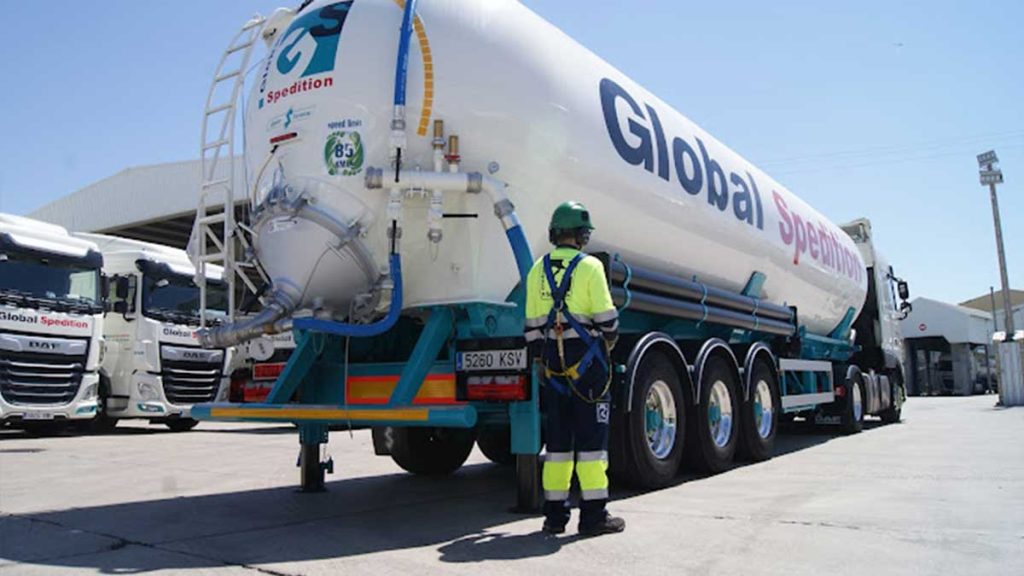
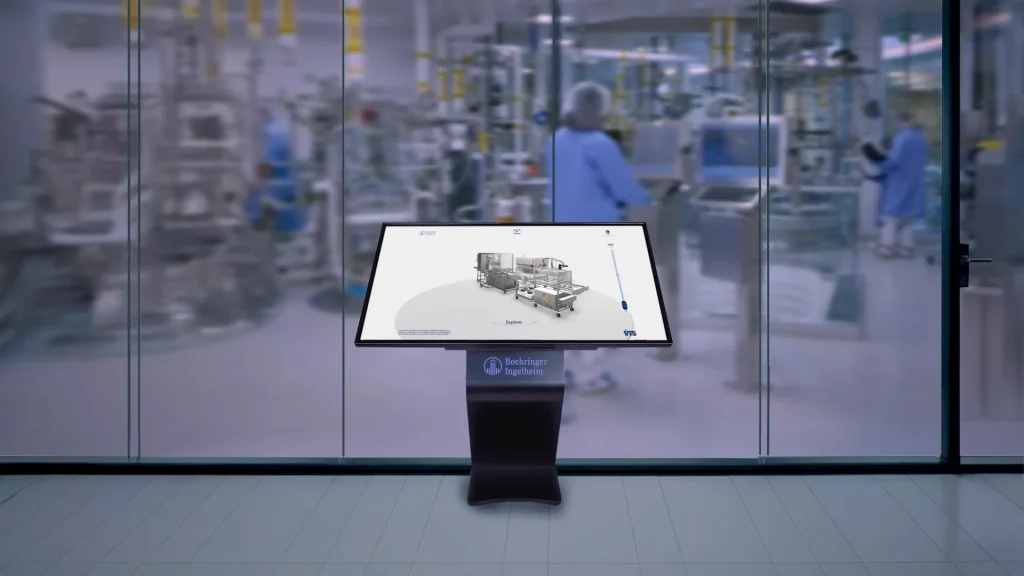
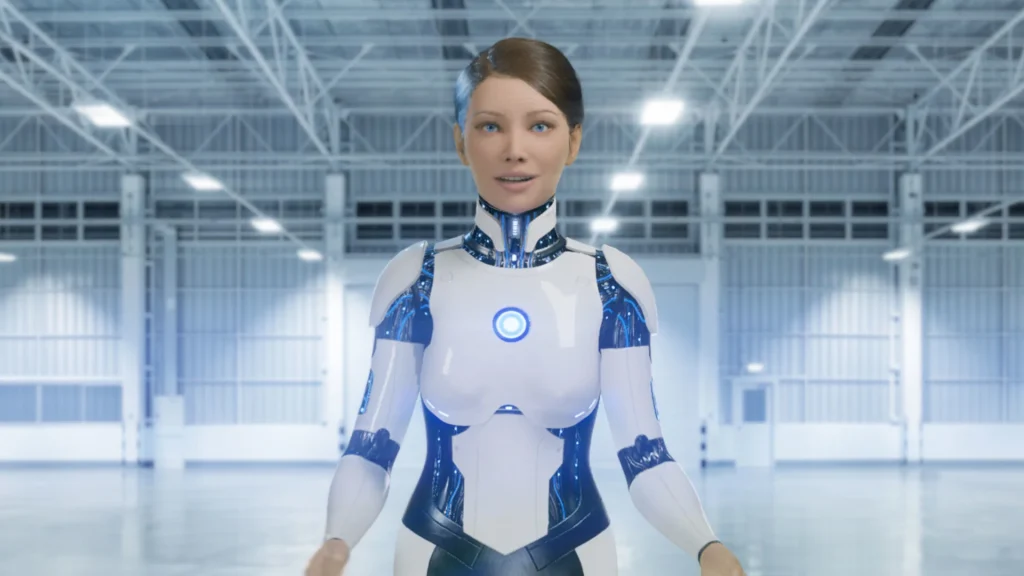
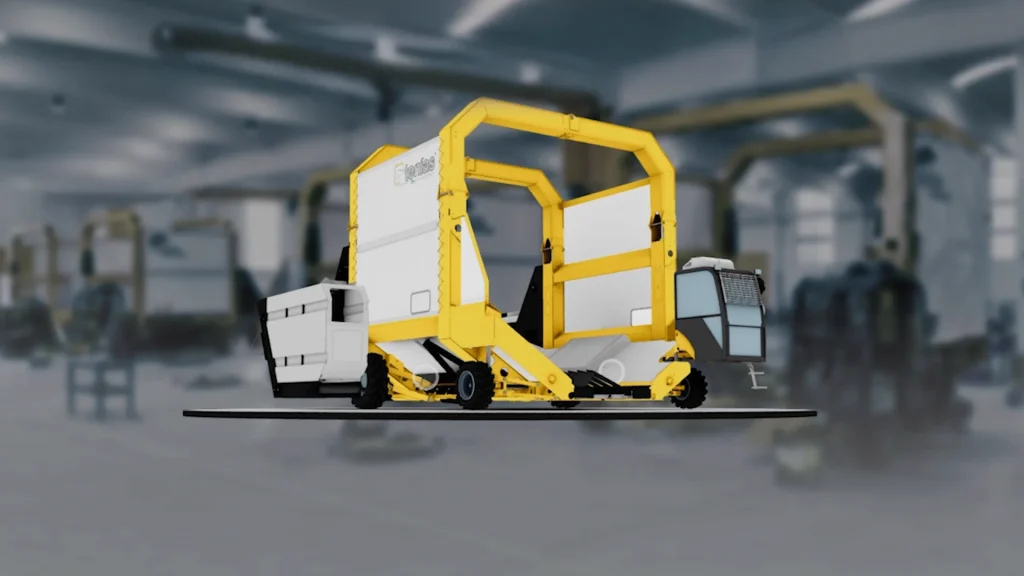
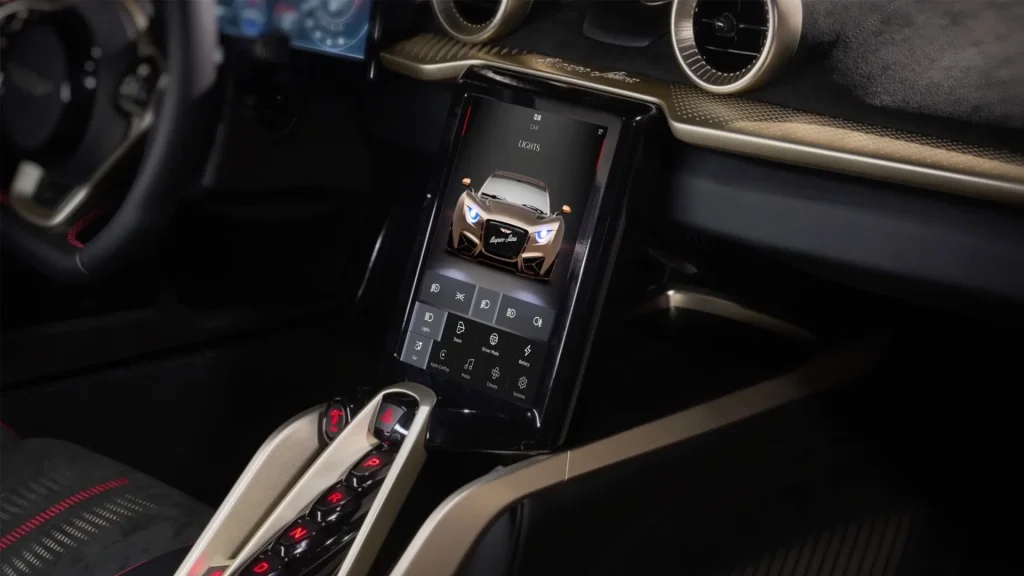
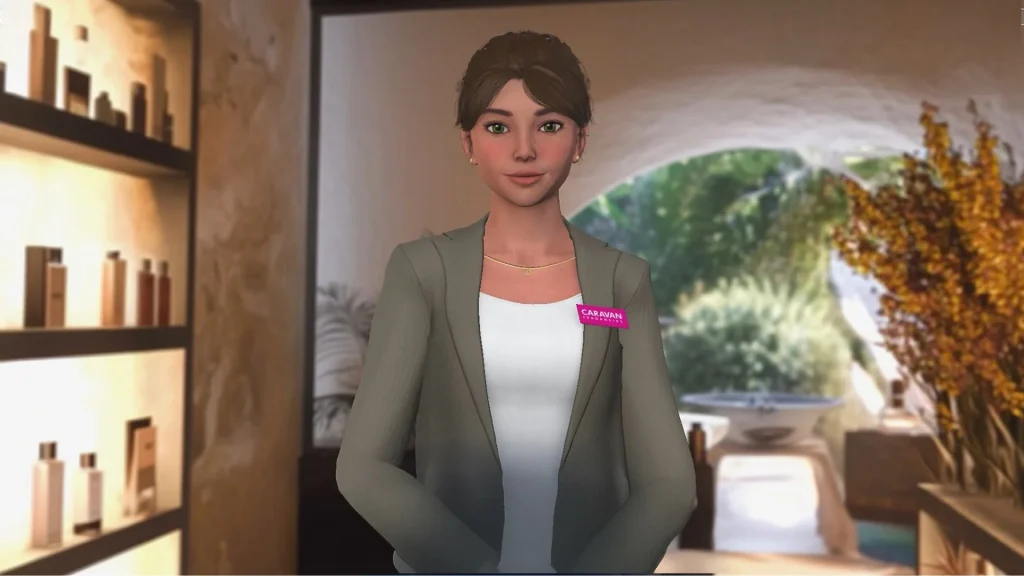
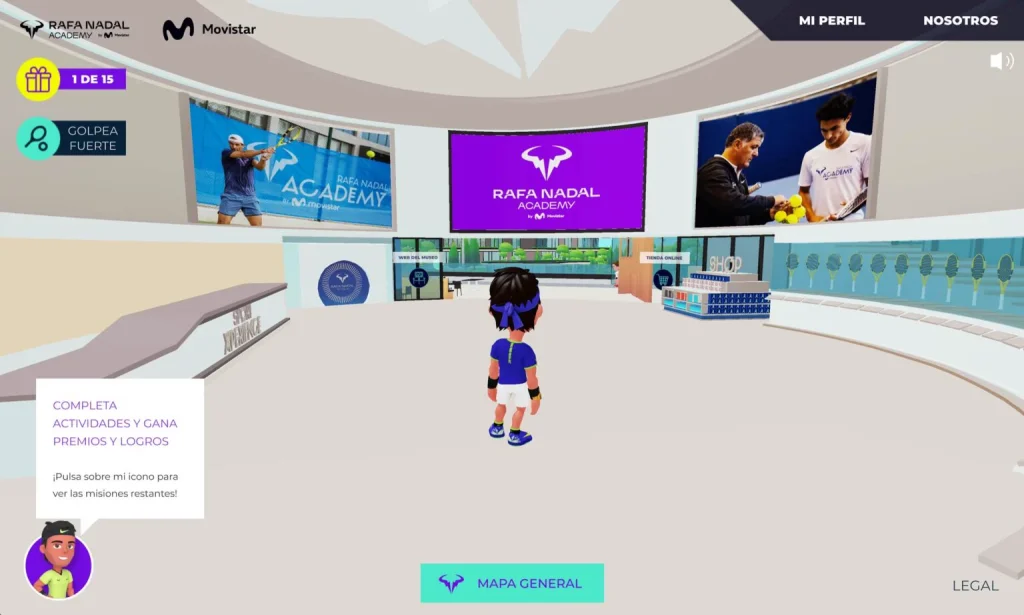
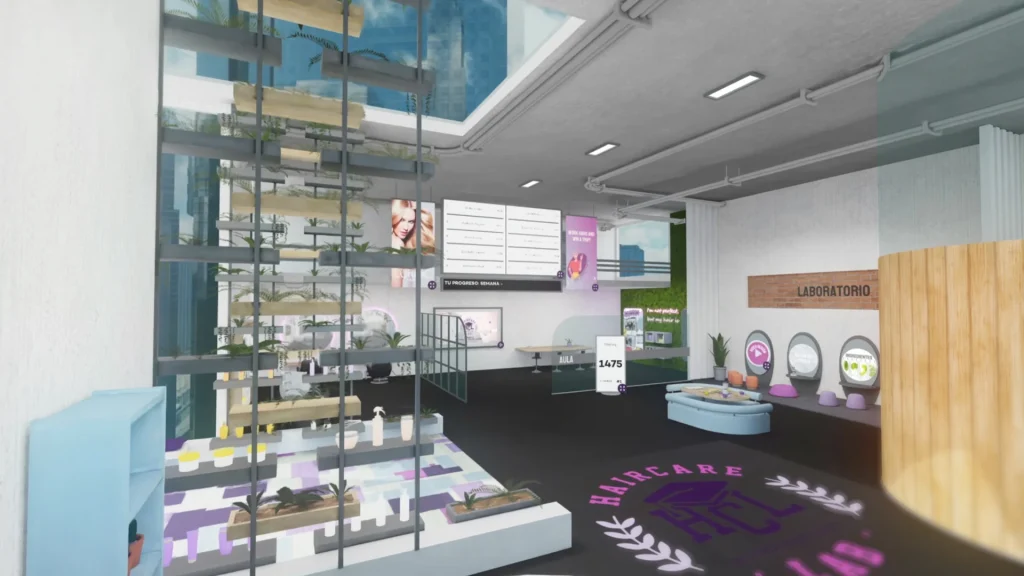
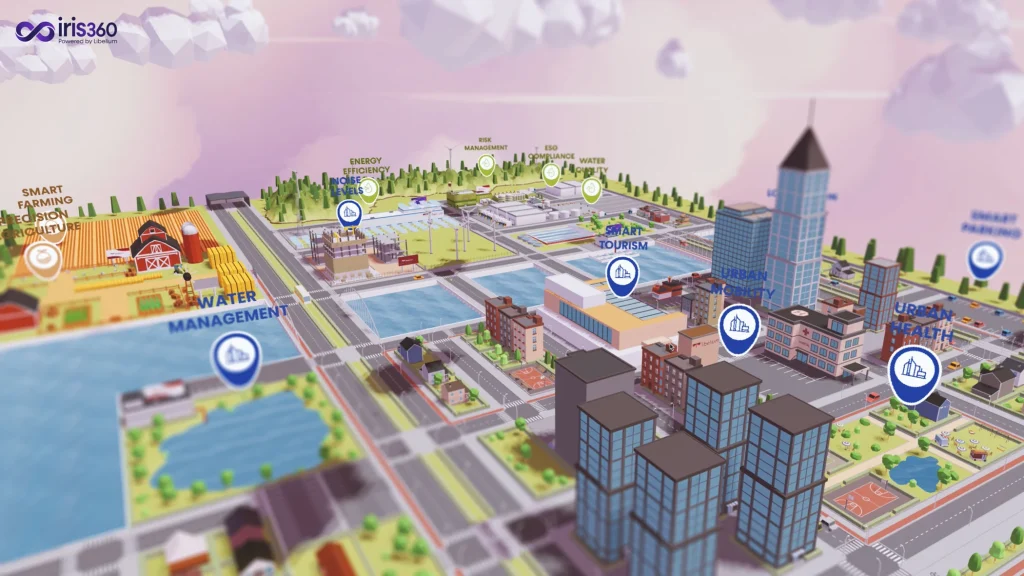
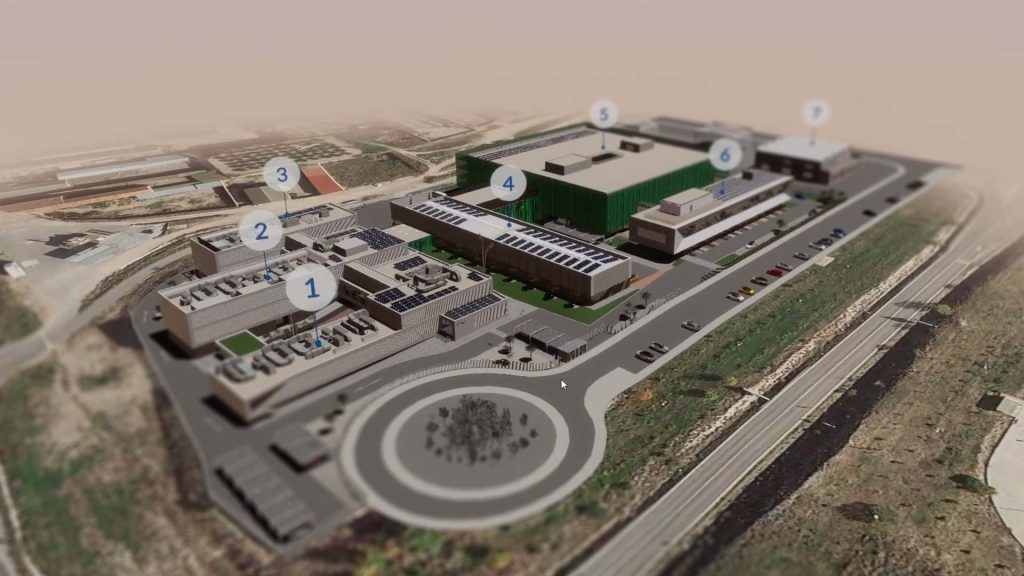
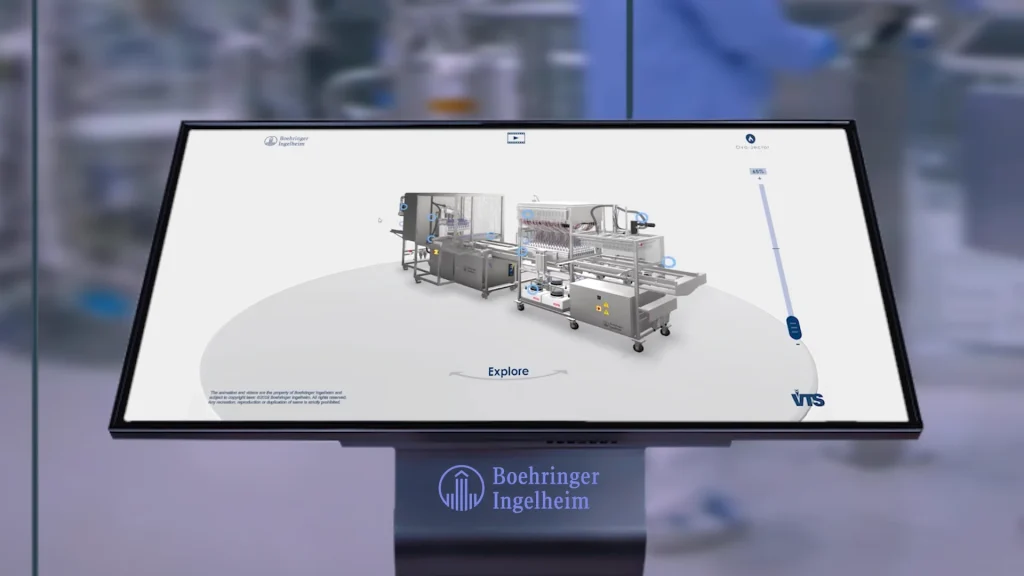

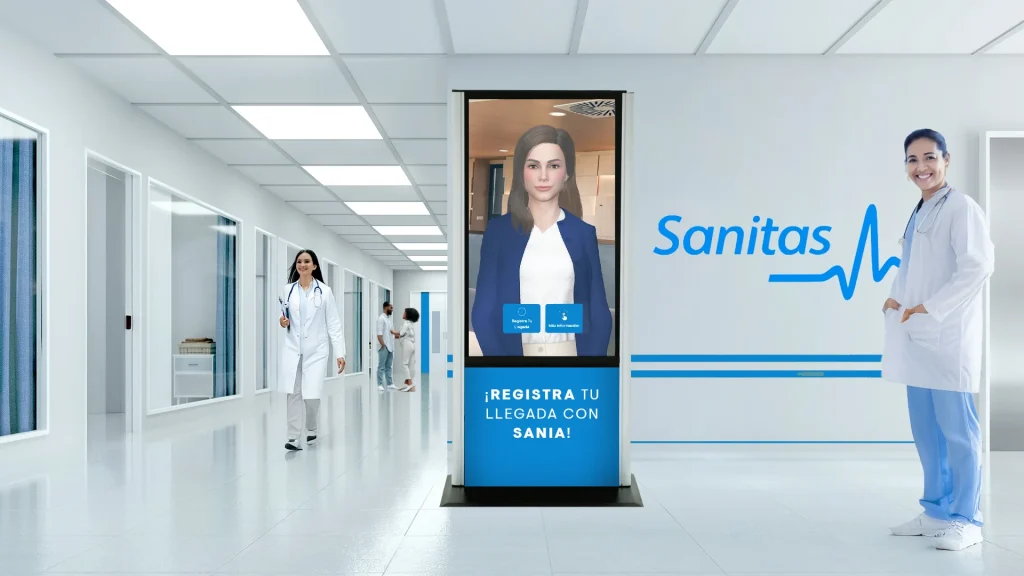
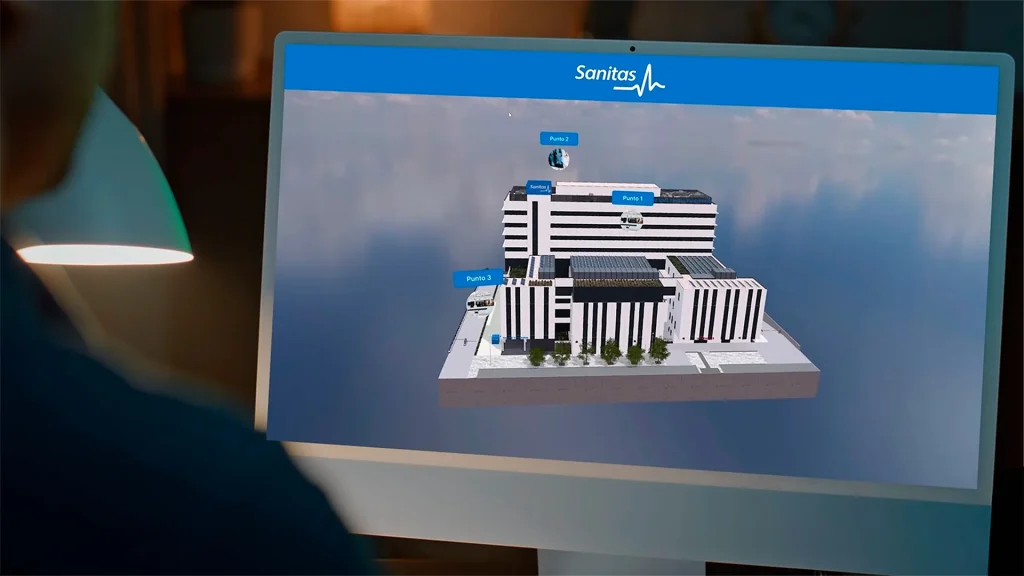

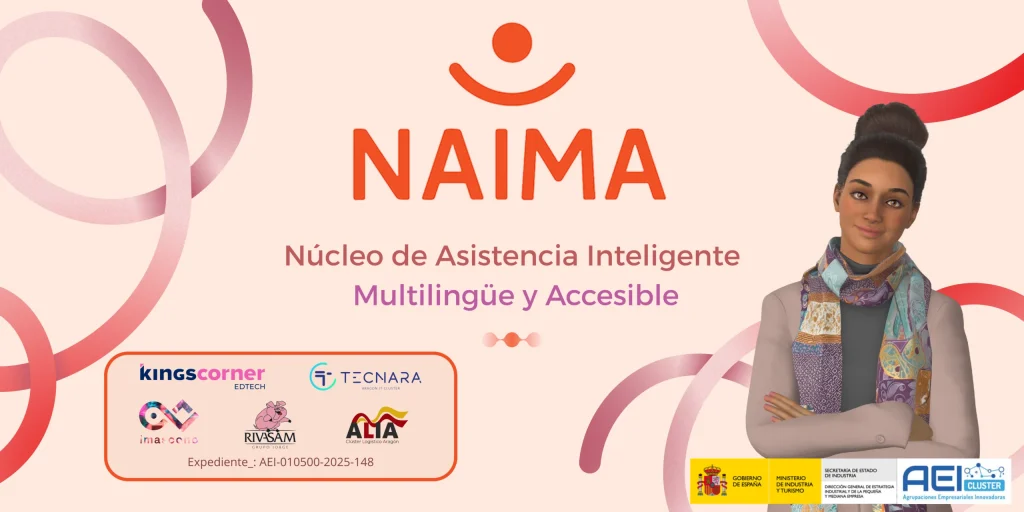


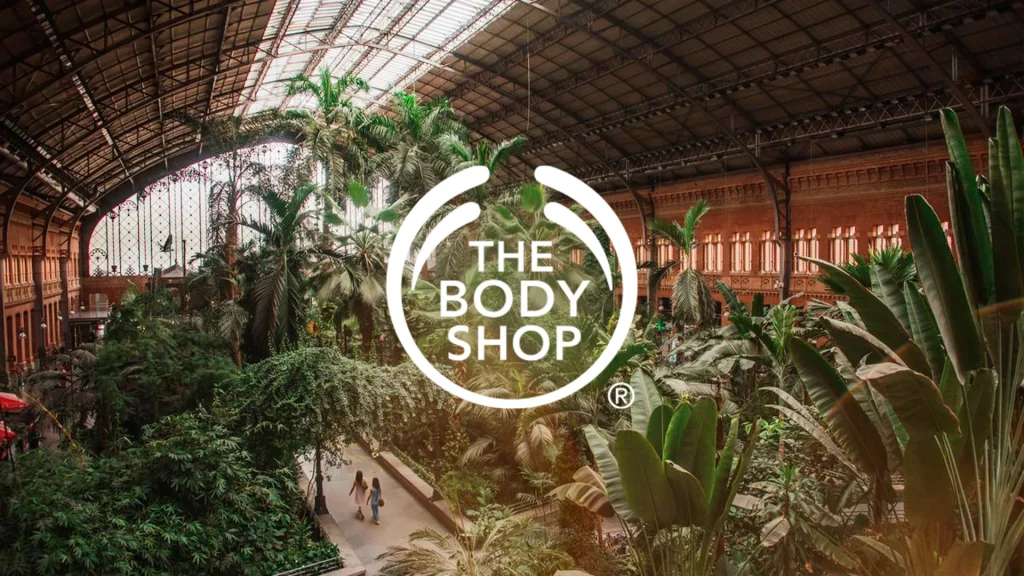
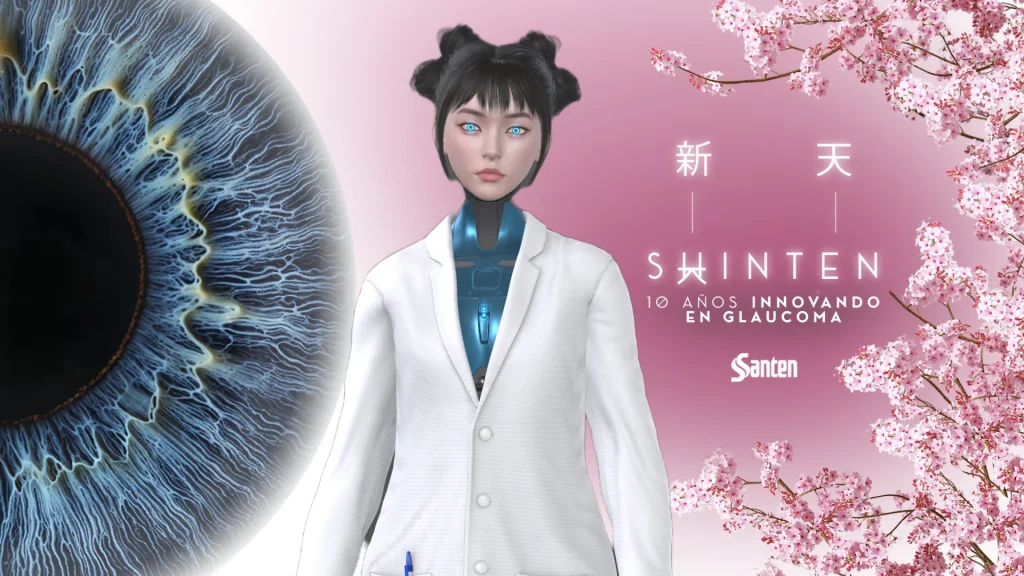


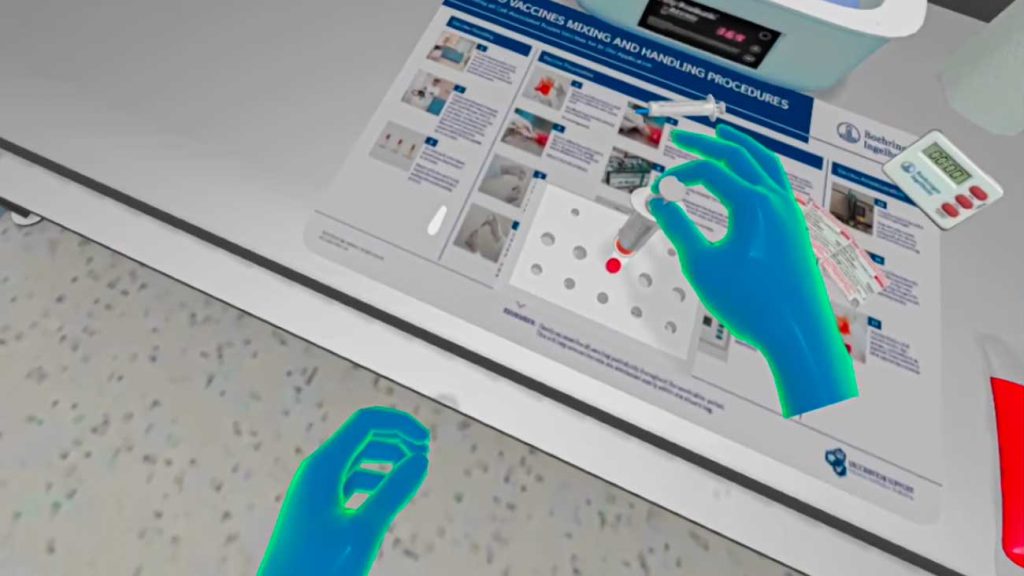
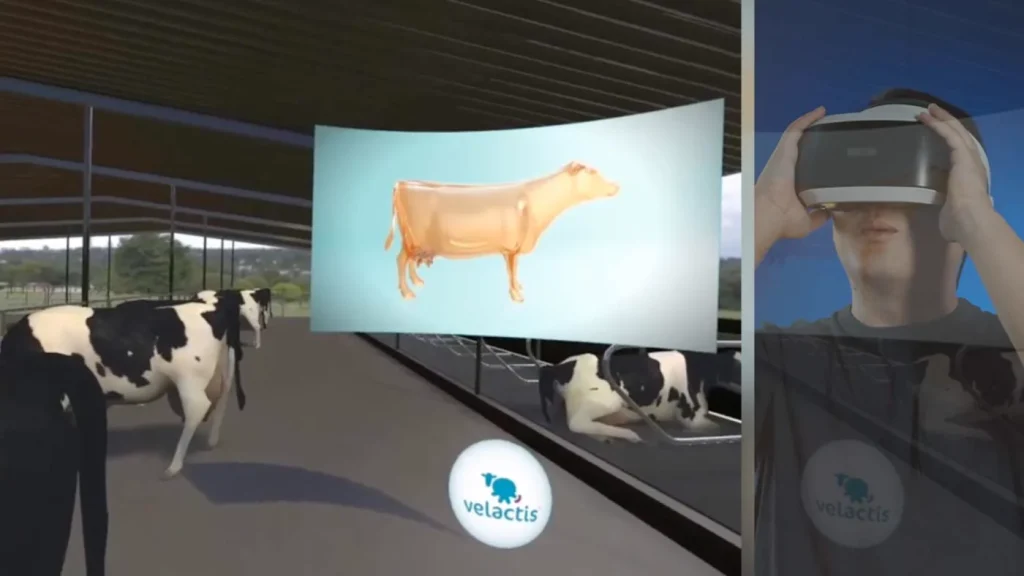
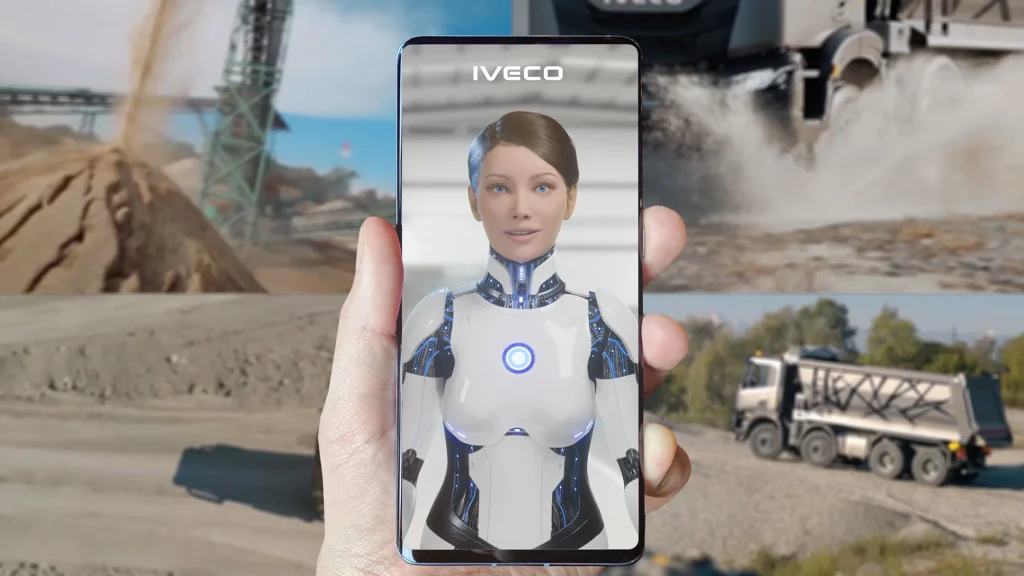

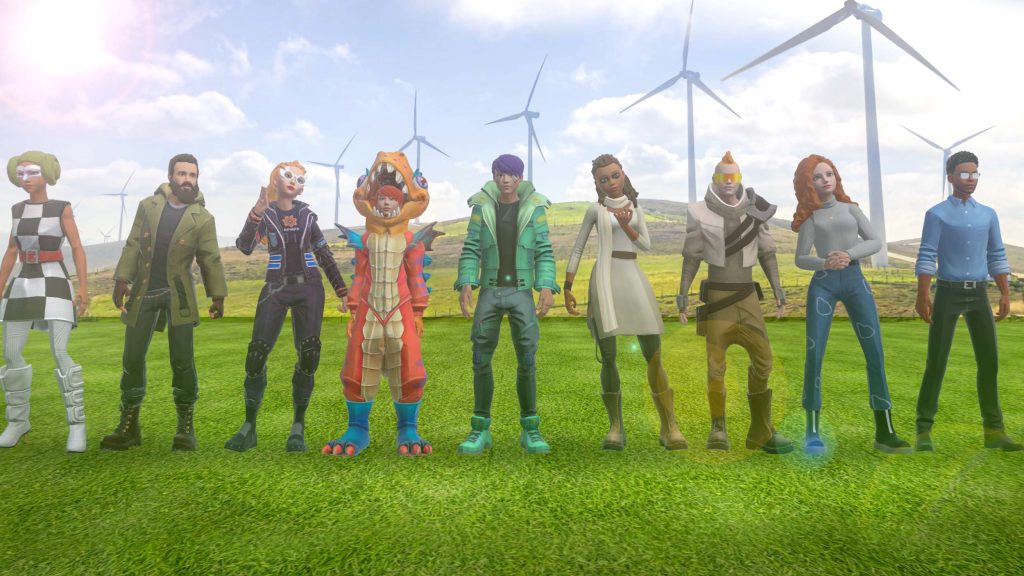
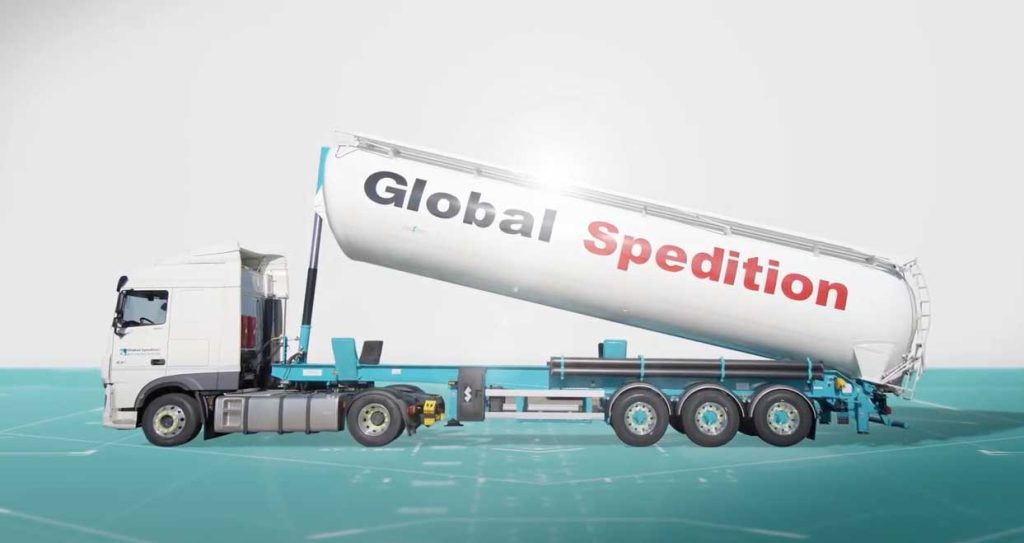
 Spanish
  English