In the digital era, mobile applications have marked a before and an after These have become an extension of our daily lives. From managing our finances, to shopping online, to entertaining ourselves and connecting with the rest of the world, apps are our basic tools to move in today's world. What many people may not be aware of is that there are different types of mobile applications with different functionalities, developments and even programming languages. In this post, we will focus on analyzing the most widespread type of app, the Native mobile applications . We will see their advantages and disadvantages, as well as their comparison with the other two types of applications: the Webapps and the PWApps.

Native Mobile Application developed for Lacasitos by Imascono
What are native applications?
Since 2007, when the cell phone industry welcomed smartphones, mobile applications have been part of the way we understand and use our mobile devices. interacting with technology. From that moment on, our interaction with technological devices became much more intuitive, natural and accessible. If we look at the definition of native applications, they are programs developed specifically to operate on an operating system in particular, such as Android or iOS, using programming languages and development tools specific to each platform. These apps are installed directly on our mobile devices through the application store. The most widespread are Google Play and Apple App Store. Because they are designed for a specific operating system, native applications can optimize their performance, taking full advantage of the device's hardware functionality (camera, GPS, sensors...) offering a seamless and highly integrated user experience. In terms of development, the fact that the mobile application is native means that the programming team has to develop as many apps as operating systems are used. It is usual to create two applications, one for Android and one for iOS But increasingly, we are witnessing the birth of new markets and devices. For Virtual Reality glasses such as the Meta Quest or the Apple Vision Pro, it is also necessary to develop the VR app ad-hoc (customized) for these new hardwares. You may be interested in → Business Innovation: Spatial Computing Applications in Extended Reality . An example of a native mobile application that includes the latest innovations in this type of development can be found in the Augmented Reality app released by Disney , Telefónica and Ferran Adrià . Your Story in the Kitchen combines entertainment, gamification and recipes in an educational app designed for the whole family.

Main advantages of native mobile applications
Once we have seen its definition, it is time to delve into the advantages for both companies and users of the development of native mobile applications . Superior performance and optimized user experience are some of them. Let's look at the main advantages of native apps:
Increased security
Native mobile apps offer a wide range of additional layer of security in our developments, since a rigorous review process is carried out by the official application stores such as Google Play or App Store. Users know that the apps downloaded from these official stores have passed checks for possible vulnerabilities and malicious code, reducing the risk of malware . In addition, these applications can take advantage of the frequent security updates provided by the devices and operating systems themselves.
Improved customization
OS-specific development also means improvements in app customization by allowing developers to optimize the user experience according to the specific characteristics and functionalities of each platform. Native applications can tailor their user interface to match the aesthetics and conventions of each operating system, which not only improves visual consistency, but also makes the application more intuitive for users .
Increased performance
If there is one feature of native applications that sets them apart from other types of apps, it is the higher performance to users. Thanks to its hardware optimization, lower latency and improved response times. As they are developed specifically for the operating system of the device, they can making the most of the resources of the mobile device . Delivering a smoother and faster experience. A particularly noticeable advantage in applications that require high performance such as video games with high graphics, video editing or 3D modeling applications. You may be interested in our publication→ Virtual Reality in video games: the future of entertainment.
Use without Internet connection
Another of the main advantages of native mobile applications is their ability to work in the following ways without Internet connection This feature is especially valuable in situations where connectivity is limited. This is a high efficiency in the use of phone data and faster response time - by not interacting with a remote server. It also gives users the advantage of always having access to the content and files stored in the app and being able to use it at any time.
Disadvantages of native Apps
Although native mobile applications offer a number of advantages, they also have some significant disadvantages that can be covered by the other types of apps . These disadvantages can be summarized as follows:
- Aumento del coste y tiempo de desarrollo. El desarrollo de estas apps nativas suele ser más costoso y requiere más tiempo, ya que es necesario realizar tantos códigos como sistemas operativos haya. Este enfoque requiere que los desarrolladores posean habilidades especializadas en múltiples lenguajes de programación y frameworks, lo que eleva tanto los costos de desarrollo inicial como los de contratación.
- No son multiplataforma. Su naturaleza de app nativa supone una desventaja a la hora de plantear la estrategia multiplataforma. Para alcanzar a usuarios en diferentes sistemas operativos, como Android e iOS, es necesario desarrollar y mantener versiones separadas de la misma aplicación, duplicando el trabajo y los recursos necesarios. Esta falta de interoperabilidad puede limitar la accesibilidad de la aplicación a una audiencia más amplia.
- Las actualizaciones dependen de los usuarios. Pese a que las apps nativas pueden aprovecharse de las actualizaciones automáticas de los sistemas operativos, en muchas ocasiones, estas actualizaciones dependen de que el usuario termine de aceptarlas. No solo eso, cada actualización de una aplicación nativa debe ser diseñada, probada, optimizada y aprobada por cada sistema operativo por separado. Lo que no solo incrementa el trabajo y los costes, sino que también alarga el tiempo de lanzamiento al mercado. Esta complejidad puede dificultar la capacidad de las empresas para responder rápidamente a los cambios en el mercado o corregir errores críticos de manera eficiente.
Learn more about the advantages of web applications o WebApps at What is a WebApp? .
Type of mobile applications
To counteract the disadvantages that can arise when developing native mobile applications, over the last few years, the following have been appearing new types of mobile applications in the app market. In addition to native applications, we can nowadays also find web applications and hybrid or progressive applications . In the following, we will analyze in detail their differences through examples of applications developed in different sectors.
Differences between native Apps, WebApps and PWApps
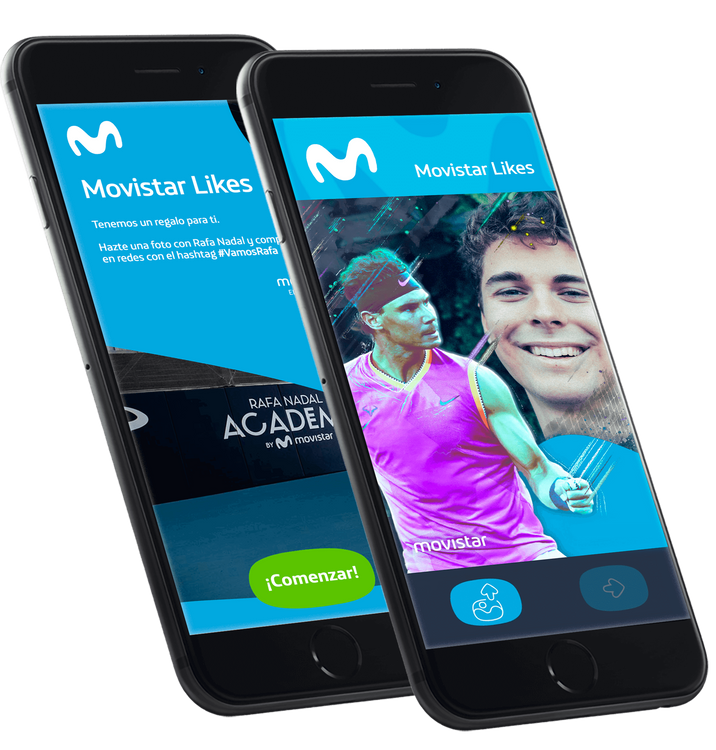
Las aplicaciones nativas, como hemos visto a lo largo de este artículo, son apps desarrolladas específicamente para un sistema operativo como iOS o Android, ofreciendo alto rendimiento y una excelente integración con el hardware del dispositivo. Por otro lado, encontramos las WebApps or aplicaciones web, apps accesibles a través de un navegador web que no necesitan ser descargadas por los usuarios y se actualizan automáticamente, lo que garantiza que siempre se está utilizando la versión más reciente. Representan la evolución de las páginas webs más estáticas, al reunir en un solo espacio, la interfaz e interacción de las aplicaciones de escritorio con la agilidad, la colaboración activa entre usuarios y el almacenamiento en la nube que ofrecen los servicios por Internet. Una solución intuitiva y fácil de compartir como la WebApp de Rafa Nadal. Desarrollada en una de las últimas ediciones de Roland Garros. Una acción rápida, sencilla y efectiva que en su momento fue trending topic en Twitter (X) consiguiendo más de 18.000 fotografías. Por último, encontramos las PWApps o aplicaciones híbridas, desarrollos que combinan elementos de ambas funcionando como apps nativas, pero construidas con tecnologías web, lo que permite una fácil actualización y mantenimiento cruzado de plataformas. En la actualidad encontramos grandes ejemplos como Spotify, Instagram, Drive… Todas ellas son apps que pueden descargarse en las tiendas de aplicaciones, pero que no requieren hacer uso de los recursos del móvil para que funcionen correctamente. Todo se realiza a través de un servidor externo y almacenamiento en la nube.
Examples of mobile applications developed by Imascono
Now that we have seen the main types of mobile applications, it is time to get to know some of the most important ones. examples and use cases that have been carried out in different sectors.
- El desarrollo de aplicaciones móviles más ágiles, intuitivas y personalizadas ofrece la oportunidad de desarrollar toda la interfaz de un e-commerce o tienda virtual desde cero, poniendo en el centro al usuario. Como en el caso de la WebApp desarrollada junto a Movistar y Prosegur Alarmas, donde los usuarios pueden ver en acción los distintos dispositivos de seguridad a través de una casa interactiva en web. Todo sin necesidad de descargar ninguna aplicación móvil.
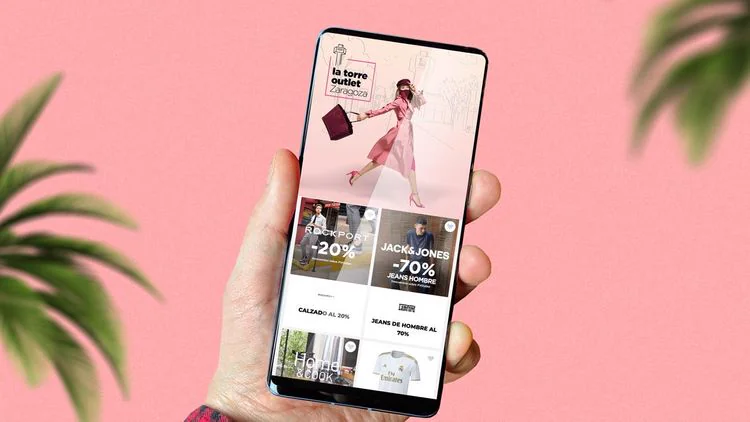
- Otra aplicación en el mundo del retail que ejemplifica la estrategia de integración de varias tecnologías en un mismo espacio comercial es la App y Gestor de Contenidos del Centro Comercial de La Torre Outlet. Una aplicación móvil perfecta para la fidelización y gamificación de usuarios.
- Una aplicación que une diversión y Realidad Aumentada es el caso de éxito de Lacasitos App. Una app AR en la que los niños pueden crear su propio mundo lleno de diversión e imaginación, gracias a los sorprendentes personajes que cobran vida gracias a la tecnología.
- Como ejemplo de aplicación desarrollada para los nuevos dispositivos de Virtual Reality encontramos el caso de éxito de Kai XR Platform. Una app VR para niños y estudiantes a través de la cual se pueden acceder a diferentes experiencias inmersivas que potencian la imaginación y el aprendizaje sobre diferentes temas: desde las ciencias naturales a la tecnología.
From Imascono We have helped a multitude of companies in different sectors to develop the mobile applications more suited to your needs and users . Native Apps, WebApps and PWApps all offer a multitude of benefits to facilitate the interaction between users and brands. Becoming one of the main communication channels for companies. Our engineers and designers will be happy to answer all of your questions and find out how we can help you to develop your mobile application Do you need a mobile application, native or web, adapting its functionalities to the specific needs of your company? Do you need a mobile application? Get to know our mobile application development service . ¡ Contact us at !