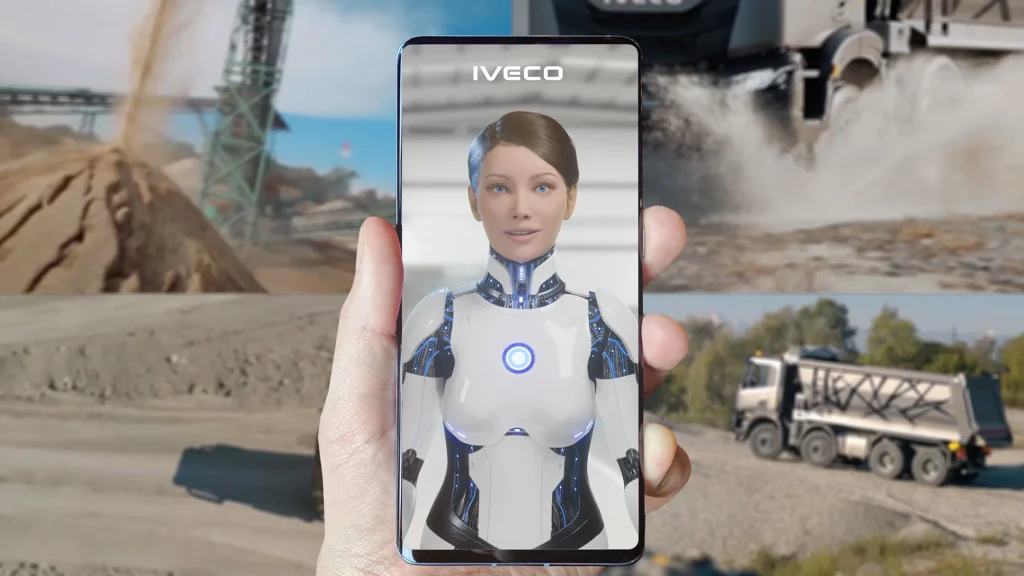
For years, automation meant replacing people with machines. Today, it means something much more ambitious: transforming a factory with machinery into an ecosystem that measures, learns, and makes decisions in real time. Industrial automation is no longer an optional advantage; it has become the dividing line between companies that grow and those that merely survive. But there's a pitfall that few admit: the problem is never the technology itself, but rather knowing what to automate, in what order, and for what purpose. In this article, we'll get right to the point. What industrial automation really is and why it can no longer be put off, what its goals and benefits are beyond the obvious cost savings, and what technologies—IIoT, inteligencia artificial , digital twins , edge computing, are redefining automation systems industrial in 2026. And, above all, we demonstrate this with a real-life example: how Iria IVECO He automated something that almost no one automates—access to knowledge across his entire organization—and that was one of his most profitable decisions. If you're interested in automating thoughtfully rather than just following a trend, keep reading.
What Is Industrial Automation?
La automatización industrial es el uso de tecnología, software, sensores, robótica y sistemas de control, para gobernar procesos productivos con la mínima intervención humana posible. Dicho así suena a manual técnico, pero la idea de fondo es sencilla, que la planta haga lo previsible de forma fiable y constante, para que las personas se dediquen a lo que de verdad aporta valor. Durante años, esto significó simplemente sustituir tareas manuales por máquinas. Hoy el concepto es mucho más amplio, hablamos de sistemas automatizados que no solo ejecutan, sino que recogen datos, se comunican entre sí y permiten tomar decisiones operativas en tiempo real. En 2026, la automatización industrial ya no es una ventaja competitiva opcional: es un factor determinante para la eficiencia, la escalabilidad y, en muchos sectores, la propia supervivencia de la operación. Las empresas se enfrentan a mayores costes operativos, escasez de personal cualificado y una variabilidad creciente en la demanda, y la automatización es la palanca que permite responder a todo ello sin perder el control.
The Goals of Industrial Automation
If there's one thing the industry has learned in recent years, it's that automating without a clear goal is the fastest way to spend a lot and achieve little. Leading companies don't automate just for the sake of automation; they do so to gain control, flexibility, and predictability over their operations. The goals of industrial automation can be summarized in a few mutually reinforcing objectives: increasing productivity without increasing resources, reducing reliance on labor for repetitive or hazardous tasks, improving quality and traceability so that each batch is consistent and auditable, and giving the plant the ability to adapt quickly when the product or demand changes. It's worth highlighting a nuance that sets a solid project apart. The goal is no longer just to carry out tasks, but to create systems that work today and will remain valid tomorrow. In other words: industrial automation does not aim for a "perfect snapshot" of the plant on the day of commissioning, but rather an operation that can grow, integrate, and evolve without having to start from scratch each time. That is why the ultimate goal is not technical, but strategic: to turn efficiency into a sustainable competitive advantage over time. If you'd like to learn more, click here: AR in Manufacturing: The Path to Efficiency
Benefits of Industrial Automation
Las ventajas de la automatización industrial se notan primero en lo operativo: procesos constantes y sin las variaciones del trabajo manual, menos errores y desperdicio, mayor seguridad al retirar a las personas de las tareas peligrosas, y una capacidad productiva que ya no depende de cubrir turnos ni de encontrar perfiles cada vez más escasos. A ello se suma la trazabilidad: cuando cada paso genera datos, la empresa deja de operar a ciegas y empieza a decidir sobre información real. En lo económico, todo esto se traduce en menores costes unitarios, ciclos más cortos y un retorno medible y previsible. Pero la ventaja más estratégica es la menos evidente: la resiliencia. Una planta automatizada se adapta antes a los cambios de demanda, integra nuevos productos sin rehacer la línea y resiste mejor las tensiones de mercado, los aranceles o la falta de personal cualificado. Por eso la automatización industrial ha dejado de verse solo como una herramienta de productividad para entenderse como una cobertura frente a la incertidumbre, quien invierte en sistemas escalables gana capacidad de maniobra, y quien lo pospone acumula una desventaja difícil de recortar después.
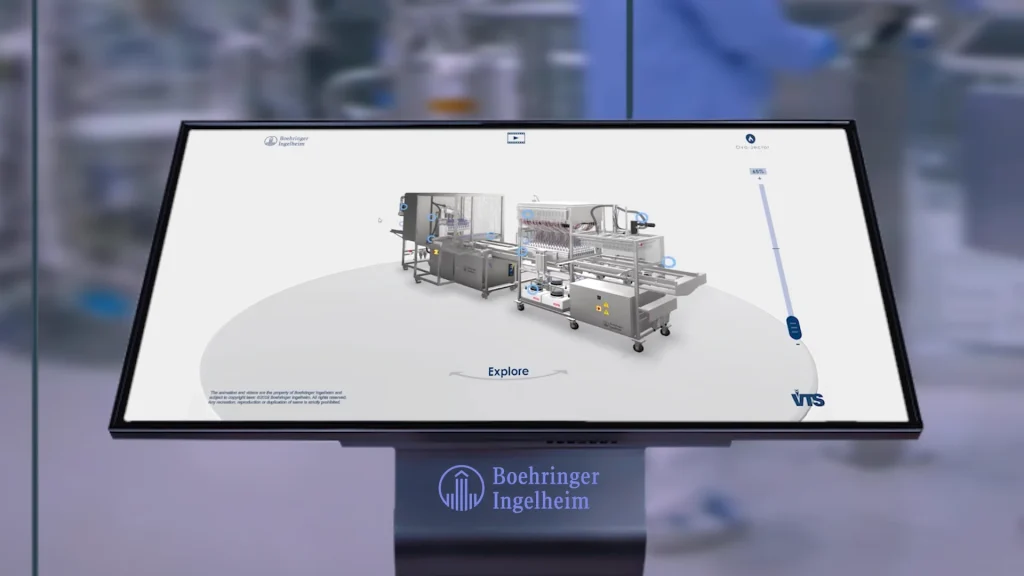
Technologies That Are Redefining Industrial Automation Systems
Hablar hoy de automatización industrial es hablar de mucho más que máquinas que ejecutan tareas. Los sistemas de automatización industrial actuales son ecosistemas en los que el dato manda: la planta percibe, interpreta y decide. Estas son las cuatro que están marcando la diferencia.
IIoT and Sensor Technology: The Connected Plant
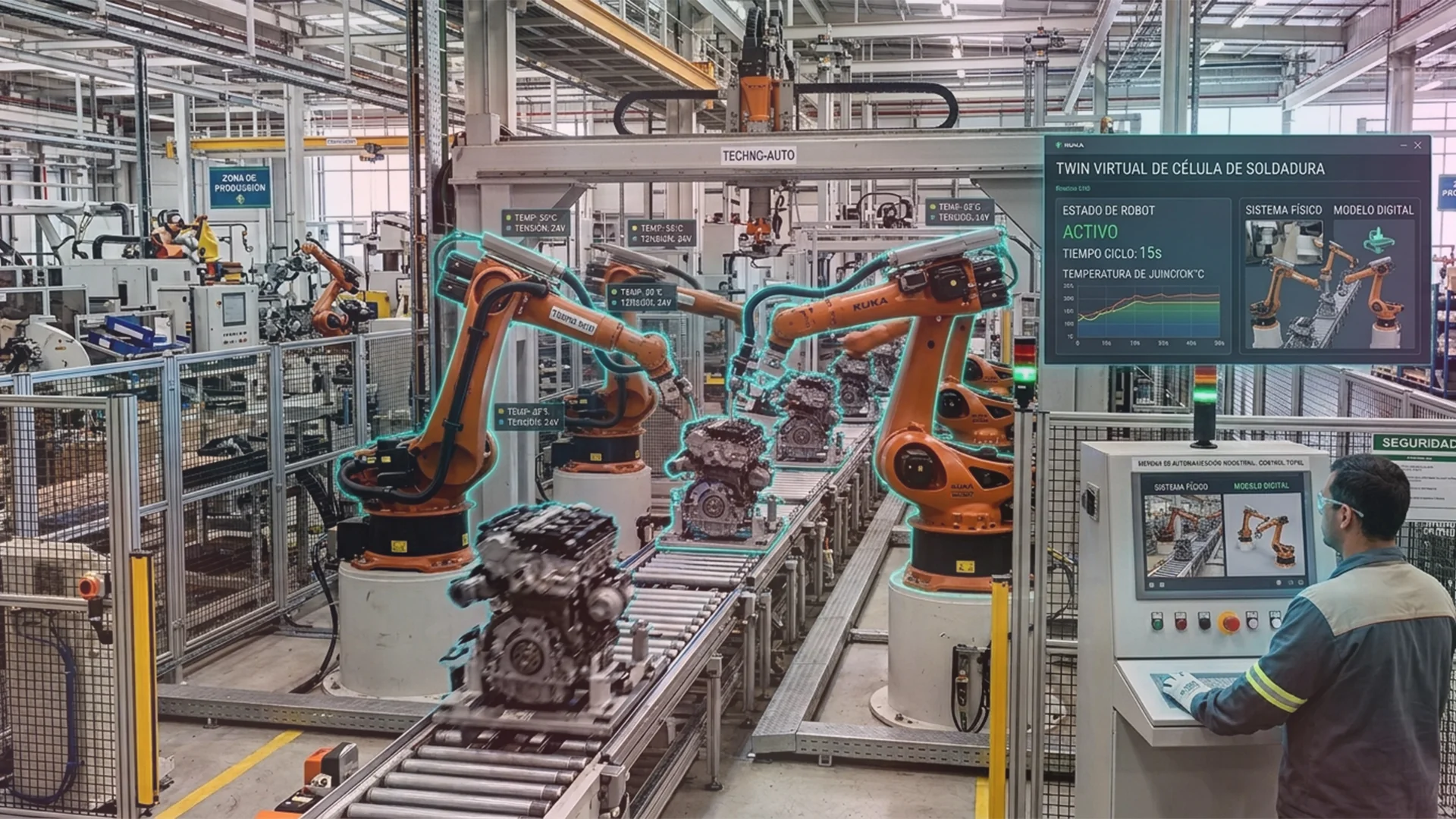
Todo empieza por los datos, y los datos empiezan por los sensores. El Internet de las Cosas en la industria convierte máquinas, líneas y activos en fuentes de información en tiempo real, temperatura, vibración, consumo, tiempos de ciclo, paradas. Lo interesante es que ya no hace falta sustituir el parque de maquinaria para lograrlo. Hoy es posible recoger datos de equipos antiguos mediante sensores inalámbricos sin apenas tocar la instalación, conservando la estructura mecánica y añadiéndole una capa digital que multiplica su valor.
Inteligencia artificial y analítica de datos
Si el IIoT genera el dato, la inteligencia artificial es la que lo convierte en criterio. La analítica avanzada detecta patrones, predice fallos antes de que ocurran y optimiza parámetros que el ojo humano no alcanza a vigilar. La IA también cambia la forma en que las personas interactúan con esos sistemas: los AI avatars funcionan como agentes inteligentes que humanizan el acceso al conocimiento técnico, capaces de resolver consultas, guiar procedimientos y dar soporte a operarios en más de diez idiomas desde cualquier dispositivo.
Gemelos digitales y simulación inmersiva
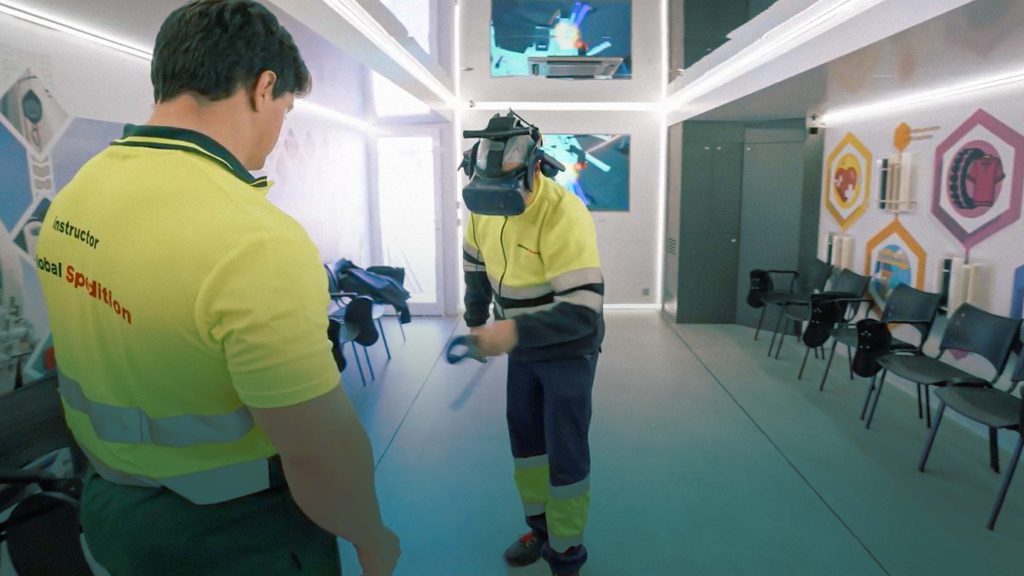
Un gemelo digital es una réplica virtual de un proceso o instalación que permite ensayar, anticipar y optimizar sin tocar la línea real. Los Virtual Twins de Imascono recrean fábricas y procesos a gran escala conectándolos con el mundo físico vía IoT, de modo que cualquiera entienda de un vistazo lo que antes exigía planos y horas de explicación. Y cuando el reto es formar sin riesgo, los Virtual Trainings llevan esa réplica un paso más allá: simulaciones donde el operario aprende equivocándose, sin consecuencias en planta y, según datos del sector, hasta cuatro veces más rápido que en aula.
Edge computing: la inteligencia baja a planta
La gran tendencia de 2026 es acercar la inteligencia al punto donde ocurre la acción. El edge computing desplaza el procesamiento de la nube lejana a la propia máquina en la planta de producción, lo que reduce latencias, refuerza la seguridad del dato y permite decisiones en milisegundos. Para procesos críticos, donde esperar a la nube no es una opción, esta capacidad de reaccionar en local es la diferencia entre prevenir un fallo y lamentarlo. Es la prueba de que automatizar bien no siempre es centralizar más, sino decidir más cerca.
Industrial Automation Success Story
When we talk about industrial automation, the first things that come to mind are robots and assembly lines. But there is one process that influences all the others and is rarely automated: access to knowledge. In an industrial company, knowing how to do something is just as critical as the machine that performs it.
Iria Iveco
IVECO, grupo industrial de automoción con cientos de miles de trabajadores y concesionarios repartidos por el mundo, necesitaba facilitar el acceso a sus formaciones y comunicaciones internas de forma rápida y autónoma. La respuesta fue IRIA, un avatar IA que automatiza ese acceso a través de una sola voz, entrenado con más de cien documentos de diez departamentos. Hoy 4.570 empleados lo utilizan, y el 90% de las conversaciones provienen de la red de concesionarios. Por eso, automatizar la formación y el acceso al conocimiento suele ser la palanca más rápida y rentable de implantar, porque mejora la productividad de toda la organización sin tocar una sola máquina. ¿Estás pensando en dar el paso hacia la automatización industrial pero no sabes por dónde empezar? En Imascono te ayudamos a decidir qué automatizar y con qué tecnología: Let's talk about your project y convirtamos la eficiencia en tu próxima ventaja competitiva.