The future of Artificial Intelligence: main key issues
It is no longer science fiction, it is the present and it is our reality. Welcome to the Age of Artificial Intelligence ! This has become possible and tangible thanks to the countless advances that have been made in this sector in the last decade. With these innovations, AI is poised to revolutionize multiple sectors in the coming years . Among the most significant trends are the rise of automation, deep learning, ethics in AI and the integration of AI with other emerging technologies such as the Internet of Things (IoT). As these trends develop, new opportunities and challenges will open up that will redefine how we interact with technology and how it impacts our lives. . Throughout this article, we will discuss the future of AI use in sectors such as education, industry, marketing, and marketing and sales. advertising The company will analyze how these transformations are shaping a future where Artificial Intelligence will not only be a tool, but an essential ally in the optimization of processes.
What will Artificial Intelligence look like in the future?
In the long-term future, Artificial Intelligence, along with other technological advances will have radically transformed many aspects of our lives and our jobs. . In this area of work, AI will have made it possible for technology to take care of all those tasks that need to be performed in the workplace. repetitive tasks and that do not require any human skills, so that workers can focus on tasks that do require humanity, strategy and/or creativity. In terms of the way we currently learn, the AI will personalize teaching to make it simpler, more accessible and more efficient for each of the students. In more artistic areas, the future of AI will facilitate creative processes, allowing creators to cooperate with technology to innovate. Human-machine interaction will become more natural, thanks to intuitive interfaces that will optimize everyday tasks and improve quality of life. In short, the future of artificial intelligence promises to be a era of collaboration, where technology enhances our human potential in an ethical and responsible manner.
Key technological innovations for AI
The future of Artificial Intelligence will be marked by different innovations and technological developments that will drive its progress and evolution. One of the most remarkable elements is the analysis and processing capacity . As this capability becomes more and more efficient, the AI will be able to perform more complex calculations in less time, enabling to develop more advanced and accurate models. The integration of AI with other emerging technologies The Internet of Things (IoT) and Blockchain will also play a key role. Similarly, its increasing ability to handle large volumes of data and to deliver audio, video and text content with better quality are also aspects that are being and will continue to be included in different areas, such as marketing and industry. Next, we will review the four main technological innovations that are making a difference and will shape the future of Artificial Intelligence.
Advanced machine learning (Deep Learning)
Deep Learning, one of the most advanced branches of machine learning, is based on neural networks which emulate the functioning of the human brain . To model and understand patterns in large volumes of data. This approach has led to significant advances in areas such as the speech recognition, computer vision and text generation, thanks to its ability to analyze information in a hierarchical manner. As Deep Learning models become more sophisticated, they are capable of performing tasks previously considered the exclusive domain of humans, such as interpret emotions, generate hyper-realistic images or even write creative content. In the future, Deep Learning will continue to drive the evolution of Artificial Intelligence, with more efficient models such as transformers improving accuracy and scalability. Its integration with technologies such as quantum computing will open up new possibilities in medicine, automation and sustainability The company is consolidating its position as a key tool for solving complex problems in a data-driven world. You may be interested in → Generative Artificial Intelligence: definition and main applications
Explainable and ethical AI
As Artificial Intelligence advances and becomes integrated into critical decisions in areas such as healthcare, finance and justice, explainable AI becomes a priority. Many people feel a great mistrust in the future of Artificial Intelligence because it does not understand its processes and operation to perform the tasks it is asked to do. This is why it is really important that AI systems are developed with transparency. On the other hand, there is no future in Artificial Intelligence without a strong commitment to and implementation of ethics. From the elimination of biases in algorithms to respect for data privacy, businesses and organizations ethical challenges must be addressed to avoid discrimination, inequality or negative impacts on society. In the future, global regulations and standards, combined with ethical design from the early stages of development, will be essential for ensure that AI operates safely, fairly and in line with human values. Continue to delve deeper into the challenges of Artificial Intelligence in our post → Challenges of Artificial Intelligence applied to the enterprise .
More advanced natural language models
Los modelos de lenguaje natural están en el corazón de muchos avances recientes en Inteligencia Artificial. Herramientas como los modelos generativos, incluyendo GPT, han demostrado una capacidad sin precedentes para comprender y generar texto de forma coherente y creativa. Permitiendo a las máquinas interactuar con los humanos de manera más natural. Gracias a estas mejoras, se han reducido las barreras de comunicación, haciendo que las interacciones con tecnologías basadas en IA sean más fluidas y comprensibles. Incluso tomando forma humanizada a través de asistentes y avatares virtuales, donde a estos modelos de lenguaje natural se les suma la comunicación no verbal, la personalidad y el tono de voz.Avatares virtuales como el de Miguel de Cervantes, donde el modelo de lenguaje natural de su Inteligencia Artificial se preparó como una persona del siglo XVI, un entrenamiento muy interesante además de exigente.
Automation and intelligent robotics
Automation and intelligent robotics are revolutionizing the technology in the industry The new technology, enabling unprecedented levels of efficiency, accuracy and productivity, is now available in the market. Thanks to advances in Artificial Intelligence, the robots can learn autonomously , adapt to new environments and perform complex tasks that previously required human intervention. The cobots (cooperative robotics) are designed to work together with humans, enhancing its capabilities and enabling a more agile and simpler workflow . This collaboration of humans and machines not only leads to increased efficiency, but also promotes a working environment where employees can engage in more creative and strategic tasks. In the future, intelligent robotics will go beyond industrial applications to become integrated into everyday life.
The future of Artificial Intelligence by sector
As we have seen, several key trends and technologies stand out in the future of Artificial Intelligence. But, how will the AI of the future affect the business world? From the automation of processes up to the customization of services AI is redefining the way businesses operate and connect with their audiences. Below, we explore how different industries are embracing these technologies to lead the future.
Educación 4.0.
The future of Artificial Intelligence in the education sector is focused on the customization and accessibility of learning . With AI-based tools, such as virtual tutors and adaptive learning systems, students will be able to receive content tailored to their level, pace and specific needs. In addition, the AI will allow analyze progress in real time It will identify areas for improvement and offer personalized recommendations to maximize the potential of each student. It will also be key to eliminating geographic and linguistic barriers, facilitating access to quality educational resources anywhere in the world. This approach will transform education into a more inclusive, interactive and effective experience for all ages.
Augmented industry and logistics
Artificial intelligence of the future, as far as the industrial and logistics sector is concerned, will be defined by the advanced automation and optimization of resources, processes and supply chains. Companies will be able to predict demand more accurately, manage inventories efficiently and optimize transportation routes in real time. In addition, the robots, cobots and predictive maintenance will transform industrial production and human involvement in manufacturing. Starting the path towards Industry 5.0. more focused on employee wellbeing, sustainability and human-machine combination in factories. These innovations will transform the industry, making it more agile, sustainable and competitive. If you are interested, visit our post What is Industry 4.0 and what are its main characteristics?
Artificial Intelligence in medicine
With respect to the technology in the health sector The Artificial Intelligence of the future promises revolutionary advances in diagnosis, treatment and prevention. Thanks to deep-learning algorithms, AI will be able to analyze large volumes of medical data The new technology, identifying patterns that humans might miss, will allow for faster and more accurate diagnoses. In addition, technologies such as the virtual assistants and personalized recommendation systems will optimize treatments, adapting them to the specific needs of each patient. This approach will transform healthcare, making it more proactive, efficient and accessible, with a positive impact on the quality of life of millions of people. For example, the healthcare professional could have a support in the diagnosis and recording of symptoms. While interacting personally with the patient, Artificial Intelligence does the work of taking data, making consultations much more up close and personal.
AI-driven marketing and advertising
The Artificial Intelligence of the future, in the field of marketing and advertising will be marked by the hyperpersonalization and advanced data analysis. With AI-based tools, brands will be able to create highly segmented campaigns that adapt to individual consumer interests, behaviors and needs in real time. In addition, technologies such as natural language processing and machine learning will enable generate creative content , identify emerging trends and optimize advertising strategies with greater precision . Not to mention the creation of new channels of interaction with customers such as avatars and virtual influencers . Humanized representations of the brands that personalize messages and recommendations, in addition to offering assistance and customer service at any time and moment of the day.
Artificial Intelligence and tourism
On the other hand, with respect to the technology in tourism The future of Artificial Intelligence offers amazing new opportunities for companies and professionals. Offering more personalized and efficient experiences. As for example a virtual assistant or personalized butler in a hotel stay. Where each guest has at their disposal a multilingual avatar that recommends activities, answers their questions and attends to all their requests by connecting to the general management of the hotel. A breakthrough that can also occur in travel agencies, with iurban Cicerone's chatbot and virtual assistant that manages reservations and answers queries in real time. In addition, AI will also play a key role in the operational optimization of airports, cruise ships and museums. By improving resource management and raising customer satisfaction . This approach will make travel not only more comfortable, but also more tailored to the high expectations and customization demanded by travelers. You can dig deeper into the use of AI in this key industry through our → post. Artificial intelligence in tourism: characteristics and examples .
AI and human interaction
The Artificial Intelligence is redefining human-machine interaction enabling more fluid and personalized connections. One of the most outstanding advances in this area is the development of virtual avatars, which literally put a face to Artificial Intelligence, creating a more humanized experience for users. These avatars, like the V-E-G-G-A virtual assistants, can interpret emotions, respond accurately and adapt to the context of the conversation generating a closer and more empathetic interaction. This not only improves the user experience, but also speeds up and personalizes queries, reinforcing the brands' commitment to offer innovative and high quality services. The balance between human intervention and automation is essential. AI enhances this collaboration by acting as a complement, providing analysis and recommendations that help employees make informed decisions. In addition, intuitive interfaces and virtual assistants facilitate human-machine interaction, making people feel more comfortable with technology. In short, AI fosters synergistic collaboration, maximizing efficiency and effectiveness in various tasks.
How you can be part of the future of Artificial Intelligence
The future of Artificial Intelligence is already here, and you can be part of it too. From Imascono we invite you to explore the many possibilities of AI in the business world. Those we have seen here and those that will gradually become a reality. Our innovation team has been working and researching this field since 2018. In these years we have witnessed all of the advances in AI . Advances that we have reflected in our different products and services. Artificial Intelligence services for companies . Do you want to learn about the opportunities that Artificial Intelligence offers your company? Get in touch with us !
Hotels of the future: hotel technology trends
The hotel industry is in the midst of a digital transformation. From large hotel chains to rural and family-run hotels, they are all in the midst of a digital transformation. incorporating technology in optimizing internal operations and guest experience . Adapting to the needs and expectations of increasingly digitalized travelers. But, how do we plan the hotels of the future? In this article we want to explore this concept and the technological trends that accompany it. Artificial Intelligence, automation, immersive experiences... All these technologies are part of today's hotel industry, and are the key pieces to build the future of the industry. We will now take a closer look at these technologies and how companies in the tourism and hospitality sector are by integrating them into their activities.
New technology applications for smart hotels
The smart hotels are establishments that integrate advanced technologies to optimize the guest experience. One of the main applications is automation, with systems such as check-in and check-out, domotic room management or virtual assistants that personalize the guest experience by attending to all their needs, requests and queries. These tools not only streamline processes, but also increase the convenience, reduce waiting times and offer a seamless and personalized experience. . Where the user is the one who takes control of his stay in the hotel. If you want to know more about the development of virtual assistants in hotel services you can visit our website Artificial Intelligence in hotels
5 technology trends in the hotel industry
Desde herramientas que automatizan los procesos hasta innovaciones en el customer experience que enriquecen y abren nuevas oportunidades a los clientes para disfrutar de su estancia hotelera, estas tendencias tecnológicas están marcando el camino de la innovación en la industria de los hoteles.1. Mayordomos virtualesEl servicio de habitaciones innova con la llegada de los mayordomos virtuales dotados con Inteligencia Artificial. Con ellos, cada huésped cuenta con su propio asistente que le ayuda a gestionar reservas, realizar pedidos a las habitaciones e incluso hacer recomendaciones sobre qué sitios visitar, qué actividades contratar y responder todas las dudas sobre el funcionamiento del hotel.Todo de forma personalizada para cada usuario y en su propio idioma. Asistentes virtuales enfocados en el sector hotelero y turístico como Cervantes IA, el avatar virtual de Miguel de Cervantes que hace las veces de guía turístico de su amada Castilla-La Mancha. O Marta, el caso de concierge digital presentado por el Hotel Torre del Marqués.2. Experiencias inmersivas de Realidad Virtual y AumentadaLa Realidad Aumentada y Realidad Virtual también tienen su impacto en la gestión hotelera. Con estas tecnologías se consigue desarrollar la tendencia try before buying. En el turismo, esta tendencia se representa en vivir experiencias inmersivas que recrean lo que se va a vivir en el viaje previa su reserva.Conectando a nivel emocional y experiencial, más allá de únicamente mostrar fotografías y vídeos. Un hecho que beneficia a los hoteles al poder mostrar su catálogo de actividades a contratar de forma más individualizada y personalizada para los clientes, dando tiempo a cada uno a que explore a su ritmo.Te puede interesar → The influence of Augmented Reality in hotels3. Recreaciones virtuales de las instalacionesLas recreaciones o gemelos virtuales de las instalaciones hoteleras permiten a los huéspedes tener un mayor control y conocimiento sobre el funcionamiento y actividades del hotel. Mejorando el acceso a la información y aprovechando al máximo las nuevas tecnologías para personalizar y mejorar la experiencia completa del cliente. Pudiendo organizar visitas virtuales accesibles desde cualquier dispositivo, ayudando al huésped a visualizar su estancia, tomar decisiones mejor informadas y mejorar la confianza en el proceso de reserva. Además, como ocurre en Exclusiverse, la sede virtual del club de viajeros Exclusive Traveler Club, en estas recreaciones 3D se pueden organizar encuentros, ofrecer beneficios exclusivos… fomentando el sentimiento de pertenencia y la fidelización con la marca.4. Asistentes virtuales y tecnología de vozLa tecnología por voz y los asistentes virtuales están revolucionando la experiencia hotelera al ofrecer traducción automática y soporte en múltiples idiomas. Estas soluciones permiten a los hoteles comunicarse de manera eficaz con huéspedes de diferentes nacionalidades, eliminando barreras lingüísticas.Además, su capacidad para brindar asistencia en tiempo real contribuye a un turismo más accesible e inclusivo, adaptándose a las necesidades de cada viajero y mejorando la calidad del servicio. Como el robot de iurban Cicerone, un asistente virtual capaz de gestionar una agencia de viajes en 95 idiomas.5. Instalaciones tecnológicas interactivasEl uso de la tecnología en la hotelería no solo tiene su impacto en el mundo online del sector, esta también puede transformar el propio hotel físico gracias a las instalaciones interactivas y la apuesta por las experiencias phygital. Pantallas táctiles, hologramas, escaparates interactivos o experiencias gamificadas en el lobby y zonas comunes… todo tipo de innovaciones que fomentan el engagement, conexión y entretenimiento de los huéspedes. Instalaciones tecnológicas interactivas como las diseñadas para la renovada sede de Ibercaja en el Espacio Xplora, con su escaparate inmersivo.O, a nivel turístico, la acción de marketing Frozen Emotion, donde los usuarios podían trasladarse hasta un puente colgante en lo alto del Pirineo y bajar esquiando con su nuevo forfait virtual. Toda una experiencia inmersiva en Realidad Virtual que te dejará helado.
Benefits of technology in the hotels of the future
The technology of the hotels of the future impacts both internally and externally. Both internally and externally. employee support such as guest experience, marketing and sales. In this section, we will analyze the main advantages and benefits offered by technology in the hotel sector: Maximum customization and personalization Through advanced tools such as the Artificial Intelligence and Big Data hotels can customize every aspect of their guests' stay, anticipating their guests' needs. The systems can record the guest preferences, analyze possible needs based on their profile and use this information to offer an experience perfectly adapted to them. The AI can also provide recommendations to users and predict what they might need, based on their previous behavior patterns. In addition, the accessibility for guests is very simple: they can access the hotel implementations of the future from their mobile devices in web browsers, thanks to, for example, WebApps developed by these hotels. Reduction of waiting times Thanks to technology, the hotels of the future will be able to automate different processes both within the internal management of the hotel and in the attention and interaction with guests. For example, the implementation of generative Artificial Intelligence and other innovations in automation automatic registration systems , digital check-in and check-out , y virtual assistants In addition, processes that traditionally took unnecessary time are automated, improving operational efficiency and the guest experience.
Impact of technology on the guest experience
Undoubtedly, the key point of any technological hotel is the guest experience. From the moment they discover the hotel and book it, to the actual stay and the final satisfaction they have. Technology allows transforming each of these parts of the customer journey The experience is personalized in a way never seen before in the hotel industry.
Experiencia personalizada y estancias con la máxima comodidad. El uso de esta tecnología de vanguardia permite ofrecer a los huéspedes una experiencia totalmente personalizada. Desde la elección de la almohada ideal hasta la creación de itinerarios de viaje adaptados a sus gustos. Así, los hoteles del futuro pueden ofrecer servicios exclusivos que mejoran la comodidad y satisfacción del huésped.
Interacción mejorada con asistentes virtuales. Los asistentes virtuales serán una parte integral de la experiencia en los hoteles inteligentes. Estos asistentes estarán disponibles las 24 horas del día para resolver dudas, realizar peticiones o proporcionar recomendaciones, lo que garantizará una estancia más agradable y sin contratiempos.
Acceso sencillo a servicios a través de los móviles. Las aplicaciones móviles y WebApps están facilitando el acceso a todos los servicios del hotel. Desde abrir la puerta de la habitación con el teléfono hasta realizar reservas para actividades o pedir el servicio a la habitación con un solo clic, estas tecnologías no solo ofrecen comodidad, si no también un control total de la experiencia. Esto permite a los huéspedes disfrutar de su estancia de manera más autónoma, rápida y personalizada.
How to implement technology in hotels
Throughout this post, we have explored various innovative technologies, tools and solutions for hotels . The key challenge is to define a strategic and action plan to implement them effectively in each hotel business. It is essential to identify the technologies that are best aligned with the value proposition of the hotel, the profile of its guests and specific operational needs . Whether to strengthen the brand, improve internal efficiency or offer more personalized customer service, solutions must respond to clear objectives. Next, we would like to discuss a success story from use of Artificial Intelligence in the hotel sector . In an environment where personalization and constant availability have become key factors for luxury hotels, the Hotel Torre del Marqués decided to take its commitment to innovation one step further. This led to the creation of a project to integrate a virtual assistant with a local soul capable of accompanying guests at all times.
Marta Torre del Marqués
The Torre del Marqués Hotel , in the heart of "Aragonese Tuscany," has incorporated Marta, a Intelligent multilingual avatar that acts as a digital concierge available 24/7. This virtual assistant provides personalized information about services, gastronomy, wellness, and activities in Matarraña, accompanying guests throughout their stay without compromising the hotel's essence of exclusivity. Thanks to its implementation, the five-star complex has improved operational efficiency, strengthened customer service, and increased visitor satisfaction, positioning itself as a benchmark in rural tourism innovation. The project was made possible with the support of the Secretary of State for Tourism through the Segittur grant.
The hotels of the future are already a reality. From Imascono we are supporting tourism and hotel companies in digital transformation of your facilities and services. Through our solutions for technology in tourism to revolutionize the guest experience. Would you like to learn more about our work? Contact with us and discover how we can transform your ideas into unique experiences. With a solid track record in the tourism sector and a wide portfolio of innovative projects, we are ready to take your brand to the next level, let us show you our full potential!
Marketing in the Metaverse: keys to stand out
Technology is transforming all company strategies, especially marketing strategies. In this context, the Metaverse and the new virtual worlds have become a new frontier for brands looking to innovate and connect with digital-native audiences . Thus, marketing in the Metaverse is identified with the search for connection in interactive worlds and augmented realities. In the search for new opportunities to create personalized, interactive and deeply immersive brand experiences . As the Metaverse continues to gain popularity, companies must adapt to the new rules of the game to stand out in this environment. In this post, we will discover the essential keys for brands to make the most of Metaverse marketing The company has been able to impact consumers in this emerging reality.
Metaverse, the future of digital marketing
But first, let's review the basic concept of Metaverse. This term refers to the different connected virtual spaces where users can interact with each other and with brands. A three-dimensional leap to what we know today as the Internet where the physical and digital environments intermingle. Some of the emerging technologies on which these experiences are based are the Virtual Reality the Augmented Reality or the Spatial Computing among others. The Metaverso offers innumerable marketing possibilities and engagement with the target audience in the virtual world. These digital natives are targeted by brands through different marketing strategies in the virtual world. Metaverse what they are looking for is experiences, simulations, brand gamification. Far beyond the information that can be found on the website. What these new audiences are looking for in the Metaverse is entertainment and emotional connection with companies. This fact is also a great opportunity for marketing, as it makes the brands stand out from the competition for creating unique and engaging experiences . It represents a change in the way the audience receives marketing, and because it also allows users to make purchases of virtual or real products. The virtual spaces that shape the Metaverse present a number of advantages for companies that implement them in their marketing strategies. Not only do they have at their disposal statistical data on the use and operation of the space, they can also update the content in real time, generate connection with the online community and develop gamified experiences for users. Experiences focused on pre-sales, virtual simulation and product cross-selling. Different strategies that have already been implemented in the virtual space of Exclusiverse . A case of marketing success in the Metaverse, this time in the tourism and travel sector for Exclusive Traveler Club in which thanks to virtual tours, conversion has increased by 20% compared to the traditional sales strategy. You can continue to read about this success story in our post Digital Membership: definition and main advantages .
Marketing strategies in the Metaverse
Audience behavior has changed in recent years. We no longer connect with users in the same way, or with the same ease as before. Now, users are oversaturated and outside of what are known as the main channels of traditional advertising. . The video games Social Networks and streaming platforms are their new media. That is why they also become the new communication and advertising channels for brands. Audiences no longer feel they connect with brands through ads, they are driven by recommendations, trends and the virality of the moment on the Internet. They also want to live experiences, where technology plays a key role. Either because these experiences take place in phygital environments or virtual 100%, users connect with brands in much more experiential ways. The marketing in the metaverse is the ideal opportunity to approach and attract users, creating new experiences for them. . The following is an analysis of the main marketing strategies of companies develop in the Metaverse:
Del storytelling al storyliving
One of the big changes in the use of the Metaverse in marketing strategies is the from storytelling to storyliving . Change from the traditional storytelling in which brands told stories in a unidirectional way to make the audience participate in the story told by the brands. Taking a much more active role and creating deeper and more meaningful connections, generating greater involvement and loyalty. This was done by the Rafa Nadal Academy by Movistar in its marketing and viralization campaign, where people were invited to visit Rafa Nadal's academy themselves, traveling virtually to Manacor (Mallorca). The objective was to present the facilities, the teaching methodology and the values of effort and sacrifice that are learned at the academy. Through gamified challenges and mini-games, users were gradually discovering the entire sports and educational complex at their own pace.
Gamificar la preventa
One of the appeals of marketing in the Metaverse is that companies provide spaces where potential customers can interact with the product and service. anticipating the experience of its use to the acquisition of the same thanks to simulations and other digital experiences. It works as a reward for customers before they are customers. It is about gamified experiences online that can also promote cross-selling or cross-selling of other complementary products and services. You may be interested in → Augmented Reality in advertising with interactive content .
Creative and interactive experiences
The gamified experiences as a marketing action in the Metaverse involve creative and interactive opportunities with users . They take face-to-face marketing actions to another level, turning them into dynamics in which the user has the possibility of being part of them. This gamification favors company-customer or brand-audience interaction, achieving a greater emotional impact on the recipients as they feel integrated. Experiences in marketing in the Metaverse such as that of Ibercaja Xplora benefit branding and brand positioning . For Ibercaja different phygital spaces were created both outside and inside the establishment. These spaces, created with Augmented Reality and Virtual Reality, motivate citizens to approach and explore with Ibercaja.
Atención al cliente personalizada
According to one of the most recent studies by the consulting firm Accenture, 45% of users consider that their purchasing processes are boring and tedious. This is a revealing fact that, in terms of digital marketing strategy, we to find more entertaining and differentiating ways to to build the customer experience in the digital world. In addition, it also encourages the incorporation of new technologies, such as the Metaverse and Artificial Intelligence . In the case of the customer service chatbots and virtual assistants that we all know are evolving to avatars endowed with Artificial Intelligence . AI Avatars autonomous and trained by brands to represent brand values and commercial discourse while personalizing the conversation with users. As in the case of Cicerone the customer service robot of the technology integrator iurban that is capable of managing an online travel agency in 95 languages.
Technological challenges in marketing
Marketing in the Metaverse and in advanced digital environments faces a series of technological challenges that, while they represent opportunities, also require constant attention and adaptation. The following highlights some of the technologies that are impacting both the present and the future of marketing.
1. Tecnología phygital
The phygital technology combines physical and digital experiences, creating new interactions between the brand and users in real environments. This approach is reflected in the Digital out of home (DOOH) where brands use interactive displays and geolocated technologies to attract consumers' attention in the urban environment. Phygital experiences allow brands to connect with consumers at the right time and place, providing them with relevant and personalized information that boosts engagement and conversion. This is the case of the Star Wars interactive showcase, developed for Disney and El Corte Inglés for the promotion of one of the latest movies. In the Plaza de Callao an Augmented Reality showcase was placed in which passers-by became characters from the famous saga just by passing in front of it.
2. Inteligencia Artificial
AI is transforming the marketing perspective The new technology allows a great deal of personalization and automation of digital channels. Through algorithms, brands can analyze consumer behaviors and preferences to offer more relevant content. In addition, the avatars equipped with artificial intelligence can interact with users in a personalized way. Providing assistance and recommending products in real time, which enhances the customer experience and builds brand loyalty. As in the case of the avatar Cervantes IA . Where the great Spanish writer becomes the best tour guide to travel with him through Castilla-La Mancha and Alcazar de San Juan.
3. Big Data
The use of Big Data is fundamental to modern marketing, as it enables brands to collect, analyze and use large volumes of data to make decisions. Brands leverage this data to segment their target audience more precisely and design strategies that respond to specific consumer needs and preferences. An example of the use of the Big Data in tourism we find it in the Virtual Twin of Seville Mushrooms. Through all its interactive points and different platforms (mobile, computer, totem in the museum itself), it is possible to record user usage data, thanks to advanced analytics and dashboards.
4. Augmented Reality and Virtual Reality
The Augmented Reality and Virtual Reality are enriching marketing experiences by offering new interactions between brands and consumers. They enable users to view products before purchasing which can significantly influence their purchasing decisions. On the other hand, offer fully immersive experiences not only telling, but also showing brand stories in an attractive and memorable way. Both technologies not only improve the customer experience, but also generate greater engagement and loyalty. With the AR App developed for Lacasitos In addition, children can further enjoy their favorite chocolate by playing with the different Augmented Reality characters hidden in their magic tubes.
Marketing of the Future
In the marketing of the future, technology plays a decisive role. In relation to the field of marketing in the Metaverse, the vision is that the consumer experience continues to be enriched, personalized and increasingly valuable. . Moreover, in a world where creativity and innovation are essential to stand out, it is important to keep abreast of the latest technological advances and apply them to marketing strategies. As the Metaverse and emerging technologies such as the Artificial Intelligence or the Extended Reality are increasingly integrated into our marketing strategies, brands need to adopt a proactive and adaptive approach . Personalization is essential, as consumers need experiences that are not only relevant, but also meaningful. At Imascono for more than 14 years we have been working hand in hand with major brands such as Disney, Telefónica, Lacasitos, Foster's Hollywood o Adobe to create cutting-edge marketing and advertising campaigns that are relevant to your target audience. Need to push your marketing campaign into virtual spaces in the Metaverse? ¡ Contact with us !
Influencers virtuales como tendencia en las redes sociales
Virtual Influencers as a trend in Social Networks
Social Networks have become the main communication channel for many companies. A way to reach the end user, to have direct conversations with them and to connect emotionally with the product and the brand. In this equation, the influencer marketing plays a key role by incorporating inspirational profiles into these conversations, which the profiles trust and consider when following recommendations or seeking inspiration. However, in the last few years, a new type of new type of influencers, the virtual influencers, who are becoming more and more important in this sector of marketing and advertising. . Many companies wonder how to create a virtual influencer and what steps to follow to take advantage of this new trend, since they offer a number of advantages for brands, which we will analyze in detail throughout this post.
What are virtual influencers?
Before analyzing the differences between the two types of influencers, it is important to review what an influencer is. virtual influencer. Virtual influencers are digital characters created through advanced technology such as Artificial Intelligence and 3D animation, which are gaining popularity by starring in advertising campaigns, collaborating with major brands and generating content that attracts millions of followers. All thanks to their novelty and adaptability. Even though they are not real people, virtual influencers connect emotionally with their audiences and are transforming the way we consume content and understand digital marketing. . You may be interested in our Artificial Intelligence service for companies . These virtual influencers can fulfill the same functions as human influencers, and at the same time, to have more autonomy and dedication to both the brands he works for and his niche audience. These, in addition, reach real audiences beyond Social Networks, such as metaverses and video game platforms. Connecting brands with new digital audiences. . You may be interested in → What is a virtual avatar and what are its characteristics? . These virtual influencers are, in short, virtual avatars not only their appearance, but also the development of a personality, tastes and defined style that helps to connect with specific niche audiences. But these can go a step further if they are connected with the latest advances in Artificial Intelligence. Thus, these influencers not only remain in photographs and/or videos, but they can have direct conversations with users We can respond in real time and participate in more communication formats, such as product presentations, events, television, radio, among others.
The origin of the phenomenon of virtual influencers
Virtual influencers are a phenomenon that has been born as an evolution of social media profiles and the explosion of the virtual avatar phenomenon in digital contexts. They are one more medium, apart from the more traditional influencer profiles, so that companies and brands take advantage of new technologies and new communication channels to connect with their audiences. . As the creation of virtual reality characters took shape, these avatars became increasingly realistic in appearance, accompanied by the ability to interact with people in the physical world. Shortly after the advent of Social Media, brands and marketing and advertising agencies began to explore the idea of discovering how to create a virtual influencer. that could function as influencer profiles. Real people who were just starting to make their mark working on campaigns for numerous brands and who already had millions of impressions and followers at the time. You can learn more about the impact of technology on marketing and advertising by reading our post Marketing in the Metaverse: main strategies. The first known virtual influencer was Lil Miquela whose Instagram profile was created in 2016. The success and notoriety he achieved proved that the phenomenon of virtual influencers could connect emotionally with the public and attract the interest of brands and advertisers. From that moment on, new virtual influencers with their own appearances and personalities began to emerge.
Benefits of having a virtual influencer
As has been discussed throughout this article, virtual influencers offer companies an opportunity to alternative to hiring influencers where brands can count on the following benefits:
24/7 availability
In traditional influencer marketing, brands compete with other companies not only for the attention of users, but also for the attention of the influencer's own profile. A virtual avatar created and managed by the brand itself is fully available to the brand and complementary companies. . Creating a storytelling and content of high value for both users and the companies behind the profile. In addition, as they are digital characters, they can be worked with at any time. any time of the day, any day of the week . They are available to companies, entities and firms when needed. Virtual avatars such as the V-E-G-A line are accessible from mobile devices, computers and Extended Reality experiences.
Rapid adaptation
One of the main benefits offered by virtual influencers is the immediacy and the rapid updating of their messages, their aesthetics and their personality. This allows them to keep up to date with what is happening on the Internet, on social networks and in the company itself. These virtual influencers, if they are based on the technology behind the virtual avatars equipped with Artificial Intelligence allows them to have a quick training and control of the information sources. Being really easy to adapt messages and publish content .
Reducción de costes
In recent years, influencers' services have become significantly more expensive. The performance of influencer marketing is known worldwide. and these profiles are fully aware of the amount of power they have in their hands with respect to brands and their fees. Having a customized, brand-owned virtual influencer helps reduce costs on this side, while offering a similar service. Their combination with both styles of influencers allows brands to have a greater adaptability and control of your marketing and communication strategies in the digital world.
Represents brand values
The virtual influencer solves one of the main problems that exist with influencer marketing. The people behind these profiles often don't share or are not aligned to the 100% with brand values . This is in addition to the possible contradictory messages or reputational crises that may be generated. Brands no longer need to worry about it, as these digital personas are totally customizable . At the same time, unlike real influencers, they are completely controllable characters for brands, which reduces unforeseen events and eliminates unexpected behavior. We recommend you to visit our post → Digital leisure as a new form of entertainment .
Influencer marketing, beyond Social Networks
The The presence of virtual influencers is not limited to social networks, there are many more possibilities. when it comes to launching them in the different communication channels of the digital world. Beyond social networks, these influencers and virtual avatars can have their own space to connect with users, all thanks to the 3D animation and its integration with the Generative Artificial Intelligence . An example of this can be found in the V-E-G-A virtual avatars, digital characters equipped with generative AI that humanize brands and customer service in the virtual ecosystem. These customizable AI avatars can connect with users beyond a Social Networking profile. They can be placed on physical totems in the brand's stores or establishments . They can be used in the personalization, in customer service and your experience both physically and on the web. You can be at tourist information points or actively participate in product presentations. You can even act as a company representative in the virtual world. And that's not all, the alternatives are countless. If you are interested, learn about our services of Generative Avatars with Artificial Intelligence The avatars V-E-G-G-A have the ability to hold close conversations and always be available to the audience. In this aspect, they can give talks or conferences and lead trainings. It is a digital persona capable of humanizing the essence and values of the brand in an innovative way, offering an attractive experience for the customer. At Imascono we have developed virtual avatars such as Smoky, the virtual chef of Nola Smoke who receives and attends to customers and also makes personalized recommendations, collects and delivers orders. O IRIA Iveco, which centralizes internal communication and customized training for the automotive group's employees. Not forgetting the AI avatar of Miguel de Cervantes, which becomes the best virtual guide to get to know Castilla-La Mancha through the stories that the writer himself tells to the visitors of Alcázar de San Juan.
AI Avatars: The Future of Virtual Influencers
Influencer marketing is, without a doubt, one of the main sectors in the world of advertising at present . Its growth both in terms of budget and audience impact opens up new opportunities for brands to further explore how to reach and communicate with digital audiences. In this exploration of new ways of communication, the virtual influencers have a bright future already have examples and success stories that demonstrate that what the audience is looking for are stories, values and high-value content . Three keys that virtual influencers can offer. In this vision of the future of virtual influencers, we must not forget about the introduction of generative Artificial Intelligence as a way to give autonomy and personality to these influencers. Emerging the possibility that these digital characters go beyond the profiles on social networks to have a direct interaction with users, both in the physical environment through customer service totems and digitally, being a support in e-commerce and brand websites. At Imascono we are developing a whole line of virtual avatars equipped with Artificial Intelligence called V-E-G-A. AI avatars that represent a leap forward in the world of virtual influencers. Giving them personality, voice and adaptive training to humanize the essence and values of the brands. . Interested in learning more about the use of these AI avatars in the world of virtual influencers? Get in touch with us and our team of engineers and designers will be happy to answer all your questions about Artificial Intelligence and virtual avatars. .
Tendencias tecnológicas en los parques de atracciones: Realidad Virtual
Tendencias tecnológicas en los parques de atracciones: Realidad Virtual
With the advent of immersive technologies, the entertainment expands beyond its current boundaries . Extended Reality, the Metaverse the Spatial Computing ... applied to cinema, big shows, theme parks, sporting events and video games... takes the immersion of the audience to its maximum expression. Being able to enjoy a complete sensory experience. Where attendees enter much more elaborate and fantastical worlds, where no real danger is involved. Worlds where even the animated characters cross the digital border, interacting with the real world as if they were part of it. The idea is to move from storytelling at storyliving. From being mere spectators to being part of the action. In this article we will take a closer look at technology trends in the entertainment sector. Specifically, we will analyze the impact on the Virtual Reality amusement parks Ready to start this adventure?
Spatial Computing Project by Imascono
Virtual Reality in entertainment
The Virtual Reality is a before and after in the way in which we consume multimedia content, where the immersion in the action makes the fourth wall disappear to immerse us inside the entertainment universe. A change that becomes a reality, moreover, because it involves all of our body, movements and senses beyond the audiovisual . With the incorporation of multisensory masks that activate the sense of smell or haptic suits that bring the sense of touch to virtual entertainment. New science-fiction-like devices that make the experience much more real, allowing the creation of new and surprising adventures. As in The Twists and Turns of Life the audiovisual production of VidaCaixa and Movistar Plus that becomes the first Spanish filming in the Metaverse by transferring Carmina Barrios, Henar Álvarez and the whole 3D neighborhood to the virtual world. In addition, viewers can join the experience and enjoy exclusive content and challenges through their own virtual glasses. You may be interested in → Virtual Reality: examples and applications .
3 benefits of Virtual Reality in an amusement park
Theme parks are in full swing digital transformation . Technology is something that is already part of the daily life of visitors, so when they enter the amusement park, they look for the experience to go a step further: in immersion, fun, personalization, adrenaline and sensation generation. In relation to the amusement parks the Virtual Reality allows for greater interaction and personalization in the attractions, roller coasters, shows and tours that take place within the enclosure. Enhancing gamification and the generation of an entertainment experience that goes from the entrance to the exit of the park. The following is a review of 3 benefits of incorporating Virtual Reality in amusement parks:
Mejora de la experiencia de usuario
Undoubtedly, one of the main benefits of incorporating Virtual Reality and other immersive technologies into amusement parks is the revolution in the user experience of visitors . Visitors who demand much more immersive, surprising and impactful experiences. Thus, creative technologies make it possible to go beyond physical limits, linking the real world with the digital world . From live shows that incorporate special effects in real time, gamified tours with treasure hunts and escape rooms throughout the park, roller coasters that through VR glasses or virtual scenarios immerse you in new worlds or even parades and props that come to life around us. All this surprising visitors and changing the image of currently held about amusement parks.
Customization and variety of options
Technology plays a key role not only for visitors, but also for the amusement park itself. The future of theme parks and amusement parks lies in an ever-increasing greater customization for your customers . Every park will know who enters, their name, their age, probably their likes and dislikes, and, therefore, they can adapt the park for each user. Each visitor's experience will be different and uniquely customized for each visitor. Virtual Reality, in addition, allows using the same headsets, to be able to change the different 3D universes that are kept inside. Offering a greater variety of options, a greater adaptability and even customizing the attractions to each of the users - level of difficulty, points to achieve, theme of the year... What allows amusement parks to be much more flexible and adapt its entertainment offerings based on visitor demand and feedback.
Increased interactivity
By incorporating Virtual Reality into the attractions, it adds an additional layer of immersion and interaction . For example, by combining a roller coaster with VR glasses, the storytelling and theme of the attraction reaches a higher level of connection with the users. In addition, the visitor can become an active part of the story. Catching points, encourage involvement and gamification through the use of rankings among users of the attraction, hide a series of clues and discounts... Making each one of the roller coaster rides or passes in any attraction different from the previous one.
The Future of Extended Reality in Amusement Parks
Virtual Reality is not the only technology that is transforming the value proposition of amusement parks. Below, we present the latest technological trends in entertainment where Extended Reality, Big Data, the Internet of Things (IoT), the Artificial Intelligence y la Augmented Reality play a key role.
1. Mapas interactivos
The Augmented Reality technology transforms the way users discover the park. through the development of interactive maps. AR maps with geolocation technology where by simply pointing their cell phone around them, they can discover the way to an attraction, discover hidden rewards, complete challenges that add points to the global ranking and know in real time the waiting times. Helping visitors navigate through the facilities easily and turning the park itself into a Augmented Reality escape room on a large scale.
2. Smart bracelets
Wearables are, without a doubt, one of the biggest current technological trends. These are customized smart devices for each user, where all the important information is stored to enjoy the amusement park to the fullest. These smart bracelets save the profile of each user The park's attractions, your tour, attraction passes, and admission benefits. In addition, visitors can accumulate points based on the challenges proposed throughout the park and attractions. You are at smart bracelets can be connected both to the park's app, where users can see the record of their activities, their ranking and accumulated points, and to the amusement park's own database. Having more information about the use of the facilities in real time, the most demanded attractions and user feedback.
3. Reward systems
If there is one element that encourages participation and involvement of users, is the reward system. A new form of user experience in amusement parks, where the visit is personalized, data is collected in real time and, above all, it enhances the Gamification inside the park. By incorporating reward systems into the attractions and on the rides between them, visitors can earn points, achievements and badges for completing challenges Discover hidden treasures and reach milestones. Rewards that can be redeemed for prizes, discounts or exclusive experiences. A system that encourages visitors to explore the park, discover all the points of interest and get to know proposals they had not thought of at first. For the amusement park, this is a real commitment to the personalization of the experience and cross-selling promotion with the rest of the activities inside the park.
4. Haptic suits
Haptic suits are technological devices through which the wearer can feel the virtual world. Thanks to microsensors, these suits connect what the user is experiencing in Virtual Reality with their own sensations in the real world. Providing a complete immersive experience beyond the senses of sight and hearing. For amusement parks, these haptic costumes are the most important development of new proposals that are more immersive and realistic . Through gloves, vests or even full suits, these users "feel" the virtual world and the adventures that take place in it.
5. Phygital experiences
Technological breakthroughs in amusement parks not only occur in the virtual world, they also have an impact on the real world through the phygital experiences . Proposals that combine the physical with the digital, creating unique and attractive experiences that turn the entire park into a large playground. Through phygital experiences any corner of the park can be turned into a striking spot . Whether through large screens with 3D content, interactive photocalls, interactive experiences or gamified challenges. You can learn more about this trend in Phygital as a new dimension in user experience.
Examples of interactive virtual attractions from Imascono
Entertainment and, in particular, the amusement parks are in the midst of a leap into the future . With surprising technological and innovative proposals that enhance the emotional connection of users. In this section, we will learn about some of the most striking examples of interactive virtual attractions.
Propuestas como el escape room virtual de Foster Hollywood, The Other Side, para la noche más terrorífica del año. Una experiencia móvil inmersiva en la que los usuarios tienen una misión: evitar que los zombis crucen la frontera entre el mundo virtual y el mundo real.
Otro ejemplo de proyectos de entretenimiento es la gymkana en Realidad Aumentada desarrollada por Lacasitos. Un juego AR pensado para los más pequeños de la casa, en la que los niños tienen que atrapar a sus personajes favoritos en las calles de su ciudad.
Una de las atracciones virtuales interactivas más sorprendentes es Frozen Emotion. Donde a través de una experiencia VR, los usuarios cruzan un puente colgante entre dos grandes cimas del Pirineo. Un puente que además se hizo a escala también a nivel físico, llevando la experiencia al mundo real, haciéndola mucho más emocionante e inmersiva.
Un proyecto phygital del mundo del entretenimiento que destaca por su creatividad, originalidad, innovación y premios es la experiencia inmersiva de Disney y Star Wars. Donde los usuarios, al pasar por el escaparate AR, se convertían al instante en uno de sus personajes favoritos de la saga de ciencia ficción.
Otra atracción interactiva de Disney es el photocall de Realidad Aumentada de Marvel. Una acción de promoción y marketing de su película Thor Ragnarok en la que los fans de los superhéroes se sintieron protagonistas del mundo de Asgard.
Undoubtedly, if there is one thing that all of these entertainment projects have in common, it is that the user is at the heart of the experience immersive. Different proposals in which from Imascono we have contributed our knowledge, creativity and know-how of new cutting-edge technologies. With more than 12 years of experience in the development of amazing projects focused on Extended Reality and entertainment, our team of engineers and designers will be happy to help you enhance your amusement park in the new technological context. . Contact with us and take your attractions and theme parks to the next level.
Inteligencia Artificial en el turismo: características y ejemplos
Inteligencia Artificial en el turismo: características y ejemplos
In the current era, if there is one technology that is transforming the business world it is the Artificial Intelligence (AI) . Where the tourism sector is no exception. AI tools have demonstrated their ability to drive efficiency, make predictions, analyze large amount of data automate processes and revolutionize customer service through hyper-personalization. Key points for tourism that represent the digital transformation of its travel experiences. In this post, we will analyze in detail all the applications and use cases of the Artificial Intelligence in tourism The project is based on the use of the new technology, its characteristics and examples of current projects.
Virtual Avatar with Generative Artificial Intelligence created by Imascono
Artificial Intelligence applied to tourism
If we look at the definition of Artificial Intelligence This technology is defined as the ability of machines to perform tasks that normally require human intelligence. Tasks such as learning, decision making and pattern recognition. These are a combination of algorithms and machine learning models that seek to act and/or think like human beings. Acquiring the cognitive capabilities of a person. Its applications in the business world have great potential to streamline and deepen data analysis and content personalization. In relation to the Generative Artificial Intelligence (Gen AI) This technology has also proven to be an ally in the area of creativity, with the generation of images and texts with a high level of detail. In the tourism sector, AI enables companies in the tourism industry to generate customized content in real time The new technology allows to automate and optimize processes and even incorporate virtual assistants / AI avatars that respond to all the needs of tourists. Becoming personalized guides that humanize the interaction with tourists and are trained with an extensive database of the tourist destination. About avatars endowed with Artificial Intelligence which can take the form of a robot such as iUrban's virtual travel agent, Cicerone, or one of the most illustrious characters of universal literature such as Miguel Cervantes for the touristic visit to the Alcázar de San Juan . Cervantes IA is able to offer visitors all kinds of answers about its history, its novel and about the visit to one of the most emblematic places in Castilla La Mancha. You may be interested in → Tourism and technology: characteristics and advantages .
Characteristics and benefits of Artificial Intelligence applied in tourism
Artificial Intelligence has demonstrated its ability to boosting efficiency to improve the customer experience and to open new business opportunities in the tourism industry. From the hyper-personalization of services and offers of smart destinations We also offer multilingual customer service in real time or the generation of virtual guides that attend to all kinds of doubts and needs. All this with the objective of improve the travel experience and customer satisfaction. The following are the main characteristics and benefits of incorporating Artificial Intelligence in the activities of tourism companies:
Mejora de la experiencia de usuario
One of the advantages offered by the incorporation of this technology is the improvement of the user experience. Facilitating the interaction between the company and the traveler at three key points: comfort , customization and immediate availability of information. Thanks to Artificial Intelligence, travel companies and travel agencies are able to offer their customers a more efficient and effective service. total autonomy to customize your trip based on your interests and preferences. For example, offering suggestions of restaurants, tourist points of interest and even managing the AI itself the booking of activities, accommodation and trips. Improving the customer experience by providing information and useful tips before, during and after the trip.
Management of the tourist offer
Beyond personalized traveler service, AI is helping tourism companies to manage and optimize travel and accommodation offers more efficiently. By analyzing real-time data from different internal and external sources, Artificial Intelligence is capable of forecast demand , adjust prices and maximizing occupancy and tourism services. Playing a key role in optimizing resources and maximizing profits. Helping tourism companies make more informed decisions by bringing together Artificial Intelligence and Big Data.
Detection of user patterns
Artificial Intelligence in tourism allows customize the tourist offer adapting it to the interests and preferences of each traveler. Identifying patterns and trends in travelers' behavior. All thanks to AI algorithms that analyze demographic data, travel booking history, preferences and other information of interest to provide personalized recommendations. Creating unique experiences e individualized for each customer. In addition, thanks to this technology, tourism companies receive real-time feedback about the needs, questions, opinions and doubts of the users. By being able to make a record by type of user of all interactions with Artificial Intelligence.
Atención personalizada
One of the main benefits of the incorporation of Artificial Intelligence in the tourism industry is the leap in quality and personalization in customer service . Thanks to AI tools, travelers make their queries more enjoyable and accessible, including through virtual travel agents trained with Generative Artificial Intelligence with whom they establish an natural conversation . Both in the tourist spot itself through physical totems and through its own mobile and website, as in the case of Cicerone, iUrban's robot that manages a virtual travel agency in 95 languages.
Applications of Artificial Intelligence in the tourism sector
As main applications of Artificial Intelligence in the tourism sector we highlight:
1. Automatic translators
The communication and interaction of travelers with the tourism destination is fundamental in this industry, especially when we talk about the international level . The automatic translations facilitate communication between people and languages. Artificial Intelligence enhances this communication by performing higher quality translations by processing natural language, and offering voice and intonation as a key point. AI even becomes the intermediary in the conversation. A translation that can also be offered on websites, applications and in the tourist offices themselves, as it is provided with AI avatars who can serve visitors in different languages.
2. Fijación de precios
Undoubtedly, one of the most demanded strategies by tourism companies when it comes to managing the sales of products/services and resource optimization is pricing. An action that thanks to the latest advances in AI tools has been democratized to different types and sizes of companies. Making it possible for tourism companies to adapt in real time to the needs and demands of the market in a more efficient and controlled manner.
3. Chatbots
Generative AI-powered ChatBots offer a more efficient and effective way to near and in real time of interacting with travelers in the tourism sector. These chats answer frequently asked questions, provide information on reservations and offer personalized recommendations. They are able to understand natural language and adapt their tone to that of the interlocutor. Improving traveler satisfaction.
4. Virtual assistants
Going one step further than Chatbots, we find the avatars / AI assistants . Virtual beings in which the Artificial Intelligence becomes humanized to offer a more natural experience when it comes to conversing, resolving doubts and providing information to users. Beyond chat and text, virtual avatars offer a bidirectional interaction where the Generative Artificial Intelligence talks, reads and listens to you thanks to its personalized training in terms of content, tone and language. Virtual assistants who, in hotels and vacation destinations become true digital butlers, always accessible to guests, both on the hotel app and at the front desk. If you are interested, learn more about the Generative Avatars with Artificial Intelligence .
Examples of Artificial Intelligence in tourism
From an AI that manages an entire travel agency such as Cicerone or avatars that take the form of characters as characteristic as Goya or Cervantes to show the benefits of their places of origin at fairs such as FITUR. Artificial Intelligence is already present in the tourism sector Now is the time to take the leap in its integration into travel experiences. The future of the tourism sector is the development of experiences that connect with users, that are surprising, unique and that satisfy the needs of tourists. At Imascono we have been working for more than twelve years with national and international tourism companies, enhancing their business models thanks to the latest technologies. For this purpose, we have a team of 30 engineers and developers specialized in Artificial Intelligence , Metaverse and Extended Reality that can help you make the leap to these great technological advances with such innovative proposals as V-E-G-A . Do you need a Artificial Intelligence ? ¡ Contact with us !
Los principales desafíos de la inteligencia artificial para empresas
La Inteligencia Artificial se ha convertido en una de las tecnologías más disruptivas de lo que llevamos del siglo XXI, y todavía no conocemos todo su potencial. Cada vez más empresas están incorporando en sus modelos de negocio y propuestas de valor diferentes herramientas IA para mejorar sus procesos, realizar controles más exhaustivos y tomar decisiones más informadas y precisas. Por otra parte y según un informe reciente de ManpowerGroup*, el 93% de las empresas españolas tiene dificultades para adoptar la IA en sus procesos . La cifra confirma algo que muchas compañías ya viven en el día a día: pasar de la idea a la implementación real choca con problemas de la inteligencia artificial que conviene anticipar. En este artículo repasamos los desafíos de la IA más relevantes para las empresas y cómo afrontarlos con una estrategia clara a través de casos prácticos que hemos llevado a cabo en Imascono.
Los desafíos de la IA que urge resolver
Antes de integrar cualquier herramienta de IA en la empresa, es necesario entender dónde está el verdadero riesgo para saber el grado de afección. Por lo general hay tres bloques que aparecen de forma recurrente.
Problemas éticos de la IA
Uno de los desafíos éticos de la IA más críticos es el sesgo algorítmico. Los modelos aprenden de datos históricos y, si esos datos arrastran discriminación, la perpetúan en procesos como la contratación, el scoring crediticio o la atención sanitaria. La privacidad de los datos es otro punto sensible. Los LLMs necesitan grandes volúmenes de información para entrenarse, y en España y la UE eso tiene límites claros marcados por el RGPD. No es lo mismo una IA que procesa datos en local que una que los envía a APIs externas: la diferencia condiciona el nivel de exposición de tu empresa. A esto se suma la transparencia, o más bien su ausencia es uno de los grandes desafíos de la IA. El problema de la «caja negra» hace difícil comprender cómo un modelo de IA llega a una conclusión concreta, lo que complica la rendición de cuentas ante clientes, empleados o reguladores.
Desafíos técnicos y de adopción de la IA
Muchos de los problemas de la IA son de carácter práctico. El primero, casi siempre, es la calidad del dato . Gran parte de las empresas trabaja con información fragmentada, desestructurada o desactualizada. El segundo reto técnico es la integración . Incorporar IA a una infraestructura tecnológica ya existente (con sistemas heredados, distintos proveedores y flujos de trabajo consolidados) exige tener clara la herramienta adecuada y para ello es necesario una consultoría IA que ayude a la planificación e implementación. Finalmente la escasez de perfiles especializados capaces de implementar y mantener estos proyectos sigue siendo uno de los problemas de la inteligencia artificial que más frena a las organizaciones. Este punto es reversible con un partner tecnológico de confianza.
Desafíos legales y normativa
Otro desafío de la IA que puede traer muchos problemas a las organizaciones es la aplicación de la ley. El Reglamento Europeo de IA ya está en aplicación progresiva, y las empresas deben identificar qué categorías de riesgo afectan a sus sistemas concretos. Esta clasificación determina las obligaciones que tendrá que cumplir cada herramienta. Entre nuestros servicios de inteligencia artificial están completamente regulados y nuestro equipo puede explicarte cómo integrar la IA en tu empresa de forma segura y acorde a la legalidad.
Cómo implementar la IA en las empresas de forma segura y eficiente
Conocer los retos de la inteligencia artificial es el primer paso. El segundo es construir un proceso de implementación que los tenga en cuenta desde el principio y no corregir sobre la marcha. Antes de invertir en ninguna herramienta, conviene hacer un diagnóstico honesto del estado real de los datos de la organización. Una consultoría tecnológica permite identificar qué información está lista para alimentar un modelo y qué procesos necesitan ordenarse antes de dar el salto. Con ese diagnóstico sobre la mesa, la implementación se plantea en cuatro fases:
Identificar necesidades y objetivos: definir qué se busca conseguir con la IA y qué problema concreto debe resolver, sin perder de vista presupuesto, plazos y recursos disponibles.
Seleccionar la solución más adecuada: elegir la herramienta de IA que mejor se ajuste al tamaño, al sector y a la madurez digital de la empresa.
Preparar la estrategia del dato: ordenar los sistemas de almacenamiento y análisis, y entrenar el modelo con datos limpios y representativos.
Integrar, probar y medir: incorporar la solución a la cadena de valor, monitorizar resultados y aplicar mejoras de forma continua.
Seguir este orden reduce buena parte de los riesgos que hemos visto antes . Cuando la implementación se hace bien, los beneficios de la inteligencia artificial se traducen en resultados reales y en un menor coste para la empresa. Si quieres saber cómo aplicar la IA en empresas, entra aquí: Servicios de Inteligencia Artificial para empresas
Ejemplos de cómo Imascono ha superado los desafíos de la IA en proyectos reales.
Estos son algunos ejemplos de cómo hemos abordado en Imascono los problemas de la inteligencia artificial. Con Iria Iveco , el reto era de calidad e integración de datos: centralizar información dispersa en más de 100 documentos procedentes de diez departamentos distintos. El resultado es un avatar IA que da acceso seguro a esa formación a 4.570 profesionales del grupo, con el 90% de las interacciones llegando desde la red de concesionarios. En Fabiola Saphir , el desafío era de adopción por parte del cliente final: que un usuario confiara en una recomendación de compra generada por IA. La personal shopper virtual de Caravan Fragancias resuelve esto ofreciendo recomendaciones personalizadas entre más de 125 referencias, reforzando la confianza en el proceso y en la marca. El proyecto Shin , desarrollado para VML Health y Santer, afrontaba un desafío de transparencia y rigor: una IA no puede ser la «caja negra» en un entorno médico-científico. Entrenada con bibliografía específica del evento, Shin se convirtió en moderadora y fuente fiable de información ante ponentes y asistentes. Los desafíos de la IA se resuelven diseñando cada proyecto a partir del riesgo concreto que hay que cubrir. Es el enfoque que aplicamos en Imascono . Contacta con nosotros si necesitas más información.
Artificial Intelligence Avatar: definition and main uses
Artificial Intelligence Avatar: definition and main uses
Artificial Intelligence has arrived in our daily lives in many ways. In the content generation, in the analysis of thousands of data in real time, in the analysis of thousands of data in real time and also in the way we interact in the new virtual world. Thanks to their ability to mimic human intelligence, AI tools are revolutionizing the area of virtual avatars. Giving rise to the new era of Artificial Intelligence avatars . The avatar equipped with Artificial Intelligence is the next big leap from the chatbots and virtual assistants we are more accustomed to. Virtual avatars are the digital representations of our identity are our vehicle to interact with the rest of the users and also our way to go through the new virtual worlds. However, thanks to Generative Artificial Intelligence, these virtual representations are much more realists and humanized . With AI avatars that can be customized not only visually, but also in terms of personality and emotions. Two key aspects also for companies, being able to count on new virtual members that revolutionize customer service in the digital universe. In this article we will analyze the role that AI avatars play in the digital transformation of companies. An innovative way of incorporating Artificial Intelligence technology with the user experience, humanized treatment and hyper-personalized interactions in mind.
What is an AI-enabled avatar?
Before we delve into how to create a Artificial Intelligence avatar In order to understand their benefits and impacts, it is necessary to review what they are. . At its most basic, a digital avatar is the graphical representation of a person in the virtual world. However, the capabilities of avatars equipped with AI tools can go much further. If we combine the avatar with the new AI technology, the new "virtual beings" . Avatars that can interact by themselves with the rest of the users. All thanks to their training and personalization in relation to information, language styles, gestures and personality. At the enterprise level, these AI-enabled avatars are the representation of brand values and commercial speech . Thanks to the latest innovations in hyperrealism and AI tools, these avatars can be developed with a personality in line with the company's branding, with prior training in specific personalized content and with a range of gestures and emotions that can be used in a variety of ways. humanize the interaction between users and the brand in the digital world. If you are interested, learn more about our Artificial Intelligence service .
Evolution of intelligent avatars
From avatars to virtual beings. Avatars or virtual characters have evolved from simple graphic representations, illustrations and nicknames, to real digital beings capable of interacting in a very different way. autonomous and personalized in virtual environments. Nowadays communication often occurs without face-to-face interaction. Where the avatar acts as our letter of introduction in the digital world. Over time, the development of these avatars has evolved. Both at the physical level, with a higher hyper-realistic graphic quality, and at the interaction level, with greater fluency when it comes to conversing and expressing emotions autonomously. Humanizing Artificial Intelligence. A breakthrough made possible by the latest AI tools and personalized pre-training.
Usos principales de los avatares con Inteligencia Artificial
The use of AI avatars goes beyond simply being our digital representation. This technology allows us to positively impact a multitude of industries and applications, both at the user and enterprise level. Below, we tell you about the main uses of the avatar with Artificial Intelligence .
Personalized training and education
Undoubtedly, Artificial Intelligence avatars allow us to develop a new form of personalized tutoring. Both at the level of education in schools and universities and at the level of professional training. Thanks to pre-training and customization in their language, these avatars can be incorporated into the training system as learning support of the students. AI-enabled avatars can answer your questions , offer them advice and even ask them questions that help them to internalize the subjects. All, in addition, with the registration of their scores and evaluation, developing a database on the evolution of their learning that helps teachers to receive a personalized analysis of each student.
Customer service and user experience
Con los avatares dotados con Inteligencia Artificial nace una nueva era de la atención al cliente a nivel digital. Dejando atrás a los chatbots, los avatares con IA se convierten en los nuevos miembros virtuales de las empresas , los cuales ofrecen una atención al cliente personalizada y capaz de brindar todo tipo de respuestas gracias a su entrenamiento previo.
Una Inteligencia Artificial que contiene toda la información sobre los productos y servicios de la compañía, que puede realizar recomendaciones y que conecta directamente a los clientes con el producto más adecuado en base a sus necesidades. Revolucionando la experiencia de usuario tanto en e-commerce y webs corporativas, como en los puntos de atención al cliente físicos, como en el caso del avatar inteligente de Cervantes IA. Un avatar virtual del escritor más importante de la literatura española que ofrece a los usuarios toda clase de respuestas y recomendaciones para conocer su historia, su novela y los lugares emblemáticos de Castilla La Mancha.
Virtual Avatar with Generative Artificial Intelligence developed by Imascono
Asistentes virtuales
These AI avatars also represent a revolution for business productivity. They can be trained for in-house assistance, being a communication support and management for companies of all sizes. Through these virtual assistants equipped with Artificial Intelligence, employees can quickly access information, make queries and resolve their doubts on specific topics. All thanks to the previous training of the avatar with large databases. Being a guidance on Big Data analysis of companies complying with all cybersecurity requirements.
Execution of tasks
Going one step further than the previous applications, AI avatars can also be programmed to perform tasks . From finalizing an order for customers to booking internal meetings within companies. The future of user experience The most fluid, fast and effective interaction between people and technology, where an avatar equipped with Artificial Intelligence acts as a bridge between the two sides. You may be interested in → What is a virtual avatar and what are its characteristics?
Current challenges of avatars with Artificial Intelligence
Artificial Intelligence has enormous potential to improve the quality of people's lives, but it also has major challenges to face, including the social acceptance, ethics and privacy. The development of AI tools is in full growth and it is necessary for companies to keep in mind the ethical and social aspects for further innovation We are aware of the limits to which, as a society, we are willing to go. We are at the beginning of the new technological world that Artificial Intelligence offers us and we must be aware of who are the real of all these innovations: the people who are the protagonists of these innovations. . Therefore, it is vital to respect privacy and ethical aspects.
Avatars equipped with Artificial Intelligence are already a reality among companies. V-E-G-A ( Virtual Enterprise Generative Avatar ) is the new generation of hyper-realistic virtual avatars with generative AI. Virtual avatars that allow to enrich the quality of the interactions thanks to the humanization of Artificial Intelligence . At Imascono we humanize technology projecting and developing the new era of digital tools and products. We have a team of professionals specialized in Artificial Intelligence that can help you incorporate AI breakthroughs in your company. With virtual avatars like V-E-G-A, user interaction and customer service are transformed, offering a fully personalized experience. Do you need a avatar with Artificial Intelligence ? ¡ Contact us at !
We've detected you might be speaking a different language. Do you want to change to:
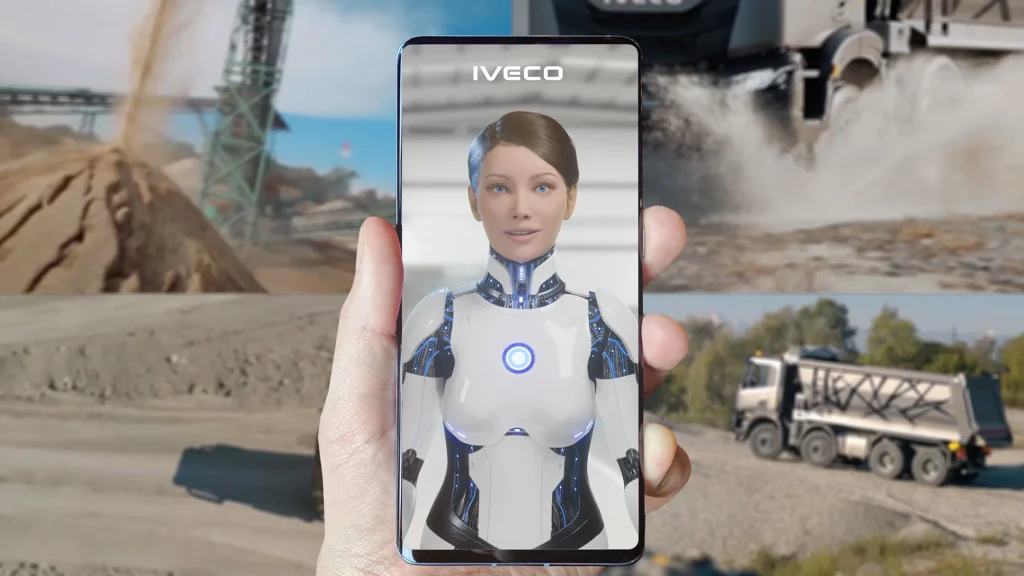



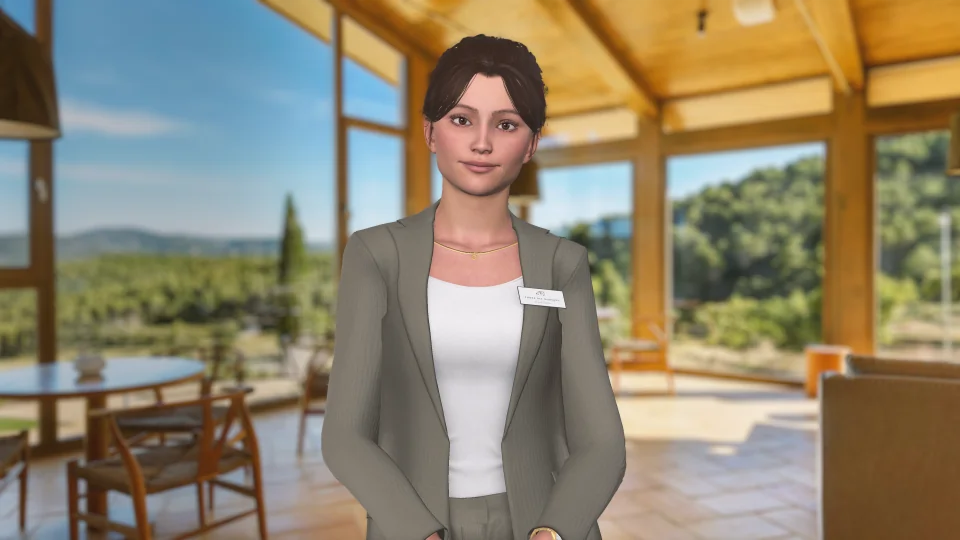
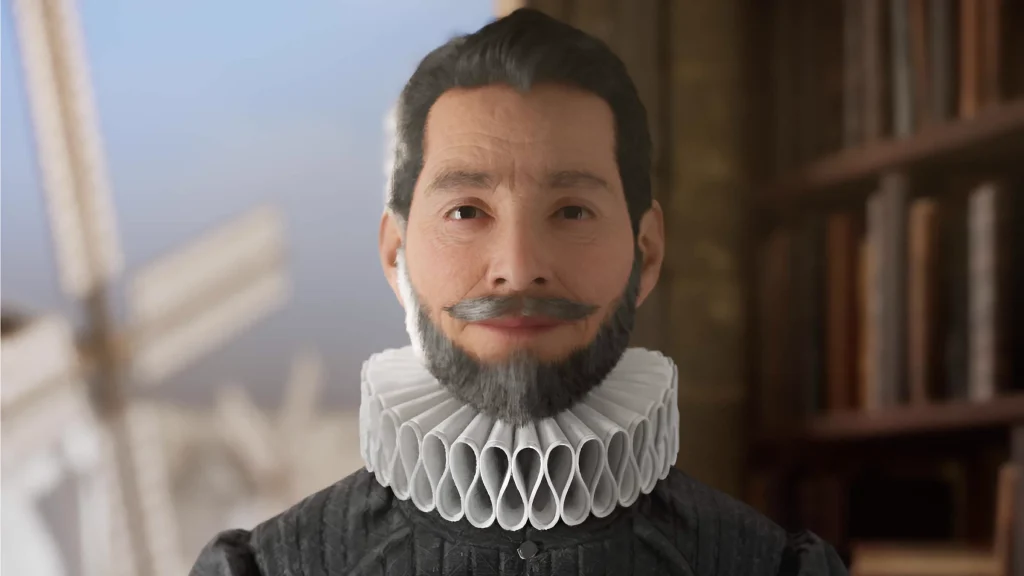
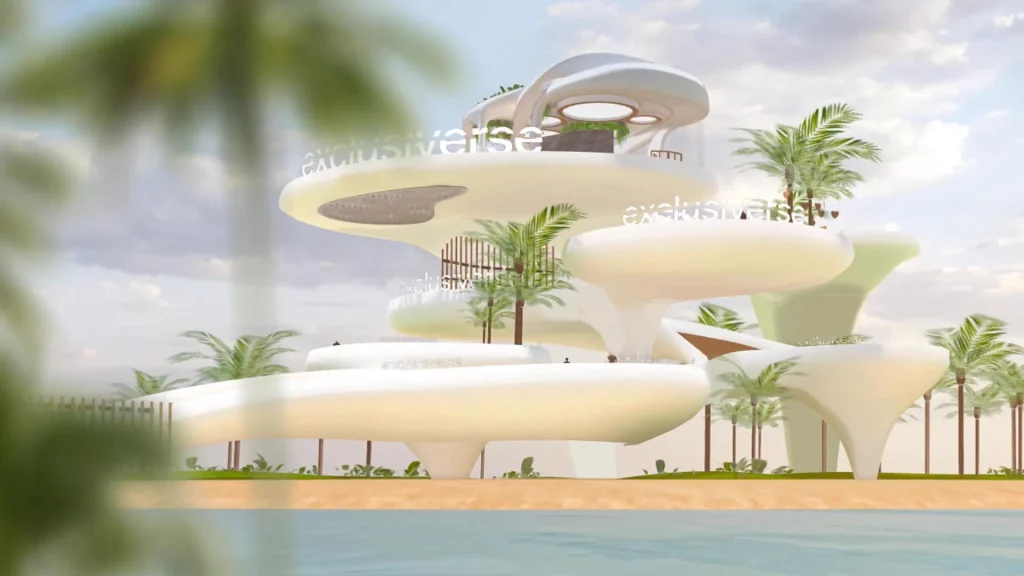

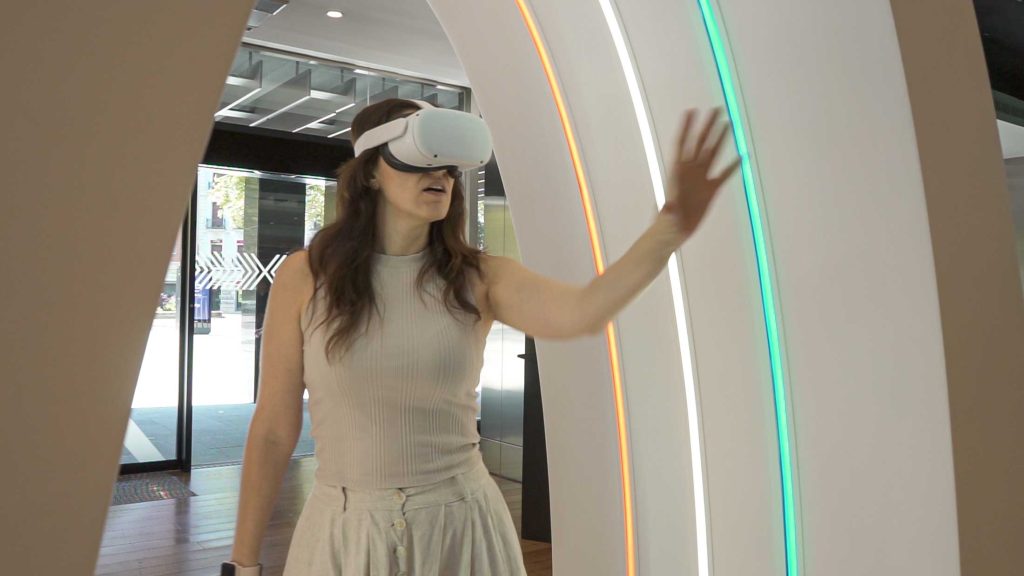
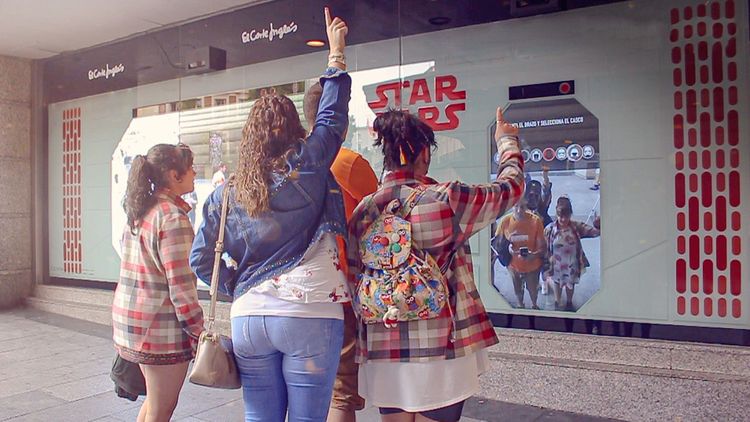
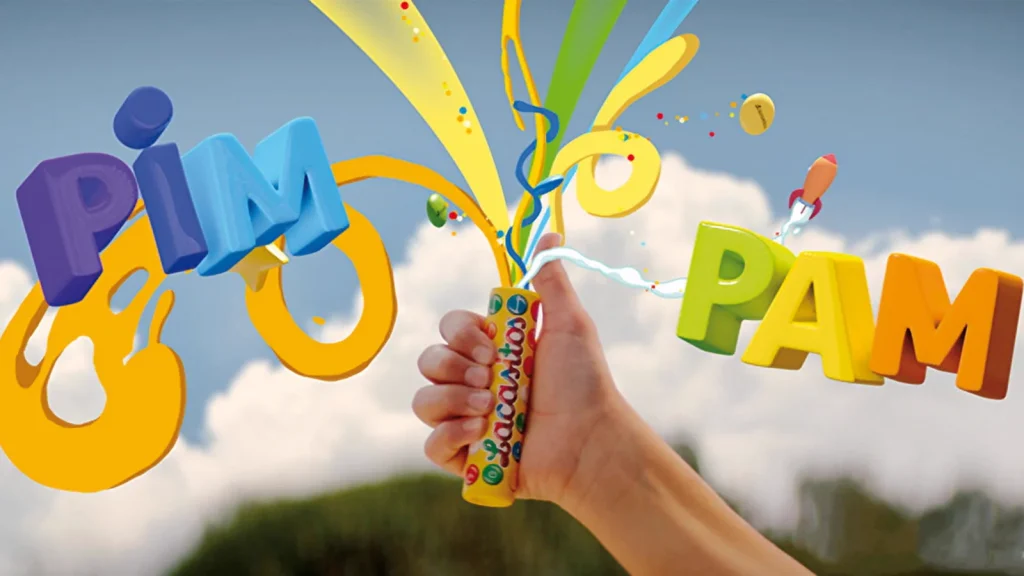
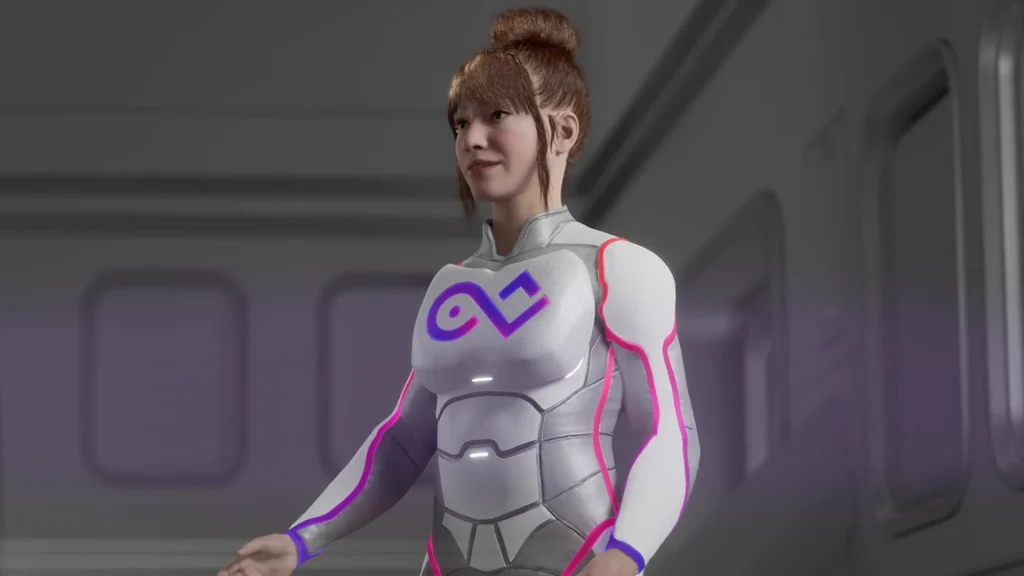

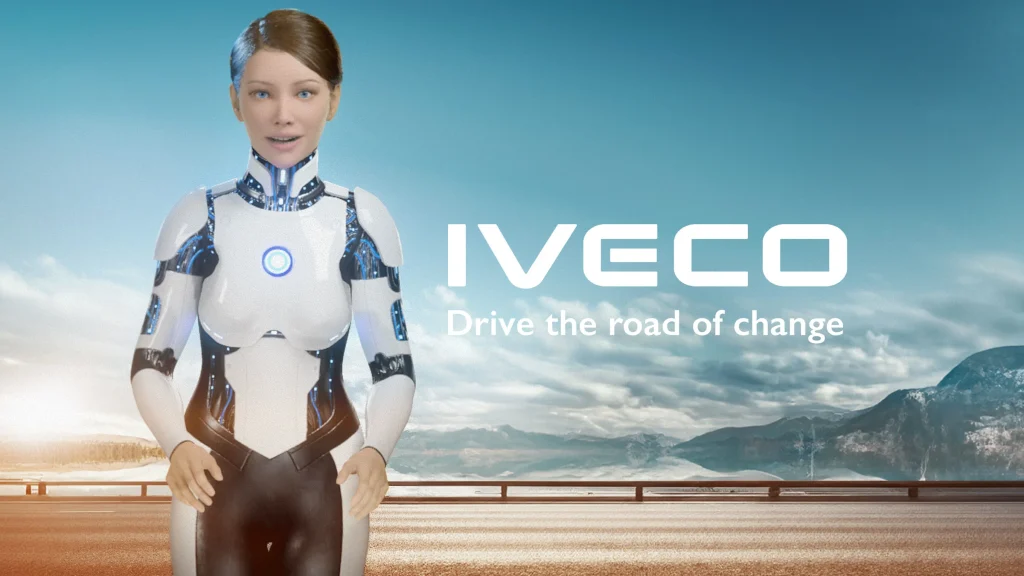
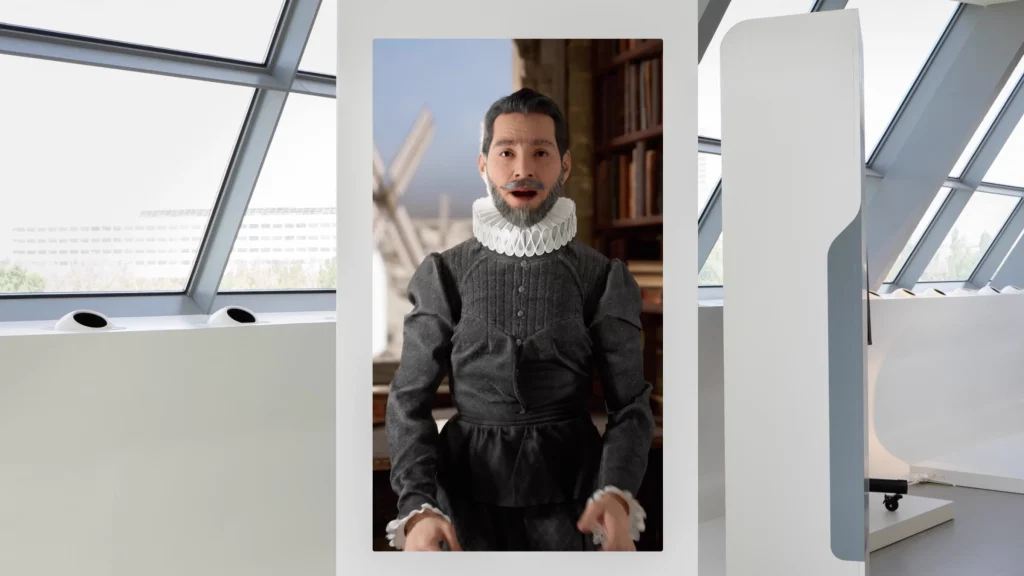
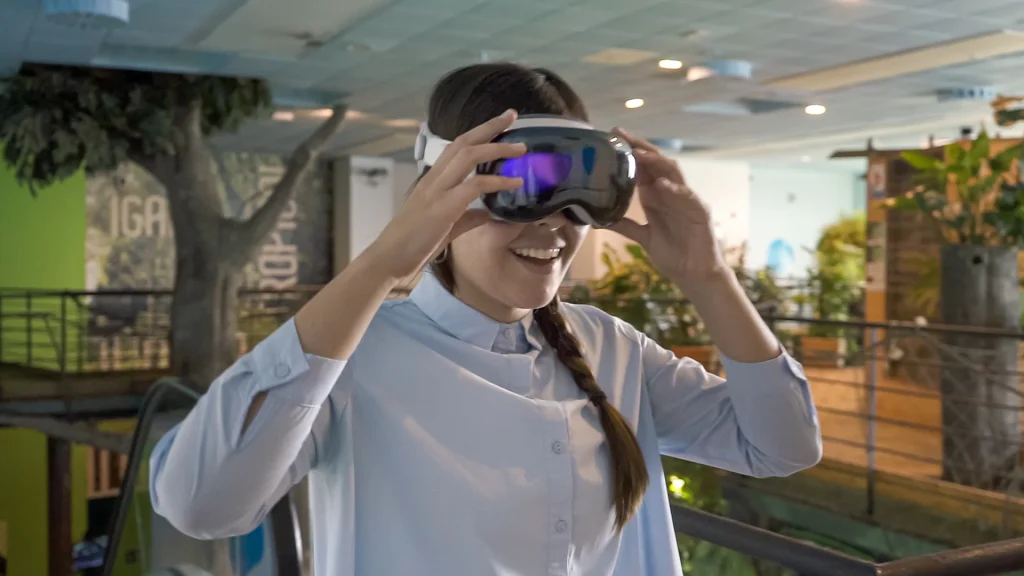
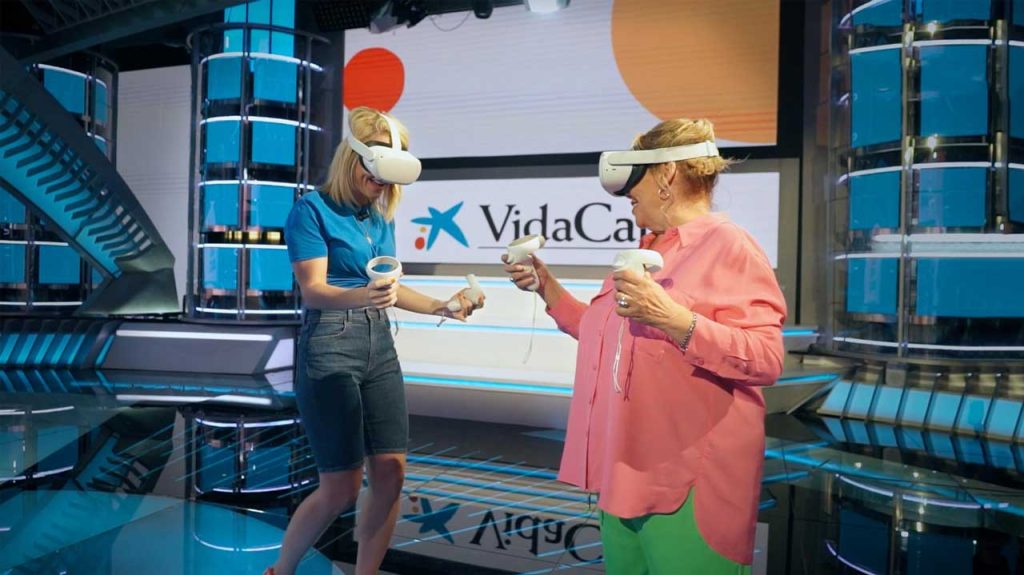
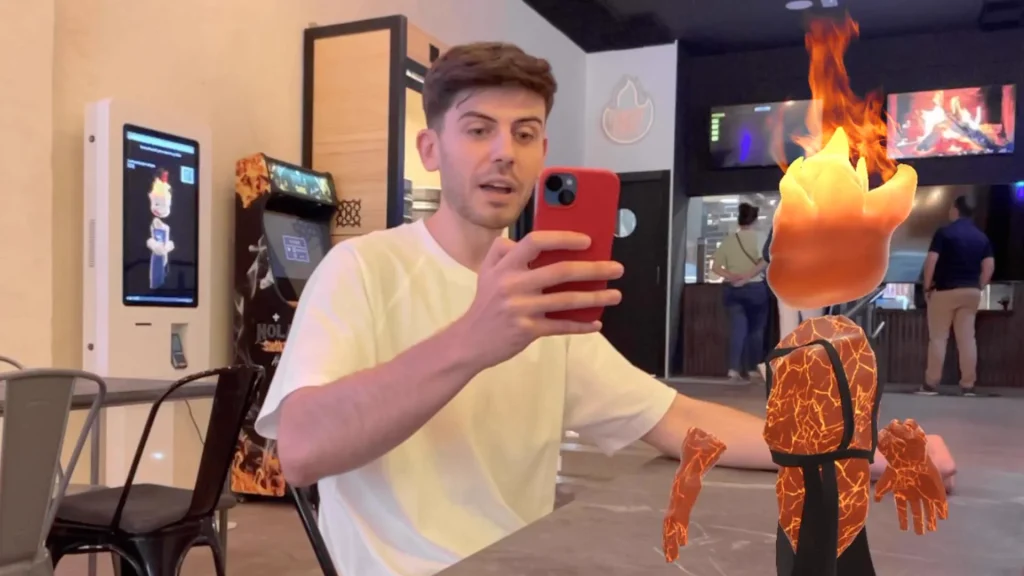
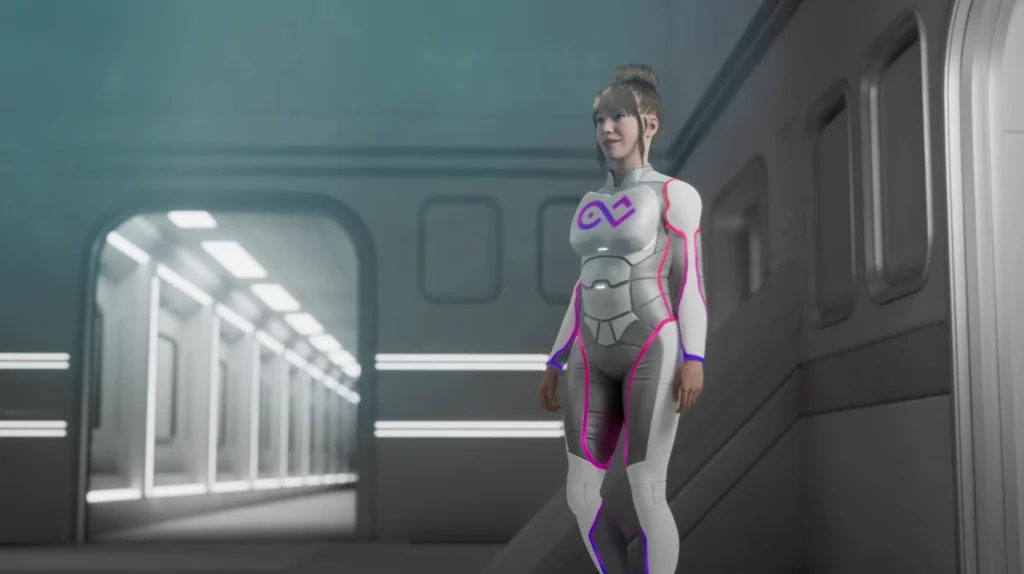

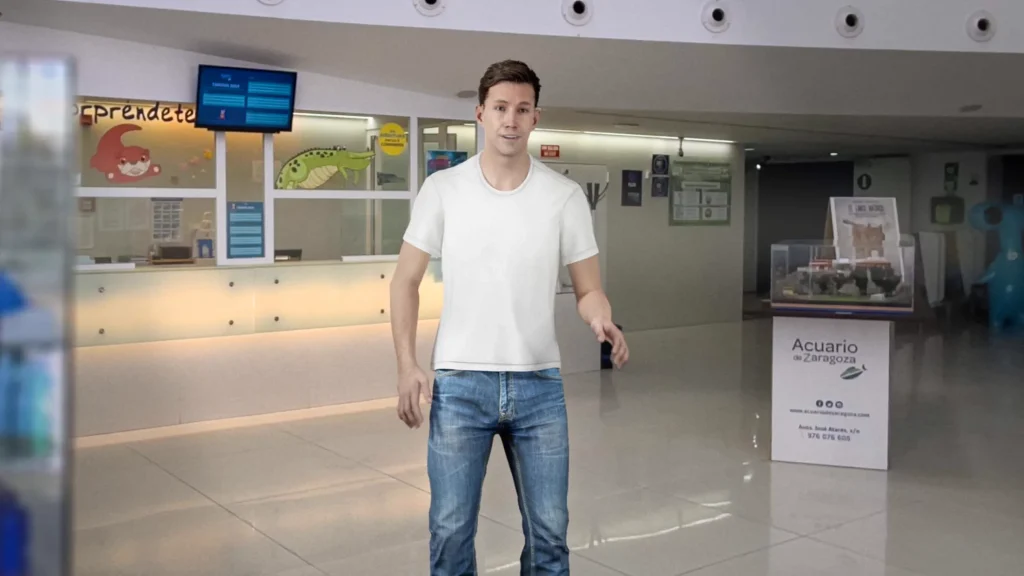
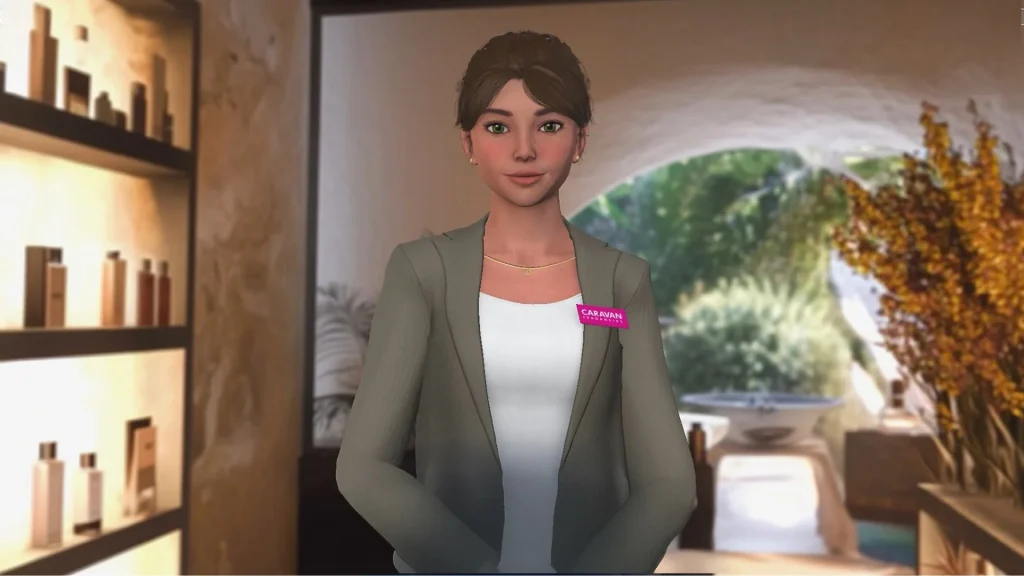
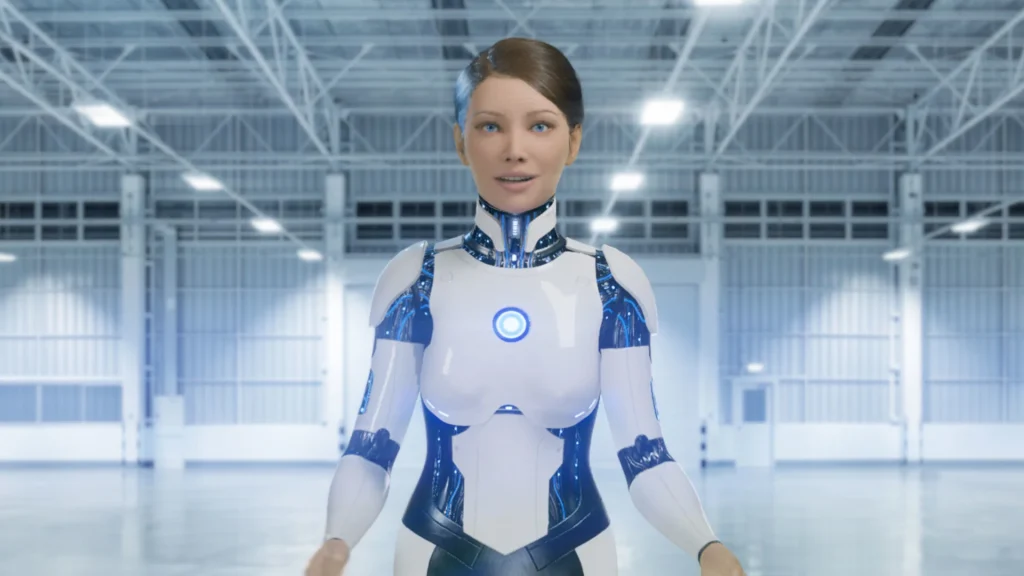
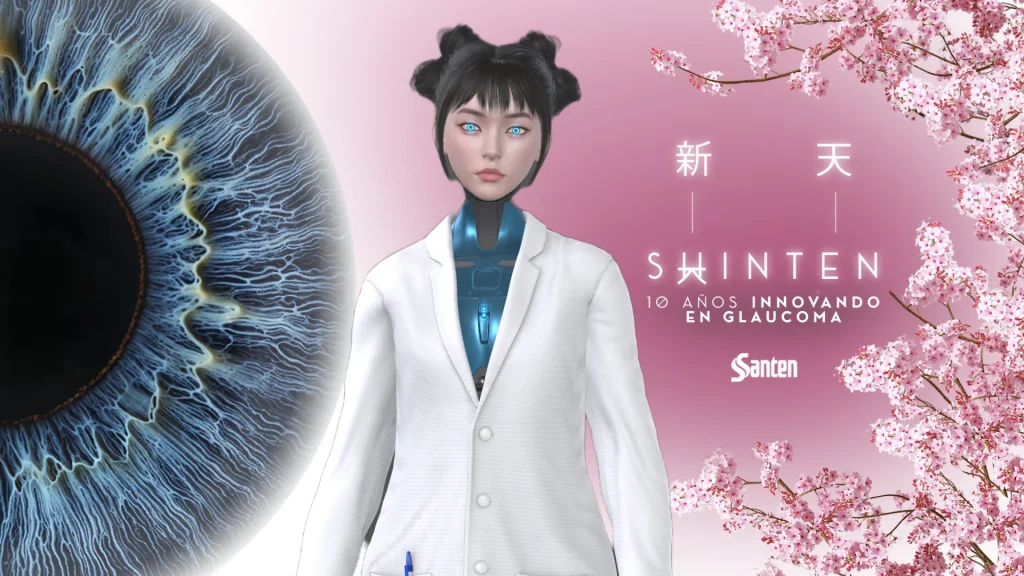
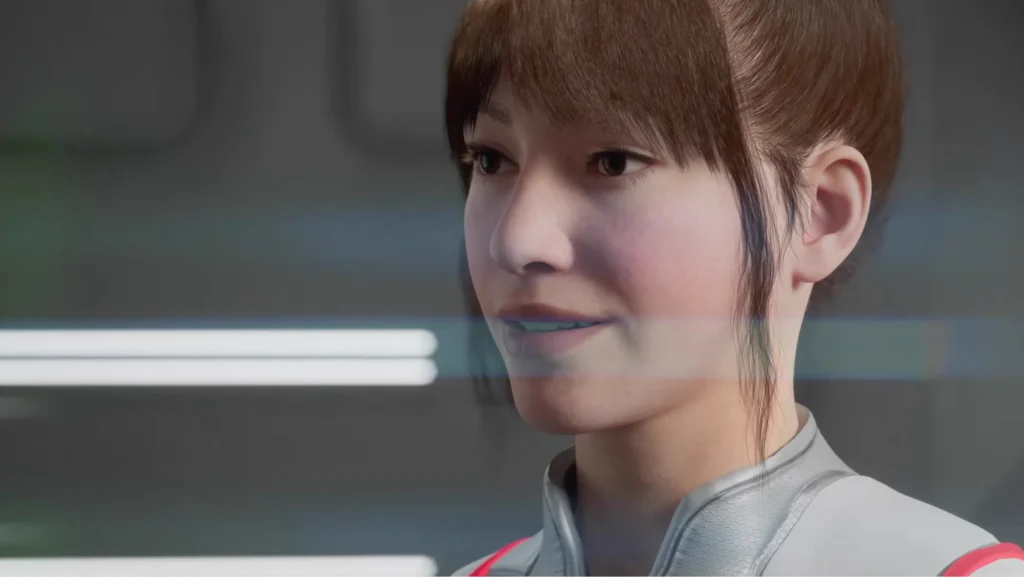

 Spanish
  English