Technology and cosmetics, the most relevant trends
Beauty is reinventing itself at an unstoppable speed thanks to technology. Today, technology in cosmetics is no longer just a question of formulas and textures: it is an essential part of the beauty industry. smart, personalized, innovation-packed experience that connects science, data and creativity to take care of you like never before . When talking about technology applied to makeup and cosmetics, we can focus on new formulas and advances in biotechnology. However, on this occasion we would like to focus this post on the area of retail technology in the customer experience in the form in which fashion and cosmetics brands are making use of technology when interacting with customers . From AI avatars who become your personal shoppers, to window displays and virtual testers that allow changes to be made in Augmented Reality. The future of beauty and cosmetics is already here. In this blog you will discover how technology is transforming the market with innovations that are already revolutionizing the point of sale, personalizing skin care and creating immersive experiences that captivate consumers. In addition, you will learn about real case studies of brands that, with the support of Imascono are applying these trends to conquer hearts and markets. Ready to explore the future of cosmetics? Read on and get ready to fall in love with technological beauty.
The impact of technology on today's cosmetic industry
New cosmetic technologies are revolutionizing today's beauty industry, transforming personal care into an intelligent and personalized experience. Today, thanks to technology and its applications, it is possible to analyze and understand the unique needs of our skin and hair to offer tailor-made treatments and products, as if we had a beauty expert in the palm of our hand. But innovation not only improves results, it also drives sustainability, with formulas and processes that respect the planet and use natural ingredients responsibly. Technological cosmetics is the perfect fusion of science, creativity and environmental commitment. The new line of products, leading the way to a more effective, conscious and exciting future of beauty. But the use of technology goes much further. At the customer experience level, the use of tools such as Artificial Intelligence and Augmented Reality allows customers to personalize the shopping experience . Trying different products and styles of makeup, hairstyles and dyes, enhancing creativity by going beyond the physical limits. At a training level, the use of Virtual Reality allows both users and professionals in the sector to know in detail each of the steps of the treatment and its impact on our body, as in the case of Merz Aesthetics Virtual Trainings the leading company in aesthetic medicine. You may be interested in → Virtual Reality and medicine: applications in the healthcare sector .
Cosmetic innovations already on the market
Technology is transforming the present of the cosmetics industry. Visionary brands are incorporating tools that enhance the shopping experience, boost personalization and create emotional connections with consumers. Below, we explore some of the most impactful innovations.
Interactive testers
Shop windows are no longer static. Today, thanks to motion sensors, Augmented Reality and facial recognition, the virtual storefronts become truly immersive experiences. When interacting with a customer, show personalized recommendations and even invite you to try a look in real time! A perfect fusion between physical retail and digital experience, which is immortalized in the phygital trend. You can learn more about this trend at Phygital as a new dimension in user experience
Personal Shopper
Imagine having a 24/7 beauty advisor who, based on your preferences or tastes, gives you personalized recommendations. That's the promise of AI agents acting as digital personal shoppers. These virtual assistants also offer customer service, personalized tutorials, and even daily routines. Integrated into web, e-commerce and QR codes, these avatars create a close, efficient and memorable shopping experience. Enhancing brand image from the shelf. In addition, these intelligent personal shoppers perform personalized recommendations of all the products in the brands' catalog. From the user who is looking for a specific cosmetic product to the user who needs basic advice, IA avatars as Fabiola adapts to all types of situations.
Augmented Reality at the point of sale
Trying a product online before you buy it is as easy as opening an AR app. . You can see how a lipstick, foundation or even a new hairstyle looks without physical contact. In addition to the use of Augmented Reality in the webapps In the case of brands, physical stores are also beginning to integrate smart mirrors to suggest the products that best suit their visitors. An immersive experience that redefines the concept of \"trying on\".
Skin diagnosis using Artificial Intelligence
Las apps de skincare ya no solo te muestran productos, ahora escanean tu rostro, detectan imperfecciones, analizan el nivel de hidratación, poros y manchas, y te recomiendan rutinas personalizadas.Este diagnóstico potenciado por IA utiliza machine learning y grandes bases de datos dermatológicas para ofrecer análisis precisos y actualizados.
Boosting the online community
From storytelling to storyliving. From being mere spectators to being part of the action. The virtual spaces have revolutionized the way cosmetic brands connect with their users. creating gamified environments without physical or geographic boundaries. These spaces allow consumers to interact with products, participate in personalized experiences and become part of active online communities. By incorporating immersive technologies In this way, brands can generate deeper emotional connections, foster loyalty and offer unique experiences that are accessible to a global audience. An example of this can be found in L'Oreal Academy a virtual school where the brand teaches the correct use and all the benefits of its Skincare, Haircare and Makeup line.
The effect of technology on the cosmetics of the future
Technology is already transforming the way we discover, test and use beauty products, but what's to come promises to be even more revolutionary. The cosmetics of the future will be highly personalized, predictive and fully connected. Imagine an ecosystem where bioengineering and Artificial Intelligence work together to anticipate your skin's needs before they manifest themselves. From adaptive cosmetics that respond in real time to the weather, to AI-guided treatments that monitor your skin while you sleep. In retail, Artificial Intelligence is becoming key to personalizing the shopping experience. Virtual storefronts and smart mirrors allow customers to interact immersively with products by trying them out virtually and receiving personalized recommendations. In addition, physical stores are digitally transformed, changing and enriching the shopping experience. Creating immersive environments where technology enhances interaction, purchase decision making and customer loyalty. The future of beauty will not only improve our appearance, it will will transform the way we live and experience personal care.
Do you want to apply these technologies in your cosmetic brand? At Imascono we help you
At Imascono for more than thirteen years, we have been helping leading beauty brands to transforming your relationship with customers through technology . From immersive experiences to virtual assistants with AI. Throughout the article we have been discussing some of the most important use cases of technology in the cosmetics sector, let's see them now in more detail:
Saphir Fabiola: Junto a Caravan Fragancias creamos a Fabiola, un avatar IA que asesora en perfumería desde el punto de venta a través de un simple código QR. Ofrece recomendaciones personalizadas, resuelve dudas y comunica novedades con una voz experta y cercana, mejorando la experiencia del cliente en su lineal de tiendas físicas.
L’Oréal Academy: Desarrollamos una plataforma educativa innovadora para formar a influencers internacionales sobre el cuidado de la piel, combinando masterclasses virtuales y gamificación. El programa empodera a creadores de contenido para difundir información científica y sostenible a millones de seguidores.
The Body Shop Kimchi!: Transformamos la estación de Atocha en Madrid con un photocall aumentado para la campaña navideña de The Body Shop. Los viajeros disfrutaron de una experiencia interactiva con fotos 3D y regalos sorpresa, incentivando la visita a la tienda y generando un gran impacto en público y ventas.
From Imascono we help cosmetic brands innovate with purpose and a lot of creativity. If you dream of transforming your brand through memorable technology experiences, we are ready to make it happen with you. Contact us at and find out how we can take your vision to the next level.
How AI in real estate can help you increase sales
Artificial Intelligence has burst onto the real estate scene, revolutionizing the way properties are bought and sold. Thanks to advanced tools such as data analytics, virtual assistants, interactive tours and process automation In this way, real estate companies can optimize their work, improve the customer experience and make more strategic decisions. In this article, we will discover how AI is transforming the real estate market, its main applications and the key benefits it offers. From save time and resources and even anticipate market trends . In addition, we will show you how innovative solutions, such as avatars and AI agents V.E.G.A can make a difference in customer service. If you are looking for increase your sales and differentiate yourself in an increasingly digitized marketplace It's time to take the leap towards the use of AI. Find out how to take advantage of its full potential in this post!
The Artificial Intelligence revolution in the real estate industry
The real estate sector is undergoing a true digital transformation, and at the heart of this revolution is Artificial Intelligence. It is no longer just about posting ads on portals or waiting for clients to visit an agency; today, AI is redefining the way properties are sold and bought. From personalizing the shopper experience to automating processes that previously consumed hours of work, Artificial Intelligence is optimizing every link in the real estate chain. . Companies that have been able to incorporate this technology are seeing how their sales times are reduced, your customer conversion increases and the efficiency of your operations reaches unprecedented levels. But, what has made this revolution possible? The combination of Big Data analysis, macro data on real estate trends, together with a deeper understanding of potential buyers, homes and search platforms. In this way, the AI, through intelligent agents The system is capable of offering personalized attention to each interested party and at the same time registering in real time all the doubts and information that is shared in order to offer them the home that best suits their needs.
Main applications of AI for real estate
As we are seeing throughout this article, AI has arrived in the real estate sector and is revolutionizing it with innovative tools that allow you to sell more and better. From predictive analytics to automation. Below, we explore the top ways to use AI in real estate that can boost your business.
Análisis de datos
Los datos son el oro del siglo XXI, y la Inteligencia Artificial los convierte en una brújula para tomar decisiones estratégicas. En el sector Real Estate, la IA está transformando el análisis de datos, proporcionando a las inmobiliarias herramientas avanzadas para tomar decisiones más informadas y estratégicas. Así, es posible procesar grandes volúmenes de información en tiempo real, desde tendencias del mercado y precios hasta las preferencias de los compradores, lo que permite identificar patrones y realizar predicciones más precisas. Este análisis profundo facilita la optimización de la inversión, la valoración de propiedades y la personalización de ofertas, mejorando tanto la eficiencia operativa como la experiencia del cliente.
Asistentes virtuales
Among the main applications of AI in Real Estate are virtual assistants and intelligent agents who are able to provide personalized recommendations based on a deep understanding of clients' needs and property characteristics . Thanks to its ability to answer questions in real time and provide personalized recommendations, it becomes an extension of the sales team. This is where AI-based virtual assistants come into play, and we can't fail to mention V.E.G.A, the AI avatars developed by Imascono . They are not simple avatars or chatbots, but real digital agents with personality, appearance, knowledge and human expressiveness that improve interaction with customers. If you want to learn more about the advances in innovation in this sector, we recommend you to visit Technology trends in Real Estate .
Adapt space in real time
Artificial Intelligence is revolutionizing the way buyers interact with properties by allowing them to customize and personalize spaces in real time. Thanks to advanced image and video generation tools, clients can visualize their future home with specific details, such as layout changes, remodeling, decoration or even the choice of materials. This level of customization, powered by AI, gives buyers the ability to see what their ideal home will look like before making a purchase decision . The technology not only enhances the visualization of the property, but also facilitates the emotional connection, allowing users to see themselves living in that space, which can speed up the decision process and increase customer satisfaction.
Virtual tours
Gone are the days when buyers had to go through dozens of properties before making a decision. Today, it is possible to interactive visits from anywhere in the world . Virtual tours allow clients to explore every nook and cranny of a property without having to travel, thus filtering out truly interested buyers. In addition, AI can personalize the experience The system can also generate guided tours and even adapt these spaces to the proposals made by virtual visitors in real time. An example of this type of project can be found in the Lekue virtual showroom a gamified environment that recreates different spaces of a house where you can see all the brand's products.
Benefits of Artificial Intelligence in Real Estate
Artificial Intelligence is revolutionizing the real estate sector, improving customer experience, optimizing time and allowing for more strategic decision making . Here we explain its main benefits.
Mejora de la experiencia del cliente
En el entorno actual, los compradores demandan experiencias de compra más personalizadas y fluidas. La IA permite satisfacer estas expectativas al ofrecer recomendaciones inteligentes basadas en los datos y preferencias de cada usuario.Los algoritmos de aprendizaje automático analizan la información del cliente, ofreciendo opciones personalizadas que mejor se adaptan a sus necesidades. Además, los asistentes virtuales disponibles las 24 horas del día permiten resolver dudas y guiar al cliente a lo largo del proceso de compra.
Saving time and optimizing resources
Time is one of the most valuable assets in real estate. In this sense, Artificial Intelligence optimizes this resource by automating repetitive tasks such as lead management, ad creation and visit scheduling. Real estate agents can screen potential buyers more efficiently This allows them to focus on the customers they are really interested in. In addition, the digitization of administrative processes speeds up procedures and the signing of contracts, eliminating delays and improving operational efficiency.
Data prediction
The Artificial Intelligence applied to Real Estate not only optimizes internal processes, but also transforms the way real estate companies make strategic decisions. By analyzing large volumes of data and detecting patterns, it can anticipate market fluctuations, adjust property prices and more effectively segment buyers. This predictive capability is also key to designing more successful marketing campaigns and identifying new investment opportunities. In the case of Business Intelligence and Big Data In this way, real estate companies can obtain more accurate information about demand, user behavior and market behavior, allowing them to make more accurate and timely decisions.
Are you ready to transform your real estate with Artificial Intelligence?
The real estate revolution is already underway and Artificial Intelligence is the key to sell more, faster and more efficiently. From automating tasks to personalizing customer experience AI not only optimizes daily work, but also offers a decisive competitive advantage. If you want your real estate to stand out, now is the time to take the leap. Tools such as the virtual assistants, interactive tours and predictive analysis are redefining the way properties are bought and sold. Companies that have already integrated AI into their strategy have seen their productivity increase and their customers become more satisfied. The future of Real Estate is technological. Are you going to stay behind or lead the change? If you want to find out how AI can take your business to the next level, at Imascono we are here to help you. Our team of experts can advise you on the implementation of advanced solutions. Contact us today and take the first step towards transforming your business.
What are intelligent agents and how can they represent your company?
Undoubtedly, Artificial Intelligence is marking the technological evolution of many companies and industries. In data analysis and trend prediction, and even when it comes to generating creative content, it is revolutionizing the way we work. Now, the next big leap in AI is being made by intelligent agents. . Virtual entities that not only simulate human behavior, but also respond in real time and assist users as the AI avatars intelligent agents go one step further. They take the initiative themselves, perform actions and take automation a step further. This article explores how intelligent agents, from their technological foundations to their applications in different sectors, are shaping the future of digital interactions. Through real cases such as Iveco IRIA , Cervantes IA o Nougat We will learn how these agents are impacting t Whether in the field of marketing, customer service, training or technical support. Ready?
What is an intelligent agent and how does it work in virtual environments?
The intelligent agents are AI-powered autonomous systems that interact with users in a natural way, solving tasks, answering questions, providing solutions and performing actions on their own. Unlike traditional chatbots, intelligent agents are more complex, utilizing technologies such as the natural language processing (NLP) , machine learning (ML) and neural networks to understand, learn from interactions and connect with the rest of the company's systems autonomously. They are designed to adapt to different contexts and improve their performance through continuous learning. AI agents are not only a technology, they are a living representation of your brand that can converse, adapt to the user and evolve with each interaction. With a custom-designed look and feel, they don't just solve tasks: connect emotionally with the public, leaving a memorable and authentic footprint of your brand in the digital universe. An example of this can be found in Nougat the virtual mascot of La Torre Outlet Shopping Center that accompanies you in your shopping during the holiday season. You may be interested in→ How virtual assistants drive customer service in immersive experiences .
Asistentes conversacionales vs. agentes inteligentes
The application of Artificial Intelligence is advancing by leaps and bounds, a fact that is especially reflected in the development of AI avatars, where we can now differentiate between two different proposals. The conversational assistants and the intelligent agents are related technologies, but with key differences in terms of their interaction capabilities and functionality. On the one hand, the conversational assistants are systems designed to handle simple interactions via text or voice. They can answer frequently asked questions and guide the user through specific tasks. Their functionality is limited to predefined rules and they cannot adapt to complex situations, which can make conversations more rigid. On the other hand, as we have been discussing throughout the article, intelligent agents go a step further by not only assisting, but also executing actions autonomously. Use Artificial Intelligence and machine learning to provide personalized responses and adapt to the user's context and preferences . Unlike conversational assistants, they can perform more complex tasks, learn from each interaction and offer advanced data-driven solutions, enhancing the customer experience with a more dynamic and efficient service. A success story of the use of intelligent agents for development technology in the retail sector we find it in the avatar and personal shopper of Saphir Parfums Group who helps you discover the perfect perfume fragrance for you. With just a short test or directly by chatting with the AI avatar, she is able to recommend the perfume that best defines you among the 125 in the catalog. You can learn more about the use of Artificial Intelligence in this industry in our post The revolution and impact of AI in retailing .
Use cases and types of intelligent agents
Intelligent agents are not just a trend: they are a transformational tool capable of revolutionize the way brands communicate, solve, and connect . They are impacting a wide variety of industries by transforming the way companies interact with their customers, manage internal processes and deliver personalized services. From customer service to training, marketing and technical support. Below, we will explore some of the most relevant cases and how they are positively impacting the organizations that implement them.
Intelligent agents in marketing
Imagine a campaign that adapts in real time to the language, channel and profile of each user. In marketing, intelligent agents are changing the rules of the game by offering a hyper-personalized user experience. Acting as digital personal shoppers agents enable more personalized attention, improving customer loyalty. In addition, integrated with e-commerce platforms, they can interact in real time with users, drive sales and increase conversion by suggesting specific products at the right time.
Customer service by intelligent agents
Customer service is evolving with agents available 24/7, able to detect needs and adapt their communication tone. These avatars ensure brand consistency across multiple languages and channels, while automatically answering questions, handling requests, providing recommendations and connecting with the rest of the company's systems. One example already in operation is found in Clara Progreso The company's sustainability representative for the construction company handles all user inquiries regarding CSR, the environment and transparency.
Training provided by intelligent agents
In the field of training, intelligent agents are playing a key role in the personalization and automation of learning. These agents can adapt to the pace and learning style of each individual, providing educational content, conducting assessments and providing instant feedback. In corporate environments, agents can train employees on new tools, procedures or regulations, ensuring that the process is efficient and continuous. Intelligent agents can also be employed as virtual tutors, guides or even facilitators of online training sessions, offering a more interactive and personalized learning experience that is tailored to the specific needs of individuals or teams. In this case, V-E-G-A Tutor is trained in the latest technological developments, seeking to bring these advances and innovations closer to the real protagonists of change: human beings.
Intelligent agents and technical assistance
Technical support has benefited greatly from intelligent agents, which provide fast and accurate solutions to user problems. These agents, such as IRIA Iveco are designed to provide detailed instructions The system provides real-time troubleshooting guides and diagnostics, optimizing technical support processes. Whether in the troubleshooting product failures, configuring devices or handling complex problems With the new intelligent agents, intelligent agents can handle multiple queries simultaneously, reducing wait time and improving the customer experience. In addition, by collecting data on past interactions, these agents can continuously improve their responses, making technical support more efficient and accessible.
Examples of smart agents connecting brands and users
Intelligent agents not only represent a technological evolution, but also a revolution in the way brands interact with their audience . From marketing campaigns to customized training, throughout the article we have seen different proposals and examples of use cases. From technical assistants like Iveco's IRIA, the case of Clara as Progreso's sustainability ambassador or Turrón, as the brand image of La Torre Outlet, IA agents can enter a multitude of fields. Here are two other outstanding examples:
En restauración destaca el caso de Smoky, el Chef virtual del restaurante Nola Smoke. Un avatar virtual que no solo da la bienvenida al local, también ofrece recomendaciones sobre sus productos y hamburguesas gracias a su sistema IA.
Un ejemplo interesante en el turismo, es Cicerone, el agente de viajes virtual de iUrban que es capaz de ofrecer rutas y recomendaciones personalizadas en 95 idiomas. Su objetivo es generar la experiencia de viaje perfecta para cada tipo de viajero y plan, ya sea familiar, en pareja o con amigos.
También en turismo, destacamos el ejemplo de agente inteligente de Cervantes IA. Un avatar hiperrealista que actúa como guía turístico en Alcázar de San Juan. Gracias a las últimas tecnologías en Inteligencia Artificial y arte 3D, este proyecto permite a los visitantes interactuar con una representación virtual de Miguel de Cervantes, quien responde preguntas sobre la historia, curiosidades locales y ofrece recomendaciones sobre lugares para comer y hospedarse en la ciudad.
How can a smart agent represent your company?
An agent with artificial intelligence not only represents your company, makes it a living and close presence and, above all, autonomous. Thanks to proposals such as V-E-G-A Imascono's AI agents can give your brand a face, voice and personality, aligned with your visual identity and values. And at the same time, connect all your systems, platforms and digital tools for a complete omnichannel management. In short, an intelligent agent humanize and automate your digital interaction by personalizing communication, serving in different languages and on different platforms. In addition, these agents offer great versatility by being able to save on logistics, training and commercial campaign costs in terms of messages, information sources and appearance. Interested in implementing an intelligent agent in your company? At Imascono we help you to integrate this new customer service system and connection with your digital tools in the best possible way. Contact us at and let's take the next step towards Artificial Intelligence together.
Humanizing technology as a current challenge: meaning and strategies
In an increasingly digitized world, technology has transformed every aspect of our lives, from the way we communicate to how we work, learn, entertain and socialize. However, this great digital transformation has also created a divide. Between generations, between technological capabilities, and between our selves in the face-to-face world and in the digital world. What's more, there are tools that, instead of facilitating, sometimes dehumanize interactions. In this context, humanizing technology has become a crucial challenge to ensure that technological developments respond to people's emotional, ethical and social needs, promoting more meaningful and accessible connections. Humanizing technology does not only imply making it more intuitive o easy to use but also to design with a human values-based approach: empathy, inclusion and wellbeing . In this article we will delve deeper into the meaning of humanizing technology, proposing key strategies to build a future where technological innovation is aligned with the human.
What it means to humanize technology
Humanizing technology involves designing and using technological tools that prioritize people in their conception, use and purpose. Training technological advances to adapt them to human needs, emotions and behaviors, with the aim of improving the experience and facilitating the interaction between people and machines . It's not just a matter of creating more user-friendly interfaces or more intuitive systems, but also of ensuring that these technologies respect and promote human values such as empathy, inclusion and equity. Ensuring that technology is not only functional, but also meaningful and accessible to all. In essence, humanizing technology is an effort to make machines fit people, not the other way around. This concept also encompasses ethical and responsible design of technological tools, ensuring that respect privacy , reduce inequalities and promote wellness . The humanization of technology recognizes that behind every digital interaction is a person with emotions, expectations and rights. The company seeks to minimize the negative impact that technological solutions can have in terms of emotional disconnection or exclusion. In doing so, it not only improves the user experience, but also fosters a more balanced relationship between people and the technologies around them. You may be interested in → Customer experience: how to improve it through extended reality .
Benefits of humanized technology
The benefits of humanized technology go beyond technical functionality: improve the user experience , strengthen emotional connections and promote inclusion . By humanizing technology, companies can achieve great advantages and opportunities, some of them are:
Mejora de la experiencia de usuario
Humanizing technology significantly improves user experience by focusing on the needs, behaviors and concerns of the people who are interacting with it. If these interactions are more natural and intuitive, technology can better adapt to their preferences, offering personalized experiences. Technologies such as Artificial Intelligence and its virtual avatars The use of the database and previous training allows anticipating the needs of the users.
Nuevas interacciones
One of the most relevant benefits of the humanized technology is its ability to create new interactions between users and digital platforms. As technologies become more intuitive and adaptable to human needs, traditional forms of interaction, such as clicking buttons, programming code or typing commands, are transformed into more natural and human experiences. The incorporation of Artificial Intelligence (IA) and virtual assistants allows users to interact with systems through the use of spoken language The technology barrier is reduced, as if they were having an ordinary conversation with another human. This reduces the technological barrier produced by traditional interfaces.
Digital empathy
Digital empathy allows technological interactions to be closer, more comprehensive and sensitive to users' emotions and needs. Through the use of Artificial Intelligence (AI) and Natural Language Processing (NLP) In addition, technology platforms, especially chatbots and virtual assistants, can adapt their language and tone, responding appropriately. This ability to understand users' emotions and tailor responses accordingly enables brands to offer a more empathetic and attentive service, which improves the overall experience and the user confidence in particular.
Building confidence in technology solutions
By tailoring digital interactions to users' emotions and needs, platforms create a more transparent and trustworthy environment. This makes users feel comfortable relying on the technology not only to solve problems, but also to manage your data and make important decisions. The incorporation of ethical values and the protection of privacy strengthen the credibility of technological solutions, demonstrating a commitment to the well-being of users. Humanizing technology helps build the trust necessary for long-term customer relationships.
Key strategies to achieve the humanization of technology
In an increasingly digitized world, humanizing technology has become a necessity to improve the relationship between users and technology platforms. To achieve this, companies must adopt key strategies aimed at improving user satisfaction and thus build long-term trust and loyalty. Some of the key actions and approaches are as follows:
User-centered design
Putting the user at the center of the design is key to humanizing technology, creating accessible and intuitive experiences . Simple, customized interfaces facilitate use and improve interaction. In addition, technologies such as the Artificial Intelligence and data analysis make it possible to anticipate needs and offer customized solutions. Ultimately, this not only makes the technology more user-friendly, but it also strengthens the emotional bond with the brand increasing trust and loyalty.
AI with human focus
Thanks to verbal language and emotion processing, the AI achieves more natural interactions by adapt to the context and emotional state of the user . Thus, systems not only fulfill specific functions, but also incorporate personalization and empathy, offering more accurate and tailored responses to each individual. This human approach with AI technology not only enhances the user experience, but also reinforces trust and emotional connection.
Emerging technologies
Emerging technologies play a crucial role in the goal to humanize technology, since, as we have seen throughout the article, they enable create more natural, accessible and empathetic experiences for users. Among these technologies, the following stand out Augmented Reality the Virtual Reality the Artificial Intelligence and technology Blockchain . By integrating these innovations, brands can deliver immersive experiences that connect emotionally with users. This helps overcome the barrier between the digital and the human.
The future of humanizing technology through Imascono
Humanizing technology is a major challenge. At Imascono we believe that technology should be accessible, natural and exciting, breaking with the idea that it is something cold or distant. Our vision is based on the Applied Imagination, a methodology that transforms the way we interact and understand technology. With this philosophy in mind, we create experiences through our Virtual Reality services and Augmented Reality for companies that are not only creative and entertaining, but also connect emotionally with users. We place the human being at the center of all our projects, designing solutions that prioritize their emotions and needs . For us, it's not about innovation for the sake of it, but about developing technological advances with those who really matter in mind: people. This approach allows us to building a future where technology is more human, closer and meaningful . Want to learn more about our humanized vision of technology? Contact with us and we will be happy to talk about the present and future of this great challenge.
Impact of smart cities today
It is not only companies that use Big Data and other emerging technologies to optimize their operation and increase their productivity and competitiveness to deliver the best result to their customers. The governments and public administrations also rely on technology to offer the best services to both citizens and companies operating in their territories. This results in the origin of the smart cities . These smart cities are seeking to digitally transform their activities. Leveraging the ICT The company's information and communication technologies, in order to improve the service they offer, the public welfare the sustainability and the economic development . In today's article we will analyze what makes a city a smart city The most widespread technologies among public administrations and their impact on citizens.
What are smart cities?
The smart cities are urban environments designed to improve the quality of life of their inhabitants through the use of advanced and sustainable technologies. . They integrate digital systems and innovative solutions that enable more efficient management of resources, public services and infrastructure, optimizing the urban experience. Through the use of Internet of Things (IoT) , Big Data , Artificial Intelligence These cities not only seek to modernize infrastructure, but also to foster a more sustainable, safe and connected environment. This encompasses various aspects ranging from the urban mobility to energy management through public safety and citizen participation. Through sensors and automated systems, it is possible to monitor and manage, in real time, aspects such as the traffic, energy consumption, waste, and air quality. The company's operations are based on the use of natural resources, guaranteeing a better quality of life for citizens and a more rational use of resources. You can learn more about this topic in our post → Smart destinations, what are they and what are their characteristics? . The smart and sustainable cities are transforming the way we live, work and interact with each other. creating communities that are more accessible and prepared for the challenges of the future. With a focus on innovation and efficiency, smart cities are leading the way to a smarter and more responsible urban future. For example, we found the great project of the Virtual Flower Offering of the Zaragoza City Council . The largest project of a public administration in relation to the Metaverse and virtual worlds. A 3D recreation of the touristy Plaza del Pilar to virtualize the city's festivities.
Main characteristics of smart cities
This infrastructure must be designed to provide citizens with an environment conducive to economic, personal, social and cultural development, incorporating elements such as the following interconnection of homes and utilities, as well as mobility and entertainment options. Next, we will discover the key features that define these places of the future.
Sostenibilidad
It is one of the fundamental pillars of smart cities. These cities promote the responsible use of natural resources and seek to minimize environmental impact through green solutions. This includes the use of renewable energy, efficient water management, electric mobility and green buildings. In addition, practices such as smart recycling and waste reduction are encouraged, helping to create a healthier urban environment. The green cities are a reflection of a future in which urban growth and environmental conservation go hand in hand.
Intelligent Tourism
Technological tools such as IoT sensors, AI avatars or virtual spaces are also transforming tourism in various ways. Redefining and improving the traveler experience and optimizing destination management. Smart tourist destinations are characterized by their advanced technological infrastructure, which ensures sustainable development and improves visitor interaction with the environment. Thanks to tools such as the Artificial Intelligence and interactive web applications These destinations allow tourists to enjoy personalized experiences and easy access to information and services. From Imascono we can help you to improve your company in this sector through our technology solutions in tourism .
Datos de IoT
The Internet of Things (IoT) is the set of technological solutions that enable efficient management of smart cities. Sensors and connected devices collect large amounts of data in real time, which are analyzed to improve various urban aspects, from traffic to air quality. These devices can communicate with each other with centralized systems, facilitating automation and analysis. Imascono has developed the Iris 360° project for Libelium, a virtual twin or virtual twin that explains loT technologies for city control. From this interactive infographic, City Councils can get a closer look at their solutions for water quality control The system can also be used to measure low-emission zones, or to manage parking spaces.
Creation of competitive environments
Smart cities seek to create a optimal business ecosystem that integrate features that foster innovation and competitiveness. They have an advanced technological infrastructure that includes high-speed networks and IoT connectivity, allowing companies to operate and grow efficiently. An example of this may be the initiative of the Zaragoza City Council and the Chamber of Commerce to enhance the attractiveness and digitalization of the different commercial areas under the citizen project Paseos Comerciales. Where the Connected Art stands out as one of the interactive experiences in Augmented Reality where the culture, history and art of the different promenades of the city connect with visitors and give a new life to the neighborhoods.
Use of intelligent technologies
The smart technologies such as Artificial Intelligence, machine learning, Big Data or Business Intelligence in the field of smart cities involve the optimization of the management of the resources of a population. Allowing a smoother traffic management, the prediction of needs and the automation of urban processes. An example of the use of Artificial Intelligence by a public administration can be found in the following project Cervantes IA of the City Council of Alcázar de San Juan. A IA virtual avatar of the great writer Miguel de Cervantes who acts as a tour guide.
Benefits of smart cities
Smart cities are transforming the urban environment and offering clear advantages for citizens, companies and governments . Find out how these benefits are changing the rules of the game.
Mejora de la toma de decisiones
Thanks to access to real time data and big data analysis, smart cities enable faster, more accurate and more effective decision making. This optimizes management of public services, traffic and resource distribution, improving administrative efficiency and the quality of urban life. Governments can now to respond more quickly to the needs of citizens. creating a more organized and fluid environment.
Medio ambiente
El impacto positivo en el medio ambiente es uno de los mayores beneficios de las ciudades inteligentes. Al integrar soluciones ecológicas como energía renovable, movilidad eléctrica y gestión eficiente de residuos, estas ciudades reducen su huella de carbono y promueven un desarrollo más sostenible.La tecnología verde y las infraestructuras sostenibles no solo ayudan a conservar los recursos naturales, también recopilan datos esenciales para desarrollar planes de acción que mejoren la situación en áreas urbanas densamente pobladas. Creando un espacio urbano más limpio, saludable y adaptable al cambio climático.
Citizen service
Artificial Intelligence is transforming citizen care in "smart cities." Thanks to AI, governments are offering total transparency, allowing access to clear and updated information . In addition, AI facilitates a personalized attention, through virtual avatars and automated systems that provide fast and accurate responses, tailored to the needs of each citizen. This not only improves the experience, but also fosters a closer and more efficient government. Citizen service has never been so smart.
Smart cities and Imascono's technology
Technology is fundamental in the public sphere, as it not only improves efficiency and transparency, but also promotes citizen participation and innovation. . Contributing to sustainable development and the quality of life of citizens. Imascono has worked with technology for different city councils and governments, with innovative solutions such as the virtual assistants or the experiences of Augmented Reality which improve public management and citizen interaction . Technology in the public sphere is key to making cities more efficient. efficient and accessible The company's services are optimized and information is provided in real time, adapting to the needs of citizens and improving their quality of life. Throughout this article we have seen the projects carried out in conjunction with the Zaragoza City Council to virtualize the Fiestas del Pilar, its collaboration with the city of La Mancha, La Mancha, Spain. Alcázar de San Juan or the action performed in the city of Seville transforming one of its most renowned museums and tourist attractions. Another of the most relevant projects in the public sector is found in the complete virtualization of Loarre Castle . Loarre XR in collaboration with the Government of Aragon and the ITA Institute of Technology allows to transfer more than ten centuries of history to the virtual world. To enhance the tourist value of the medieval castle through the new Extended Reality technologies. At Imascono we are specialized in the Extended Reality product development for both companies and public entities. Together we are transforming cities and tourist destinations into places that are connected, digital and adapted to the current needs of citizens. Contact with us and discover how we can help you integrate new technologies and transform your city into a smart city.
How virtual assistants are boosting customer service
In today's digital age, the virtual assistants have become a key tool to improve customer service especially when integrated into immersive experiences. Immediacy and personalization are two key points that users are looking for in their customer journey, where their union with Artificial Intelligence allows to offer faster, more accurate and tailored interactions with users. Thanks to AI, these assistants not only answer frequently asked questions, but learn from past interactions and continuously improve their answers, adapting to users' changing needs. They have even become true intelligent agents at the service of brands and customers. Also, if you are looking for a way to transform your customer service, in this article we present the success story of Astún, how it is applying AI to optimize processes and improve communication with its customers. Get ready to discover in this article how virtual assistants are rewriting the rules of digital engagement.
Virtual assistant: what it is and how it is changing the relationship with customers
Virtual assistants have evolved from being simple bots to becoming true digital brand ambassadors . Thanks to technologies such as artificial intelligence and natural language processing, it is possible to interact with users in a close, personalized and available 24/7 way. It is no longer just about answering questions, but about generating conversational experiences that provide real value, anticipate needs and strengthen the bond with the customer. This evolution is radically transforming customer service , making it more agile, emotional and memorable. . From augmented reality environments to immersive spaces such as the metaverse, virtual assistants guide, resolve and personalize every interaction. In a world where immediacy is key, these technological allies make possible what every brand desires: less waiting and more connection . An example of a virtual assistant can be found in Turrón, the virtual mascot of La Torre Outlet shopping mall that accompanies users in the process of learning more about the center's stores and services; and at the same time, manage their wish list and letter to Santa Claus as part of the Christmas campaign.
Asistentes conversacionales vs. agentes inteligentes
Conversational assistants and intelligent agents are related technologies, but with key differences in terms of their interaction capabilities and functionality.
Los asistentes conversacionales son sistemas diseñados para gestionar interacciones simples mediante texto o voz, respondiendo a preguntas frecuentes y guiando al usuario en tareas específicas. Su funcionalidad está limitada a reglas predefinidas y no pueden adaptarse a situaciones complejas, lo que puede hacer que las conversaciones sean más rígidas.
Los agentes inteligentes van un paso más allá, al no solo asistir, sino ejecutar acciones de forma autónoma. Utilizan Inteligencia Artificial (IA) y aprendizaje automático para ofrecer respuestas personalizadas y adaptarse al contexto y las preferencias del usuario. A diferencia de los asistentes conversacionales, pueden manejar tareas más complejas, aprender de cada interacción y ofrecer soluciones avanzadas basadas en datos, mejorando la experiencia del cliente con un servicio más dinámico y eficiente.
You may be interested in → How automation impacts companies and maximize its impact .
Applications of virtual assistants in business environments
Virtual assistants are revolutionizing the way companies interact with both customers and employees. By integrating Artificial Intelligence and automation, these assistants are offering customized and efficient solutions that improve the user experience and optimize internal processes. In this section, we will discover how virtual assistants are becoming more and more popular. applying in a variety of business environments from customer service to training and onboarding, transforming the way companies operate and communicate.
Personalized virtual assistants to guide the user experience
Virtual assistants have become an essential tool for guiding the user experience in business environments. Thanks to their customization capabilities, these assistants can adapt to the individual needs and preferences of each user, providing a unique and seamless experience. Whether interacting with customers, offering support or assisting with complex processes, customized virtual assistants can be used to optimize the user's path ensuring that every interaction is relevant, efficient and consistent with brand values. Among the virtual assistants that are already available we find Cervantes IA the g virtual tourist guide of Alcazar de San Juan . The Spanish writer himself comes to life thanks to Artificial Intelligence to talk about his beloved Castilla, his life and his work. A unique experience that revolutionizes customer service and the use of AI in tourism. You can continue to learn more about this subject in our post→ Artificial Intelligence in tourism: characteristics and examples .
Automation and troubleshooting
Virtual assistants also stand out because of their ability to automate processes and resolve questions instantly. This not only speeds up the response time, but also guarantees 24-hour customer service. By being able to handle multiple requests at the same time and provide fast and accurate answers Virtual assistants enable companies to improve productivity, reduce human error and free employees for more strategic tasks. In addition, thanks to its integration with the Artificial Intelligence These agents evolve over time, improving their ability to provide customized and contextual solutions. Among the most interesting use cases are IRIA the Iveco virtual assistant which brings together in one place all the information about the company's different models, its different departments and technical assistance for its employees, dealers and truck drivers. Although virtual assistants are not only for resolving doubts, they also function as virtual personal assistants to perform specific tasks, such as managing calendars, assisting with order processing, or providing customized recommendations
Integration of assistants in business activities
The integration of virtual assistants in key business activities, such as training, onboarding and technical assistance is transforming how companies manage training and support. These assistants guide new employees, offer personalized content in the training process and provide immediate solutions in technical assistance. In addition, its application extends to events , showrooms and gamified spaces They interact with participants, providing information and enhancing the experience. Virtual assistants not only optimize interaction with customers and employees, but also create immersive experiences that increase business efficiency and productivity. In this area, the avatar and assistant in Corporate Social Responsibility stand out, Clara of the Latin American company Progress .
Why are more and more companies using virtual assistants as employees?
More and more companies are opting to incorporate virtual assistants with Artificial Intelligence because they not only automate repetitive tasks, but also enhance the capabilities of employees . Instead of replacing them, virtual assistants function as a support, freeing workers from operational tasks and allowing them to concentrate on the activities that really bring value to the company. From handling routine inquiries to automating administrative processes, these assistants take the operational burden off the table, optimizing employee time so they can focus on more strategic, creative or personalized customer service tasks. These digital allies can manage multiple conversations at the same time, provide immediate and personalized responses, and adapt to different channels This will significantly improve the customer experience. This synergy between intelligent agents and human employees improves productivity and efficiency throughout the organization. By taking over repetitive and routine tasks, virtual assistants allow employees to focus on what they do best: making strategic decisions, fostering customer relationships and developing innovative projects. In addition, AI assistants are designed to learn and adapt, continually improving their performance and allowing employees to benefit from an increasingly efficient system. Rather than replacing, technology strengthens human talent, creating a more effective workforce focused on areas of greatest impact.
Real success stories: The Astún avatar
At Imascono technology becomes emotion, and virtual assistants become unforgettable experiences. Through the combination of AI, 3D design and creativity We have developed projects such as Turrón, Cervantes IA or IRIA Iveco that transform the interaction between brands and users. Seeking optimize processes and improve the customer experience, ensuring more natural and fluid interactions, tailored to the needs of each user, the Astún avatar is born. Astún has become the first intelligent station in the Pyrenees thanks to its virtual assistant. The project was created with the aim of renewing the visitor experience and positioning the station as a technological benchmark, offering continuous attention in several languages, updated information in real time and a scalable solution that reduces the pressure on traditional channels. This avatar accompanies the skier at all times, from trip planning to après-ski. It informs about the snow report, lifts, slopes and services; it guides inside the resort and recommends subsequent activities, with a natural and conversational interaction. In this way, Astún not only improves the user experience, but also obtains valuable data to optimize its services and consolidate its position as a leader in the digitization of mountain tourism. Can you imagine how a virtual assistant could transform your brand? At Imascono we are ready to make it happen. Contact our team and discover how to take customer service and the immersive experience of your business to the next level.
5 key e-commerce trends for online success
The e-commerce is in the midst of a revolution. Digitization, AI and hyper-personalization are redefining the way consumers buy and brands sell. We are coming from a time of peak e-commerce growth. Now the marketplace is more mature and competitive, so adapting to the new ecommerce trends is not an option, it is the key to stand out and turn every click into a business opportunity. In this article we explore the 5 ecommerce trends and how to apply them strategically to attract, retain and sell more. From Artificial Intelligence and automated personal shoppers to blockchain, Augmented Reality and personalized conversational commerce. These innovations represent the cutting edge of ecommerce innovation The new technology, allowing brands to offer unique and differentiated experiences. Here are some real success stories and the technologies that are shaping the future of the ecommerce innovation .
Why is it important to adapt to new ecommerce trends?
E-commerce is evolving at a dizzying pace. What worked a couple of years ago may be obsolete today. Digitization has empowered consumers The company's customers, who are looking for seamless, personalized and convenient shopping experiences. Failure to adapt to new trends means losing competitiveness and, in the worst case scenario, to lag behind in an increasingly demanding market. Brands that innovate and embrace change not only sales increase but also strengthen your relationship with your customers and build a community of loyal consumers. We must anticipate the user's needs and offer him what he is looking for before he asks for it. You may be interested in → Customer experience: how to improve it through extended reality .
How ecommerce technology boosts sales
The ecommerce technology is transforming the way brands connect with their customers, improving the shopping experience and increasing conversions. Tools such as Augmented Reality, Experiential Marketing and AI avatars enable the creation of personalized, immersive, real-time experiences. These solutions represent a clear example of ecommerce innovation The new technology, enabling retailers to offer interactive environments where users can view products, try them virtually, and receive recommendations tailored to their tastes. The automation of customer service through intelligent avatars is revolutionizing the sector by providing 24/7 support and accompany the user throughout the entire purchasing process. Cases of AI avatars as that of Turrón, the virtual mascot of La Torre Outlet The new digital marketing strategy, which is based on AI and augmented reality, demonstrates how the combination of AI and augmented reality can generate unique experiences, improve loyalty and boost sales results in the digital environment. Access to our augmented reality services and find out how you can achieve success in your e-commerce through this technology.
5 ecommerce trends and how to apply them to your business
Ecommerce is constantly evolving, and brands that are ahead of the curve are dominating the market. The key? Adopt the technologies and strategies that are revolutionizing the online shopping experience. Here's what you need to know 5 must-have trends and how to implement them.
Artificial intelligence and hyperpersonalization
AI is redefining ecommerce, enabling shopping experiences hyper-customized by analyzing user behavior in order to recommend products, personalize emails and optimize prices in real time. Thanks to intelligent agents and virtual personal shoppers, personalized recommendations and machine learning to predict trends.
Blockchain in payments
The blockchain technology is revolutionizing payments in e-commerce, offering safer, faster and more transparent transactions . By integrating blockchain, e-commerce can guarantee the authenticity and security of transactions, eliminating intermediaries and reducing the risk of fraud. By accepting cryptocurrencies and using blockchain to automate payment and logistics processes In addition to improving efficiency, brands not only improve efficiency, but also increase consumer confidence by offering a more agile and secure shopping experience.
Omnichannel experience and sales
Today's customer does not differentiate between physical store, app or web: expects a seamless and personalized experience across all channels. . The omnichannel improves user satisfaction and increases conversions and loyalty by synchronizing stock and prices across all sales channels and personalizing the experience with CRM. To learn more about this trend visit our → article. Immersive technology applied to trade marketing: activate your brand at the point of sale
Realidad Aumentada en ecommerce
Augmented Reality allows customers to "try" products before they buy them eliminating uncertainty and improving the shopping experience. From trying on clothes to viewing furniture at home, AR experiences are transforming online conversion. If you want to go deeper in this line, we invite you to read our post Virtual fitting rooms as a trend in the retail sector
Virtual sales assistants
AI has turned virtual avatars in real purchasing advisors available 24/7 . Automate responses, guide the customer in their decision and streamline the buying process on the web and social networks. An fast and efficient service translates into more sales and satisfied customers. In addition, these intelligent agents have the entire information base about the brand and products as a training source, so they are able to serve users in detail. Both end customers and internal staff looking for support or guidance on what to recommend to a specific person. Don't miss our article about How to implement automation in companies and maximize its impact
Conversational commerce
Brands no longer sell only on their website, but also in chats, DMs, voice assistants such as Alexa or Google Assistant and even through virtual avatars that act as true brand ambassadors. Seeking to achieve fluid conversations, instant support and automated direct sales. Making the whole process more interactive, immediate and memorable. An example of these conversational assistants can be found at Smoky, the virtual chef of Nola Smoke that helps you to decide which is the best burger for you, based on your tastes and preferences.
What does the future hold for ecommerce?
Now that you know the main trends in e-commerce, you've noticed that its future is shaping up with advances that drive the technology and innovation in ecommerce completely transforming the shopping experience. Automation, Artificial Intelligence and personalization will take center stage, enabling online stores to anticipate customers' needs by means of predictive algorithms. In addition, the integration of physical and digital will offer unprecedented immersive experiences, eliminating traditional retail barriers. A prime example of this evolution is the Lékué Virtual project where a new immersive 3D virtual showroom which allows users to explore and discover products interactively, enriching the online experience. Likewise, the adoption of technologies such as the blockchain is redefining trust and security in transactions, creating a more transparent environment for consumers. Brands that embrace the technology and innovation in ecommerce will lead the digital transformation of the industry in the coming years.
How to implement these trends with innovative technologies
To stay at the forefront of ecommerce, it is essential to integrate emerging technologies that enrich the user experience and optimize business processes. Throughout this article, we have learned about some of the success stories of Imascono that exemplify these trends . However, here are some other retail and e-commerce projects that are representative of this technological trend.
Ecommerce Transformation Success Stories
These are some of the main examples of Imascono a leading company in the design and development of interactive products and experiences for companies in the field of Retail and Leisure.
Exclusiverse → Este entorno digital permite a los miembros del Exclusive Traveler Club acceder a experiencias exclusivas, gestionar sus membresías digitales mediante tecnología blockchain y participar en actividades y eventos interactivos. Diseñado para ofrecer una conexión continua con la comunidad de viajeros, Exclusiverse extiende la experiencia de viaje más allá del destino físico, creando un punto de encuentro y conexión con la marca accesible desde cualquier dispositivo.
ElBulliFoundation → Imascono colaboró con elBullifoundation and Telefónica para digitalizar y preservar el legado culinario Ferran Adrià en el elBulli. Mediante una plataforma interactiva, y a través de un museo virtual, un avatar 3D y una colección de NFT´s, dando acceso a una plataforma para adquirir artículos digitales que fusionan gastronomía y arte digital, redefiniendo el valor y la propiedad de la economía digital.
Lacasitos App → Lacasitos App es una aplicación móvil de Realidad Aumentada diseñada para transformar la experiencia de los más pequeños con la marca Lacasitos. Al escanear el código QR de los tubos, los niños pueden interactuar con cinco personajes animados que cobran vida a su alrededor. Esta iniciativa no sólo revitaliza el packaging del producto, sino que también fomenta la creatividad y el juego interactivo.
Do you want to take your e-commerce to the next level with innovative technologies? At Imascono We create virtual experiences that transform the relationship between brand and client. Contact with us and find out how we can boost your business. The future of e-commerce starts today!
Immersive technology applied to trade marketing: activate your brand at the point of sale
In a world where attention lasts seconds and competition is just a click away, standing out at the point of sale is no longer an option: it's a necessity. The key? Betting on the immersive technology as a driver of experiences that not only catch the eye, but also generate emotions and purchase decisions. In this article you will discover how tools such as Augmented Reality photocalls, Artificial Intelligence avatars or AI virtual avatars are revolutionizing the trade marketing traditional and transforming any commercial space into a sensorial and personalized show. Real cases, courageous brands and groundbreaking strategies that show how to connect with the consumer in an authentic and memorable way. Get ready to immerse yourself in the future of retail, where every action becomes an experience and every experience becomes a sales opportunity.
Why is technology applied in trade marketing essential?
In a market saturated with stimuli, technology applied to trade marketing has become a key differentiating factor. It is no longer just a matter of having a presence at the point of sale, but of activate the brand through immersive experiences that connect with the consumer in an emotional and memorable way. Tools such as enlarged photocalls virtual storefronts or AI-enabled personal shoppers allow for the following transforming a simple linear into a a true sensory and immersive spectacle.
Trade Marketing: definition
Before talking about the impact of technology on trade marketing actions, it is necessary to review its definition. Trade marketing is a strategy that focuses on improving the relationship between brands and buyers to increase visibility and sales at the point of sale. Unlike traditional marketing, which is aimed directly at the end consumer, trade marketing focuses on influencing buyers, i.e. those who make purchasing decisions in different spaces, shopping malls and department stores. Its objective is to optimizing product presence, managing promotions and ensuring a seamless shopping experience to drive sales, maximizing results for all parties involved in the process. If you are interested, you can find out more about the Technology trends in shopping centers Thanks to technological solutions such as the Thor Ragnarok photocall in Kinépolis Cinemas or the The Body Shop interactive promotional action at Atocha Station, brands can capture attention, generate engagement and increase conversion right at the moment of truth: the purchase decision. The integration of technologies such as Augmented Reality, Artificial Intelligence, and data capture platforms, the trade marketing reaches new levels of interaction, connection and impact on shopper experience . In such a competitive environment, applying innovation at the point of sale is no longer just a trend, but an essential strategy to stand out from the competition, build customer loyalty and, most importantly, increase sales. Technology offers brands key tools to improve the quality of their products and services. marketing and the shopper experience The company's goal is to ensure greater visibility and facilitate faster and more efficient decision making in the purchasing process. From Imascono, we can help you through our artificial intelligence services and Augmented reality .
Main immersive technologies applied to your trade marketing actions
The evolution of the point of sale has given way to a new scenario and these tools not only improve the consumer experience, but also enable activate the brand in an innovative and emotionally impactful way . Here are some examples of how technological trade marketing is transforming physical spaces.
Augmented Reality Photocall
Las acciones promocionales cobran vida a través de la Realidad Aumentada. En su versión photocall interactivo, esta tecnología convierte cualquier punto de venta en una experiencia única: el usuario se ve rodeado de elementos 3D en tiempo real y se convierte en el protagonista de la acción. Donde no sólo se atraen todas las miradas sino que se crean recuerdos memorables de la marca y contenidos listos para compartir. Un ejemplo de ello lo encontramos en el proyecto Love Natural Kimchi! una acción de marketing realizada en el Centro Comercial GranCasa en el que para sumergirte en la selva virtual y llevarte una fotografía de recuerdo con tus animales favoritos tenías que realizar una compra en cualquiera de las tiendas de su interior.Si quieres saber más visita nuestro artículo Augmented reality in advertising with interactive content
AI Avatars as brand ambassadors
AI avatars are emerging as new brand ambassadors, transforming the way companies connect with consumers. Thanks to Artificial Intelligence, these intelligent agents go beyond being simple virtual assistants: become active allies of the brand. Its use ranges from hosts at events, to virtual influencers or personal shoppers at points of sale . Standing out as one of the most disruptive trends in trade marketing. Humanizing the customer experience in a close, accessible and coherent way with the brand values. These avatars, like Nougat, the virtual mascot developed by La Torre Outlet for the last Christmas campaign, allow maintaining a constant and personalized relationship with consumers by adapting to their behavior and offering answers and recommendations in real time. This reinforces the emotional connection and improves brand loyalty. Discover our intelligent avatar .
Immersive Virtual Reality experiences
Immersive Virtual Reality experiences are revolutionizing the interaction between brands and customers at the point of sale, offering unique experiences that strengthen emotional bonding and loyalty . A prime example is the Frozen Emotion project developed in collaboration with Ibercaja and Aramon. In this experience, which combined adrenaline and technology, participants had to cross a virtual suspension bridge between two Pyrenean peaks to obtain a ski pass. The integration of physical elements, such as the bridge and the simulated skiing environment, with Virtual Reality, multiplied the emotions and delivered a memorable brand experience . This experiential marketing approach not only captured consumers' attention, but also strengthened their connection to the brand by associating it with positive emotions and unique adventures.
Outstanding benefits of applying immersive technologies in trade marketing
When a brand bets on immersive technologies such as intelligent avatars, actions DOOH The company is not only innovating, but it is also innovating: is reinventing the way we tell stories, connect emotionally and turn physical spaces into authentic experiential platforms. These tools not only activate the brand: they make it live in the consumer's mind. Do you want to find out how?
Increased customer customization
Imagine walking into a store and an AI avatar greets you by name, guides you according to your tastes and recommends just what you were looking for (even though you didn't know it yet!). The intelligent avatars personalize your experience, adapt to the behavior of each customer and create a unique, intimate and deeply connected experience with the brand. It's no longer about selling: it's about understanding and emotion. These avatars act as personal shoppers adapted to the needs of each client. They are the direct connection between the brand and the user, where the company can control the final messages that reach the customer, regardless of the language, geographic location and point of sale where this conversation is taking place.
Differentiation from the competition
In an ocean of brands competing for attention, an augmented photocall or a Virtual Reality experience in the middle of the mall does not go unnoticed. While other brands place static displays or outdated signage, you can immerse the consumer in a 3D scene where he is the protagonist. These interactive experiences generate awareness, position your brand and make a visit a memorable experience. In addition, they make each experience unique, unrepeatable.
Increased conversions
When planning trade marketing actions, it is known that the moment of truth happens in seconds. And when the consumer experiences an immersive experience, whether it's climbing a mountain in VR, visiting a virtual jungle to earn a reward or interacting with an AI avatar that triggers tailored promotions, the purchase decision becomes faster, safer and more emotional. These technologies build trust, remove barriers and turn engagement into action, thereby increasing sales. In addition, all of these actions can include an extra of Gamification where the user wants to be part of the experience, where the user generates better lead generation and conversion rates.
Improved user experience
Shopping is no longer just a necessity, it's an adventure. The enlarged photocalls turn the visit into a memory The result: a multi-sensory experience that transforms every step through the point of sale into something memorable. The result: a multi-sensory experience that transforms every step through the point of sale into something memorable. A journey that the consumer will want to repeat, as in the case of the Movistar Flagship Stores in Valencia . A unique space where visitors can connect with all their favorite series and programs of the channel.
How to integrate immersive technology into your trade marketing strategy?
Integrating immersive technologies into your trade marketing strategy is the most effective way to adapt to an increasingly demanding and digital buyer. . In a market where the user wants it everything and now These solutions offer just what you are looking for: personalization, entertainment and real connection. At Imascono We create this type of experiences for brands that want to go beyond in their trade marketing actions. We merge technological creativity and strategy to activate your brand at the point of sale with experiences that captivate, surprise and convert . Because today, the better marketing is not seen, it is lived. Ready to transform your point of sale into an unforgettable experience? Contact us at and take the next step towards the future through our technology solutions for retail .
Principales beneficios y usos de la inteligencia artificial en la salud
Faster diagnostics, personalized treatments, assisted surgeries or virtual assistants trained with veridical sources are some of the main uses of Artificial Intelligence in the healthcare field . From medical research to patient care, AI is optimizing every aspect of medicine, redefining the future of healthcare. In this article, we will discover the most impactful benefits of AI in healthcare, its most innovative applications and real-world examples of how companies such as Imascono are using this technology to revolutionize medical training and the patient experience. If you want to discover how AI is making a difference in medicine, read on and dive into the future of healthcare.
Relevance of Artificial Intelligence in the Healthcare Sector
Imagine being able to develop a tool or system that enhances all your knowledge and skills. That allows you to analyze a larger volume of data that allows you to be much faster diagnostics , to attend the consultations of a larger number of patients help you to retain information much more easily . That's where Artificial Intelligence is really adding value in the healthcare sector. Whether in the field of human medicine, dentistry, veterinary medicine or pharmaceuticals, Artificial Intelligence is impacting training, diagnosis and patient care, facilitating the work of healthcare professionals. Demonstrating its relevance as a key tool in the evolution of the health sector. You may be interested in → Virtual Reality and medicine: applications in the healthcare sector
Most outstanding benefits of Artificial Intelligence in healthcare
AI is ushering in a new era in the healthcare sector, offering benefits that not only improve medical care, but also transform the healthcare model as we know it. Below, we explore some of the main benefits.
Faster and more accurate diagnosis
AI is revolutionizing diagnostic methods by enabling faster and more accurate processing of results. Advanced algorithms can analyze medical images, such as X-rays and MRI scans, with impressive accuracy. This not only reduces the margin of error, but also enables detecting diseases in their early stages, when treatment is most effective . By improving the accuracy and speed of diagnoses, AI optimizes physicians' time and ensures that patients receive appropriate care.
Speeds up investigation times
Medical research is crucial to advancing treatments and cures, but it can be a long and costly process. AI is accelerating this process by analyzing large amounts of data in a fast and efficient manner identifying possible areas of investigation and patterns that may have gone unnoticed. Thanks to Artificial Intelligence in mental health, among other sectors, medical research is taking faster strides into the future, which could transform the way we approach diseases in the coming years.
Improved follow-up of chronic patients
Patients with chronic diseases require constant monitoring to manage their conditions effectively. AI enhances this monitoring through the use of connected devices that collect data in real time on each patient. Through this data, AI systems in the healthcare sector can identify patterns and alert clinicians to any changes that may require immediate attention. This facilitates a continuous care and helps prevent complications, improving the quality of life of patients. An example of a successful case of the use of technology in the field of patient diagnosis and follow-up can be found at ApeTest . A webapp for the detection of ADD cases in children and adolescents developed by APE Foundation. . The clinical questionnaire is gamified, changing the context, to adapt to the digital and video game ecosystem. Find out how Imascono can help you to develop your projects through our technology services in the health sector .
Applications of Artificial Intelligence in health care
Artificial Intelligence and the technologies known as "smart" and "smart" technologies are Extended Reality (VR/AR) are transforming clinical practice with innovative applications both at the level of patient experiences and actions for health professionals themselves. In this section, we would like to focus on some of the most important main applications of Artificial Intelligence in healthcare.
Disease detection and diagnosis
One of the most impactful uses of AI in healthcare is its ability to detect disease more quickly and accurately. Advanced algorithms can analyze large volumes of clinical data and recognize patterns that may go unnoticed by specialists. This allows the early detection of diseases such as cancer, diabetes or neurological disorders, facilitating more timely treatment.
Personalized treatment
Every patient is unique, and AI is helping medicine adapt to this reality. Thanks to its ability to analyze medical history, genetic data and other factors, systems can predict which treatments will be most effective for each person . This not only improves patient outcomes, but also reduces side effects and optimizes medication use.
Application in medical imaging
Artificial Intelligence has also brought a new way of analyzing medical images, improving the interpretation of X-rays, MRIs and CT scans. Computer vision algorithms can detect abnormalities with surprising accuracy, helping radiologists identify diseases in their early stages. This speeds up diagnostics, reduces the margin of error and improves process efficiency. .
AI-assisted robotic surgery
Assisted robotics is taking surgery to a whole new level. Surgical robots, controlled by physicians and powered by AI, allow procedures to be performed with millimetric precision, reducing risks and improving patient recovery. In addition, it can be obtained in real time during the operation, providing key information to make better decisions. This translates into less invasive surgeries, shorter hospitalization times and better postoperative outcomes. Find out more about technology in the healthcare sector in the article Potential of Augmented Reality in medicine.
Desarrollo de medicamentos
Creating new drugs is a process that can take years and require a large investment. AI is accelerating this stage by analyze and predict which chemical compounds have the greatest therapeutic potential . It also helps optimize clinical trials, identifying the right patients and reducing development times. This means that treatments can reach the market much faster, benefiting millions of people. An example of the use of technology in the creation of new drugs and their formation can be found in the Virtual Reality project developed by Boehringer Ingelheim . Through the VR experience, the pharmaceutical company trains healthcare professionals from around the world in the process of preparing their latest drug. Streamlining training times and optimizing the use of the product intended for this purpose.
Artificial Intelligence in healthcare: outstanding examples
The integration of Artificial Intelligence and other technological advances in the healthcare sector has given rise to innovative projects transforming the way we understand and practice medicine . Here are three outstanding initiatives developed by Imascono.
Virtual Experience Veterinary: university training
Hands-on training is essential in veterinary education; however, safety protocols and sanitary restrictions can limit access to real-world environments. To overcome this challenge, Boehringer Ingelheim and the USDA Scholars Application, have developed Virtual Experience Veterinary . This Virtual Reality experience allows students to tour a U.S. poultry farm, learning and applying safety and diagnostic protocols in a virtual environment. This innovative solution eliminates physical barriers, offering gamified training that enriches learning and prepares future veterinarians for real-life situations.
Certest: virtualization of biotechnology facilities
Certest is one of the fastest growing biotechnology companies in Europe. In recent years, it has been involved in a process of transformation. Inaugurating new buildings and research centers; an expansion that is made tangible through the virtual twin of Certest's facilities . A large-scale vision of the space that allows to put in value all these years of growth and transformation of the company. Whose information and data is updated in real time through its customized CMS.
OVO Xtractor: innovation in poultry machinery
The poultry industry demands innovation, precision and safety. That is why, Boehringer Ingelheim presents Ovo Xtractor Touch Screen a revolutionary solution for understanding poultry machine operation and its in ovo vaccination process without the need to physically see it. If you found it interesting how the Artificial Intelligence is revolutionizing the healthcare sector If you would like to learn about some examples of technological innovation in this field, Imascono is ready to help you. We are specialists in digital innovation and immersive experiences. Contact us at and Let's work together to create disruptive solutions that make a difference in the future of healthcare.
5 benefits of implementing technology in your business
In a world where digitalization makes the difference between growing or falling behind, technology has become a company's best ally . From Artificial Intelligence to process automation, every advancement drives the productivity, optimizes resources and opens up new opportunities in the global marketplace. In this article, we will explore how business innovation powers the evolution of business models, improving operational efficiency and strengthening customer relationships . In addition, we will learn about different success stories, such as the technological integration developed by La Torre Outlet the virtualization of Certest's facilities or the introduction of Artificial Intelligence in the internal communication and training in Iveco IRIA . Examples of technology applied to business that show that now is the time for making the digital leap . Discover how technology can transform your business and get ready to innovate.
The importance of technology in business
In the digital era, technology is the engine of business growth. Its impact ranges from process automation to the improved decision making data-driven, optimizing efficiency and competitiveness. For example, tools such as the avatars endowed with Artificial Intelligence like V-E-G-A are revolutionizing the interaction with customers and employees, improving the experience and personalization in real time. In this context, other key technologies such as Big Data , Business Intelligence and Blockchain are also transforming business. These tools enable the analysis of large volumes of data to obtain valuable insights, facilitating more informed and faster decisions. In addition, the use of Blockchain ensures secure and transparent transactions, while Business Intelligence helps to optimize the management and competitiveness of companies. Together, these technologies enable companies to improve their operations, innovate their services and maintain a competitive advantage in a constantly evolving market. You may be interested in → How to implement automation in companies and maximize its impact .
Benefits of technology applied to business
Implementing technology in a company is not only an improvement, it is a strategic leap towards efficiency, competitiveness and innovation . From automation to the development of interactive infographics to raise awareness and optimize production lines. Each technological advance in the business model strengthens the market position. These are some of the main benefits:
Market differentiation
In an increasingly saturated and competitive market, the ability to offer unique experiences is key to stand out. At the level of experiential marketing the interactive corners and enlarged photocalls are an effective way to create an immersive experience that combines the digital with the physical, to connect emotionally with users. These spaces allow customers to interact with the brand in a fun and personalized way, generating greater engagement and loyalty. An example of this can be found in Kimchi! Love Natural a promotional action developed by Big House The objective? Encourage interaction and cross-selling in the shopping center. by turning the central area into a virtual jungle. These types of phygital experiences not only seek to be entertaining, but also integrate real-time promotions and metrics, improving brand visibility and differentiating from the competition.
Business expansion
Technology opens new doors for companies to expand both in the physical and digital world. One of the main ways to achieve this is through gamified environments for social events, product presentations or in-house trainings that allow users to enter a unique, virtual space. As in the case of Exclusiverse the virtual home of the No. 1 travel club worldwide Exclusive Traveler Club where members from all over the world find a place to connect with both the brand and other partners.
Protection of information
In the digital age, protecting customer and transaction information is more crucial than ever. The integration of cybersecurity and blockchain into enterprise systems. guarantees secure and transparent transactions. The blockchain, being a decentralized and immutable technology, allows you to verify each transaction and ensure that the data is not altered The company's cybersecurity solutions protect platforms and applications against external threats. This comprehensive approach ensures user confidence and protects both sensitive data and long-term business relationships.
Resource optimization
Resource optimization is one of the greatest benefits that technology can bring to a company, especially when it comes to training and education. Virtual Training allows companies to reduce opportunity cost and save on products for training purposes The virtual simulation of the machines or processes can be performed before proceeding with the on-site part. Professionals can familiarize themselves with the components and operation of the tools in a controlled environment, no need to stop production or interrupt the workflow . This methodology not only saves time, but also ensures that employees are better prepared, optimizing both financial and operational resources. Companies such as Global Spedition, Boehringer Ingelheim or CEVA have already taken this step in virtualized training.
Aumento de la productividad
The automation of processes and the implementation of digital solutions enable companies to increase your productivity by reducing the time spent on repetitive tasks. For example, the AI avatars can assume the tasks of 24-hour customer service The new system provides instant, personalized responses to users, freeing employees to focus on what's really important: create, innovate and grow the business strategically .
Implement technology in your business with Imascono
Digital transformation is not just a trend, it is the key to companies innovate, grow and connect better with your customers . At Imascono, we take technology a step further by developing combinations of Artificial Intelligence solutions , Extended Reality and gamification to drive both business and industry into the future.
Success stories
Throughout this article, we have learned about some of the most interesting projects at implementation of new technologies in business models of a multitude of companies. We would like to present some more success stories, differentiated by sector and by the great change they meant for their companies.
Cervantes IA → Como ejemplo de la implementación de la tecnología en los modelos de negocio del Tourism destacamos el proyecto realizado por iurban que fusiona Inteligencia Artificial, turismo y literatura. Miguel de Cervantes vuelve a Castilla-La Mancha a través de su avatar IA para ser el mejor guía turístico para los visitantes del Alcázar de San Juan.
Ibercaja Xplora → La tecnología en la banca también está empezando a implementar los últimos avances en innovación para transformar el customer experience, tanto a nivel digital como a nivel presencial, rediseñando sus espacios físicos poniendo el foco en la tecnología, como en el caso de la sede central de Ibercaja.
ApeTest → En el ámbito de la salud queremos destacar el proyecto piloto lanzado por el Gobierno de Aragón y Fundación APE para aprovechar las nuevas tecnologías y las técnicas de gamificación para acercar los cuestionarios clínicos a los más jóvenes. En la webapp los niños y adolescentes van completando una serie de pasos y contestando una serie de preguntas que ayudan a detectar casos de TDA en contextos totalmente pensados para que se sientan más cómodos y seguros.
Lacasitos App → Si nos centramos en el sector del Retail, uno de los casos de éxito más relevantes es el proyecto de Realidad Aumentada lanzado por Lacasitos. Escondidos en sus icónicos tubos se encuentran una serie de personajes coleccionables. ¡Escanea el QR, encuéntralos y dales grageas de chocolate!
Hispanosuiza → Transformando el modelo de negocio en el sector industrial, en este caso, en el ámbito de la automoción, destacamos el proyecto digital de Hispanosuiza. Para su último superdeportivo eléctrico, el Carmen Sagreda, desarrollaron todo un nuevo infoentertainment que incluye un modelo 3D del coche, una webapp y un nuevo control del vehículo.
Rafa Nadal Academy → Por último, centrándonos en el sector de la educación y la formación, encontramos la recreación virtual de la Academia de Tenis de Rafa Nadal. Un proyecto pionero que ayuda a que cualquier persona pueda viajar virtualmente a Manacor (Mallorca) y conocer de primera mano todas las instalaciones, la metodología y los valores que se enseñan en la academia.
Estos casos de uso y los beneficios comentados durante este artículo demuestran que la tecnología juega un papel clave no solo a la hora de optimizar los negocios, sino también a la hora de crear conexiones más humanas, inmersivas y emocionales con los usuarios.En Imascono, buscamos en cada proyecto humanizar nuestra interacción con la tecnología, haciéndola más intuitiva, más útil, más centrada en los verdaderos protagonistas de todos los avances y toda la innovación: los seres humanos. Los más de catorce años en activo y el trabajar a nivel nacional e internacional con grandes compañías nos impulsa cada día a seguir transformando y ayudando a implementar la tecnología en los negocios de nuestros partners.¿Quieres llevar tu negocio al siguiente nivel con tecnología innovadora? Contact us y descubre cómo la tecnología y la creatividad pueden transformar tu marca.
How to implement automation in companies and maximize its impact
If there is one maxim that every company pursues, it is how to optimize your resources to reach the highest possible productivity, speed and organizational level . To this end, automation in companies has long been one of the main trends in the business world. A trend that has done nothing but grow exponentially with the advent of the Artificial Intelligence to companies . In this article we would like to delve into how companies are implementing process automation and how Generative AI is helping to maximize its impact . Highlighting how tools based on this technology can transform everything from administrative processes to customer service, through sales, marketing, logistics and production. In addition, we will analyze in detail how companies such as Progress , iUrban, La Torre Outlet o Iveco are taking advantage of advances in AI avatars not only to improve your efficiency, but also to better connect with your customers. An improvement in the optimization of every aspect of the business that from Imascono we work with innovative and customized solutions. Discover in this post all the potential of automation, we tell you about it!
The key role of automation in companies
Automation is a key pillar for companies seeking to optimize their operations and stay competitive in an increasingly dynamic business environment. By automating repetitive tasks, organizations are able to reduce errors, increase efficiency and free up human resources for activities of greater strategic and creative value. Automation in companies allows greater agility in adapting to market changes, as it facilitates the implementation of faster and more flexible processes. In terms of decision making, this strategy provides access to real-time data, allowing companies to react in a more informed and accurate way to new opportunities or challenges. Thus, a cycle of continuous improvement is created that optimizes not only productivity, but also the company's ability to adapt and grow in a highly competitive market. . In addition, automation impacts the customer experience, providing faster and more personalized interactions, as in the case of intelligent agents such as V-E-G-A, which resolve queries instantly and automate customer support. You may be interested in → Artificial Intelligence Avatar: definition and main uses .
What processes can be automated in a company?
Automation is a necessity for those companies seeking to maximize your efficiency and offer added value . From administrative tasks to customer relationship management. Being aware of which processes can benefit from business automation is key to optimize performance and improve results. Here are some of the most interesting processes to automate.
Administrative and financial processes
Automation of administrative and financial processes enables companies to simplify tasks such as invoice management, payment processing, and account reconciliation. . The automation of companies in the financial field allows real-time monitoring of flows and movements, simplifying the preparation of financial reports, promoting transparency and facilitating strategic decision making. Especially when coupled with other technologies such as Artificial Intelligence, Business Intelligence and Big Data.
Logistics and production
Increasing efficiency, improving accuracy, boosting speed in order management and inventory management... Automation in logistics and production allows industrial and manufacturing companies to experience a new era in their production processes. complete digital transformation and take the definitive step towards the factories of the future. With the use of technologies such as avatars, IoT sensors and intelligent management systems, companies can optimize material flow, monitor and reduce downtime, and improve the quality of the final product.
Sales and digital marketing
In marketing and sales, automation is transforming the way we do business. manage the relationship with customers and users . Allowing greater control of the customer journey, personalization and user satisfaction in each of the interactions with the brand. The different marketing automation tools allow, from the automatic segmentation of audiences to the programming of personalized emails. In addition, having a in-house IA sales agent, helps companies streamline processes We are able to collect requirements and write proposals, which allows us to be much faster and more concrete in preparing the best project for each client. If you want to learn more about the use of technology in companies, we invite you to visit our post Business innovation: spatial computing applications in Extended Reality
Customer service and support
The automation of customer service and support is one of the areas most benefited by emerging technologies, especially with the use of AI avatars . These virtual assistants, such as V.E.G.A., make it possible to personalize and humanize conversations between the brand and users, offering immediate, real-time support. Thanks to Artificial Intelligence, these avatars can not only answer frequently asked questions, but also adapt their answers to the specific needs and behaviors of each customer, creating a closer and more personalized experience . One example of the use of these intelligent agents in customer service can be found in the Alcázar de San Juan with Cervantes IA a virtual avatar that has been trained and designed with the appearance of the writer Miguel de Cervantes to learn with him about the tourism potential of Castilla-La Mancha.
Benefits of automation in companies
Automation offers a number of key benefits that can transform the operations of any company optimizing each process and ensuring exceptional results. In this article, we would like to explore the most significant benefits of automation in companies.
Error reduction→ La automatización minimiza los errores humanos, mejorando la precisión y fiabilidad de los procesos, lo que aumenta la confianza interna y externa, y eleva la calidad de los productos y servicios.
Ahorro de tiempos y costes→ Automatizar tareas repetitivas mejora la eficiencia, ahorrando tiempo y reduciendo costos al disminuir la intervención manual, lo que permite al personal enfocarse en tareas estratégicas.
Toma de decisiones basada en datos→ La automatización facilita el análisis de grandes volúmenes de datos en tiempo real, proporcionando información clave para tomar decisiones informadas y actuar proactivamente.
Aumento de la calidad de procesos→ La automatización garantiza la uniformidad y precisión en cada etapa, optimizando los procesos y asegurando resultados de alta calidad que cumplen con los estándares más exigentes.
V-E-G-A Trainer: AI Avatar Training Platform
Within the enterprise automation ecosystem, VEGA Trainer is presented as a revolutionary tool to customize AI avatars according to the needs of each company. This system allows customers to tailor avatars in terms of physical appearance, personality and expertise, enabling a more authentic and brand-aligned experience. In just minutes, avatars can be trained to interact in a fluent, natural and multilingual way, becoming intelligent agents capable of providing personalized attention in a variety of sectors. Thanks to this tool, the automation of customer service becomes highly adaptable, allowing the implementation of avatars in different contexts as virtual butlers in hotels, personal shoppers in retail, receptionists in hospitals or consultants in financial products. This proprietary training engine not only facilitates the management and customization of avatars, but it also improves interaction with technology , humanizing the experience and offering a closer and more efficient service .
Examples of automated companies and their success
Companies have started to integrate automation into their processes. In this section we want to focus on the most relevant success stories of companies that have made the leap into the future of automation. customer experience with the integration of AI avatars for customer service automation and information transparency internally . Here are 5 examples of virtual avatars that have automated interaction with their brands. Smoky Nola Smoke → Smoky revolutionizes the customer experience in the gastronomy sector. This virtual chef not only welcomes customers, but also offers personalized recommendations based on individual preferences. This phygital approach has been key to differentiating Nola Smoke in the competitive restaurant world. Iria Iveco → Iria is the Iveco virtual avatar which becomes an access point to all the information, training and support of the industrial company's ecosystem. Iria is able to answer specific questions about each truck model, about all safety protocols and about all departments of the company. Cicerone iUrban → Cicerone is the iUrban's virtual robot, an AI avatar capable of interacting in 95 languages, as well as taking over an entire digital travel agency. . It offers personalized recommendations on routes, activities and gastronomy in destinations such as Madrid, Murcia and Ibiza. In addition to improving the tourist experience, it collects valuable data to adjust strategies, raising the quality of service. La Torre Outlet Nougat → In the world of retail, Turrón stands out, the virtual mascot of La Torre Outlet, which during the last Christmas campaign has transformed holiday greetings. The AI avatar became a storyteller, a record of wishes and also the best ambassador to publicize everything that can be done on the shopping mall . Clara Progreso → Clara is the Progreso's sustainability ambassador the construction and cement manufacturing company, which, through its AI avatar, publicizes all of the company's CSR work in Latin America.
How to implement automation in your company with Imascono
At Imascono We offer you customized automation solutions to optimize your company's processes and keep it competitive. Our experience and creative approach allow us to allow you to integrate advanced technology in an efficient way, adapted to the specific needs of your business.
Customized automation solutions for different industries
We design customized solutions for each sector: technology in industry We assist in communicating and managing social responsibility projects; in hospitality and retail we optimize the ordering process and the customer experience with interactive avatars; and technology applied to tourism We implement virtual assistants that improve the attention and personalization of the service. With Imascono, automate with creativity and technology achieving more efficient results and an exceptional experience for your customers. Ready to take your business to the next level with automation? At Imascono, we are here to help you transform your processes and maximize your impact. Contact us today and discover our solutions.
New technologies in the real estate sector
The real estate industry has entered an era of transformation, driven by technological innovations that are radically changing the way we interact with spaces and properties. . Digitalization, Artificial Intelligence, Virtual Reality and Big Data have become the drivers of this evolution, offering new possibilities for both buyers and industry professionals. Thanks to innovative technology solutions in the real estate sector, such as the intelligent agents, 3D interactive recreations and virtual simulations. The industry is moving away from traditional practices, moving more and more towards a fully digitized experience. This transformation not only improves efficiency and decision making, but also creates a more interactive environment, allowing customers to feel connected to the properties in a deeper and more meaningful way . Any time, anywhere in the world. In this article, we will discover how new technologies are reshaping the Real Estate sector highlighting the tools and solutions that are making a difference. It's the perfect time to adapt to the digital future. Read on to discover how technology is changing the rules of the game.
Impact of new technologies on the real estate market
New technologies in the real estate sector are having a major impact on the transformed impact, revolutionizing both the way real estate agents manage properties and the way consumers interact with them. The Virtual Reality and Augmented Reality have made it possible for buyers to take virtual tours of properties without having to physically travel, which not only saves time, but also improves decision making by allowing a clearer and more detailed visualization of spaces. The Artificial Intelligence is also playing a key role in the digital transformation of Real Estate. . Thanks to its predictive algorithms that analyze data and market trends, as well as the automation and personalization offered by these AI tools, transformed into virtual real estate agents that revolutionize the customer experience in the real estate sector. On the other hand, tools such as geolocation allow users to find nearby properties more quickly and easily, optimizing the search and decision-making process. At the same time, the digital communication has evolved not only allowing agents to be present on the platforms where customers search for properties, but also facilitating the creation of closer and more personalized relationships with users. Lastly, we would like to highlight the impact of the new platforms PropTech to simplify real estate transactions . Making them faster and more transparent. If you want to learn more about the use of technology in the real estate sector, visit our website → Trends in Real Estate .
New term Proptech in real estate
The term PropTech is gaining more and more traction as an advancement in real estate technology and not for nothing. It refers to the merging technology with the real estate sector resulting in innovative solutions that are changing the way we buy, sell and manage properties. PropTech encompasses a variety of digital tools and platforms that enhance this process. From platforms of smart property management to real estate fintechs that make it possible to invest in assets more quickly and affordably, PropTech is opening up a range of opportunities, helping industry professionals to offer more personalized services and, most importantly, to reduce operating costs. In addition, they are redefining the consumer experience, making transactions more transparent , streamlining processes and bringing the real estate sector closer to a wider audience .
Emerging technologies in the real estate sector
The Real Estate sector is booming, as is the integration of new technologies in its management and sales processes. Transforming the way properties and real estate are visited, bought and even built. From Artificial Intelligence to virtualized twins The program also includes simulations and interactive models. We will now take a closer look at the main technological tools that are revolutionizing the real estate sector :
Artificial intelligence
Data analysis, offer personalization, image and video enhancement, automating tasks... The The use of Artificial Intelligence in real estate is improving both operational management and customer experience. . This last point highlights the integration of AI avatars that function as automated commercial agents. These avatars are available 24 hours a day, providing assistance to potential buyers at any time and in any language, answering specific questions about the properties and providing personalized recommendations . Thanks to their ability to store and process detailed information about each interaction, AI avatars can be used to facilitate the follow-up of potential customers and collect key data that helps real estate agents further customize their approach. You can learn more about AI avatars in our → post. Artificial Intelligence Avatar: definition and main uses .
Realidad Virtual y Aumentada
Virtual Reality is taking real estate and property tours to a new level, allowing customers to walk through spaces in first person. Through VR simulations, users are able to explore the property and also interact with all the elements of the space. The project is a great opportunity to make modifications and experience how they would feel living or working in such a place. By viewing the property in an immersive way, customers can emotionally connect with the property. The new home or office will be a real sense of belonging and anticipating what your future home or office will be like. Augmented Reality is revolutionizing Real Estate by making people's lives easier and plans and models come to life in 3D The new property is a very attractive property, allowing users to explore the details of the future property in a more tangible way. With Augmented Reality, it is possible to go beyond the spatial and abstract vision, showing clients how the different elements of the house or building will look like in real space, which facilitates a clearer and more detailed understanding of the property before its construction or renovation. Augmented Reality models such as the one made by Movistar Prosegur Alarms where users can learn all about its security products and services.
Internet of Things
The Internet of Things (IoT) is making a big difference in the real estate industry by making properties smarter and more efficient. Through connected devices, such as temperature, lighting and security sensors, owners and potential buyers can monitor and control various aspects of a property remotely. This not only improves comfort and energy efficiency, but also offers a more personalized experience for those who live or work in these spaces. In addition, the IoT enables a proactive property management The data can be used to forecast maintenance, optimize resources and, ultimately, increase the value and attractiveness of the property. Proactive management that can also be brought to cities, as in the case of Libelium and its virtual recreation of a Smart City equipped with IoT technology.
Virtual Spaces
Virtual Spaces are revolutionizing the real estate industry by enabling a completely new interaction with real estate, both in the development phase and in property management. Through interactive digital environments, Virtual Spaces offer immersive experiences where customers can walk through real estate developments in 3D for themselves The new system allows you to get to know every detail of a building and explore its facilities from anywhere in the world. An example of this can be found in the virtual visit to the Rafa Nadal Academy by Movistar where users can travel virtually to Manacor and tour all the facilities of the tennis academy. On the other hand, Virtual Twins provide a large-scale view of a space. They are interactive maps and infographics to guide the user and visually explain the infrastructures of a site . Taking a step beyond static maps and plans, such as in the case of the virtual recreation of the Seville Mushrooms monument . If you want to know more about virtual spaces you can visit our article → What is a virtual space and how to use it
Future of technology in the real estate sector
So far we have been reviewing the innovations that are already a reality in the present of the real estate sector, but, what are the technologies that will shape the future of this industry? In Real Estate, one of the most promising innovations is the Blockchain which will offer secure and transparent solutions for real estate transactions. As smart contracts become more common, buying and selling property will become more streamlined and free of intermediaries, reducing costs and time. In addition, the blockchain can guarantee the authenticity of properties and related documents, improving confidence in the entire process. In parallel, future improvements and innovations in Artificial Intelligence and in the development of hyper-realistic virtual spaces will be crucial for further advancing the integration of technology into the real estate business model . Seeking to combine face-to-face attention with the benefits offered by virtual experiences to be able to see and tour the spaces that will be built in the future, as they will be seen in reality. These solutions will not only improve decision making, but will also allow customers to interacting with real estate in a completely new way creating a more agile, accessible and connected purchasing process to your needs. Want to learn more about the use of technology in real estate? Visit our article Digital Twin 4.0. in the real estate sector .
Imascono success stories in real estate technology
Throughout this article we have been able to know some of the projects and technologies that are already present in the daily life of companies, real estate developments and large facilities. At Imascono we have worked with large companies to virtualize their spaces, both inside and out. For this reason, we wanted to share in this last section some of the most relevant success stories in the Real Estate field :
Junto al equipo de la Rafa Nadal Academy by Movistar trabajamos en la virtualización de todas sus instalaciones, edificios y pistas para desarrollar una experiencia web inmersiva que permitía viajar a Manacor a todos los usuarios. Así es posible tener una visión global de todo el complejo: desde el colegio al gimnasio, pasando por el hotel y el spa.
Para el equipo de Lékué nos pusimos manos a la obra (nunca mejor dicho) para construir su casa virtual. Un showroom virtual que recrea todos los espacios de un hogar en el que se muestran en funcionamiento e in-situ todos sus productos.
En el ámbito industrial y de la salud, junto a Certest trasladamos al mundo virtual sus instalaciones, para que puedan ser visitadas por sus clientes y partners de todo el mundo. Así, el gemelo virtual de Certest permite tener una visión global de la magnitud de su infraestructura, además de infografías interactivas sobre sus nuevas líneas de fabricación y centros de investigación.
En Imascono sabemos que el futuro del Real Estate pasa por la implementación de nuevas tecnologías que permitan hacer llegar las promociones inmobiliarias a nuevos públicos, de forma más personalizada y atractiva. Si quieres conocer cómo podemos incorporar la Inteligencia Artificial y virtualizar tus inmuebles no dudes en ponerte en contacto con nosotros.
We've detected you might be speaking a different language. Do you want to change to:
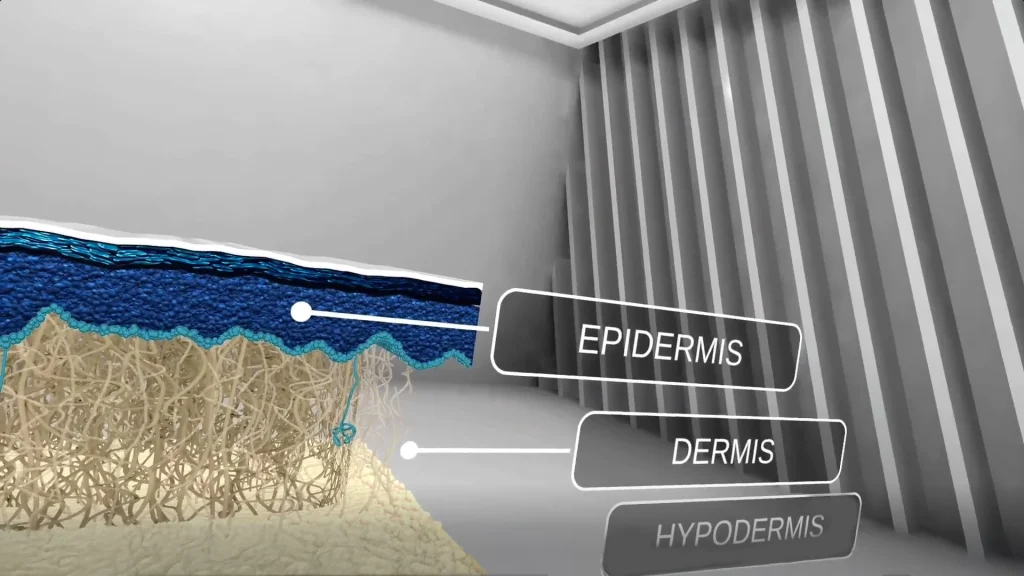
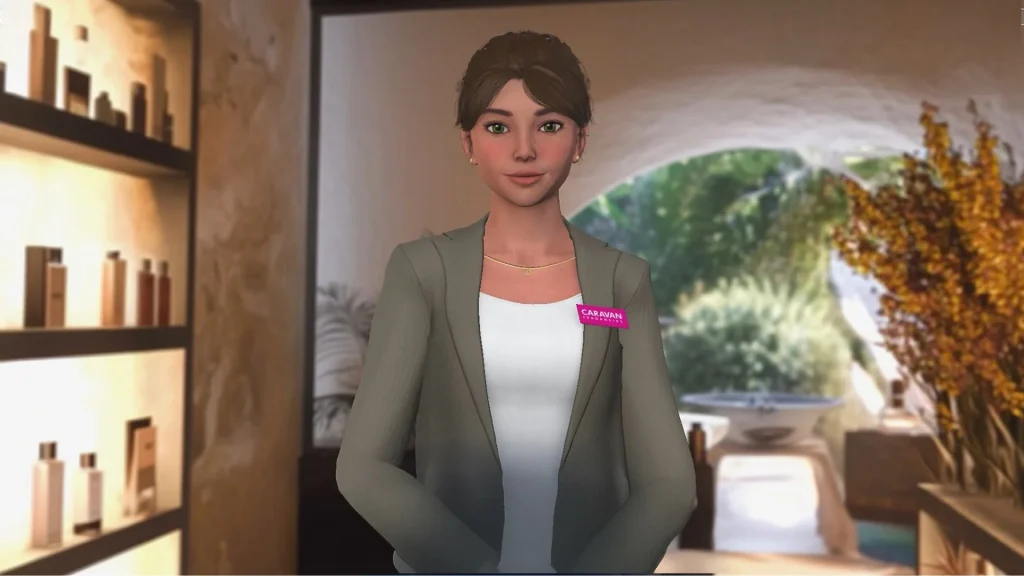
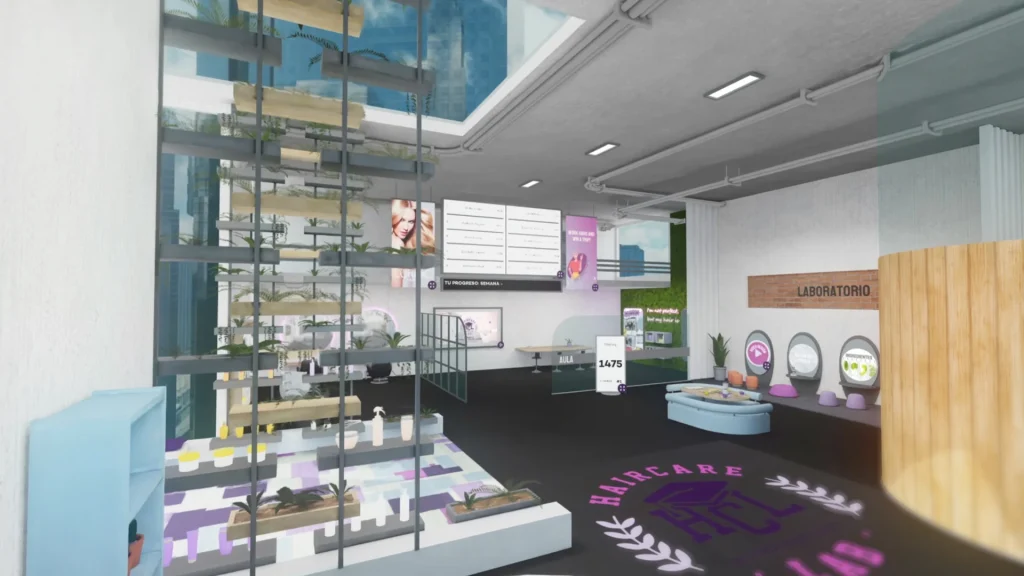
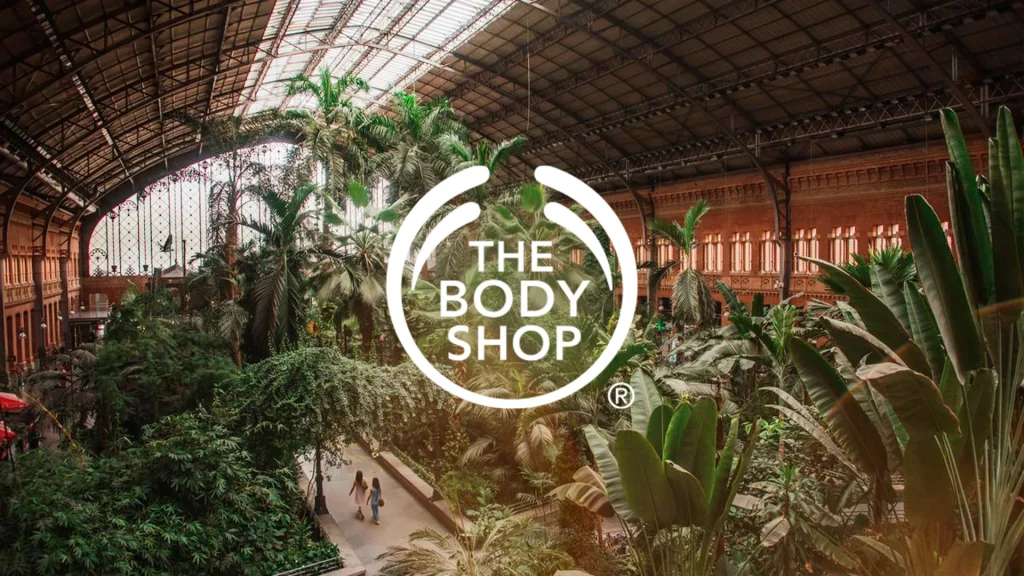
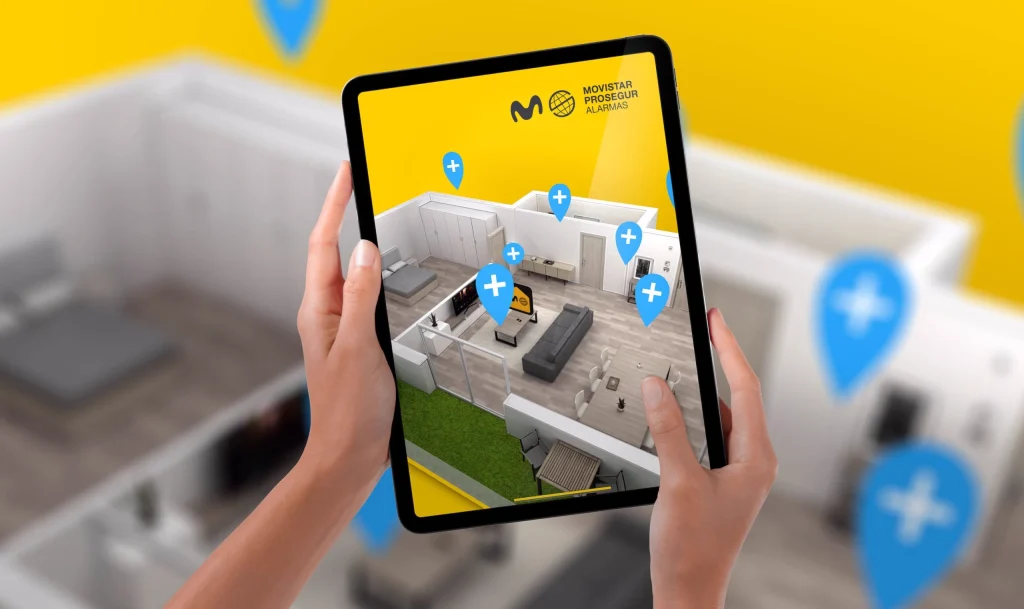
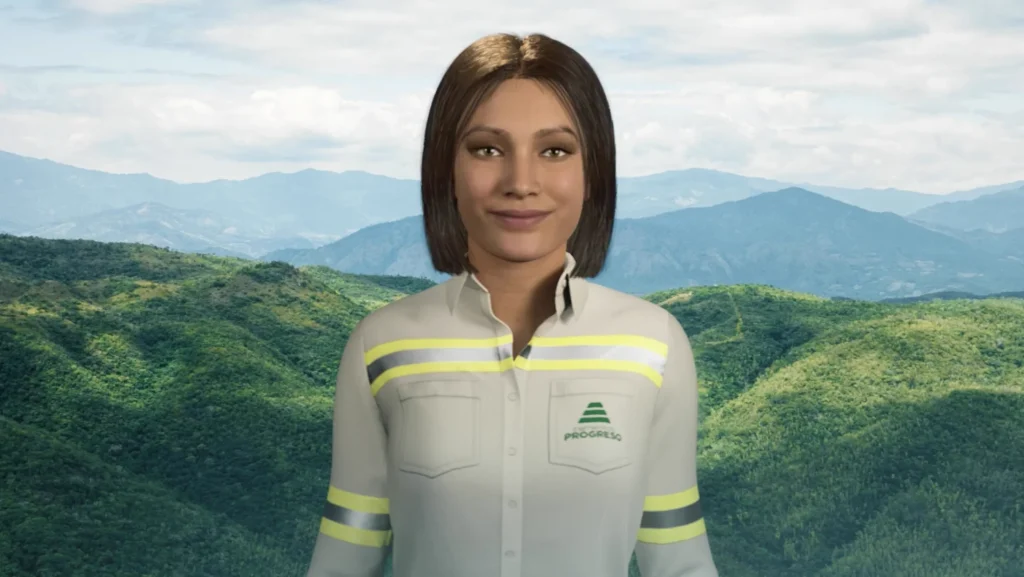

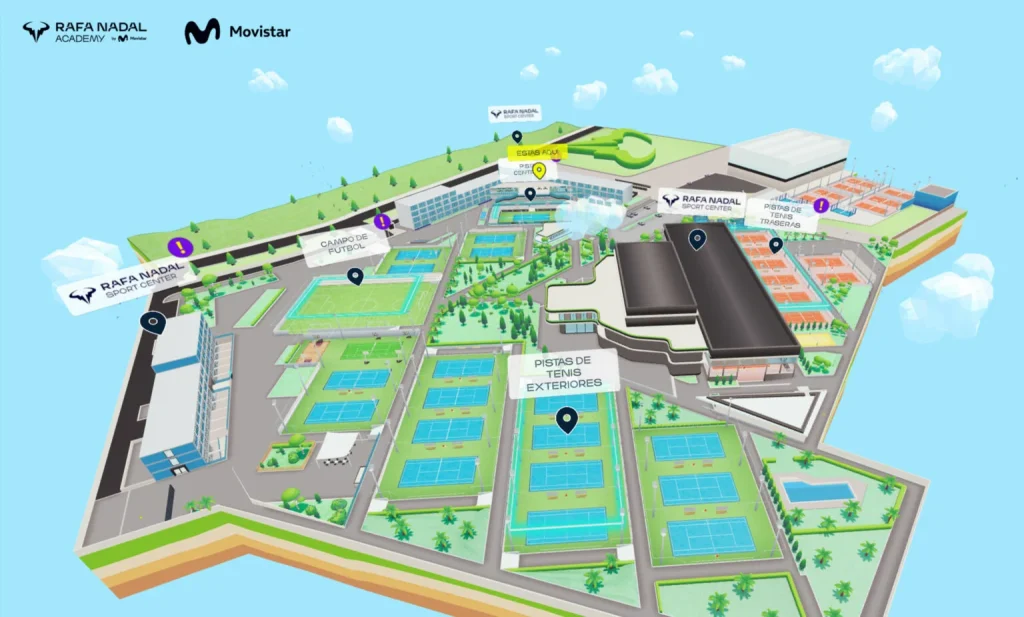
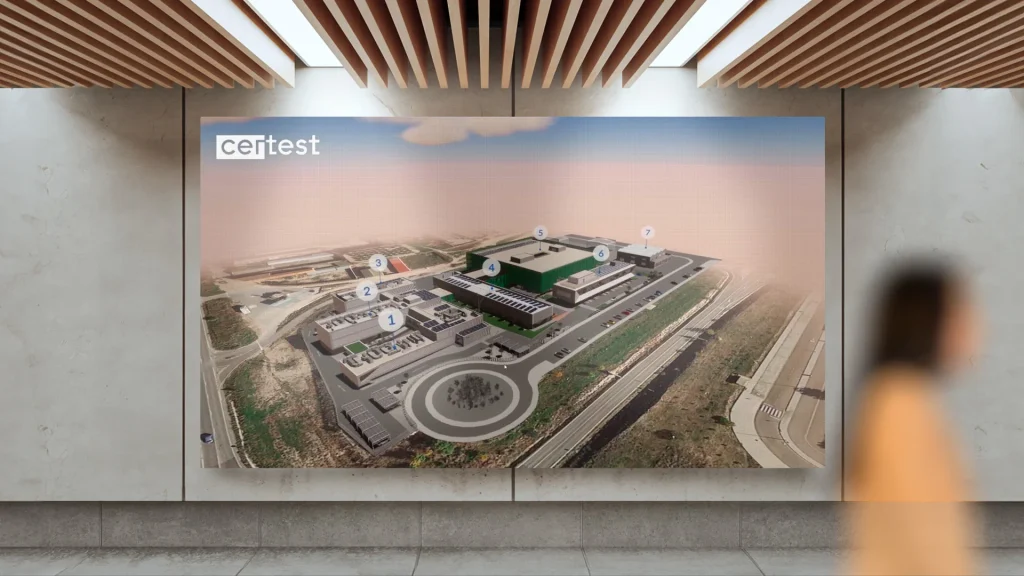

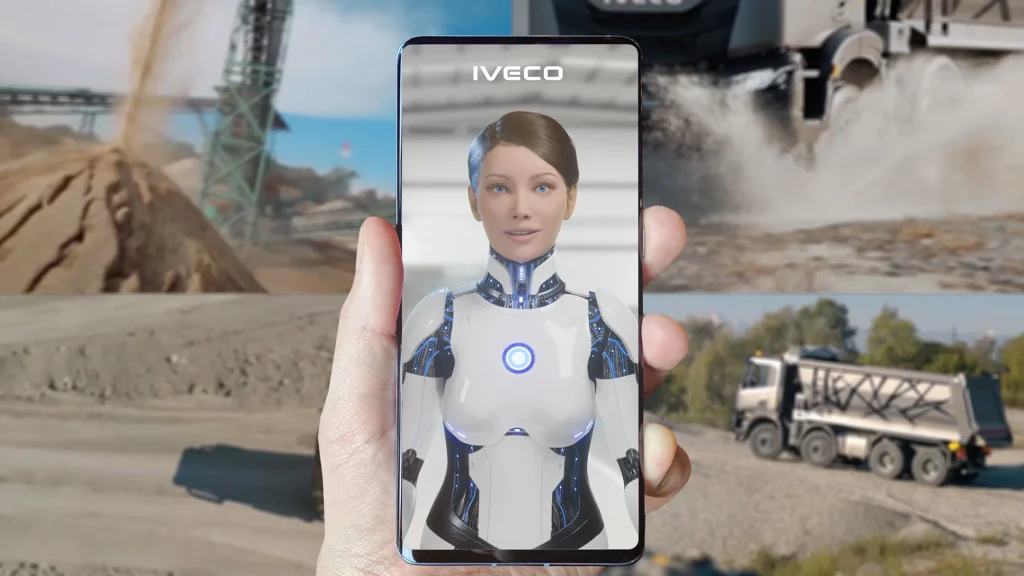
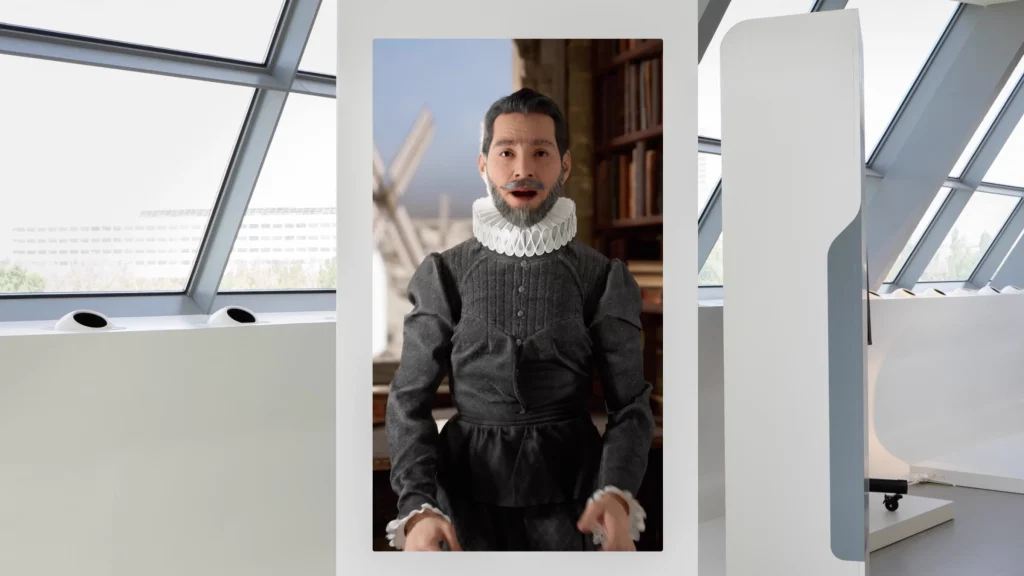
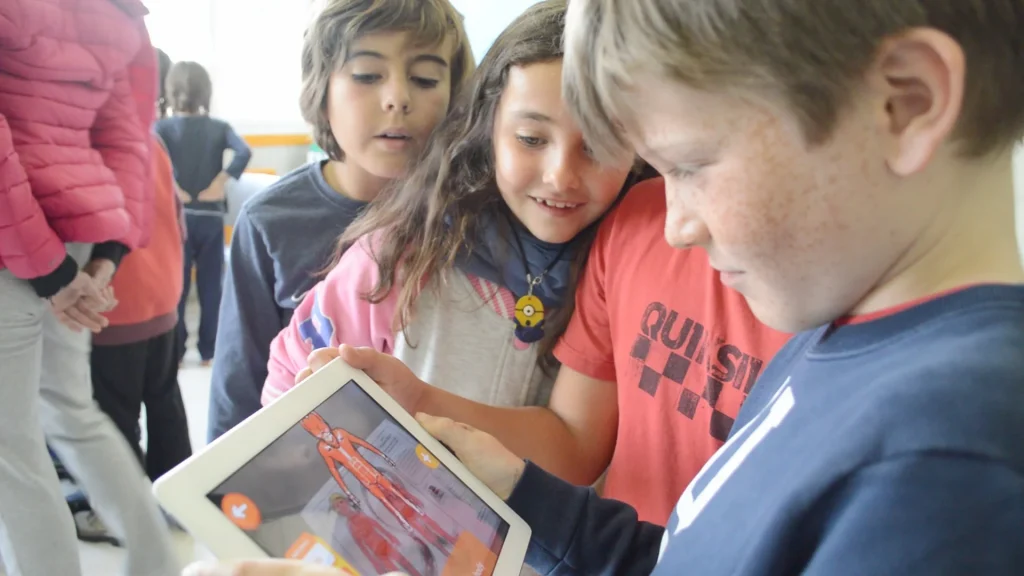



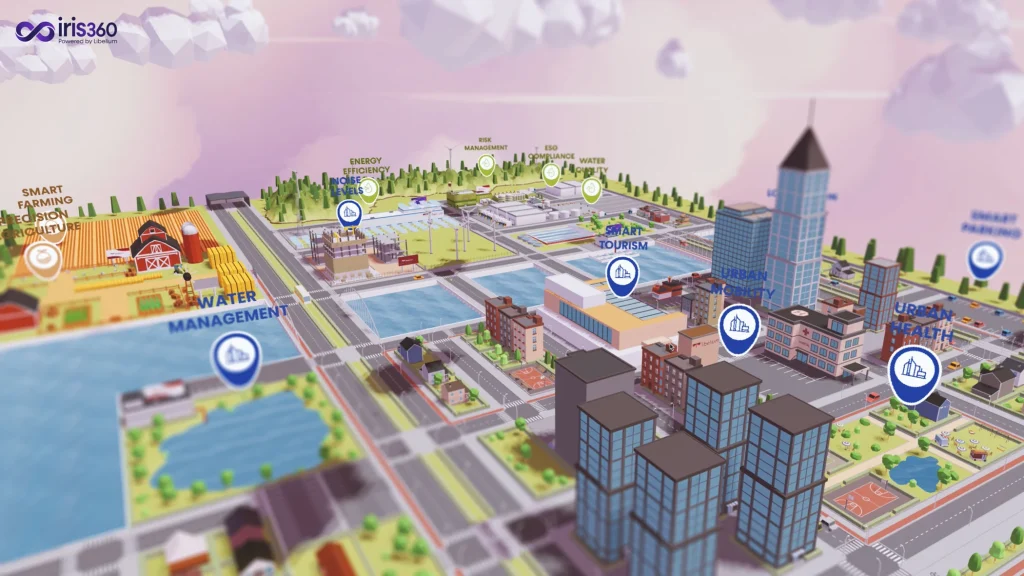

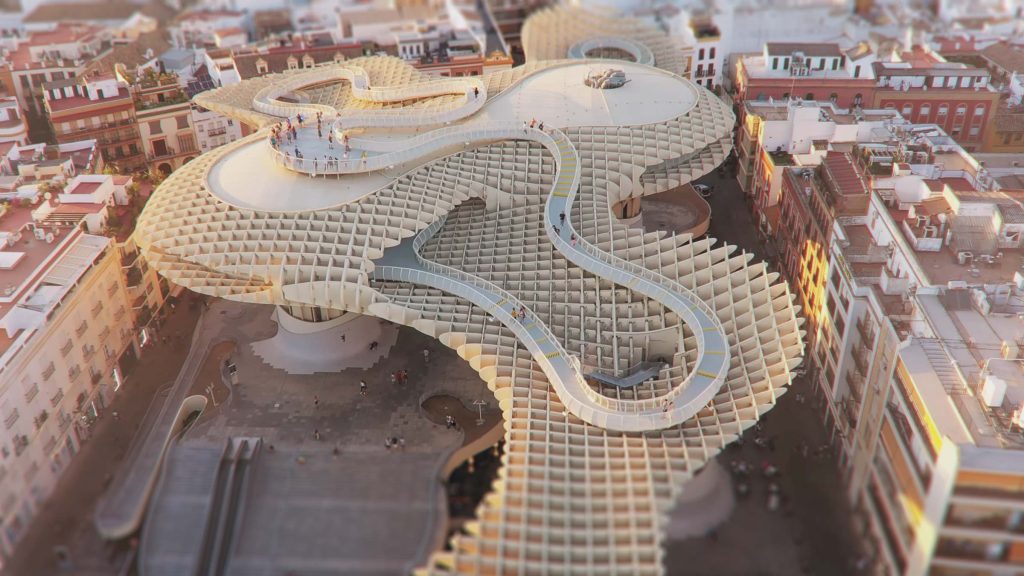
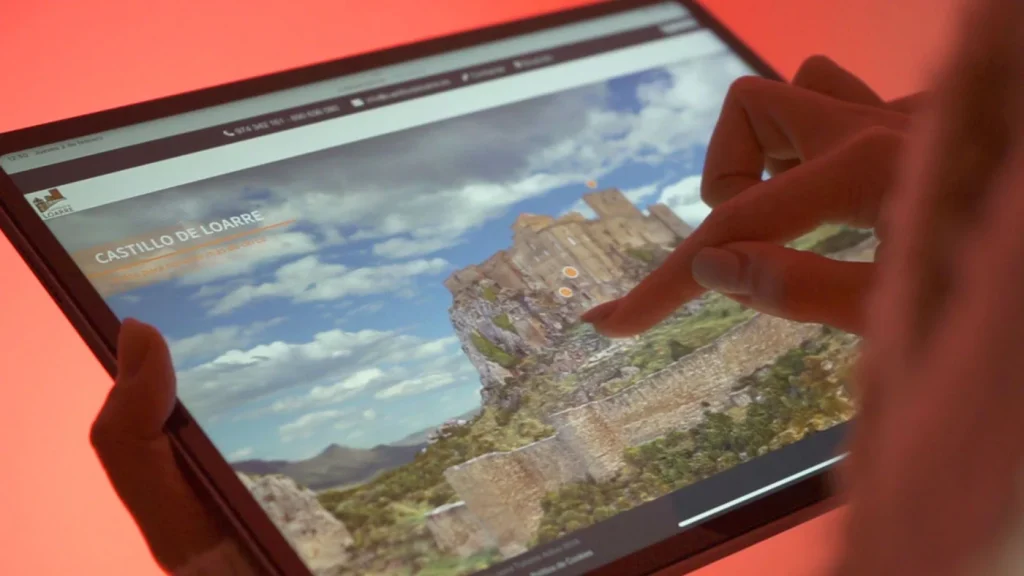

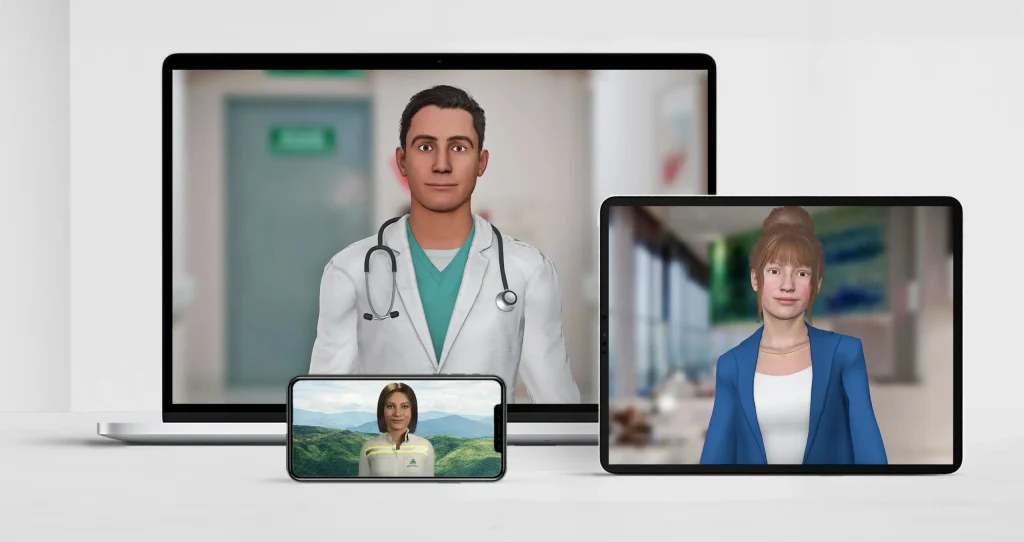
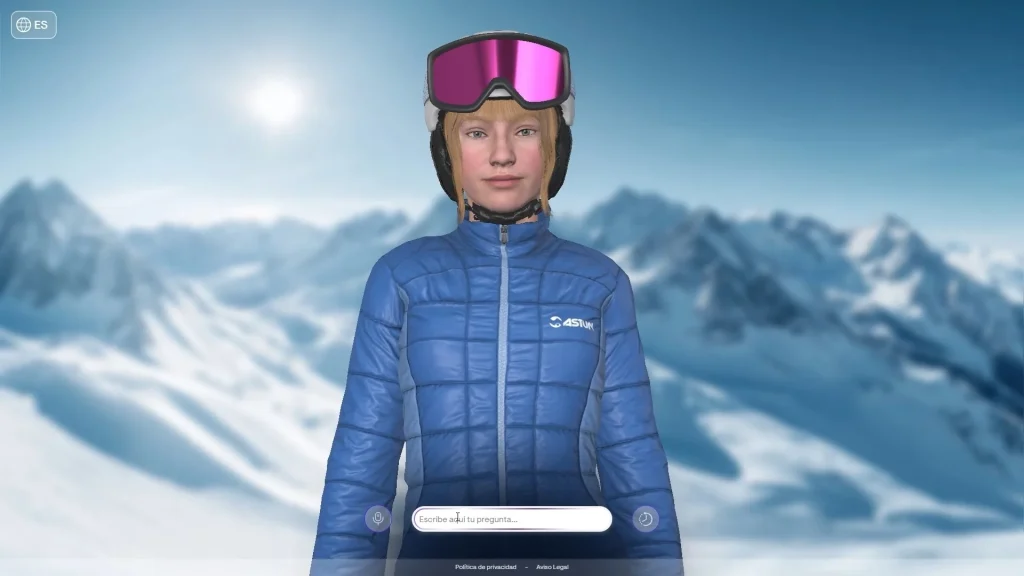

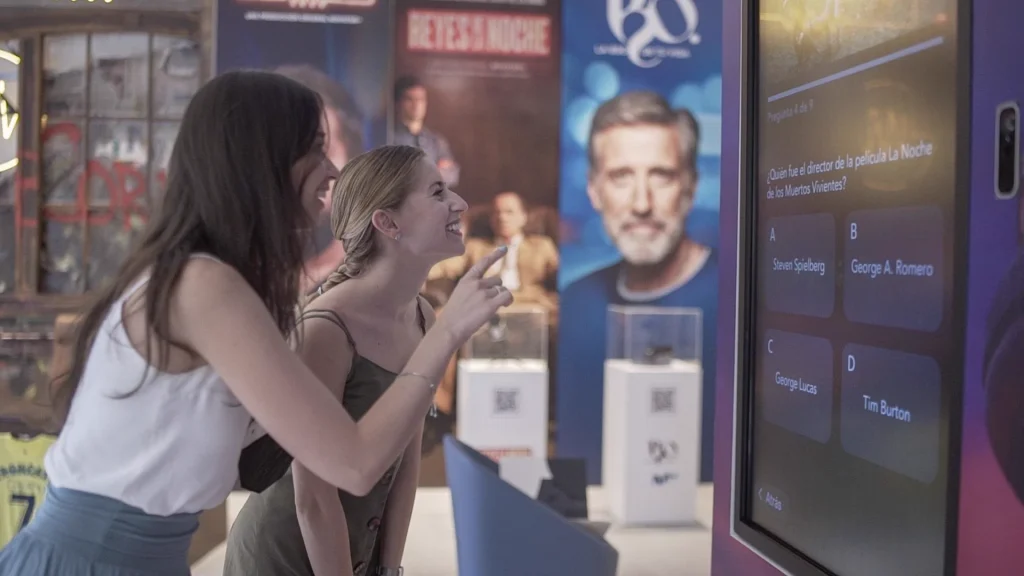


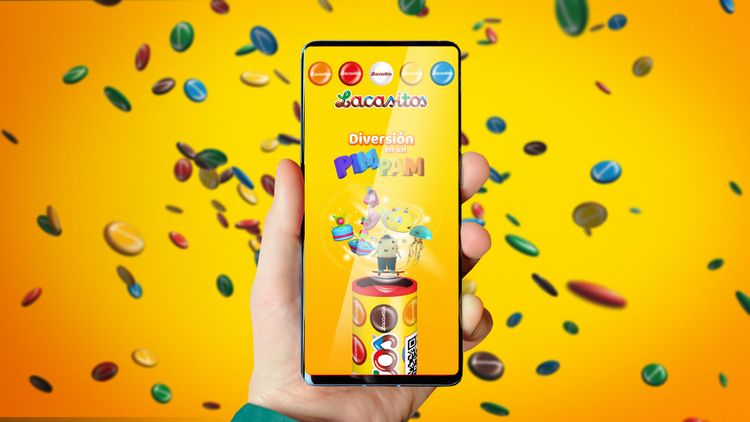


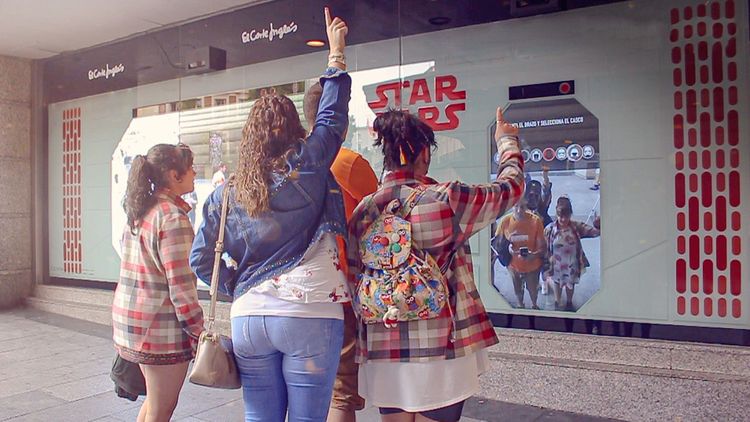


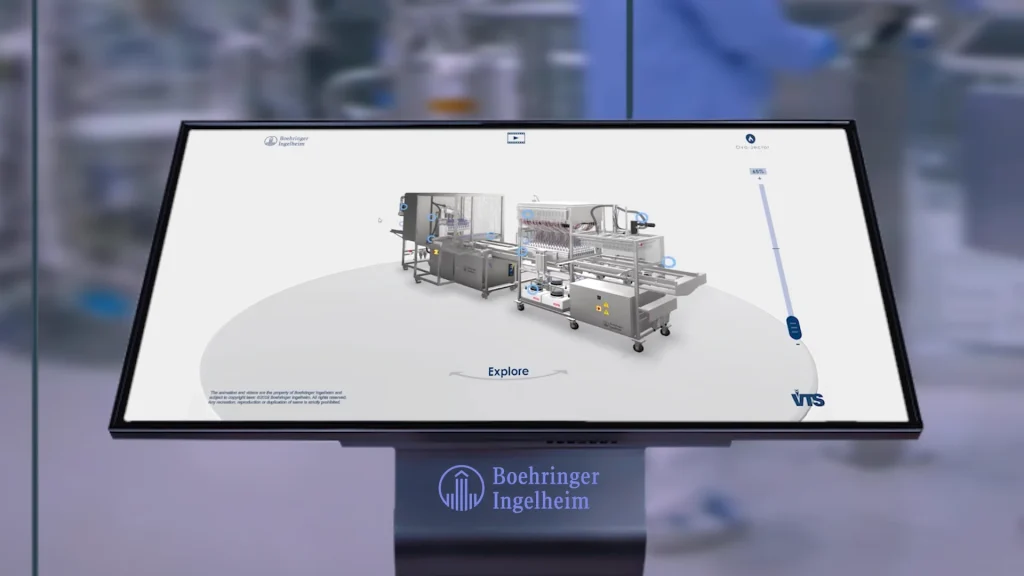


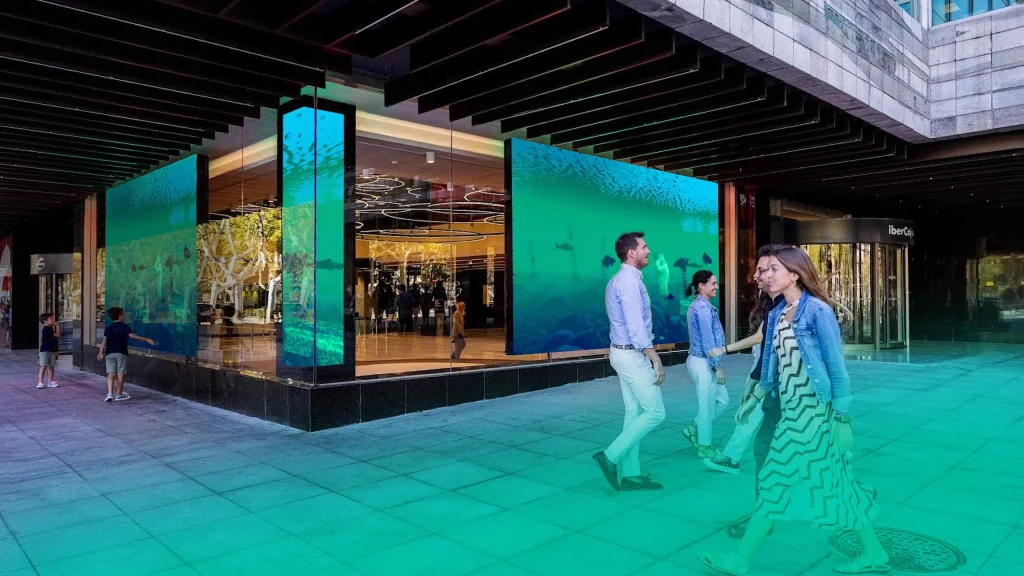
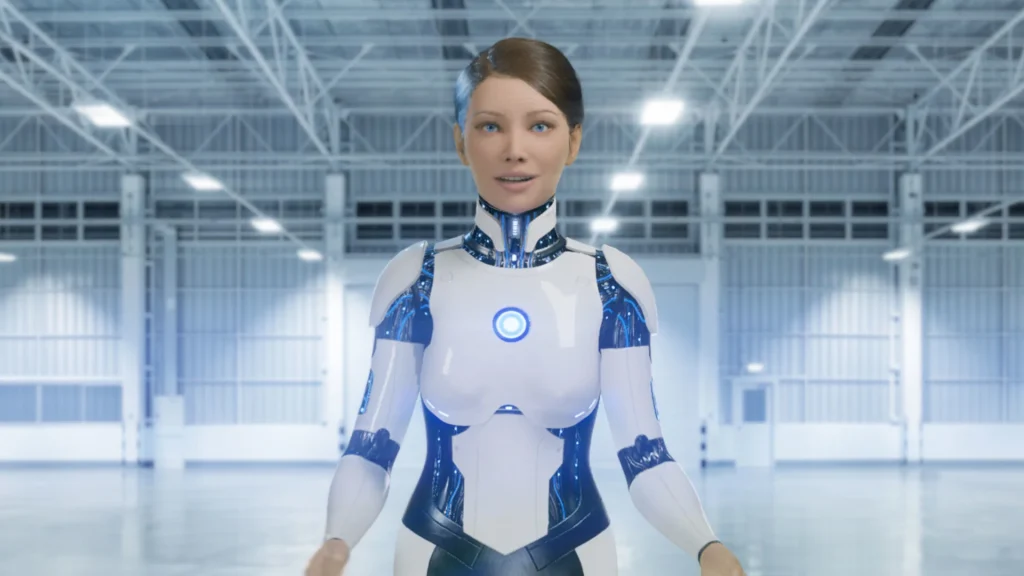

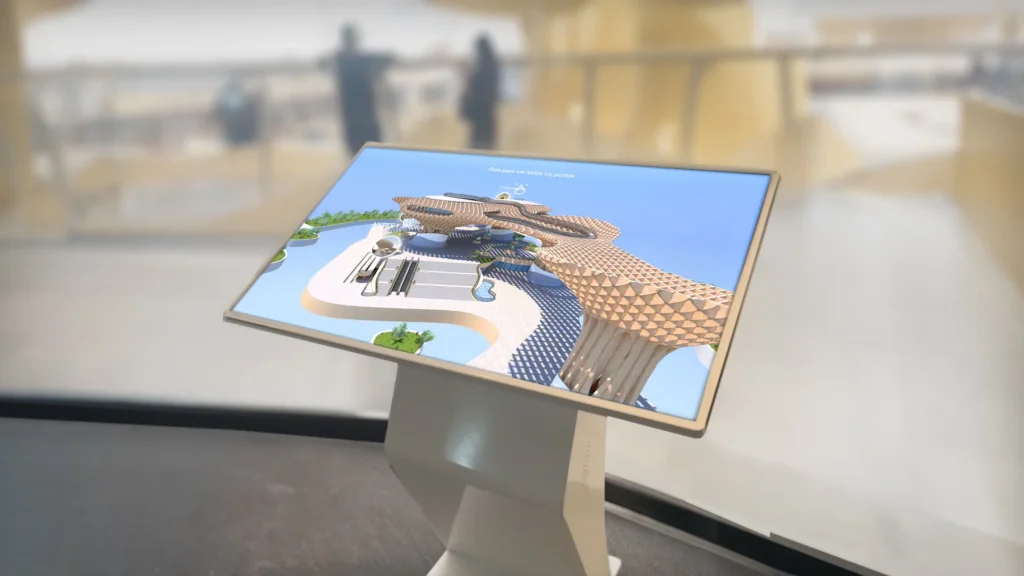
 Spanish
  English