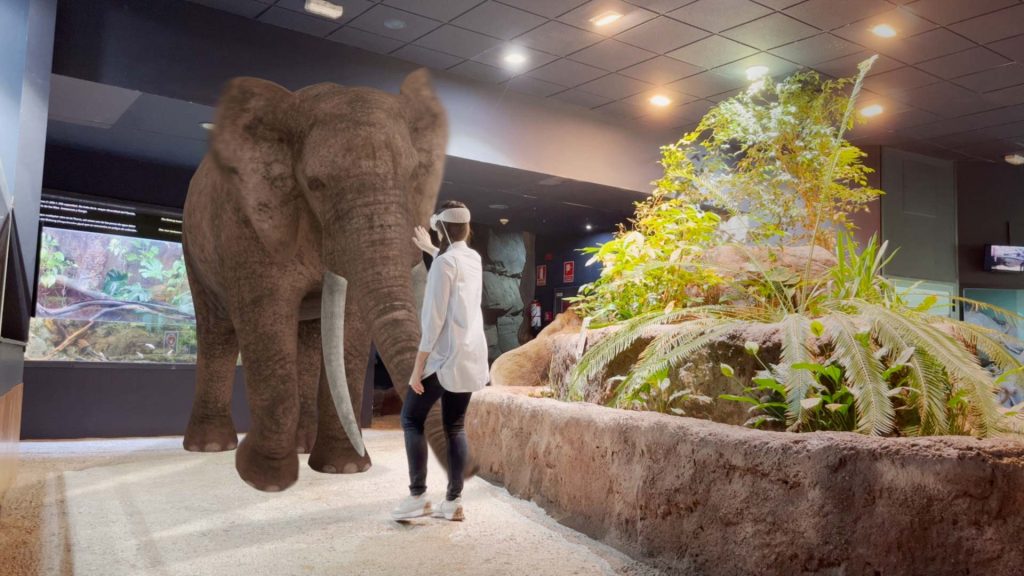
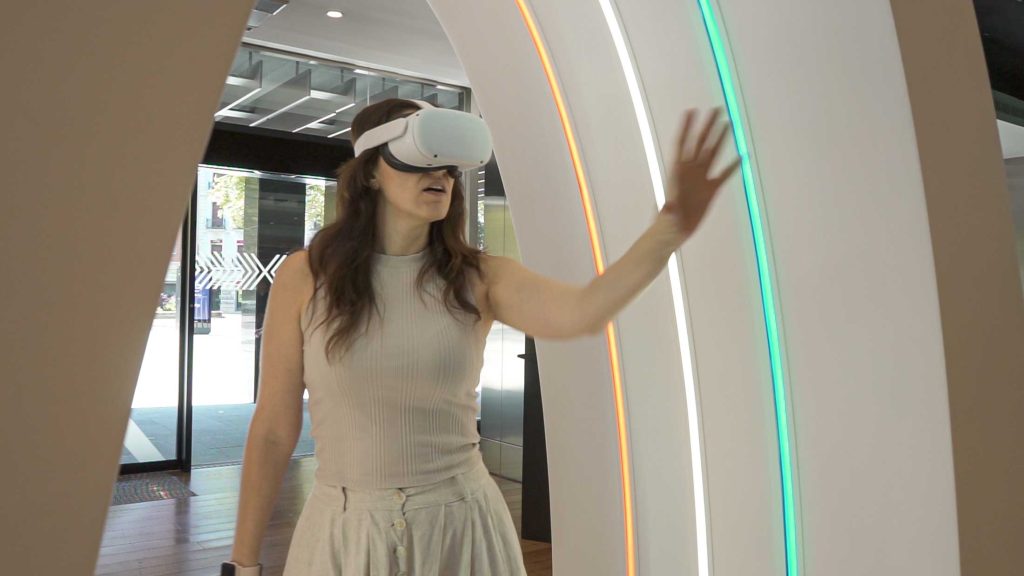
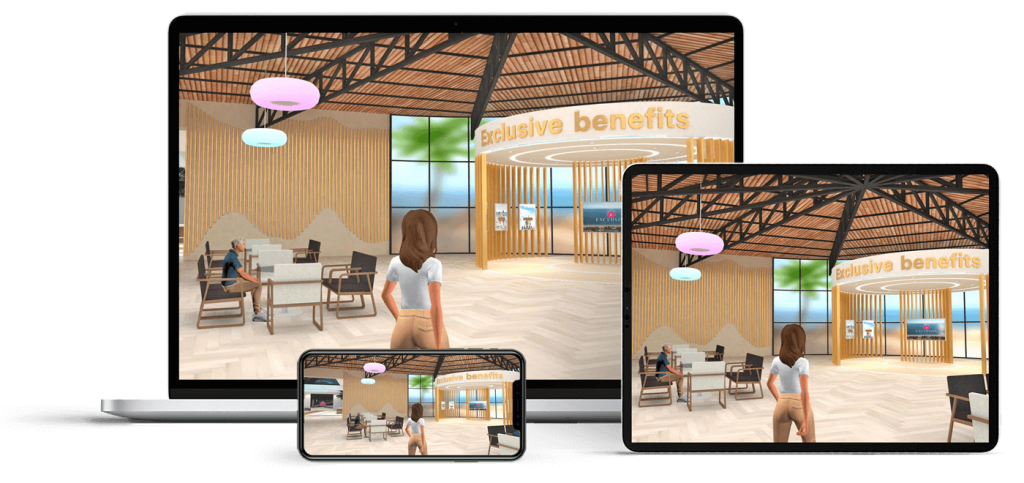
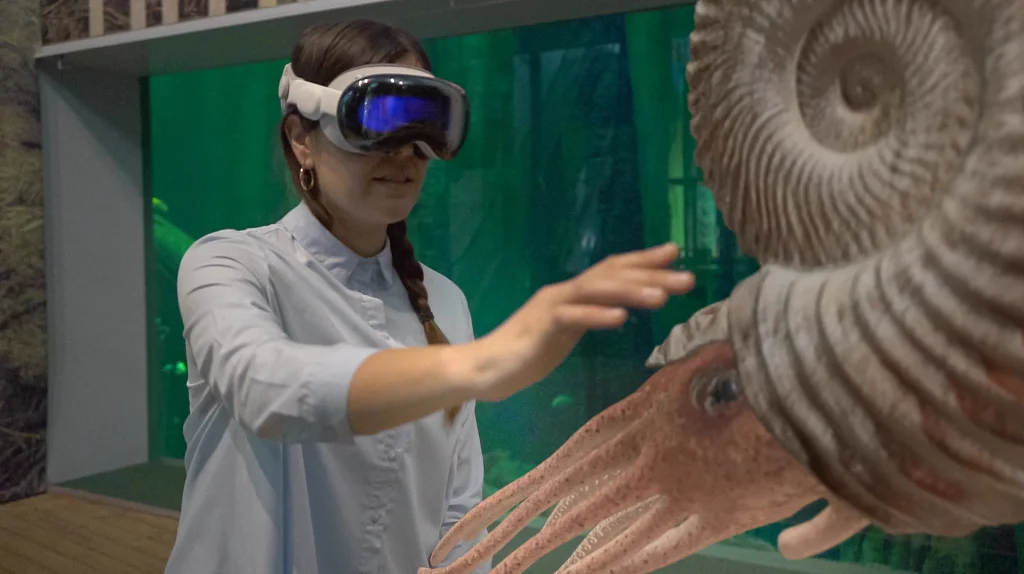
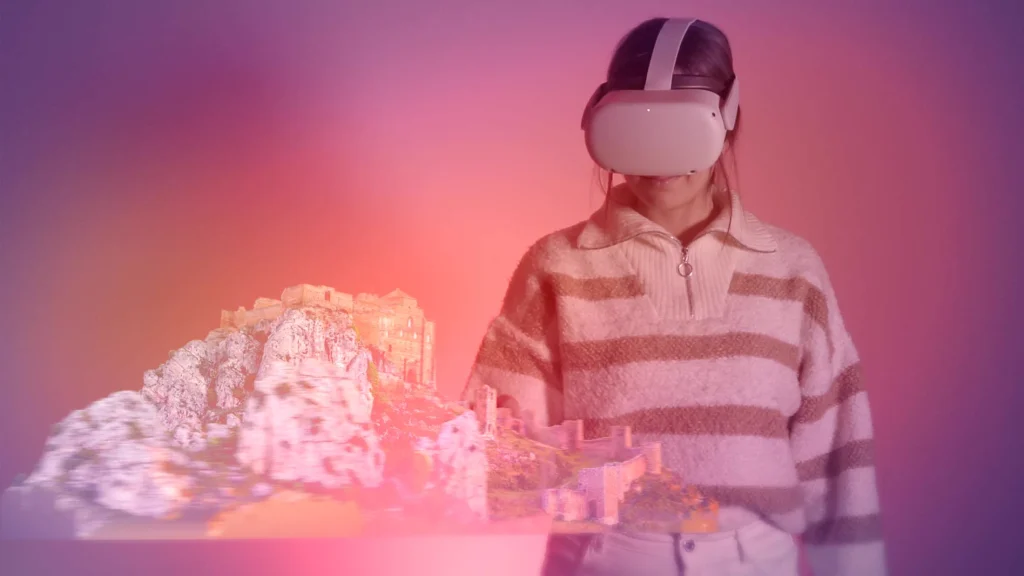
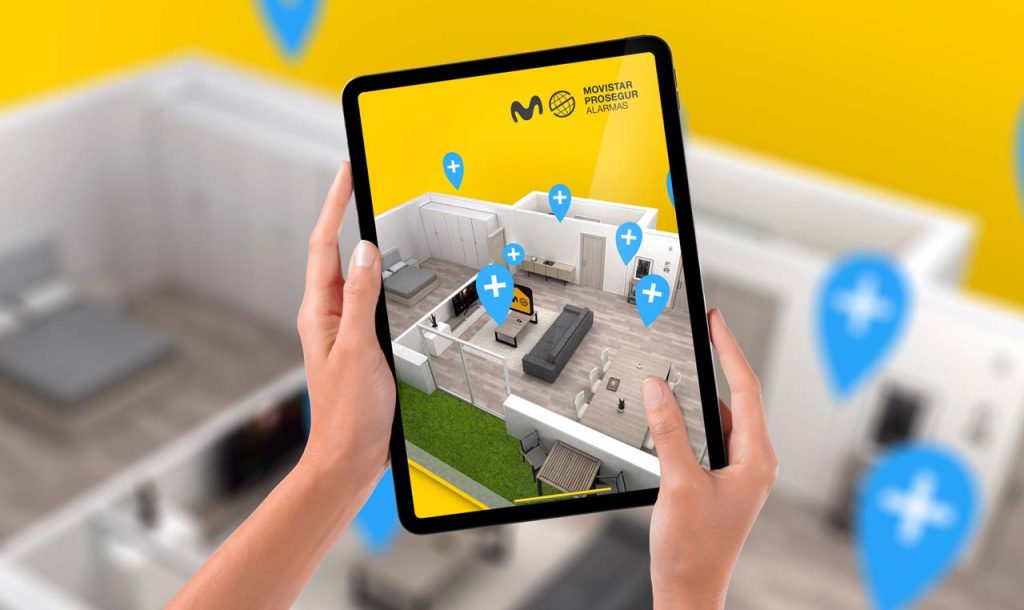
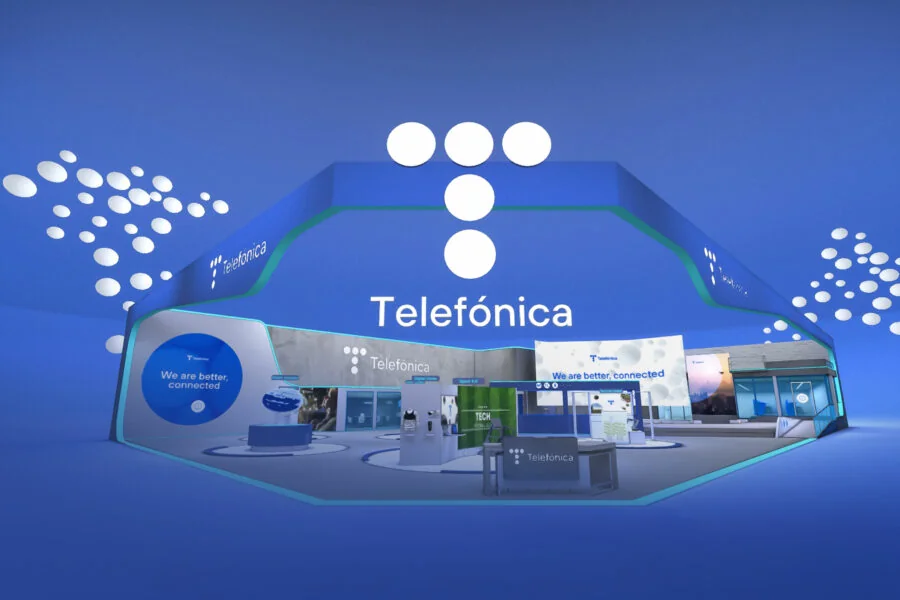
A new way to have fun and enjoy our free time has arrived. The digital leisure has been a trend since the expansion of the Internet and the growth of the world of video games, social networks and streaming platforms. Now, this trend goes one step further with the incorporation of new immersive technologies. Where entertainment goes from storytelling at storyliving . From being mere spectators to being part of the action. In today's article we are going to take a closer look at the concept of digital leisure and its linkage with the Extended Reality the Spatial Computing and the Metaverse . In addition, we will learn about some of its the most important success stories, as well as the benefits it brings to both users and companies.
What is digital leisure?
We understand as digital leisure all forms of entertainment that take place in the online world and/or through mobile/electronic devices. This type of entertainment takes advantage of the capabilities of the internet and digital technologies to connect with the audience, personalize content and encourage both the creation and consumption of all types of multimedia content. Watch series and movies on streaming platforms The new technology is also a great way to create and consume content on social networks, play online video games and explore immersive experiences in AR/VR are just some of the proposals. Digital entertainment has transformed the way people enjoy our free time, connect with culture and, above all, the way we socialize. Opening up a new range of opportunities for entertainment companies and the corporate world in general, for connect with your users/customers . You may be interested in → Augmented Reality in advertising with interactive content .
Types of entertainment in digital leisure
Technology is radically transforming entertainment . The first leap was the Internet and the birth of social networks and streaming platforms that made our way of relating to each other and enjoying our free time increasingly digital. However, since the advent of the Metaverse and the expansion of the Virtual Reality and Augmented Reality Immersive technologies are redefining the way we interact with digital entertainment. It is no longer just about consuming content, but also about fully submerge in it. Next, let's take a look at the The most important types of entertainment within the digital leisure trend.
RRSS
Social networks have become one of the fundamental pillars of digital entertainment, offering a platform where users can consume , create , connect and share their interests. A digital-social world where entertainment content is shared in real time, communities are created and a wide variety of multimedia content is accessed: photos, videos, articles, podcasts. And even interactive games and Augmented Reality experiences developed by the brands themselves, such as the case of Adobe who did not hesitate to use the RRSS and the AR filters to promote its macro-event Adobe MAX in Los Angeles.
Streaming platforms
Streaming platforms have revolutionized digital entertainment by providing instant, on-demand access to an extensive library of audiovisual content, including movies, series, documentaries and music. This accessibility has radically changed the entertainment consumption habits . These platforms have driven the original content production The company is diversifying the options available and proposing a personalized, user-centered consumption model. A consumption of multimedia content that can be made through screens or through immersive Virtual Reality experiences as in the case of KAI XR Platform the VR streaming platform focused on educational content for children.
Videojuegos
Video games have grown exponentially thanks to the Internet, the development of high-definition graphics, Virtual Reality and global connectivity, offering increasingly immersive and accessible worlds . In addition, video games are increasingly focused on creating experiences in which players can socialize, collaborate, and compete, creating a sense of belonging that goes beyond the game itself. This sense of belonging generated by video games can also be exploited at the corporate level, as in the case of the Foster Hollywood's virtual escape room, The Other Side for the scariest night of the year. A immersive mobile experience in which users have a mission: to prevent zombies from crossing the border between the virtual world and the real world.
Virtual Reality
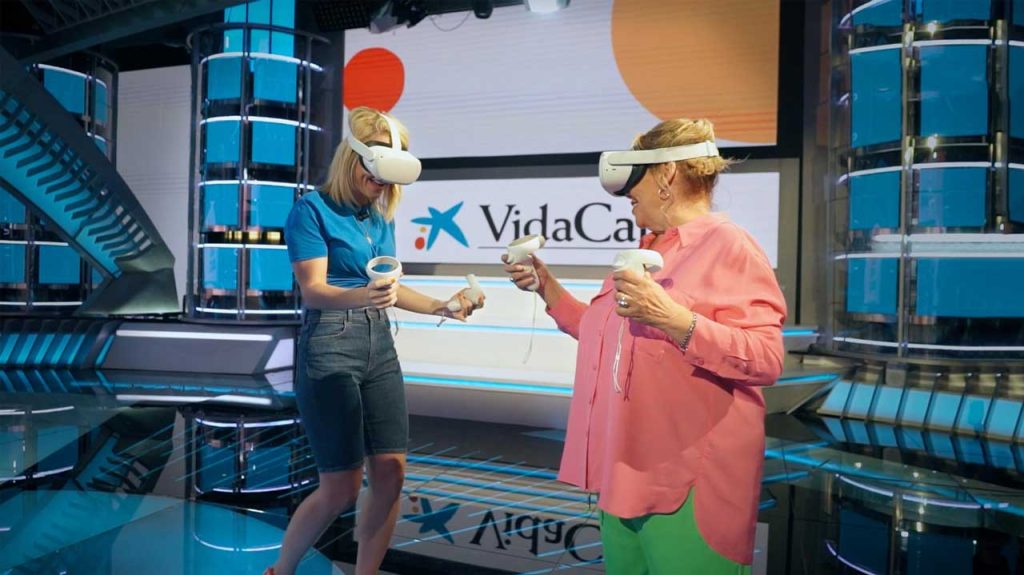
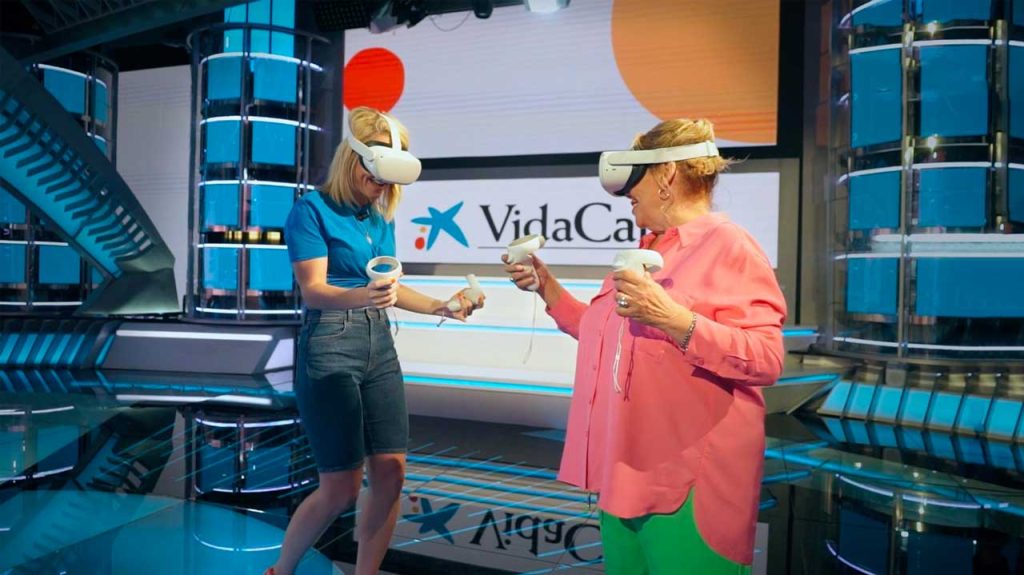
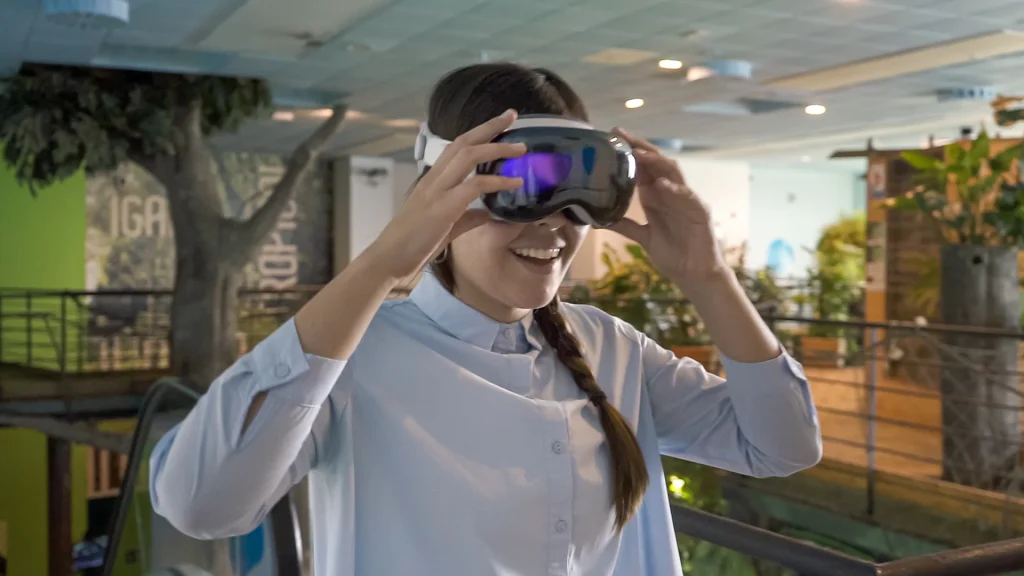
The Virtual Reality is a before and after in the way in which we consume multimedia content, where the immersion in the action makes the fourth wall disappear to immerse us inside the entertainment universe. A change that becomes a reality, moreover, because it involves all of our body, movements and senses . VR glasses and other haptic devices make the experience much more realistic, allowing you to create new and amazing adventures. As in The Twists and Turns of Life the audiovisual production of VidaCaixa and Movistar Plus which becomes the first Spanish filming in the Metaverse. In addition, viewers can join the experience and enjoy exclusive content and challenges.
Realidad Aumentada
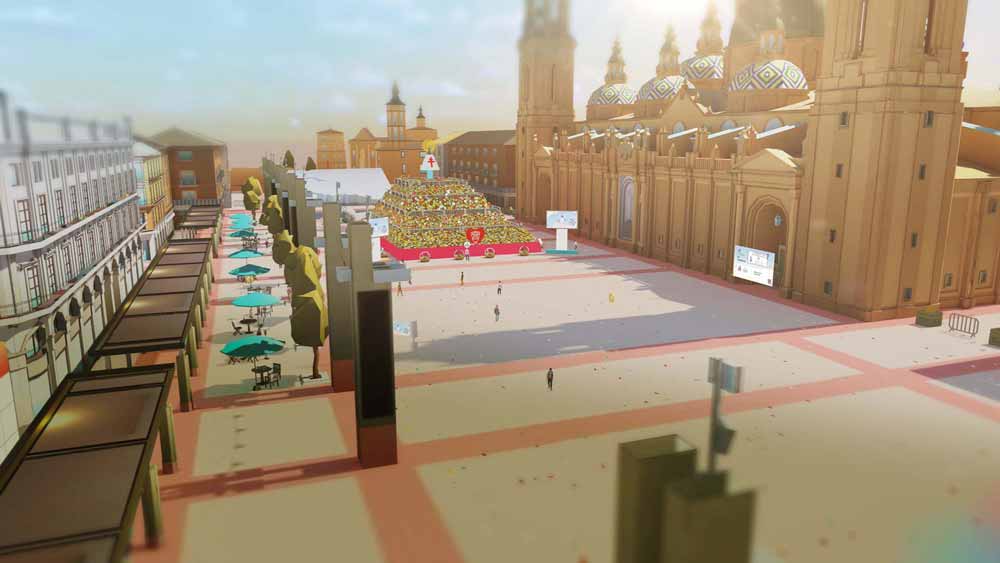
The new era of digital leisure and entertainment is not only about replacing face-to-face with virtual. It is also about completely revolutionize the actual experience . Thus, thanks to the Augmented Reality the user has more control and information about the show you are watching live . You can choose new angles from which to enjoy the event, see all kinds of additional information overlaid and even enjoy a much more immersive show by being able to add special effects and animated characters as if they were actually there. As in the Connected Art where culture, art and leisure come together thanks to technology. Thanks to the AR website you will be able to discover great experiences in the different Commercial Strolls of Zaragoza.
Experiencias phygital
The concept of phygital, the fusion of the physical and the digital is also transforming digital entertainment by combining the advantages of the online world with the close relationship with the user that is achieved in face-to-face experiences. The phygital leisure not only enriches the user-content interaction, but also strengthens the emotional connection and consumer engagement, creating a new paradigm in how we experience entertainment. An example of the phygital potential can be found in the Frozen Emotion immersive experience where, by combining the Virtual Reality with the physical bridge, the users feel the a drenaline to cross a bridge high in the mountains and ski down. You can to go deeper into the subject at Phygital as a new dimension in user experience .
Benefits of digital entertainment
Throughout this article we have been learning about some of the advantages and benefits offered by digital entertainment, both to companies in the entertainment sector and to the business world in general. In this section we would like to summarize the 6 main benefits of digital entertainment:
Conexión emocional. El ocio digital permite a las compañías desarrollar experiencias envolventes, únicas y personalizadas que generan una conexión emocional fuerte con los usuarios. Fomentando el engagement hacia la marca con contenidos interactivos y de entretenimiento.
Diferenciación. En un mercado saturado de estímulos, el ocio digital innovador ofrece a las empresas la oportunidad de destacar frente a sus competidores. Creando contenido digital único, desarrollando experiencias tecnológicas novedosas. Todo para capturar la atención del consumidor y reforzar la imagen de marca.
Impacto positivo. En este tipo de experiencias inmersivas es el usuario el que toma la iniciativa de conectar con la marca, lo que convierte al ocio digital en una de las principales estrategias pull de marketing. El público objetivo es proactivo y vive este tipo de acciones como una forma de entretenimiento, no como una intromisión, generando un gran impacto positivo en la mente del consumidor.
Increased creativity. El ocio digital invita a la creatividad dentro de la empresa y también fuera, con campañas de marketing y publicidad que marcan la diferencia y generan impacto en el público objetivo. Además, permite explorar nuevas formas de interactuar con los clientes.
Omnicanalidad. El ocio digital facilita la implementación de una estrategia omnicanal, permitiendo a las empresas interactuar con los consumidores a través de múltiples plataformas y dispositivos de manera coherente y fluida. Ya sea a través de apps móviles, RRSS, o experiencias de Realidad Extendida, el ocio digital asegura que el mensaje de la marca llegue a un amplio público de manera efectiva, independientemente del canal que prefieran.
Gamificación. La Gamification utiliza las mecánicas de los juegos para mejorar la participación de los usuarios y su motivación. Al aplicar estos principios en sus productos/servicios, en sus campañas de marketing y en sus experiencias de ocio digital, las empresas pueden mejorar significativamente el compromiso y la satisfacción de los clientes.
The future of digital entertainment
The future of digital entertainment is immersion. By immersion and by the further integration of advanced technologies as the Artificial Intelligence the Mixed Reality and Big Data, pushing the boundaries of the entertainment experience. Another key point is the content customization adapting digital entertainment to the tastes of each user. Creating experiences that can even change and adapt according to the experience that each individual wants to live. In addition, digital entertainment and leisure is expected to spread to other sectors. Through the Gamification sectors, such as education and healthcare, will leverage digital entertainment to improve student learning and patient treatment. On the other hand, the global connectivity and internet speed improvements The new technologies, such as 5G, will facilitate richer and more accessible digital entertainment experiences, democratizing access to digital entertainment.
Imascono de ocio digital relevant projects
Digital leisure is born from the commitment to the technology, the digital world and entertainment . Three key points that open a wide range of possibilities to connect with users and take fun to the next level. Throughout the article we have seen some examples, but here we want to show you the most surprising proposals for digital entertainment:
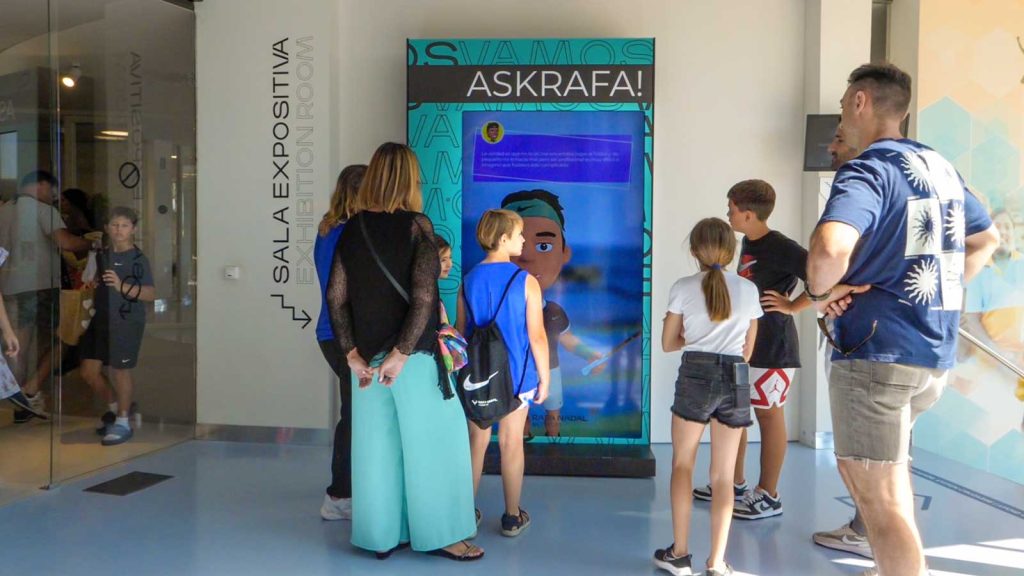
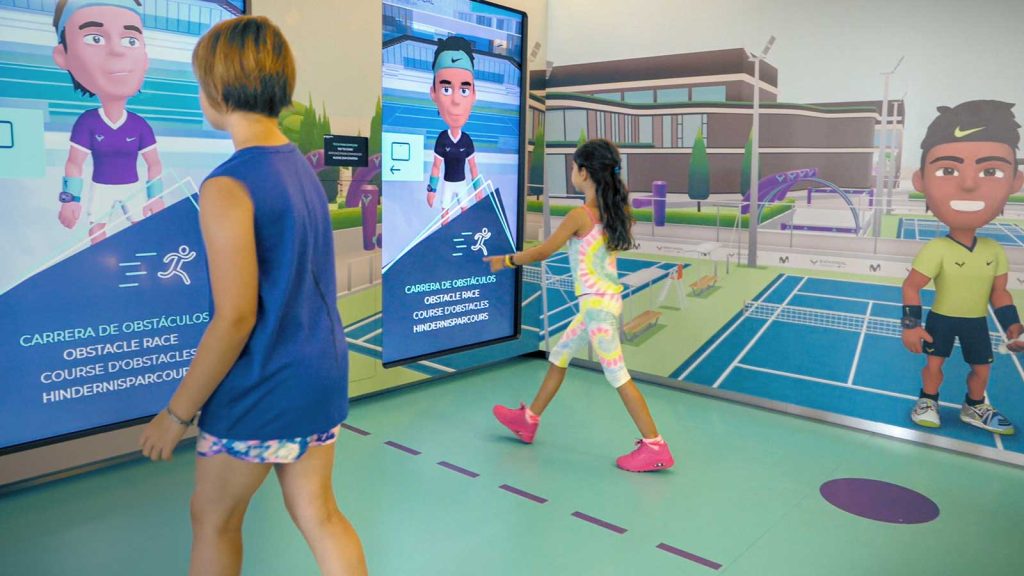
El ocio digital también está presente en la cultura y los museos. ¿El mejor ejemplo? La apuesta por la tecnología y las experiencias inmersivas del Rafa Nadal Museum en Manacor. Una serie de instalaciones tecnológicas donde destaca la interacción, el uso de las últimas tecnologías y la conexión con los visitantes.
Otro ejemplo de proyectos de entretenimiento y ocio digital es la gymkana en Realidad Aumentada desarrollada por Lacasitos. Un juego AR pensado para los más pequeños de la casa, en la que los niños tienen que atrapar a sus personajes favoritos en las calles de su ciudad.
El ocio digital llega también a los sectores más empresariales como la banca. Buscando potenciar la conexión con la marca, Ibercaja ha apostado por la remodelación y transformación digital de su sede central. Con un nuevo Espacio Xplora que cambia la percepción de su empresa, propone nuevas actividades y que, gracias a la tecnología, conecta a los usuarios con los productos, servicios y nueva imagen de marca.
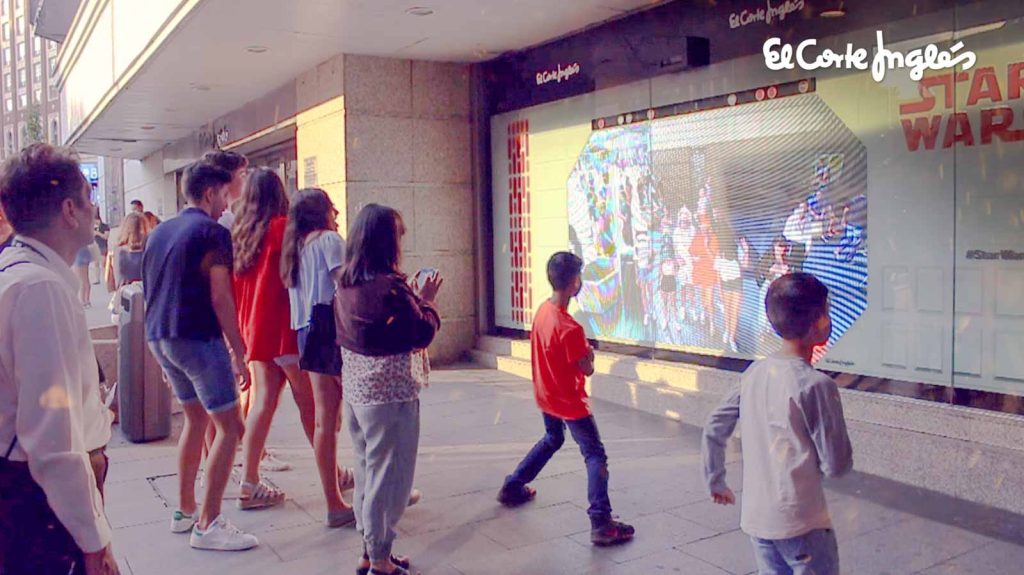
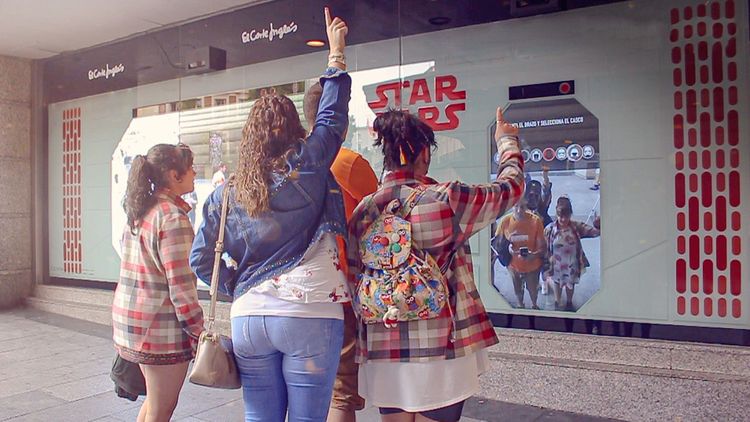
Un ejemplo de unión entre ocio digital y experiencia phygital que destaca por su creatividad, originalidad, innovación y premios es la experiencia inmersiva de Disney y Star Wars. Donde los usuarios, al pasar por el escaparate AR, se convertían al instante en uno de sus personajes favoritos de la saga de ciencia ficción.
Otra atracción interactiva de Disney es el photocall de Realidad Aumentada de Marvel. Una acción de promoción y marketing de su película Thor Ragnarok en la que los fans de los superhéroes se sintieron protagonistas del mundo de Asgard.
Undoubtedly, if there is one thing that all these digital leisure and entertainment projects have in common, it is that the user is at the heart of the experience . Different proposals in which from Imascono we have contributed our knowledge, creativity and know-how of new cutting-edge technologies. With more than 12 years in business With a team of more than 30 engineers and designers, and thanks to our proprietary methodology, we accompany you throughout the entire process of creating this type of surprising experiences, from conceptualization to implementation. Do you need an impactful digital entertainment experience? Contact with us and we will help you to transform your customer experience with immersive, inspiring and interactive proposals!
Tipos de IA: Cuáles son los más relevantes en la actualidad
Types of AI: what are the most relevant today?
Aunque parezca sorprendente, la Artificial intelligence no es algo nuevo. Es un área de estudio de la informática y la computación que se lleva investigando desde los años 50 del siglo pasado
No obstante, ha sido ahora, con la democratización de las herramientas de Inteligencia Artificial Generativa, cuando esta tendencia tecnológica y área del conocimiento ha llegado a todos los públicos. Y a las empresas.
En el artículo de hoy queremos hacer un repaso sobre qué entendemos por Inteligencia Artificial, cómo surge y lo más importante, qué diferentes tipos de IA existen.
¿Qué entendemos por Inteligencia Artificial?
Before going deeper into the classification of Artificial Intelligence and knowing the different types of AI that exist, it is necessary to review what this technology consists of. We understand by Artificial Intelligence the ability of machines to think/act like humans. . To perform tasks that normally require human intelligence. All through algorithms that feed back and learn on their own through training with data breaking with the schemes of traditional programming. A combination of machine learning models, Big Data and strategies that perform tasks such as pattern recognition or even decision making. As summarized by the great computer scientist Alan Turing in the famous 'Turing Test': "a computer can be called 'intelligent' if it manages to fool a person into thinking it is a human". You may be interested in → Challenges of Artificial Intelligence applied to the enterprise .
Classifications of Artificial Intelligence
As mentioned at the beginning, Artificial Intelligence is an area of computation that has been studied for decades, so that, within the research on this technology, there are different approaches and currents. Among all of them, we can highlight 3 different ones classifications of Artificial Intelligence. Stuart Russell and Peter Norvig's 'Think or Act' dilemma; and types of AI according to their capability or according to their learning.
The 4 types of Artificial Intelligence: Thinking or Acting
The computer scientists and researchers Stuart Russell and Peter Norvig proposed in their book "Artificial Intelligence: a modern approach." a distinction between the types of AI between "think or act" and between the more human, more biological approaches and the more rationality-focused, more logical-mathematical approaches. Systems that think like humans They are machines whose purpose is to mimic human thinking such as artificial neural networks. These are based on the structure of the human brain itself and the Theory of Mind. The brain serves as an inspiration for the development of programs and algorithms. Seeking understanding knowledge through semantic models LLMs and information systems. These IAs are focused on activities related to human thought processes, such as problem solving or decision making.
Sistemas que actúan como humanos
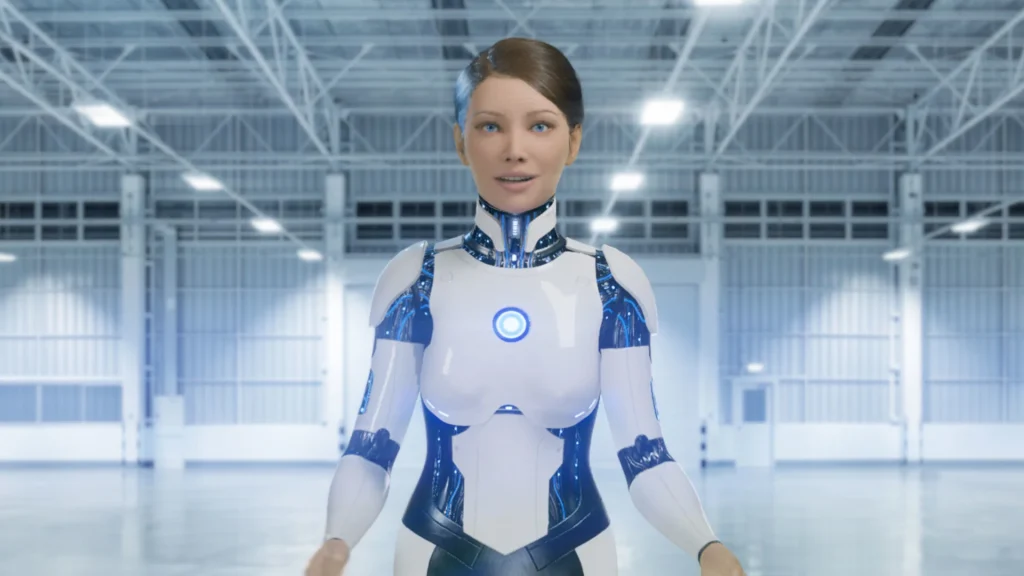
Within this category are the systems that seek to act like humans The Turing Test is the objective of these tests. They seek to understand the behavior . An example of this can be found in the humanoid robots or virtual avatars with Artificial Intelligence, prepared to look/act like human beings. They are AIs whose goal is humanization.
Sistemas que piensan racionalmente
The focus in this type of Artificial Intelligence is no longer so much to think like humans, but to think like humans. think rationally . They do not seek to imitate human thinking, but to improve it, to go beyond it at a logical-rational level. Focusing on 'The Laws of Thought', mathematics, philosophy and logic to develop AI Computing. They are based on the use of computational models that study mental faculties, designing expert systems.
Sistemas que actúan racionalmente
Finally, we find the Artificial Intelligences that search for to rationally mimic human behavior These systems include all of the above approaches where rational agents perceive and act, seeking the best possible outcome. These systems include all the previous approaches where rational agents perceive and act, seeking the best possible outcome. You can deepen its connection with other technologies in the influence of Artificial Intelligence in the Metaverse
Types of AI according to their capacity
According to its capabilities, Artificial Intelligence can be classified as follows Narrow Artificial Intelligence in General Artificial Intelligence or in Super Artificial Intelligence . Some of them are already implemented in different companies and industries, such as the Artificial Intelligence in tourism industry and education. Others, such as Super Artificial Intelligence, have only been theorized or shown in movies.
Inteligencia Artificial Estrecha
The Artificial Narrow Intelligence (ANI) is the most inflexible type of AI: its function is to focus on one single job and devote all its power and attention to it. Dedicated to one role . As a parallel would be a skilled professional engaged in a single complex function. ANI Artificial Intelligence does not reproduce human behavior, it only simulates it in a specific function. That is why they are focused on concrete and specific objectives . As virtual assistants, for facial recognition, to filter spam, as autonomous vehicle systems, to create images, virtual assistants such as Siri or Alexa... It is the most common type of Artificial Intelligence and the most widespread at user and enterprise level. The different tools for Generative Artificial Intelligence would also fall into this category, being specialized in one area and in solving one problem.
Inteligencia Artificial General
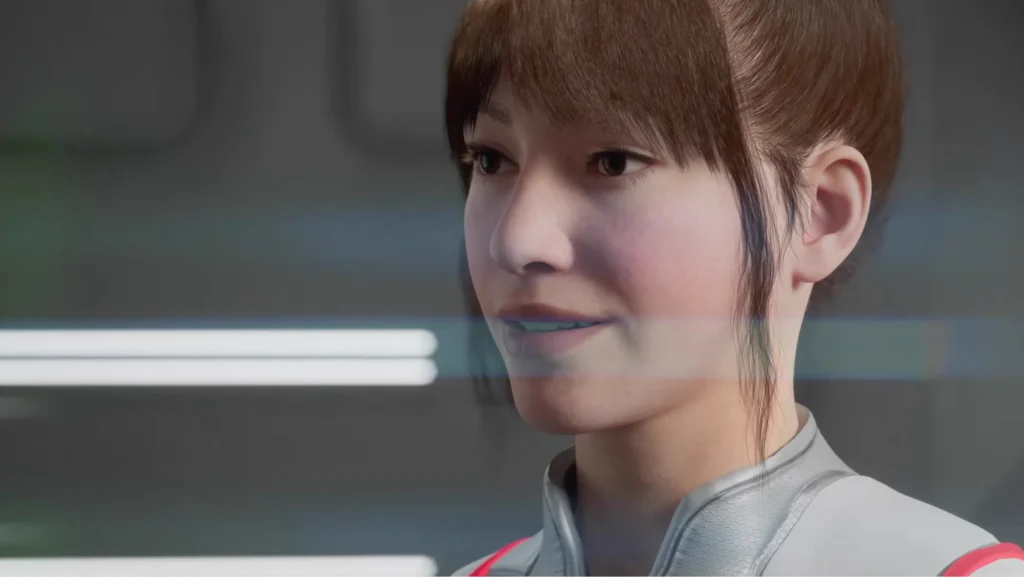
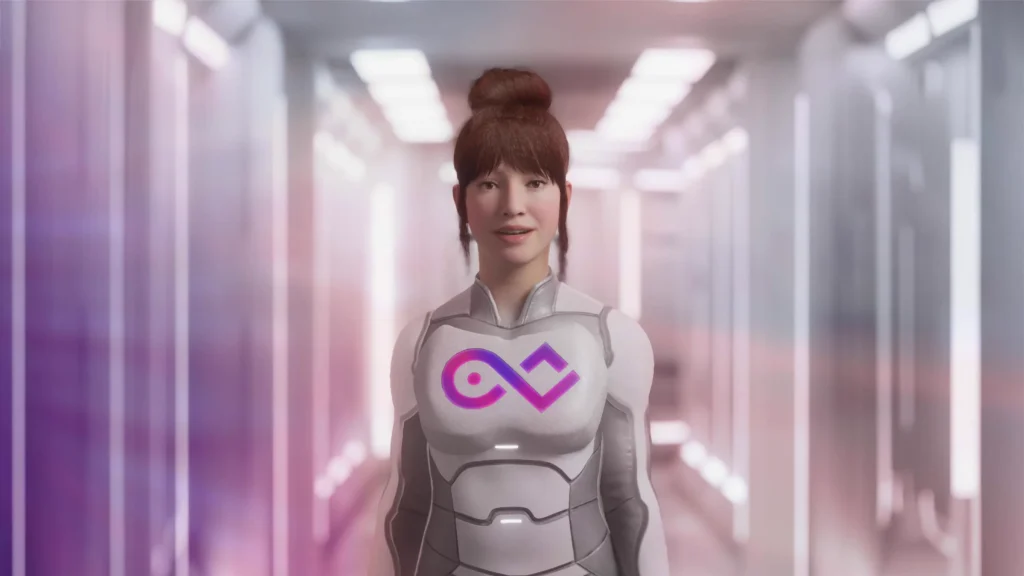
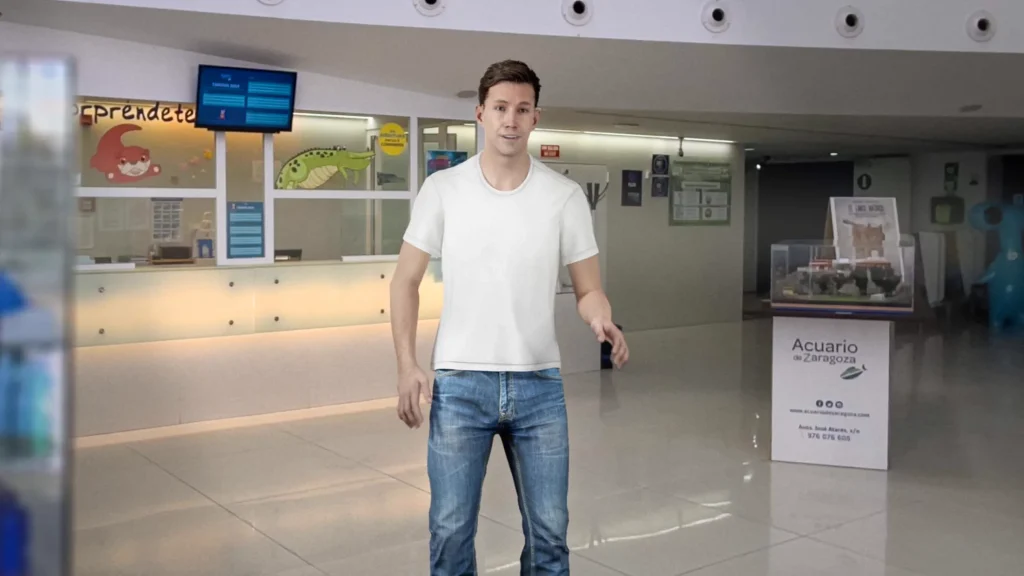
Among the types of Artificial Intelligence, AGI is considered strong and deep, a machine capable of mimic human intelligence with a vast capacity for action. This AI can learn and replicate attitudes and behaviors to solve different issues. AGI can think, which leads to a unique understanding and great adaptive capacity For each scenario he has to deal with, he has a different proposed solution. With a resolution capacity very close to the human mind. A possible example of this type of AI can be found in V-E-G-A the avatar equipped with Artificial Intelligence which performs the functions of assistance, presentation and conversation, humanizing the interaction with users.
Súper Inteligencia Artificial
As the last type of Artificial Intelligence in this classification, we find Super Artificial Intelligence (ASI). Where the AI goes beyond imitation to definitely surpass the human mind. The machine is capable of becoming conscious and autonomous. Being more skilled than humans, able to think better, more rational and faster. This type of AI is still in development . We have only seen its potential in movies, particularly in science fiction and dystopian films such as Terminator . This AI will give machines the ability to be better athletes, doctors, artists and scientists, and even to the point of having emotions, judgments, opinions and desires of their own.
Other types of Artificial Intelligence (AI)
Artificial Intelligence is not explicitly programmed, but data is given and algorithms are trained. Depending on the learning model and data typology with which they are trained, we can classify Artificial Intelligence into:
Aprendizaje automático
Better known by its English term machine learning'. It is one of the types of Artificial Intelligence that has the greatest impact on business. It is a automatic learning of machines/computer systems from structured data. The information is filtered with different variable designs, where the algorithm and different models learn from this data and provide results. These are programs whose performance improves with experience. Three types of ML or learning strategies are currently used for these models: supervised learning (guided through labeled data), unsupervised learning (the system autonomously finds patterns) and reinforced learning (the system learns based on reinforcement, where we have the reward function).
Aprendizaje profundo
The deep learning is a step further in learning. They are multilevel programs based on neural networks with different connected machine learning models that help each other. Deep learning allows us to use unstructured data such as images and videos The different machine learning models will find the structure of the data autonomously.
Sistema experto
Expert systems are computer programs that have the following objectives solving a very specific problem by emulating the reasoning of an expert in the field . Projecting all the capacity of Artificial Intelligence in a single objective. They are commonly used in specific areas such as finance, medicine, logistics... to mimic the decision making of a professional in this field. Its training and learning model is totally focused in that area. If you are interested, discover the interactions between Augmented Reality and Artificial Intelligence .
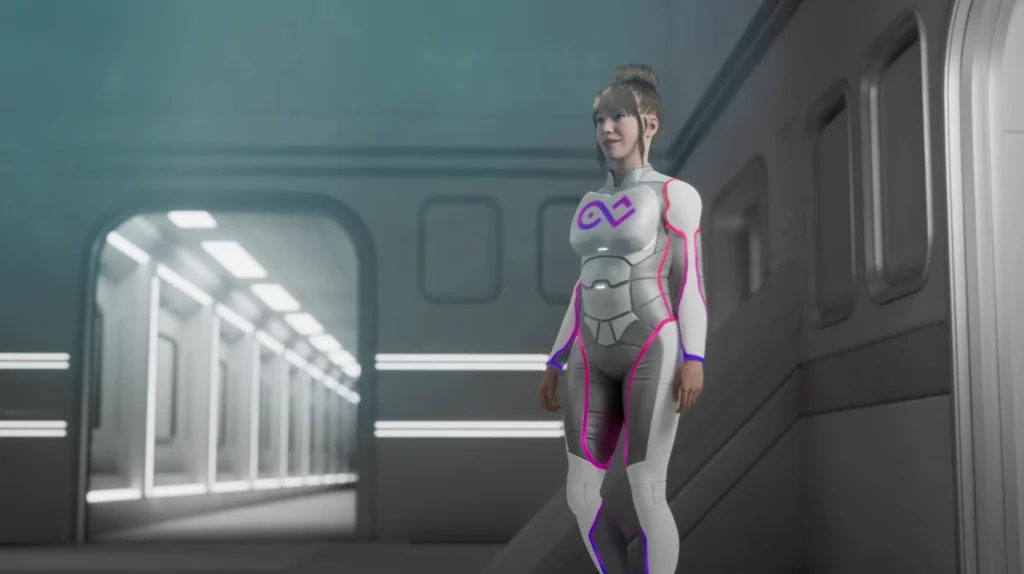
One of the most innovative and decisive applications of Artificial Intelligence in the business environment is its implementation in user experience and customer interaction (externally) and employees (internally). Where AI agents and avatars play a key role in efficiency, personalization and communication. Avatars equipped with Artificial Intelligence are already a reality among companies. V-E-G-A ( Virtual Enterprise Generative Avatar ) is the new generation of hyper-realistic virtual avatars with generative AI. Virtual avatars that allow to enrich the quality of the interactions thanks to the humanization of Artificial Intelligence . At Imascono we humanize technology projecting and developing the new era of digital products. We have Artificial Intelligence services for companies . Our team of professionals specialized in AI can help you incorporate the great advances of Artificial Intelligence in your company. With virtual avatars like V-E-G-A, not only does customer service become more personalized, but it also allows you to connect with your audience in a more natural and humanized way, collecting analytics on both interactions and user behavior with the company. If you have questions about how to implement Artificial Intelligence in your company, do not hesitate to contact with us .
Membresía digital: definición y principales ventajas
Membresía digital: definición y principales ventajas
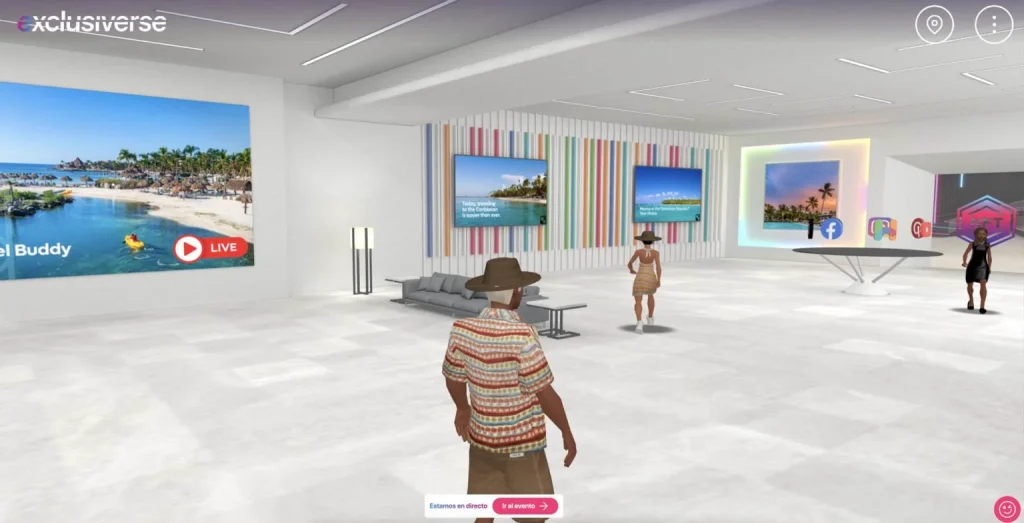
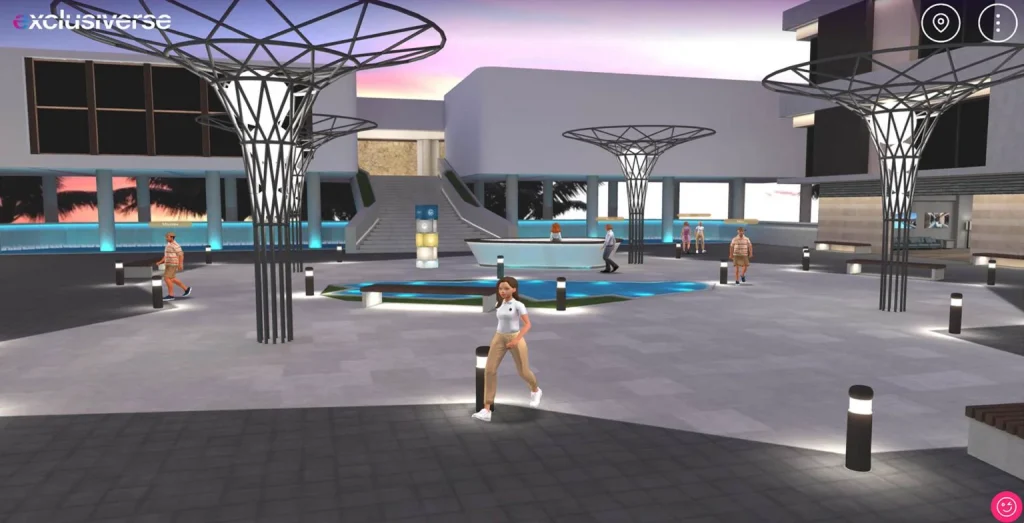
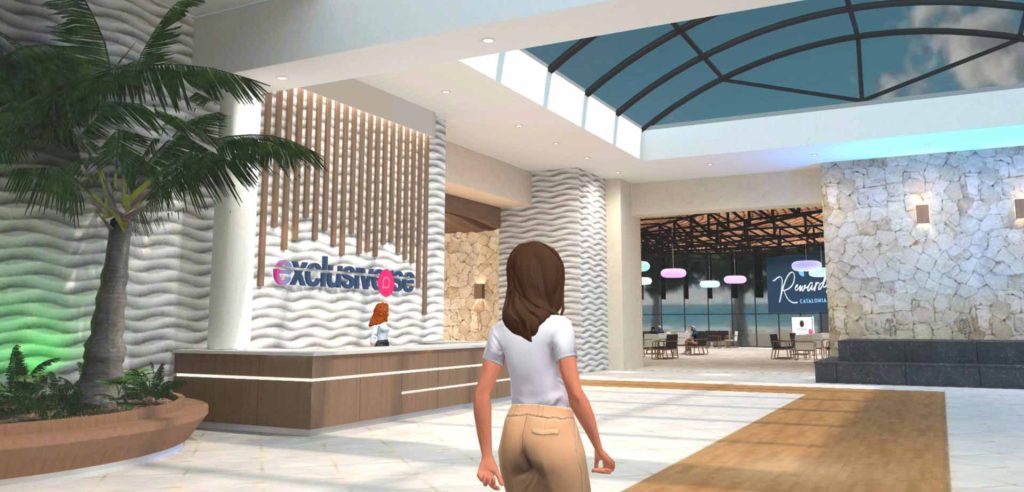
A membership or subscription service is a business model in which exclusive products, experiences, services and/or benefits of high value for customers are offered. The communication, interaction and loyalty of membership offers a new way to experience the connection with the company, its values and value propositions. In this article, we go one step further to delve into the digital membership u online . Where these benefits are managed through a web-based platform or even through virtual spaces implementing the latest technologies in the field of Metaverse , Extended Reality and virtual twins . As a success story, we will analyze the digital membership launched by the travelers' club Exclusive Traveler Club managed through its Exclusiverse . But first:
What is a digital membership?
A membership, based on its definition, is a distinction received by a customer or user from an organization in exchange for privileges, benefits or special services targeted to a specific and segmented group of customers/users. Taken to the online world, a digital membership involves the management of these benefits and exclusive content on webapps and other online platforms. Where it improves communication and brand-user relationship and customers can access the advantages and benefits from the digital world. It is one of the most profitable types of online business today. It is also one of the most widespread, so you need to know how to differentiate and offer unique and attractive experiences to the members of the membership is key to stand out from the competition. Where it is not only important the what, the services, experiences and products offered, it is also important the how. This is where the Extended Reality, blockchain technology and virtual worlds play a key role in the relationship and interaction with the users, offering virtual spaces on exclusive websites. A Metaverse in which to foster loyalty and engagement with the brand. You may be interested in → What is the Metaverse: Everything you should know about it .
Main advantages of a digital membership
A membership, both digital and traditional, offers a unique opportunity to maintain a close and direct contact with customers . For customizing products/services, shopping experience and customer service . In addition to previewing upcoming releases and offering exclusive benefits to users as members of the community. In addition to these key aspects, a digital membership offers many other advantages for the companies that implement them. These are the main advantages:
Exponential growth
The integration of digital memberships is a exponential growth both in terms of community members, customers and business benefits. Manage memberships online facilitates the way in which users discover, join and interact with other members.
Increased communication with customers
Digital memberships, especially when managed on an active online platform, facilitate communication between the organization and customers . Users can connect with the brand 24 hours a day, 365 days a year online. They can discover the latest announcements and benefits through their profile and, in addition, have a two-way and flexible communication with the brand. If complemented by the Artificial Intelligence this customer service is customized according to your specific questions and needs. Through AI avatars In this way, customer service becomes more proactive, leading conversations and fostering a closer and more natural relationship with the company. Thus, the customer/user is an active part of their membership and is aware of all its advantages.
Loyalty of the membership community
Subscription-based or membership-based models seek to customer loyalty while segmenting and segmenting customers. This allows us to offer them better content and personalized packages according to their tastes and needs. If, in addition, membership is accompanied by activities, events and virtual spaces in which to socialize, customers are linked to the community of members. Fostering the connection both with the brand and with the rest of the users.
Exclusive brand space
If you have a digital membership, why not have a digital space for members? The latest developments in 3D web spaces and virtual twins offer a unique opportunity for companies to create virtual worlds in which they can expand the engagement and connection with users . Spaces whose architecture and interactions represent the idiosyncrasy and values of the brand. Exclusive spaces in which to organize events, talks, networking, showrooms and even training. Where users can customize your avatar, have your profile and access all information about your membership and the club . You can learn more about this topic in our post-> Advantages of the Metaverse in companies .
Innovation of digital membership in tourism: Exclusiverse case study
Las membresías o programas de suscripción están presentes en multitud de sectores, pero sin duda, uno en los que estas membership aporta más valor es en el sector turístico.
Pertenecer a un club de viajeros ofrece múltiples beneficios y experiencias exclusivas para los miembros. Para las empresas turísticas, supone una forma de fidelizar a los usuarios, además de llevar la experiencia de viaje a nuevos niveles de personalización más allá de su estancia y viaje, revolucionando el antes, durante y después.
Este es el caso de Exclusive Traveler Club, el club de viajeros n.º 1 del mundo que ofrece a sus más de 80.000 miembros la oportunidad de vivir experiencias exclusivas, alojarse en los mejores hoteles de todo el mundo y tener acceso a toda una lista de servicios turísticos y de ocio especialmente diseñados para el Club.
Ahora, el club traveler da un paso más para incorporar la membresía digital en su nueva plataforma para los socios Exclusiverse. Porque, cuando el miembro no viaja, ¿cómo se conecta con el club?
Los miembros son de diferentes partes del mundo y en el mundo virtual Exclusiverse encuentran el espacio para interactuar con otros miembros, asistir a eventos exclusivos, conocer las últimas novedades de su membresía y el showroom de todas las categorías de miembros con sus respectivos beneficios. Viviendo una experiencia diferente de reserva, con un espacio y contenidos preparados únicamente para ellos.
Digital Membership through Extended Reality
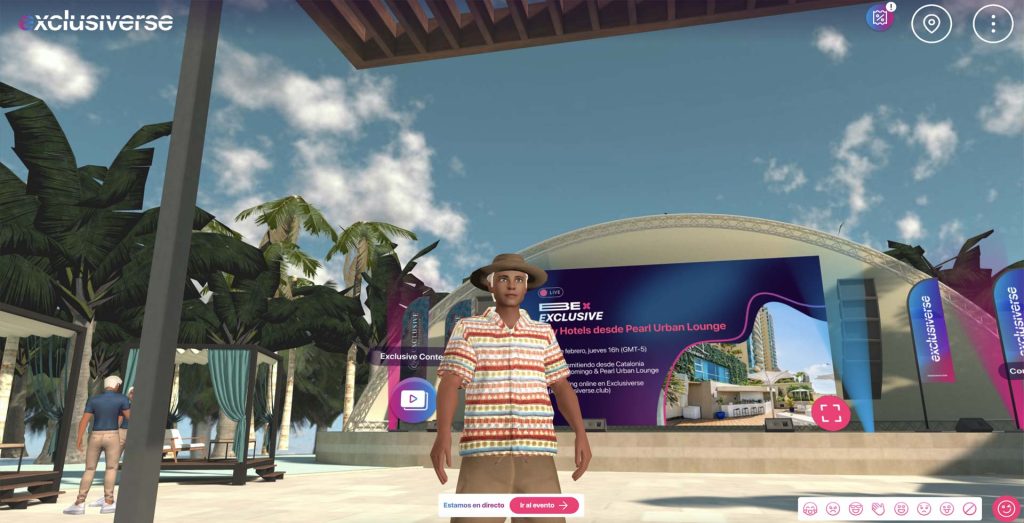
Exclusiverse is a pioneering platform for Exclusive Traveler Club members which is based on the latest Extended Reality technologies, blockchain and virtual worlds of the Metaverse. Their contribution to enriching the club's digital membership can be summarized as follows three key points:
Gamification
Undoubtedly, one of the great changes that this virtual platform offers is that digital membership itself evolves adding the Gamification to the club members' experience. Through challenges and activities, members and users of the 3D web space can enrich their membership with new benefits and extra advantages. These challenges are also open to non-members visiting the Exclusiverse public area, by informing them of all membership categories . Through the platform, they are invited to join the club, making the space itself a new channel of diffusion to reach new users.
Blockchain and web3
You are at digital memberships and their internal management are based on the revolutionary blockchain technology . A digital blockchain that protects each member's information and can be updated with each action performed by the user within the platform. Like acquiring extra benefits for your digital membership, the complete gamified challenges or make use of the virtual currency in the Exclusiverse store. and booking of travel experiences.
Virtual Spaces
With platforms such as Exclusiverse, the travel experience goes beyond the airplane and the hotel stay . The before and after takes on greater weight thanks to technology. With the development of interactive and multi-user spaces the community of members is strengthened and the relationship with the company. They are virtual spaces where you can share your travel experiences, continue to enjoy the VR activities and where you can encourage the loyalty through exclusive content, discounts, events and unlocking new interactive experiences. In addition, the tendency of the "try before you buy". The hotel's digital twin, projecting what the travel experience will be like: touring the hotel's facilities yourself through its digital twin, trying out in Virtual Reality activities that can be booked or travel virtually to the most exotic destinations offered by the club. All this to encourage the booking and that the trip itself starts from home. If you are interested, you can learn more about this topic at Metaverse and Tourism: revolution in the sector .
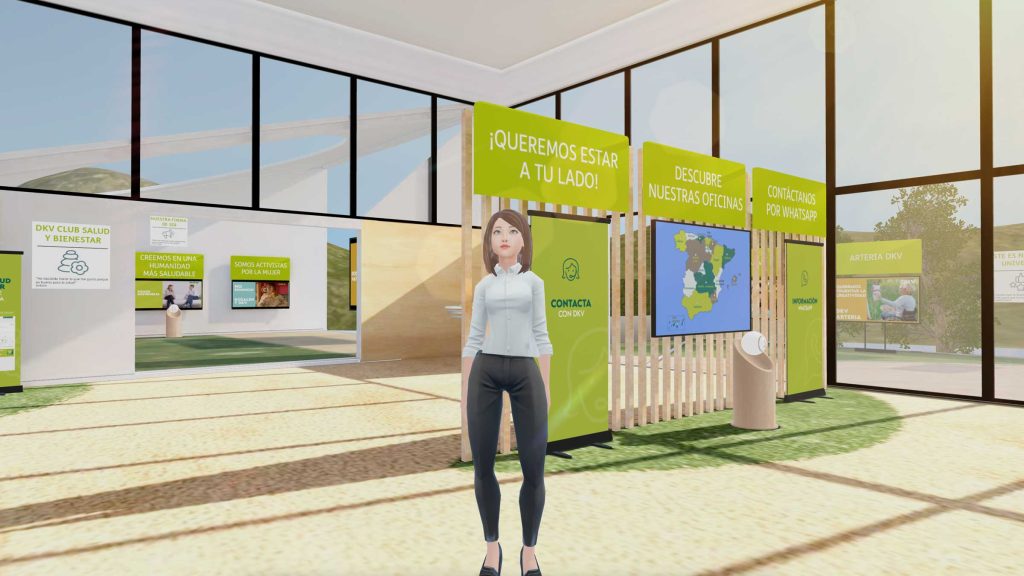
Metaverso desarrollado para DKV por Imascono
Exclusiverse supone todo un caso de éxito en el desarrollo de espacios virtuales para enriquecer y llevar más allá la membresía digital. Un mundo digital que puede plantearse para todo tipo de empresas y sectores, suponiendo una nueva vía de interacción y comunicación con los usuarios/clientes.
En Imascono sabemos que la relación entre marca-cliente es clave en el mundo actual y lo será también en el futuro. Con más de 12 años de experiencia en el desarrollo de proyectos sorprendentes enfocados en el Metaverso, Realidad Extendida e Artificial intelligence, nuestro equipo de ingenieros y diseñadores estará encantado de ayudarte a potenciar tu membresía digital en el nuevo contexto virtual. Contact us y lleva tu membresía al siguiente nivel.
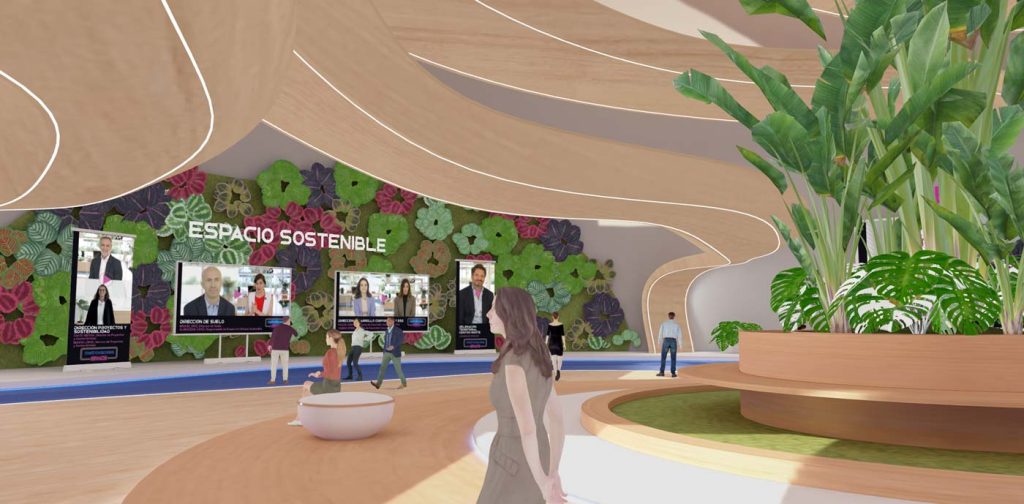
Metaverse developed for Metrovacesa by Imascono
How to work in the Metaverse with your company: characteristics and steps
In recent years, we have seen how the digital world has become increasingly important in our society, and also in our businesses. The Internet has become the showcase The company is the connection point and main source of income for a large number of companies, and its importance is growing every day. Companies are immersed in an accelerated process of digital transformation to adapt our business models to the new digital ecosystem. But companies are not the only ones evolving, the Internet itself is evolving. This is how the concept of the 3D Internet or Metaverse was born, where our digital presence will be increasingly more complex and complex. more immersive , more customized and more humanized. In this article we would like to delve into how companies can work in the Metaverse How to get the most out of this new virtual space to revolutionize your digital presence. In addition to the most demanded profiles and the benefits that the Metaverse offers to companies.
Showroom type Metaverse developed for Lekue by Imascono
Potential of the Metaverse in the present and future
Metaverse Internet, 3D Internet, Extended Reality, Spatial Computing... are different terms that refer to the same concept: the idea of extending reality, making the interaction between the human being and the Internet more interactive. real world and the virtual world is more natural, more humanized. Going a step beyond static websites, social media profiles and links and hyperlinks. Being able to superimpose digital elements on the reality itself or teleporting us to immersive virtual spaces where interaction is no longer through a mouse or keyboard, we ourselves are the ones who move through the digital world. The Metaverse, as a unique virtual universe of multiple linked three-dimensional digital worlds, is under construction. Little by little, brands have been developing their Metaverse experiences in their own immersive 3D spaces, accessible from today's most democratized devices, cell phones and computers. In the future, it is expected that this interaction within the Metaverse will take place through the new devices of Extended Reality The company's latest generation of VR glasses, Mixed Reality headsets and new Spatial Computing devices. In addition to the futuristic haptic suits and even the possible XR contact lenses that are already starting to have patents registered. If you are interested in learning more about this topic, please visit What is the future of the Metaverse?
Main advantages of working in the Metaverse
As we have seen, the Metaverse is positioned as the the next generation of the Internet the 3D Internet in which we can enjoy an immersive, three-dimensional and multisensory experience thanks to the combination of different devices and technologies. Bringing your company into the Metaverse ecosystem features múltiples ventajas . Both internally and externally, the virtual spaces in the corporate Metaverse offer:
Closer interaction with users
This new virtual universe is a unique opportunity to humanize our interaction with users in the digital world. Creating closer, more intuitive connections that go beyond hyperlinks and social media profiles. In the Metaverse we have our own avatar our own world, where users are freer to discover our brand. Virtual spaces where we can also organize trainings, events and product presentations open to everyone. You may be interested in → What is a virtual avatar .
New markets and lines of business
Una de las ventajas más importantes que ofrece el Metaverso es el desarrollo de su propio mercado global, en el que se estima que en los próximos años surjan nuevos intercambios socioeconómicos. Además de nuevos puestos de trabajo digitales y tecnológicos como los que veremos a continuación.
En este nuevo ecosistema digital también habrá espacio para empresas 100% ‘metaversianas’ y nuevas líneas de negocio más tradicionales a través de su metamorfosis digital. Nuevos mercados como el impulsado por Exclusive Traveler Club a través de Exclusiverse, un espacio virtual web donde el club de viajeros n.º 1 del mundo reúne a sus más de 80.000 miembros en un Metaverso donde se fomenta la comunidad, el loyalty y las nuevas membresías basadas en la tecnología NFTs.
Improved productivity and training
The irruption of the Metaverse and its complementary technologies (Spatial Computing, Augmented Reality, Virtual Reality) in business activities revolutionizes two key aspects of any industrial\/business company: the productivity y la worker training . Through 3D simulations, companies are able to anticipate results and save costs thanks to testing in the virtual universe. Being able to make modifications to the strategy and assembly line through 3D models. In addition, these controlled virtual spaces promote the active participation of professionals in the training process. All thanks to the Gamification and the development of challenges and rankings.
Fostering creativity and innovation
The corporate Metaverse brings with it a new digital revolution The new technology is affecting all companies, regardless of their size, just as the development of web pages and the emergence of social networks did in their day. This new digital ecosystem represents a creative and innovative challenge for all sectors. Where, in addition to adapting current business models to the new virtual channel, companies have the opportunity to generate new value propositions, with new strategies, new lines of business. Exploring new possibilities.
Most demanded professional profiles
All this leap into the Metaverse requires the appropriate team of people. In addition to carrying out this digital transformation accompanied by professionals specialized in designing and developing these interactive products for companies, it is important that the company itself has a series of professional profiles. People who can provide continuity in content and updates to this new space and communication channel for organizations. Below, we present you the 5 most in-demand professional profiles in the corporate Metaverse:
1. Diseñadores y desarrolladores
These new virtual spaces need professionals who design the user experience and interface and develop the 3D elements and programming. behind all interactions. Technical professionals that can be internal or external teams, who know how to transfer the essence and objectives of the company to the new digital worlds.
2. Data Scientists
One of the most important characteristics of the Metaverse is the number of interactions and actions generated in these virtual spaces. For this reason, companies must have data professionals in their teams who know how to to collect all these analytics , analyze them and find patterns and trends in behavior. Proper data analysis provides companies with a deep knowledge and understanding of their users.
3. Marketing digital
The Metaverse becomes a new channel of communication and interaction with users\/customers Therefore, it must have digital marketing professionals who take advantage of all the new opportunities offered by this virtual ecosystem. These marketers need to be technologically savvy and knowledgeable about the latest developments in the field. creative technologies , Extended Reality and Marketing 5.0 .
4. Cybersecurity experts
This leap of companies to the virtualization of their services requires that there are cybersecurity experts supervising all actions that are carried out. A cybersecurity specialist is a professional who is dedicated to protecting computer systems, networks and data from attack, damage or unauthorized access. These virtual spaces will be meeting points, points of sale and information exchange between many users, so that all interactions must be based on the following security measures adequate.
5. Chief Metaverse Officer
At the management level, we find the position of Chief Metaverse Officer The person responsible for the development and maintenance of a company's online presence in the Metaverse. A person with a deep knowledge of video games and the Web3 ecosystem, who in addition to the technical aspects, get to know the creative side of the market The company's community and actions in the virtual universe.
Work in the Metaverse with your company
At Imascono we know that the present and future of companies goes through the Metaverse. That is why we have a whole area specialized in the development of experiences for the business Metaverse called Business To Metaverse. Through our work methodology and the experience of more than 12 years of activity in the Extended Reality ecosystem, Spatial Computing and Artificial Intelligence we have accompanied companies such as Iberdrola , DKV o Metrovacesa in its leap into this new virtual ecosystem. If you want to know how to start working in the Metaverse and you need a team to accompany you in this technological leap, get in touch with us and we will solve all your doubts.
Phygital as a new dimension in user experience
Phygital as a new dimension in user experience
The physical and digital worlds have never been more interconnected. Now, the offline and online merge, in a single new user experience strategy known as phygital. Its importance is vital for all sectors, especially in marketing, entertainment and retail, where the bet for putting the customer at the center , generate emotional connection , engagement and loyalty, comes to life, both in physical spaces and in the virtual universe. In this article we will take a closer look at this trend, to know the most representative phygital projects in different sectors and discover its full transformative potential and innovative in the business world . Undoubtedly, we are witnessing the birth of a new dimension in the Customer Experience .
Spatial Computing Project by Imascono
What is phygital?
Before knowing the benefits and main success stories of the implementation of the phygital strategy in companies, it is important to review what this trend consists of. It refers to the union of the physical and digital worlds by merging the two words physical and digital. The phygital projects seek to incorporating digital functionalities into the physical user experience a process that integrates both worlds to:
Crear una experiencia de compra cómoda, autónoma e híbrida.
Sorprender a los usuarios con propuestas innovadoras, divertidas y atractivas que cambien la visión que se tiene de las tiendas y espacios físicos.
Dotar de tecnología a los espacios físicos de las compañías. Dando un paso en la Digital transformation y en la interacción con los usuarios.
The phygital trend is the natural path for businesses looking to adapt to the new behaviors and consumer demands, focusing on the omnichannel strategy. Where the attendance , immediacy and proximity of face-to-face actions is combined with the latest advances in the digital world in terms of personalization, Gamification and measurement through dashboards. All this so that the essence of the brand reaches users in a totally innovative, entertaining and fun way.
Main elements of the phygital experience
The union between the digital world and the real world can unfold in many ways, but the goal is clear: consumers want to to keep the best of the traditional physical stores and the new proposals of the digital channels. The combination of both proposals is the phygital experience The final strategy depends on the type of user of each company, but in general, it has the following main elements:
Extended reality
Extended Reality is the great union of all immersive technologies in which the real and digital worlds complement each other. Through the Augmented Reality and Virtual Reality companies can go beyond the physical boundaries, offering unique experiences to users/customers that connect them emotionally with the essence of the brand. Thanks to the most innovative proposals of the DOOH marketing ( digital out of home ), such as Ecoalf's campaign, or AR games such as the mobile experience of Lacasitos . Inside its famous tubes were hidden funny characters that came to life in the real world through its App.
Digital displays
The digital displays have become a fundamental piece in the implementation of showrooms, pop-ups, stores and innovative and technological physical spaces. However, beyond the hardware, the phygital trend also focuses on content . In the development of experiences, animations, special effects, gamified challenges and photocalls, users are immersed in a completely new and virtual world that is created around them. Innovative actions with great emotional impact, as in the interactive showcase developed in partnership with Disney and El Corte Inglés to promote one of the latest films in the Star Wars saga. Where fans, when passing in front of the glass, are automatically transformed into characters of the story.
Gamification
The Augmented Reality The creativity and fun of these interactive experiences have a place even in the most businesslike environments, thanks to the use of the gamification as a way to connect with users/customers . A different way to present the company's image and generate a positive memory that translates into notoriety, positioning and future commercial sales. You can learn more about it thanks to our post: Augmented Reality in advertising with interactive content .
3 benefits of the phygital experience
The phygital trend is a real breakthrough for companies towards the digital transformation of their business models and value proposals . Benefits that can be summarized as follows:
1. Increased reach and return on investment
Phygital experiences provide companies with a unique opportunity to reach out to much larger audience . By integrating both online and offline channels into a single shopping experience, you can increases number of interactions and customer engagement . They are the ones who actively personalize their experience with the brand, tailoring it to their needs, which fosters both connection with the company and satisfaction. This personalization when it comes to connecting with the brand and the commitment to phygital technological experiences can be seen in the Movistar Plus Flagship Stores where, for the first time, users can enjoy their favorite series and programs, such as La Resistencia, Paraíso or Reyes de la noche, in person.
2. Implementation of omnichannel strategies
The incorporation of the phygital trend represents the definitive step of the omnichannel strategy, where the digital world definitively reaches the physical space. AR showcases, virtual fitting rooms that recommend complete looks, consultation and shopping totems throughout the physical store. And even, discounts scattered throughout the space to catch through the webapp o Interactive photocalls that gamify the user's visit. A new innovative customer journey that transforms stores and even large shopping malls as in La Torre Outlet the Spain's most digitized shopping center that combines the latest cutting-edge technologies into a single strategy and customer experience.
3. Boost the connection with the brand
Phygital experiences seek to increase participation and emotional connection of customers with the brand. It boosts user engagement and interaction, making their spaces more attractive, merging the online and offline strategies of companies thanks to technology. A goal that goes beyond the retail sector, even reaching the banking sector. As in the case of Ibercaja which has opted for the remodeling and digital transformation of its headquarters. With a new Xplora Space that changes the perception of your company, proposes new activities and, thanks to technology, connects users with the products, services and new brand image. You may be interested in → Virtual fitting rooms as a trend in the retail sector
The future of phygital in user experience
The future of the phygital trend in the business world promises to continue to evolve towards an even deeper integration between online and offline channels. Where the evolution of technology will also play a key role. The further development of technologies such as Augmented Reality, the Spatial Computing y la Artificial Intelligence will further enrich these hybrid experiences: The future of phygital is, in turn, marking the future of large industries:
Phygital en retail: este tipo de proyectos consiguen romper las barreras entre el mundo virtual y el mundo real, también en el sector retail. Convirtiendo a las tiendas físicas en punto de encuentro donde divertirse y sorprenderse. Una propuesta única que motiva el efecto llamada, haciendo partícipes a los usuarios en la acción promocional, fomentando el recuerdo de marca y también la posterior venta.
Phygital en publicidad: si hay un sector donde la innovación, la creatividad y la diversión son factores claves para conectar con la audiencia, es en la publicidad. En estos ámbitos, las experiencias phygital consiguen impactar positivamente en el público presencial de forma eficaz, original y poco intrusiva, además de introducir en el proceso los análisis y métricas del marketing digital.
Phygital en turismo: las experiencias phygital pueden ir más allá de las acciones promocionales para gamificar todo tipo de espacios, incluidos los más culturales como los museos, los monumentos y las diferentes zonas de interés turístico. En este tipo de experiencias, el público toma la iniciativa y se sumerge en el mundo 3D creado especialmente para ellos, pudiendo interactuar con todos los elementos y llevándose una fotografía final de recuerdo. Así, los visitantes pueden entrar y formar parte de un cuadro, viajar virtualmente a diferentes ciudades y países e incluso hacerse una fotografía junto a Rafa Nadal como broche de oro para acabar la visita a su espectacular Rafa Nadal Museum en Manacor.
Imascono phygital projects
The phygital trend is more present than ever in the strategies of our companies. The physical world is becoming richer, thanks to technology, and is proposing new and surprising innovative proposals The new website, with animations, special effects and interactive content, attracts all eyes and connects with users. In the following, in addition to the examples that have been shared in the previous sections, we will focus on the following examples most important phygital success stories.
Con motivo del estreno de la película Thor: Ragnarok, Marvel and Disney buscaron desarrollar una Phygital experience que permitiese llevar el storytelling de la película más allá de las pantallas. El resultado fue un photocall interactivo de Realidad Aumentada, donde además de sentirse como el dios del Trueno, todos los espectadores se llevaban una fotografía impresa de recuerdo.
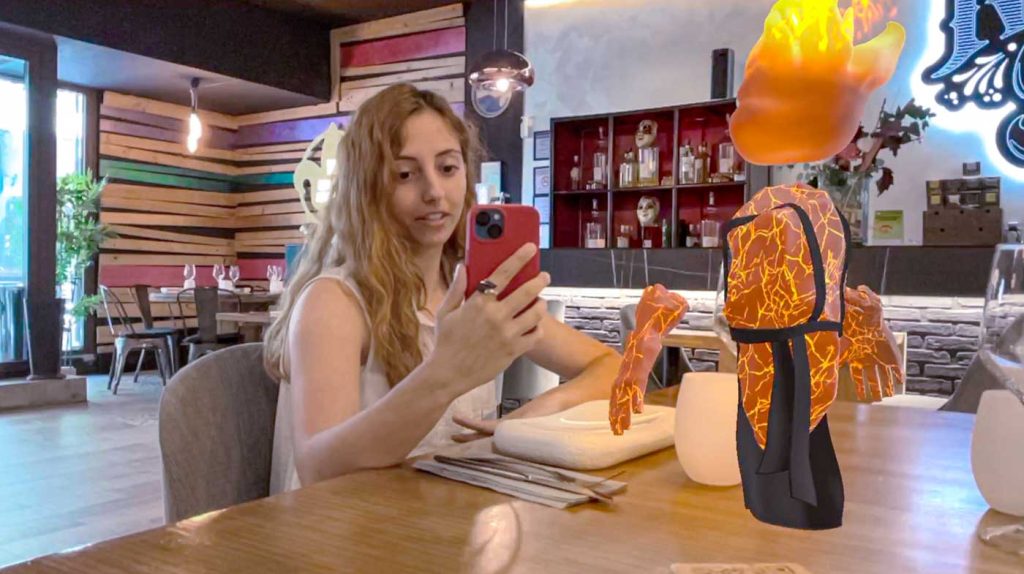
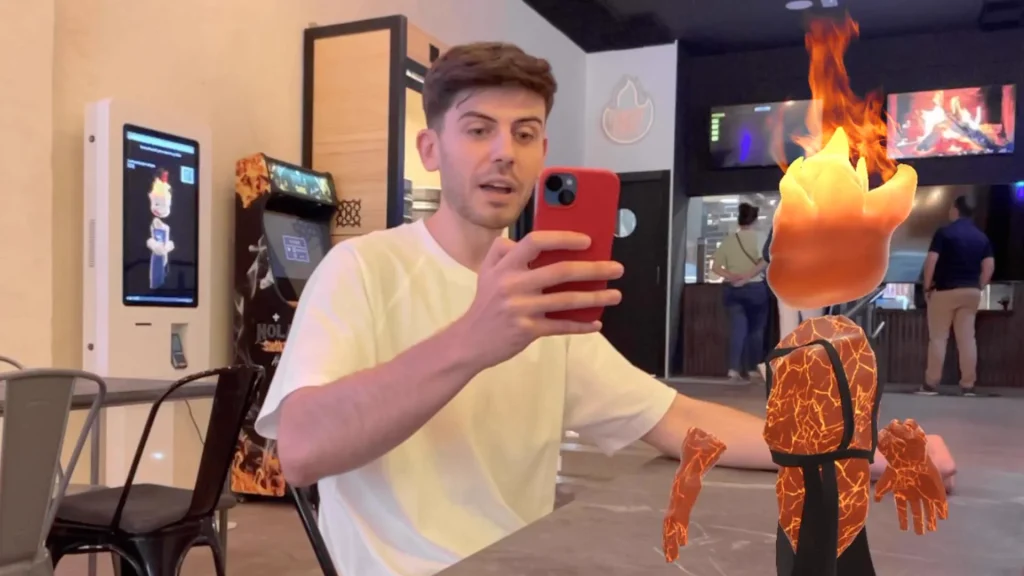
Las experiencias phygital también han llegado al sector de hostelería y restauración, siendo Smoky de Nola Smoke su gran caso de éxito. A través de avatares virtuales, Inteligencia Artificial, Hologramas y Realidad Aumentada, el espacio se digitaliza, desde la entrada hasta la recogida de los pedidos. Todo para ofrecer una experiencia única, diferencial y divertida a los amantes de las hamburguesas.
Un ejemplo de proyecto phygital en el sector público lo encontramos en la apuesta por las experiencias inmersivas e interactivas por las calles de Zaragoza. Con Arte Conectado, enmarcado en el proyecto de smart city Paseos Comerciales, las calles de la ciudad cobran vida a través de la Realidad Aumentada. Mostrando la historia, cultura y el arte de las distintas zonas de Zaragoza gracias a la tecnología.
The virtual universe is becoming more and more present in our daily lives, and the digital transformation of companies marks the present and future of the business world. Disney, Telefónica, Star Wars, Marvel, Ecoalf, Lacasitos... there are many brands that rely on Imascono to transform the engagement , emotional connection and customer experience that they propose in their commercial actions. With more than 12 years of experience in the development of amazing phygital projects, our team of engineers and designers will be happy to help you take the next big step in the digitization of your company. Do you need a phygital project ? ¡ Contact with us and we will solve all your doubts!
Tendencias tecnológicas en los parques de atracciones: Realidad Virtual
Tendencias tecnológicas en los parques de atracciones: Realidad Virtual
With the advent of immersive technologies, the entertainment expands beyond its current boundaries . Extended Reality, the Metaverse the Spatial Computing ... applied to cinema, big shows, theme parks, sporting events and video games... takes the immersion of the audience to its maximum expression. Being able to enjoy a complete sensory experience. Where attendees enter much more elaborate and fantastical worlds, where no real danger is involved. Worlds where even the animated characters cross the digital border, interacting with the real world as if they were part of it. The idea is to move from storytelling at storyliving. From being mere spectators to being part of the action. In this article we will take a closer look at technology trends in the entertainment sector. Specifically, we will analyze the impact on the Virtual Reality amusement parks Ready to start this adventure?
Spatial Computing Project by Imascono
Virtual Reality in entertainment
The Virtual Reality is a before and after in the way in which we consume multimedia content, where the immersion in the action makes the fourth wall disappear to immerse us inside the entertainment universe. A change that becomes a reality, moreover, because it involves all of our body, movements and senses beyond the audiovisual . With the incorporation of multisensory masks that activate the sense of smell or haptic suits that bring the sense of touch to virtual entertainment. New science-fiction-like devices that make the experience much more real, allowing the creation of new and surprising adventures. As in The Twists and Turns of Life the audiovisual production of VidaCaixa and Movistar Plus that becomes the first Spanish filming in the Metaverse by transferring Carmina Barrios, Henar Álvarez and the whole 3D neighborhood to the virtual world. In addition, viewers can join the experience and enjoy exclusive content and challenges through their own virtual glasses. You may be interested in → Virtual Reality: examples and applications .
3 benefits of Virtual Reality in an amusement park
Theme parks are in full swing digital transformation . Technology is something that is already part of the daily life of visitors, so when they enter the amusement park, they look for the experience to go a step further: in immersion, fun, personalization, adrenaline and sensation generation. In relation to the amusement parks the Virtual Reality allows for greater interaction and personalization in the attractions, roller coasters, shows and tours that take place within the enclosure. Enhancing gamification and the generation of an entertainment experience that goes from the entrance to the exit of the park. The following is a review of 3 benefits of incorporating Virtual Reality in amusement parks:
Mejora de la experiencia de usuario
Undoubtedly, one of the main benefits of incorporating Virtual Reality and other immersive technologies into amusement parks is the revolution in the user experience of visitors . Visitors who demand much more immersive, surprising and impactful experiences. Thus, creative technologies make it possible to go beyond physical limits, linking the real world with the digital world . From live shows that incorporate special effects in real time, gamified tours with treasure hunts and escape rooms throughout the park, roller coasters that through VR glasses or virtual scenarios immerse you in new worlds or even parades and props that come to life around us. All this surprising visitors and changing the image of currently held about amusement parks.
Customization and variety of options
Technology plays a key role not only for visitors, but also for the amusement park itself. The future of theme parks and amusement parks lies in an ever-increasing greater customization for your customers . Every park will know who enters, their name, their age, probably their likes and dislikes, and, therefore, they can adapt the park for each user. Each visitor's experience will be different and uniquely customized for each visitor. Virtual Reality, in addition, allows using the same headsets, to be able to change the different 3D universes that are kept inside. Offering a greater variety of options, a greater adaptability and even customizing the attractions to each of the users - level of difficulty, points to achieve, theme of the year... What allows amusement parks to be much more flexible and adapt its entertainment offerings based on visitor demand and feedback.
Increased interactivity
By incorporating Virtual Reality into the attractions, it adds an additional layer of immersion and interaction . For example, by combining a roller coaster with VR glasses, the storytelling and theme of the attraction reaches a higher level of connection with the users. In addition, the visitor can become an active part of the story. Catching points, encourage involvement and gamification through the use of rankings among users of the attraction, hide a series of clues and discounts... Making each one of the roller coaster rides or passes in any attraction different from the previous one.
The Future of Extended Reality in Amusement Parks
Virtual Reality is not the only technology that is transforming the value proposition of amusement parks. Below, we present the latest technological trends in entertainment where Extended Reality, Big Data, the Internet of Things (IoT), the Artificial Intelligence y la Augmented Reality play a key role.
1. Mapas interactivos
The Augmented Reality technology transforms the way users discover the park. through the development of interactive maps. AR maps with geolocation technology where by simply pointing their cell phone around them, they can discover the way to an attraction, discover hidden rewards, complete challenges that add points to the global ranking and know in real time the waiting times. Helping visitors navigate through the facilities easily and turning the park itself into a Augmented Reality escape room on a large scale.
2. Smart bracelets
Wearables are, without a doubt, one of the biggest current technological trends. These are customized smart devices for each user, where all the important information is stored to enjoy the amusement park to the fullest. These smart bracelets save the profile of each user The park's attractions, your tour, attraction passes, and admission benefits. In addition, visitors can accumulate points based on the challenges proposed throughout the park and attractions. You are at smart bracelets can be connected both to the park's app, where users can see the record of their activities, their ranking and accumulated points, and to the amusement park's own database. Having more information about the use of the facilities in real time, the most demanded attractions and user feedback.
3. Reward systems
If there is one element that encourages participation and involvement of users, is the reward system. A new form of user experience in amusement parks, where the visit is personalized, data is collected in real time and, above all, it enhances the Gamification inside the park. By incorporating reward systems into the attractions and on the rides between them, visitors can earn points, achievements and badges for completing challenges Discover hidden treasures and reach milestones. Rewards that can be redeemed for prizes, discounts or exclusive experiences. A system that encourages visitors to explore the park, discover all the points of interest and get to know proposals they had not thought of at first. For the amusement park, this is a real commitment to the personalization of the experience and cross-selling promotion with the rest of the activities inside the park.
4. Haptic suits
Haptic suits are technological devices through which the wearer can feel the virtual world. Thanks to microsensors, these suits connect what the user is experiencing in Virtual Reality with their own sensations in the real world. Providing a complete immersive experience beyond the senses of sight and hearing. For amusement parks, these haptic costumes are the most important development of new proposals that are more immersive and realistic . Through gloves, vests or even full suits, these users "feel" the virtual world and the adventures that take place in it.
5. Phygital experiences
Technological breakthroughs in amusement parks not only occur in the virtual world, they also have an impact on the real world through the phygital experiences . Proposals that combine the physical with the digital, creating unique and attractive experiences that turn the entire park into a large playground. Through phygital experiences any corner of the park can be turned into a striking spot . Whether through large screens with 3D content, interactive photocalls, interactive experiences or gamified challenges. You can learn more about this trend in Phygital as a new dimension in user experience.
Examples of interactive virtual attractions from Imascono
Entertainment and, in particular, the amusement parks are in the midst of a leap into the future . With surprising technological and innovative proposals that enhance the emotional connection of users. In this section, we will learn about some of the most striking examples of interactive virtual attractions.
Propuestas como el escape room virtual de Foster Hollywood, The Other Side, para la noche más terrorífica del año. Una experiencia móvil inmersiva en la que los usuarios tienen una misión: evitar que los zombis crucen la frontera entre el mundo virtual y el mundo real.
Otro ejemplo de proyectos de entretenimiento es la gymkana en Realidad Aumentada desarrollada por Lacasitos. Un juego AR pensado para los más pequeños de la casa, en la que los niños tienen que atrapar a sus personajes favoritos en las calles de su ciudad.
Una de las atracciones virtuales interactivas más sorprendentes es Frozen Emotion. Donde a través de una experiencia VR, los usuarios cruzan un puente colgante entre dos grandes cimas del Pirineo. Un puente que además se hizo a escala también a nivel físico, llevando la experiencia al mundo real, haciéndola mucho más emocionante e inmersiva.
Un proyecto phygital del mundo del entretenimiento que destaca por su creatividad, originalidad, innovación y premios es la experiencia inmersiva de Disney y Star Wars. Donde los usuarios, al pasar por el escaparate AR, se convertían al instante en uno de sus personajes favoritos de la saga de ciencia ficción.
Otra atracción interactiva de Disney es el photocall de Realidad Aumentada de Marvel. Una acción de promoción y marketing de su película Thor Ragnarok en la que los fans de los superhéroes se sintieron protagonistas del mundo de Asgard.
Undoubtedly, if there is one thing that all of these entertainment projects have in common, it is that the user is at the heart of the experience immersive. Different proposals in which from Imascono we have contributed our knowledge, creativity and know-how of new cutting-edge technologies. With more than 12 years of experience in the development of amazing projects focused on Extended Reality and entertainment, our team of engineers and designers will be happy to help you enhance your amusement park in the new technological context. . Contact with us and take your attractions and theme parks to the next level.
Inteligencia Artificial en el turismo: características y ejemplos
Inteligencia Artificial en el turismo: características y ejemplos
In the current era, if there is one technology that is transforming the business world it is the Artificial Intelligence (AI) . Where the tourism sector is no exception. AI tools have demonstrated their ability to drive efficiency, make predictions, analyze large amount of data automate processes and revolutionize customer service through hyper-personalization. Key points for tourism that represent the digital transformation of its travel experiences. In this post, we will analyze in detail all the applications and use cases of the Artificial Intelligence in tourism The project is based on the use of the new technology, its characteristics and examples of current projects.
Virtual Avatar with Generative Artificial Intelligence created by Imascono
Artificial Intelligence applied to tourism
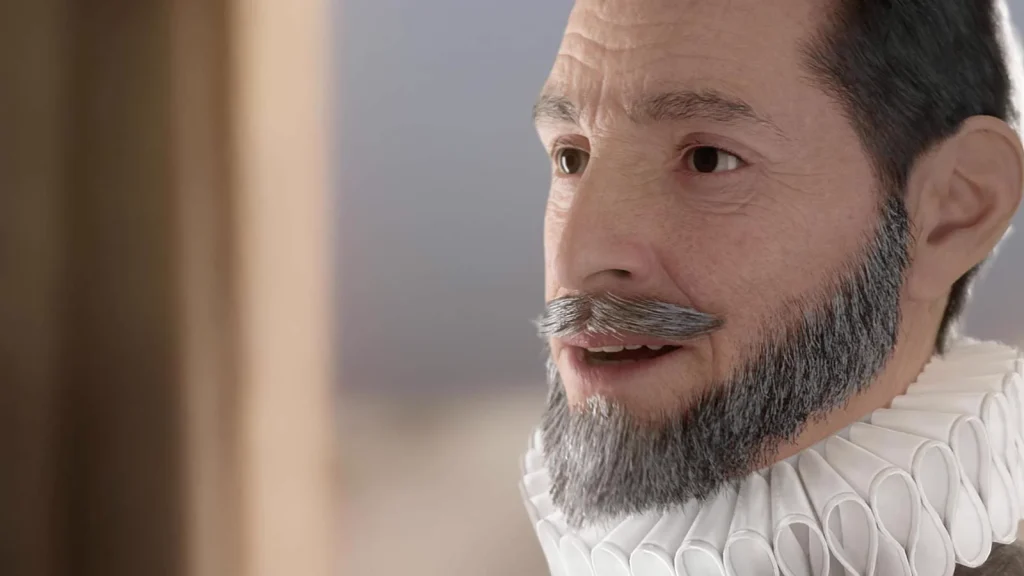
If we look at the definition of Artificial Intelligence This technology is defined as the ability of machines to perform tasks that normally require human intelligence. Tasks such as learning, decision making and pattern recognition. These are a combination of algorithms and machine learning models that seek to act and/or think like human beings. Acquiring the cognitive capabilities of a person. Its applications in the business world have great potential to streamline and deepen data analysis and content personalization. In relation to the Generative Artificial Intelligence (Gen AI) This technology has also proven to be an ally in the area of creativity, with the generation of images and texts with a high level of detail. In the tourism sector, AI enables companies in the tourism industry to generate customized content in real time The new technology allows to automate and optimize processes and even incorporate virtual assistants / AI avatars that respond to all the needs of tourists. Becoming personalized guides that humanize the interaction with tourists and are trained with an extensive database of the tourist destination. About avatars endowed with Artificial Intelligence which can take the form of a robot such as iUrban's virtual travel agent, Cicerone, or one of the most illustrious characters of universal literature such as Miguel Cervantes for the touristic visit to the Alcázar de San Juan . Cervantes IA is able to offer visitors all kinds of answers about its history, its novel and about the visit to one of the most emblematic places in Castilla La Mancha. You may be interested in → Tourism and technology: characteristics and advantages .
Characteristics and benefits of Artificial Intelligence applied in tourism
Artificial Intelligence has demonstrated its ability to boosting efficiency to improve the customer experience and to open new business opportunities in the tourism industry. From the hyper-personalization of services and offers of smart destinations We also offer multilingual customer service in real time or the generation of virtual guides that attend to all kinds of doubts and needs. All this with the objective of improve the travel experience and customer satisfaction. The following are the main characteristics and benefits of incorporating Artificial Intelligence in the activities of tourism companies:
Mejora de la experiencia de usuario
One of the advantages offered by the incorporation of this technology is the improvement of the user experience. Facilitating the interaction between the company and the traveler at three key points: comfort , customization and immediate availability of information. Thanks to Artificial Intelligence, travel companies and travel agencies are able to offer their customers a more efficient and effective service. total autonomy to customize your trip based on your interests and preferences. For example, offering suggestions of restaurants, tourist points of interest and even managing the AI itself the booking of activities, accommodation and trips. Improving the customer experience by providing information and useful tips before, during and after the trip.
Management of the tourist offer
Beyond personalized traveler service, AI is helping tourism companies to manage and optimize travel and accommodation offers more efficiently. By analyzing real-time data from different internal and external sources, Artificial Intelligence is capable of forecast demand , adjust prices and maximizing occupancy and tourism services. Playing a key role in optimizing resources and maximizing profits. Helping tourism companies make more informed decisions by bringing together Artificial Intelligence and Big Data.
Detection of user patterns
Artificial Intelligence in tourism allows customize the tourist offer adapting it to the interests and preferences of each traveler. Identifying patterns and trends in travelers' behavior. All thanks to AI algorithms that analyze demographic data, travel booking history, preferences and other information of interest to provide personalized recommendations. Creating unique experiences e individualized for each customer. In addition, thanks to this technology, tourism companies receive real-time feedback about the needs, questions, opinions and doubts of the users. By being able to make a record by type of user of all interactions with Artificial Intelligence.
Atención personalizada
One of the main benefits of the incorporation of Artificial Intelligence in the tourism industry is the leap in quality and personalization in customer service . Thanks to AI tools, travelers make their queries more enjoyable and accessible, including through virtual travel agents trained with Generative Artificial Intelligence with whom they establish an natural conversation . Both in the tourist spot itself through physical totems and through its own mobile and website, as in the case of Cicerone, iUrban's robot that manages a virtual travel agency in 95 languages.
Applications of Artificial Intelligence in the tourism sector
As main applications of Artificial Intelligence in the tourism sector we highlight:
1. Automatic translators
The communication and interaction of travelers with the tourism destination is fundamental in this industry, especially when we talk about the international level . The automatic translations facilitate communication between people and languages. Artificial Intelligence enhances this communication by performing higher quality translations by processing natural language, and offering voice and intonation as a key point. AI even becomes the intermediary in the conversation. A translation that can also be offered on websites, applications and in the tourist offices themselves, as it is provided with AI avatars who can serve visitors in different languages.
2. Fijación de precios
Undoubtedly, one of the most demanded strategies by tourism companies when it comes to managing the sales of products/services and resource optimization is pricing. An action that thanks to the latest advances in AI tools has been democratized to different types and sizes of companies. Making it possible for tourism companies to adapt in real time to the needs and demands of the market in a more efficient and controlled manner.
3. Chatbots
Generative AI-powered ChatBots offer a more efficient and effective way to near and in real time of interacting with travelers in the tourism sector. These chats answer frequently asked questions, provide information on reservations and offer personalized recommendations. They are able to understand natural language and adapt their tone to that of the interlocutor. Improving traveler satisfaction.
4. Virtual assistants
Going one step further than Chatbots, we find the avatars / AI assistants . Virtual beings in which the Artificial Intelligence becomes humanized to offer a more natural experience when it comes to conversing, resolving doubts and providing information to users. Beyond chat and text, virtual avatars offer a bidirectional interaction where the Generative Artificial Intelligence talks, reads and listens to you thanks to its personalized training in terms of content, tone and language. Virtual assistants who, in hotels and vacation destinations become true digital butlers, always accessible to guests, both on the hotel app and at the front desk. If you are interested, learn more about the Generative Avatars with Artificial Intelligence .
Examples of Artificial Intelligence in tourism
From an AI that manages an entire travel agency such as Cicerone or avatars that take the form of characters as characteristic as Goya or Cervantes to show the benefits of their places of origin at fairs such as FITUR. Artificial Intelligence is already present in the tourism sector Now is the time to take the leap in its integration into travel experiences. The future of the tourism sector is the development of experiences that connect with users, that are surprising, unique and that satisfy the needs of tourists. At Imascono we have been working for more than twelve years with national and international tourism companies, enhancing their business models thanks to the latest technologies. For this purpose, we have a team of 30 engineers and developers specialized in Artificial Intelligence , Metaverse and Extended Reality that can help you make the leap to these great technological advances with such innovative proposals as V-E-G-A . Do you need a Artificial Intelligence ? ¡ Contact with us !
Los principales desafíos de la inteligencia artificial para empresas
La Inteligencia Artificial se ha convertido en una de las tecnologías más disruptivas de lo que llevamos del siglo XXI, y todavía no conocemos todo su potencial. Cada vez más empresas están incorporando en sus modelos de negocio y propuestas de valor diferentes herramientas IA para mejorar sus procesos, realizar controles más exhaustivos y tomar decisiones más informadas y precisas. Por otra parte y según un informe reciente de ManpowerGroup*, el 93% de las empresas españolas tiene dificultades para adoptar la IA en sus procesos . La cifra confirma algo que muchas compañías ya viven en el día a día: pasar de la idea a la implementación real choca con problemas de la inteligencia artificial que conviene anticipar. En este artículo repasamos los desafíos de la IA más relevantes para las empresas y cómo afrontarlos con una estrategia clara a través de casos prácticos que hemos llevado a cabo en Imascono.
Los desafíos de la IA que urge resolver
Antes de integrar cualquier herramienta de IA en la empresa, es necesario entender dónde está el verdadero riesgo para saber el grado de afección. Por lo general hay tres bloques que aparecen de forma recurrente.
Problemas éticos de la IA
Uno de los desafíos éticos de la IA más críticos es el sesgo algorítmico. Los modelos aprenden de datos históricos y, si esos datos arrastran discriminación, la perpetúan en procesos como la contratación, el scoring crediticio o la atención sanitaria. La privacidad de los datos es otro punto sensible. Los LLMs necesitan grandes volúmenes de información para entrenarse, y en España y la UE eso tiene límites claros marcados por el RGPD. No es lo mismo una IA que procesa datos en local que una que los envía a APIs externas: la diferencia condiciona el nivel de exposición de tu empresa. A esto se suma la transparencia, o más bien su ausencia es uno de los grandes desafíos de la IA. El problema de la «caja negra» hace difícil comprender cómo un modelo de IA llega a una conclusión concreta, lo que complica la rendición de cuentas ante clientes, empleados o reguladores.
Desafíos técnicos y de adopción de la IA
Muchos de los problemas de la IA son de carácter práctico. El primero, casi siempre, es la calidad del dato . Gran parte de las empresas trabaja con información fragmentada, desestructurada o desactualizada. El segundo reto técnico es la integración . Incorporar IA a una infraestructura tecnológica ya existente (con sistemas heredados, distintos proveedores y flujos de trabajo consolidados) exige tener clara la herramienta adecuada y para ello es necesario una consultoría IA que ayude a la planificación e implementación. Finalmente la escasez de perfiles especializados capaces de implementar y mantener estos proyectos sigue siendo uno de los problemas de la inteligencia artificial que más frena a las organizaciones. Este punto es reversible con un partner tecnológico de confianza.
Desafíos legales y normativa
Otro desafío de la IA que puede traer muchos problemas a las organizaciones es la aplicación de la ley. El Reglamento Europeo de IA ya está en aplicación progresiva, y las empresas deben identificar qué categorías de riesgo afectan a sus sistemas concretos. Esta clasificación determina las obligaciones que tendrá que cumplir cada herramienta. Entre nuestros servicios de inteligencia artificial están completamente regulados y nuestro equipo puede explicarte cómo integrar la IA en tu empresa de forma segura y acorde a la legalidad.
Cómo implementar la IA en las empresas de forma segura y eficiente
Conocer los retos de la inteligencia artificial es el primer paso. El segundo es construir un proceso de implementación que los tenga en cuenta desde el principio y no corregir sobre la marcha. Antes de invertir en ninguna herramienta, conviene hacer un diagnóstico honesto del estado real de los datos de la organización. Una consultoría tecnológica permite identificar qué información está lista para alimentar un modelo y qué procesos necesitan ordenarse antes de dar el salto. Con ese diagnóstico sobre la mesa, la implementación se plantea en cuatro fases:
Identificar necesidades y objetivos: definir qué se busca conseguir con la IA y qué problema concreto debe resolver, sin perder de vista presupuesto, plazos y recursos disponibles.
Seleccionar la solución más adecuada: elegir la herramienta de IA que mejor se ajuste al tamaño, al sector y a la madurez digital de la empresa.
Preparar la estrategia del dato: ordenar los sistemas de almacenamiento y análisis, y entrenar el modelo con datos limpios y representativos.
Integrar, probar y medir: incorporar la solución a la cadena de valor, monitorizar resultados y aplicar mejoras de forma continua.
Seguir este orden reduce buena parte de los riesgos que hemos visto antes . Cuando la implementación se hace bien, los beneficios de la inteligencia artificial se traducen en resultados reales y en un menor coste para la empresa. Si quieres saber cómo aplicar la IA en empresas, entra aquí: Servicios de Inteligencia Artificial para empresas
Ejemplos de cómo Imascono ha superado los desafíos de la IA en proyectos reales.
Estos son algunos ejemplos de cómo hemos abordado en Imascono los problemas de la inteligencia artificial. Con Iria Iveco , el reto era de calidad e integración de datos: centralizar información dispersa en más de 100 documentos procedentes de diez departamentos distintos. El resultado es un avatar IA que da acceso seguro a esa formación a 4.570 profesionales del grupo, con el 90% de las interacciones llegando desde la red de concesionarios. En Fabiola Saphir , el desafío era de adopción por parte del cliente final: que un usuario confiara en una recomendación de compra generada por IA. La personal shopper virtual de Caravan Fragancias resuelve esto ofreciendo recomendaciones personalizadas entre más de 125 referencias, reforzando la confianza en el proceso y en la marca. El proyecto Shin , desarrollado para VML Health y Santer, afrontaba un desafío de transparencia y rigor: una IA no puede ser la «caja negra» en un entorno médico-científico. Entrenada con bibliografía específica del evento, Shin se convirtió en moderadora y fuente fiable de información ante ponentes y asistentes. Los desafíos de la IA se resuelven diseñando cada proyecto a partir del riesgo concreto que hay que cubrir. Es el enfoque que aplicamos en Imascono . Contacta con nosotros si necesitas más información.
Artificial Intelligence Avatar: definition and main uses
Artificial Intelligence Avatar: definition and main uses
Artificial Intelligence has arrived in our daily lives in many ways. In the content generation, in the analysis of thousands of data in real time, in the analysis of thousands of data in real time and also in the way we interact in the new virtual world. Thanks to their ability to mimic human intelligence, AI tools are revolutionizing the area of virtual avatars. Giving rise to the new era of Artificial Intelligence avatars . The avatar equipped with Artificial Intelligence is the next big leap from the chatbots and virtual assistants we are more accustomed to. Virtual avatars are the digital representations of our identity are our vehicle to interact with the rest of the users and also our way to go through the new virtual worlds. However, thanks to Generative Artificial Intelligence, these virtual representations are much more realists and humanized . With AI avatars that can be customized not only visually, but also in terms of personality and emotions. Two key aspects also for companies, being able to count on new virtual members that revolutionize customer service in the digital universe. In this article we will analyze the role that AI avatars play in the digital transformation of companies. An innovative way of incorporating Artificial Intelligence technology with the user experience, humanized treatment and hyper-personalized interactions in mind.
What is an AI-enabled avatar?
Before we delve into how to create a Artificial Intelligence avatar In order to understand their benefits and impacts, it is necessary to review what they are. . At its most basic, a digital avatar is the graphical representation of a person in the virtual world. However, the capabilities of avatars equipped with AI tools can go much further. If we combine the avatar with the new AI technology, the new "virtual beings" . Avatars that can interact by themselves with the rest of the users. All thanks to their training and personalization in relation to information, language styles, gestures and personality. At the enterprise level, these AI-enabled avatars are the representation of brand values and commercial speech . Thanks to the latest innovations in hyperrealism and AI tools, these avatars can be developed with a personality in line with the company's branding, with prior training in specific personalized content and with a range of gestures and emotions that can be used in a variety of ways. humanize the interaction between users and the brand in the digital world. If you are interested, learn more about our Artificial Intelligence service .
Evolution of intelligent avatars
From avatars to virtual beings. Avatars or virtual characters have evolved from simple graphic representations, illustrations and nicknames, to real digital beings capable of interacting in a very different way. autonomous and personalized in virtual environments. Nowadays communication often occurs without face-to-face interaction. Where the avatar acts as our letter of introduction in the digital world. Over time, the development of these avatars has evolved. Both at the physical level, with a higher hyper-realistic graphic quality, and at the interaction level, with greater fluency when it comes to conversing and expressing emotions autonomously. Humanizing Artificial Intelligence. A breakthrough made possible by the latest AI tools and personalized pre-training.
Usos principales de los avatares con Inteligencia Artificial
The use of AI avatars goes beyond simply being our digital representation. This technology allows us to positively impact a multitude of industries and applications, both at the user and enterprise level. Below, we tell you about the main uses of the avatar with Artificial Intelligence .
Personalized training and education
Undoubtedly, Artificial Intelligence avatars allow us to develop a new form of personalized tutoring. Both at the level of education in schools and universities and at the level of professional training. Thanks to pre-training and customization in their language, these avatars can be incorporated into the training system as learning support of the students. AI-enabled avatars can answer your questions , offer them advice and even ask them questions that help them to internalize the subjects. All, in addition, with the registration of their scores and evaluation, developing a database on the evolution of their learning that helps teachers to receive a personalized analysis of each student.
Customer service and user experience
Con los avatares dotados con Inteligencia Artificial nace una nueva era de la atención al cliente a nivel digital. Dejando atrás a los chatbots, los avatares con IA se convierten en los nuevos miembros virtuales de las empresas , los cuales ofrecen una atención al cliente personalizada y capaz de brindar todo tipo de respuestas gracias a su entrenamiento previo.
Una Inteligencia Artificial que contiene toda la información sobre los productos y servicios de la compañía, que puede realizar recomendaciones y que conecta directamente a los clientes con el producto más adecuado en base a sus necesidades. Revolucionando la experiencia de usuario tanto en e-commerce y webs corporativas, como en los puntos de atención al cliente físicos, como en el caso del avatar inteligente de Cervantes IA. Un avatar virtual del escritor más importante de la literatura española que ofrece a los usuarios toda clase de respuestas y recomendaciones para conocer su historia, su novela y los lugares emblemáticos de Castilla La Mancha.
Virtual Avatar with Generative Artificial Intelligence developed by Imascono
Asistentes virtuales
These AI avatars also represent a revolution for business productivity. They can be trained for in-house assistance, being a communication support and management for companies of all sizes. Through these virtual assistants equipped with Artificial Intelligence, employees can quickly access information, make queries and resolve their doubts on specific topics. All thanks to the previous training of the avatar with large databases. Being a guidance on Big Data analysis of companies complying with all cybersecurity requirements.
Execution of tasks
Going one step further than the previous applications, AI avatars can also be programmed to perform tasks . From finalizing an order for customers to booking internal meetings within companies. The future of user experience The most fluid, fast and effective interaction between people and technology, where an avatar equipped with Artificial Intelligence acts as a bridge between the two sides. You may be interested in → What is a virtual avatar and what are its characteristics?
Current challenges of avatars with Artificial Intelligence
Artificial Intelligence has enormous potential to improve the quality of people's lives, but it also has major challenges to face, including the social acceptance, ethics and privacy. The development of AI tools is in full growth and it is necessary for companies to keep in mind the ethical and social aspects for further innovation We are aware of the limits to which, as a society, we are willing to go. We are at the beginning of the new technological world that Artificial Intelligence offers us and we must be aware of who are the real of all these innovations: the people who are the protagonists of these innovations. . Therefore, it is vital to respect privacy and ethical aspects.
Avatars equipped with Artificial Intelligence are already a reality among companies. V-E-G-A ( Virtual Enterprise Generative Avatar ) is the new generation of hyper-realistic virtual avatars with generative AI. Virtual avatars that allow to enrich the quality of the interactions thanks to the humanization of Artificial Intelligence . At Imascono we humanize technology projecting and developing the new era of digital tools and products. We have a team of professionals specialized in Artificial Intelligence that can help you incorporate AI breakthroughs in your company. With virtual avatars like V-E-G-A, user interaction and customer service are transformed, offering a fully personalized experience. Do you need a avatar with Artificial Intelligence ? ¡ Contact us at !
Metaverse and tourism: revolution in the sector
Metaverse and tourism: revolution in the sector
Metaverse, Extended Reality, Web 3, Spatial Computing ... The virtual universe of interconnected worlds is already a reality, also for the tourism sector. The possibility of creating new experiences that are different, accessible and personalized makes the tourism and catering, one of the most developed sectors in the Metaverse. From virtual receptions that make it easy to book stays and take virtual tours to discover unimaginable places, to enjoying interactive museums and learning about the best routes in real time through Augmented Reality maps . These are just some of the proposals that have already been developed in the new virtual world, but there are many more. It's time to get an in-depth look at how the leap from tourism to the Metaverse .
The revolution of tourism in the Metaverse
Both the Extended Reality such as the Metaverse and other immersive technologies have great potential to boost the hotel/travel industry in the virtual world. These technologies are capable of extending the travelers' experience beyond their stay and trip revolutionizing the before, during and after. Before going into more detail on what the introduction of the new technologies will mean for the sector, it is necessary to tourist experiences in the metaverse, it is important to review what this technological trend consists of. The Metaverse is defined as a large virtual universe composed of multiple interconnected digital worlds. It is the next Internet leap where humans interact socially and economically through the use of avatars , NFTs and cryptocurrencies in digital experiences that go beyond the static websites we all know. The central idea of this new ecosystem known as Metaverse is to humanize the virtual world and our digital presence. You can learn more about this topic here: What is the Metaverse: everything you need to know. This more humanized interaction allows the tourism sector to connect with users/customers in ways previously unthinkable in the digital world. By developing experiences that help tourism agents to transform the customer experience at all stages of the journey.
Desde la promoción y marketing de las experiencias turísticas, con gemelos digitales de los destinos turísticos donde los usuarios pueden recorrer los espacios, conocer en profundidad las actividades e inspirarse/imaginarse la experiencia turística más allá de las fotografías y vídeos promocionales.
La gestión de la reserva y personalización de los servicios turísticos, a través del propio hotel virtual en el Metaverso, donde los usuarios pueden personalizar su estancia y viaje, de forma intuitiva y accesible. Por ejemplo, a través de su propia habitación de hotel en 3D, donde pueden elegir el tipo de almohada, de distribución y de otros servicios complementarios.
Generando una comunidad de viajeros y fomentando la fidelización, a través de espacios virtuales multiusuarios e interactivos en los que celebrar eventos con personas de todas las partes del mundo. Espacios en el Metaverso donde compartir experiencias de viaje, obtener beneficios por ser parte del club virtual y conocer las últimas propuestas de la cadena hotelera o destino turístico, como en el caso de éxito Exclusiverse.
Inmersión total
If there is one characteristic that sums up this added value offered by the Metaverse is the total immersion of the users. The Metaverse applied to tourism offers a unique and immersive experience for travelers. Allows explore destinations virtually interact with 3D environments and access exclusive content. All in first person and with a 360° vision that allows users to visit the space at their own pace and with great freedom of movement. Providing the opportunity to travel without limits, to live immersive and exciting experiences without leaving home.
Virtual destinations
Thanks to the Metaverse and other immersive technologies, a new trend in travel has been created: the virtual tourism . Virtual destinations offer a new innovative way to explore places without the need to physically travel to them. Thus, you can visit cities, paradisiacal beaches and even travel to places in the past or imaginary. All through Virtual Reality or virtual spaces in the Metaverse. These virtual destinations are designed in great detail and allow you to interact with the environment, personalize the experience and participate in gamified virtual activities. If you are interested in this topic, find out more about the Virtual tourism as a new trend .
Benefits of tourism in the Metaverse
The tourism sector is a sector of experiences, and the commitment for the coming years is to offer new experiences for travelers that go beyond the simple trip. . Thus, as we have seen, the Metaverse offers all sorts of benefits to Tourism for the digital transformation sector. These are some of the main benefits of tourism in the Metaverse :
Personalization of the tourist experience
The Metaverse applied to tourism revolutionizes the personalization of the experience by providing immersive virtual environments that adapt to travelers' individual tastes, preferences and needs. For example, adapting content depending on the segmentation of the traveler profile. Through these virtual twins travelers can explore the destination prior to arrival, plan customized itineraries and experience gamified 3D simulations. In addition, thanks to the incorporation of the Artificial Intelligence in the Metaverse can be analyze behavioral data and interaction preferences. All so that the integration of these technologies offers travelers a unique experience tailored to their tastes.
Increased accessibility.
One of the main benefits of Metaverse experiences in the tourism industry is the greater accessibility . Thus, new smart destinations are developed to which you can travel virtually. As a way to reduce costs for the traveler who simply wants to live unique experiences without the need to travel physically. Travel to the past, enjoy extreme sports, live an adventure in inhospitable areas around the world... This greater accessibility offered by the Metaverse and other immersive technologies also allows you to go beyond physical limitations The new system allows people with reduced mobility to explore different destinations and experience many more adventures.
Promote the link with the tourist destination
The combination of tourism with these technologies not only enriches the experience of the destination, it also strengthens the connection between the travelers and the tourist destination . The Metaverse facilitates the creation of online communities The objective is to generate a feeling of belonging, active participation and linkage with the brand, hotel, travel agency or tourist destination. This also facilitates cross-selling and the search for complementary activities to remain connected and committed to these places.
Practical applications of tourism in the Metaverse
Below we present different practical applications of the Metaverse in the tourism industry through national and international examples that have already been implemented in all types of tourism companies.
Turismo cultural. Si hay un proyecto que muestra el gran potencial de estas tecnologías en el turismo más cultural es el Metaverso de la ciudad de Zaragoza, recreando en 3D la experiencia de la tradicional Flower Offering durante las Fiestas del Pilar. Una acción turística que ha alcanzado a 51.000.000 millones de personas en impactos con más de 350.000 usuarios únicos. Presentando la cultura, tradición y folclore de la ciudad a través del nuevo mundo virtual.
Una nueva forma de inspirar al viajero. Otra de las aplicaciones relevantes del Metaverso en el turismo es su capacidad de inspirar al viajero más allá de los vídeos, páginas web y fotografías. Los gemelos digitales permiten visitar el destino turístico con antelación, pudiendo conocer previamente los puntos turísticos. Entre los gemelos digitales turísticos más importantes encontramos la virtualización completa de la Rafa Nadal Academy de Manacor. En la cual es posible recorrer todas las instalaciones, conocer a fondo su historia y disfrutar de contenidos exclusivos.
Fomento comunidad online. El Metaverso permite fortalecer la comunidad online y fomentar el cross-selling, al crear un espacio en el que, al viajar de vuelta a casa, la interacción con la marca siga en el mundo virtual. Como en el caso de Exclusiverse, donde se fomenta el loyalty de sus +80.000 miembros a través de contenidos exclusivos, descuentos y desbloqueo de nuevas experiencias interactivas.
Turismo accesible. Las experiencias turísticas en el Metaverso también suponen un nuevo impulso al turismo más accesible. Ofreciendo espacios virtuales inmersivos que permiten conocer lugares de difícil acceso o que no cuentan con las adaptaciones necesarias para que personas con movilidad reducida o discapacidad puedan visitarlos de forma presencial. Como el caso del Castillo de Loarre, el cual, a través de la iniciativa social impulsada por Itainnova, ofrece LOARRE XR, un espacio en el Metaverso para recorrer virtualmente los más de diez siglos de historia y belleza de la fortificación.
Metaverso's projects in the tourism sector of Imascono
At Imascono we know that the future of the tourism industry lies in the development of interactive and immersive experiences. that involve travelers and generate a real connection. Thus, the Metaverse is positioned as one of the main technological trends for the tourism sector. Thanks to its ability to revolutionize the before, during and after the trip. From the Exclusive Traveler Club to the Rafa Nadal Academy, the Goya Museum, the Loarre Castle or the Barceló hotel chain, there are many tourist companies, museums and public administrations that trust in Imascono for to make the leap to the new virtual context. With more than 12 years of experience in the development of amazing projects focused on the Metaverse, Extended Reality and Artificial Intelligence, our team of engineers and designers will be happy to help you to to boost your tourism business in the new virtual context . Contact with us and take your tourism experiences to the next level.
Virtual tourism as a new trend
One of the sectors in which, without a doubt, living unique experiences is the basis of the business, it is tourism. . And thanks to technology, these experiences can be much more accessible, immersive, personalized and surprising. Today, we are witnessing the birth of a new trend in the industry: the virtual tourism . Different experiences and technological solutions that not only drive innovation within the sector are also able to extend the travelers' experience beyond their stay and trip, revolutionizing the before, during and after. Discover with us all its possibilities.
What is virtual tourism?
Before knowing its typologies and most representative examples, it is time to define the concept of virtual tourism. This refers to the set of solutions, projects and experiences that take advantage of virtual latest technological innovations to transform the tourism sector . These experiences cover a wide range of technologies: from the Virtual Reality to the Augmented Reality through the creation of virtual worlds in the Metaverse the development of WebApps and the incorporation of the Artificial Intelligence . Everything to offer a tourist experience that goes far beyond the simple trip.
Types of virtual tourism
Virtual tourism tools and experiences are adapted to all types of objectives. Experiential marketing actions , guided tours and also the development of cultural proposals that allow you to discover the heritage and historical value of the tourist destination in a totally unique way. These are some of the types of virtual tourism:
Trend Try before you buy
Before even choosing the destination, virtual tourism allows you to boosting the "try before you buy" trend (try before you buy), projecting what that trip will be like with experiences of Extended Reality . Tour the hotel facilities yourself, see the landscape first hand, try out the activities that can be hired in Virtual Reality (VR) or travel virtually to the most exotic destinations. Everything for incentivize stockpiling and let the journey begin at home. From tourist offices or from FITUR itself, as in the case of the Virtual Reality tunnel developed for the Aragon stand at the international tourism fair.
Visiting places of the past
Virtual tourism not only allows us to get to know different parts of the world without leaving home, it also allows us to travel back in time . Thanks to Virtual Reality and Augmented Reality, we can reconstruct monuments, cities and areas of great historical value, to visit them in the times of their maximum splendor. Activities that also offer a great contribution to the museums where history comes alive around us. Allowing museums and exhibition halls to contextualize objects and works, showing their true dimension or their appearance in the past, or even recreating the cultural and social environment in which the work of art was created. You may be interested in→ Virtual Reality in museums: How is it being applied?
Personalized virtual guide
Undoubtedly, one of the most interesting applications of virtual tourism is the personalization of the travel experience of each of the tourists. Combining the Augmented Reality, with Artificial Intelligence generative and geolocation, tourist guides are becoming more and more optimized. Becoming virtual guides always accessible and up to date, offering the opportunity to more information on site while touring any tourist area, making simultaneous translations and adapting the recommendations to each user's taste. Also also gamifying the tourist visit with gymkhanas or Augmented Reality routes that take leisure, entertainment and cultural visits to another level. It is also a more enjoyable and educational way to visit museums or natural sites, showing the user details that would otherwise go unnoticed. Find out what gamification is all about in the following post→ What is gamification: benefits and examples .
Visiting inaccessible areas
Virtual tourism also allows us to travel to inaccessible areas . Either because they are natural sites of difficult access, places as remote as Everest or because they do not have the necessary measures to be visited by all users, regardless of their physical condition or disability. This is the objective of the project LOARRE XR a social initiative of ITAINNOVA which seeks to take advantage of virtual tourism technologies to bring the beauty of the Loarre Castle and its nearly ten centuries of history to all audiences.
Traveling to destinations that do not exist
Can you imagine taking a guided tour of Harry Potter's Hogwarts School at Virtual Reality Or, thanks to the Augmented Reality You can walk through the streets of King's Landing from Game of Thrones while strolling through Girona? Virtual tourism allows us to take leisure and entertainment to the next level, touring fictional tourist destinations . New activities within the tourist proposals that allow to create new and surprising adventures. How to cross a suspension bridge between two peaks of the Aragonese Pyrenees in the project Frozen Emotion from Ibercaja .
Online community building
La experiencia turística no hace falta que acabe con el viaje de vuelta a casa, esta puede seguir en el mundo virtual. Con el desarrollo de espacios interactivos y multiusuario en los que se fortalece la comunidad entre los clientes y el destino turístico. Con espacios en los que uno puede compartir sus experiencias del viaje, seguir disfrutando de las actividades en VR y en donde se fomenta el loyalty a través de contenidos exclusivos, descuentos y desbloqueo de nuevas experiencias interactivas.Espacios que fomentan la comunidad de usuarios como Exclusiverse, el mundo virtual de Exclusive Traveler Club en el que sus más de 80.000 miembros de todo el mundo cuentan con un espacio en el que conectar con el resto de miembros, asistir a los eventos del club y descubrir todas las novedades de sus membresías.
Benefits of Virtual Reality in tourism
Among the main proposals of virtual tourism, the following stand out experiences in Virtual Reality . This technology is characterized by being able to immersing users in totally digital alternative worlds. Where the senses cease to perceive the real world thanks to total immersion. Thus, users see, hear and even feel these virtual experiences, in the first person. and with great freedom of movement. These are the main benefits of adopting Virtual Reality in the tourism sector:
Gran flexibilidad y libertad de movimiento. Las experiencias de Realidad Virtual ofrecen una gran libertad de acciones a los usuarios, ninguno de los movimientos están predefinidos. Los propios usuarios saltan, giran y recorren a su ritmo el destino turístico virtual.
Gran ahorro para el viajero. El turismo virtual permite disfrutar de la experiencia de conocer y descubrir zonas de otras partes del mundo sin salir de casa. Un formato diferente, complementario, que permite que personas con menos recursos puedan tener acceso a destinos espectaculares.
Nueva experiencia (de compra) para los usuarios. Sin duda, el turismo virtual es una gran acción de marketing para hoteles, agencias de viaje, oficinas de turismo y destinos turísticos. Permitiendo ir más allá de flyers y vídeos promocionales, incorporando la emoción, los sentidos y la primera persona en las actividades de marketing experiencial.
If you are interested, learn about the Augmented Reality applications in tourism.
Ejemplos de turismo virtual
Throughout this article we have been able to learn about some of the most important examples of virtual tourism that have already been launched. Virtualizing Romanesque castles, creating virtual spaces for interaction and community building, developing exciting adventures in Virtual Reality, digitally transforming museum visits and revolutionizing the marketing actions of tourism offices at trade fairs and events as important as FITUR. All of these actions are based on different technologies - Augmented Reality, Virtual Reality, interactive installations, spaces in the Metaverse - but they have a common goal: surprise users by transforming the travel experience . At Imascono we know that the future of the tourism sector depends on the creation of interactive and immersive experiences that users fall in love with and that generate a real emotional connection. This is why virtual tourism is positioned as one of the main tourism trends for the coming years. Our team has been more than 12 years developing Extended Reality experiences both nationally and internationally. With our methodology, we focus on understanding your specific objectives and requirements in order to offer you an efficient and high quality solution. Don't waste any more time looking for a generic solution that doesn't fit your needs. Contact us at and find out how we can develop the perfect virtual tourism project for your tourism experience .
La influencia de la Inteligencia Artificial en el Metaverso
According to Accenture Technology Vision's latest report, the three most important major trends of the new technological reality in which we live are: the cloud, the Metaverse and Artificial Intelligence. These three technologies are setting the pace of technological innovation and whose convergence will be a before and after in the sector. In today's article we focus on the last two: Metaverse e Artificial Intelligence . Both are disruptive technologies that have made headlines and changed the parameters of the business world. However, the best is yet to come. Artificial Intelligence is beginning to influence content and developments in the Metaverse and the combination of both advances will revolutionize the virtual world as we know it.
Introduction to Artificial Intelligence and the Metaverse
Before learning about how these complementary technologies are transforming the current and future technology ecosystem, it is time to review what they consist of exactly the Artificial Intelligence and the Metaverse.
¿Qué es la Inteligencia Artificial?
Artificial Intelligence is understood as the capacity of machines to perform tasks that normally require human intelligence . Tasks such as learning, decision making and pattern recognition. They are a combination of algorithms that seek to act and/or think like human beings. Its applications in the business world have great potential to speed up and deepen data analysis and content personalization. At present, the Generative Artificial Intelligence (Gen AI) has proven to be a great ally also in the area of creativity, with the generation of images and texts of great detail, from a simple text command, known as prompt.
What is the metaverse?
The Metaverse is defined as a virtual universe composed of multiple linked three-dimensional digital worlds . A universe where humans interact socially and economically through avatars, NFTs and cryptocurrencies. The Metaverse is the next generation of the Internet. in which we can enjoy an immersive, three-dimensional and multi-sensory experience thanks to the combination of different devices and technologies such as Virtual Reality, Augmented Reality and the latest in web technology3. It is a allegory of the real world, but without physical limitations. . An extended reality with only one creative limit: our imagination. Both innovations are revolutionizing the way we interact with technology. Transforming the way we we work, learn and create .
Metaverse and Artificial Intelligence as complementary technologies
We know the advantages that these technologies provide separately, but what if they work together? The combination of Artificial Intelligence and the Metaverse, the XR world, allows for the development of a interconnection and interaction deeper between different systems, machines, devices and people. Transforming human-machine communication and user experience. Enriching immersive experiences with a higher level of realism and personalization. The Metaverse and Artificial Intelligence are complementary technologies where the influence of Artificial Intelligence allows the development of new interaction environments in the Metaverse that are much more realistic, personalized and adapted in real time to both the company and the user who is living the immersive experience.
AI applications in the Metaverse
Going into more detail on the Artificial Intelligence (AI) applications in the Metaverse These can be divided into: applications in the creation and development of the virtual spaces of the Metaverse, and, on the other hand, in the interactions and experiences that the user can live in these spaces.
Creation of more realistic avatars
Artificial Intelligence is the key to create more realistic and autonomous virtual characters in the Metaverse. These AI-powered avatars learn from the environment, from the other elements in the space and above all from the user interactions . Allowing to adapt to their behaviors, generating more personalized, entertaining and interactive experiences.
Generation of virtual spaces in real time
In addition to allowing the development of more realistic and detailed spaces, the AI allows the Metaverse itself to automatically learn from the user to create a personalized 100% experience. Generating content recommendations and even changes in the design of the space and user experience based on interests, preferences and behaviors. Even the most experienced users can produce content in the Metaverse. With Artificial Intelligence applied to 3D art, the users themselves will be able to generate the content (props, complements, garments...), making the experience much more interactive and profound for the user, creating spaces where they can explore their creativity and imagination.
Análisis de datos
All the changes and adaptations in real time are thanks to the Artificial Intelligence's ability to capture all the data The company is able to analyze them in their entirety and make decisions in real time. These functionalities are based on the user behaviors and preferences by interacting with the entire virtual space. Undoubtedly, the user feedback provided by the Metaverse experiences goes beyond the choice of one add-on or another. The avatarization y la Artificial Intelligence allow to study the human behavior of users. Obtaining insights about their preferences, how they move through the content and live the proposed experiences.
AI and Metaverse by sector
Having analyzed the most generalized applications of Artificial Intelligence in the Metaverse, it is now time to delve into the applications that the combination of both technologies offer to each sector in particular .
Health sector applications
The influence of the Artificial Intelligence in the Metaverse with a focus on healthcare offers the possibility to create systems, simulations and models in Augmented Reality and Virtual Reality more and more efficient, intelligent and adaptive. The models can be modified in real time by simply launching the proposal via voice or text. This allows the sanitarians to be able to observe all possible variables and develop predictive models . Where data visualization takes place in the Metaverse, i.e. in an interactive, immersive and attractive 3D space. You may be interested in→ Virtual Reality and medicine
Industrial applications
Continuing with the idea of predictive models and modification of models in real time, the application of the Artificial Intelligence in the industrial Metaverse allows you to create web/AR/VR simulations much more realistic and with a high level of detail. For example, you can generate 3D models and virtual spaces of the entire plant, logistics and machinery at full scale. Simulations that not only allow monitor and evaluate possible changes and strategies They also have the option to train workers in much more open training. Where, thanks to Artificial Intelligence, the range of action-reaction opens up to new possible situations beyond the pre-established ones. Producing simulations closer to reality.
Marketing and advertising applications
Artificial Intelligence combined with the Metaverse and its technologies of Extended Reality allow the creation of personalized advertising. Based on the analysis of user data, their interests and preferences, the spaces on the Metaverse are transformed in real time . Adapting content, advertisements and 3D spaces to the user. At the advertising level, marketing actions are becoming much more effective . A "perfect match" in which the marketing and advertising enter a new dimension .
Applications in the educational sector
In the education of future generations, the Metaverse combined with Artificial Intelligence not only allows for the development of more immersive e interactive . It also recreates environments and even virtual campuses that, in an active and personalized way, feed the curiosity and involvement of students. Spaces where the students are always accompanied by Artificial Intelligence, which acts as training support / tutor . Answering doubts at both academic and space level, evaluating their results in real time and proposing new challenges adapted to their specific training needs.
Company applications
The combination of Artificial Intelligence and the Metaverse can transform the way companies interact with customers and markets . This combination provides a personalized customer service showing the information that the customer is really looking for. In these spaces, all the NPC avatars (non-playable) act as virtual assistants able to answer all the users' doubts thanks to the combination of the information of the space with the generative Artificial Intelligence. Read our post about the advantages of the Metaverse in companies .
Risks of implementing AI in the Metaverse
The main risks of implementing Artificial Intelligence in the Metaverse are determined by the user privacy . Since virtual spaces collect a great deal of information about users' behaviors. However, as with any application, web or WebApp The current Metaverse experiences are integrated into the General Data Protection Regulation. RGPD in the European Union. On the other hand, another risk of implementing AI in the Metaverse is with regard to the creativity and originality when generating content within these spaces, and even the development of the experiences in the Metaverse itself. That is why the presence of the human being will always be necessary The company's creativity and criteria, in order to complement and enrich what is proposed by generative Artificial Intelligence.
Development of Artificial Intelligence in the Metaverse
At Imascono we know that the future of the Metaverse lies in the integration of Artificial Intelligence. both in their own development and in the content and experiences they offer to users. For this reason, we have a team of 30 engineers and developers specializing in Metaverse and Artificial Intelligence that can help you make the leap to these technological breakthroughs. Do you need a project that combines Artificial Intelligence with the Metaverse? Contact us at !