Virtual storefronts: how to capture and improve your customers' attention
According to the latest Accenture studies, 45% of consumers believe that their shopping experiences are boring. . The retail sector needs to change this data, it needs to surprise, innovate and leave a mark in the memory of users. To this end, new technological proposals are being born: enlarged photocalls virtual fitting rooms, interactive corners, intelligent personal shoppers... and even the trend of the virtual shop window, designed to revolutionize the way physical stores interact with customers. Thanks to immersive technology and the integration of Augmented Reality, the D.O.O.H trend and interactive digital displays, window displays are no longer just static showcases, but interactive experiences that capture attention even before the customer enters the store. These innovations not only enhance product visibility, but also create an emotional connection with consumers by inviting them to actively participate in the shopping experience. In this article, we'll explore how virtual storefronts can transform the way brands attract customers, boosting interaction and engagement right from the start. In addition, we will show you real cases of success created by Imascono where innovation and creativity have led brands such as The Body Shop and El Corte Inglés to conquer the market. phygital world Are you ready?
How can a virtual storefront benefit your store?
A virtual storefront can be a very powerful resource for transforming the shopping experience in your store by combining visual appeal with digital interactivity. This not only increases visibility of the brand and your products It also generates a memorable experience that fosters curiosity and the desire to learn more. If we look at its definition, a virtual showcase is a digital tool that modernizes traditional showcases by integrating technologies such as Augmented Reality and interactive displays . It allows customers to explore and experience products in a dynamic and immersive way, transforming the static showcase into a more engaging and modern shopping experience.
In addition, a virtual storefront optimizes the use of the physical space, providing a competitive advantage by allowing the store to connect with consumers in innovative ways, even outside of operating hours. Below, we will discuss the top three benefits of using virtual storefronts for brands:
Space optimization
A virtual showcase allows optimize the use of physical space in an efficient manner . By incorporating interactive technologies, such as digital screens and Augmented Reality advertising content In addition, storefronts can offer dynamic visual experiences without the need for a large physical display space. On the other hand, thanks to the interaction data collection In this way, it is possible to adapt content in real time, adjusting it to the customer's preferences and behaviors. This personalization capability allows brands to offer a unique and relevant experience, maximizing the impact of each display and ensuring that the showcase evolves according to consumer trends and specific campaigns.
Digital Out Of Home (D.O.O.H)
Virtual storefronts fit perfectly into the trend. Digital Out of Home (DOOH) which has gained great relevance in recent years. Through digital screens and interactive technologies, brands have the opportunity to reach consumers more effectively, even outside their physical stores. Virtual storefronts, being connected to the Internet, allow to offer segmented and dynamic messages, based on location, time of day and customer behavior. This omnichannel interaction between the physical and digital world is an innovative way to engage consumers in urban and retail environments maximizing brand visibility and increasing conversion. You can learn more about this trend in more detail in the → post. How extended reality is transforming DOOH advertising .
The user doesn't need any hardware
One of the main advantages of the virtual storefronts is that the user does not need additional hardware to interact with products. Unlike other technologies that require special devices such as Virtual Reality glasses or specific mobile applications, virtual storefronts allow consumers to engage simply by using their smartphones or by being near the storefront. This removes barriers to entry, making the experience more accessible to a wider range of users. By not relying on additional devices, the experience becomes more seamless and engaging, increasing the likelihood that customers will interact with content and make purchases.
Features of a virtual storefront that stands out to customers
Today more than ever, shop windows, and in particular, virtual shop windows, must be much more than attractive: they must be smart, functional and memorable . These showcases not only serve to display products, but also become points of connection between the brand and the customer, creating an immersive experience that reinforces branding and encourages immediate action. If you're wondering what a virtual storefront should look like to catch eyes and convert curious onlookers into loyal shoppers, the answer lies in three key ingredients: Creativity , engagement with the public and interactive experience . Let's discover them.
Creativity, branding and experiential marketing
A virtual showcase offers an excellent opportunity to creative branding and experiential marketing that connects emotionally with consumers. By integrating visual elements, augmented reality effects or interactivity, brands can tell immersive stories that reinforce their identity and values. By inviting the audience to from storytelling to storyliving . Virtual storefronts allow brands to go beyond simply displaying products, creating an interactive sensory experience that attracts customers and builds customer loyalty . Through unique experiences, window displays become an extension of the brand's value proposition, increasing recognition and emotional connection with consumers.
Engagement with all audiences
Virtual storefronts are a highly versatile tool, capable of attract attention, generate impact and attract all eyes, regardless of the audience or context. Thanks to their dynamic design and ability to adapt to different environments, they can be effective in a wide range of situations, from the launch of a product to the creation of a seasonal campaign, adapting the elements for Christmas, summer and other important dates. Not being limited by physical space, virtual storefronts can be placed anywhere in the store or public space, inside or outside or in the middle of the mall, capturing the attention of a diverse audience and creating a point of interaction for all customer profiles. In the following link you can learn more about the Retail and Leisure Technology .
Interactive experience
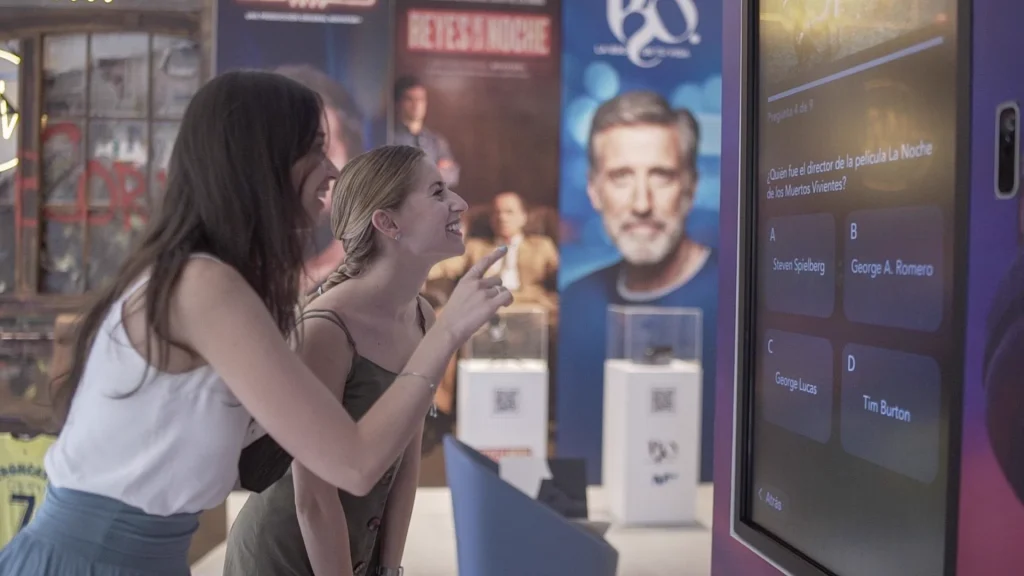
One of the most outstanding features of virtual storefronts is their ability to offer a interactive experience The new photocalls, turning them into an attractive point of contact for the customers. Whether through an augmented photocall, a virtual tester or an interactive game, consumers can actively engage with the products or the brand. This interactivity not only increases engagement, but also allows to generate databases valuable . For example, if customers have to leave their contact information to download a photo or participate in a ranking, the brand obtains useful information for future follow-ups and promotions. This gamified and personalized approach encourages participation and loyalty, creating a more direct relationship with consumers. You may be interested in → How experiential marketing revolutionizes interaction with the public .
Examples of virtual storefronts: Imascono success stories
To talk about virtual storefronts is to talk about innovation, but seeing them in action is what really inspires. At Imascono we have had the privilege of transform the way big brands connect with their customers, through digital experiences that combine creativity, technology and visual impact. These three success stories prove it:
Kimchi! Thor: a movie universe that you don't just see, you live it!
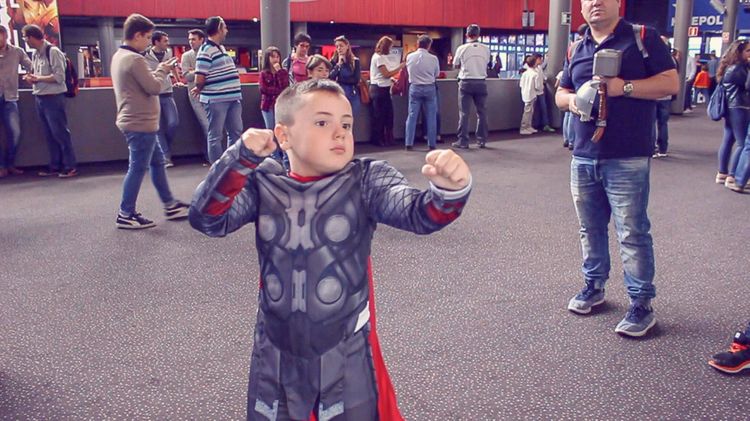
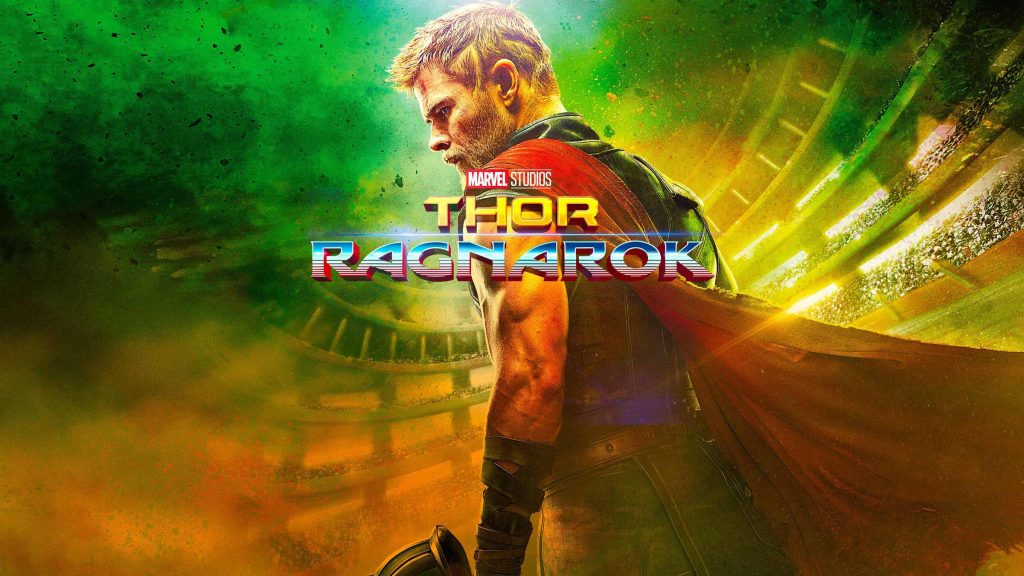
With Kimchi Thor we created a virtual showcase as powerful as its protagonist. Through interactive technology and AR effects, the user not only discovers the universe of the superhero Thor, but can enter into it. Achieving a gamified experience that engaged thousands of visitors and strengthened the branding in an incredible way.
The Body Shop Kimchi!: take home your souvenir with Christmas touches
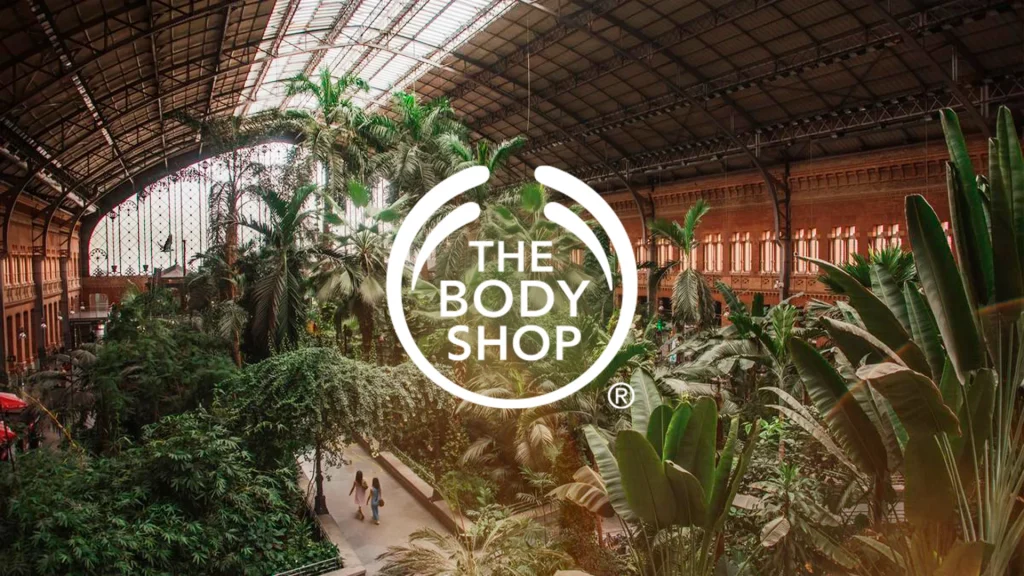
During the Christmas season, The Body Shop transformed the Atocha station in Madrid into an interactive stage that captured the attention of thousands of travelers. With an Augmented Reality photocall In this way, passersby were able to immerse themselves in a sensory experience that combined the essence of the brand with technology. This action fostered an emotional connection with the public, incentivizing sales through rewards such as offers or prizes with a fun touch.
Ibercaja Xplora: connect with your origins
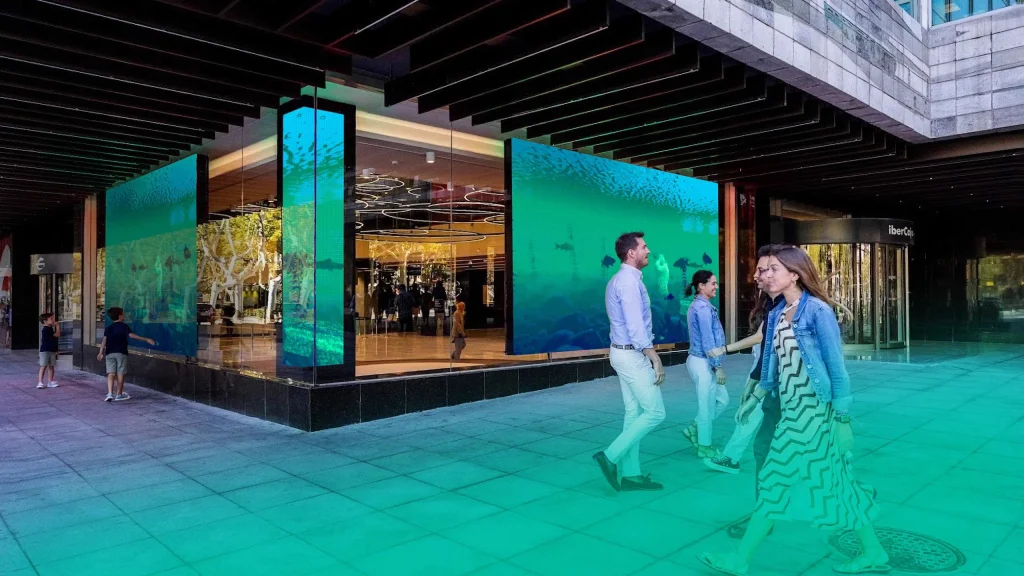
Ibercaja, as part of its commitment to connecting with the public at its headquarters, has designed the Espacio Xplora, which features a range of technology experiences developed by Imascono. One of them is the “Dive into the Ebro” virtual storefront, where every passerby walking past the iconic corner in downtown Zaragoza becomes part of the bank's experience. With this initiative, Ibercaja attracts close to 100,000 users a month, showing how technology can enrich the customer experience and strengthen the relationship with the community.Want to transform the way your customers discover your brand? At Imascono we are ready to design your next virtual storefront, combining creativity, technology and emotion. Contact us and let's talk about how we can take your phygital presence to the next level.
Immersive technology applied to trade marketing: activate your brand at the point of sale
In a world where attention lasts seconds and competition is just a click away, standing out at the point of sale is no longer an option: it's a necessity. The key? Betting on the immersive technology as a driver of experiences that not only catch the eye, but also generate emotions and purchase decisions. In this article you will discover how tools such as Augmented Reality photocalls, Artificial Intelligence avatars or AI virtual avatars are revolutionizing the trade marketing traditional and transforming any commercial space into a sensorial and personalized show. Real cases, courageous brands and groundbreaking strategies that show how to connect with the consumer in an authentic and memorable way. Get ready to immerse yourself in the future of retail, where every action becomes an experience and every experience becomes a sales opportunity.
Why is technology applied in trade marketing essential?
In a market saturated with stimuli, technology applied to trade marketing has become a key differentiating factor. It is no longer just a matter of having a presence at the point of sale, but of activate the brand through immersive experiences that connect with the consumer in an emotional and memorable way. Tools such as enlarged photocalls virtual storefronts or AI-enabled personal shoppers allow for the following transforming a simple linear into a a true sensory and immersive spectacle.
Trade Marketing: definition
Before talking about the impact of technology on trade marketing actions, it is necessary to review its definition. Trade marketing is a strategy that focuses on improving the relationship between brands and buyers to increase visibility and sales at the point of sale. Unlike traditional marketing, which is aimed directly at the end consumer, trade marketing focuses on influencing buyers, i.e. those who make purchasing decisions in different spaces, shopping malls and department stores. Its objective is to optimizing product presence, managing promotions and ensuring a seamless shopping experience to drive sales, maximizing results for all parties involved in the process. If you are interested, you can find out more about the Technology trends in shopping centers Thanks to technological solutions such as the Thor Ragnarok photocall in Kinépolis Cinemas or the The Body Shop interactive promotional action at Atocha Station, brands can capture attention, generate engagement and increase conversion right at the moment of truth: the purchase decision. The integration of technologies such as Augmented Reality, Artificial Intelligence, and data capture platforms, the trade marketing reaches new levels of interaction, connection and impact on shopper experience . In such a competitive environment, applying innovation at the point of sale is no longer just a trend, but an essential strategy to stand out from the competition, build customer loyalty and, most importantly, increase sales. Technology offers brands key tools to improve the quality of their products and services. marketing and the shopper experience The company's goal is to ensure greater visibility and facilitate faster and more efficient decision making in the purchasing process. From Imascono, we can help you through our artificial intelligence services and Augmented reality .
Main immersive technologies applied to your trade marketing actions
The evolution of the point of sale has given way to a new scenario and these tools not only improve the consumer experience, but also enable activate the brand in an innovative and emotionally impactful way . Here are some examples of how technological trade marketing is transforming physical spaces.
Augmented Reality Photocall
Promotional actions come to life through Augmented Reality. In its version Interactive photocall, This technology It turns any point of sale into a unique experience: the user is surrounded by 3D elements in real time and becomes the protagonist of the action. Where not only are all eyes drawn to them, but memorable brand memories and content ready to be shared are created. An example of this can be found in the project. Love Natural Kimchi! one marketing action carried out at the GranCasa Shopping Center In which to immerse yourself in the virtual jungle and take a photo as a souvenir with your favorite animals, you had to make a purchase in any of the stores inside.If you want to know more, visit our article Augmented reality in advertising with interactive content
AI Avatars as brand ambassadors
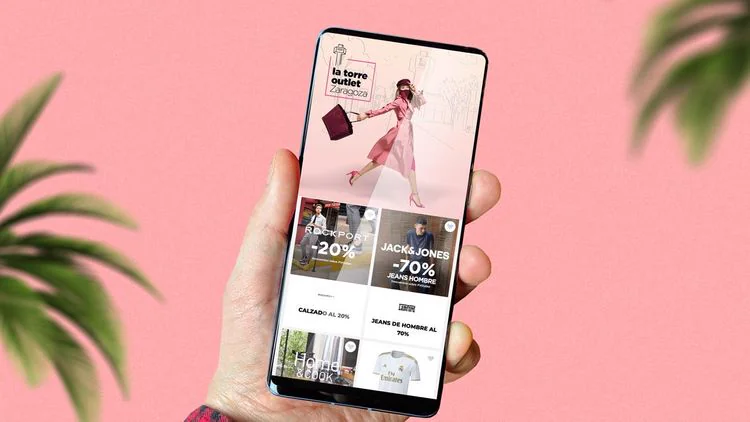
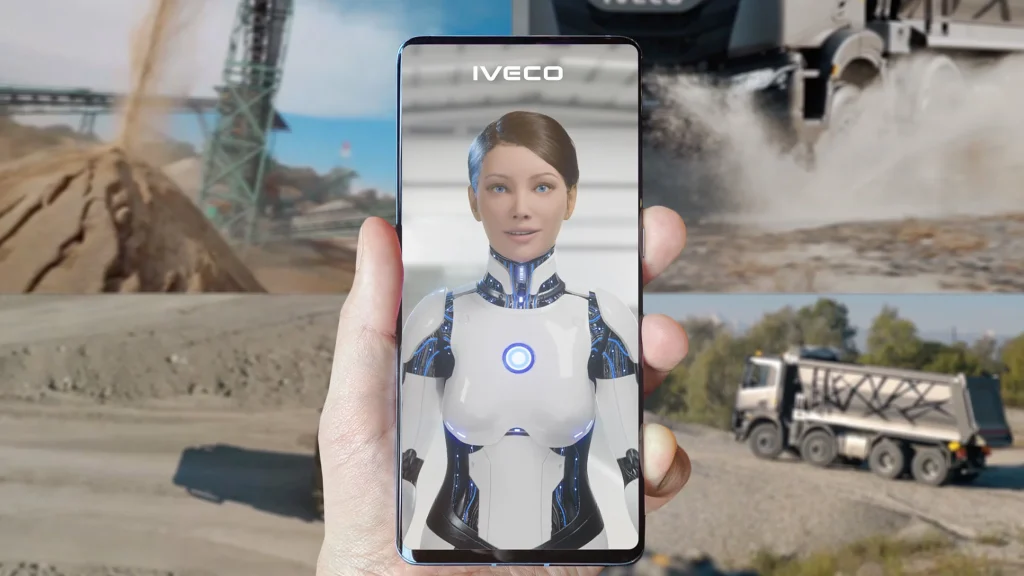
AI avatars are emerging as new brand ambassadors, transforming the way companies connect with consumers. Thanks to Artificial Intelligence, these intelligent agents go beyond being simple virtual assistants: become active allies of the brand. Its use ranges from hosts at events, to virtual influencers or personal shoppers at points of sale . Standing out as one of the most disruptive trends in trade marketing. Humanizing the customer experience in a close, accessible and coherent way with the brand values. These avatars, like Nougat, the virtual mascot developed by La Torre Outlet for the last Christmas campaign, allow maintaining a constant and personalized relationship with consumers by adapting to their behavior and offering answers and recommendations in real time. This reinforces the emotional connection and improves brand loyalty. Discover our intelligent avatar .
Immersive Virtual Reality experiences
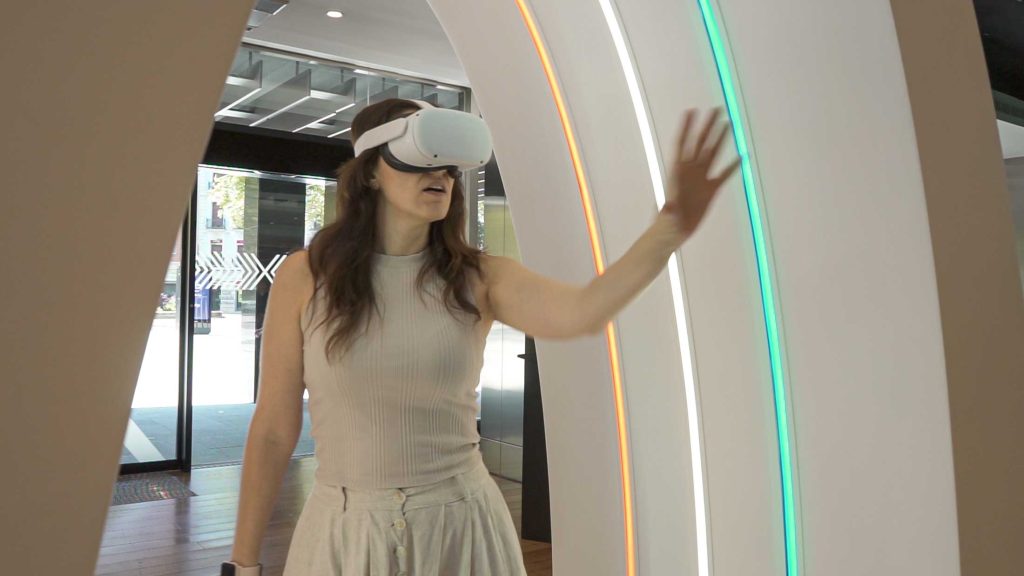
Immersive Virtual Reality experiences are revolutionizing the interaction between brands and customers at the point of sale, offering unique experiences that strengthen emotional bonding and loyalty . A prime example is the Frozen Emotion project developed in collaboration with Ibercaja and Aramon. In this experience, which combined adrenaline and technology, participants had to cross a virtual suspension bridge between two Pyrenean peaks to obtain a ski pass. The integration of physical elements, such as the bridge and the simulated skiing environment, with Virtual Reality, multiplied the emotions and delivered a memorable brand experience . This experiential marketing approach not only captured consumers' attention, but also strengthened their connection to the brand by associating it with positive emotions and unique adventures.
Outstanding benefits of applying immersive technologies in trade marketing
When a brand bets on immersive technologies such as intelligent avatars, actions DOOH The company is not only innovating, but it is also innovating: is reinventing the way we tell stories, connect emotionally and turn physical spaces into authentic experiential platforms. These tools not only activate the brand: they make it live in the consumer's mind. Do you want to find out how?
Increased customer customization
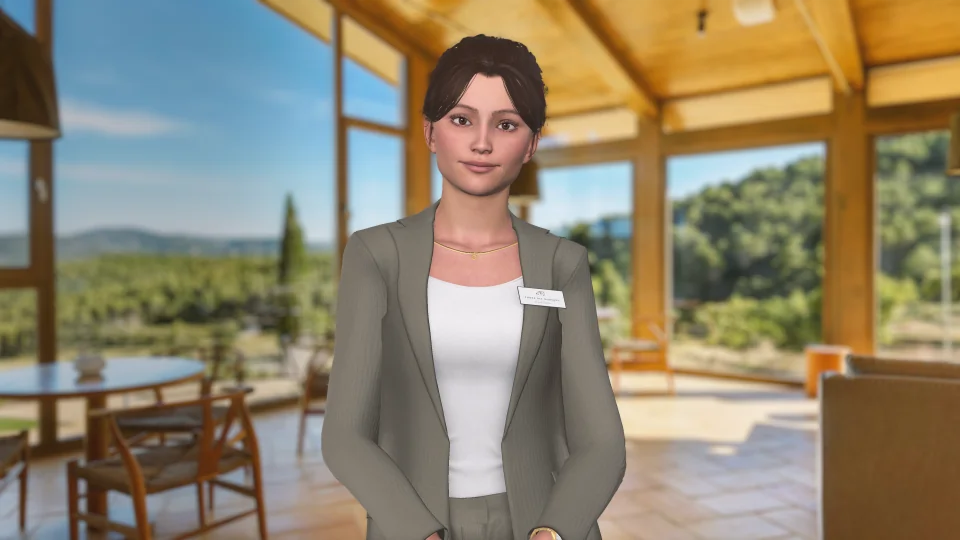
Imagine walking into a store and an AI avatar greets you by name, guides you according to your tastes and recommends just what you were looking for (even though you didn't know it yet!). The intelligent avatars personalize your experience, adapt to the behavior of each customer and create a unique, intimate and deeply connected experience with the brand. It's no longer about selling: it's about understanding and emotion. These avatars act as personal shoppers adapted to the needs of each client. They are the direct connection between the brand and the user, where the company can control the final messages that reach the customer, regardless of the language, geographic location and point of sale where this conversation is taking place.
Differentiation from the competition
In an ocean of brands competing for attention, an augmented photocall or a Virtual Reality experience in the middle of the mall does not go unnoticed. While other brands place static displays or outdated signage, you can immerse the consumer in a 3D scene where he is the protagonist. These interactive experiences generate awareness, position your brand and make a visit a memorable experience. In addition, they make each experience unique, unrepeatable.
Increased conversions
When planning trade marketing actions, it is known that the moment of truth happens in seconds. And when the consumer experiences an immersive experience, whether it's climbing a mountain in VR, visiting a virtual jungle to earn a reward or interacting with an AI avatar that triggers tailored promotions, the purchase decision becomes faster, safer and more emotional. These technologies build trust, remove barriers and turn engagement into action, thereby increasing sales. In addition, all of these actions can include an extra of Gamification where the user wants to be part of the experience, where the user generates better lead generation and conversion rates.
Improved user experience
Shopping is no longer just a necessity, it's an adventure. The enlarged photocalls turn the visit into a memory The result: a multi-sensory experience that transforms every step through the point of sale into something memorable. The result: a multi-sensory experience that transforms every step through the point of sale into something memorable. A journey that the consumer will want to repeat, as in the case of the Movistar Flagship Stores in Valencia . A unique space where visitors can connect with all their favorite series and programs of the channel.
How to integrate immersive technology into your trade marketing strategy?
Integrating immersive technologies into your trade marketing strategy is the most effective way to adapt to an increasingly demanding and digital buyer. . In a market where the user wants it everything and now These solutions offer just what you are looking for: personalization, entertainment and real connection. At Imascono We create this type of experiences for brands that want to go beyond in their trade marketing actions. We merge technological creativity and strategy to activate your brand at the point of sale with experiences that captivate, surprise and convert . Because today, the better marketing is not seen, it is lived. Ready to transform your point of sale into an unforgettable experience? Contact us at and take the next step towards the future through our technology solutions for retail .
How experiential marketing revolutionizes interaction with the public
In a world saturated with information, major advertising campaigns and impacts, the experiential marketing has become the key for brands to not only be seen, but to be seen by their customers. heartfelt . This strategy transforms traditional interaction into unique and emotional experiences that create a lasting connection with consumers. Through technologies such as Augmented Reality , Virtual Reality and Gamification brands have the power to surprise, connect and captivate their audiences in innovative ways. In this blog article, we show you how Imascono has supported disruptive experiential marketing campaigns such as Kimchi!, Thor, Frozen Emotion, Aquarium Experience: Spatial Computing and Turrón, the virtual avatar of the Outlet Tower. These examples show that immersive experiences and new technologies not only impact, but rather establish authentic and memorable relationships between the public and the brands. Empowering the creativity of the teams of marketing It's time to discover how experiential marketing can take your brand to new heights!
The evolution of experiential marketing in the digital era
Experiential marketingIt has gone from being a tactical strategy to becoming the heart of the connection between brands and consumers.. In today’s world, where attention in the digital era is fleeting, in-person interaction plays a key role. Consumers seek to live experiences, connect with brands, and, above all, connect with the community of users who gather around them. And in this return to in-person interactions and experiential marketing, what role does technology play? Technology does not replace physical marketing actions; it enriches and enhances them. al To combine the best of both worlds. By equipping the physical environment with the ability to analyze and measure both digital and in-person marketing strategies. Obtaining data as relevant as dwell time, visitor contact email, and the number of hits per hour and day.You might be interested in → Augmented Reality in advertising with interactive contentCurrently, experiences are no longer limited to physical events; they combine the real and the virtual thanks to technologies such as Augmented Reality, Artificial intelligence and virtual worlds.This is where Imascono makes the difference. Through immersive and interactive digital experiences, we take experiential marketing to another level, transforming the way brands connect with their audience. We create realities that excite, surprise, and generate deep connections., achieving that every interaction is unforgettable. In a world where the supply is infinite, the key to success is not just what you sell, but the experience you create.
Types of experiential marketing: featured technology
The integration of advanced technologies is revolutionizing experiential marketing, enabling brands to connect with consumers in innovative and exciting ways. In this section, we will highlight some of the most impactful technological tools . Focusing on how technology is improving interaction, engagement and personalization of different experiential marketing strategies.
Augmented Reality and Virtual Reality
Both Augmented Reality and Virtual Reality are revolutionizing experiential marketing by incorporating interactive elements in physical spaces (and also in the digital world). These immersive technologies make it possible to transform shop windows, photocalls, testers and AR filters into experiences that invite consumers to actively interact. In addition, the large digital installations and interactive gymkhanas offer new experiential proposals that increase engagement, generating an emotional connection that goes beyond just capturing attention. .
Immersive events
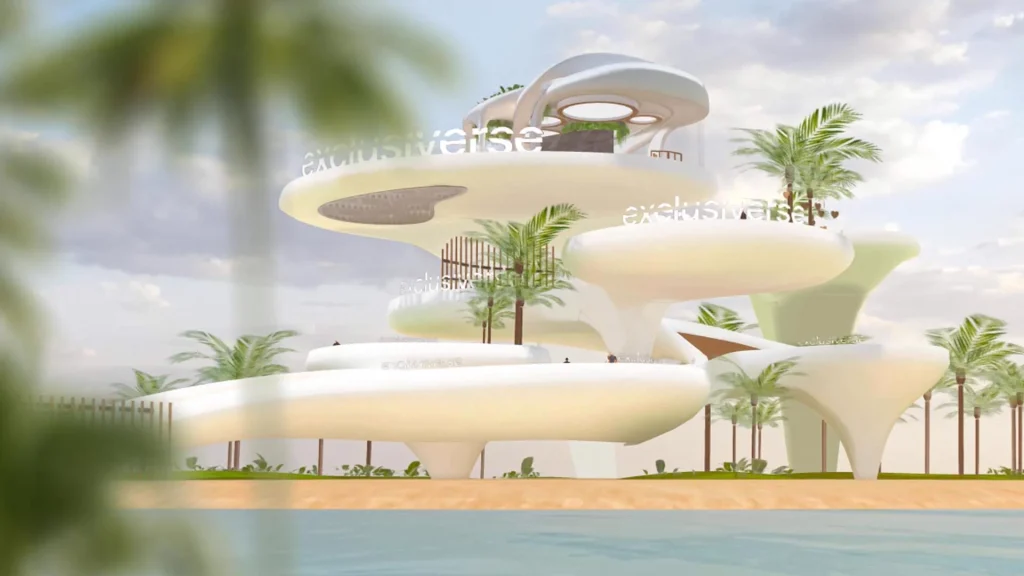
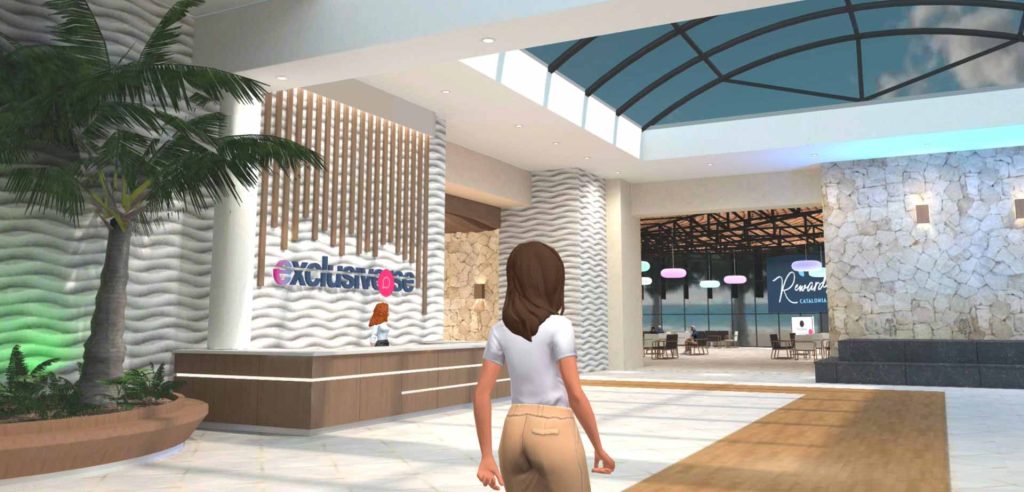
Immersive events combine technology, creativity and emotion immersing the public in complete sensory experiences that go beyond the traditional. These events allow participants to experience a unique narrative, whether in a physical or fully digital environment. For example, through virtual spaces, such as Exclusiverse that allow brands to creating online communities where users can interact and feel part of a unique experience generating a strong sense of belonging. Or even through hybrid events, such as the Halloween campaign by Foster's Hollywood where, through the users' cell phones, the restaurant became a haunted house where creepy creatures were hiding.
Gamification and interactive storytelling
Gamification turns interaction with the brand into an exciting game, while interactive storytelling enables consumers to living the brand from a unique perspective . By integrating playful and challenging elements into campaigns, brands invite users to actively participate by unlocking exclusive content or accumulating rewards. This approach not only entertains, but also generates a sense of belonging and an emotional connection to the brand. The interactive storytelling The campaign, on the other hand, allows consumers to experience a unique story in the first person, making them the protagonists, as in the campaign carried out by Kinépolis Cinemas and the Marvel team for the premiere of Thor Ragnarok.
New trends in experiential marketing
Experiential marketing continues to evolve, adapting to the demands of an increasingly demanding and digitized audience. New trends are incorporating innovative technologies, such as Extended Reality, Artificial Intelligence and gamification, to create more immersive and memorable experiences. In this section, we explore how these trends are transforming the way brands connect with their customers and create unique experiences that transcend traditional marketing boundaries.
Virtual Influencers
Virtual influencers are emerging as one of the most innovative trends in experiential marketing. These virtual avatars created by means of Artificial Intelligence and 3D modeling, are gaining popularity among brands looking to connect with younger, tech-savvy audiences. The virtual influencers can interact with consumers through social networks, videos, web or even in Extended Reality environments. These avatars not only promote products in an attractive and personalized way They also allow brands to have complete control over the image and message being conveyed.
Digital Out of Home
Digital Out of Home (DOOH) is revolutionizing advertising by integrating digital displays in public spaces such as shopping malls, airports and subway stations. These interactive screens not only allow static advertisements to be displayed, but also offer dynamic, personalized and real-time content. In addition, DOOH enables more immersive experiences, such as interactive showcases or digital installations. that invite consumers to participate in games or challenges, generating greater engagement. Continue reading about this trend in our → post. How extended reality is transforming DOOH advertising .
Gamification
The Gamification has become a powerful tool for experiential marketing by transforming brand activities into interactive games with users. By incorporating game mechanics such as rewards, challenges, points and levels, brands are able to engage consumers in an entertaining and participatory way. This trend not only increases engagement, but also motivates users to interact more deeply with the brand. From mobile apps that allow customers to accumulate points for making purchases to immersive experiences that challenge the consumer to complete challenges, gamification is making brand interactions are more fun, memorable and, above all, unique.
Proximity marketing
Proximity marketing is gaining momentum as leverage geolocation to deliver personalized content to consumers when they are near a particular store, event or space . Using technologies such as Bluetooth or Wi-Fi, brands can send notifications, promotions or relevant information directly to consumers' mobile devices when they are within a close radius of a point of sale. This type of marketing allows brands to capture the attention of customers at the right time, increasing the chances of conversion.
Live Streaming sales
Live sales are gaining in popularity as a way to interactive and direct way of connecting with consumers in real time . Through live streaming platforms, brands can present products, answer questions, offer demonstrations and provide personalized recommendations while interacting with the audience in real time. This type of sales creates a sense of urgency and exclusivity, encouraging consumers to make quick decisions. The live interaction allows brands to build a community around their products, generate trust and increase engagement. Live sales, especially on platforms such as Instagram, TikTok and YouTube, are transforming online commerce by offering a more immersive and social shopping experience.
Hyperpersonalization
Hyper-personalization goes beyond simple market segmentation and focuses on deliver brand experiences that are completely tailored to the individual needs, preferences and behaviors of each consumer. With the use of data and advanced technology such as Artificial Intelligence, brands can deliver tailored content, recommendations and offers, creating a deeper bond with their customers. In addition, AI avatars, functioning as virtual assistants, further personalize customer service, putting a "face" to the essence of the brand. These avatars can provide specific recommendations to users in real time and in any language. The customer's experience is improved and a smoother and more tailored service is guaranteed. Continue to learn more about this technology in our article → Artificial Intelligence Avatar: definition and main uses
Examples of experiential marketing you should know
Experiential marketing has the power to transforming brand interactions into unforgettable experiences generating deep emotional connections with consumers. Throughout this article, we have analyzed in detail some of the most interesting trends and experiences. Experiences that not only captivate, but also allow customers to live and actively participate in the stories that brands want to tell. Below, we show you some of the most impactful projects we have developed at Imascono for our customers where creativity and technology come together to offer something truly memorable.
Kimchi! Thor→ In this campaign, we took participants straight to Asgard with an immersive Augmented Reality experience, where they could become the characters from the movie and live the action of Thor: Ragnarok even before walking into the movie theater.
Frozen Emotion→ A thrilling, interactive experience built around a challenge: do you dare to cross a suspension bridge between two Pyrenean peaks? It is a Virtual Reality experience enhanced by the physical setting, where users could feel all the adrenaline of the mountains from the capital, all to boost visits to Aramon's ski resorts.
Turrón→ La Torre Outlet's latest Christmas campaign had a special guest: Turrón, the shopping center's virtual mascot. This AI avatar guided visitors around La Torre Outlet, offering personalized recommendations and acting as the bridge between their wish lists and Santa Claus. A virtual assistant also designed for children to use, thanks to its parental controls and storytelling feature.
Ibercaja Xplora→ As part of its brand positioning campaign, Ibercaja has remodeled its headquarters, transforming the way people interact with the bank both inside and outside the building. Specifically, on its main corner, it has set up a complete Digital Out Of Home technology installation, where the projected content interacts with passersby.
If you are ready to take your brand and your marketing campaigns to the next level with unforgettable experiences, Imascono is here to help you. Contact us at and discover how we can transform your ideas into immersive experiences that captivate your audience and leave a lasting impression.
Technology in shopping malls: Innovation that transforms the customer experience
The digital revolution has arrived at shopping malls to turn every visit into a unique experience. Technology is no longer a simple add-on, but the engine driving more dynamic, personalized and immersive spaces. From Augmented Reality and virtual avatars to Virtual Twins and phygital environments, innovation is redefining the way customers relate to their surroundings.But attracting visitors is not enough. The key is to surprise them and build loyalty with unforgettable experiences. Turning the mall's physical space into a meeting place with brands, beyond simply shopping. Solutions such as Artificial Intelligence, gamification and augmented photocalls create seamless shopping journeys, optimize spaces and generate unprecedented engagement.In this article, we'll discover how technology in shopping malls is revolutionizing the retail and leisure sector. We'll highlight the most impactful innovations and show how to implement them successfully with Imascono. If you want to take your retail space to the next level, keep reading.
The technology revolution in shopping malls of the future
Shopping malls have evolved from simple shopping spaces to become social, digital and interactive environments. And in this paradigm shift, technology is playing a key role in transforming the customer/visitor experience. Interactive corners , customized webapps , Big Data , assistants equipped with Artificial Intelligence. The latest trends in innovation and technology allow us to give a twist to the most traditional shopping spaces. Seeking to create unique and immersive experiences. The retail brands want to return to having a physical presence with their customers The mall is a place to generate encounters, community, a real connection that goes beyond the digital world and social networks. In this trend, shopping malls become that point of physical interaction, with the facilities and technology best prepared to put these experiences into action. If you want to go into more detail, please see our page on Technology in Shopping Centers . A great example of the use of technology in shopping centers can be found at La Torre Outlet the most digitized shopping center in Spain. Thanks to the total technological integration, the center has a CMS, a content manager that connects the app, the web, the screens, the Augmented Reality experiences, the virtual twin of the center, the interactive totems and the internal management in the same program. Facilitating fluidity and flexibility in content updates and allowing visitors to enjoy a hybrid environment that combines the physical and the digital in a surprising way.
Outstanding technological innovations in shopping centers
Shopping malls have ceased to be simple shopping spaces and have become digital environments in which the technology redefines the customer experience . From immersive solutions to advanced Artificial Intelligence, innovation is shaping the future of shopping centers and the retail sector in general. Here are some of the main innovations.
Digital recreations to guide visitors
The way users navigate shopping malls is changing thanks to new interactive maps that innovate the traditional static "you are here" maps and floor plans. Thanks to the virtual twins , each visitor can personalize his or her visit The information about the center in real time is in the palm of your hand. Not only that, in these virtual spaces, shopping centers can carry out gymkhanas, gamifications and challenges with which to accumulate points and discounts, driving cross-selling and generating greater connection and loyalty.
Extended reality and phygital experiences
The Extended Reality is transforming shopping malls with interactive corners such as virtual showcases, digital fitting rooms and enlarged photocalls which allow customers to participate in games, challenges and sweepstakes. These phygital experiences, customizable according to mall brand campaigns, combine the physical and digital to offer a more immersive and engaging shopping experience. In addition, the virtual avatars and the interactive maps on totems act as personal shoppers and personalized assistants, guiding the customer and providing recommendations in real time, improving interaction and engagement in the mall.
People counting technology
Knowing how many people are in a shopping center and how they move within it is key to improving the experience and optimizing space management. Advanced systems for people counting with AI and smart sensors allow real-time traffic monitoring, identify areas of high concentration and improve the distribution of the flow of visitors. With this technology, marketing strategies can be adjusted, enhance safety and offer a more comfortable experience personalized to each client and modifiable in real time.
Personalization through Artificial Intelligence
Today, customers are looking for tailored experiences, and Artificial Intelligence is the key to delivering them. Shopping malls can analyze consumer behavior and anticipate consumer needs with personalized recommendations, exclusive promotions and virtual assistants to guide your purchase. Also the virtual avatars with AI act as digital personal shoppers, interacting with customers and providing real-time suggestions to make your visit more efficient and enjoyable . Such is the case of Turrón, the virtual mascot of La Torre Outlet, who accompanied users in their Christmas shopping.
Benefits of technology in shopping centers
Digitization is revolutionizing the customer experience It is also redefining the way shopping centers operate and generate value. From greater interaction to more efficient management. Technology has become the driving force behind the retail success of the future. In this section, we will explore how technology is benefiting both customers and shopping center operators by helping to creating more attractive, dynamic and profitable environments .
Greater Efficiency in Space Management
Virtual Twins and people-counting technologies are revolutionizing shopping mall management. With these tools, operators can analyze visitor flow, identify high-traffic areas and optimize the layout of stores and common areas. This not only improves the customer experience, but also maximizes the mall's profitability, ensuring that every square meter is used strategically.If you want to improve the efficiency of your space management, discover our virtual twin solutions.
Optimizing the Shopping Journey
Integrating Artificial Intelligence makes it possible to design more efficient and personalized shopping journeys. Through virtual assistants, digital signage and real-time notifications, customers can receive recommendations tailored to their preferences and needs.At the same time, digitalizing promotions makes it possible to optimize personalized routes for customers based on their interactions and purchases, improving the buying process and making the experience smoother and faster.
Increased customer interaction
An engaged customer is a loyal customer, and technology is the key to increasing interaction within the mall. Tools such as virtual avatars, interactive storefronts and virtual fitting rooms allow visitors to interact in a more direct and personalized way with brands and products. In addition, gamification and Augmented Reality experiences encourage greater participation, transforming the visit into a more entertaining and memorable experience. Making consumers spend more time in the space and connect emotionally with brands. Generating engagement and boosting organic reach thanks to viralization in social networks.
Greater Efficiency in Space Management
Virtual Twins and people-counting technologies are revolutionizing shopping mall management. With these tools, operators can analyze visitor flow, identify high-traffic areas and optimize the layout of stores and common areas. This not only improves the customer experience, but also maximizes the mall's profitability, ensuring that every square meter is used strategically.If you want to improve the efficiency of your space management, discover our virtual twin solutions.
Optimizing the Shopping Journey
Integrating Artificial Intelligence makes it possible to design more efficient and personalized shopping journeys. Through virtual assistants, digital signage and real-time notifications, customers can receive recommendations tailored to their preferences and needs.At the same time, digitalizing promotions makes it possible to optimize personalized routes for customers based on their interactions and purchases, improving the buying process and making the experience smoother and faster.
How to implement technology in shopping centers
Innovation is not just a trend, but a necessity for shopping centers seeking to differentiate themselves, offer unique experiences and attract new generations. The key is in integrate technology solutions that not only attract customers' attention, but transform their shopping journey into something memorable, interactive and fully personalized. On this path, from Imascono we help brands and shopping malls in the implementation of technology for the retail & leisure sector . With a creative and avant-garde vision, we develop digital experiences that drive customer interaction and enhance the value of the mall. The digital transformation in shopping centers is not the future, it's the present . And with our Artificial Intelligence services and of Augmented Reality This present translates into experiences that impact, surprise and build loyalty. Contact us today and let's take your mall to the next level together. The future of retail starts here!
Technology applications in the luxury sector
The luxury industry has always been synonymous with exclusivity , innovation and memorable experiences. . In recent years, technology has played a key role in the evolution of this industry, helping brands to raise their standards and connect with an increasingly demanding public. From the extreme customization to the most immersive experiences In addition, cutting-edge technologies are transforming the way luxury brands design, produce and present their products and services, generating a lasting impact on their customers. The adoption of tools such as the Extended Reality the Artificial Intelligence and the Blockchain not only redefines the concept of exclusivity, but it also allows brands to innovate in its processes and communication channels . These applications also enhance the customer experience, offering more personalized, sustainable and connected interactions. In this article we will discover how technology is revolutionizing the luxury sector highlighting success stories and key trends for the future.
Technology in luxury products and services
The Incorporation of technology in the luxury sector it is revolutionizing the way brands connect with their customers, redefining the standards of Personalization and exclusivity.Regarding the characteristics of companies in the luxury sector, thanks to tools such as Artificial Intelligence and Augmented Reality: Brands offer digital experiences that reflect their values and the prestige associated with its products. Hyperrealistic visual representations and graphics of the highest quality allow customers to interact with products in unique ways, reinforcing the perception of exclusivity and attention to detail.If you are interested, visit our post → Characteristics of a luxury hotel: immersive design and unique experiences.
Technology also drives the Digital Customer Experience (DCX) in the online luxury world. The shopping experience in this industry is key, as reflected in physical stores, exclusive events and even product packaging. However, in the digital world, in the e-commerce sites of the sector's brands, this luxury experience has never quite stood out. Until now.Through precise recommendations based on Artificial Intelligence, virtual try-ons and a seamless omnichannel connection, the most cutting-edge Digital Customer Experience helps improve every stage of the luxury customer journey. In addition, advances such as Blockchain technology guarantee product authenticity and traceability, while experiences in the Metaverse and virtual spaces allow luxury brands to enrich their websites and digital positioning.By combining innovation, sustainability and tradition, luxury brands are adapting to the expectations of new generations, creating digital interactions that not only raise perceived value but also strengthen the emotional connection with their customers.
6 technological advances in the luxury sector
The luxury industry is embracing technology to transform its offering and take exclusivity to a new level. Developing unique experiences for the most demanding consumers. Below, we will discuss six technological advances that are revolutionizing the industry. Shaping the present and future of luxury experiences .
Virtual shopping experiences
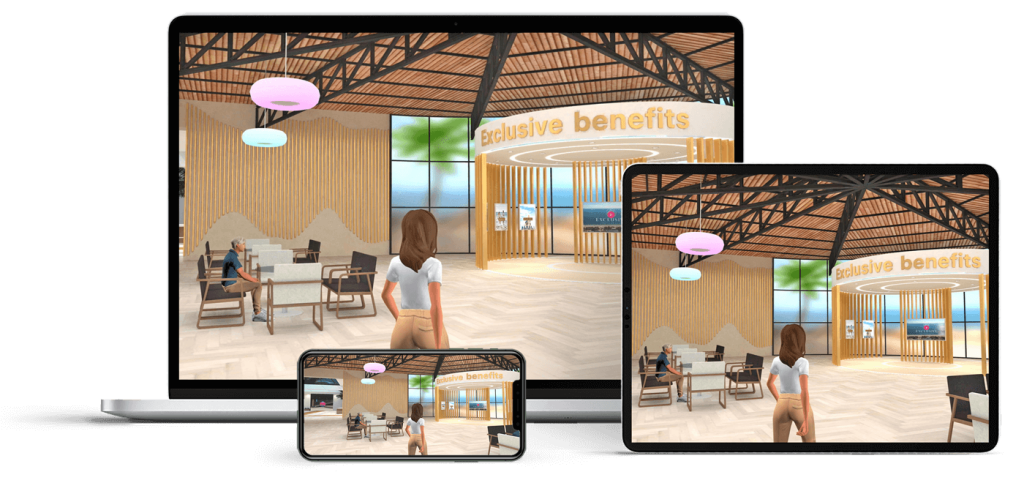
Virtual shopping experiences are redefining the way customers interact with luxury brands by allowing them to explore and purchase products with a level of immersion that was previously only possible in physical stores. Thanks to technologies such as Augmented Reality and Virtual Reality, users can try on clothes, attend virtual fashion shows, access exclusive events or even visualize how furniture and designer pieces would look in their home, all digitally.These experiences not only offer convenience but also enhance exclusivity and personalization, allowing luxury brands to connect with their customers in innovative ways by personalizing the shopping experience and enabling brands to connect with global customers in an exclusive way.A standout example is the Exclusiverse project, the virtual headquarters of the world's #1 travelers' club, Exclusive Traveler Club. Through its virtual space, more than 85,000 members around the world can enjoy and make the most of their digital membership, beyond using it only during their vacations. They can access events, earn extra benefits and get first-hand news about everything happening at the club.
Exclusivity and authenticity
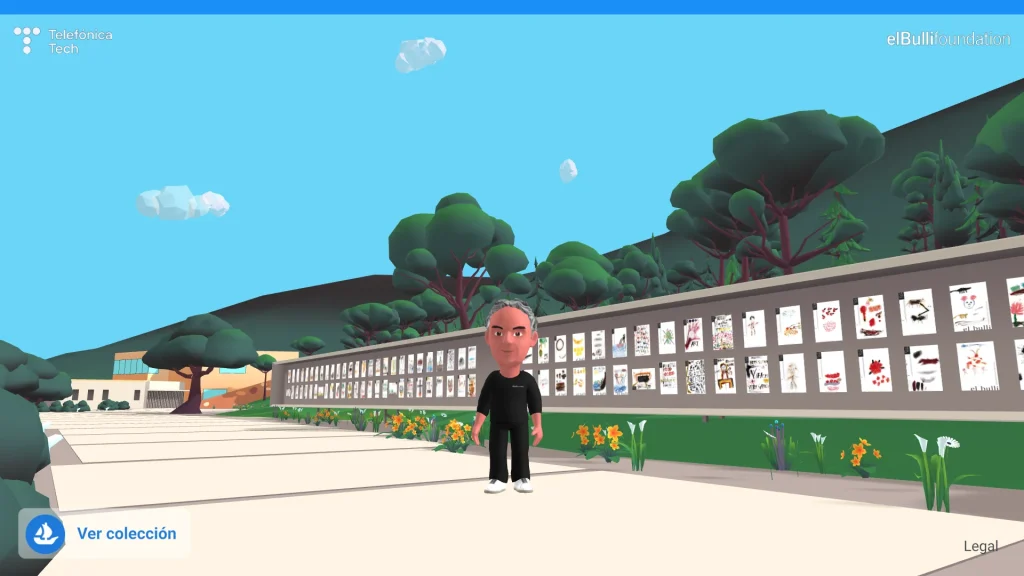
The luxury sector has adopted technologies such as the Blockchain for guarantee the authenticity and exclusivity of your products . This technology provides an immutable record of each item, allowing customers to verify the provenance, originality and authenticity of what they are buying. In a market where the exclusivity is key, the blockchain not only reinforces customer confidence It also creates an additional layer of security, ensuring that luxury products are genuine and have not been adulterated or counterfeited. Through this technology, brands can issue digital certificates that accompany unique pieces or limited editions, which not only protects consumers from counterfeits, but also reinforces the perceived value of each product . An example of the use of Blockchain in luxury can be found in the digital dining experience at Ferran Adrià . The 114 NFTs of his exclusive drawings from his "Culinary Evolution" collection were exhibited in his digital museum.
Personalized assistants
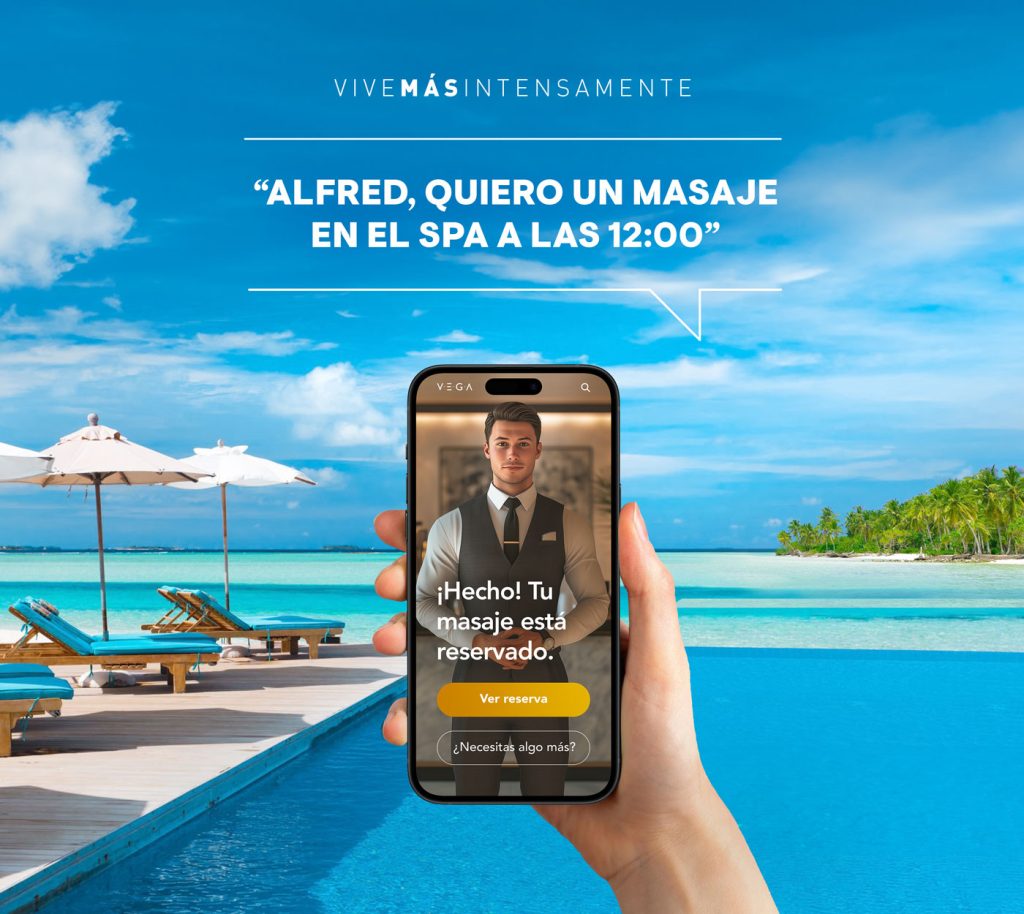
One of the most important technological advances for the luxury sector is the advent of the Artificial Intelligence-enabled virtual assistants to transform customer interaction. Thanks to these AI avatars, the consumers have their own personalized assistant with whom to communicate fluently and naturally, at any time of the day and in any language. Being part of the customer experience from pre-sales to post-sales. In addition, they allow obtain personalized recommendations tailored to each customer's individual preferences and needs . For example, a high-end brand can use a virtual assistant to manage reservations at its exclusive spas, suggesting available times, offering treatment recommendations and sending personalized reminders. This continuous attention improves the customer satisfaction, making the luxury experience even more tailored and exclusive.
Digitalization of traditional luxury
Digitization is transforming traditional luxury by combining its exclusive essence with advanced technologies that redefine the customer experience. Luxury has historically been associated with personal treatment and exclusive service in physical stores. Now, traditional luxury is empowered in the digital world with the development of virtual showrooms, immersive fashion shows, collections phygital or even fitting rooms, showcases and interactive photocalls. Allowing customers to live immersive experiences from anywhere in the world. Access limited collections. Interact with experts in virtual events. All while maintaining the air of exclusivity typical of the sector. An example of the union between traditional luxury and new technologies is found at Carmen Sagrera the Hispano Suiza's latest super sports car . Where the luxury brand commemorates its 120 years of history with a car that incorporates the latest technology, both in the engine and infotainment.
Customization
Personalization is a key pillar in the digital transformation of luxury. Thanks to the data analytics and Artificial Intelligence, brands can offer experiences, products and services completely tailored to the needs and tastes of each customer. . From tailor-made clothing pieces to exclusive travel services, technology enables the creation of unique experiences for each individual. This ability to offer highly customized products not only enhances customer satisfaction, but also strengthens brand loyalty, making every purchase a personal reflection of your style and preferences.
Transformation of the physical space
Physical spaces have not lost their importance in the digital era, in fact, technology is enhancing them, for turning physical stores into true epicenters of the brands' essence The new technology is a key part of the customer experience. From virtual fitting rooms, AI-based personal shoppers, touch screens to immersive Virtual Reality experiences. These innovations allow customers to interact with products in new and exciting ways. Thus, the integration of new technologies in physical stores not only improves the aesthetics and functionality of the spaces, but also elevates the sense of exclusivity by providing customers with a completely unique and memorable experience which only occurs in the brand's space and nowhere else.
Relevant technologies in the luxury sector
In a market where exclusivity, personalization and authenticity are key, luxury brands are adopting technological tools to enhance the customer experience, optimize production and maintain their leadership position in an increasingly competitive environment. Below, we will review the most relevant technologies in the luxury sector:
Generative Artificial Intelligence
The Generative Artificial Intelligence is setting a milestone in the luxury sector with its enable the creation of original and customized digital content on a large scale . This technology uses advanced algorithms to generate images, videos, music and even text that mimic the style and essence of luxury brands. Thanks to generative AI, brands can offer unique and personalized experiences for each customer as exclusive product designs or custom-created limited collections. In addition, AI makes it possible to create high-quality simulations, such as virtual fashion shows or product presentations, that immerse the customer in an immersive experience, while maintaining the exclusivity and sophistication of the sector. This technology not only optimizes creativity, but also redefines how luxury brands interact with their customers.
Mixed Reality
The Mixed Reality is transforming the way consumers interact with luxury products by merging the physical and digital in a seamless and immersive way never seen before. This technology enables users to experience and customize products in real time, without losing their connection to the physical environment . Offering as a result a highly interactive experience. With advanced devices such as Apple Vision Pro Mixed Reality is taken to a higher level by being able to live the experience using gestures and voice, interacting with the digital elements in a natural way, as if they were really there. In the luxury sector, this opens up new possibilities for personalized experiences, such as trying on clothes or accessories virtually, putting on your glasses and experiencing the latest brand's fashion show in the front row, or touring the facilities of a prestigious chain's luxury hotel by yourself. Find out all the details about the use of Apple's eyewear at Immersive experiences through the Apple Vision Pro .
Blockchain
Blockchain technology is playing an important The company plays a key role in the digital transformation of the luxury sector by guaranteeing the authenticity, transparency and traceability of products. Thanks to this technology, luxury brands can offer digital certificates that verify the ownership and provenance of their products, protecting both consumers and brands against counterfeiting. In addition, the blockchain allows the creation of exclusive experiences through unique digital assets, such as NFTs The blockchain is a powerful tool that not only reinforces the authenticity of luxury goods, but also opens up new avenues of interaction with customers. This integration of blockchain into the luxury industry not only enhances consumer confidence, but also facilitates the sale of digital products, limited collections and special editions, in a secure and decentralized manner.
Advantages of incorporating technology in the luxury sector
The incorporation of technology in the luxury sector brings with it a series of key benefits that improve both customer experience and operational efficiency. The personalization of services, the creation of immersive experiences and the guarantee of authenticity through blockchain are just a few examples of how technology redefines the concept of luxury that, throughout this article, we have been seeing and analyzing. Not only that, but the technological integration in this industry is enables brands to connect with a wider audience, offer unique products digitally and streamline internal processes This increases competitiveness in an ever-changing market. Technology not only facilitates innovation, but also strengthens the emotional bond between luxury brands and their consumers. If you would like to learn more about how technology, especially Extended Reality, can transforming your brand in the luxury sector do not hesitate to discover our mixed reality services for companies . From Imascono we will be pleased to show you how we can help you take your business to the next level with innovative and customized solutions. Contact us!
NFT and fashion: the future of the industry
Fashion is a constantly evolving industry, always looking for new ways to innovate and connect with its audience. In this context of innovation and change, NFTs (non-fungible tokens) are emerging as an important key technology that transforms the way brands create, market and experiment with their garments and collections. . The NFTs are transforming fashion by fusing exclusivity, creativity and technology offering consumers experiences and products that go beyond the physical world. From digital capsule collections to phygital apparel, these digital assets redefine the industry by driving sustainability, increasing engagement and diversifying revenue streams. In this article we will analyze the impact of this technology in the fashion industry We will learn in detail about its main benefits and success stories.
Fashion and technology in constant evolution
Fashion and technology have gone hand in hand for decades, adapting to social changes and consumer demands. From the industrial revolution, which transformed textile production, to the introduction of smart fabrics and e-commerce platforms, Technology has always played a key role in the innovation of the fashion sector.This connection has not only allowed optimizing processes and democratizing access to fashion, But it has also opened up new creative opportunities. In this section, we will delve into how this relationship continues to evolve, setting the path towards a future for the sector where everything is digital and the creative elements blend in surprising ways.You might be interested in → Virtual fitting rooms as a trend in the retail sector
The impact of technology applied to fashion
Technology applied to fashion is revolutionizing the industry by offering new ways of customization , sustainability and connection with consumers. The NFTs unique digital products that reinforce the company's exclusivity of brands. In addition, there are other technologies, such as Artificial Intelligence or the Augmented Reality that also have an impact on the fashion industry:
Augmented Reality. This technology lets customers try on garments virtually, improving the customer experience both online and offline, through interactive fitting rooms and storefronts. Augmented Reality can also become part of the garment itself, bringing designs to life.
Smart textiles. These materials are revolutionizing garment design by incorporating features such as health monitoring, temperature regulation and energy generation.
Artificial intelligence. AI optimizes processes such as trend forecasting, inventory management, and personalization of experiences. It allows brands to adapt quickly to market demands and facilitate maximum customization for customers.
Big Data. Massive data analysis provides valuable insights not only into consumer preferences, but also into the market as a whole and the social ecosystem. Helping brands make strategic decisions. Making fashion a smarter, more customer-oriented industry.
If you want to learn more about these and other trends, please visit → Technology trends in the retail industry .
What is an NFT?
Before analyzing the impact of NFTs on fashion, it is important to take a closer look at what this technology consists of. The NFT or non-fungible tokens are unique and unrepeatable digital assets. that represent the ownership of a specific element such as art, music or videos. These are based on the technology of Blockchain The network records each and every transaction that has been made, guaranteeing its authenticity, ownership and traceability in a secure and decentralized manner. You can learn more about this technology in our post Metaverse and NFTs: present and future relevance
The rise of NFTs in the fashion industry
NFTs are transforming fashion by introducing exclusivity and creativity in the digital world. Luxury brands and designers such as Prada, Adidas, Paco Rabanne, Balmain and Nike are using this technology to launch digital capsule collections, phygital apparel and unique experiences that connect with a young, tech-savvy audience. In addition, NFTs enable direct transactions, eliminating intermediaries and creating new revenue opportunities. This phenomenon also drives sustainability by reducing the need for physical samples and large inventories. Thanks to the blockchain, the authenticity of digital parts protecting brands and consumers from counterfeiting. Thus, NFTs combine innovation, exclusivity and sustainability to shape the future of the industry. You may be interested in → Virtual Influencers as a trend in Social Networks
Key benefits of NFTs in fashion
The NFTs combine fashion and technology to achieve industry benefits. They are redefining the fashion industry by incorporating a new tool combining exclusivity, authenticity and sustainability By certifying each part digitally, generating new lines of business and helping to make production and manufacturing more ad hoc. We will now take a closer look at the 3 main benefits of NFTs in fashion:
Exclusivity and authenticity
One of the main benefits of NFTs in fashion companies is the ability to offer exclusivity and authenticity at an unprecedented level. Each NFT is unique and backed by blockchain, which guarantees its originality and secure ownership. This allows brands to launch limited and customized collections that not only strengthen their position in the luxury market The new products also generate added value for consumers, who obtain exclusive and authentic pieces in an innovative digital environment.
New shopping experiences
NFTs are transforming the shopping experience in fashion, offering consumers new ways of interacting with brands. Through immersive experiences, such as virtual showrooms and fashion shows in the metaverse, customers can explore digital collections in a completely innovative way. In addition, NFTs allow brands to include exclusive benefits, such as access to events, digital memberships, additional content, or customized products, creating a closer bond with its consumers and elevating the shopping experience to a level never seen before.
Introduction of new business models
The introduction of NFTs into fashion is driving the new business models innovative products and services that diversify revenue opportunities for brands. Through this technology, companies can market exclusive digital products, phygital apparel and unique experiences such as virtual fashion shows or access to private events. Also, NFTs allow to incorporate royalties, generating continuous revenue with each resale and strengthening economic sustainability while fostering creativity and innovation. A great example of this can be found in Nike's union with the creative studio RTFKT to create a whole new creative and community universe for its most exclusive sneakers.
Featured Imascono projects related to NFTs and Fashion
At Imascono we have been working in the fashion industry since we launched in 2011 our first T-shirt collection with Augmented Reality technology . Since then we have continued to unite technology and design with products and creative projects in all sectors, without losing sight of the fashion industry, one of the great references in innovation. Now, with the advent of NFTs and blockchain technology, we continue to innovate in the fashion industry, working with different brands to get the most out of the technology, both for innovating business models as in the connection with customers . Are you interested in introducing this technology in your company? Contact us! Our team of technologists and engineers will be happy to help you shape your ideas.
5 Retail news and trends you need to know about
The shopping experience is evolving, and so are consumers. That is why knowing the latest developments and trends in the retail sector is key for brands. As commerce becomes increasingly digital and consumers demand faster and more personalized shopping experiences, retailers must adapt to stay competitive and relevant. Technologies such as Artificial Intelligence the the rise of sustainability, the increasing concern for the human factor in manufacturing, and the among other trends, are transforming the way brands manufacture and market their products and, at the same time, connect with their customers. In today's article, we will analyze the main developments and trends in retail . And how technological innovation is impacting all these developments within the sector.
Retail transformation in the digital era
As we have already mentioned, the retail sector is constantly changing and is digital transformation. Today, we are living in a golden age of digital commerce The digitalization of the retail industry is also reaching the more traditional physical stores, reinventing the customer experience through phygital proposals. But in addition, this digitalization is also reaching the more traditional physical stores, reinventing the customer experience through phygital proposals. Consumers prefer purchasing processes that integrate several channels, looking for an integrated, seamless seamless, consistent and omnichannel user experience . In fact, recent studies indicate that the 75% of Spaniards make purchases via their cell phones, highlighting the importance of adjusting marketing strategies to reach consumers anytime, anywhere.
5 technology trends in Retail
Technology is redefining the way organizations interact with consumers. From the use of Artificial Intelligence for business in order to improve the customization to the implementation of Augmented Reality and Virtual Reality for the enriching the experience in physical and online stores These technological innovations allow retailers to surprise and anticipate the expectations of the modern customer. Today, knowing about and applying these trends is crucial for to offer an efficient, attractive and differentiated service in a highly competitive market.
Integration of new technologies
Artificial Intelligence, Augmented Reality, the concept phygital Big Data... are technologies that, individually, are transforming the retail world. However, if they are integrated with each other under the same strategy and objectives, the result is much greater. Both at the management level and at the level of data generation , engagement and real-time updates . An example of this can be found in La Torre Outlet the Spain's most digitized shopping center . Where the website, the mobile application, the interactive totems distributed throughout the facilities, the 30 m² screen and the 3D virtual recreation of the shopping center have been integrated into a single content manager.
Personalized customer service
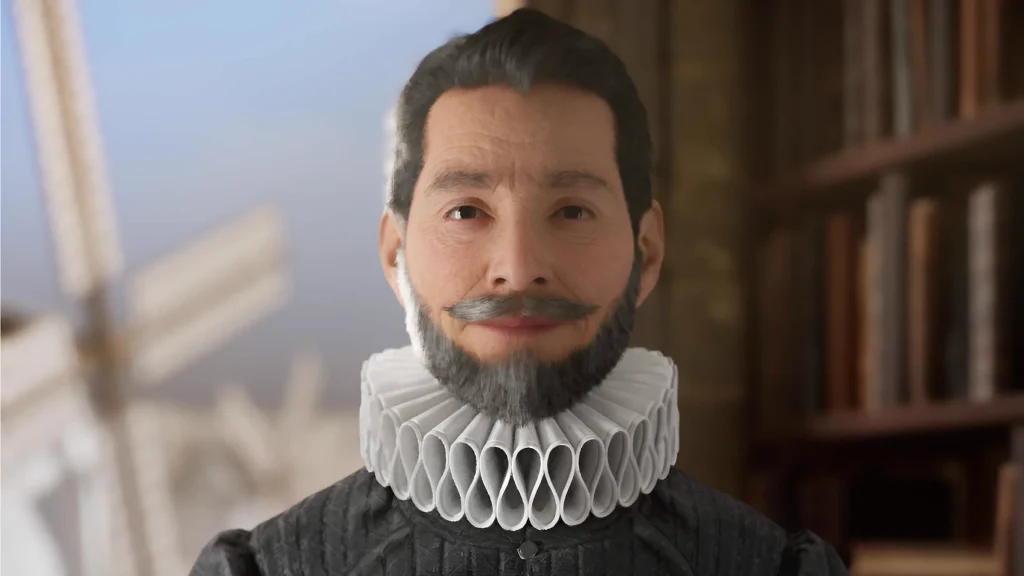
The Artificial Intelligence is transforming the interaction between brand and customer, enabling a more human and personalized connection. With the help of AI and hyper-realistic avatars, brands can now put a face to their virtual assistant. Achieving a deeper connection and understanding with the customer, even on an emotional level. An example of this development is Cervantes IA in which the famous Miguel de Cervantes becomes a tourist guide of Castilla-La Mancha through his virtual avatar. All to interact with residents and tourists of Alcázar de San Juan, serving visitors, offering recommendations and interesting facts about the writer's life and work. Learn more about these V-E-G-A avatars at Artificial Intelligence Avatar: definition and main uses .
Immersive and interactive experiences
With the implementation of the latest developments and trends, the customer experience takes on new meaning by combining technology and creativity to captivate the customer. The Gamification and interaction play a key role, generating a significant emotional impact that reinforces branding and improves brand positioning. These experiences allow customize every interaction, offering relevant and memorable content in physical and online stores . By delivering accurate information and incentives at the right time, retailers not only respond to customer needs, but create a dynamic, immersive environment that transforms the shopping experience into something unique and highly engaging.
Blockchain-based authenticity
The blockchain technology is setting trends in the retail sector by guaranteeing the authenticity and traceability of products through innovative solutions such as NFTs. This has enabled the development of phygital capsule collections, where brands combine the physical and the digital to offer exclusive pieces, produced on demand. This approach not only generates a strong sense of exclusivity and belonging among consumers It also contributes to sustainability by avoiding excess inventory and reducing environmental impact. By integrating blockchain into their processes, retailers can reinforce customer confidence in the authenticity of their products and stand out in an increasingly demanding market.
Digital Out Of Home (D.O.O.H)
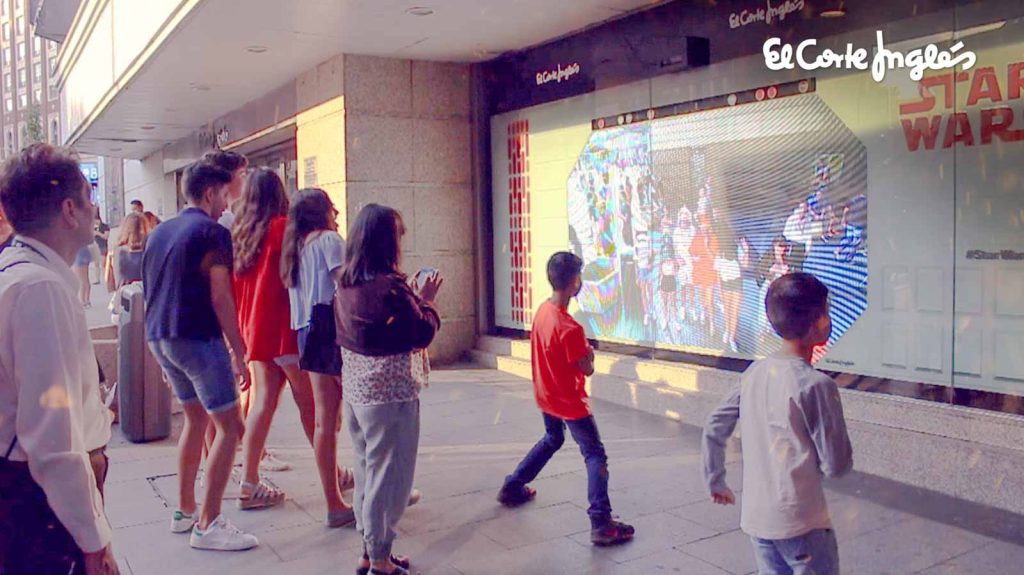
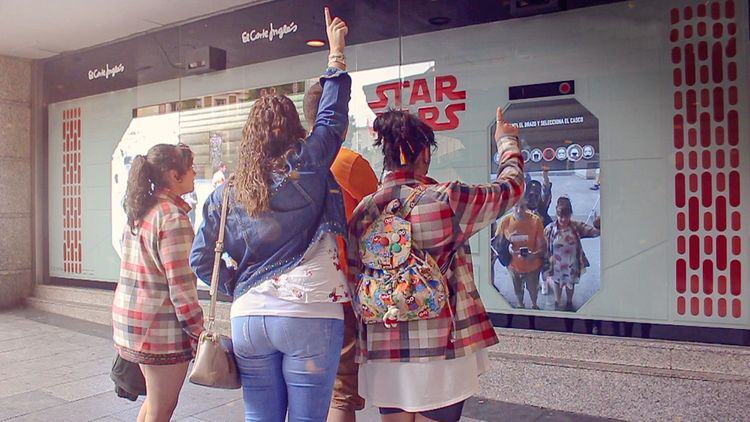
The Digital Out Of Home is revolutionizing the way brands connect with consumers. merging the physical and the digital in an immersive and interactive experience. This phygital concept brings the virtual universe to the real world through digital screens, animations, interactive showcases and gamified challenges. Everything to attract and surprise users. An example of this D.O.O.H. trend we find it in the award-winning project Kimchi! Star Wars developed by Disney, where users, passing in front of the Augmented Reality showcase, became characters of the science fiction saga. This type of initiative not only attracts all eyes, it also transform the physical space and outdoor advertising, creating an innovative and attractive point of connection.
How to adapt to the future of retail
The future of retailing looks like a dynamic environment where technology plays a key role in transforming the shopping experience. Adapting to this new landscape involves integrating digital solutions that not only optimize inventory management and payment processes, but also accompany the user throughout the purchasing journey. . From mobile applications which personalize recommendations until the Augmented Reality that allows you to visualize products in the home, the key is to create seamless and meaningful interactions. By prioritizing the customer experience through the use of intuitive technologies, retailers are able to fostering loyalty and improving satisfaction ensuring that the consumer feels supported and valued at every stage of their purchasing decision. If you would like to learn more about this topic, please visit our article Customer experience: how to improve it through Extended Reality
Get to know our technological projects in Retail
The technological and digital transformation that is taking place in the retail industry. was created with the aim of standing out from the competition, monitoring market trends, connecting emotionally with users and attracting and surprising them with unique proposals. Throughout the article we have seen different success stories that have stood out in the sector by following the latest developments and the most relevant technological trends. . Here are some other interesting retail projects carried out by Imascono:
Such as the Tu Cuento en la Cocina app, in which Ferran Adrià, the great Spanish chef, joins forces with Telefónica and Disney to bring to life a children's cookbook based on stories from Disney, Pixar, Star Wars and Marvel. A virtual kitchen packed with mini-games, gamified challenges and cooking tips.
Staying with the culinary theme, we find the virtual showroom of Lékué. A virtual recreation of a home where we can see all of the company's kitchen products in situ. Product demos, explainer videos and a wide variety of interactive content. A full-fledged e-commerce store in three dimensions.
One of the most interesting success stories in the retail and leisure sector is the Halloween activation developed by Foster’s Hollywood. An immersive, entertaining experience delivered through mobile phones, where the entrance to the restaurants became a horror movie set. One where a terrifying creature appeared on their screens without warning while they waited for their order to be prepared.
In the world of film and entertainment, we find the Kimchi! Thor Ragnarok project, an interactive photocall where Marvel fans became the stars of the movie before even seeing it. Becoming true Asgardians during the film's opening week at the Kinépolis movie theaters in Madrid.
One of the most significant retail activations in the tourism sector was the one developed by Ibercaja for its ski pass sales campaign during the ski season. The project, Frozen Emotion, invited users to cross a suspension bridge high up in the Pyrenees and then ski down virtually. A truly unique Virtual Reality experience.
At Imascono we know that retail is one of the industries with the highest growth forecast in terms of technology. The trends, innovations and technologies presented in this post will be presented in the next few days. invite us to be much more creative and not to put limits to our way of connecting with customers, of surprising them. We invite you to learn more about the technologies in the retail sector we work at Imascono. Our team will be happy to answer all your questions and needs. ¡ Contact with us !
How extended reality is transforming DOOH advertising
The world of marketing and advertising is changing. Not only because of the different trends, user profiles and new communication channels, but also because of the very introduction of technology and all the digital transformation that is taking place in the industry. If we focus on outdoor advertising, there is no doubt that one of the major current issues is the incorporation of the Digital Out Of Home (DOOH) in the most disruptive and creative advertising campaigns. A powerful tool for capture the attention of consumers both in public spaces and on Social Networks in its Fake Out Of Home version. Thanks to Extended Reality, physical and digital spaces are merging to offer advertising campaigns that surprise and inspire . From interactive storefronts to gamified experiences, brands now have the ability to connect with their audiences in a whole new way. In this article, we will explore how Extended Reality is transforming DOOH advertising The new advertising environment, driving creativity and opening new opportunities for brands in the advertising environment.
What is Digital Out Of Home (DOOH) advertising?
Digital Out of Home (DOOH) advertising is an evolution of traditional outdoor advertising that integrates digital screens and dynamic content in public spaces such as streets, transport stations, shopping centers and stadiums. Unlike static billboards, DOOH allows the display of messages and content in real time, adapted to the context, location or even the audience present, thanks to technologies such as automated programming, motion capture cameras and geolocation data. You might be interested in → Augmented reality in advertising with interactive content.This form of advertising It combines creativity, technology and analytics to maximize impact on consumers. DOOH not only captures the attention of passersby, but also offers brands a platform to create memorable experiences and connect emotionally with their audiences. Its ability to integrate with other technologies, such as Augmented Reality, is redefining the way brands interact with consumers in physical and digital environments.You can See Digital Out of Home Advertising in Action by getting to know the project closely Ibercaja Xplora And as its 32 m² interactive display generates more than 300,000 impacts among passersby.In addition to DOOH in outdoor advertising, new and creative ways of attracting users’ attention are emerging in the digital world as well. Fake Out Of Home (FOOH) is a creative strategy that simulates outdoor advertising (Out of Home) in digital environments. Through edited images or videos, brands recreate ads in nonexistent or modified public spaces, generating visual impact and virality. This approach combines the aesthetics of outdoor advertising with the flexibility and reach of the digital environment, ideal for innovative and highly engaging campaigns like the one developed by Ecoalf for its Black Friday campaign. Where a giant cart arrived at the most emblematic squares in Europe.
How Extended Reality is revolutionizing advertising DOOH
Extended Reality is transforming DOOH advertising by merge the physical world with immersive digital experiences. Technologies such as Augmented Reality and Virtual Reality allow campaigns to be more interactive, surprising and memorable. This innovative approach not only increases engagement, it also r edefines how brands connect with their audiences in public spaces . Here are the main key points:
Increased advertising impact
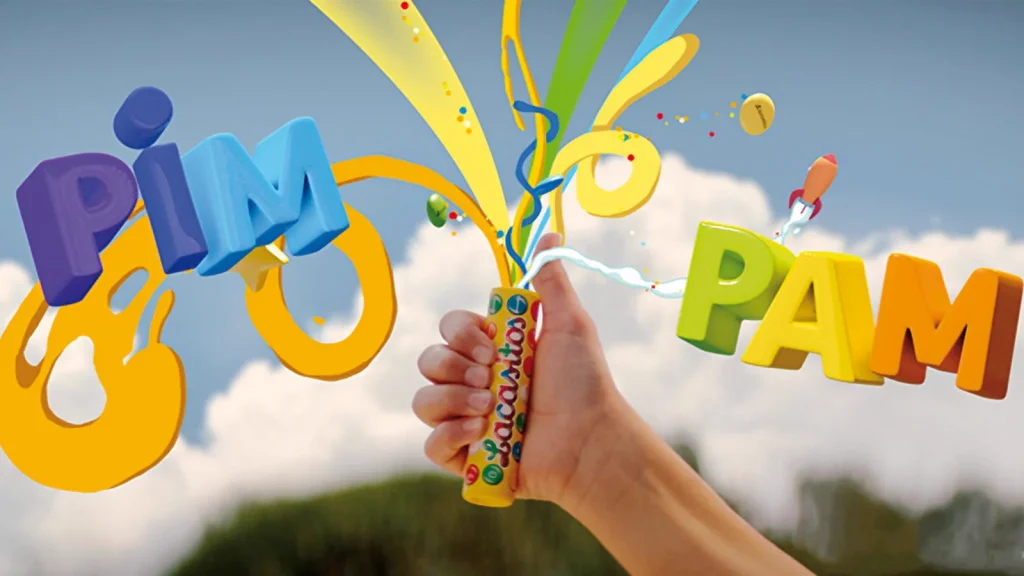
We are living in the age of digital interaction and, thanks to the phygital experiences, the Extended Reality and Digital Out Of Home, interaction also reaches outdoor advertising. Unlike static billboards and conventional digital displays, in these new advertising actions users interact with the content. This approach not only reinforces brand recall, but also transforms the passive spectator into an active participant increasing engagement. By combining innovation and creativity, these technologies position brands as leaders in an increasingly competitive advertising market. Whether in games, immersive experiences or gamified challenges, virtual testers or interactive storefronts, advertising content comes to life. Like the characters of the Augmented Reality campaign of Lacasitos which were hidden in the different tubes of the chocolate brand.
Content customization
Extended Reality is revolutionizing DOOH advertising by enabling a unprecedented content customization . Thanks to technologies such as Augmented Reality and Artificial Intelligence, ads can adapt in real time to context, location and even viewer characteristics. This creates highly relevant messages that connect emotionally with the audience, increasing engagement and campaign impact. Adapting advertising content to specific conditions such as the time of day, the weather or the type of audience in a given area. Being able to identify the profile of the audience that is interacting with an ad and personalize the message according to their behavior, interests and demographic characteristics.
Improved differentiation
In a world saturated with advertisements and advertising content, differentiate is more important than ever. DOOH advertising offers new avenues for differentiation by expanding the range of actions to connect with audiences that brands can hardly reach with traditional formats. By integrating technologies such as Augmented Reality and Virtual Reality, campaigns become unique and innovative experiences that stand out from the competition and what users are used to. These tools allow brands to create ads that leave a lasting impression on users, positioning them as pioneers in creativity and technology . As in the advertising action carried out by Disney for the premiere of one of the latest Star Wars movies. An interactive virtual showcase where passers-by became characters from the most famous movie franchise.
Physical space quality data
If there is one point where Digital Out Of Home advertising is a must for companies, brands and advertising agencies, it is in the area of data . What these phygital actions allow is to collect quality data about users and their interaction in physical spaces. Thanks to these technological experiences in physical spaces brands can know in real time the emotions they generate, the profiles that interact with their campaigns and how these influence the purchase decision process. This two-way interaction makes it possible to record valuable data on usage and customer experience, helping to optimize strategies and adapt them to the real needs of consumers. For example, digital displays equipped with cameras or sensors can measure the time consumers spend in front of a screen, detect their age or gender, and even collect information about their interactions with ads. Helping advertisers to better understand consumer behavior .
The user doesn't need any hardware
One of the key points that distinguishes Digital Out Of Home's immersive experiences from others, such as those developed with Virtual Reality services is that the user does not need additional hardware to enjoy immersive experiences. All you have to do is stand in front of an interactive screen to live a phygital experience that instantly combines the physical and digital worlds. In a matter of seconds, the user is immersed in the interaction, eliminating technological barriers and making campaigns more accessible and appealing . This approach democratizes access to XR experiences, increasing the reach and impact of advertising campaigns. As in the case of the action carried out by Marvel for the premiere of Thor Ragnarok at Kinépolis Cinemas. A AR photocall where the spectators were the protagonists enjoying the movie before even entering the theater.
The future of DOOH advertising
The future of DOOH advertising is marked by the integration of advanced technologies, such as the Extended Reality (XR), Artificial Intelligence (AI) and the Internet of Things (IoT). The new technologies will transform public spaces into smarter, more interactive and personalized environments. Digital displays will evolve into immersive experiences that not only display content, but also interact in real time with users, adapting to their specific preferences, behaviors and needs. This approach will make campaigns more relevant and effective, creating a stronger bond between brands and their audience. In addition, the Digital Out Of Home will connect even more with the physical environment through data collection and analysis. Sensors and IoT devices will record information on foot traffic, ad exposure time and direct interactions, providing valuable insights to optimize strategies in real time. In this scenario, DOOH advertising will not only be a means of communicating messages, but also a experience that will transform the way brands impact their consumers.
Examples of Digital Out Of Home (DOOH) advertising: Kimchi! projects.
Throughout the post we have been looking at different examples of interactive advertising and outdoor advertising that show everything the potential of Extended Reality to make communication, marketing and advertising campaigns much more interactive, creative and fun. Many of the campaigns analyzed here start with the technological product Kimchi! This type of project is based on phygital technology experiences with high engagement and creative impact that attract users in physical spaces. Whether interactive showcases, photocalls or games, they adapt to all types of users and situations. At Imascono, we know that the future of advertising lies in the creation of interactive and immersive experiences that users fall in love with and that generate a real emotional connection, and Digital Out Of Home (DOOH) is one of the key formats to achieve this. During more than 12 years we have worked on the development of Augmented Reality services both nationally and internationally, helping brands stand out through innovative and memorable campaigns. Our team accompanies you in every stage of the project, from conceptualization to final implementation, making sure that the solution meets your specific needs and objectives. If you are looking to revolutionize your marketing or advertising campaign with immersive experiences in a DOOH environment, contact us at .
Hotels of the future: hotel technology trends
The hotel industry is in the midst of a digital transformation. From large hotel chains to rural and family-run hotels, they are all in the midst of a digital transformation. incorporating technology in optimizing internal operations and guest experience . Adapting to the needs and expectations of increasingly digitalized travelers. But, how do we plan the hotels of the future? In this article we want to explore this concept and the technological trends that accompany it. Artificial Intelligence, automation, immersive experiences... All these technologies are part of today's hotel industry, and are the key pieces to build the future of the industry. We will now take a closer look at these technologies and how companies in the tourism and hospitality sector are by integrating them into their activities.
New technology applications for smart hotels
The smart hotels are establishments that integrate advanced technologies to optimize the guest experience. One of the main applications is automation, with systems such as check-in and check-out, domotic room management or virtual assistants that personalize the guest experience by attending to all their needs, requests and queries. These tools not only streamline processes, but also increase the convenience, reduce waiting times and offer a seamless and personalized experience. . Where the user is the one who takes control of his stay in the hotel. If you want to know more about the development of virtual assistants in hotel services you can visit our website Artificial Intelligence in hotels
5 technology trends in the hotel industry
From tools that automate processes to innovations in customer experience that enrich and open up new opportunities for customers to enjoy their hotel stay, these technological trends are shaping the way forward. innovation in the hotel industry.1. Virtual stewardsThe room service innovates with the arrival of the Virtual stewards equipped with Artificial Intelligence. With them, each guest has their own assistant who helps them manage bookings, place orders for rooms, and even make recommendations on what places to visit, what activities to hire, and answer all questions about the functioning of the hotel.Everything is customized for each user and in their own language. Virtual assistants focused on the hotel and tourism sector such as Cervantes IA, the, the virtual avatar of Miguel de Cervantes who acts as a tour guide for his beloved Castile-La Mancha. Or Marta, The case of Digital concierge presented by the Hotel Torre del Marqués.2. Immersive experiences of Virtual and Augmented RealityAugmented Reality and Virtual Reality also have their impact on hotel management. With these technologies, the trend can be developed. Try it before buying. In tourism, this trend is represented by living immersive experiences that recreate what will be experienced during the trip before booking it.Connecting on an emotional and experiential level, Beyond simply displaying photographs and videos, this feature benefits hotels by allowing them to showcase their catalog of activities for customers to choose from in a more individualized and personalized way, giving each customer time to explore at their own pace.You might be interested in → The influence of Augmented Reality in hotels3. Virtual recreations of the facilitiesRecreations or virtual twins of hotel facilities allow guests to have a greater control and knowledge about the operation and activities of the hotel. Improving access to information and making the most of new technologies to personalize and improve the complete customer experience. Being able to organize virtual tours accessible from any device, helping the guest to visualize their stay, make better informed decisions and improve confidence in the booking process. In addition, as is the case in Exclusive, the virtual headquarters of the travel club Exclusive Traveler Club, In these 3D recreations, meetings can be organized, exclusive benefits can be offered… by encouraging participation. sunderstanding of belonging and loyalty to the brand.4. Virtual assistants and voice technologyVoice technology and virtual assistants are revolutionizing the hotel experience by offering automatic translation and support in multiple languages. These solutions allow hotels to communicate effectively with guests of different nationalities, eliminating language barriers.In addition, its ability to provide real-time assistance it contributes to more accessible and inclusive tourism, adapting to the needs of each traveler and improving the quality of service. As the iurban robot Cicerone, a virtual assistant capable of managing a travel agency in 95 languages.5. Interactive technological facilitiesThe use of technology in the hospitality industry not only has an impact on the online world of the sector; it can also have a positive impact on the offline world of the sector. transforming the physical hotel itself thanks to interactive facilities and the emphasis on phygital experiences. Touch screens, holograms, interactive displays, and gamified experiences in the lobby and common areas… all kinds of innovations that encourage engagement, connection, and entertainment for guests. Interactive technological facilities such as those designed for the renovated headquarters Ibercaja in the Espacio Xplora, With its immersive showcase.Or, at a tourist level, the marketing action Frozen Emotion, where users could travel to a suspension bridge high up in the Pyrenees and ski down with their new virtual ski pass. A whole new experience Immersive experience in Virtual Reality that will leave you cold.
Benefits of technology in the hotels of the future
The technology of the hotels of the future impacts both internally and externally. Both internally and externally. employee support such as guest experience, marketing and sales. In this section, we will analyze the main advantages and benefits offered by technology in the hotel sector: Maximum customization and personalization Through advanced tools such as the Artificial Intelligence and Big Data hotels can customize every aspect of their guests' stay, anticipating their guests' needs. The systems can record the guest preferences, analyze possible needs based on their profile and use this information to offer an experience perfectly adapted to them. The AI can also provide recommendations to users and predict what they might need, based on their previous behavior patterns. In addition, the accessibility for guests is very simple: they can access the hotel implementations of the future from their mobile devices in web browsers, thanks to, for example, WebApps developed by these hotels. Reduction of waiting times Thanks to technology, the hotels of the future will be able to automate different processes both within the internal management of the hotel and in the attention and interaction with guests. For example, the implementation of generative Artificial Intelligence and other innovations in automation automatic registration systems , digital check-in and check-out , y virtual assistants In addition, processes that traditionally took unnecessary time are automated, improving operational efficiency and the guest experience.
Impact of technology on the guest experience
Undoubtedly, the key point of any technological hotel is the guest experience. From the moment they discover the hotel and book it, to the actual stay and the final satisfaction they have. Technology allows transforming each of these parts of the customer journey The experience is personalized in a way never seen before in the hotel industry.
Personalized experiences and stays with maximum comfort. Using this cutting-edge technology makes it possible to offer guests a fully personalized experience. From choosing the ideal pillow to creating travel itineraries tailored to their tastes. In this way, the hotels of the future can offer exclusive services that improve guest comfort and satisfaction.
Enhanced interaction with virtual assistants. Virtual assistants will be an integral part of the experience in smart hotels. These assistants will be available 24 hours a day to answer questions, handle requests or provide recommendations, guaranteeing a more pleasant, hassle-free stay.
Easy access to services through mobile devices. Mobile apps and WebApps are making it easier to access all of the hotel's services. From opening the room door with your phone to booking activities or ordering room service with a single click, these technologies offer not only convenience, but also total control over the experience. This allows guests to enjoy their stay in a more autonomous, faster and more personalized way.
How to implement technology in hotels
Throughout this post, we have explored various innovative technologies, tools and solutions for hotels . The key challenge is to define a strategic and action plan to implement them effectively in each hotel business. It is essential to identify the technologies that are best aligned with the value proposition of the hotel, the profile of its guests and specific operational needs . Whether to strengthen the brand, improve internal efficiency or offer more personalized customer service, solutions must respond to clear objectives. Next, we would like to discuss a success story from use of Artificial Intelligence in the hotel sector . In an environment where personalization and constant availability have become key factors for luxury hotels, the Hotel Torre del Marqués decided to take its commitment to innovation one step further. This led to the creation of a project to integrate a virtual assistant with a local soul capable of accompanying guests at all times.
Marta Torre del Marqués
The Torre del Marqués Hotel , in the heart of "Aragonese Tuscany," has incorporated Marta, a Intelligent multilingual avatar that acts as a digital concierge available 24/7. This virtual assistant provides personalized information about services, gastronomy, wellness, and activities in Matarraña, accompanying guests throughout their stay without compromising the hotel's essence of exclusivity. Thanks to its implementation, the five-star complex has improved operational efficiency, strengthened customer service, and increased visitor satisfaction, positioning itself as a benchmark in rural tourism innovation. The project was made possible with the support of the Secretary of State for Tourism through the Segittur grant.
The hotels of the future are already a reality. From Imascono we are supporting tourism and hotel companies in digital transformation of your facilities and services. Through our solutions for technology in tourism to revolutionize the guest experience. Would you like to learn more about our work? Contact with us and discover how we can transform your ideas into unique experiences. With a solid track record in the tourism sector and a wide portfolio of innovative projects, we are ready to take your brand to the next level, let us show you our full potential!
Customer experience: how to improve it through Extended Reality
The customer experience has become a decisive factor for the success of any business in the digital age . Today's consumers are not only looking for quality products or services, but also for emotional connections and memorable experiences that reinforce their relationship with brands. In this context, Extended Reality (XR), which encompasses the Augmented Reality (AR), the Virtual Reality (VR) and the Mixed Reality (MR), together with the Artificial Intelligence are presented as powerful tools to transform the way brands interact with their audiences, offering immersive and personalized experiences. In this post we will analyze in depth the term customer experience and the changing trends among consumers . In addition, we will see how the retail industry is evolving and the role that Extended Reality, among other technologies, plays in changing customer interaction. Ready?
What is customer experience
The customer experience, or customer experience, is the set of perceptions, emotions and sensations that a customer has throughout their interaction with a brand, product or service. This includes every point of contact, from the first encounter with the brand through to after-sales, and covers both rational and emotional aspects . It includes aspects such as customer service, product or service quality, ease of use and the emotional bond that is created. Its main objective is to offer a memorable, personalized and consistent experience that fosters customer loyalty, satisfaction and commitment to the brand. The customer experience is one of the most important relevant in a company because it makes increase the value of companies and, consequently, sales and the number of consumers also increase.
5 keys to Extended Reality to stimulate the customer experience
Before learning how Extended Reality is impacting the enterprise customer experience, it is important to review what this technology is all about. The Extended Reality is a general term that encompasses all technologies that combine the physical and the virtual to offer immersive experiences . It is composed of the Virtual Reality (fully immersive digital environments), the Augmented Reality (digital elements on the reality itself) and the Mixed Reality (combines the real and the virtual in an interactive way). In relation to the customer experience of brands, the Extended Reality (XR) becomes an essential tool to create a better customer experience. memorable, immersive and personalized interactions with users. Here you have FIVE KEYS to use Extended Reality in customer experience :
Customization
The Extended Reality drives personalization in the customer experience by enabling experiences tailored to customers' individual preferences, personalities and needs. Providing them with unique experiences. With technologies such as Augmented Reality or the Spatial Computing customers can test products virtually or receive personalized recommendations based on real-time data. This not only improves customer satisfaction, but also strengthens the emotional bond and loyalty, highlighting the brand in an increasingly competitive market.
Improved customer support
The combination of Extended Reality and Artificial Intelligence is revolutionizing customer support by offering more immersive, personalized and efficient solutions. On the one hand, the Extended Reality enables visual and hands-on experiences such as guides and interactive infographics to resolve doubts or detailed instructions for complex products. On the other hand, the Artificial Intelligence improves immediacy and accuracy of assistance through intelligent chatbots The new technologies, hyper-realistic avatars and natural language processing, are capable of answering questions and solving problems in a way that is tailored to each customer. Together, these technologies not only optimize support, they create more human, memorable and satisfying interactions. If you are interested in this topic, you can continue to learn more about the use of Artificial Intelligence in customer service at Avatars with Artificial Intelligence: definition and main uses .
Interactivity
The incorporation of Extended Reality in the customer experience of the brands allows for go from the storytelling at storyliving significantly increasing the interaction of users with products and services. Thus, customers move from a passive to an active role. With tools such as Augmented Reality and Virtual Reality, users can interact directly with products, explore virtual environments or participate in gamified experiences, creating a deeper bond with the brand. These activities not only enrich engagement, but also improve brand perception and strengthen the relationship with the audience. Thus, it facilitates a bidirectional communication between the brand and the customer, allowing immediate feedback.
Increased confidence
Extended Reality enhances confidence in the customer experience by providing customers with a more transparent and tangible shopping experience with products or services . These immersive technologies allow you to visualize how an item will fit into your environment before you buy it through AR experiences, or offer simulations that allow you to explore features in detail. This reduces uncertainties and improves informed decision making . If an AI-based virtual shopping assistant is added to these actions, it is possible to solve their doubts about the product and service in real time and in a personalized way. This type of interaction reinforces authenticity and perceived quality, so brands can build a stronger relationship of trust with their customers.
Automation and efficiency
Today's consumer is looking for speed and personalization of the shopping experience, two points in which Artificial Intelligence applied to commerce and retail plays a key role. Its combination with Extended Reality makes the automation and customer experience efficiency, streamline processes and optimize resources. AI automates routine tasks such as initial customer service through chatbots and virtual assistants, providing fast and accurate responses. By integrating with Augmented Reality services or Virtual Reality, these technologies allow automated visual guides , interactive simulations and real-time solutions that resolve questions or problems autonomously. This approach reduces waiting times, improves operational efficiency and ensures a smoother and more satisfying customer experience. Learn about the latest in the digital world in our article Virtual Influencers as a trend in Social Networks .
Future of customer experience with Extended Reality
As the Extended Reality evolves, the The future of the customer experience promises to be more immersive, personalized and fluid than ever before. The immersive technologies we have seen throughout the post will provide customers with more tangible and dynamic ways to interact with products and services, completely transforming their relationship with brands. From the possibility of exploring hyper-realistic virtual brand environments and test products before you buy them, until you receive virtual assistance in real time, these technological experiences will enable companies to connect emotionally with consumers and tailor purchasing actions to their individual needs. In this scenario, the Artificial Intelligence (AI) will play a crucial role in leveraging the XR's capabilities to deliver smarter and more efficient experiences . Artificial Intelligence will analyze the behavior, preferences and needs of each user, personalizing each interaction. Integrated with Extended Reality, it will allow consumers to adjust and configure products interactively, ensuring more informed purchasing decisions. In addition, the AI will optimize customer support through advanced virtual assistants and avatars automatic analysis and personalized attention in real time. Reducing friction in the purchasing process and improving operational efficiency . This future, where technology and personalization combine, redefines the relationship between brands and customers, delivering more seamless, memorable and satisfying experiences than ever before.
Examples of customer experience improvement through Extended Reality
Throughout this article, we have explored in depth the different ways in which the Extended Reality impact and improve customer experience for brands . Below, we will see the most relevant success stories that have been implemented by different companies in different sectors. Here are 5 examples of customer experience improvement through Extended Reality:
Cervantes AI is a clear example of how Artificial Intelligence improves the customer experience as a step forward in tourism technology. This hyper-realistic avatar of Miguel de Cervantes transforms the visit to Alcázar de San Juan, replacing traditional guides with direct interaction with the celebrated writer. Tourists thus enjoy a unique, emotionally enriching experience in Castilla-La Mancha.
In the retail technology industry we find the example of La Torre Outlet, where the customer experience is digitally transformed by integrating a range of cutting-edge technologies. The app, the website, the virtual recreation, the Augmented Reality photo booths and the interactive screens spread across the entire mall are all managed from a single platform. A prime example of a customer experience revolution in a shopping mall. During the holiday season, the mall also has a very special mascot and AI assistant: Turrón, the friendly little fox who tells you stories, shares your wishes with Santa Claus and the Three Kings, and helps you find the perfect gift.
Also in retail, another standout is the Movistar Plus project in the Tiendas Emblemáticas flagship stores, where, through gamified experiences, customers could get up close to interactive content from their favorite series and shows such as “La Resistencia,” “Paraíso,” “BSO” and “Reyes de la Noche.”
This customer experience revolution is also reaching technology in the industrial sector. One example is Iris 360, Libelium's new virtual platform for showcasing its entire range of IoT products and services interactively. Through a 3D infographic, users explore a virtual city that illustrates how its IoT products work and the impact they have in a virtual smart city.
Finally, it is worth highlighting the Exclusiverse project by the Exclusive Traveler Club. Its new virtual headquarters transforms the customer experience for members. By bringing together digital memberships and the virtual space, users can explore travel offers, check exclusive benefits and take part in community activities and events.
As we have seen, the Extended Reality, Artificial Intelligence and technology in general, have a key role to play in the transformation of the customer experience of companies. Through these interactive experiences, it is possible to improve the interaction with customers, being much more creative, closer and personalized. At Imascono we are specialized in the development of Extended Reality products for companies. After more than thirteen years in business and a team of 30 engineers, we are capable of developing any kind of experience based on this set of immersive technologies through our virtual reality services and increased. Do you need to transform your customer experience? Contact with us and we will help you find the customer experience that best suits your brand and, above all, your users.
Immersive experiences through the Apple Vision Pro
Digital entertainment and leisure have moved from the storytelling to storyliving . From being mere spectators to being part of the action. Over the last few months we have seen how the Apple Vision Pro are impacting the business world. But what about at the entertainment level? In today's article, we will take a closer look at the latest news from the Apple Mixed Reality glasses the latest developments of the Spatial Computing and, above all, we will look at the most cutting-edge success stories from the world of entertainment. Cinema, television, sports and music are being transformed. All thanks to the new immersive proposals.
What are Apple Vision Pro?
The Apple Vision Pro are the glasses of Mixed Reality that go beyond Augmented Reality and Virtual Reality to interact with digital content in the real world. They work with the operating system visionOS and use cameras, sensors and high-resolution micro-OLED displays for superimposing virtual elements on the real world or immersing the user in fully digital environments . Interaction is done without remotes, through gestures, eye movements and voice commands, and its light and comfortable design includes an external battery with two hours of autonomy. They are designed for professional level use, focusing on the productivity in the training and in the communication . However, its graphic quality and immersion for the user positions it as one of the most interesting VR goggles for the entertainment industry. You may be interested in → What is Spatial Computing and its importance today?
What is Mixed Reality?
We can't talk about the Apple Vision Pro without mentioning one of the most important technologies behind its performance: the Mixed Reality . This is an immersive technology that seeks to combine in the same system the interaction of the Virtual Reality with the visual power of the Augmented Reality . That is to say, to unite the best of both technologies in one, to merge the real world with the virtual one. Where the user interaction is with both worlds at the same time. This technology uses advanced devices Apple Vision Pro, such as Apple Vision Pro, motion sensors and spatial mapping systems, for accurate, real-time interaction. Your applications cover different sectors such as education, entertainment, medicine and marketing, allowing for simulations, hands-on learning and immersive experiences that increase knowledge retention and creativity. Visit our post Mixed Reality: Definition, characteristics and examples to learn more about this technologyOn the other hand, we find the Spatial Computing or spatial computing. A concept of spatial informatics that refers to the advanced data processing that fuses the physical with the digital allowing a more natural interaction with them. All through gestures, eye movements and voice commands.
How Mixed Reality and Spatial Computing Revolutionize Digital Entertainment
The digital leisure has transformed the way in which people enjoy our free time We access culture and, above all, we interact socially. This type of leisure takes advantage of the capabilities of the internet and the new technologies to connect with the audience , customize the contents and offer new and surprising multimedia content . This has opened up new opportunities for entertainment companies and the corporate arena in general to connect more effectively with their users and customers. The Apple Vision Pro are driving this transformation by offering a new form of entertainment centered on the digital world and based on electronic devices. The video games Thanks to this hardware, they are increasingly immersive and realistic. The movies and series 100% audiovisual experience focuses on the user, his point of view and his immersion in the story. Assuming a increased emotional connection in the positive impact on the user and in the commitment to a new communication, sales and connection channel in the omnichannel strategy .
Different applications of the Apple Vision Pro
As we have been discussing throughout the post, Apple Vision Pro allows infinite immersive solutions that open new possibilities in the entertainment industry. Below, we would like to present some of the most relevant examples and success stories.
Sports
The sports entertainment can be transformed with Apple Vision Pro by delivering immersive and personalized experiences. For example, spectators could virtually attend a game from any angle, feeling like they are in the front row thanks to Mixed Reality. They could overlay real-time statistics, interactive replays and unique camera perspectives while watching the game. The NBA in collaboration with Apple, has created an experience that makes these last points possible, allowing users to experience the games live as if they were present at the stadium. On the other hand, Sense Arena NHL has developed 3D simulations designed to train ice hockey players, offering them the chance to practice key skills such as skating, passing and shooting.
Music
The Apple Vision Pro revolutionizes music with the immersive video clips and exclusive concerts in Mixed Reality. Users can feel inside the stages, interact with 3D effects and experience concerts from unique perspectives, either in the front row or face-to-face with the artists. Creating musical experiences never seen before. Experiences such as the video clip Open Hearts by The Weeknd . It was recorded with Apple Immersive Video, a 180-degree ultra-resolution multimedia format with Spatial Audio, which is part of the iPhone 16. In this immersive experience, users are immersed with the artist in a fascinating musical journey accompanied by a landscape inspired by the downtown Los Angeles skyline.
Cinema
With Apple Vision Pro, the fourth wall is broken and the viewer becomes a living part of the content. The cinema becomes immersive. It also offers interactive content, such as alternative endings or personalized perspectives. Taking storytelling to a new level. An example of this can be found in the collaboration between Red Bull and Apple with the new exclusive sports series for its Vision Pro device. In the "Boundless" In the Arctic, the user will be able to experience surfing in the cold waters of the Arctic, and the "Red Bull: Big Wave Surfing". the giant waves at Teahupo'o. On the other hand, we find the short film Submerged in which the protagonist finds himself inside a submarine during World War II. Or the documentary Wild Life where users are immersed to experience nature in a more intimate way. Allowing them to meet some of the most amazing and unique animals on the planet, along with the experts who know them best.
Immersive Imascono experiences in Apple Vision Pro
At Imascono we are experts in the development of immersive experiences through Mixed Reality. Since the arrival of the Apple Vision Pro and the rest of VR/MR glasses, we have seen how the real and virtual worlds are becoming more and more interconnected. This is a whole new era for entertainment. Among the proposals that we have already developed for the Apple Vision Pro we find the Aquarius Experience: Spatial Computing . A visit to the facilities that combines Mixed Reality with Artificial Intelligence. An innovative project in which, thanks to technologies such as the Apple Vision Pro visitors can immerse themselves in a unique immersive experience. This proposal allows visitors to explore a coral reef with ammonites from more than 200 million years ago, interact with a life-size elephant or go into the heart of an erupting volcano. If you would like to find out more about these or other of our experiences on the Apple Vision Pro our engineers and designers will be happy to answer all your questions and find out how we can adapt our products to your needs. Mixed Reality solutions to your company's specific needs. ¡ Contact with us and we will take your company into the new virtual universe!
Marketing in the Metaverse: keys to stand out
Technology is transforming all company strategies, especially marketing strategies. In this context, the Metaverse and the new virtual worlds have become a new frontier for brands looking to innovate and connect with digital-native audiences . Thus, marketing in the Metaverse is identified with the search for connection in interactive worlds and augmented realities. In the search for new opportunities to create personalized, interactive and deeply immersive brand experiences . As the Metaverse continues to gain popularity, companies must adapt to the new rules of the game to stand out in this environment. In this post, we will discover the essential keys for brands to make the most of Metaverse marketing The company has been able to impact consumers in this emerging reality.
Metaverse, the future of digital marketing
But first, let's review the basic concept of Metaverse. This term refers to the different connected virtual spaces where users can interact with each other and with brands. A three-dimensional leap to what we know today as the Internet where the physical and digital environments intermingle. Some of the emerging technologies on which these experiences are based are the Virtual Reality the Augmented Reality or the Spatial Computing among others. The Metaverso offers innumerable marketing possibilities and engagement with the target audience in the virtual world. These digital natives are targeted by brands through different marketing strategies in the virtual world. Metaverse what they are looking for is experiences, simulations, brand gamification. Far beyond the information that can be found on the website. What these new audiences are looking for in the Metaverse is entertainment and emotional connection with companies. This fact is also a great opportunity for marketing, as it makes the brands stand out from the competition for creating unique and engaging experiences . It represents a change in the way the audience receives marketing, and because it also allows users to make purchases of virtual or real products. The virtual spaces that shape the Metaverse present a number of advantages for companies that implement them in their marketing strategies. Not only do they have at their disposal statistical data on the use and operation of the space, they can also update the content in real time, generate connection with the online community and develop gamified experiences for users. Experiences focused on pre-sales, virtual simulation and product cross-selling. Different strategies that have already been implemented in the virtual space of Exclusiverse . A case of marketing success in the Metaverse, this time in the tourism and travel sector for Exclusive Traveler Club in which thanks to virtual tours, conversion has increased by 20% compared to the traditional sales strategy. You can continue to read about this success story in our post Digital Membership: definition and main advantages .
Marketing strategies in the Metaverse
Audience behavior has changed in recent years. We no longer connect with users in the same way, or with the same ease as before. Now, users are oversaturated and outside of what are known as the main channels of traditional advertising. . The video games Social Networks and streaming platforms are their new media. That is why they also become the new communication and advertising channels for brands. Audiences no longer feel they connect with brands through ads, they are driven by recommendations, trends and the virality of the moment on the Internet. They also want to live experiences, where technology plays a key role. Either because these experiences take place in phygital environments or virtual 100%, users connect with brands in much more experiential ways. The marketing in the metaverse is the ideal opportunity to approach and attract users, creating new experiences for them. . The following is an analysis of the main marketing strategies of companies develop in the Metaverse:
From storytelling to storyliving
One of the big changes in the use of the Metaverse in marketing strategies is the from storytelling to storyliving . Change from the traditional storytelling in which brands told stories in a unidirectional way to make the audience participate in the story told by the brands. Taking a much more active role and creating deeper and more meaningful connections, generating greater involvement and loyalty. This was done by the Rafa Nadal Academy by Movistar in its marketing and viralization campaign, where people were invited to visit Rafa Nadal's academy themselves, traveling virtually to Manacor (Mallorca). The objective was to present the facilities, the teaching methodology and the values of effort and sacrifice that are learned at the academy. Through gamified challenges and mini-games, users were gradually discovering the entire sports and educational complex at their own pace.
Gamifying the pre-sale
One of the appeals of marketing in the Metaverse is that companies provide spaces where potential customers can interact with the product and service. anticipating the experience of its use to the acquisition of the same thanks to simulations and other digital experiences. It works as a reward for customers before they are customers. It is about gamified experiences online that can also promote cross-selling or cross-selling of other complementary products and services. You may be interested in → Augmented Reality in advertising with interactive content .
Creative and interactive experiences
The gamified experiences as a marketing action in the Metaverse involve creative and interactive opportunities with users . They take face-to-face marketing actions to another level, turning them into dynamics in which the user has the possibility of being part of them. This gamification favors company-customer or brand-audience interaction, achieving a greater emotional impact on the recipients as they feel integrated. Experiences in marketing in the Metaverse such as that of Ibercaja Xplora benefit branding and brand positioning . For Ibercaja different phygital spaces were created both outside and inside the establishment. These spaces, created with Augmented Reality and Virtual Reality, motivate citizens to approach and explore with Ibercaja.
Personalized customer service
According to one of the most recent studies by the consulting firm Accenture, 45% of users consider that their purchasing processes are boring and tedious. This is a revealing fact that, in terms of digital marketing strategy, we to find more entertaining and differentiating ways to to build the customer experience in the digital world. In addition, it also encourages the incorporation of new technologies, such as the Metaverse and Artificial Intelligence . In the case of the customer service chatbots and virtual assistants that we all know are evolving to avatars endowed with Artificial Intelligence . AI Avatars autonomous and trained by brands to represent brand values and commercial discourse while personalizing the conversation with users. As in the case of Cicerone the customer service robot of the technology integrator iurban that is capable of managing an online travel agency in 95 languages.
Technological challenges in marketing
Marketing in the Metaverse and in advanced digital environments faces a series of technological challenges that, while they represent opportunities, also require constant attention and adaptation. The following highlights some of the technologies that are impacting both the present and the future of marketing.
1. Phygital technology
The phygital technology combines physical and digital experiences, creating new interactions between the brand and users in real environments. This approach is reflected in the Digital out of home (DOOH) where brands use interactive displays and geolocated technologies to attract consumers' attention in the urban environment. Phygital experiences allow brands to connect with consumers at the right time and place, providing them with relevant and personalized information that boosts engagement and conversion. This is the case of the Star Wars interactive showcase, developed for Disney and El Corte Inglés for the promotion of one of the latest movies. In the Plaza de Callao an Augmented Reality showcase was placed in which passers-by became characters from the famous saga just by passing in front of it.
2. Artificial Intelligence
AI is transforming the marketing perspective The new technology allows a great deal of personalization and automation of digital channels. Through algorithms, brands can analyze consumer behaviors and preferences to offer more relevant content. In addition, the avatars equipped with artificial intelligence can interact with users in a personalized way. Providing assistance and recommending products in real time, which enhances the customer experience and builds brand loyalty. As in the case of the avatar Cervantes IA . Where the great Spanish writer becomes the best tour guide to travel with him through Castilla-La Mancha and Alcazar de San Juan.
3. Big Data
The use of Big Data is fundamental to modern marketing, as it enables brands to collect, analyze and use large volumes of data to make decisions. Brands leverage this data to segment their target audience more precisely and design strategies that respond to specific consumer needs and preferences. An example of the use of the Big Data in tourism we find it in the Virtual Twin of Seville Mushrooms. Through all its interactive points and different platforms (mobile, computer, totem in the museum itself), it is possible to record user usage data, thanks to advanced analytics and dashboards.
4. Augmented Reality and Virtual Reality
The Augmented Reality and Virtual Reality are enriching marketing experiences by offering new interactions between brands and consumers. They enable users to view products before purchasing which can significantly influence their purchasing decisions. On the other hand, offer fully immersive experiences not only telling, but also showing brand stories in an attractive and memorable way. Both technologies not only improve the customer experience, but also generate greater engagement and loyalty. With the AR App developed for Lacasitos In addition, children can further enjoy their favorite chocolate by playing with the different Augmented Reality characters hidden in their magic tubes.
Marketing of the Future
In the marketing of the future, technology plays a decisive role. In relation to the field of marketing in the Metaverse, the vision is that the consumer experience continues to be enriched, personalized and increasingly valuable. . Moreover, in a world where creativity and innovation are essential to stand out, it is important to keep abreast of the latest technological advances and apply them to marketing strategies. As the Metaverse and emerging technologies such as the Artificial Intelligence or the Extended Reality are increasingly integrated into our marketing strategies, brands need to adopt a proactive and adaptive approach . Personalization is essential, as consumers need experiences that are not only relevant, but also meaningful. At Imascono for more than 14 years we have been working hand in hand with major brands such as Disney, Telefónica, Lacasitos, Foster's Hollywood o Adobe to create cutting-edge marketing and advertising campaigns that are relevant to your target audience. Need to push your marketing campaign into virtual spaces in the Metaverse? ¡ Contact with us !