How immersive technology and IoT are transforming the car insurance sector
For decades, a motor insurer answered the same question with the same cards: your age, your record, your vehicle. Risk fitted in a still photo, taken on the day of signing and filed away until the next claim. That model is running out of meaning. IoT and immersive technology have got the car and the driver talking in real time, and along the way have changed not only how risk is calculated, but how a policy is sold, managed and trained around.In this journey you'll see how telematics turns the premium into a reflection of real risk, how an accident is detected and processed almost on its own, and how the connected vehicle becomes the digital twin of the insured asset. And you'll see the other side: augmented reality assessing damage without travelling, AI avatars explaining what nobody gets round to reading in the policy, and virtual reality training loss adjusters in the scenarios that can't be rehearsed any other way. This is the most advanced technology in car insurance moving from measuring the past to reading the present; this is technology applied to insurance when it stops being a promise and starts being a product.
IoT: the data layer revolutionising risk calculation
For decades, an insurer saw the car only twice: when the policy was signed and when a claim was opened. IoT and telematics break that silence and turn the vehicle into a continuous source of data describing how, when and how much it is driven. The three levers below show how.
Telematics data makes it possible to personalise premiums
The classic model priced by approximation: age, postcode, years since the licence was issued. Telematics replaces that proxy with real behaviour (braking, speed, mileage, time of day) and turns it into an individual risk score through PAYD, PHYD and MHYD models. The effect on the business is twofold: fairer pricing and better portfolio segmentation.
Real-time accident detection and automatic claims processing
The same sensors that score driving detect the impact. Accelerometer, gyroscope, speed and road context make it possible to identify a collision within seconds and trigger the first notice of loss (FNOL) automatically, with geolocated, time-stamped evidence before the driver even picks up the phone. For the insurer, that means going from a claim opening that took days to a matter of minutes, with fewer on-site inspections and less room for fraud.
The connected vehicle as a real-time digital twin of the insured asset
A fully sensorised car is, in essence, a Digital Twin in motion: a living replica of the asset that reports its location, its use and its mechanical health (OBD/CAN codes) in real time. The insured asset stops being an unknown between claims and becomes a queryable model that can be monitored, simulated and acted upon. It is exactly the logic with which at Imascono we build Virtual Twins of complex assets, as in the projects with Certest or OVO Xtractor: taking a physical object and keeping its up-to-date digital replica in parallel. Car insurance is one of the fields where that replica becomes critical for fine-tuning risk calculation. If you want to dig deeper, start here: The transformative impact of technology on liability insurance.
Immersive technology in the insurance sector: beyond the policy document
IoT tells what happens; immersive technology makes it understandable and actionable. The three applications below each answer a specific moment in the customer journey, from first contact to resolution. Here, the most advanced technology in car insurance isn't the one that piles up the most sensors, but the one that turns that data into something a customer understands and a loss adjuster can use.
Augmented reality for damage assessment
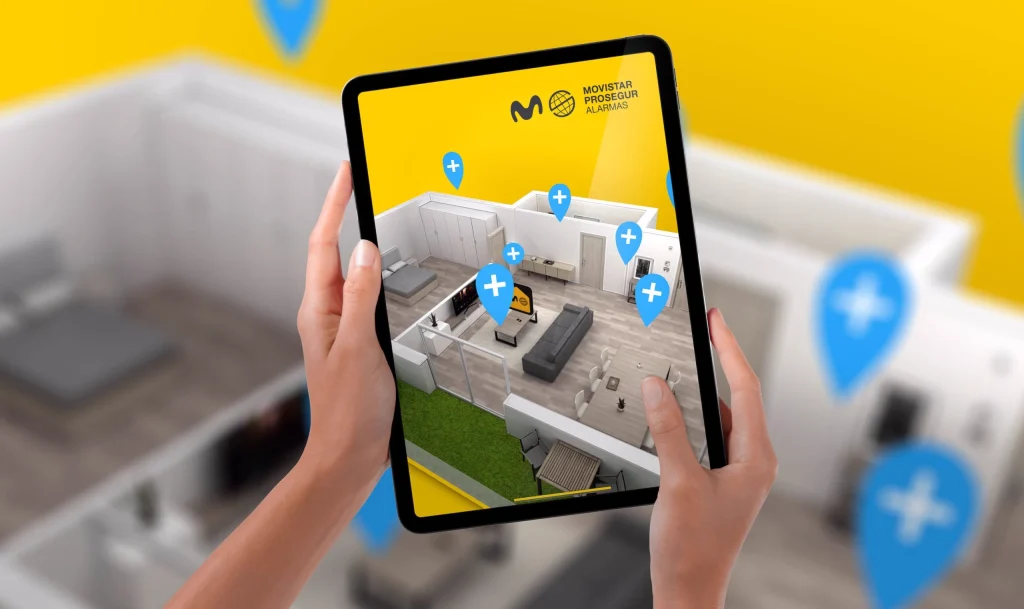
Thanks to augmented reality a vehicle's information is overlaid on the real image of the damage, compared with the documented previous state, and the report is issued without anyone travelling. It is one of the most mature uses of technology applied to insurance: it shortens assessment time, lowers the cost per file and reduces the margin for dispute.
Immersive onboarding and policy explanation
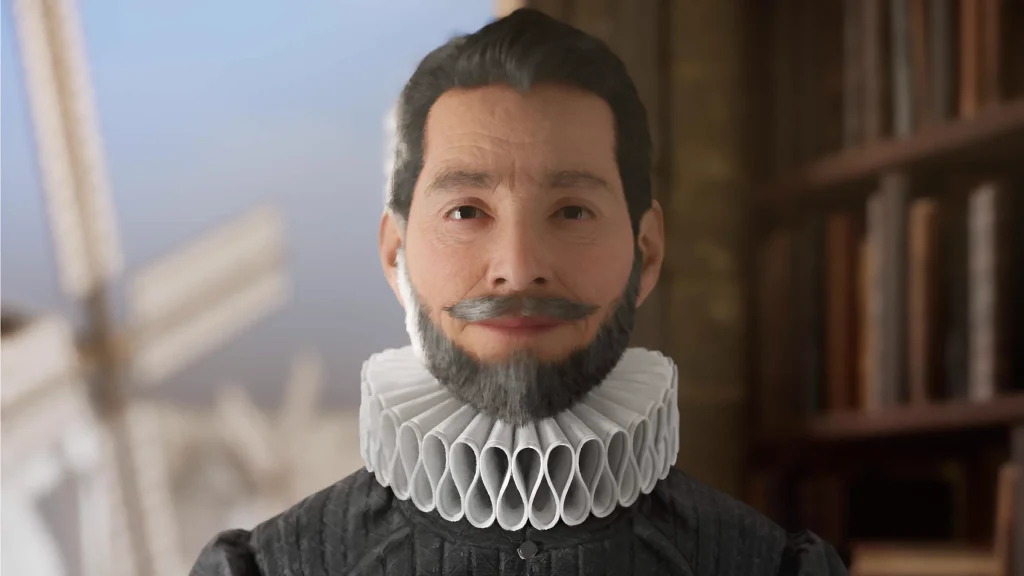
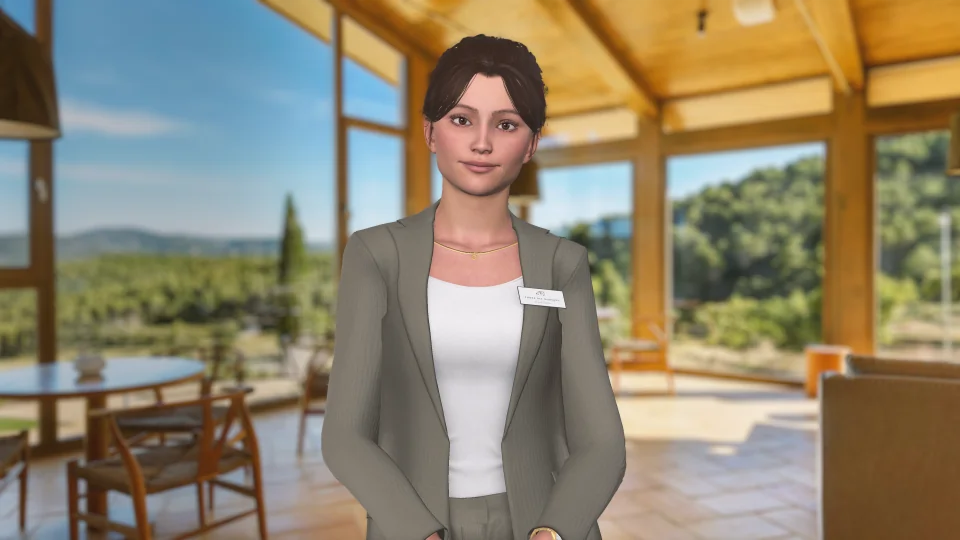
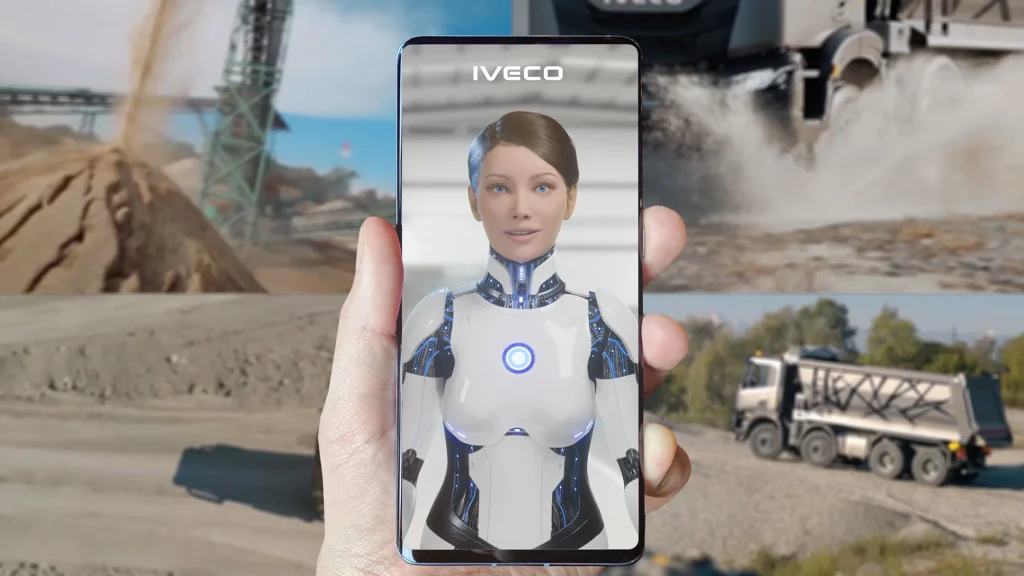
Car insurance is a dense, abstract product: clauses, excesses, cover that almost nobody reads in full. AI avatars and interactive experiences translate it into something visual, personalised and memorable, which improves understanding and takes repeated queries off the customer service channel.
VR for training agents and loss adjusters
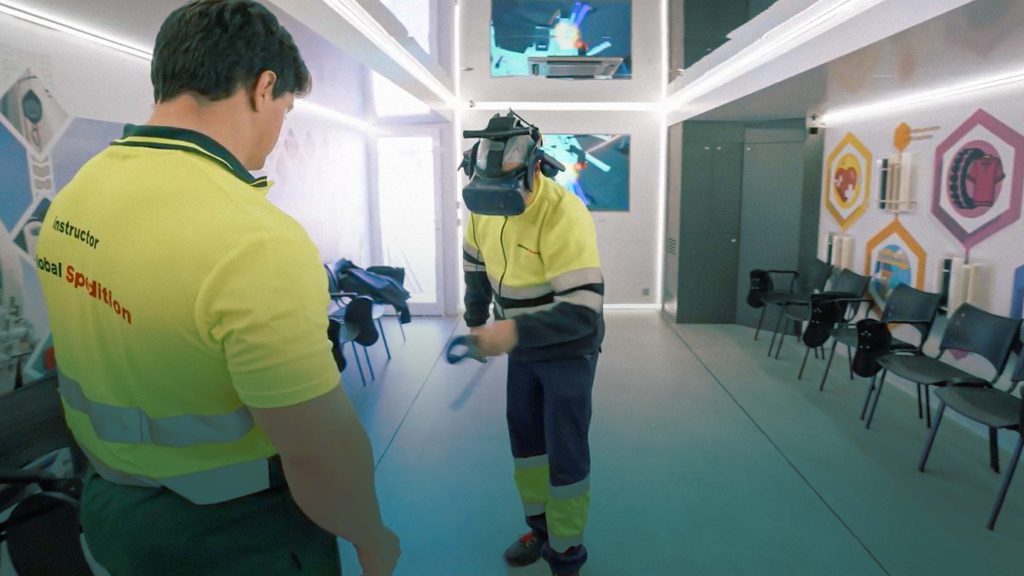
There are situations that can't be rehearsed in a classroom: a serious accident, an attempted fraud, a customer in conflict. Virtual Reality makes it possible to train loss adjusters, agents and claims handlers in those high-pressure scenarios as many times as needed, without risk and repeatably. It is the same immersive training methodology that Imascono applies in regulated sectors: with Global Spedition we cut training time by 60 %.
How Imascono brings immersive technology to the insurance sector
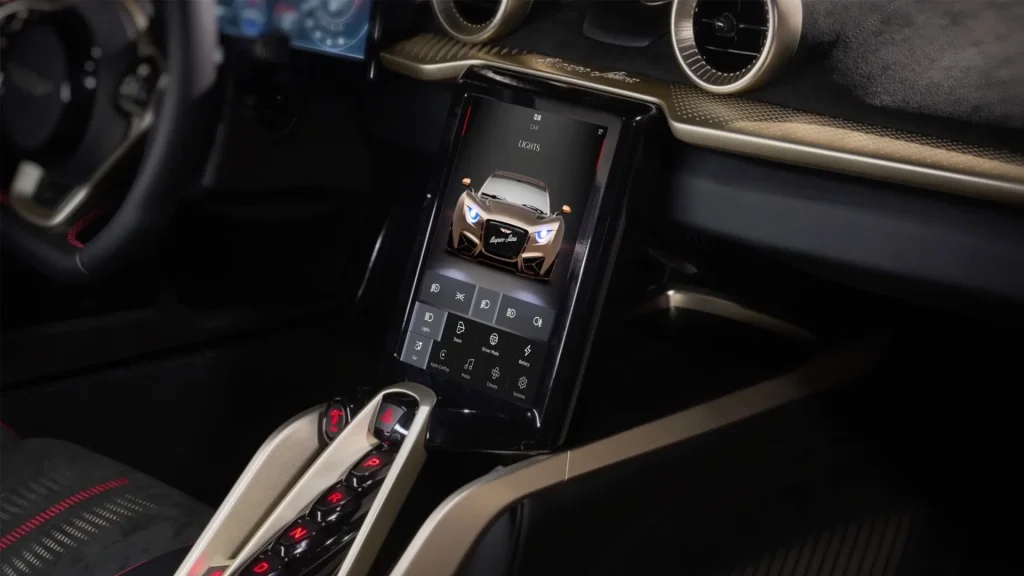
What carries a project from one sector to another is the method, not the technology: strategic study, product design and technology development, the same journey for a hospital, a plant or an insured fleet. That's why adopting the most advanced insurance technology in the automotive Industry isn't about starting from scratch. If you lead innovation or digital transformation at an insurer, pick a specific process (damage assessment, policy onboarding or training your network) and we'll design a measurable pilot around it. We also improve the experience in vehicles such as the Hispanosuiza, reinventing its digital operation to make it more accessible and efficient. Do you lead innovation or Digital transformation at an insurer and want to see how all this fits into your operations? At Imascono we don't start with the technology, but with your process. Contact us and let's take the first step together, from the idea to a custom digital product.
What is a virtual factory?
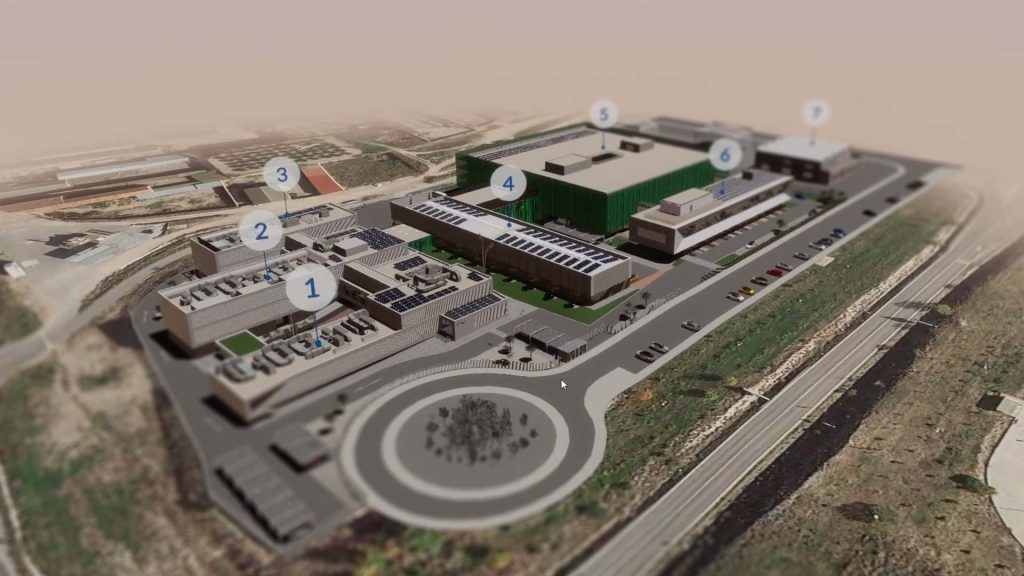
A virtual factory is a photorealistic, navigable digital replica of an industrial facility that anyone can explore and interact with using a web browser, a tablet, or extended reality glasses. Unlike the traditional digital twin, which focuses on sensors, data, and process optimization, the virtual factory uses that same technological foundation to enhance the experience: so that customers, professionals, partners, and investors can see, understand, and feel what happens on the factory floor without setting foot there. In this article, we will explore what is a virtual factory , what are the four components that make it possible, and how does all of this translate into real results, starting with the virtual factory simulation which allows complex machinery to be displayed without moving it, right down to the virtual factory tours that open the doors of an entire plant to the world. Real-world projects, quantifiable case studies, and an underlying theme that runs throughout the text: industrial complexity ceases to be a barrier and becomes a story that anyone can follow.
Virtual factory vs. digital twin: same data, different purpose
A virtual factory and a Among the leading technology trends in hospitality industry, virtual twins They are not the same. They share a common foundation, the same data, the plant's actual geometry, and technical accuracy, but they pursue different objectives. The classic digital twin, popularized by platforms such as ATS or NVIDIA environments, is geared toward operational precision; it relies on sensors, telemetry, and real-time data to predict failures, simulate production lines, and optimize every aspect of efficiency. It is, in essence, an engineering tool, a twin factory designed to make processes run more smoothly. That is why the virtual factory builds on those same foundations, since here the focus is not on the sensor, but on the person—the customer touring your plant from the other side of the world, the sales representative demonstrating an assembly line without setting foot in the factory, and the team training operators in a safe and interactive environment. That is why the virtual factory tours or a virtual factory tour are not a byproduct of Among the leading technology trends in hospitality industry, virtual twins , but rather a category with its own purpose. If you'd like to learn more about immersive technologies in industry, click here: Industrial optimization with immersive technologies: real-life examples
What makes up a virtual factory: the building blocks Imascono works with
A virtual factory is not improvised; it is built on four pillars that, combined, turn an industrial plant into a navigable, living, useful digital space. At Imascono we work on each of them as a layer stacked on top of the previous one, from visual realism to data, from interactivity to access, so that the result is not a pretty mock-up but a strategic tool. These are the components that shape every immersive simulation project we launch.
Photorealism and space navigation
The first commandment of a virtual factory is that it can be explored, not just looked at. We are not talking about a static render or a panel on a dashboard, but a photorealistic three-dimensional space that users move through at their own pace, as if they were standing on the shop floor. Visual fidelity is not vanity; it is what creates that feeling of “being there” that turns an image into an experience. That spatial navigation is the foundation everything else rests on.
Asset data and industrial system integration (IoT, ERP) as a live information layer
A virtual factory truly comes to life when it stops being a mere snapshot and starts to breathe. That's why we integrate the industrial systems already in operation at the plant—IoT, ERP, and monitoring platforms—as a layer of real-time information. Each machine can display its status, production, or metrics in real time, connecting the virtual environment with operational reality.
Interactivity and content layers
Walking through is not enough; you need to be able to interact. In a virtual factory, every machine, process, or area can carry its own information: explainer videos, spec sheets, safety protocols, documentation, or tutorials. Users tap, open, dig deeper, and understand, going as deep as they need at any given moment. These layers of content turn a virtual industrial tour into a navigable source of knowledge rather than a merely decorative stroll.
Cross-platform accessibility
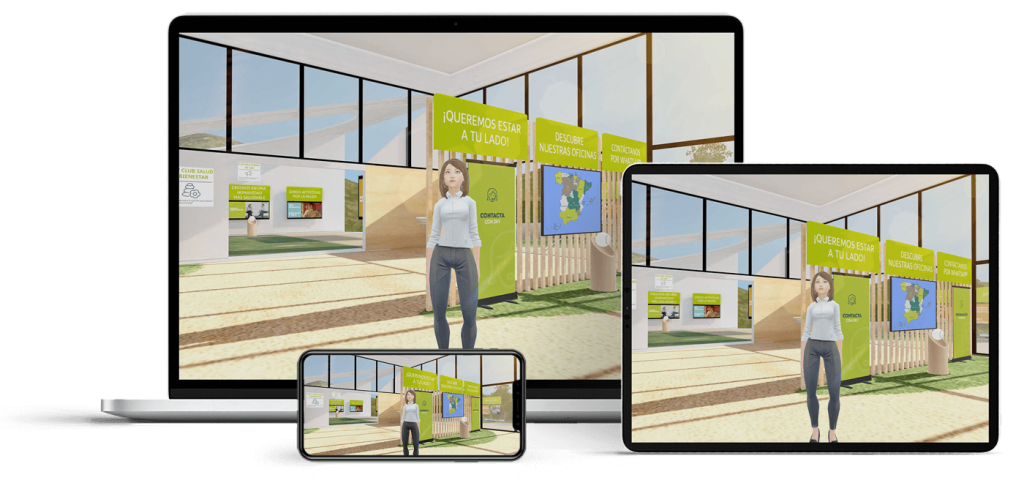
The best virtual factory should be as accessible as possible. That's why we design each project to reach users wherever they are—whether on a computer browser, a sales representative's tablet in the field, or augmented reality glasses for a fully immersive experience. This cross-platform accessibility is what makes the virtual factory tours stop being a one-off demo and become a tool for real, everyday use.
Virtual factory simulations and virtual factory tours as operational use cases
Theory is best understood in practice, and in Imascono We demonstrate this through projects that are already up and running for our clients. Two of them illustrate how a virtual industrial visit can be used to showcase facilities, processes, and operations
This Xtractor
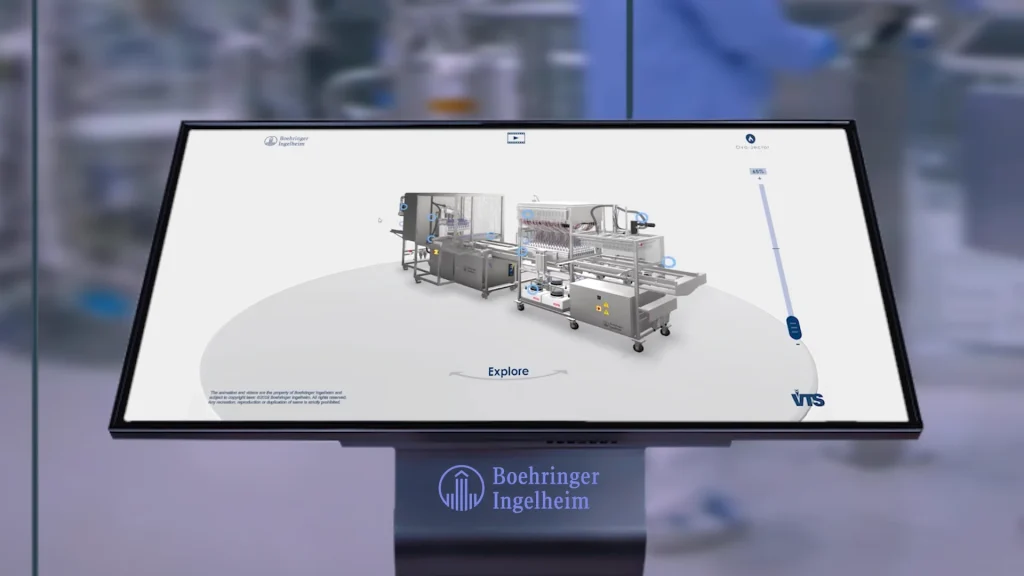
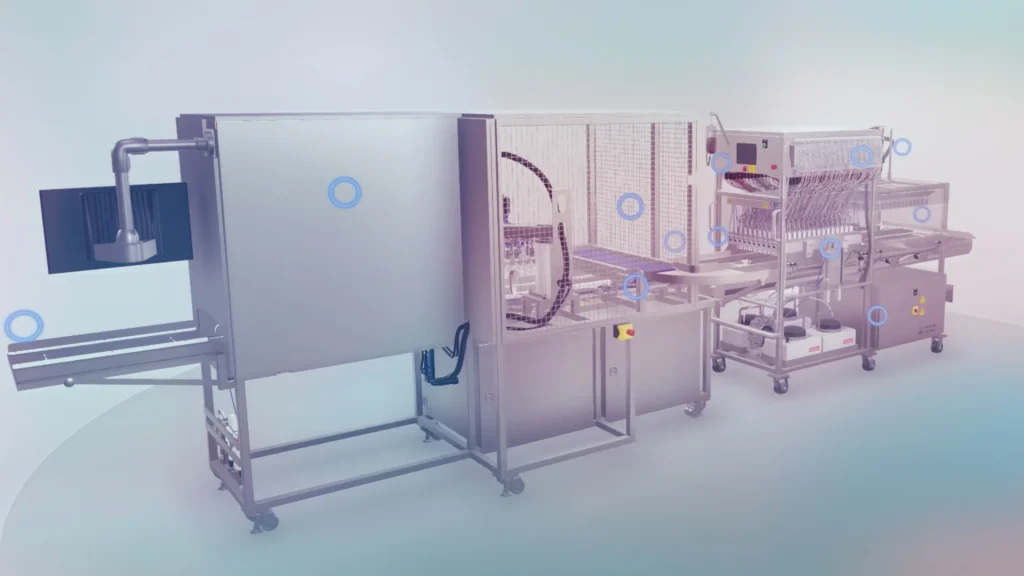
To Boehringer Ingelheim We developed the Virtual Twin of OVO Xtractor, one simulation virtual factory that virtualizes all the components and processes of its poultry vaccination machinery, interacting on screen and Virtual Reality. This is how they demonstrate their precision at trade shows and meetings without mobilizing the physical machinery. The result: more than 15 international trade shows, 40,000 visits, and a sales optimization of x1.75. One virtual twin on a machine scale that eliminates logistical costs and speeds up decision-making.
Ebroacero
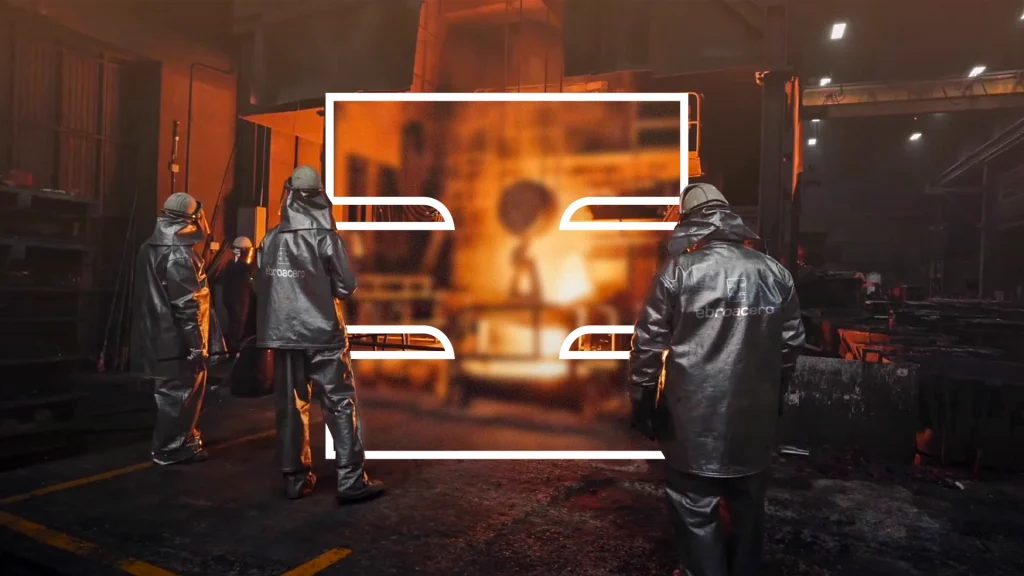
For Ebroacero, a steel foundry with more than 21,500 m² in operation around the clock, we created a platform embedded in its website that virtually replicates the plant and lets users tour it area by area. Each space includes interactive hotspots explaining its 8 virtualized processes, from molding to quality control. This virtual industrial tour makes it easy to understand the transformation of steel from start to finish and projects an image of transparency and excellence aligned with the brand.
Imascono leverages immersive technology to develop virtual factories
At Imascono we understand the virtual factory as the hub of a comprehensive technology ecosystem, XR, AI frontline and DATA, which we tailor to meet the specific challenges of each plant. Our factory virtualization service fully digitizes facilities for two purposes: the digital aspect, featuring interactive maps for safety onboarding, online meetings, and remote training; And the in-person use, enriching the physical visit with layers of digital content superimposed on the actual facilities. To this we add 3D technical catalogs that replicate machines and products with infographics online, avoiding the need to transport physical equipment to trade shows, and immersive training through simulations, role-playing, and VR onboarding, which significantly improve knowledge retention and allow for training in high-risk environments without exposing the operator to danger. What makes these pieces truly virtual factory simulation is its integration with actual operations: we connect IoT, MES, and ERP systems, and develop AI agents and we automate workflows so that the virtual environment not just a model, but a living tool aligned with the Industry 5.0. You don't need to know which technology is right for your plant—just tell us what problem you want to solve. At Imascono we design virtual factories tailored to your needs, and we'll be with you every step of the way. Let's talk and let's start building it together.
Exploring the AR and VR Market in the Healthcare Sector
Augmented reality and virtual reality are redefining the present and future of the healthcare market. What seemed like a technological promise a few years ago, is today consolidating as a driving force that is transforming medical training, surgical precision and the patient experience. In this context, the augmented reality (AR) and virtual reality (VR) They are positioned as one of the ecosystems with the greatest growth and potential, driven by the convergence of technological innovation, inteligencia artificial and new healthcare needs. From hyper-realistic clinical simulations to immersive therapies and intelligent virtual assistants, Extended Reality is creating a new paradigm where efficiency, personalization and accessibility are the norm. These solutions not only optimize processes and reduce costs, but also enable healthcare professionals and organizations to anticipate, innovate and deliver more accurate, human and connected care. In this article, we explore the market's size, growth, and key trends, as well as real-world examples that demonstrate how extended reality is already having a tangible impact on the medical sector . A guide to understanding why innovating with these technologies today is not only a competitive advantage but also a decisive step toward the future of healthcare.
Augmented reality and virtual reality in the healthcare sector: size and growth
The AR market in healthcare is experiencing exponential growth, establishing itself as one of the most transformative areas within the healthcare industry. According to Towards Healthcare, this market reached $3.05 billion in 2025 and could grow to $27.98 billion by 2035, with a compound annual growth rate of 24.81%. This momentum reflects how augmented and virtual reality are moving from emerging technologies to key strategic tools for improving clinical accuracy, optimizing medical training and transforming the patient experience (Towards Healthcare, 2025).Much of this growth is driven by the increasing adoption of these technologies in surgery, diagnostics and rehabilitation, as well as by the development of digital therapeutics and immersive training environments. This context confirms that Virtual Reality in the healthcare market analysis reflects not only a technological evolution but a structural shift in how healthcare professionals interact with information, patients and clinical procedures. The ability to visualize data in real time and simulate complex scenarios is raising the standards of efficiency, safety and clinical outcomes.In this scenario of accelerated expansion, factors such as technological progress, increased investment and the growing digitalization of the sector are driving new opportunities for innovation.You might be interested in: AR in surgery as a real-time guide for better outcomes
Key AR and VR in healthcare market trends transforming patient care
The convergence between immersive technologies and healthcare is marking a before and after in the way healthcare is delivered. VR in healthcare is evolving rapidly, driven by the need to improve clinical accuracy, optimize training and deliver more personalized patient experiences.
From surgical simulation to mental health therapy
XR technologies are revolutionizing both surgical environments and psychological therapies, with virtual reality allowing surgeons to train in hyper-realistic environments without risk, while ar in healthcare market facilitates the visualization of anatomical structures in real time during interventions, opening up new opportunities within the healthcare market for more accessible and effective therapies.
The rise of immersive training and diagnostics
Medical training is evolving towards more interactive and experiential models. Thanks to immersive environments, healthcare professionals can learn complex procedures, improve their skills and make decisions in simulated scenarios that replicate real-life situations. In addition, advanced 3D visualization of clinical data is improving diagnostic accuracy, allowing pathologies to be detected more quickly and facilitating personalized treatment planning.
AI, metaverse and next-gen healthcare experiences
The integration of inteligencia artificial with XR technologies is driving a new generation of smart healthcare experiences. From virtual assistants that guide healthcare professionals in real time to collaborative environments where specialists can interact remotely, focusing on market trends to achieve a more connected, predictive, and efficient healthcare system, optimizing processes and improving the patient experience.
Imascono as a key partner to unlock innovation in the AR & VR in healthcare market
In a context in which the healthcare ra and rv are redefining the sector, Imascono is positioned as a strategic technology partner for veterinary, healthcare and pharmaceutical organizations. These projects reflect how technology raises the standard of healthcare and professional training.
P&G
For Procter & Gamble, we developed a gamified virtual environment that allows healthcare professionals to train diagnosis and decision making through interactive clinical simulations guided by an avatar. The experience integrates pathology visualization, quizzes and realistic scenarios that reinforce active learning and improve knowledge retention. This solution allows users to practice in a safe environment, anticipate real-life situations and acquire clinical skills more effectively.
Sania Sanitas
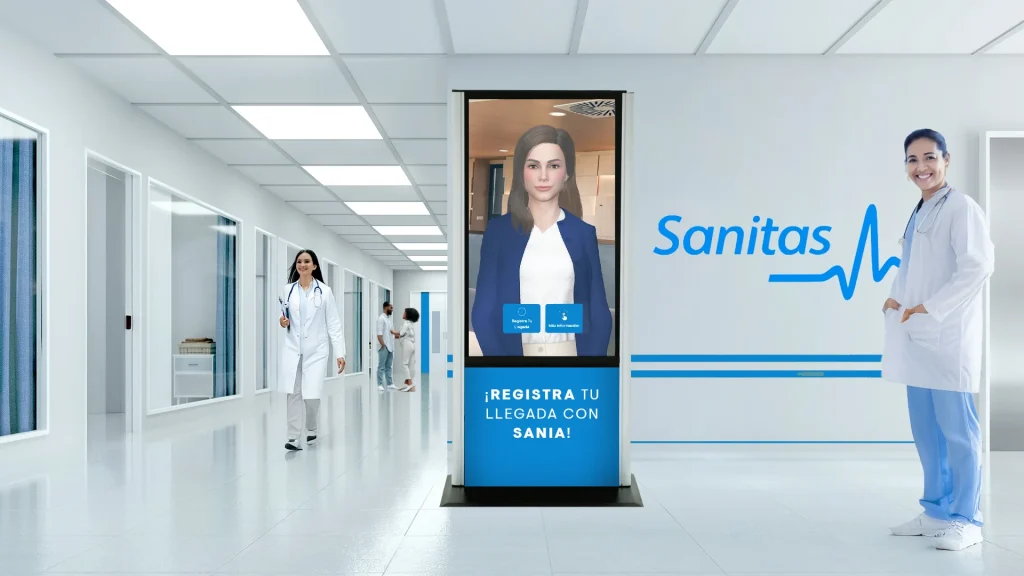
In collaboration with Sanitas, Imascono created an AI-powered virtual assistant that guides patients inside the hospital through an interactive avatar accessible by voice or touchscreen. This solution makes it possible to manage appointments, answer questions and improve wayfinding within the facility, reducing waiting times and optimizing internal processes, thereby improving the patient experience at the hospital.
Vaccines VR
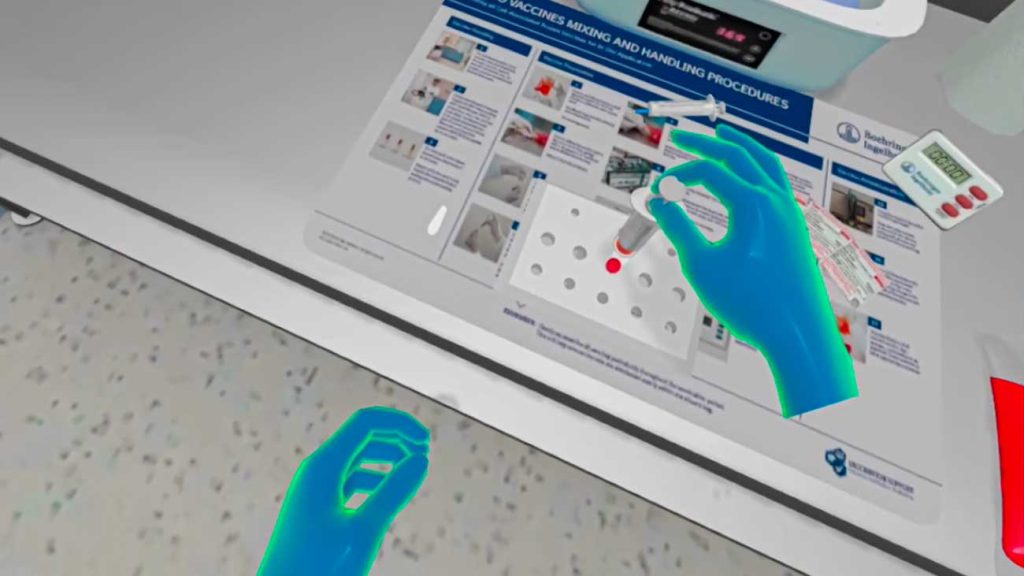
A solution was developed for Boehringer Ingelheim immersive training using virtual reality that simulates the entire process of preparing a new injectable product. This experience transforms traditional manuals into practical, gamified simulations, allowing professionals to train from anywhere, reduce costs, and improve training efficiency. These projects demonstrate how Imascono Health drives innovation within the augmented reality and virtual reality in the healthcare market , helping organizations to implement immersive technologies with real impact, accompanying you throughout the process. Whether you are looking to transform training, patient experience or clinical processes, contact our team now .
Main characteristics of digital transformation in companies
The digital transformation in companies has become the inevitable path to remain competitive in an ever-changing market. Today, technology not only optimizes processes, redefines business models, transforms customer relationships and opens new growth opportunities, but the process of digitizing does not consist of adopting isolated tools, but of designing a solid strategy, aligned with business objectives and supported by technologies capable of generating real impact. In this article we explore what is digital transformation in companies? , We will discuss what are its main characteristics and what technologies are driving this change, from artificial intelligence and the strategic use of data to the new immersive digital environments. In addition, we discuss how to design a digital transformation plan effective, based on analysis, planning and continuous evolution. A clear and expert vision to understand how to turn technological innovation into a real competitive advantage and why having the support of a technology consultancy makes the difference between digitizing and truly transforming.
What is digital transformation in companies and why is it key?
The digital transformation in companies This is a profound change that affects the strategy, culture, processes and the way in which organizations create value. It involves rethinking the business model by relying on technologies such as the artificial intelligence, cloud, data or digital experiences. to be more agile, efficient and competitive. In other words, it is not just technology, it is vision, innovation and a new way of understanding business in an increasingly digital and changing environment. Today, digital transformation is key because the rules of the market have changed. Customers are more demanding, innovation cycles are shorter and competition no longer understands borders. Companies that are committed to a well-defined digital transformation plan not only optimize costs or processes, but also improve decision making, generate differential experiences and open the door to new growth opportunities. For this reason, having a clear strategy and the support of an expert technology consultancy has become a decisive factor. Below we explain the main characteristics, technologies and the process to begin this transformation.
Key characteristics of digital transformation
The digital transformation in companies does not respond to a single formula, but it does share a series of key characteristics that make the difference between a simple technological adoption and a real change with business impact. These characteristics act as strategic pillars that enable organizations to evolve, innovate and remain competitive.
Digital strategy aligned with business objectives
The transformation must start from a strategy aligned with business objectives , where technology acts as a real lever for growth and efficiency. Defining a clear roadmap allows prioritizing initiatives, optimizing investment and ensuring a tangible impact on results. In technology consulting, this strategic approach is key to turn challenges into effective digital solutions. In short, it is not a matter of innovating for the sake of innovating, but rather of apply the technologies that really add value to the company.
Intelligent use of data for decision making
Data has become one of the most valuable assets of organizations. One of the great characteristics of the digital transformation in companies is the ability to collect, analyze and convert information into actionable knowledge. Thanks to Big Data, advanced analytics or artificial intelligence, companies can anticipate trends, optimize processes and make evidence-based decisions, driving more agile and results-oriented performance.
Process automation and operational efficiency
Automation is one of the great accelerators of digital transformation. Digitizing and automating internal processes makes it possible to reduce errors, save time, and free teams from repetitive tasks so they can focus on higher-value activities. Technologies such as RPA and intelligent systems help improve operational efficiency, communication, and business scalability.
Scalability, flexibility and adaptation to change
In a constantly evolving environment, implementing technology makes it possible to design structures capable of growing, adapting and responding quickly to new market needs. Cloud-based solutions, modular architectures or scalable digital services facilitate continuous innovation and reduce reaction times. This ability to adapt becomes a key competitive advantage and reinforces the importance of a well-defined digital strategy and the support of experts to help anticipate change and turn it into an opportunity.
Key technologies driving digital transformation in enterprises
The digital transformation in companies would not be possible without a set of enabling technologies that act as the engine of change. These tools not only enable the modernization of operations and processes, but also open doors to new experiences, products and sustainable competitive advantages. Below, we take a closer look at some of the main technologies.
Artificial Intelligence and Machine Learning
Both AI and Machine Learning allow companies to automate complex tasks, personalize customer experiences, detect hidden patterns in large volumes of information, and optimize operations in real time. An innovative example is intelligent avatars, which can interact naturally with users for customer service, training, or internal processes, elevating the digital experience, accelerating decision-making, and turning data into intelligence.
Big Data and advanced analytics
The explosion in the volume of data has placed the Big Data y la advanced analytics at the heart of digital transformation. It's not just about storing data, but analyzing, interpreting and representing it in a way that facilitates strategic decisions. Modern tools for Business Intelligence and analytics platforms enable real-time insights and visualization of complex trends. A striking example is the interactive data-driven infographics , The information is accessible and understandable at all levels of the organization, improving internal and external communication.
Extended Reality and new digital environments
The technologies of Extended Reality , are redefining the way companies interact with their customers and teams. These tools enable immersive experiences, which offer realistic simulations to train employees in safe and controlled environments, reducing risks and accelerating learning. By integrating these digital environments, companies can innovate on training, marketing, product design and improving the customer experience , creating memorable experiences that reinforce brand image and service.
How to design a digital transformation plan for a company
Design a digital transformation plan for a company begins with a digital analysis and diagnosis that allows us to know the starting point, detect opportunities and align technology with the real needs of the business. Based on this analysis, a clear digital roadmap is defined, which prioritizes initiatives, establishes phases and sets specific objectives to move forward in an orderly, efficient manner and with measurable impact. Digital transformation is not a static process, but a continuous evolution. Therefore, the support of an expert technology consultancy is key to adapting the strategy, measuring results and incorporating new solutions as the business and the market evolve. Only in this way can technology become a vehicle for growth and a sustainable competitive advantage over time. If you want to know more about this section 🤪 Digital transformation diagnosis: what is analyzed. Do you want to know how to wear the digital transformation in your company to the next level? At Imascono we accompany you throughout the process, from the definition of the strategy to the implementation of innovative technological solutions with real impact on your business. Contact with us and discover how to turn technology into a competitive advantage that makes a difference.
How prototyping in VR is shaping the future of design
In a world where innovation is moving faster than ever, design processes could not be left behind. Prototyping in vr has arrived to revolutionize the way we conceive, test and refine products, moving from static sketches to immersive virtual experiences that can be explored, adjusted and validated in real time. This new way of prototyping not only reduces costs and speeds up times, but also opens the door to more collaborative, creative and effective experiences. From sectors such as education the health the logistics or the entertainment , companies around the world are already discovering how virtual reality transforms every stage of design. Discover with us in this blog how to implement immersive solutions to make the leap into the future.
The rise of virtual reality prototyping
The VR prototyping have revolutionized product design, allowing ideas to materialize quickly without the need for costly physical models. This technology accelerates iteration, reduces risks and allows experimentation with materials and functionalities in a totally safe and controlled environment, optimizing resources and making decisions based on tangible experiences. In addition, VR facilitates global collaboration: designers, engineers and stakeholders can interact simultaneously within the same virtual prototype, improving creativity, decision making and ensuring that the final product meets expectations from the first version. In short, prototypes in VR is not only transforming design processes, it is redefining the future of innovation.
Why virtual reality prototype models are changing design thinking
Contemporary design is no longer limited to paper sketches or physical models that consume time and resources. Virtual prototypes and are redefining how teams think about, create and validate products. Virtual reality allows experimentation with ideas from their earliest stages, promoting a more intuitive and user experience-centric approach. Thus, design thinking is enriched: it becomes more agile, visual and collaborative, aligning creativity and technological efficiency as never before.
How do virtual reality prototypes transform design processes?
VR prototyping revolutionizes every stage of design, offering advantages that seemed impossible before:
Faster iterations and lower costs: Design iterations happen in a matter of hours, eliminating the need to build multiple physical prototypes and significantly cutting expenses.
Immersive testing and real-time feedback: Designers can experience the product in a virtual environment, spotting issues and fine-tuning details on the fly, which leads to more accurate and effective decisions.
Collaboration across teams and locations: Professionals from different disciplines and places can meet inside the same virtual prototype, sharing ideas, reviews, and improvements in real time, with no geographic barriers.
Adopting VR Protoyping into your workflow
Bringing VR prototyping into the daily work of design teams is not just a trend; it is a strategic step toward innovation and efficiency. Integrating virtual prototypes into your processes helps optimize resources, speed up the validation of ideas, and raise the quality of projects from the very start. But, like any transformation, it requires following these guidelines:
Choosing the right VR platforms
Choosing the right platform is key to success. From immersive training software to multi-user collaborative environments, there are multiple options on the market. The challenge lies in selecting the ones that best suit your industry needs, existing design flows and the level of scalability you are looking for. With a strategic approach, VR prototyping becomes a catalyst that integrates creativity and technology.
Developing skills and partnering with experts
Adopting this methodology goes beyond technology: it requires skilled talent and a network of expert allies. The learning curve can be shortened by collaborating with specialized partners who bring experience in the implementation and customization of virtual environments. At Imascono , We not only develop customized solutions, but also accompany teams in their transformation, ensuring that each step is aligned with the company's strategic objectives.
Measuring ROI and continuous improvement
The true value of prototyping in vr is measured in results: reduced physical prototyping costs, accelerated time-to-market, increased customer-perceived quality, and improved collaboration and learning across teams. With clear metrics and continuous improvement processes, organizations can ensure that investment in virtual reality translates into tangible impact. With the creativity and expertise of Imascono, each virtual prototype is an investment in the future of each company.
Which businesses can benefit from the rise of VR in prototyping?
VR prototyping is not exclusive to one sector; its flexibility and ability to transform processes make it a cross-cutting tool that impacts industries as diverse as education, logistics, healthcare or entertainment. Any organization seeking to innovate, optimize resources and offer differential experiences can take advantage of its potential and accelerate its digital transformation. At Imascono We have already helped companies in different sectors to take this leap into the future:
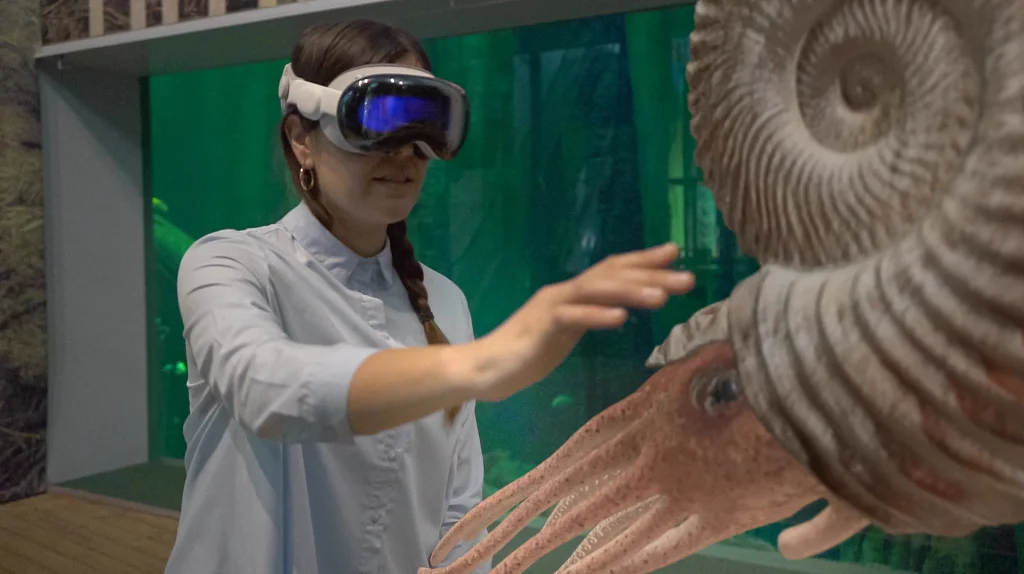
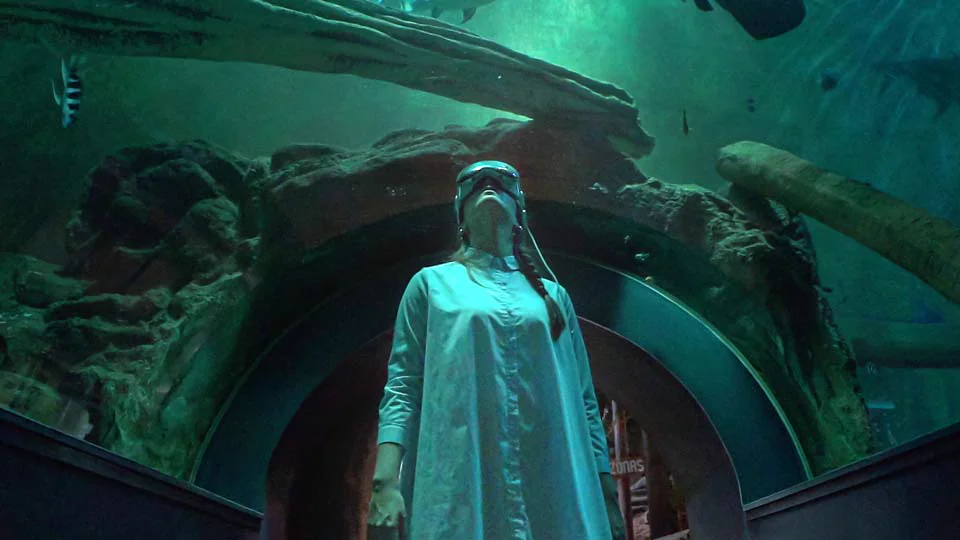
Spatial Computing Aquarium: A project that took the user experience to a whole new level, combining virtual reality and immersive interaction to create a fascinating educational environment. Together with the Zaragoza Aquarium, we developed this pilot project for a tour of the facilities, giving visitors the chance to do everything from talking live with their own personalized guide and seeing a 3D recreation of a coral reef with ammonites from more than 200 million years ago, to touching a life-size elephant or traveling to the center of an erupting volcano, enriching the entire visit.
Global Spedition: Through a virtual training platform, we turned traditional manuals and PowerPoint decks into immersive, gamified training. The best part of this project was the employees' reactions. Used to more conventional occupational health and safety training, they saw this experience as a useful, fun, and fast way to learn response and safety protocols. As a result, we optimized the team training processes, with an immediate impact on productivity.
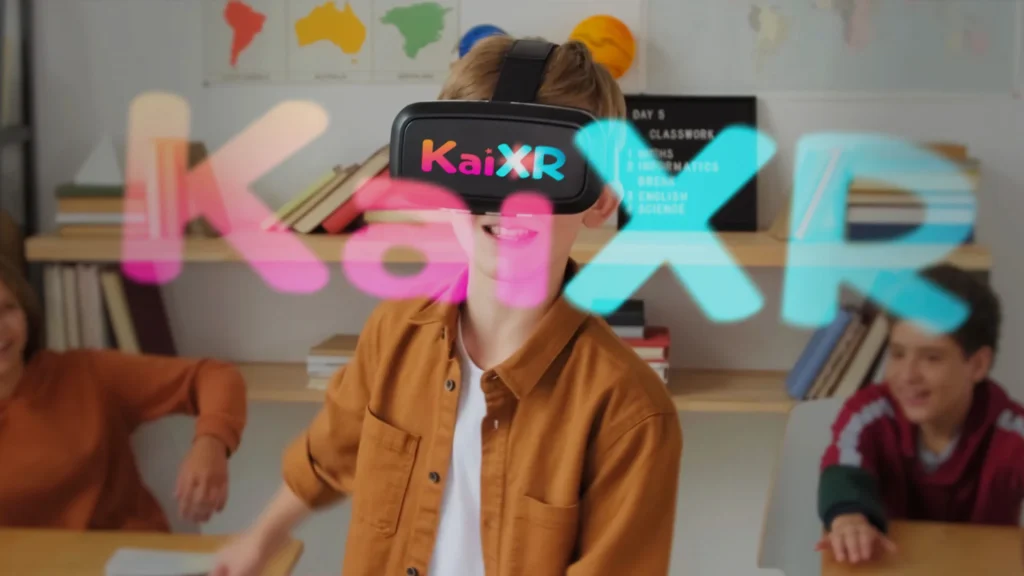
Kai XR Platform: In the educational field, we developed a solution that democratizes access to immersive content for students, turning learning into an active and memorable experience. The result is an accessible, sophisticated, and intuitive VR web application accessible from web browsers, both on computers and mobile devices, as well as from the actual virtual reality glasses. Already more than half a million children are enjoying the educational experiences!
Vaccines: In the healthcare sector, we created an immersive training experience on vaccines for Boehringer Ingelheim, making complex processes easier to understand in a more visual, interactive, and effective way. A clear example of the value VR brings to highly specialized industries. This allows Boehringer to deliver training in different parts of the world at the same time, in the language the laboratory specifies, while saving on travel costs and on materials used exclusively for training.
Enhance your design prototypes with Imascono's virtual reality solutions for businesses.
In a world where innovation makes all the difference, the VR training has become one of the most powerful tools for transforming ideas into tangible realities. At Imascono we do not only develop virtual prototypes s We help companies to imagine their design processes, optimize resources and offer unique experiences to customers and training teams. Our experience positions us as the ideal partner to integrate virtual reality solutions that bring real value to your business. From conceptualization to implementation, we work with you to create virtual environments that enhance creativity, accelerate time-to-market and improve decision making. Because each prototype is much more than a model, it is the foundation on which the future of your company is built. If you want to learn more about virtual training, get in contact with us and discover how VR solutions from Imascono can take your design and prototyping to the next level. Find out more about how: step-by-step integration of virtual reality in your company
Main technological applications in nature tourism
In today's world, technology is part of our daily lives, even when we are in nature. Through geopositioning, AR information points, intelligent guides... Nature tourism is undergoing a real revolution. Imagine exploring trails where Augmented Reality brings to life the flora and fauna around you, or immersing yourself in Virtual Reality experiences that transport you back thousands of years to discover the evolution of the ecosystem. In this blog we will take you to a fascinating journey through the technology applications that are transforming the way we connect with the environment making each adventure more interactive, educational and sustainable. Discover how innovations such as gamified maps, webapps, VR experiences and interactive apps are improving the visitor experience, redefining the brand image of natural destinations, improving the visitor experience, redefining the brand image of natural destinations and promoting responsible tourism that cares for biodiversity. And to inspire you even more, we tell you the real case of Lacuniacha, the Wildlife Park of the Aragonese Pyrenees, which has become a benchmark by merging technology with a firm commitment to nature and knowledge. The future of nature tourism is here, and it's more innovative, sustainable and exciting than ever!
Why is technology key in today's nature tourism?
Nowadays, digital connection is vital to move around the world, that's why technology has become the most important tool in our lives. essential partner for transforming the nature tourism experience . It's no longer just about exploring breathtaking landscapes, but about safer, more sustainable and personalized adventures thanks to innovations that revolutionize every step of the way. From apps that guide you through secret routes and real-time interactive maps, to devices that monitor air quality and environmental health, technology allows travelers to connect with nature in a more conscious and enriching way. It also promotes ecosystem conservation and sustainability by facilitating responsible tourism practices and minimizing environmental impact. You can learn more about the impact of technology in the tourism industry in our post Tourism and technology: current trends
Most relevant technological applications in nature tourism
Smart nature tourism would not be possible without the deployment of innovative technologies that amplify every outdoor experience. Today, technology is redefining how we explore, learn and connect with the natural environment. Let's take a look at the technology applications that are revolutionizing this sector.
Augmented Reality to enrich routes and trails
Can you imagine walking along a trail and, just by picking up your cell phone, you can see the flora, fauna or history of the place come to life in front of your eyes? Augmented Reality is that exciting technology that turns any route into an interactive and educational experience. With apps that provide real-time information about the natural environment, nature tourism offers visitors a new way of understanding and respecting the environment while enjoying a unique adventure.
Interactive gamified maps
Fun and education are combined with interactive gamified maps, which make exploring the environment a fun and educational experience. in a game full of challenges, clues and rewards. These digital maps offer personalized routes, real-time location and challenges that encourage travelers to discover secret places and learn about the ecosystem in a dynamic way. This innovation not only improves the user experience, but also boosts nature tourism. more responsible, formative and educational. An example of this can be found in the virtual recreation of Loarre Castle . Loarre XR is an interactive map of the Romanesque castle that allows you to know in detail each of the rooms, enjoy views of the valley and learn more about its history.
Webapps for environmental interpretation
The webapps specialized in environmental interpretation are digital tools that provide detailed and accessible information on ecosystems, biodiversity and local culture. Ideal for travelers looking to deepen their connection with nature these platforms offer multimedia content, interactive guides and recommendations on the environment. With them, tourism becomes easier, more attractive and sustainable. You may be interested in → Technology trends in amusement parks: Virtual Reality
Virtual Reality to Explore Natural Environments
If the trip is complicated or the adventure too extreme, Virtual Reality appears as the perfect solution for nature lovers. . Thanks to this technology, it is possible to explore remote ecosystems, national parks or protected reserves from the comfort of home. The VR brings natural beauty to more people and promotes environmental awareness promoting sustainable tourism that respects natural habitats. You can even travel back in time as in the Lacuniacha project or to the top of a mountain like in the Frozen Emotion experience .
Benefits of technological innovation in nature tourism
The technological innovation is not just a passing trend, but a powerful driving force that drives smart nature tourism towards a brighter, more attractive and sustainable future. Find out how these technologies are transforming the visit to natural destinations. Here we tell you about it:
Improved visitor experience
Technology puts tools in the hands of the traveler that take adventure to another level. From Augmented Reality apps that enrich every step of the way, interactive maps that guide and entertain, to VR experiences that make it easier to see and understand wildlife and natural environments. . The visitor experiences a deeper and more personalized connection with the natural environment. Improving the experience and increasing loyalty.
Redefines the brand image
Adopting innovative technologies positions nature tourism destinations as Pioneers and leaders in sustainability and innovation. This Digital transformation helps to building a fresh, attractive and environmentally-conscious brand image, Able to capture the attention of a global audience that seeks unique and personalized experiences. Technological innovation makes you stand out from the competition.
Promoting sustainability
One of the great promises of technology in smart nature tourism is its ability to drive sustainable practices. Environmental monitoring systems, apps for interpreting the surroundings and tools that manage tourist flows help minimize ecological impact. In this way, biodiversity is protected and a form of tourism that respects and cares for ecosystems is promoted.
Increased perceived value of the destination
When a destination integrates state-of-the-art technology, the value attributed to it by visitors grows exponentially . Innovation not only improves the quality of the experience, but also adds exclusivity and differentiation. This translates into greater willingness to invest and more qualified tourism. The company is looking for authenticity and technology in balance. Learn more about the benefits of tourism innovation at Smart destinations: what are they and what are their characteristics?
Real cases of technology applied to nature tourism: Lacuniacha
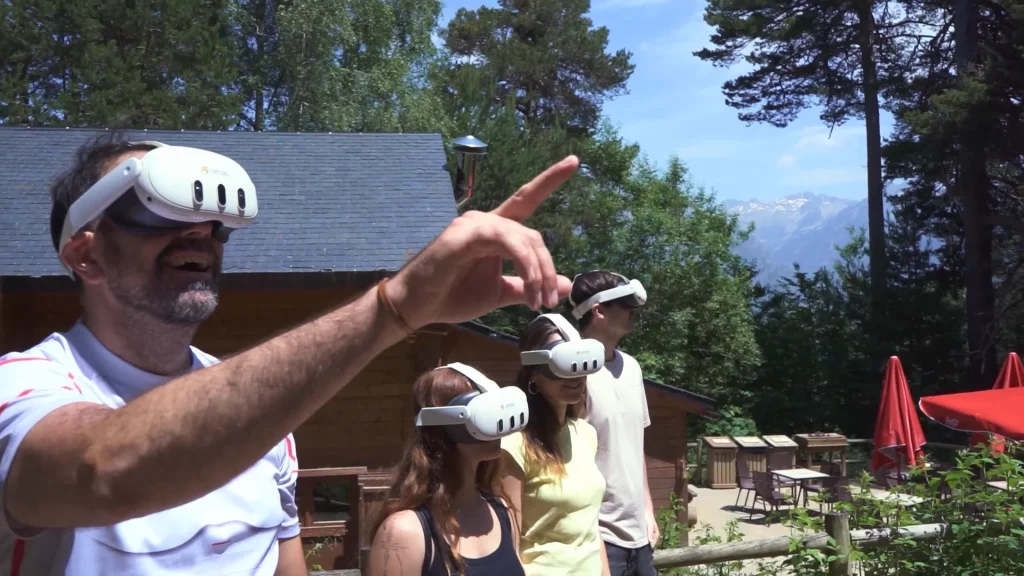
Lacuniacha, the Wildlife Park in the Aragonese Pyrenees, is revolutionizing smart nature tourism with its Lacuniacha Twin app, which uses Augmented Reality to make the visit more interactive and educational. Visitors can watch the park's species come to life, both inside and outside the natural environment, enriching their connection with local biodiversity.The app also offers an immersive Virtual Reality experience that lets you travel back 15,000 years to discover the evolution of the ecosystem and its wildlife. Including extinct species such as the Pyrenean ibex. This technology, available in several languages, democratizes access to knowledge and promotes sustainable, responsible tourism.In addition, Lacuniacha reinforces its environmental and local commitment by driving educational and conservation projects. Together with Imascono, this commitment to technology positions the park as a benchmark in innovation and sustainable tourism, creating a memorable experience that connects technology, education and nature.
How to integrate technology in ecotourism and natural parks projects?
Integrating technology into ecotourism and nature park projects is essential to creating memorable, sustainable and accessible nature tourism experiences. In addition, it is important to involve the local community and experts to ensure that the innovation social and cultural value, strengthening the brand image of the destination. On the other hand, the technology on which the experience is based must be intuitive and easy to use, to attract all types of travelers. Another interesting point is the constant measurement and adaptation to changes in the environment and in the traveler's profile. A fact that makes it possible to evolve and improve the experience consolidating a modern, sustainable and high value-added nature tourism. Want to take your nature tourism project to the next level with innovative technology? At Imascono We are ready to help you create unique, sustainable and memorable digital experiences. Contact us at and discover how to transform the connection with nature through innovation!
Virtual storefronts: how to capture and improve your customers' attention
According to the latest Accenture studies, 45% of consumers believe that their shopping experiences are boring. . The retail sector needs to change this data, it needs to surprise, innovate and leave a mark in the memory of users. To this end, new technological proposals are being born: enlarged photocalls virtual fitting rooms, interactive corners, intelligent personal shoppers... and even the trend of the virtual shop window, designed to revolutionize the way physical stores interact with customers. Thanks to immersive technology and the integration of Augmented Reality, the D.O.O.H trend and interactive digital displays, window displays are no longer just static showcases, but interactive experiences that capture attention even before the customer enters the store. These innovations not only enhance product visibility, but also create an emotional connection with consumers by inviting them to actively participate in the shopping experience. In this article, we'll explore how virtual storefronts can transform the way brands attract customers, boosting interaction and engagement right from the start. In addition, we will show you real cases of success created by Imascono where innovation and creativity have led brands such as The Body Shop and El Corte Inglés to conquer the market. phygital world Are you ready?
How can a virtual storefront benefit your store?
A virtual storefront can be a very powerful resource for transforming the shopping experience in your store by combining visual appeal with digital interactivity. This not only increases visibility of the brand and your products It also generates a memorable experience that fosters curiosity and the desire to learn more. If we look at its definition, a virtual showcase is a digital tool that modernizes traditional showcases by integrating technologies such as Augmented Reality and interactive displays . It allows customers to explore and experience products in a dynamic and immersive way, transforming the static showcase into a more engaging and modern shopping experience.
In addition, a virtual storefront optimizes the use of the physical space, providing a competitive advantage by allowing the store to connect with consumers in innovative ways, even outside of operating hours. Below, we will discuss the top three benefits of using virtual storefronts for brands:
Space optimization
A virtual showcase allows optimize the use of physical space in an efficient manner . By incorporating interactive technologies, such as digital screens and Augmented Reality advertising content In addition, storefronts can offer dynamic visual experiences without the need for a large physical display space. On the other hand, thanks to the interaction data collection In this way, it is possible to adapt content in real time, adjusting it to the customer's preferences and behaviors. This personalization capability allows brands to offer a unique and relevant experience, maximizing the impact of each display and ensuring that the showcase evolves according to consumer trends and specific campaigns.
Digital Out Of Home (D.O.O.H)
Virtual storefronts fit perfectly into the trend. Digital Out of Home (DOOH) which has gained great relevance in recent years. Through digital screens and interactive technologies, brands have the opportunity to reach consumers more effectively, even outside their physical stores. Virtual storefronts, being connected to the Internet, allow to offer segmented and dynamic messages, based on location, time of day and customer behavior. This omnichannel interaction between the physical and digital world is an innovative way to engage consumers in urban and retail environments maximizing brand visibility and increasing conversion. You can learn more about this trend in more detail in the → post. How extended reality is transforming DOOH advertising .
The user doesn't need any hardware
One of the main advantages of the virtual storefronts is that the user does not need additional hardware to interact with products. Unlike other technologies that require special devices such as Virtual Reality glasses or specific mobile applications, virtual storefronts allow consumers to engage simply by using their smartphones or by being near the storefront. This removes barriers to entry, making the experience more accessible to a wider range of users. By not relying on additional devices, the experience becomes more seamless and engaging, increasing the likelihood that customers will interact with content and make purchases.
Features of a virtual storefront that stands out to customers
Today more than ever, shop windows, and in particular, virtual shop windows, must be much more than attractive: they must be smart, functional and memorable . These showcases not only serve to display products, but also become points of connection between the brand and the customer, creating an immersive experience that reinforces branding and encourages immediate action. If you're wondering what a virtual storefront should look like to catch eyes and convert curious onlookers into loyal shoppers, the answer lies in three key ingredients: Creativity , engagement with the public and interactive experience . Let's discover them.
Creativity, branding and experiential marketing
A virtual showcase offers an excellent opportunity to creative branding and experiential marketing that connects emotionally with consumers. By integrating visual elements, augmented reality effects or interactivity, brands can tell immersive stories that reinforce their identity and values. By inviting the audience to from storytelling to storyliving . Virtual storefronts allow brands to go beyond simply displaying products, creating an interactive sensory experience that attracts customers and builds customer loyalty . Through unique experiences, window displays become an extension of the brand's value proposition, increasing recognition and emotional connection with consumers.
Engagement with all audiences
Virtual storefronts are a highly versatile tool, capable of attract attention, generate impact and attract all eyes, regardless of the audience or context. Thanks to their dynamic design and ability to adapt to different environments, they can be effective in a wide range of situations, from the launch of a product to the creation of a seasonal campaign, adapting the elements for Christmas, summer and other important dates. Not being limited by physical space, virtual storefronts can be placed anywhere in the store or public space, inside or outside or in the middle of the mall, capturing the attention of a diverse audience and creating a point of interaction for all customer profiles. In the following link you can learn more about the Retail and Leisure Technology .
Interactive experience
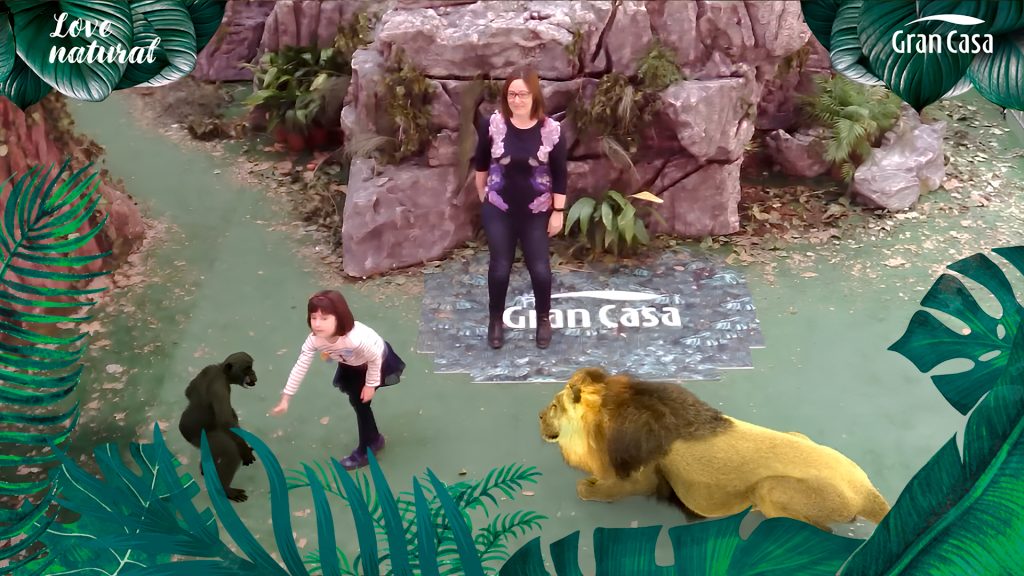
One of the most outstanding features of virtual storefronts is their ability to offer a interactive experience The new photocalls, turning them into an attractive point of contact for the customers. Whether through an augmented photocall, a virtual tester or an interactive game, consumers can actively engage with the products or the brand. This interactivity not only increases engagement, but also allows to generate databases valuable . For example, if customers have to leave their contact information to download a photo or participate in a ranking, the brand obtains useful information for future follow-ups and promotions. This gamified and personalized approach encourages participation and loyalty, creating a more direct relationship with consumers. You may be interested in → How experiential marketing revolutionizes interaction with the public .
Examples of virtual storefronts: Imascono success stories
To talk about virtual storefronts is to talk about innovation, but seeing them in action is what really inspires. At Imascono we have had the privilege of transform the way big brands connect with their customers, through digital experiences that combine creativity, technology and visual impact. These three success stories prove it:
Kimchi! Thor: a movie universe that you don't just see, you live it!
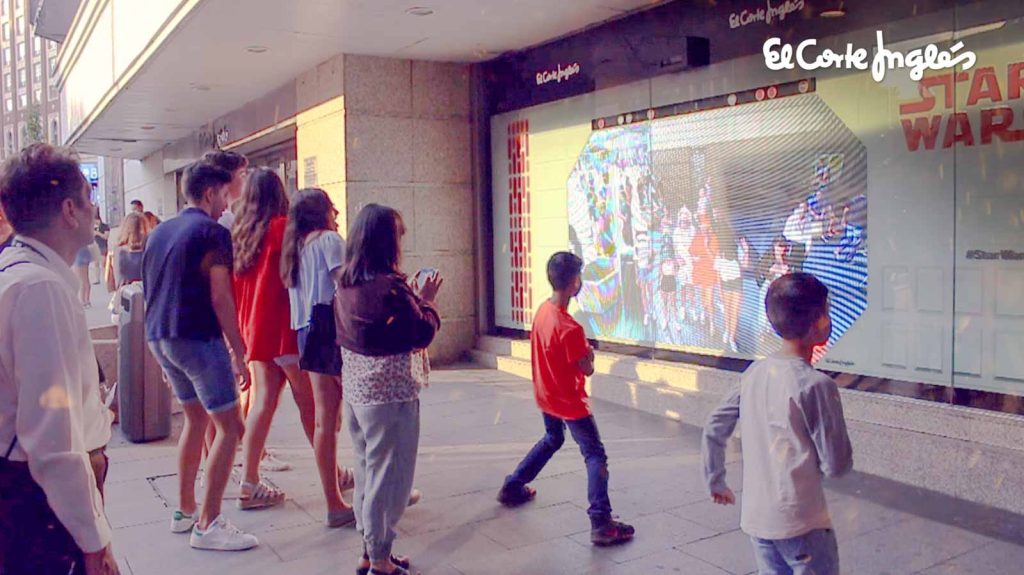
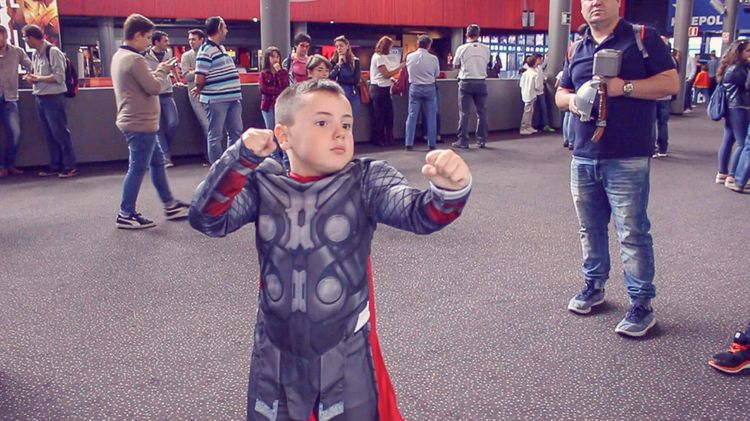
With Kimchi Thor we created a virtual showcase as powerful as its protagonist. Through interactive technology and AR effects, the user not only discovers the universe of the superhero Thor, but can enter into it. Achieving a gamified experience that engaged thousands of visitors and strengthened the branding in an incredible way.
The Body Shop Kimchi!: take home your souvenir with Christmas touches
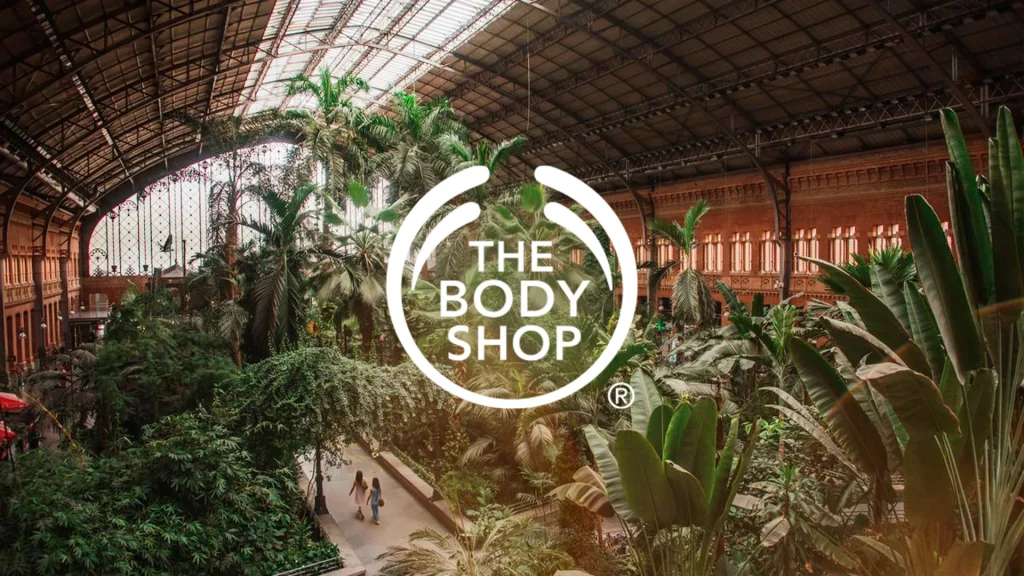
During the Christmas season, The Body Shop transformed the Atocha station in Madrid into an interactive stage that captured the attention of thousands of travelers. With an Augmented Reality photocall In this way, passersby were able to immerse themselves in a sensory experience that combined the essence of the brand with technology. This action fostered an emotional connection with the public, incentivizing sales through rewards such as offers or prizes with a fun touch.
Ibercaja Xplora: connect with your origins
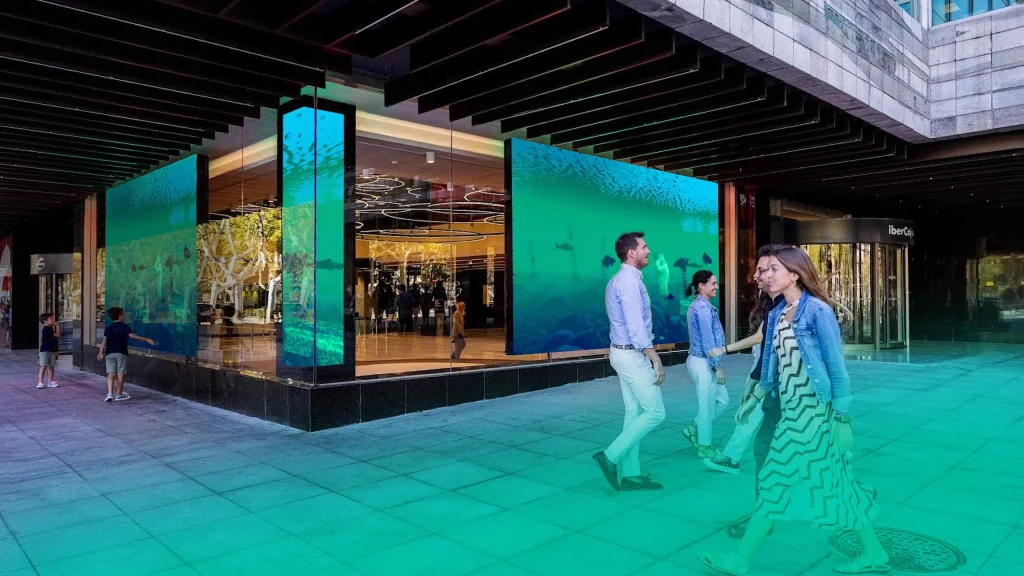
Ibercaja, as part of its commitment to connecting with the public at its headquarters, has designed the Espacio Xplora, which features a range of technology experiences developed by Imascono. One of them is the “Dive into the Ebro” virtual storefront, where every passerby walking past the iconic corner in downtown Zaragoza becomes part of the bank's experience. With this initiative, Ibercaja attracts close to 100,000 users a month, showing how technology can enrich the customer experience and strengthen the relationship with the community.Want to transform the way your customers discover your brand? At Imascono we are ready to design your next virtual storefront, combining creativity, technology and emotion. Contact us and let's talk about how we can take your phygital presence to the next level.
The future of entertainment through Virtual Reality
From video games to concerts, sporting events to amusement parks, the Virtual Reality is revolutionizing the way we experience entertainment, turning the everyday into the extraordinary. Virtual Reality is breaking down the barriers between the digital and the physical, and also, introducing the first person in entertainment, achieving that you are the real protagonist . The adrenaline, the story, the excitement, the entertainment is amplified, taking interaction and engagement to unprecedented levels. More than a technology, it is the key to customized, unforgettable and affordable experiences from anywhere in the world. Virtual Reality not only transforms how we enjoy entertainment, but also opens up new business opportunities, inviting us to dream bigger. In this blog article, we'll show you the most exciting applications of Virtual Reality in entertainment . How Virtual Reality is transforming the way we consume entertainment and the most innovative projects that are setting trends. Get ready to discover this transformation.
Main applications of Virtual Reality in the entertainment industry
Virtual Reality is revolutionizing the entertainment industry. offering immersive experiences that transform the way we enjoy content, experiences that challenge the limits of imagination. Going beyond visuals, beyond storytelling, to give way to storyliving, to be the real protagonists of the action. Next, we will discover the main applications of Virtual Reality in the entertainment and digital leisure sector:
Theater
The theater is undergoing a process of change thanks to Virtual Reality. This technology has broken the traditional barriers of the stage The theater allows the spectators not only to witness a play, but to become the protagonists of it. Imagine being part of a theatrical narrative where you can interact with the characters and decide the course of the story. Virtual Reality has also opened the doors to more social theatrical experiences, where live actors interact with virtual audiences in digitally created scenarios. In addition, the special effects and changes of scenery that were impossible in the past The theater, only possible in our imagination, is now redefining the very concept of what it means to go to the theater. Find out more about the impact of this technology on entertainment at Immersive experiences through the Apple Vision Pro .
Virtual museums
The Virtual Reality is taking museums to a whole new level transforming the way we explore art, history and culture. Now, it is possible to tour the halls of the most prestigious museums from the comfort of your home, admiring masterpieces with the highest level of detail. Thanks to VR, visitors can travel back in time and witness ancient civilizations or walk through archaeological sites as they were in their moment of glory. In addition, interactive exhibits allow for active participation, creating an emotional bond with the parts. Democratizing access to knowledge and making art and history more inclusive than ever. How to walk at your own pace through a Romanesque castle with ten centuries of history in the Loarre XR experience or to fill with life and interaction the visit to the aquarium thanks to the Apple Vision Pro . You may be interested in → Virtual Reality in museums: how is it being applied?
Virtual theme parks
Imagine entering a world where adrenaline has no boundaries and the experiences are so real that you could feel the wind in your face while flying over magical mountains or crossing distant galaxies. The virtual theme parks take fun to another level, allowing users to live unique and immersive experiences without physical restrictions. . With customized, sustainable and animated scenarios and characters, they offer adrenaline and tailored entertainment to the tastes of each individual, transforming the leisure industry. Virtual Reality thus becomes a technology that is transforming amusement parks forever, where roller coasters go beyond the loops The game can incorporate new actions and challenges or even change the scenarios depending on the season of the year or new innovations. Making each trip a totally different experience from the last one. . If you want to learn more about this specific use of VR, please visit our article Technology trends in amusement parks: Virtual Reality .
Immersive cinema
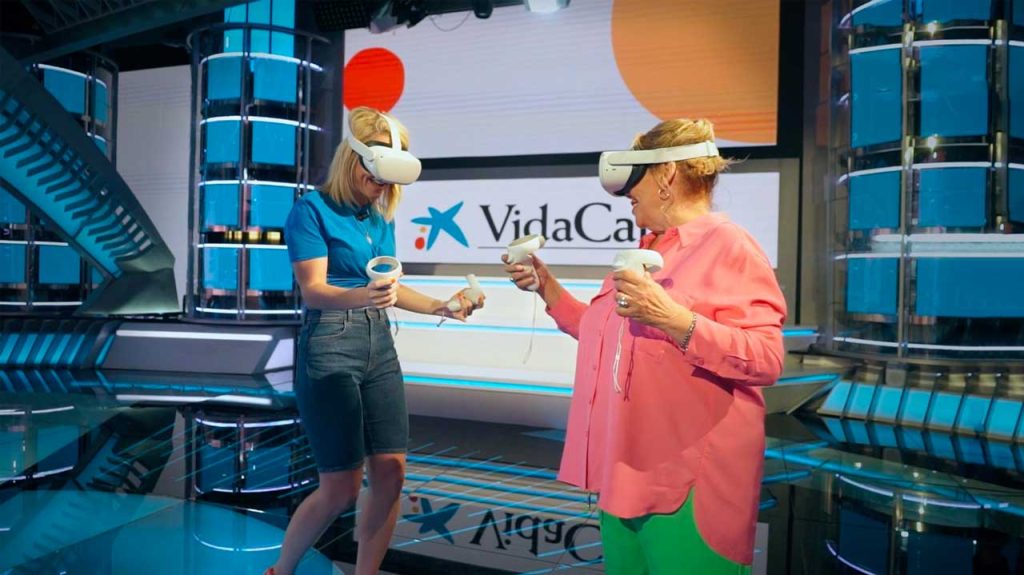
Immersive cinema makes the viewer an active part of the narrative. The new technology allows you to explore the world surrounding the story and participate in the action. This technology reinvents the cinematic experience, making every movie an unforgettable multi-sensory journey. Thanks to advances in Virtual Reality and haptic suits, viewers can become completely immersed in the story, interacting with characters . Every corner of the scene is at your disposal, and the story comes to life around you, offering a very personalized and memorable cinematic experience. Can you imagine being able to live the great final battle hand in hand, side by side with the protagonist? In this area, it is worth highlighting the TV series 'Las Vueltas que da la Vida'. produced by Vidacaixa , Movistar Plus and TBS where not only was the program recorded in a virtual neighborhood, but also this space was left open so that viewers could enjoy the virtual transmedia content.
Video games
The video game industry is changing and Virtual Reality is redefining what it means to play. You no longer just control a character; you become him. From epic battles in fantastic worlds to hyper-realistic simulations, Virtual Reality offers unprecedented immersion. Thanks to the VR glasses, haptic suits and gloves, and even platforming, the immersion in the game's story is ever increasing . The whole experience becomes first-person, you are the one who moves in the game world, who interacts with the other characters. This technology raises the level of realism and emotion in videogames, creating more dynamic and personalized experiences, such as the one developed by Foster Hollywood for its Halloween campaign. If you want to know more about VR in video games click here: Virtual Reality in video games: the future of entertainment .
Outstanding benefits of Virtual Reality in entertainment
In a world where entertainment is evolving by leaps and bounds, the Virtual Reality has established itself as the ultimate tool to revolutionize the way we enjoy our products and services. of our favorite experiences. More than a technological trend, it is a window to unforgettable experiences, where every detail is designed to captivate, thrill and surprise. From its ability to creating fully customized worlds to its ability to break down physical barriers and open new horizons VR is redefining the rules of the game. Discover below some of the benefits that seem like something out of a science fiction movie, but are already a reality!
Remote access
Eliminates physical barriers Do you want to visit a museum in Paris, attend a concert in Tokyo or play in a futuristic theme park without leaving home? Virtual Reality makes it possible. This remote access democratizes entertainment, making it accessible to more people. No matter where you are or that you are physically challenged, a simple device connects you to incredible experiences instantly. This not only broadens the scope of entertainment, but also promotes a more inclusive way of experiencing it, thanks to Virtual Reality glasses. With the aim of making tourist visits to museums and monuments accessible to people with reduced mobility, the project of LOARRE XR where thanks to its virtual twin and VR experience, anyone can visit the Loarre Castle at their own pace. .
Unique and personalized experiences
Virtual Reality transforms entertainment by place you at the heart of every experience. Imagine exploring a magical realm designed exclusively for you or facing challenges that adapt to your skills. This technology allows total customization, where every detail can be adjusted to your preferences, ensuring that every time you immerse yourself in a virtual world, it is an unrepeatable experience. With the ability to create unique stories and environments, Virtual Reality not only elevates the level of entertainment, it also ensures that every user feels special. It is the end of generic content and the beginning of tailor-made entertainment.
New business opportunities
Virtual Reality is not only transforming the way we enjoy entertainment, but it is also opening up a world of possibilities for companies and entrepreneurs. From platforms that deliver exclusive content to immersive solutions for events and shows VR has become a driver of innovation. Businesses can create immersive experiences for their audiences We can attract new markets and offer products and services that were previously unimaginable. The potential is unlimited From the creation of interactive applications to the development of educational content or corporate events, Virtual Reality is redefining the rules of the game. An example of this can be found in the VR proposal by KAI XR Platform where they have prepared different content for children in Virtual Reality with an educational and entertaining character. where you can travel to space, to the bottom of the sea, or tour the Pyramids of Egypt by yourself.
Virtual Reality projects in entertainment
Throughout this article we have seen trends and success stories that show the potential of Virtual Reality in entertainment. From immersive concerts that put you in the front row, up to hyperrealistic video games where you are the protagonist of your own adventure, VR experiences are taking fun to levels never seen before. In addition, the Virtual Reality also educates and enriches . With cultural and educational projects where you can visit museums or relive historical moments where every detail is within reach of your senses. Among the VR experiences we have seen in this post, we could highlight the virtual tour of the Loarre Castle crossing a suspension bridge at the top of the Pyrenees in Frozen Emotion discover the space together with KAI XR Platform and its educational content. Or visit the neighborhood of Carmina Barrios and Henar Álvarez at The Twists and Turns of Life or visit an erupting volcano in Aquarius Experience . Different proposals that have one thing in common: the union between the entertainment and technological creativity from Imascono . Where we always seek to develop interactive and immersive experiences that users fall in love with and that generate real emotional connection. During more than 12 years we have worked on the development of Augmented Reality services and Virtual Reality , helping brands stand out through innovative and memorable campaigns. Our team will accompany you in every stage of the project, from conceptualization to final implementation, making sure that the solution meets your specific needs and objectives. If you have any questions or want to know more, Contact us!
Top technology trends of 2025
2025 is shaping up to be a pivotal year for technology with innovations that will completely transform the way we live, work and connect. From Artificial Intelligence to Extended Reality, these trends are opening up new opportunities and challenging companies to evolve rapidly to stay competitive. In this blog post we explore the main technology trends that will shape the future and how, by adapting to them, your brand can stand out and lead in the digital marketplace. Discover how these immersive technologies and experiences are creating a more connected, interactive and efficient future. And don't miss how Imascono can be your strategic ally to revolutionize your brand's digital experiences, bringing your business to the forefront of innovation. The future is now, and technology is waiting for you!
Why will today's technology trends change the future?
We cannot understand today's world without understanding technology. . Its innovations, new proposals and trends revolutionize the way we live, work and socialize. New technological advances such as Artificial Intelligence, automation, Spatial Computing and the Blockchain are laying the foundations for a future where technology not only accompanies us, but also adapts to our needs. At the business level, this also implies a change both internally and externally. It has an impact on business models, on the generation of new products and on new ways of reaching and connecting with consumers. Thus, current technological trends invite us to think about what we want our company to look like in 2025. How we want it to evolve in the future.
Technology trends highlighted by business sector
The technology trends of 2025 are driving significant digital transformation in key sectors such as tourism, retail and healthcare. Each of these industries is adopting technological innovations that improve operational efficiency as well as the customer experience and the personalization of their products and services.
Trends in Tourism. The most notable technology in tourism trend is the use of Artificial Intelligence to further personalize the travel experience, even through virtual butlers. Augmented Reality and Virtual Reality are driving virtual tours and immersive experiences, revolutionizing the before, during and after of every trip.
Trends in Industry. Technology in the industrial sector in 2025 stands out for driving virtualized simulations and training that allow employees to receive continuous training without the opportunity cost of tying up machinery for that purpose. In addition, virtual twins and the use of AI give factories greater control over their processes, measuring efficiency and customizing production lines.
Trends in Retail. Thanks to the use of Artificial Intelligence, customer service becomes personalized. Through virtual assistants or avatars, brands can answer questions, offer recommendations and act as each user's personal shopper. In addition, Augmented Reality lets users try products virtually before making a purchase, both in physical stores and online.
Trends in Banking. One of the most prominent technology trends in banking is blockchain, a technology that will soon become established as a way to guarantee the security and transparency of transactions. Also notable is the push toward ever more agile payment systems and the use of AI both in process automation and in personalized customer service.
Trends in Healthcare. Among the new technology trends taking hold in healthcare, telemedicine services and interactive consultations stand out. So does the use of Virtual Reality in the training of healthcare professionals, where they can deepen their knowledge through trial and error and the other advantages of virtual training.
Trends in Real Estate. Digitalization in the real estate sector will be key in 2025, with the use of virtual twins to let customers explore properties virtually. Turning floor plans, scale models and renderings into interactive experiences.
Trends in Education. Thanks to the latest trends in technology in education, this sector will be profoundly transformed by more advanced digital learning platforms, where Artificial Intelligence will further personalize educational content, adapting it to each student's pace and needs and improving learning outcomes.
Major technology trends for the future
The future is being forged by technology trends that will dominate the global landscape in 2025. These advances are changing how we interact with technology and people. Below, we will discover the main trends.
Artificial Intelligence and advanced automation
Artificial Intelligence and advanced automation are not just the future: they are already the present. By 2025, these technologies will enable more efficient processes, smarter decisions and personalization at levels never seen before . From creating hyper-personalized user experiences to optimizing the supply chain and automating repetitive tasks. Companies that adopt these solutions will be better positioned to lead in an increasingly competitive marketplace. This automation can also occur at the customer service level. thanks to virtual agents and avatars equipped with Artificial Intelligence that interact with users autonomously and attend to their queries and specific needs.
Immersive experiences through Extended Reality
Extended Reality, which encompasses both Augmented Reality and Virtual Reality, allows digital interaction to be taken to a whole new level. Immersive experiences are becoming the norm transforming sectors such as education, entertainment, healthcare and retail. In 2025, XR experiences will be more accessible and realistic than ever before, allowing users to not only see, but feel, interact and explore virtual worlds as if they were real and in the first person generating high engagement. If you want to learn more about this technology, visit our article: What is Extended Reality?
Virtual Twins and Virtual Spaces
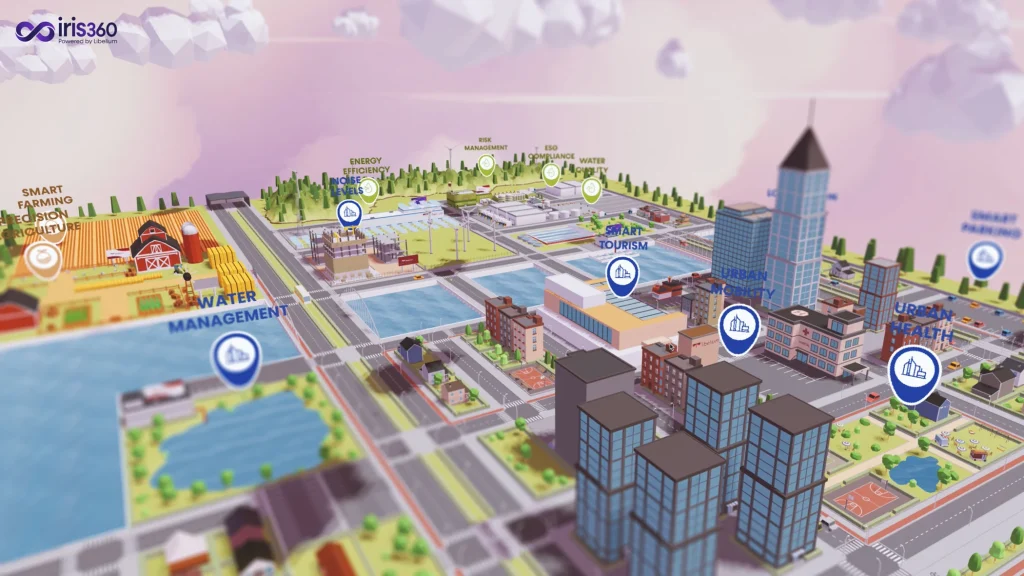
In 2025, what we knew a few years ago as Metaverse, evolves towards new virtual proposals more grounded in the day-to-day life of the companies, with virtual spaces that allow adjusting the level of interaction between the physical and digital world . On the one hand, the Virtual Twins or interactive infographics such as the Libelium virtual city or the recreation of the medieval castle of Loarre XR are virtual worlds that allow a large-scale view of a space or process, where the important thing is the accessibility to information. On the other hand, we find the gamified environments o Virtual Spaces . Virtual spaces where community is generated and above all help to virtualize business activities through the gamification of pre-sales. These technologies generate a new horizon of possibilities for collaboration, simulation and virtual innovation.
Spatial computing
Spatial Computing is one of the most important technological trends to be taken into account, thanks to the fact that it is taking interaction with devices beyond the screen. At incorporate the user's physical space and movements into the digital experience, this technology allows us to interact with data and applications in a more natural and organic way. In the near future, space computing will be key in creating interfaces that respond to our gestures, voice and locations. providing a much more immersive and fluid experience. Want to know more about this technology? Visit our article → What is spatial computing and its importance today? .
Fast learning robots and avatars
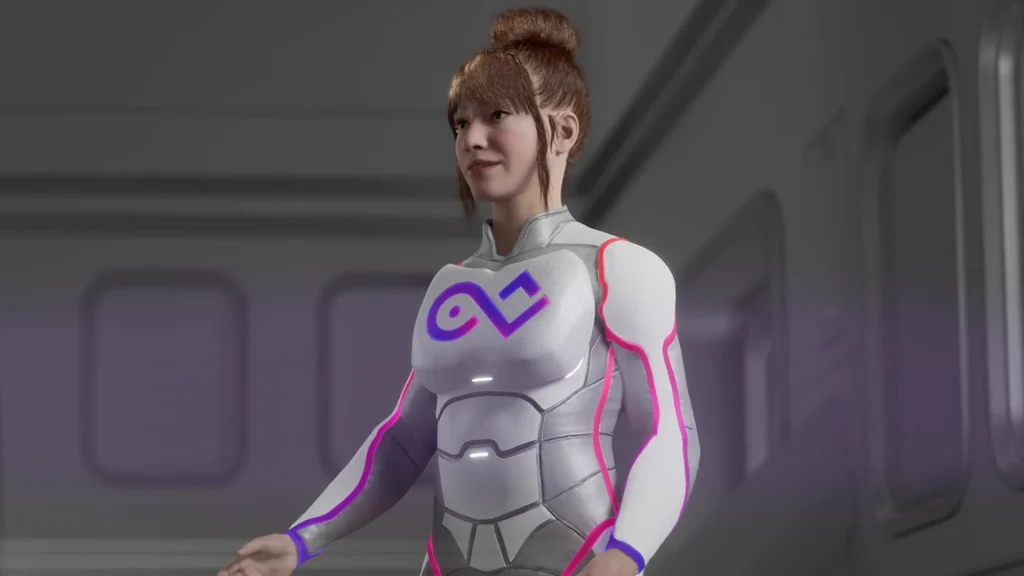
Human-machine interaction is going one step further thanks to the incorporation in our value chain of robots that support us on a physical level and virtual avatars that support us digitally. By 2025, these virtual assistants will be able to learn from their interaction with each user, understand their responses and even emotions to offer maximum assistance. Adapting autonomously, providing faster and more accurate responses to users' needs. A clear example of this trend is V.E.G.A a new generation of hyper-realistic avatars that have been designed for humanizing interaction with technology . Thanks to their content training, appearance and specific personality, these avatars can transform customer service, user experience, personalized attention and much more.
How to adapt to new technological trends
Adapting to new technology trends is key to staying competitive in the digital future . It's not just about incorporating the latest tools, it's about transforming the way companies operate and connect with their customers. Investing in emerging technologies such as Artificial Intelligence, Extended Reality and advanced automation, along with team training and the creation of an agile infrastructure, will enable enterprises to to take full advantage of these innovations and secure their growth and a place in the future of the market.
How Imascono can revolutionize your brand's digital experiences
At Imascono we look forward to helping you take your brand's digital experience to the next level. With advanced Virtual Reality solutions and Artificial Intelligence, we create interactive, personalized and immersive experiences that captivate users. Through V.E.G.A. virtual avatars and other technological products, we offer an agile service adapted to each client, enhancing the user experience. With our outstanding projects your brand not only adapts to the new trends, but also to the new leading the digital transformation standing out in an increasingly competitive market. We're ready to take your brand into the digital future. If you are interested in exploring how our innovative solutions can transform your business, don't hesitate to contact us. contact with us . Our team of experts is here to help you take the next step in technological evolution.
Technology applications in the luxury sector
The luxury industry has always been synonymous with exclusivity , innovation and memorable experiences. . In recent years, technology has played a key role in the evolution of this industry, helping brands to raise their standards and connect with an increasingly demanding public. From the extreme customization to the most immersive experiences In addition, cutting-edge technologies are transforming the way luxury brands design, produce and present their products and services, generating a lasting impact on their customers. The adoption of tools such as the Extended Reality the Artificial Intelligence and the Blockchain not only redefines the concept of exclusivity, but it also allows brands to innovate in its processes and communication channels . These applications also enhance the customer experience, offering more personalized, sustainable and connected interactions. In this article we will discover how technology is revolutionizing the luxury sector highlighting success stories and key trends for the future.
Technology in luxury products and services
The Incorporation of technology in the luxury sector it is revolutionizing the way brands connect with their customers, redefining the standards of Personalization and exclusivity.Regarding the characteristics of companies in the luxury sector, thanks to tools such as Artificial Intelligence and Augmented Reality: Brands offer digital experiences that reflect their values and the prestige associated with its products. Hyperrealistic visual representations and graphics of the highest quality allow customers to interact with products in unique ways, reinforcing the perception of exclusivity and attention to detail.If you are interested, visit our post → Characteristics of a luxury hotel: immersive design and unique experiences.
Technology also drives the Digital Customer Experience (DCX) in the online luxury world. The shopping experience in this industry is key, as reflected in physical stores, exclusive events and even product packaging. However, in the digital world, in the e-commerce sites of the sector's brands, this luxury experience has never quite stood out. Until now.Through precise recommendations based on Artificial Intelligence, virtual try-ons and a seamless omnichannel connection, the most cutting-edge Digital Customer Experience helps improve every stage of the luxury customer journey. In addition, advances such as Blockchain technology guarantee product authenticity and traceability, while experiences in the Metaverse and virtual spaces allow luxury brands to enrich their websites and digital positioning.By combining innovation, sustainability and tradition, luxury brands are adapting to the expectations of new generations, creating digital interactions that not only raise perceived value but also strengthen the emotional connection with their customers.
6 technological advances in the luxury sector
The luxury industry is embracing technology to transform its offering and take exclusivity to a new level. Developing unique experiences for the most demanding consumers. Below, we will discuss six technological advances that are revolutionizing the industry. Shaping the present and future of luxury experiences .
Virtual shopping experiences
Virtual shopping experiences are redefining the way customers interact with luxury brands by allowing them to explore and purchase products with a level of immersion that was previously only possible in physical stores. Thanks to technologies such as Augmented Reality and Virtual Reality, users can try on clothes, attend virtual fashion shows, access exclusive events or even visualize how furniture and designer pieces would look in their home, all digitally.These experiences not only offer convenience but also enhance exclusivity and personalization, allowing luxury brands to connect with their customers in innovative ways by personalizing the shopping experience and enabling brands to connect with global customers in an exclusive way.A standout example is the Exclusiverse project, the virtual headquarters of the world's #1 travelers' club, Exclusive Traveler Club. Through its virtual space, more than 85,000 members around the world can enjoy and make the most of their digital membership, beyond using it only during their vacations. They can access events, earn extra benefits and get first-hand news about everything happening at the club.
Exclusivity and authenticity
The luxury sector has adopted technologies such as the Blockchain for guarantee the authenticity and exclusivity of your products . This technology provides an immutable record of each item, allowing customers to verify the provenance, originality and authenticity of what they are buying. In a market where the exclusivity is key, the blockchain not only reinforces customer confidence It also creates an additional layer of security, ensuring that luxury products are genuine and have not been adulterated or counterfeited. Through this technology, brands can issue digital certificates that accompany unique pieces or limited editions, which not only protects consumers from counterfeits, but also reinforces the perceived value of each product . An example of the use of Blockchain in luxury can be found in the digital dining experience at Ferran Adrià . The 114 NFTs of his exclusive drawings from his "Culinary Evolution" collection were exhibited in his digital museum.
Personalized assistants
One of the most important technological advances for the luxury sector is the advent of the Artificial Intelligence-enabled virtual assistants to transform customer interaction. Thanks to these AI avatars, the consumers have their own personalized assistant with whom to communicate fluently and naturally, at any time of the day and in any language. Being part of the customer experience from pre-sales to post-sales. In addition, they allow obtain personalized recommendations tailored to each customer's individual preferences and needs . For example, a high-end brand can use a virtual assistant to manage reservations at its exclusive spas, suggesting available times, offering treatment recommendations and sending personalized reminders. This continuous attention improves the customer satisfaction, making the luxury experience even more tailored and exclusive.
Digitalization of traditional luxury
Digitization is transforming traditional luxury by combining its exclusive essence with advanced technologies that redefine the customer experience. Luxury has historically been associated with personal treatment and exclusive service in physical stores. Now, traditional luxury is empowered in the digital world with the development of virtual showrooms, immersive fashion shows, collections phygital or even fitting rooms, showcases and interactive photocalls. Allowing customers to live immersive experiences from anywhere in the world. Access limited collections. Interact with experts in virtual events. All while maintaining the air of exclusivity typical of the sector. An example of the union between traditional luxury and new technologies is found at Carmen Sagrera the Hispano Suiza's latest super sports car . Where the luxury brand commemorates its 120 years of history with a car that incorporates the latest technology, both in the engine and infotainment.
Customization
Personalization is a key pillar in the digital transformation of luxury. Thanks to the data analytics and Artificial Intelligence, brands can offer experiences, products and services completely tailored to the needs and tastes of each customer. . From tailor-made clothing pieces to exclusive travel services, technology enables the creation of unique experiences for each individual. This ability to offer highly customized products not only enhances customer satisfaction, but also strengthens brand loyalty, making every purchase a personal reflection of your style and preferences.
Transformation of the physical space
Physical spaces have not lost their importance in the digital era, in fact, technology is enhancing them, for turning physical stores into true epicenters of the brands' essence The new technology is a key part of the customer experience. From virtual fitting rooms, AI-based personal shoppers, touch screens to immersive Virtual Reality experiences. These innovations allow customers to interact with products in new and exciting ways. Thus, the integration of new technologies in physical stores not only improves the aesthetics and functionality of the spaces, but also elevates the sense of exclusivity by providing customers with a completely unique and memorable experience which only occurs in the brand's space and nowhere else.
Relevant technologies in the luxury sector
In a market where exclusivity, personalization and authenticity are key, luxury brands are adopting technological tools to enhance the customer experience, optimize production and maintain their leadership position in an increasingly competitive environment. Below, we will review the most relevant technologies in the luxury sector:
Generative Artificial Intelligence
The Generative Artificial Intelligence is setting a milestone in the luxury sector with its enable the creation of original and customized digital content on a large scale . This technology uses advanced algorithms to generate images, videos, music and even text that mimic the style and essence of luxury brands. Thanks to generative AI, brands can offer unique and personalized experiences for each customer as exclusive product designs or custom-created limited collections. In addition, AI makes it possible to create high-quality simulations, such as virtual fashion shows or product presentations, that immerse the customer in an immersive experience, while maintaining the exclusivity and sophistication of the sector. This technology not only optimizes creativity, but also redefines how luxury brands interact with their customers.
Mixed Reality
The Mixed Reality is transforming the way consumers interact with luxury products by merging the physical and digital in a seamless and immersive way never seen before. This technology enables users to experience and customize products in real time, without losing their connection to the physical environment . Offering as a result a highly interactive experience. With advanced devices such as Apple Vision Pro Mixed Reality is taken to a higher level by being able to live the experience using gestures and voice, interacting with the digital elements in a natural way, as if they were really there. In the luxury sector, this opens up new possibilities for personalized experiences, such as trying on clothes or accessories virtually, putting on your glasses and experiencing the latest brand's fashion show in the front row, or touring the facilities of a prestigious chain's luxury hotel by yourself. Find out all the details about the use of Apple's eyewear at Immersive experiences through the Apple Vision Pro .
Blockchain
Blockchain technology is playing an important The company plays a key role in the digital transformation of the luxury sector by guaranteeing the authenticity, transparency and traceability of products. Thanks to this technology, luxury brands can offer digital certificates that verify the ownership and provenance of their products, protecting both consumers and brands against counterfeiting. In addition, the blockchain allows the creation of exclusive experiences through unique digital assets, such as NFTs The blockchain is a powerful tool that not only reinforces the authenticity of luxury goods, but also opens up new avenues of interaction with customers. This integration of blockchain into the luxury industry not only enhances consumer confidence, but also facilitates the sale of digital products, limited collections and special editions, in a secure and decentralized manner.
Advantages of incorporating technology in the luxury sector
The incorporation of technology in the luxury sector brings with it a series of key benefits that improve both customer experience and operational efficiency. The personalization of services, the creation of immersive experiences and the guarantee of authenticity through blockchain are just a few examples of how technology redefines the concept of luxury that, throughout this article, we have been seeing and analyzing. Not only that, but the technological integration in this industry is enables brands to connect with a wider audience, offer unique products digitally and streamline internal processes This increases competitiveness in an ever-changing market. Technology not only facilitates innovation, but also strengthens the emotional bond between luxury brands and their consumers. If you would like to learn more about how technology, especially Extended Reality, can transforming your brand in the luxury sector do not hesitate to discover our mixed reality services for companies . From Imascono we will be pleased to show you how we can help you take your business to the next level with innovative and customized solutions. Contact us!
Hotels of the future: hotel technology trends
The hotel industry is in the midst of a digital transformation. From large hotel chains to rural and family-run hotels, they are all in the midst of a digital transformation. incorporating technology in optimizing internal operations and guest experience . Adapting to the needs and expectations of increasingly digitalized travelers. But, how do we plan the hotels of the future? In this article we want to explore this concept and the technological trends that accompany it. Artificial Intelligence, automation, immersive experiences... All these technologies are part of today's hotel industry, and are the key pieces to build the future of the industry. We will now take a closer look at these technologies and how companies in the tourism and hospitality sector are by integrating them into their activities.
New technology applications for smart hotels
The smart hotels are establishments that integrate advanced technologies to optimize the guest experience. One of the main applications is automation, with systems such as check-in and check-out, domotic room management or virtual assistants that personalize the guest experience by attending to all their needs, requests and queries. These tools not only streamline processes, but also increase the convenience, reduce waiting times and offer a seamless and personalized experience. . Where the user is the one who takes control of his stay in the hotel. If you want to know more about the development of virtual assistants in hotel services you can visit our website Artificial Intelligence in hotels
5 technology trends in the hotel industry
From tools that automate processes to innovations in customer experience that enrich and open up new opportunities for customers to enjoy their hotel stay, these technological trends are shaping the way forward. innovation in the hotel industry.1. Virtual stewardsThe room service innovates with the arrival of the Virtual stewards equipped with Artificial Intelligence. With them, each guest has their own assistant who helps them manage bookings, place orders for rooms, and even make recommendations on what places to visit, what activities to hire, and answer all questions about the functioning of the hotel.Everything is customized for each user and in their own language. Virtual assistants focused on the hotel and tourism sector such as Cervantes IA, the, the virtual avatar of Miguel de Cervantes who acts as a tour guide for his beloved Castile-La Mancha. Or Marta, The case of Digital concierge presented by the Hotel Torre del Marqués.2. Immersive experiences of Virtual and Augmented RealityAugmented Reality and Virtual Reality also have their impact on hotel management. With these technologies, the trend can be developed. Try it before buying. In tourism, this trend is represented by living immersive experiences that recreate what will be experienced during the trip before booking it.Connecting on an emotional and experiential level, Beyond simply displaying photographs and videos, this feature benefits hotels by allowing them to showcase their catalog of activities for customers to choose from in a more individualized and personalized way, giving each customer time to explore at their own pace.You might be interested in → The influence of Augmented Reality in hotels3. Virtual recreations of the facilitiesRecreations or virtual twins of hotel facilities allow guests to have a greater control and knowledge about the operation and activities of the hotel. Improving access to information and making the most of new technologies to personalize and improve the complete customer experience. Being able to organize virtual tours accessible from any device, helping the guest to visualize their stay, make better informed decisions and improve confidence in the booking process. In addition, as is the case in Exclusive, the virtual headquarters of the travel club Exclusive Traveler Club, In these 3D recreations, meetings can be organized, exclusive benefits can be offered… by encouraging participation. sunderstanding of belonging and loyalty to the brand.4. Virtual assistants and voice technologyVoice technology and virtual assistants are revolutionizing the hotel experience by offering automatic translation and support in multiple languages. These solutions allow hotels to communicate effectively with guests of different nationalities, eliminating language barriers.In addition, its ability to provide real-time assistance it contributes to more accessible and inclusive tourism, adapting to the needs of each traveler and improving the quality of service. As the iurban robot Cicerone, a virtual assistant capable of managing a travel agency in 95 languages.5. Interactive technological facilitiesThe use of technology in the hospitality industry not only has an impact on the online world of the sector; it can also have a positive impact on the offline world of the sector. transforming the physical hotel itself thanks to interactive facilities and the emphasis on phygital experiences. Touch screens, holograms, interactive displays, and gamified experiences in the lobby and common areas… all kinds of innovations that encourage engagement, connection, and entertainment for guests. Interactive technological facilities such as those designed for the renovated headquarters Ibercaja in the Espacio Xplora, With its immersive showcase.Or, at a tourist level, the marketing action Frozen Emotion, where users could travel to a suspension bridge high up in the Pyrenees and ski down with their new virtual ski pass. A whole new experience Immersive experience in Virtual Reality that will leave you cold.
Benefits of technology in the hotels of the future
The technology of the hotels of the future impacts both internally and externally. Both internally and externally. employee support such as guest experience, marketing and sales. In this section, we will analyze the main advantages and benefits offered by technology in the hotel sector: Maximum customization and personalization Through advanced tools such as the Artificial Intelligence and Big Data hotels can customize every aspect of their guests' stay, anticipating their guests' needs. The systems can record the guest preferences, analyze possible needs based on their profile and use this information to offer an experience perfectly adapted to them. The AI can also provide recommendations to users and predict what they might need, based on their previous behavior patterns. In addition, the accessibility for guests is very simple: they can access the hotel implementations of the future from their mobile devices in web browsers, thanks to, for example, WebApps developed by these hotels. Reduction of waiting times Thanks to technology, the hotels of the future will be able to automate different processes both within the internal management of the hotel and in the attention and interaction with guests. For example, the implementation of generative Artificial Intelligence and other innovations in automation automatic registration systems , digital check-in and check-out , y virtual assistants In addition, processes that traditionally took unnecessary time are automated, improving operational efficiency and the guest experience.
Impact of technology on the guest experience
Undoubtedly, the key point of any technological hotel is the guest experience. From the moment they discover the hotel and book it, to the actual stay and the final satisfaction they have. Technology allows transforming each of these parts of the customer journey The experience is personalized in a way never seen before in the hotel industry.
Personalized experiences and stays with maximum comfort. Using this cutting-edge technology makes it possible to offer guests a fully personalized experience. From choosing the ideal pillow to creating travel itineraries tailored to their tastes. In this way, the hotels of the future can offer exclusive services that improve guest comfort and satisfaction.
Enhanced interaction with virtual assistants. Virtual assistants will be an integral part of the experience in smart hotels. These assistants will be available 24 hours a day to answer questions, handle requests or provide recommendations, guaranteeing a more pleasant, hassle-free stay.
Easy access to services through mobile devices. Mobile apps and WebApps are making it easier to access all of the hotel's services. From opening the room door with your phone to booking activities or ordering room service with a single click, these technologies offer not only convenience, but also total control over the experience. This allows guests to enjoy their stay in a more autonomous, faster and more personalized way.
How to implement technology in hotels
Throughout this post, we have explored various innovative technologies, tools and solutions for hotels . The key challenge is to define a strategic and action plan to implement them effectively in each hotel business. It is essential to identify the technologies that are best aligned with the value proposition of the hotel, the profile of its guests and specific operational needs . Whether to strengthen the brand, improve internal efficiency or offer more personalized customer service, solutions must respond to clear objectives. Next, we would like to discuss a success story from use of Artificial Intelligence in the hotel sector . In an environment where personalization and constant availability have become key factors for luxury hotels, the Hotel Torre del Marqués decided to take its commitment to innovation one step further. This led to the creation of a project to integrate a virtual assistant with a local soul capable of accompanying guests at all times.
Marta Torre del Marqués
The Torre del Marqués Hotel , in the heart of "Aragonese Tuscany," has incorporated Marta, a Intelligent multilingual avatar that acts as a digital concierge available 24/7. This virtual assistant provides personalized information about services, gastronomy, wellness, and activities in Matarraña, accompanying guests throughout their stay without compromising the hotel's essence of exclusivity. Thanks to its implementation, the five-star complex has improved operational efficiency, strengthened customer service, and increased visitor satisfaction, positioning itself as a benchmark in rural tourism innovation. The project was made possible with the support of the Secretary of State for Tourism through the Segittur grant.
The hotels of the future are already a reality. From Imascono we are supporting tourism and hotel companies in digital transformation of your facilities and services. Through our solutions for technology in tourism to revolutionize the guest experience. Would you like to learn more about our work? Contact with us and discover how we can transform your ideas into unique experiences. With a solid track record in the tourism sector and a wide portfolio of innovative projects, we are ready to take your brand to the next level, let us show you our full potential!
Generative Artificial Intelligence: definition and main applications
Generative Artificial Intelligence: definition and main applications
If there is one trend and one area of development that has revolutionized the entire technology sector, it is Generative Artificial Intelligence . Until not so long ago, it was a term unknown to the general public. Now, it is the basis of many companies, business models, creative departments and marketing campaigns. Generative AI has transformed the way we understand and interact with technology. This is undoubtedly one of the most promising branches of Artificial Intelligence today. In essence, Generative Artificial Intelligence (GAI) is capable of generating texts, images, videos, music, code... All starting from a few previous contents, a basic training and prompts or specific instructions that help to generate a customized and adapted response to the needs. In today's article we will take an in-depth look at what Generative AI is all about and we will see in detail its main applications and examples in different business areas , from the marketing and customer service departments to product innovation and development.
What is Generative AI?
To the question about what is Generative Artificial Intelligence, we could say that it is the technology that is transforming the world of creativity and innovation . Two points that, until now, were reserved for human intelligence. Using models of advanced machine learning , Generative AI can create new and original content, from text to music to images, from existing prompts and data. This type of AI not only replicates learned patterns, but can also innovate and produce unique results, making it especially valuable for businesses. Not only to optimize processes and reduce costs; also to broaden horizons, make more data-driven decisions , to unleash creative potential and push ideas beyond traditional boundaries. You can learn more about Artificial Intelligence at Types of AI: What are the most relevant today? Artificial Intelligence in companies is radically changing the way we approach our methodologies and strategies. However, it is important to note that AI tools are still in the process of adaptation to the specific needs of companies , beyond general solutions. Businesses need Artificial Intelligence to meet their customers' needs for data protection and security , communication, image and commercial discourse, and that offer high value and high quality results.
Benefits of Generative Artificial Intelligence
Generative Artificial Intelligence is transforming the way we work by increasing our analytical, information seeking, effectiveness and creative innovation capabilities. Welcoming the new era of the augmented worker.
This makes it an essential tool to enhance growth and competitiveness in the digital transformation of companies. The main benefits of Generative AI include:
Content creation
Generative Artificial Intelligence (GAI) is revolutionizing the way companies, and users themselves, create and manage content. By leveraging the most advanced machine learning models, Generative AI enables the creation of high quality text, images, music, video and even code with unprecedented accuracy.
All this content creation is based on pre-existing data and content that the AI has been trained with. Linguistic rules, grammar, visual pattern recognition... Using models such as GPT (Generative Pre-trained Transformer) or GAN (Generative Adversarial Networks), the AI predicts the next word or the next pixel based on the above.
This is achieved by calculating the probabilities of each possible next content and choosing the most probable one.
Increased innovation
Undoubtedly, one of the great advantages that Generative Artificial Intelligence offers us is the ability to start innovating, to create, beyond the "blank sheet of paper".
Now we can ask Generative AI to propose all kinds of ideas, to do prototyping tests in seconds, to give us a second opinion, to propose possible scenarios, to simulate future scenarios or to generate supporting images. Everything to optimize the creative process and broaden our horizons.
On the other hand, Generative AI allows us to automate repetitive tasks, freeing the time of our human team to concentrate on more strategic, creative and experimental activities.
Data management and generation
Currently, Big Data has become one of the main technologies for companies. The management of all the data and information generated at corporate level and its subsequent analysis is one of the critical points for decision making and business evolution. Here, Generative Artificial Intelligence is a breakthrough in speed and efficiency.
Generative AI allows a large volume of information sources to be collected at a single point, from which summaries, reports, infographics and simulations can be produced in a matter of seconds.
A data management that can even be performed from agents and/or virtual avatars that facilitate access to this information in a natural and humanized way. As in the case of V-E-G-A, a virtual avatar that acts as a tutor to solve doubts about the new technologies of Extended Reality , Metaverse, Artificial Intelligence and Spatial Computing .
If you want to learn more about our Metaverse service for companies , it's time.
Customization
Applying Generative Artificial Intelligence in the daily life of companies allows reaching new levels of personalization in customer service and the generation of marketing and advertising campaigns.
It enables the analysis of large volumes of user data and the generation of content tailored to their preferences: real-time dynamic pricing strategy, product recommendations, personalized messages and virtual assistants in customer service.
As a result, companies have the option to deliver highly relevant interactions and offers, increasing customer satisfaction and improving loyalty. In addition, Generative AI adjusts content in real time, ensuring that each user receives information and products that really interest them.
Main applications of Generative AI
Generative AI is here to stay in the business world. It is time to analyze its possibilities and rethink our strategies in order to focus on how to integrate the great benefits of AI in our day-to-day business. Next, we will look at the key applications of Generative Artificial Intelligence in companies:
Customer Experience and Marketing
Thanks to Artificial Intelligence, we are entering a new phase in the new era of customer experience. Customers are looking for greater immediacy and personalization, they are increasingly informed and their expectations of the service/product are growing. Generative AI allows us to hyper-personalize the experience, drive self-service and generate specific content based on each individual user. In addition, chatbots and virtual assistants with AI give more natural and contextually appropriate responses, significantly improving customer service . As in the case of Cervantes IA , the virtual avatar of Miguel de Cervantes who acts as a tour guide of Castilla la Mancha, in addition to resolving all doubts about his works and his own life. A unique experience in the tourism sector.
Productivity and business management
The use of Generative AI in companies represents a great potential for productivity improvement . This new technology enables the automation of manual and repetitive tasks that are not key to the business. In this way, workers can focus their efforts on strategic, creative and value-adding tasks. In addition, Generative AI equips personnel with new tools and supports, the increased worker . Trainings, simulations, Virtual Training , assistance in decision making and quick access to company and customer information. All to improve customer service and productivity. These are advantages that not only benefit human resources, but also the company's machinery management and automation , going a step further in scaling, precision and even industrial maintenance.
Innovation and creativity. New products
Today's market, regardless of the sector and type of company, requires us to have a vision of constant and open innovation . Both by the introduction of new technologies and the evolution of the public and market itself. Therefore, Generative Artificial Intelligence has become a tool to be taken into account to boost innovation and creativity in companies. Generative AI serves as a source of inspiration , providing new ideas and concepts by generating multiple design variations and innovative solutions. In the trial and error process , Generative Artificial Intelligence allows for rapid experimentation with different prototypes and adjusting designs in real time, improving efficiency and reducing development times. It also presents itself as a value proposition, as it can be integrated into final products, offering advanced and customized functionalities that appeal to users. In addition, Generative AI opens the door to new businesses and services by creating opportunities for products and solutions that did not previously exist, transforming markets such as tourism. An example of this can be found in Cicerone , the Generative Artificial Intelligence robot from iUrban who is able to manage a travel agency in 95 languages on his own. If you are interested, learn more about the applications of Artificial Intelligence in tourism: characteristics and examples .
Artificial Intelligence It is no longer just the future, but also the present of the technological sector. It has become one of the most disruptive technologies of the 21st century, and we still don't have a complete understanding of its full potential.What we do know from Imascono that is to say, the Generative Artificial Intelligence is transforming the world of business. Opening up new possibilities in terms of productivity, efficiency, communication, and customer experience.It is at this last point that V·E·G·A, Our Virtual avatar enhanced with generative AI, It is changing the business paradigm.The Artificial Intelligence becomes more human, By making human-machine interaction more accessible and natural, between users and brands. AI avatars are the new virtual members of companies, revolutionizing customer service in the digital world.Do you need to implant the Generative Artificial Intelligence in your company? Find out Our Artificial Intelligence service and discover how V·E·G·A, the avatars equipped with Artificial Intelligence, can help you transform your company's communication and user experience.Contact us!