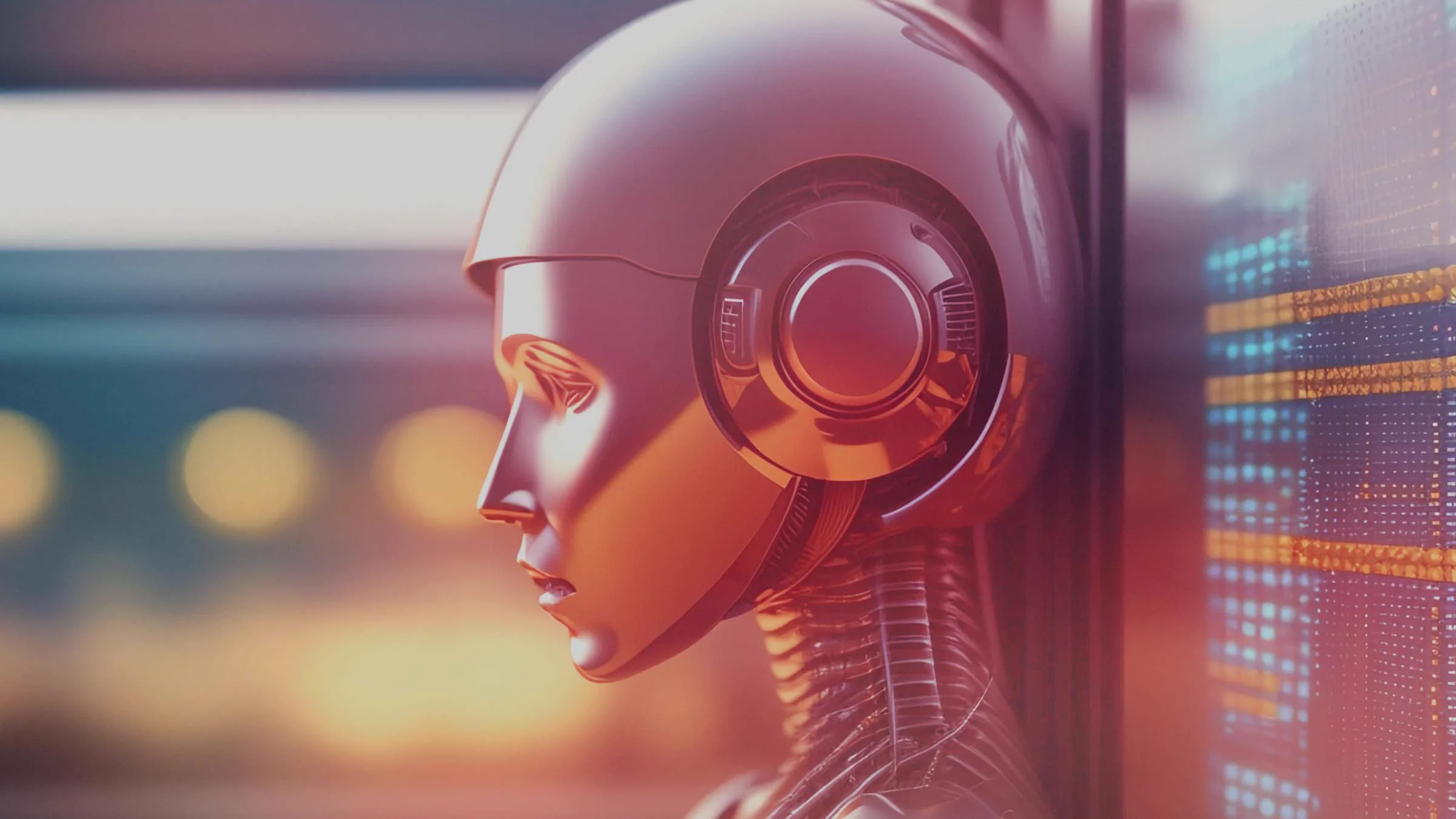
The interaction of Artificial Intelligence in Virtual Reality
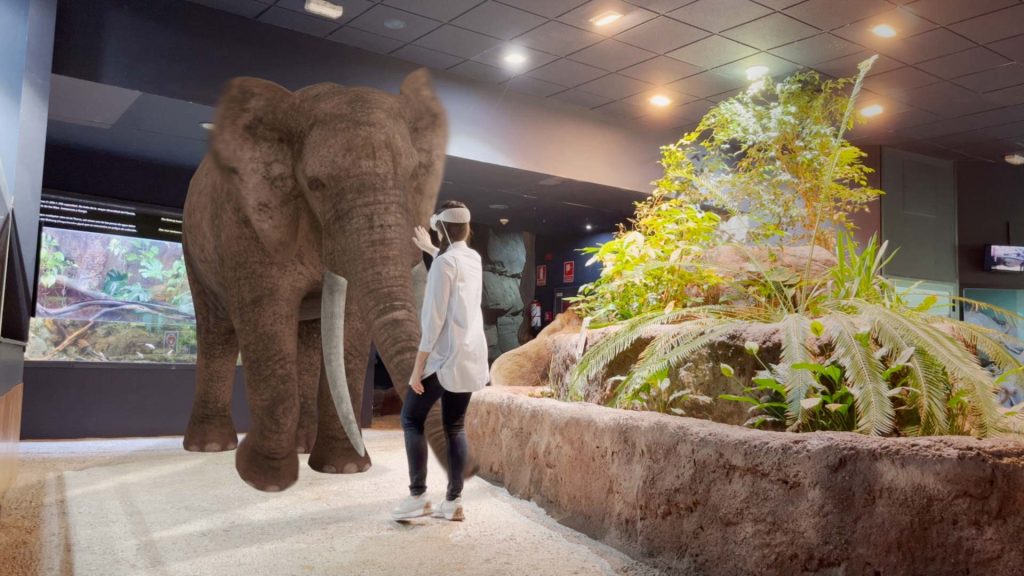
En la actualidad la tecnología está avanzando a pasos agigantados y la Virtual Reality no se queda atrás. Gracias a su convergencia con otras innovaciones clave como el Metaverso o el Spatial Computing, la experiencia inmersiva que propone va un paso más allá. Transformando nuestra forma de interactuar en el mundo digital. Entre las tecnologías con las que se está combinando la Realidad Virtual, destaca, sin lugar a dudas, la Inteligencia Artificial. Consolidándose como dos fuerzas disruptivas para múltiples sectores. Desde transformar la forma en que disfrutamos del entretenimiento hasta revolucionar procedimientos médicos y programas educativos. La combinación de ambas tecnologías ofrecen nuevas vías para innovar en el mundo virtual, crear elementos digitales en tiempo real y personalizar al 100% la experiencia inmersiva. En este artículo vamos a explorar cómo es la unión de la Inteligencia Artificial con las experiencias VR, las ventajas que supone su combinación y qué futuro les espera a ambas tecnologías. Ocio digital – Proyecto Spatial Computing desarrollado por Imascono
Differences between Artificial Intelligence and Virtual Reality
Although both technologies are often mentioned when talking about technological advances and tech trends with more business applications , Artificial Intelligence and Virtual Reality start from different contexts and lines of research in computer science. Virtual Reality is the technology capable of immersing us in fully digital alternative worlds , simulating completely immersive experiences, where we are the users who decide where to focus our attention. 3D environments in which our senses stop perceiving the real world thanks to total immersion through Virtual Reality glasses and its accessories. Creating the illusion of being present in a totally different place. On the other hand, Artificial Intelligence refers to the set of technologies that allow machines to think/act like human beings. By adapting to different situations and performing tasks that would normally require human intelligence. All through algorithms that feed back and learn on their own through training with data . A combination of machine learning models, Big Data and strategies that perform tasks such as pattern recognition or even decision making. AI does not create an environment, but rather endows elements of that virtual environment with the ability to think and react intelligently to user actions. You can find out more about Artificial Intelligence → Types of AI: what are the most relevant today? .

Technological convergence: Artificial Intelligence and Virtual Reality
The relationship between Virtual Reality and Artificial Intelligence is based on its mutual empowerment . AI can significantly improve the experience, through virtual space services for companies , making it more flexible, adaptive and personalized to the behavior of each user. On the other hand, Virtual Reality experiences provide AI tools with a unique space to bring out the full potential of this technology. From the development of non-player characters (NPCs) or the incorporation of hyper-realistic avatars with Artificial Intelligence like V-E-G-A that have a "life of their own" with intelligent actions, behaviors and responses. Also, the development of 3D environments that adapt in real time... virtual test environments where Artificial Intelligence can be trained and refined by users, which provides a richer and more dynamic experience , accelerating the development of intelligent algorithms without real-world consequences. Artificial Intelligence and Virtual Reality expand the boundaries of our digital experiences with intelligent and adapted interactions in real time. Together, these technologies not only advance in their respective areas, but also open up new possibilities in entertainment, education, medicine, among other fields.
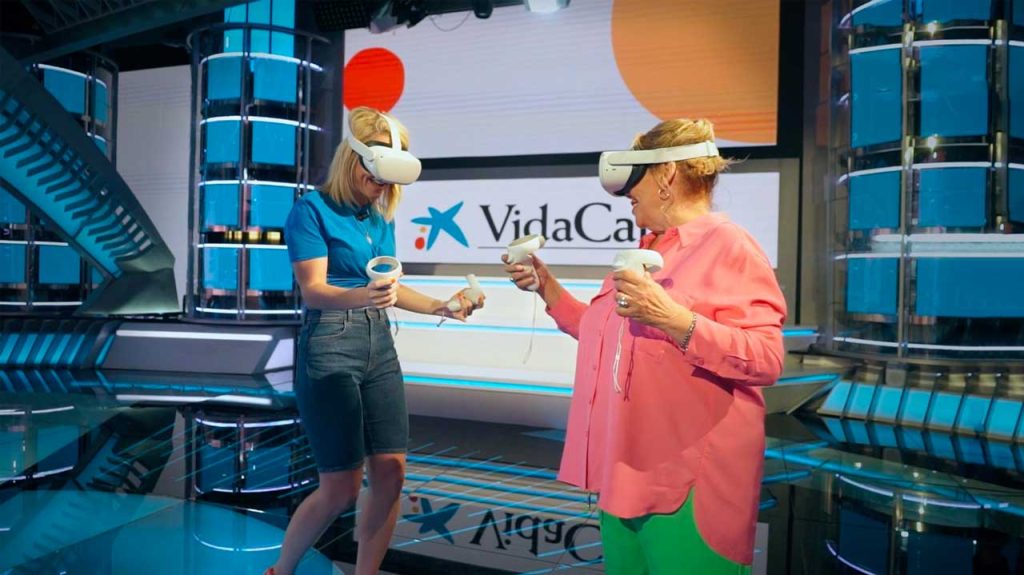
Applications of Artificial Intelligence in Virtual Reality
Artificial Intelligence enriches Virtual Reality capabilities , providing richer and more personalized experiences. Next, we will see in detail some of the most important applications of AI in projects developed under Virtual Reality technology.
Interactive learning
The combination between Virtual Reality and Artificial Intelligence is revolutionizing education . Through AI, virtual environments can adapt in real time to the needs, abilities and learning paces of individual users/students. Through 3D simulations or Virtual Training Projects , the experience is not fixed, it evolves as the learner makes decisions within the virtual environment. In addition, you can adjust the difficulty of the tasks, analyze in detail the times and the type of answers the student makes in order to reinforce the most important contents . Not only does this improve knowledge retention, but it also keeps students motivated and engaged by adjusting the challenges to their skill level in real time. These virtual world learnings can be guided or tutored in the format of Artificial Intelligence avatar , which helps the user become familiar with the virtual space.
Personalized entertainment
Artificial Intelligence allows you to customize Virtual Reality experiences as much as possible , especially in the area of digital leisure . In video games, virtual theme parks, and even in film and television, AI adjusts content in real time to adapt to user preferences and emotional responses , creating dynamic plots and scenarios that change based on the player's decisions. This customization deeply enhances immersion, making each experience unique to the user.
Automation and data analysis
Undoubtedly, one of the great applications of the integration of AI tools into Virtual Reality experiences is the automation of processes and the analysis of all data generated. In Virtual Reality environments, AI makes it possible to create simulations that can be used to predict behaviors , optimize processes and perform complex analyses in real time; generating a database of great value on user behavior and interaction with digital elements.
Design of virtual spaces in real time
As we have seen in the previous sections, the combination of Artificial Intelligence and Virtual Reality allows for real-time customization and personalization . Not only at the content level based on user behavior, but also in the virtual space itself. A fact that gives the user more control and independence, adapting landscapes, decoration, and even allowing them to build their own space in that Metaverse or virtual world. A very important change in the sector of video games has also occurred in more entrepreneurial fields such as architecture and interior design. Now these studios can immerse their customers in the digital twins of their future properties, being able to change in real time the layout, colors and furnishings. You may be interested in → The Influence of Artificial Intelligence in the Metaverse
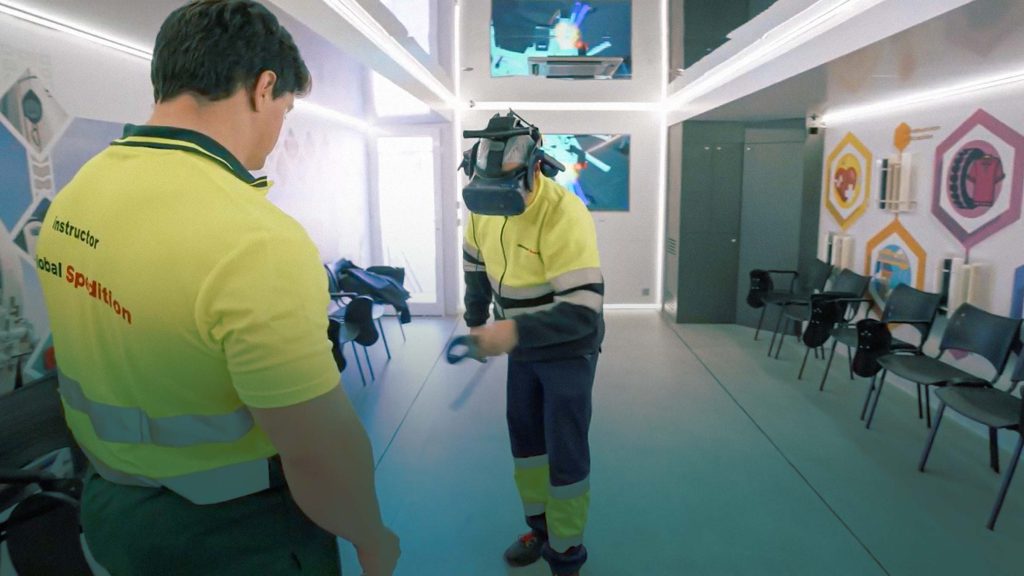
Promising future of Virtual Reality and Artificial Intelligence
Virtual Reality is benefiting from the integration of Artificial Intelligence, both now and in the future. A combination of technologies that is marking a new era of innovation and human-machine interaction . This synergy is revolutionizing and will revolutionize different sectors, such as entertainment, education, commerce and healthcare. Seeking personalized immersive experiences , adaptive in real time and in which users can get around naturally. With AI managing virtual environments that respond and adapt in real time to the user's actions and emotions, enabling new and better learning experiences, play and personalized therapies. In addition, the combination of these technologies can lead to significant advances in the simulation and modeling of complex 3D scenarios , allowing users to explore and interact with virtual worlds that mirror or exceed the complexity of the real world. In the design of these spaces, the limit is in our imagination.
Artificial Intelligence and Virtual Reality Projects with Imascono
At Imascono we know that the future of Virtual Reality lies in the integration of Artificial Intelligence tools, both in their own development and in the content and experiences they offer to users. For this reason, we have a team of 30 engineers and developers specializing in Virtual Reality and Artificial Intelligence that can help you make the leap to these technological breakthroughs through our Virtual Reality for companies services. Need a project that combines the best of AI with the virtual world? Contact us at !