The luxury industry has always been synonymous with exclusivity , innovation and memorable experiences. . In recent years, technology has played a key role in the evolution of this industry, helping brands to raise their standards and connect with an increasingly demanding public. From the extreme customization to the most immersive experiences In addition, cutting-edge technologies are transforming the way luxury brands design, produce and present their products and services, generating a lasting impact on their customers. The adoption of tools such as the Extended Reality the Artificial Intelligence and the Blockchain not only redefines the concept of exclusivity, but it also allows brands to innovate in its processes and communication channels . These applications also enhance the customer experience, offering more personalized, sustainable and connected interactions. In this article we will discover how technology is revolutionizing the luxury sector highlighting success stories and key trends for the future.
La tecnología en productos y servicios de lujo
La incorporación de la tecnología en el sector del lujo está revolucionando la forma en que las marcas conectan con sus clientes, redefiniendo los estándares de personalización y exclusividad. Respecto a las características de las empresas del sector de lujo, gracias a herramientas como la Inteligencia Artificial y la Realidad Extendida, las marcas ofrecen experiencias digitales que reflejan los valores y el prestigio asociados a sus productos. Representaciones visuales hiperrealistas y gráficos de máxima calidad permiten que los clientes interactúen con productos de manera única, reforzando la percepción de exclusividad y atención al detalle. Si te interesa, visita nuestro post → Characteristics of a luxury hotel: immersive design and unique experiences.
La tecnología también impulsa el Digital Customer Experience (DCX) en el mundo online del lujo. La experiencia de compra en esta industria es clave, así lo vemos reflejado en las tiendas físicas, en los eventos exclusivos e incluso en el packaging de los productos. No obstante, en el mundo digital, en los e-commerces de las marcas del sector, no termina de destacar esta experiencia de lujo. Hasta ahora. Mediante recomendaciones precisas basadas en Inteligencia Artificial, pruebas virtuales y una conexión omnicanal fluida, el Digital Customer Experience más vanguardista ayuda a mejorar cada etapa del recorrido del cliente del lujo. Además, avances como la tecnología Blockchain garantizan la autenticidad y trazabilidad de los productos, mientras que las experiencias en el Metaverso y los espacios virtuales permiten a las marcas de lujo enriquecer sus páginas web y posicionamiento digital. Al combinar innovación, sostenibilidad y tradición, las marcas de lujo están adaptándose a las expectativas de las nuevas generaciones, creando interacciones digitales que no solo elevan el valor percibido, sino que también fortalecen la conexión emocional con sus clientes.

6 technological advances in the luxury sector
The luxury industry is embracing technology to transform its offering and take exclusivity to a new level. Developing unique experiences for the most demanding consumers. Below, we will discuss six technological advances that are revolutionizing the industry. Shaping the present and future of luxury experiences .
Virtual shopping experiences
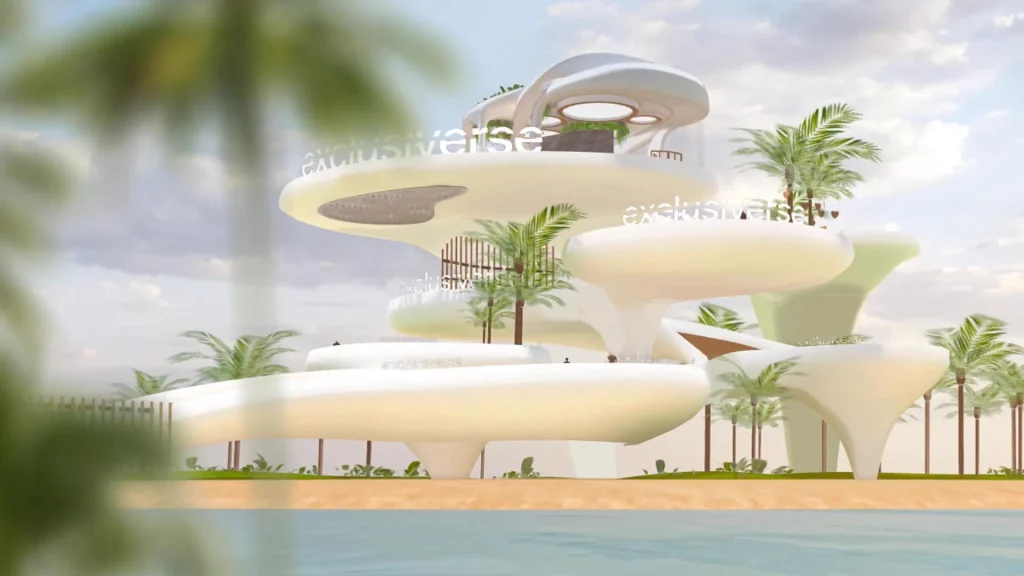
Las experiencias de compra virtuales están redefiniendo la manera en que los clientes interactúan con las marcas de lujo al permitir que los clientes exploren y adquieran productos con una inmersión que antes solo era posible en tiendas físicas. Gracias a tecnologías como la Realidad Aumentada y la Realidad Virtual, los usuarios pueden probarse ropa, asistir a desfiles virtuales, acceder a eventos exclusivos o incluso visualizar cómo lucirían muebles y piezas de diseño en su hogar, todo de forma digital. Estas experiencias no solo ofrecen comodidad, sino que también potencian la exclusividad y personalización, permitiendo a las marcas de lujo conectar con sus clientes de manera innovadora personalizando la experiencia de compra y permitiendo a las marcas conectar con clientes globales de manera exclusiva. En este sentido, destaca el proyecto Exclusiverse, la sede virtual del club de viajeros nº1 del mundo Exclusive Traveler Club. A través de su espacio virtual, los más de 85.000 miembros de todo el mundo pueden disfrutar y aprovechar al máximo su membresía digital, más allá de su uso exclusivamente durante las vacaciones. Pudiendo acceder a eventos, ganar beneficios extra y conocer de primera mano todas las novedades del club.
Exclusividad y autenticidad
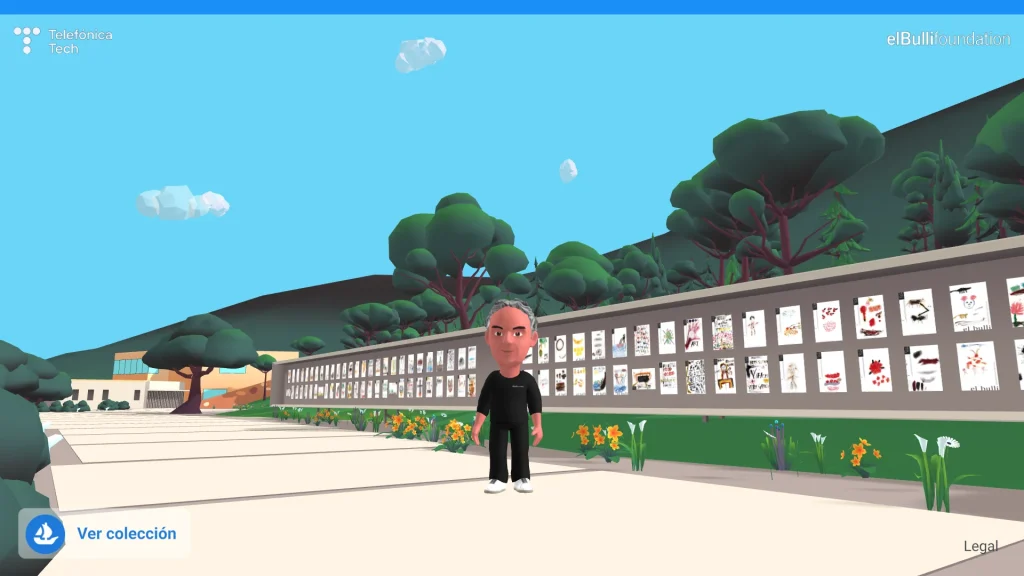
The luxury sector has adopted technologies such as the Blockchain for guarantee the authenticity and exclusivity of your products . This technology provides an immutable record of each item, allowing customers to verify the provenance, originality and authenticity of what they are buying. In a market where the exclusivity is key, the blockchain not only reinforces customer confidence It also creates an additional layer of security, ensuring that luxury products are genuine and have not been adulterated or counterfeited. Through this technology, brands can issue digital certificates that accompany unique pieces or limited editions, which not only protects consumers from counterfeits, but also reinforces the perceived value of each product . An example of the use of Blockchain in luxury can be found in the digital dining experience at Ferran Adrià . The 114 NFTs of his exclusive drawings from his "Culinary Evolution" collection were exhibited in his digital museum.
Personalized assistants
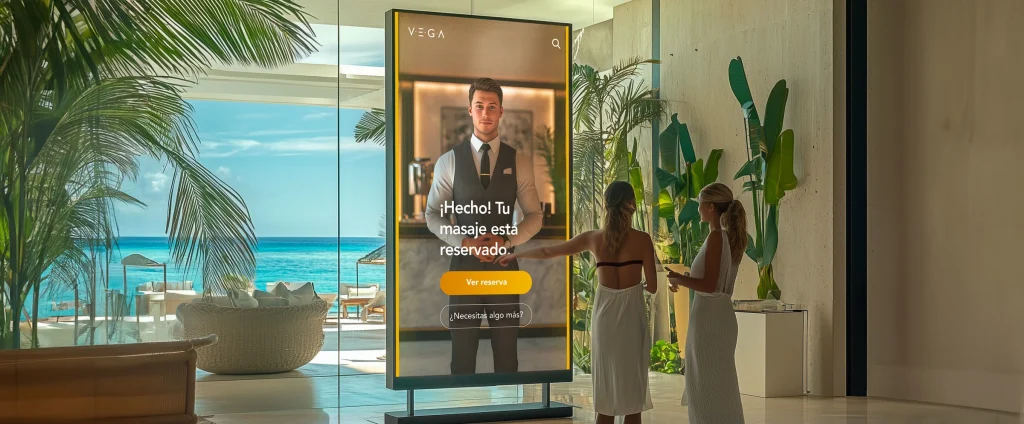
One of the most important technological advances for the luxury sector is the advent of the Artificial Intelligence-enabled virtual assistants to transform customer interaction. Thanks to these AI avatars, the consumers have their own personalized assistant with whom to communicate fluently and naturally, at any time of the day and in any language. Being part of the customer experience from pre-sales to post-sales. In addition, they allow obtain personalized recommendations tailored to each customer's individual preferences and needs . For example, a high-end brand can use a virtual assistant to manage reservations at its exclusive spas, suggesting available times, offering treatment recommendations and sending personalized reminders. This continuous attention improves the customer satisfaction, making the luxury experience even more tailored and exclusive.
Digitalization of traditional luxury
Digitization is transforming traditional luxury by combining its exclusive essence with advanced technologies that redefine the customer experience. Luxury has historically been associated with personal treatment and exclusive service in physical stores. Now, traditional luxury is empowered in the digital world with the development of virtual showrooms, immersive fashion shows, collections phygital or even fitting rooms, showcases and interactive photocalls. Allowing customers to live immersive experiences from anywhere in the world. Access limited collections. Interact with experts in virtual events. All while maintaining the air of exclusivity typical of the sector. An example of the union between traditional luxury and new technologies is found at Carmen Sagrera the Hispano Suiza's latest super sports car . Where the luxury brand commemorates its 120 years of history with a car that incorporates the latest technology, both in the engine and infotainment.
Personalización
Personalization is a key pillar in the digital transformation of luxury. Thanks to the data analytics and Artificial Intelligence, brands can offer experiences, products and services completely tailored to the needs and tastes of each customer. . From tailor-made clothing pieces to exclusive travel services, technology enables the creation of unique experiences for each individual. This ability to offer highly customized products not only enhances customer satisfaction, but also strengthens brand loyalty, making every purchase a personal reflection of your style and preferences.
Transformation of the physical space
Physical spaces have not lost their importance in the digital era, in fact, technology is enhancing them, for turning physical stores into true epicenters of the brands' essence The new technology is a key part of the customer experience. From virtual fitting rooms, AI-based personal shoppers, touch screens to immersive Virtual Reality experiences. These innovations allow customers to interact with products in new and exciting ways. Thus, the integration of new technologies in physical stores not only improves the aesthetics and functionality of the spaces, but also elevates the sense of exclusivity by providing customers with a completely unique and memorable experience which only occurs in the brand's space and nowhere else.
Relevant technologies in the luxury sector
In a market where exclusivity, personalization and authenticity are key, luxury brands are adopting technological tools to enhance the customer experience, optimize production and maintain their leadership position in an increasingly competitive environment. Below, we will review the most relevant technologies in the luxury sector:
Inteligencia Artificial Generativa
The Generative Artificial Intelligence is setting a milestone in the luxury sector with its enable the creation of original and customized digital content on a large scale . This technology uses advanced algorithms to generate images, videos, music and even text that mimic the style and essence of luxury brands. Thanks to generative AI, brands can offer unique and personalized experiences for each customer as exclusive product designs or custom-created limited collections. In addition, AI makes it possible to create high-quality simulations, such as virtual fashion shows or product presentations, that immerse the customer in an immersive experience, while maintaining the exclusivity and sophistication of the sector. This technology not only optimizes creativity, but also redefines how luxury brands interact with their customers.
Realidad Mixta
The Mixed Reality is transforming the way consumers interact with luxury products by merging the physical and digital in a seamless and immersive way never seen before. This technology enables users to experience and customize products in real time, without losing their connection to the physical environment . Offering as a result a highly interactive experience. With advanced devices such as Apple Vision Pro Mixed Reality is taken to a higher level by being able to live the experience using gestures and voice, interacting with the digital elements in a natural way, as if they were really there. In the luxury sector, this opens up new possibilities for personalized experiences, such as trying on clothes or accessories virtually, putting on your glasses and experiencing the latest brand's fashion show in the front row, or touring the facilities of a prestigious chain's luxury hotel by yourself. Find out all the details about the use of Apple's eyewear at Immersive experiences through the Apple Vision Pro .
Blockchain
Blockchain technology is playing an important The company plays a key role in the digital transformation of the luxury sector by guaranteeing the authenticity, transparency and traceability of products. Thanks to this technology, luxury brands can offer digital certificates that verify the ownership and provenance of their products, protecting both consumers and brands against counterfeiting. In addition, the blockchain allows the creation of exclusive experiences through unique digital assets, such as NFTs The blockchain is a powerful tool that not only reinforces the authenticity of luxury goods, but also opens up new avenues of interaction with customers. This integration of blockchain into the luxury industry not only enhances consumer confidence, but also facilitates the sale of digital products, limited collections and special editions, in a secure and decentralized manner.
Advantages of incorporating technology in the luxury sector
The incorporation of technology in the luxury sector brings with it a series of key benefits that improve both customer experience and operational efficiency. The personalization of services, the creation of immersive experiences and the guarantee of authenticity through blockchain are just a few examples of how technology redefines the concept of luxury that, throughout this article, we have been seeing and analyzing. Not only that, but the technological integration in this industry is enables brands to connect with a wider audience, offer unique products digitally and streamline internal processes This increases competitiveness in an ever-changing market. Technology not only facilitates innovation, but also strengthens the emotional bond between luxury brands and their consumers. If you would like to learn more about how technology, especially Extended Reality, can transforming your brand in the luxury sector do not hesitate to discover our mixed reality services for companies . From Imascono we will be pleased to show you how we can help you take your business to the next level with innovative and customized solutions. Contact us!