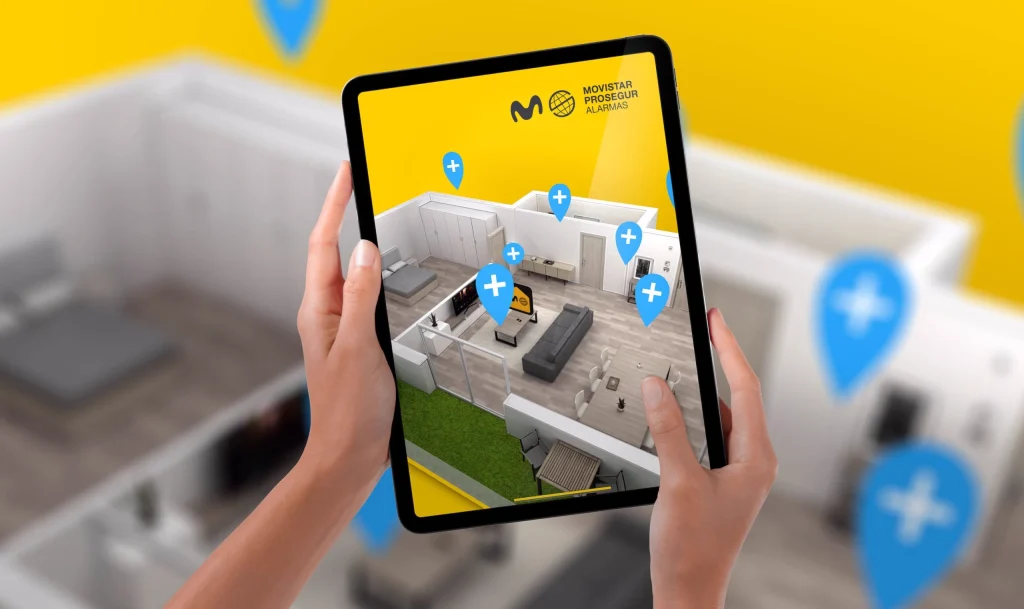
For decades, a motor insurer answered the same question with the same cards: your age, your record, your vehicle. Risk fitted in a still photo, taken on the day of signing and filed away until the next claim. That model is running out of meaning. IoT and immersive technology have got the car and the driver talking in real time, and along the way have changed not only how risk is calculated, but how a policy is sold, managed and trained around. In this journey you'll see how telematics turns the premium into a reflection of real risk, how an accident is detected and processed almost on its own, and how the connected vehicle becomes the digital twin of the insured asset. And you'll see the other side: augmented reality assessing damage without travelling, AI avatars explaining what nobody gets round to reading in the policy, and virtual reality training loss adjusters in the scenarios that can't be rehearsed any other way. This is the most advanced technology in car insurance moving from measuring the past to reading the present; this is technology applied to insurance when it stops being a promise and starts being a product.
IoT: the data layer revolutionising risk calculation
For decades, an insurer saw the car only twice: when the policy was signed and when a claim was opened. IoT and telematics break that silence and turn the vehicle into a continuous source of data describing how, when and how much it is driven. The three levers below show how.
Telematics data makes it possible to personalise premiums
The classic model priced by approximation: age, postcode, years since the licence was issued. Telematics replaces that proxy with real behaviour (braking, speed, mileage, time of day) and turns it into an individual risk score through PAYD, PHYD and MHYD models. The effect on the business is twofold: fairer pricing and better portfolio segmentation.
Real-time accident detection and automatic claims processing
The same sensors that score driving detect the impact. Accelerometer, gyroscope, speed and road context make it possible to identify a collision within seconds and trigger the first notice of loss (FNOL) automatically, with geolocated, time-stamped evidence before the driver even picks up the phone. For the insurer, that means going from a claim opening that took days to a matter of minutes, with fewer on-site inspections and less room for fraud.
The connected vehicle as a real-time digital twin of the insured asset
A fully sensorised car is, in essence, a Digital Twin in motion: a living replica of the asset that reports its location, its use and its mechanical health (OBD/CAN codes) in real time. The insured asset stops being an unknown between claims and becomes a queryable model that can be monitored, simulated and acted upon. It is exactly the logic with which at Imascono we build Virtual Twins of complex assets, as in the projects with Certest or OVO Xtractor: taking a physical object and keeping its up-to-date digital replica in parallel. Car insurance is one of the fields where that replica becomes critical for fine-tuning risk calculation. If you want to dig deeper, start here: The transformative impact of technology on liability insurance.
Immersive technology in the insurance sector: beyond the policy document
IoT tells what happens; immersive technology makes it understandable and actionable. The three applications below each answer a specific moment in the customer journey, from first contact to resolution. Here, the most advanced technology in car insurance isn't the one that piles up the most sensors, but the one that turns that data into something a customer understands and a loss adjuster can use.
Augmented reality for damage assessment
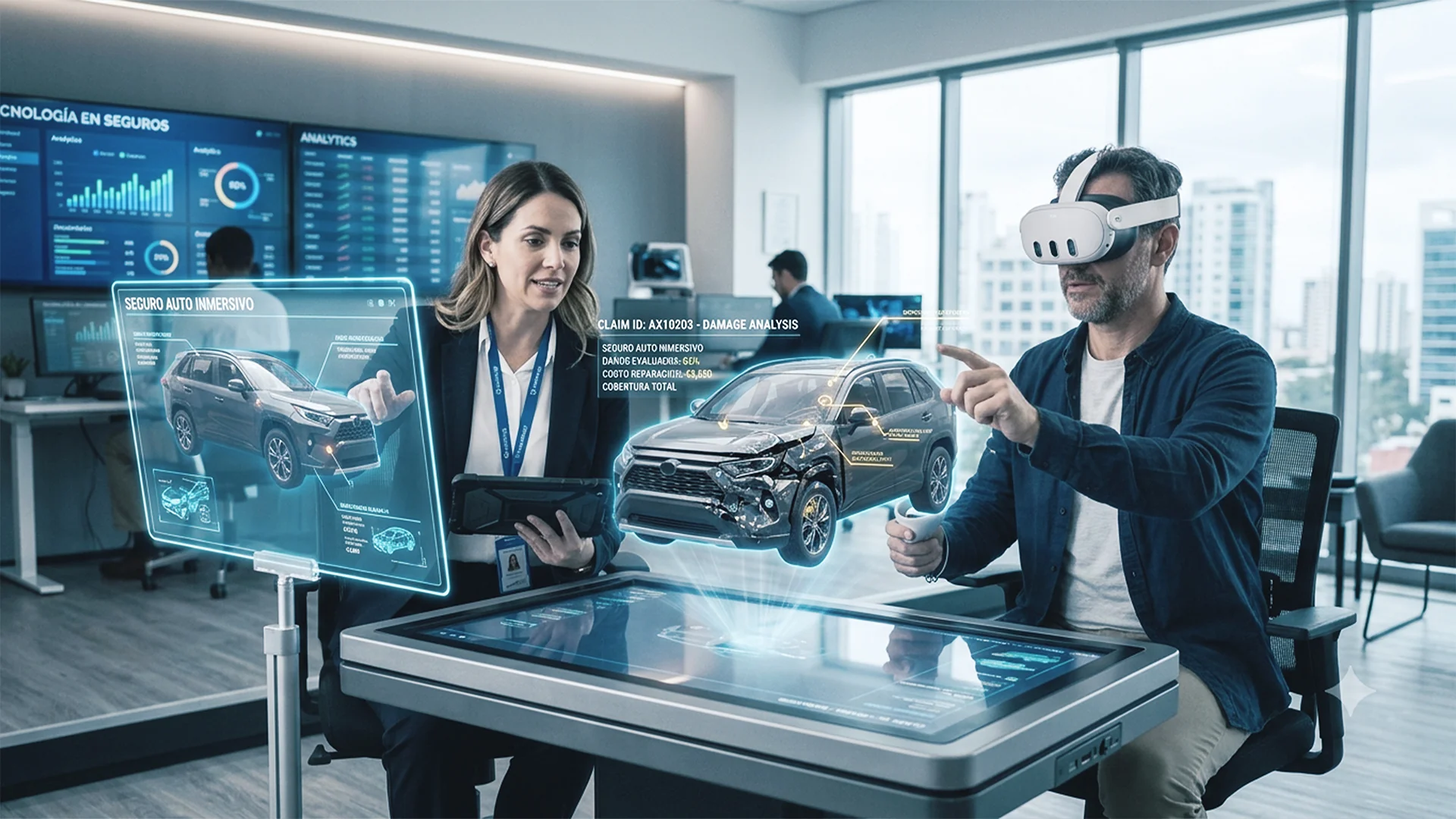
Thanks to augmented reality a vehicle's information is overlaid on the real image of the damage, compared with the documented previous state, and the report is issued without anyone travelling. It is one of the most mature uses of technology applied to insurance: it shortens assessment time, lowers the cost per file and reduces the margin for dispute.
Immersive onboarding and policy explanation
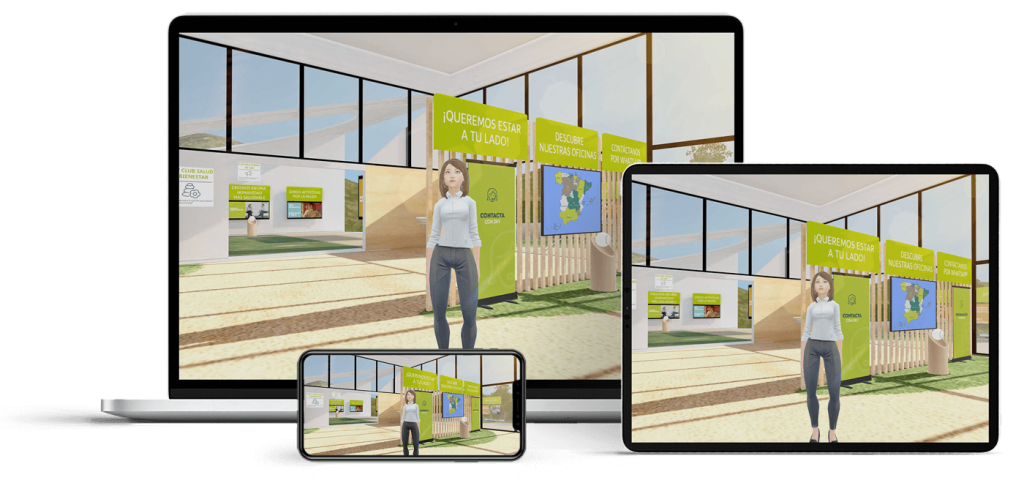
Car insurance is a dense, abstract product: clauses, excesses, cover that almost nobody reads in full. AI avatars and interactive experiences translate it into something visual, personalised and memorable, which improves understanding and takes repeated queries off the customer service channel.
VR for training agents and loss adjusters
There are situations that can't be rehearsed in a classroom: a serious accident, an attempted fraud, a customer in conflict. Virtual Reality makes it possible to train loss adjusters, agents and claims handlers in those high-pressure scenarios as many times as needed, without risk and repeatably. It is the same immersive training methodology that Imascono applies in regulated sectors: with Global Spedition we cut training time by 60 %.
How Imascono brings immersive technology to the insurance sector
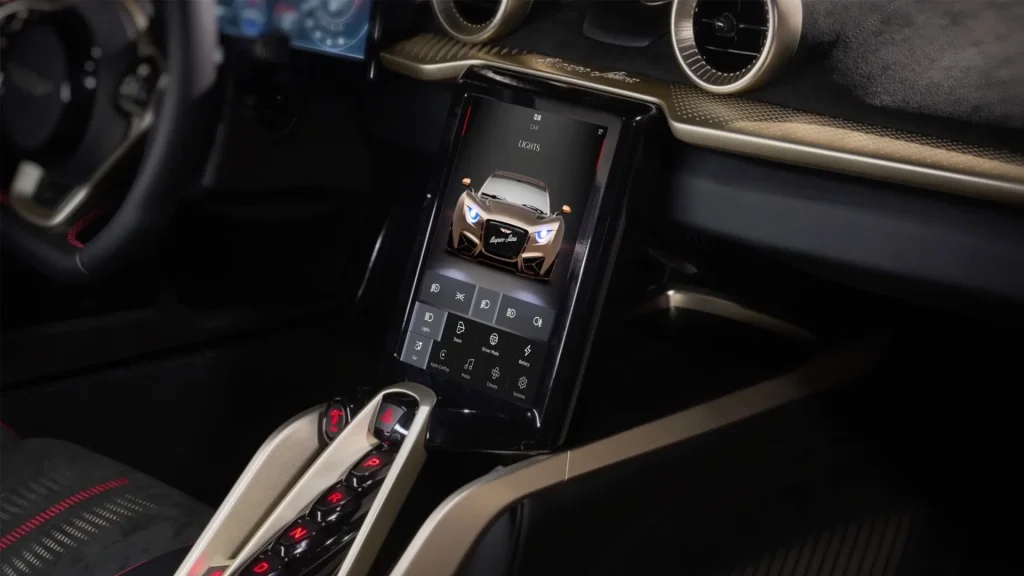
What carries a project from one sector to another is the method, not the technology: strategic study, product design and technology development, the same journey for a hospital, a plant or an insured fleet. That's why adopting the most advanced insurance technology in the automotive Industry isn't about starting from scratch. If you lead innovation or digital transformation at an insurer, pick a specific process (damage assessment, policy onboarding or training your network) and we'll design a measurable pilot around it. We also improve the experience in vehicles such as the Hispanosuiza, reinventing its digital operation to make it more accessible and efficient. Do you lead innovation or Digital transformation at an insurer and want to see how all this fits into your operations? At Imascono we don't start with the technology, but with your process. Contact us and let's take the first step together, from the idea to a custom digital product.