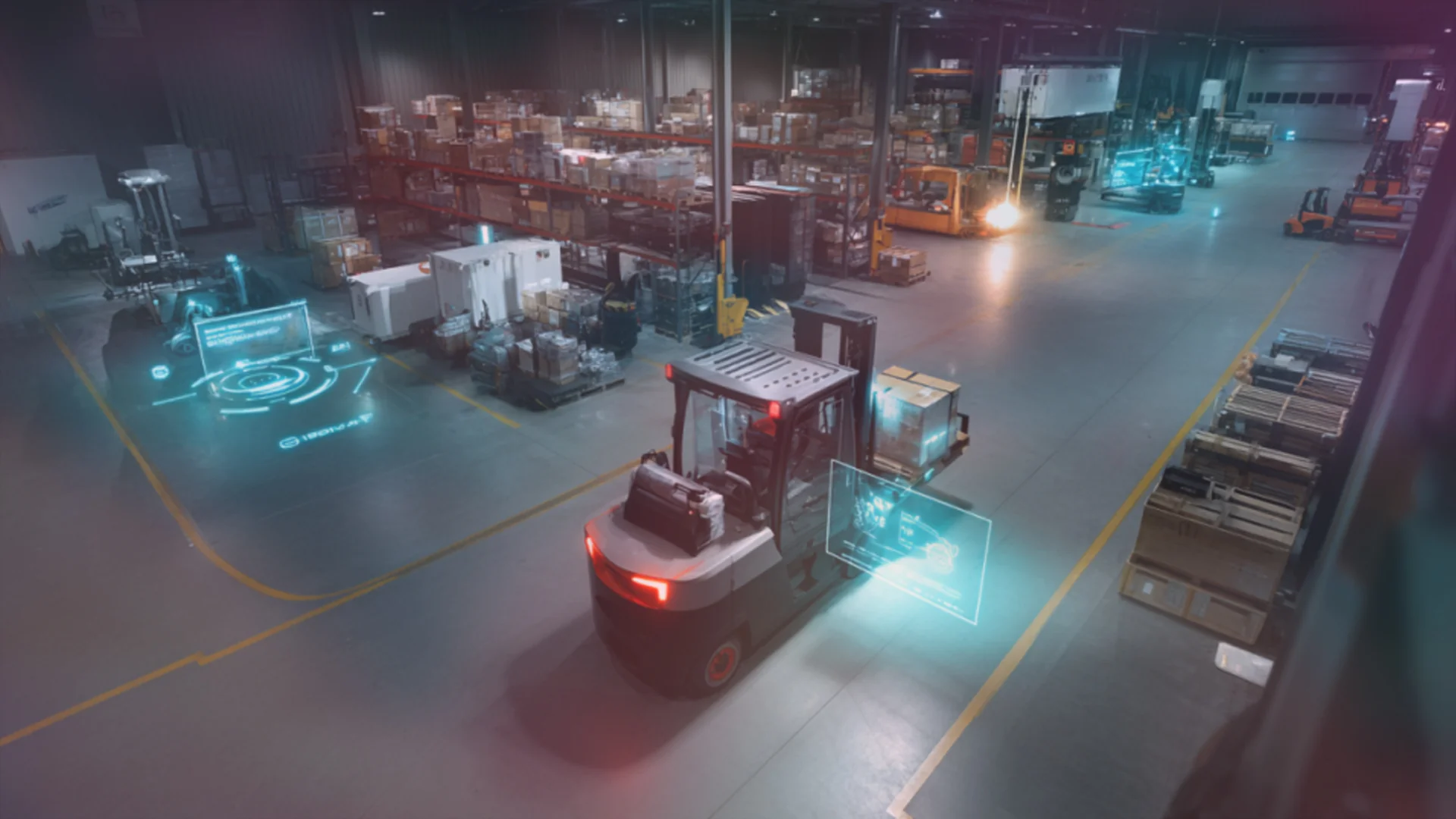
The Augmented reality is revolutionizing the logistics and warehouse operations. What once seemed like science fiction is now a tangible competitive advantage: operators guided by real-time visual information, intelligent inventories that are updated instantly, immersive training that reduces errors and optimized workflows to the millimeter. In this article we explore how AR is transforming the logistics chain , You will learn from its most innovative applications to the concrete steps to implement it successfully in your company. In addition, you will discover real success stories developed by Imascono, where technology becomes productivity, safety and efficiency. If your goal is to turn your warehouse into a connected, agile and future-proof ecosystem, this blog is the perfect starting point.
Main applications of augmented reality in logistics
Augmented reality is no longer an illusion for warehouses, it is a tool that is redefining the way logistics centers operate. Below we will explore the most relevant applications that you can incorporate in your warehouse.
AR-assisted picking
Augmented reality assisted picking is one of the most widespread and cost-effective implementations in logistics environments. Thanks to devices such as smart glasses or AR totems, the operator sees directly in his field of vision the precise indications of which product to pick, in what quantity and from which exact location. He no longer needs to review printed lists or external displays; the information appears integrated into his actual environment. This translates into an immediate benefit, drastically reducing selection errors and increasing work speed by eliminating intermediate steps and search times.
Inventory and stock management
Inventory control is one of the greatest logistical challenges. This is where augmented reality provides a differential value by offering a real-time view of the stock on the physical environment itself . When viewing a shelf, a storage area or a machine, the operator can display available quantities, replenishment alerts or the optimal location for each part number . This contextual visualization eliminates the gaps between the digital inventory and the warehouse reality, making it an accurate, agile and fully interactive and immersive process with the warehouse systems.
Training of personnel with AR
Traditional warehouse training often requires long periods of adaptation and supervision. Augmented reality breaks this pattern by offering an immersive learning experience. Using virtual glasses, totems or mobile devices, new employees can visualize instructions and procedures directly on the physical environment. Reducing training time improving knowledge retention, operators and gain confidence faster, make fewer mistakes and adapt more easily to warehouse dynamics, all without real risk, reinforcing training practice through error, in an interactive, safe and measurable environment.
Improved risk prevention training
AR is revolutionizing occupational risk prevention training in logistics environments. Thanks to its immersive capabilities, workers can experience dangerous situations in a totally safe and controlled environment. AR makes it possible to visualize risk areas directly on the actual warehouse space, indicating in real time which areas should be avoided or which procedures should be followed in the event of an incident. . This type of hands-on training increases preventive awareness, improves knowledge retention and fosters a stronger safety culture.
Interactive infographics to guide the user
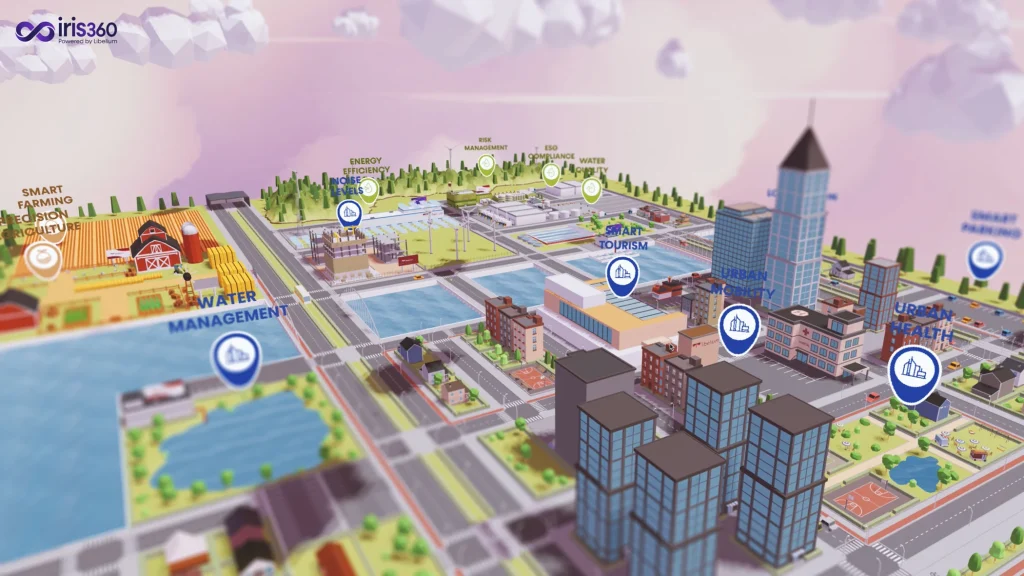
Interactive infographics with augmented reality transform the way workers access information inside the warehouse . Instead of consulting manuals or static drawings, operators can visualize workflows or animated step-by-step instructions in an interactive environment. This approach facilitates immediate understanding by allowing a large-scale view of a space and/or process. In other words, they are interactive maps and infographics to guide the user , where the different points of interest are explained visually. Where the important thing is the accessibility to the information and the personalization of the interactive experience. You may be interested in: Simulation learning positions itself as a key model in high-risk environments
Getting started: concrete steps to implement AR in your warehouse
Implementing augmented reality in logistics is not just about incorporating a new technology, but about redesigning the way the warehouse operates and connects with its equipment. The first step is to analyze the starting point and define clear objectives: identify the processes that can most benefit from AR and establish indicators to measure the real impact on productivity and accuracy. From there, it is essential to choose the right hardware and software, ensuring its integration with existing systems (WMS, ERP or IoT) and having a specialized technology partner to ensure a smooth and secure implementation. The implementation should start with a pilot project that allows adjusting the technology to the real needs of the warehouse before scaling up. At the same time, it is key to invest in training the team to facilitate adoption and reduce resistance to change. Once deployed, AR provides real-time data that allows measuring results, optimizing processes and evolving towards smarter, more connected and efficient logistics. With a planned strategy and a human approach, any company can transform its warehouse into a more agile, accurate and future-proof space.

AR success stories in the industry
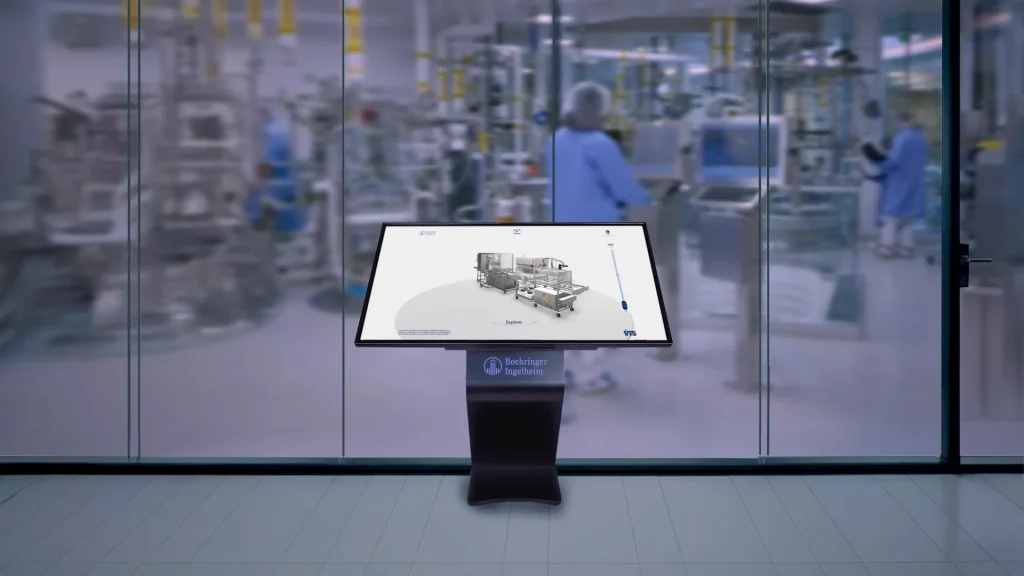
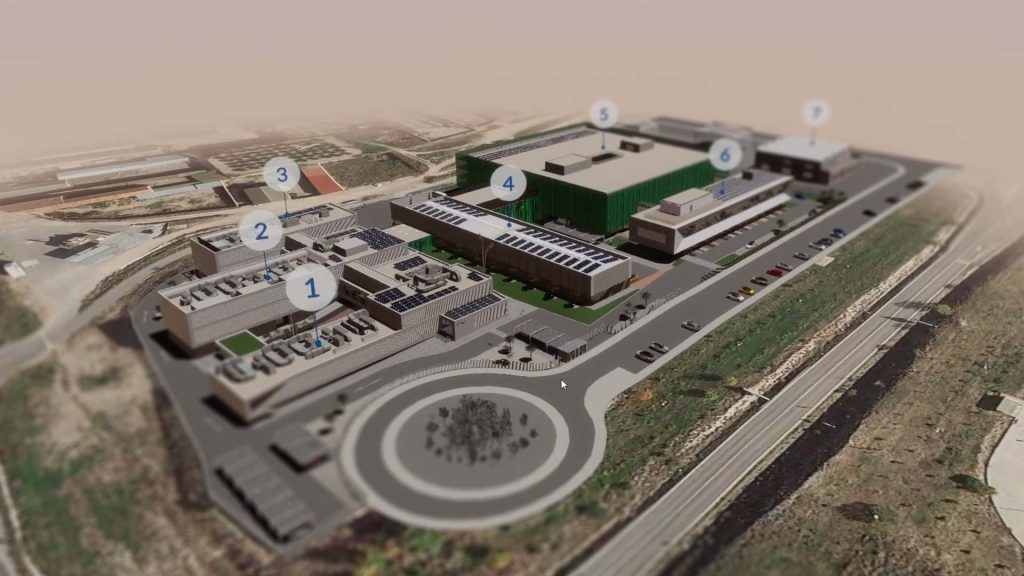
A continuación veremos varios ejemplos reales donde varias empresas ya han aplicado tecnologías de realidad aumentada, avatares inteligentes o gemelos virtuales para generar valor concreto en su industria. Certest Junto a Certest Biotec, desarrollamos un gemelo virtual de sus instalaciones para permitir visitas virtuales desde cualquier dispositivo. Se virtualizaron 25.000 m² repartidos en más de nueve edificios. Gracias a este modelo virtual interactivo, se logró ahorrar alrededor de un 40 % del tiempo empleado en explicar los procesos durante visitas comerciales, además de triplicar el volumen de visitas tras incorporar esta solución. Global Spedition Global Spedition necesitaba modernizar su formación en prevención de riesgos, en particular para las tareas de carga y descarga de camiones cisterna. Con la propuesta de Imascono, se implementó una formación inmersiva con Realidad Virtual y gamificación, reemplazando los manuales tradicionales. Más de 800 empleados completaron la formación y se consiguió reducir el tiempo medio necesario para llevarla a cabo en un 60 %, además de proporcionar una experiencia más segura, práctica y atractiva. OVO Xtractor | Boehringer Ingelheim Para Boehringer Ingelheim se creó un Virtual Twin de la máquina avícola OVO Xtractor, una infografía interactiva que permite evaluar todos sus componentes y ver el proceso de vacunación sin necesidad de transportar la máquina física. Esta solución no solo redujo costes logísticos al evitar desplazamientos para presentaciones en ferias, sino que mejoró la eficiencia del proceso comercial al permitir mostrar la maquinaria de forma realista y detallada a distancia. IRIA Iveco Iveco, a través de su división de formación “Iveco Academy,” necesitaba un canal más directo, accesible y eficiente para ofrecer formación interna y comunicación corporativa. De esta forma nació IRIA, un avatar inteligente, entrenado con los documentos de múltiples departamentos. Este asistente virtual responde dudas, facilita acceso a formaciones y permite consultas internas de manera autónoma. En Imascono ayudamos a las empresas a dar el salto hacia la logística del futuro mediante soluciones personalizadas con augmented reality. Si estás listo para optimizar tu almacén y transformar la experiencia de tus equipos, nuestro equipo de expertos puede acompañarte en todo el proceso. Contáctanos y descubre cómo hacer realidad tu almacén aumentado.