The hotel industry is in the midst of a digital transformation. From large hotel chains to rural and family-run hotels, they are all in the midst of a digital transformation. incorporating technology in optimizing internal operations and guest experience . Adapting to the needs and expectations of increasingly digitalized travelers. But, how do we plan the hotels of the future? In this article we want to explore this concept and the technological trends that accompany it. Artificial Intelligence, automation, immersive experiences... All these technologies are part of today's hotel industry, and are the key pieces to build the future of the industry. We will now take a closer look at these technologies and how companies in the tourism and hospitality sector are by integrating them into their activities.
New technology applications for smart hotels
The smart hotels are establishments that integrate advanced technologies to optimize the guest experience. One of the main applications is automation, with systems such as check-in and check-out, domotic room management or virtual assistants that personalize the guest experience by attending to all their needs, requests and queries. These tools not only streamline processes, but also increase the convenience, reduce waiting times and offer a seamless and personalized experience. . Where the user is the one who takes control of his stay in the hotel. If you want to know more about the development of virtual assistants in hotel services you can visit our website Artificial Intelligence in hotels

5 technology trends in the hotel industry
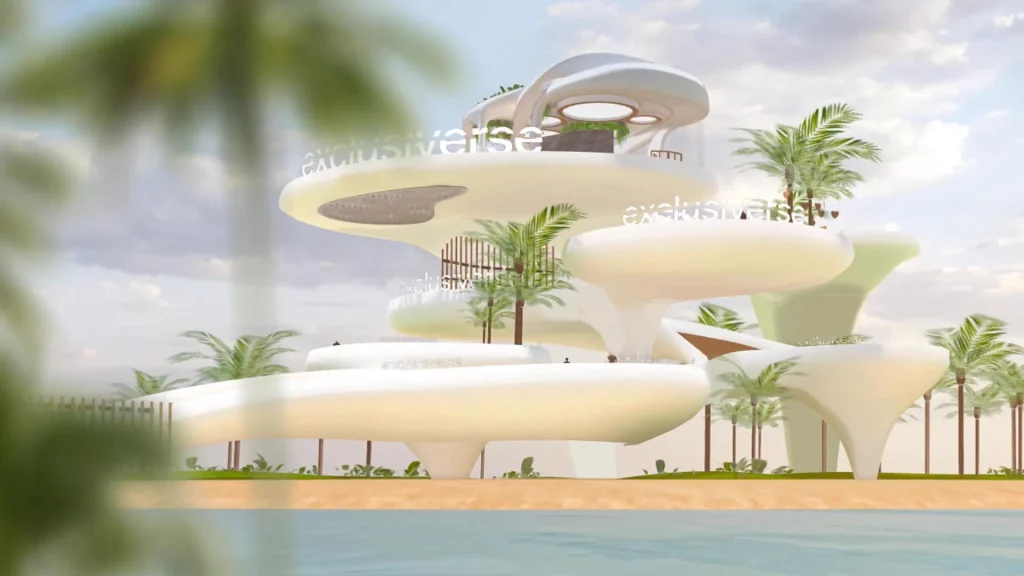
Desde herramientas que automatizan los procesos hasta innovaciones en el customer experience que enriquecen y abren nuevas oportunidades a los clientes para disfrutar de su estancia hotelera, estas tendencias tecnológicas están marcando el camino de la innovación en la industria de los hoteles. 1. Mayordomos virtuales El servicio de habitaciones innova con la llegada de los mayordomos virtuales dotados con Inteligencia Artificial. Con ellos, cada huésped cuenta con su propio asistente que le ayuda a gestionar reservas, realizar pedidos a las habitaciones e incluso hacer recomendaciones sobre qué sitios visitar, qué actividades contratar y responder todas las dudas sobre el funcionamiento del hotel. Todo de forma personalizada para cada usuario y en su propio idioma. Asistentes virtuales enfocados en el sector hotelero y turístico como Cervantes IA, el avatar virtual de Miguel de Cervantes que hace las veces de guía turístico de su amada Castilla-La Mancha. O Marta, el caso de concierge digital presentado por el Hotel Torre del Marqués. 2. Experiencias inmersivas de Realidad Virtual y Aumentada La Realidad Aumentada y Realidad Virtual también tienen su impacto en la gestión hotelera. Con estas tecnologías se consigue desarrollar la tendencia try before buying. En el turismo, esta tendencia se representa en vivir experiencias inmersivas que recrean lo que se va a vivir en el viaje previa su reserva. Conectando a nivel emocional y experiencial, más allá de únicamente mostrar fotografías y vídeos. Un hecho que beneficia a los hoteles al poder mostrar su catálogo de actividades a contratar de forma más individualizada y personalizada para los clientes, dando tiempo a cada uno a que explore a su ritmo. Te puede interesar → The influence of Augmented Reality in hotels 3. Recreaciones virtuales de las instalaciones Las recreaciones o gemelos virtuales de las instalaciones hoteleras permiten a los huéspedes tener un mayor control y conocimiento sobre el funcionamiento y actividades del hotel. Mejorando el acceso a la información y aprovechando al máximo las nuevas tecnologías para personalizar y mejorar la experiencia completa del cliente. Pudiendo organizar visitas virtuales accesibles desde cualquier dispositivo, ayudando al huésped a visualizar su estancia, tomar decisiones mejor informadas y mejorar la confianza en el proceso de reserva. Además, como ocurre en Exclusiverse, la sede virtual del club de viajeros Exclusive Traveler Club, en estas recreaciones 3D se pueden organizar encuentros, ofrecer beneficios exclusivos… fomentando el sentimiento de pertenencia y la fidelización con la marca. 4. Asistentes virtuales y tecnología de voz La tecnología por voz y los asistentes virtuales están revolucionando la experiencia hotelera al ofrecer traducción automática y soporte en múltiples idiomas. Estas soluciones permiten a los hoteles comunicarse de manera eficaz con huéspedes de diferentes nacionalidades, eliminando barreras lingüísticas. Además, su capacidad para brindar asistencia en tiempo real contribuye a un turismo más accesible e inclusivo, adaptándose a las necesidades de cada viajero y mejorando la calidad del servicio. Como el robot de iurban Cicerone, un asistente virtual capaz de gestionar una agencia de viajes en 95 idiomas. 5. Instalaciones tecnológicas interactivas El uso de la tecnología en la hotelería no solo tiene su impacto en el mundo online del sector, esta también puede transformar el propio hotel físico gracias a las instalaciones interactivas y la apuesta por las experiencias phygital. Pantallas táctiles, hologramas, escaparates interactivos o experiencias gamificadas en el lobby y zonas comunes… todo tipo de innovaciones que fomentan el engagement, conexión y entretenimiento de los huéspedes. Instalaciones tecnológicas interactivas como las diseñadas para la renovada sede de Ibercaja en el Espacio Xplora, con su escaparate inmersivo. O, a nivel turístico, la acción de marketing Frozen Emotion, donde los usuarios podían trasladarse hasta un puente colgante en lo alto del Pirineo y bajar esquiando con su nuevo forfait virtual. Toda una experiencia inmersiva en Realidad Virtual que te dejará helado.
Benefits of technology in the hotels of the future
The technology of the hotels of the future impacts both internally and externally. Both internally and externally. employee support such as guest experience, marketing and sales. In this section, we will analyze the main advantages and benefits offered by technology in the hotel sector: Maximum customization and personalization Through advanced tools such as the Artificial Intelligence and Big Data hotels can customize every aspect of their guests' stay, anticipating their guests' needs. The systems can record the guest preferences, analyze possible needs based on their profile and use this information to offer an experience perfectly adapted to them. The AI can also provide recommendations to users and predict what they might need, based on their previous behavior patterns. In addition, the accessibility for guests is very simple: they can access the hotel implementations of the future from their mobile devices in web browsers, thanks to, for example, WebApps developed by these hotels. Reduction of waiting times Thanks to technology, the hotels of the future will be able to automate different processes both within the internal management of the hotel and in the attention and interaction with guests. For example, the implementation of generative Artificial Intelligence and other innovations in automation automatic registration systems , digital check-in and check-out , y virtual assistants In addition, processes that traditionally took unnecessary time are automated, improving operational efficiency and the guest experience.

Impact of technology on the guest experience
Undoubtedly, the key point of any technological hotel is the guest experience. From the moment they discover the hotel and book it, to the actual stay and the final satisfaction they have. Technology allows transforming each of these parts of the customer journey The experience is personalized in a way never seen before in the hotel industry.
- Experiencia personalizada y estancias con la máxima comodidad. El uso de esta tecnología de vanguardia permite ofrecer a los huéspedes una experiencia totalmente personalizada. Desde la elección de la almohada ideal hasta la creación de itinerarios de viaje adaptados a sus gustos. Así, los hoteles del futuro pueden ofrecer servicios exclusivos que mejoran la comodidad y satisfacción del huésped.
- Interacción mejorada con asistentes virtuales. Los asistentes virtuales serán una parte integral de la experiencia en los hoteles inteligentes. Estos asistentes estarán disponibles las 24 horas del día para resolver dudas, realizar peticiones o proporcionar recomendaciones, lo que garantizará una estancia más agradable y sin contratiempos.
- Acceso sencillo a servicios a través de los móviles. Las aplicaciones móviles y WebApps están facilitando el acceso a todos los servicios del hotel. Desde abrir la puerta de la habitación con el teléfono hasta realizar reservas para actividades o pedir el servicio a la habitación con un solo clic, estas tecnologías no solo ofrecen comodidad, si no también un control total de la experiencia. Esto permite a los huéspedes disfrutar de su estancia de manera más autónoma, rápida y personalizada.
How to implement technology in hotels
Throughout this post, we have explored various innovative technologies, tools and solutions for hotels . The key challenge is to define a strategic and action plan to implement them effectively in each hotel business. It is essential to identify the technologies that are best aligned with the value proposition of the hotel, the profile of its guests and specific operational needs . Whether to strengthen the brand, improve internal efficiency or offer more personalized customer service, solutions must respond to clear objectives. Next, we would like to discuss a success story from use of Artificial Intelligence in the hotel sector . In an environment where personalization and constant availability have become key factors for luxury hotels, the Hotel Torre del Marqués decided to take its commitment to innovation one step further. This led to the creation of a project to integrate a virtual assistant with a local soul capable of accompanying guests at all times.
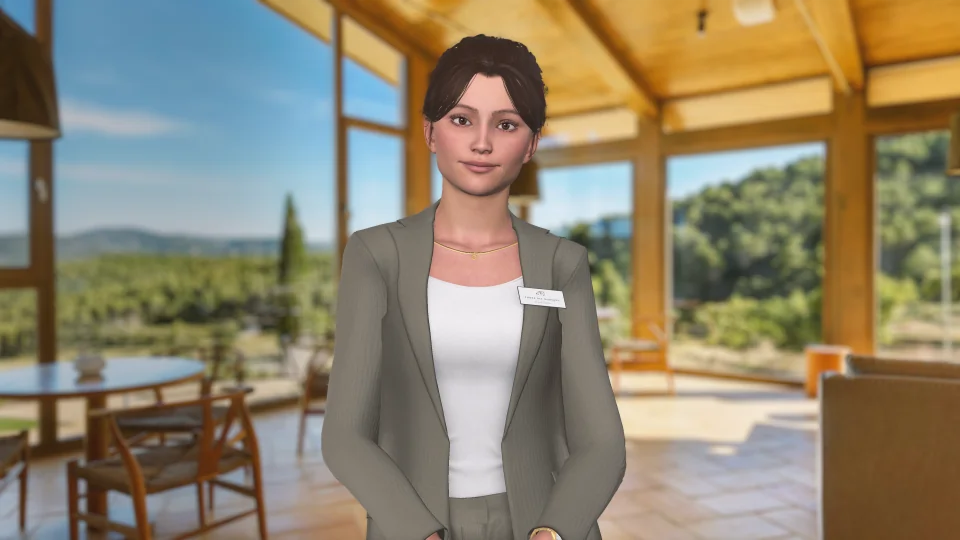
Marta Torre del Marqués
The Torre del Marqués Hotel , in the heart of "Aragonese Tuscany," has incorporated Marta, a Intelligent multilingual avatar that acts as a digital concierge available 24/7. This virtual assistant provides personalized information about services, gastronomy, wellness, and activities in Matarraña, accompanying guests throughout their stay without compromising the hotel's essence of exclusivity. Thanks to its implementation, the five-star complex has improved operational efficiency, strengthened customer service, and increased visitor satisfaction, positioning itself as a benchmark in rural tourism innovation. The project was made possible with the support of the Secretary of State for Tourism through the Segittur grant.
The hotels of the future are already a reality. From Imascono we are supporting tourism and hotel companies in digital transformation of your facilities and services. Through our solutions for technology in tourism to revolutionize the guest experience. Would you like to learn more about our work? Contact with us and discover how we can transform your ideas into unique experiences. With a solid track record in the tourism sector and a wide portfolio of innovative projects, we are ready to take your brand to the next level, let us show you our full potential!