Data space the key to manage and analyze large scale information
In a world where data is growing at breakneck speed, organizations that know how to manage them become digital leaders . Having the information is not enough, the real value is in connect it, analyze it and transform it into actionable knowledge . The DATA SPACES are the key to this change, enabling secure, interoperable and controlled information sharing, breaking down silos and powering advanced technologies such as artificial intelligence and virtual twins . In this blog you will discover what is a data space , You will learn how it works, what its key components are, why it is the future of digital transformation and how to drive it through technology. In addition, you will see how Imascono converts data into actual value through technology consulting and immersive technologies, helping organizations transform information into innovation, efficiency and sustainable competitive advantage.
The new value of data in the digital era
In today's digital economy, data has become one of the most valuable assets for organizations. It is all about collecting large volumes of information, and the goal is to know how to interpret it, connect it and convert it into actionable knowledge . Well-managed data drives decision making, improves operational efficiency and enables more personalized and intelligent experiences. However, many companies continue to operate with traditional models based on large information documents, disconnected systems and limited data governance. This means that, despite the availability of a lot of information, its real value is diluted. In this context, the need arises to new strategies with technologies to manage, share and exploit data in a secure, interoperable and scalable manner . This change in methodology positions the data space as a key piece in the digital transformation. An approach that makes it possible to activate data, integrate it with advanced technologies such as analytics, data analytics and artificial intelligence or virtual twins , and turn information into a real competitive advantage.
What is a data space and why is it revolutionizing information management?
A data space is a digital environment that allows information to be shared and managed in a secure, interoperable and controlled , both within an organization and between different stakeholders. Understand what is a data space means assuming a new model in which data ceases to be isolated in closed systems and becomes a connected asset, accessible and ready to generate real value, always maintaining sovereignty and control over the information. This approach is revolutionizing information management by enabling collaborative data ecosystems. Data spaces facilitate real-time analysis, the integration of multiple sources and the application of advanced technologies such as artificial intelligence or virtual twins. All this allows organizations to make smarter decisions, accelerate their process, build competitive advantages, anticipating their demand, all these decisions are based on the strategic use of data.
How a data space works: key components
A data space is not just a repository of information, it is a intelligent ecosystem designed to allow data to flow in a secure, efficient and scalable manner. Its operation is based on the combination of several essential components that ensure that information can be shared, analyzed and exploited without losing control or integrity. Among the key components stand out: Governance and access control: Each piece of data has clear rules about who can view, modify or share it. This ensures trust and data sovereignty in collaborative environments. Interoperability: It connects heterogeneous systems, platforms and organizations, making it easier for data to be understood and integrated without friction. Security and privacy: Through technology blockchain , In addition, advanced encryption, anonymization and compliance standards are applied, ensuring that sensitive information is handled with total protection. Scalable infrastructure: Capable of processing large volumes of information in real time, adapting to data growth and business needs. Analysis and visualization tools: They facilitate the transformation of data into actionable knowledge, supporting everything from operational decision making to innovation based on virtual twins and advanced simulations. These components make a data space much more than storage , The information is a dynamic environment where the information connects the data management with the technological innovation , to get the most out of the organizations.
The future of data spaces: an opportunity to lead digital transformation.
The future of DATA SPACES is closely linked to the digital transformation of enterprises. As volumes of information grow and organizations look to compete in increasingly fast-paced and connected markets, having a data space becomes a key strategic advantage . It's not just about storing or analyzing data, but about creating an ecosystem where information flows in a secure, sustainable, actionable way. Trends point to data spaces that are becoming more and more interoperable, collaborative and based on artificial intelligence , The company is able to connect organizations, sectors and technological platforms. This will allow the creation of innovation ecosystems , where shared data feeds into advanced solutions such as virtual twins, predictive analytics, big data and intelligent automation . Companies adopting this vision will not only optimize processes and reduce risks, but will also be able to leading the digital transformation , The information is a real driver of growth, efficiency and sustainable competitive advantage.
How Imascono drives data value through virtual twins
At Imascono we know that the importance of data is how they are managed and applied to drive innovation and efficiency . Our technology consulting helps organizations design and structure their data spaces, ensuring that information flows securely, interoperably and aligned with strategic business objectives. In addition, our virtual twins data from these spaces are used to visualize and simulate real scenarios in real time , from industrial processes to complex infrastructures. This capability allows transforming information into actionable knowledge, facilitating fast, accurate and evidence-based decisions. Combining technology consulting and data management , turns data into a real driver of value. Thanks to our methodology of applied imagination we will accompany you throughout the process, in addition we will also promote innovation and the correct use and application of each technology in a personalized way. At Imascono we are ready to help you design and implement your data space and make the most of them. In addition, our team will accompany you every step of the way, turning information into strategic decisions, innovation and sustainable competitive advantages. Contact with us today and take the next step towards the digital transformation of your organization.
How the Blockchain works: innovative and unique technology
The Blockchain technology is undoubtedly one of the most important and at the same time less known technologies in the current technological landscape. Thanks to it today we can have cryptocurrencies such as Bitcoin or NFTs and platforms such as Ethereum. In addition to the first smart contracts and sketches of the most advanced new cybersecurity strategies. Thanks to the Blockchain, we have a new registry of information and transactions carried out in the digital world . Which makes it difficult to modify, hack or cheat the system. Thanks to its decentralized authority and transparency in all operations. Understanding its windows and applications is the key to planning and implementing the companies' future strategies . In this article we will analyze in detail its definition and how blockchain works, as well as the impact it generates and will generate in many sectors.
What is Blockchain and what is it for?
Blockchain is a technology that allows secure and transparent recording of information . It works as a digital ledger in which each record is linked to the previous one, forming a continuous and unbreakable chain when new records are added. Everyone can see what transactions there have been (change of holder, in which contract...) but no one can edit it. This is because this information is available in different servers in a decentralized way, a network of nodes or computers in charge of controlling the security, transparency and authority through its consensus protocols. . If a new record is to be added, it must be approved by the entire computer network. You may be interested in → Business Innovation: Spatial Computing Applications in Extended Reality . Blockchain technology is primarily known for its role in supporting cryptocurrencies, but its applications go far beyond that.
In the business world, Blockchain can be used to track the origin and handling of products across the supply chain, guaranteeing the authenticity and quality of goods.
In digital leisure and entertainment, Blockchain technology adds an extra layer of security to the sale and traceability of tickets for concerts and shows, curbing the sale of counterfeit tickets and giving organizers greater transparency and control over resale.
In the legal sector, it can provide the means for automated contracts that execute on their own when certain conditions are met, reducing the need for intermediaries and making processes more efficient.
How Blockchain technology works
An important point when it comes to understanding the Blockchain technology is to be clear about how it works. Everything is based on the creation of a list of records, the blocks, which are linked together in a secure and chronological way. Each of these blocks on the chain contains a set of data and agreements that are validated by the participating nodes in the network . Through encrypted algorithms, these nodes agree on the validity of transactions before adding them to the block. Once this block has been verified and added by the network, the chain is public and is distributed among all users of the node network. ensuring that information is accessible and transparent to all participants. A distinguishing feature of blockchain is that it each block contains a unique code, called a hash, which links it to the previous block in the chain. This hash is generated based on the information in the previous block, which means that any change in a block would alter its hash and therefore invalidate all subsequent blocks.
Types of Blockchain
There are mainly two types of Blockchain based on the more limited or more public access to be part of the network of blockchain verification nodes. Thus we can speak of Private Blockchain and Public Blockchain.
Public Blockchain
In a public Blockchain, anyone can join and participate in the transaction verification process. This type of Blockchain is completely decentralized and transaction records are visible to all users. Examples of public Blockchains include Bitcoin and Ethereum.
Private Blockchain
A private Blockchain is controlled by a specific entity or group, and access to it is restricted to authorized members only. This allows organizations to have greater control over their data and operations. Private Blockchains are ideal for business situations where privacy and efficiency are crucial. Examples include Hyperledger and R3 Corda.
Blockchain technology applications
Blockchain technology has transcended its initial use in cryptocurrencies to revolutionize various industry sectors. With its ability to ensure security, transparency and efficiency in transactions This technology offers a wide range of practical applications. From the supply chain management at the industrial level up to the implementation in voting systems in the control of sensitive patient information or in the creation of the new smart contracts to protect copyrights in the music industry. Next, let's take a look at the possibilities opened up by Blockchain for digitally transform the different sectors.
Entertainment sector
The Blockchain is reshaping the entertainment industry by offering new ways of distribution and monetization of content. Enables creators of music, movies and video games to protect their works and receive direct compensation for their use through smart contracts that ensure automatic royalty payments. If you are interested, visit our post Virtual Reality in video games: the future of entertainment .
Health systems
In the healthcare sector, blockchain technology offers solutions for improve the security and privacy of medical records. By storing patient data on a Blockchain, the information is guaranteed to be immutable and transparent between the Private Blockchain participants, the healthcare providers. All, without compromising patient confidentiality. This technology also facilitates drug traceability from manufacture to distribution, reducing the risk of counterfeiting and improving inventory management in pharmacies and hospitals. You can learn more about the impact of new technologies in the healthcare sector → Virtual Reality and medicine: applications in the healthcare sector
Industry 4.0
Many stakeholders are involved in the industrial supply chain: suppliers, transporters, distribution stores, consumers... Blockchain technology in the industrial field provides a way of more transparent and secure verification and traceability . Where each piece and material is registered, keeping track of each transaction and time of delivery. Facilitating the verification of the authenticity and origin of the products This will reduce the incidence of fraud and counterfeiting. If you are interested in the impact of technology on the industrial sector, find out about What is Industry 4.0 and what are its main characteristics? .
Fashion and luxury
Blockchain technology also has an impact on the fashion and luxury sector. Thanks to its ability to certify authenticity Blockchain technology and digital assets NFTs play a key role in the most exclusive markets of the fashion industry. The brand guarantees the authenticity and traceability of each garment, increasing the value of the shopping experience and solving two of the main problems in fashion and retail: overproduction and counterfeiting . The implementation of this technology allows the on-demand production through the sale of NFTs This minimizes excess inventory, reduces environmental impact and creates great expectation among consumers. Transforming shopping into an experience that transcends the simple purchase of a product.
Digital banking
Undoubtedly, if there is one sector in which cybersecurity plays a key role, it is digital banking. Beyond cryptocurrencies and DeFi decentralized finance, Blockchain technology offers solutions also to traditional banking by enhancing the security, transparency and efficiency of financial transactions. Thanks to their ability to record transactions in an unalterable and verifiable way, banks can significantly reduce fraud and improve user confidence. You may be interested in → Banking and Metaverse: use cases and the future
Metaverse, NFTs and Blockchain Connection
New and surprising technologies are currently emerging that, combined with each other, are transforming the way companies work and communicate. Among them is the connection between the Metaverso, NFTs digital assets and Blockchain technology which are revolutionizing interactions and transactions in the virtual world. The Metaverse offers a new virtual space of connection between the brand and the users where the NFTs allow both the verification of purchases in these environments as well as the digital identity of users and their avatars . Assets representing products, goods and services that are registered and protected through Blockchain. Ensuring that each item is unique and non-replicable. Read more about this topic at Metaverse and NFTs: present and future relevance . With the integration of these three elements, we have configured a digital ecosystem where interactions and transactions are as secure and reliable as in the physical world. opening up a wide range of economic and creative possibilities for companies. Developing, for example, new immersive e-commerce where to explore all the possibilities of brand loyalty, such as in the online store/home from Lekue where you can see their products in an interactive kitchen.
Examples and use cases of Blockchain at Imascono
Now that you know how blockchain works, you should know that in combination with the Metaverse and NFTs, they are laying the foundations for the future of the Web3 of the new concept of socioeconomic ecosystem in the digital world. Today, we are seeing the first use cases of the application of Blockchain technology at the enterprise level:
One of the most interesting examples of Blockchain can be found in the tourism sector thanks to Exclusiverse. The virtual headquarters of the travelers' clubExclusive Traveler Club, where digital memberships, bookings, and member profiles are managed through Blockchain technology.
Another success story is the elBulliFoundation virtual museum, a space in the Metaverse where the collection of 114 NFTs from the “Culinary Innovation” exhibition by chef Ferran Adria was unveiled and put up for sale.
At Imascono we know that Blockchain technology is shaping and will shape the future of the digital future of companies . Both at the cybersecurity level, as well as in transactions and the sale of products and services. A technology that is compensated by its combination with other technologies such as the Metaverse, the Artificial Intelligence and the Big Data . Are you looking for incorporate Blockchain technology in your company ? ¡ Contact with us !
4 Benefits of using Extended Reality and Big Data in tourism
4 Benefits of using Extended Reality and Big Data in tourism
The era of data has also reached the tourism sector. Thanks to the Big Data and to the advanced analytics Tourism companies are currently undergoing a profound and strategic transformation in the way they offer and optimize their tourism services. We are at an exciting time for the tourism industry . Now, more than ever, companies can learn more about travelers' tastes, needs and behaviors. Detecting trends, drawing conclusions in an agile way and defining much more personalized action plans. Everything for maximizing traveler experience and optimizing operational efficiency sector. For this digital transformation of tourism companies, it is necessary that the Big Data tool be accompanied by complementary technologies, such as artificial intelligence services , Extended Reality and Spatial Computing to make your integration as optimal as possible. In today's article we will analyze the main benefits of using Big Data in tourism. In addition, we will see how it is not only important to analyze the data, but also to know how to get it, where interactive experiences and Extended Reality Gamification play a key role in connecting with users.
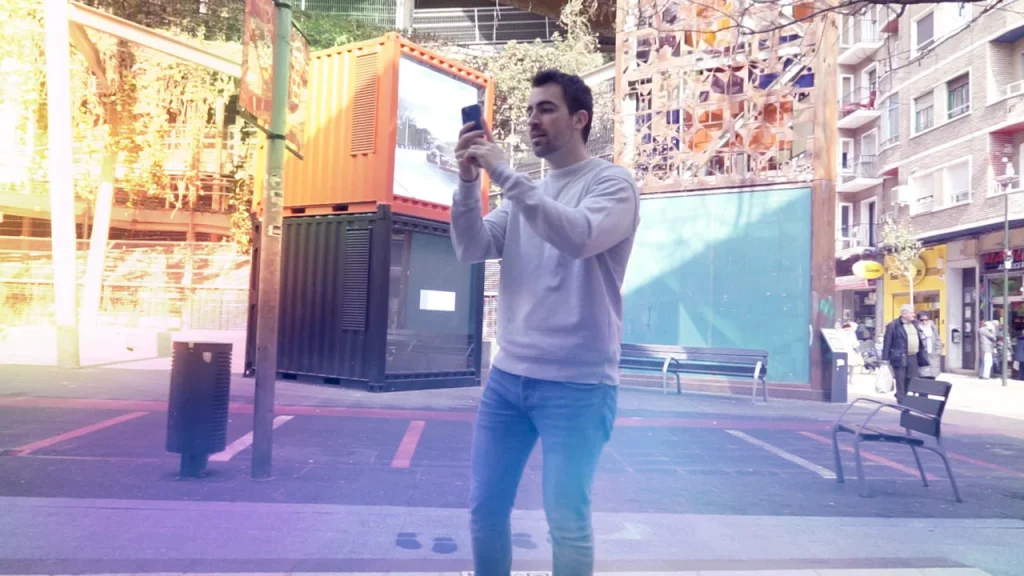
Augmented Reality gamification project carried out for the Zaragoza City Council by Imascono.
Transformation of the tourism sector through Big Data
Big Data in tourism is a major revolution. It is transforming radically change how companies understand and interact with their customers. Advanced data and dashboards present an opportunity for tourism companies to analyze huge data sets. From online bookings and user reviews to social media interactions and travel and flight trends. Everything to get a complete and real-time view of travelers' behavior and preferences. This valuable information enables unprecedented personalization of services, optimization of supply and better demand management. Big Data also facilitates the trend forecasting and rapid adaptation to market changes, resulting in more informed decisions and more effective tourism marketing strategies. This interaction with the user is greatly benefited by the incorporation of new interactive and immersive travel experiences . Experiences that invite users to actively participate and connect with the tourism company. Turning Extended Reality into a key technology to interact with users in an effective, original and non-intrusive way. Surprising technological experiences such as diving among the fish, petting elephants or teleporting to an erupting volcano, as in the latest experience from Spatial Computing developed by Imascono in the tourism field.
4 surprising benefits: Big Data and Extended Reality in tourism.
The union of Big Data and interactive Extended Reality experiences allows for the creation of a new interaction between brands and users where new and interesting volumes of data are generated that help to optimize and personalize the strategies of engagement in the tourism field. New ways of interacting with travelers, which can be summarized as follows 4 main benefits of Big Data in tourism, powered by XR experiences:
Increasing new business opportunities in tourism
Both the development of interactive XR experiences for users and the collection of a large volume of high-value data. Both actions enable tourism companies to open up new business opportunities by focusing on the customer experience. Seeking new ways to connect with travelers, understand users and personalize travel offers and experiences. An example of these new business opportunities can be found in the following areas Exclusiverse the virtual space of the Exclusive Traveler Club which opens its memberships to the digital world. Through its virtual headquarters, the traveler's club offers a much more direct communication; it creates a community space between partners from all over the world and also collects all the behavioral information of users. Thus, it knows which areas are most visited, which memberships are the most consulted and the countries of origin of all virtual visitors, among other data.
Metaverse with digital memberships with Blockchain and NFT technology developed for Exclusive Traveller Club by Imascono
Improved decision-making
When working with data, it is not only important to know how to identify and filter the best sources. It is also vital to know how to turn that data into relevant information, that information into high-value knowledge, and that knowledge into decisions that help the company advance its business. . Thus, the Big Data enables tourism companies to analyze large volumes in depth of consumer and market data, identifying key trends and preferences that inform your strategic decisions. A improved decision making also for the tourists themselves as is the case, for example, with the interactive project of Cervantes IA . A hyperrealistic virtual avatar of Miguel de Cervantes trained with different sources and data, which serves as a tour guide to accompany visitors to Alcazar de San Juan (Castilla La Mancha). With this example of big data in tourism, through the avatar equipped with Artificial Intelligence tourists receive Cervantes' own recommendations and advice . Forever changing its interaction with the culture and tourist spot of the area. You may be interested in → Artificial Intelligence in tourism: characteristics and examples .
Virtual Avatar with Generative Artificial Intelligence developed by Imascono
Increased customer satisfaction
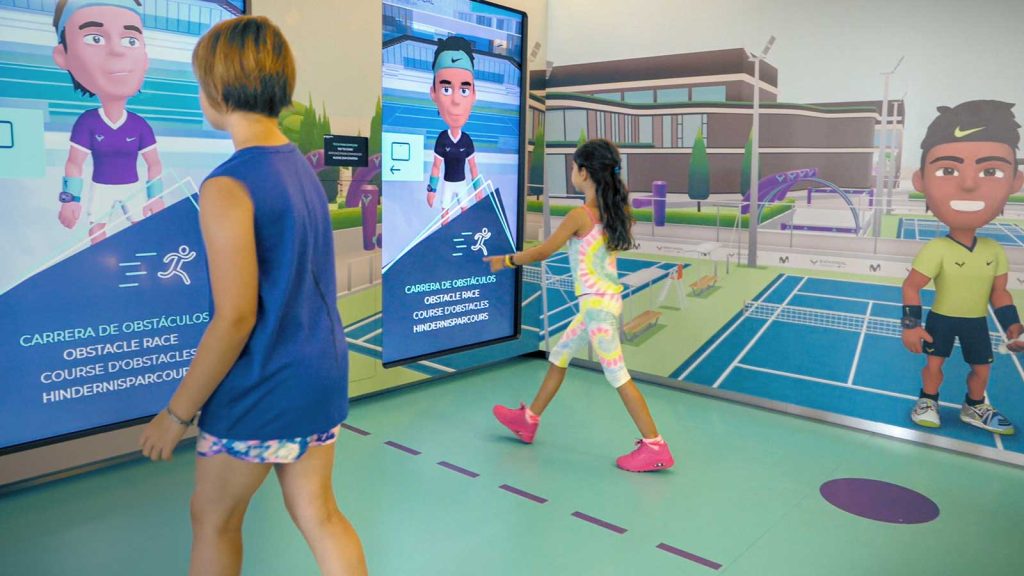
Now more than ever, the customer satisfaction plays a key role in tourism . Recommendations, opinions and travel trends determine whether a destination is attractive or not, in addition to the activities and tourist experiences it offers. In pursuit of this objective, Big Data applied to tourism allows us to keep track of the more personalized and deeper control of travelers' needs and behaviors, analyzing at both the macro and micro levels. All based on data that can come from the web, from social networks or from the interactive Extended Reality experiences . Where, through gamified challenges, interactive games or AR Apps In this way, users share their tastes and preferences with attractive, unobtrusive actions where the real protagonists are the travelers. As in the Rafa Nadal Museum in Manacor, where the different phygital experiences They represent a new and attractive point of contact with visitors, who interact with the brand and share their data and opinions while having fun and participating in different rankings and sweepstakes.
Phygital project developed for Rafa Nadal Museum by Imascono
Personalization of the user experience
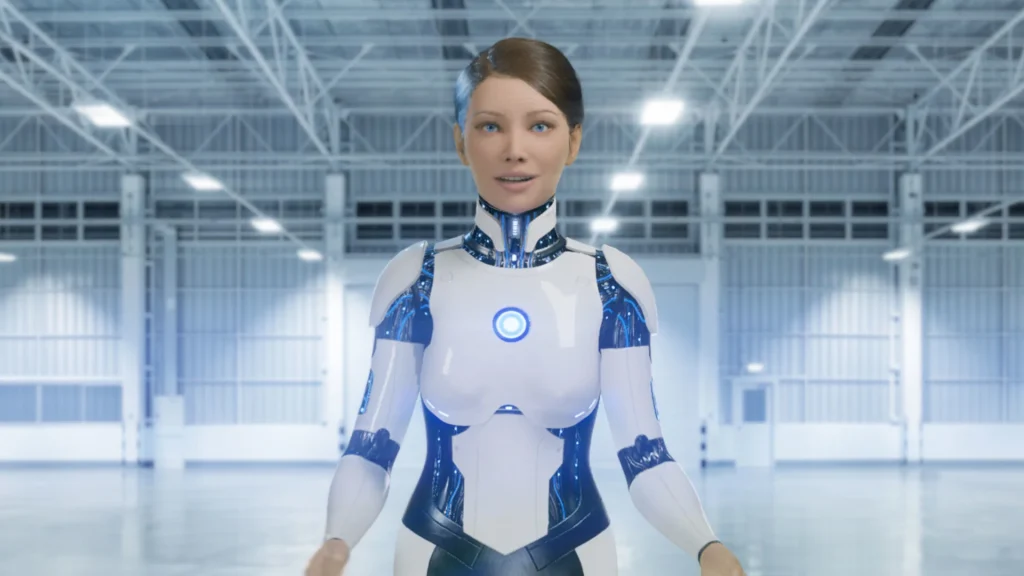
As we are seeing in this article, Big Data and Extended Reality are two powerful tools for collecting user information and managing all that data. If, in addition, we incorporate the latest in Artificial Intelligence, we can take advantage of all that knowledge to personalize the tourist experience in real time . By adjusting offers, communications and interfaces precisely and taking into account the individual needs and wishes of each customer. Among the projects already underway that unite Big Data , Artificial Intelligence and creative XR experiences like Cicerone . The AI robot of iUrban which is also a travel agent and can customize tourist offers and proposals in more than 95 languages. You can to learn more about this topic at Smart destinations, what are they and what are their characteristics? .
Challenges and opportunities of Big Data for tourism
The introduction of Big Data in the tourism industry poses a number of challenges and opportunities for companies in the industry. Focusing the business on customer\/traveler data is a challenge at a global level. methodology and business organization, since requires a great ability to collect and analyze large volumes of data, preferences and behaviors in real time. Being, in addition, able to provide optimal responses, with the design of customized offers, anticipating market trends and optimizing resources. In addition, Big Data facilitates the identification of new market niches and expansion opportunities This can translate into strategic growth for tourism companies that know how to take advantage of this information. On the other hand, the management and analysis of large datasets requires significant investments in technology and specialized talent This can be a barrier for small and medium-sized companies in the sector. The privacy and data security The data and customer data also represent a major challenge for tourism companies in terms of data governance, storage and access to the personal information that is stored. It is therefore important to always count on technological partners that help tourism companies to work with and store these user data.
Discover our value proposition of analytics and dashboards in the XR experiences.
and, above all, to obtain this information from the most reliable sources. The most complete and with the greatest impact for the company. In this regard, the Extended Reality experiences applied to the tourism sector offer an attractive and fun way to interact with the brand. Sharing information about the tastes, interests and particularities of each consumer that would otherwise not be possible. At Imascono In this regard, we are committed to incorporating Smart Data to our XR experience developments. Transforming user interactions into advanced analytics dashboards, with heat maps, phygital interaction points, detailed provenance analysis... All for convert large volumes of data into organized, processed and refined information that is directly applicable and valuable to business decision-making processes. Do you want to go one step further in the introducing Big Data into your business ? Contact our team and we will help you incorporate dashboards and analytics into all your customer interactions.
Metaverse and NFTs: present and future relevance
Metaverse and NFTs: present and future relevance
In a world increasingly influenced by technological advances and major innovations in the digital world, two technologies have attracted global attention: Metaverse and NFTs (non-fungible tokens). Both technology trends are transforming all types of industries, from fashion and luxury to banking and finance. Knowing in detail its technological relevance is very important in order to continue betting on the digital transformation of our companies . Both the Metaverse and the NFTs are redefining value and ownership in the digital economy, are revolutionizing our interaction in virtual worlds and are generating new business opportunities that were unthinkable until now. In this article we will delve deeper into their definitions and complementary technologies, we will see in detail some of their We will discuss the most important use cases and analyze their benefits and future prospects.
Virtual Reality phygital project made for Ibercaja Explora by Imascono
General concepts of the Metaverse and NFTs
Before discussing the use cases, advantages and business opportunities of both technologies, it is important to have an in-depth knowledge of their definitions and Metaverse-related technologies and NFTs, including Blockchain and Web3, among others.
1. Definition of the Metaverse
The Metaverse It is defined as a A virtual universe composed of multiple linked three-dimensional digital worlds. A universe where humans interact socially and economically through virtual avatars, NFTs, cryptocurrencies and blockchain technology.
The Metaverse is the The next generation of the Internet, In which we can enjoy an immersive, three-dimensional and multisensory experience thanks to the combination of different devices and technologies. Such as Virtual Reality, Augmented Reality and the latest in Web3 technology and Digital Twins.
At Imascono we have Specialized Augmented Reality services, Virtual Reality and Mixed Reality.
2. Definition of NFT
An NFT, or non-fungible token, is a type of digital asset that represents ownership or proof of authenticity of a unique item . Certified through Blockchain technology. Unlike cryptocurrencies such as Bitcoin or Ethereum, which are fungible (i.e., they are divisible and exchangeable for another of equal value), each NFT is unique, like a work of art. NFTs can be linked to specific digital objects such as works of art, music, videos, video game items, and more, providing a unalterable record of ownership and provenance. This traceability and authenticity capability makes NFTs a powerful tool for the digitization and marketing of digital and physical goods in various industries, including art and entertainment.
3. Definition of Web3
Web3 is defined as the next iteration of the Internet that seeks to decentralize the data structure. and allow users to have greater control over their own information. It is based on the idea of using the Blockchain to create an internet where applications and services do not depend on centralized intermediaries. Instead of having large companies controlling the information and data, Web3 puts ownership and control of data in the hands of users through decentralized networks. This vision of the web incorporates cryptocurrencies, smart contracts, and decentralized applications (dApps) operating on blockchain networks. Not to be confused with the term Web 3.0, which refers to the evolution of the Internet in general. . Moving from Web 1.0. of hyperlinks and Web 2.0. of two-way interaction and Social Networks, to a new era of Internet that is more intelligent, autonomous and based on natural language processing.
4. Blockchain definition
Blockchain, or blockchain, is a revolutionary coding technology that allows for decentralized tracking of all digital movements and transactions . This makes it a particularly useful technology for systems that require high security and transparency . Like cryptocurrencies, the smart contracts or identity management in the digital world. Due to its decentralized nature, the Blockchain technology eliminates the need for intermediaries in many processes potentially reducing costs and increasing efficiency. It is undoubtedly one of the technologies that is revolutionizing banking and the digital economy. You can continue to learn more about this new digital economic ecosystem at Banking and Metaverse: Use cases and the future .
The importance of NFTs for accessing the Metaverse
The future of the Metaverse monetization, to become the definitive space for the socioeconomic exchange in the digital world . For this purpose, cryptocurrencies, Blockchain technology and especially NFTs have a key role in the structure and functioning of the Metaverse . Offering a unique and secure way to represent the ownership and authenticity of digital and physical assets within these virtual worlds. In the Metaverse, NFTs can represent a variety of elements, ranging from virtual real estate, concert tickets and digital artwork to avatar identities and exclusive fashion items. This ability to directly link the ownership of assets with their digital representation offers users total control over your acquisitions facilitating a transparent and secure digital marketplace. You may be interested in → The Influence of Artificial Intelligence in the Metaverse . For example, in the fashion and retail sector, NFTs allow the creation of new business models with collections phygital (proposals for the real and virtual world) or garments/products created exclusively for the Metaverse as NFTs (digital objects) for our avatars. Or in the digital entertainment industry where the association of NFTs to concert tickets and other experiences allows both the audience and the promoter to be assured that the tickets are verified and are authentic . A successful case of the union between the NFTs and the Metaverse can be found in the virtual museum of the great Spanish chef Ferran Adrià . Web3, virtual avatars, NFTs... creativity and innovation from el bulli foundation makes the leap to the virtual world . After exhibiting in New York, Cleveland, Madrid and Buenos Aires, Ferran Adrià turns his works of art on culinary evolution in 114 NFTs that can be viewed and acquired directly through its own virtual museum.
Benefits of NFTs in the Metaverse
In the new virtual universe of the Metaverse and the digital twins NFTs are much more than just digital assets, they are becoming key elements in transforming the way we interact, trade and express ourselves on the Internet. virtual spaces offering authenticity, exclusivity and security to users. By exploring the benefits of NFTs in the Metaverse We discover how they not only power the digital economy, but also elevate user experiences, creating extraordinary opportunities for innovation and engagement. In the following, we will analyze the 3 main benefits of the union between NFTs and Metaverso :
Marketing tool
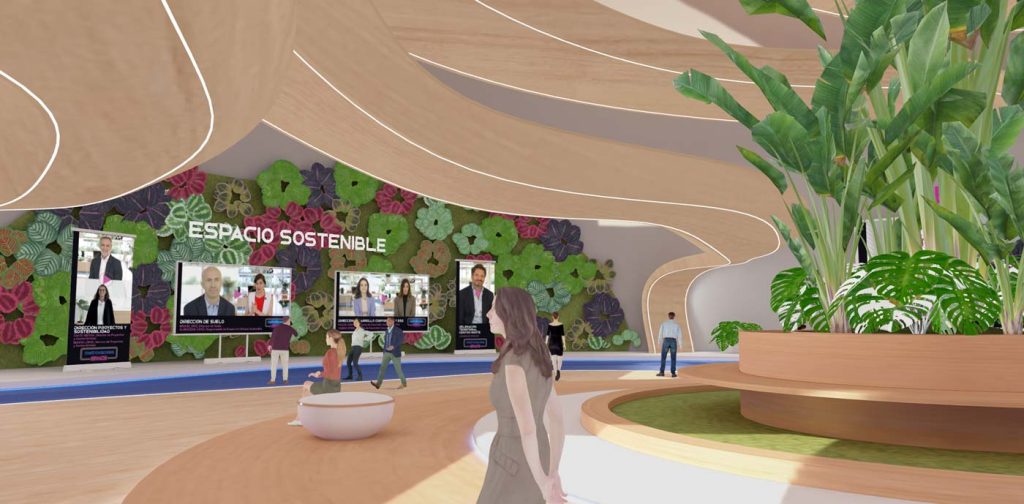
The integration of the NFTs and the digital assets in the Metaverse also has an impact on the marketing strategies for brands and companies . Not only to position the company at the forefront of technology and business innovation also for the promotion and sale of your products in virtual showrooms . In this way, companies can create and distribute unique digital products that capture attention and foster a unique sense of ownership and belonging among consumers. This is not only increases engagement by allowing users to interact with the brand in innovative and memorable ways, but also transforms products and experiences into marketing opportunities. As in the case of Metrovacesa Space, a unique space in the real estate Metaverse to access information about the brand, the company's activities and the online pre-reservation of homes through the new digital economy.
Metaverse developed for Metrovacesa by Imascono
Improved functionality in the Metaverse
The incorporation of NFTs into the Metaverse plays a key role in the improved functionality and overall experience of the user in these digital spaces. NFTs allow for deeper and more functional integration of digital assets, such as interactive tools, accessories for avatars with artificial intelligence The Metaverse's environment is enriched by art and real estate.
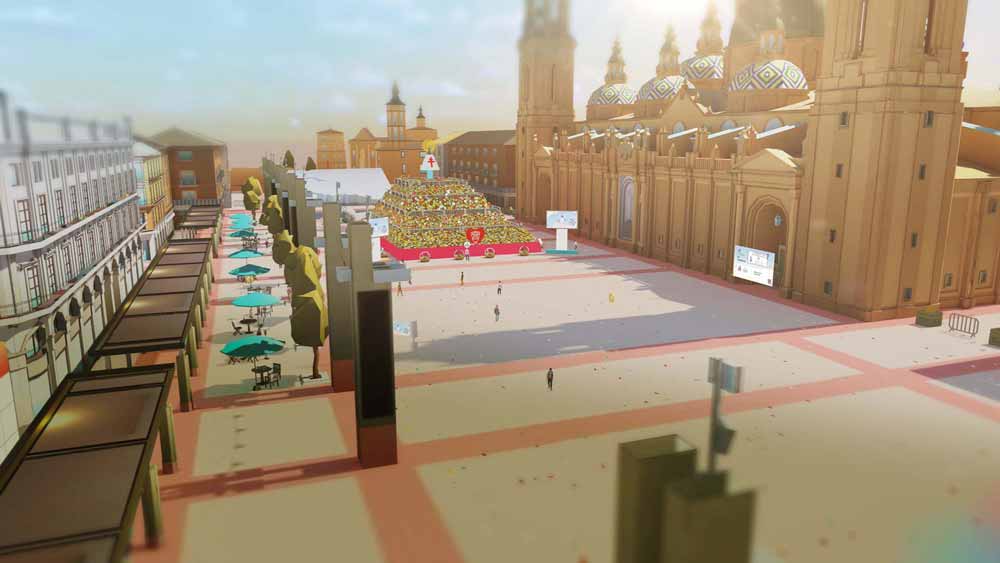
This integration facilitates not only the ownership, but also the personalization and digital exchange of these assets in a transparent and secure market. A new way of interacting in the virtual world that has gradually been introduced and brought closer to citizens. As in the Zaragoza City Council's virtual Flower Offering project, where the public institution promoted knowledge about NFTs by introducing them into the mechanics of the game within the virtual space. In addition, the NFTs were associated with different prizes such as concert tickets, exclusive experiences and gift baskets. This was a real pioneering action by a public administration to bring citizens closer to the importance and value of NFTs and digital assets.
Metaverse with NFTs of the city of Zaragoza developed for Zaragoza City Hall by Imascono
Identity and security in the virtual world
As we have seen throughout the post, the great advantage offered by the introduction of NFTs in the Metaverse has to do with the security and transparency they offer in interactions within the virtual world . A fact that, in addition, is a benefit to redefine and deepen the digital identity of users in the Metaverse.
NFTs allow users to have complete and exclusive control over their digital identities and assets, ensuring that only they can access and transfer their property. One example is Exclusiverse, the great pioneering virtual space in the tourism sector, where its more than 85,000 members can extend their digital memberships into the Metaverse thanks to the connection of each of their memberships with blockchain technology and NFTs. This allows them to purchase exclusive travel products and experiences and new benefits for their memberships, and to secure the payment and recording of all their interactions with the Traveler club. If you would like to learn more about this success story in bringing NFTs and the Metaverse together, you can visit our post Digital Membership: definition and main benefits.
The future of Web3: Blockchain, NFTs and the Metaverse
The Metaverse, as a space for socioeconomic interaction, is in full construction and evolution. Little by little, we are seeing how the most pioneering companies and brands are evolving towards this new concept of digital economy. Just as e-commerce revolutionized the business world, so are spaces in the Metaverse. The future of Web3 is shaping up to be a digital revolution based on the three technologies discussed throughout this article - Blockchain, NFTs and Metaverse - promising an era of more decentralized, secure and personalized online interaction, through avatars as a new key piece in our digital identity and the wallets virtual wallets that will protect all our assets. At Imascono we are aware that the future of companies depends on the Metaverse and the adoption of the technologies that shape it. For this reason, we have a whole area specialized in the development of experiences for the corporate Metaverse called Business To Metaverse . Thanks to our team of 30 engineers and designers With our own work methodology and the experience of more than 12 years of activity in the area of Metaverse and immersive technologies, we have accompanied companies such as Telefónica, Iberdrola, Rafa Nadal Academy, elbullifoundation or Metrovacesa in their leap to this new virtual ecosystem. Do you need a project in the Metaverse? Contact with us and together we will explore all the opportunities that the Blockchain technology of NFTs offers us in the business world.