In a world where innovation has become the new star ingredient, the restaurant industry is undergoing a true digital revolution . It is no longer enough to serve good food, it is now time to design experiences, excite the customer and make every visit memorable. In this article you will discover how digitalization is transforming the dining experience, from intelligent reservation management to virtual waiters with Artificial Intelligence. We will also talk about Augmented Reality and gamification through interactive corners. Data capture for decision making. Of teams that evolve. And also about the new trend in restaurants, where customers no longer want to just eat, but to experience something unique and be part of a great community. Is your restaurant ready to take the big leap? Open your eyes wide, because what follows may change the way you understand business forever.
The importance of new technologies in today's restaurants
In the digital age, technology is no longer an extra: it is the engine that drives efficiency, innovation and customer experience in the foodservice industry. From automated ordering to immersive experiences With digital solutions, restaurants that bet on digital solutions optimize their operations and build loyalty like never before. Beyond streamlining processes, technology allows to connect with a new consumer looking for immediacy and personalization . In this hyper-connected present, innovation is not an option, it is the key to stand out and serve much more than food: unforgettable experiences. Today, customers gather in the restaurant for an unforgettable experience, becoming part of your community and your brand. To this end physical spaces are becoming more and more important. . Both to entertain and to surprise, to organize events and unforgettable experiences based on new technologies. Moments that you can only live if you go to the restaurant. An example of this can be found in the Nola Smoke restaurants where Smoky, the virtual chef not only recommends, he also collects the order and entertains the diners through his interactive showcase, his Kimchi! Game, where you have to score as many points as possible, and the first place in the ranking is a prize!
How technology affects restaurants
The digital revolution has arrived in the restaurant industry to transform how every dining experience is lived. Technology is redefining the relationship between customers, teams and strategic decisions, shaping day-to-day operations. of any modern restaurant.
Impact on customer experience
Technology elevates the dining experience, making every step faster, more personalized and surprising. From From digital menus to contactless payments and interactive experiences, the customer experiences a more seamless and memorable connection with the brand. If you are interested, you can learn more about the impact of the customer experience in our article Customer experience: how to improve it through extended reality .
New roles in the teams
Teams are evolving: they now combine traditional skills with digital competencies. New profiles are integrated, such as software managers or experience creators, which make the service more agile, coordinated and customer-centric.
New data analysis in decision making
Data is the new star ingredient. Thanks to analytics tools, restaurants can anticipate demand, optimize the menu and make strategic decisions based on real information, not assumptions. If you want to learn more about this topic, we invite you to read here about Restaurant Technology Trends
4 technology innovations in restaurants
Digital transformation does not only improve what already existed: creates new ways to surprise, connect and delight the customer. Below, we want to share with you four innovations that are revolutionizing the gastronomic sector and taking the experience beyond the gastronomic.
Digital reservation management
Forget the paper and the phone: reservations today are managed in the cloud, with intelligent platforms that allow the customer to choose time, table and even ambience preferences, all from their mobile. For the restaurant, this means total control in real time, fewer cancellations and better planning of the flow of diners.
Virtual waiters with Artificial Intelligence
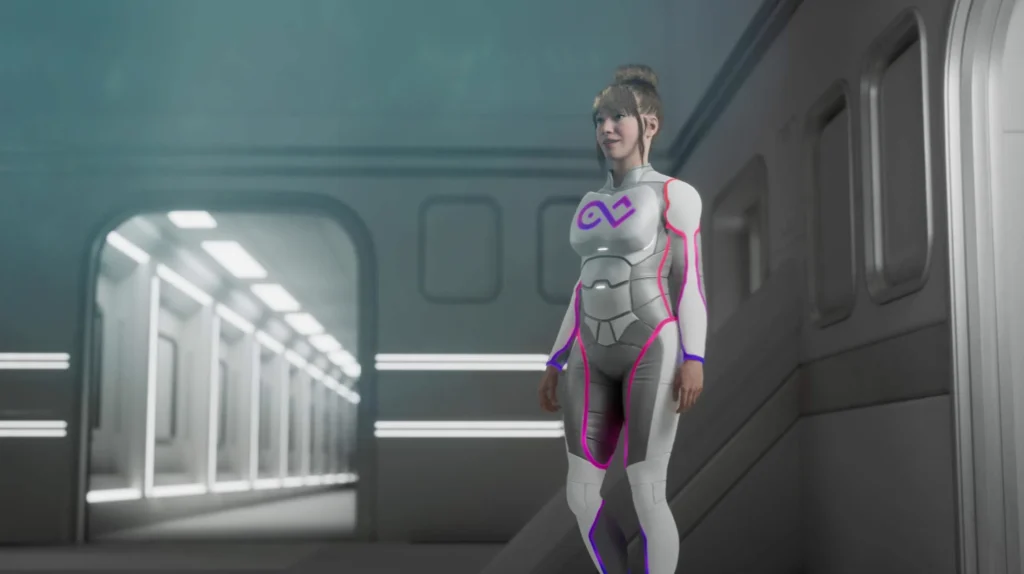
Welcome to the era of intelligent service. With solutions such as V.E.G.A With the new generation of avatars and AI agents, restaurants can offer 24/7 customer service, answer questions instantly and personalize recommendations without losing the human touch. All this following the same branding of the brand, its essence, since these avatars can be customized in terms of appearance, personality and knowledge. These virtual assistants improve efficiency and reinforce brand identity, offering an innovative, accessible and technologically advanced image. Follow this link to learn more about our Artificial Intelligence service .
Augmented Reality Menus
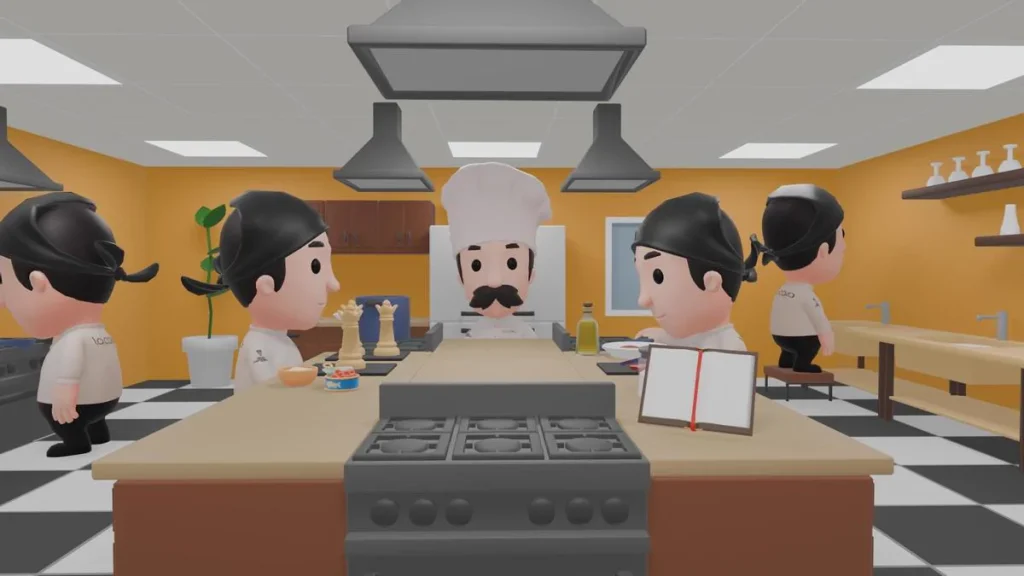
What if you could see your dish in 3D before ordering it? With Augmented Reality menus and Virtual Reality glasses, diners can visualize each recipe. The new technology allows the user to explore the ingredients and be guided by an avatar-chef who accompanies them in this interactive experience. In addition to improving menu comprehension and reducing indecision, this technology turns the choice of dish into a visual spectacle that makes a difference from the first minute.
Immersive experiences with Virtual Reality
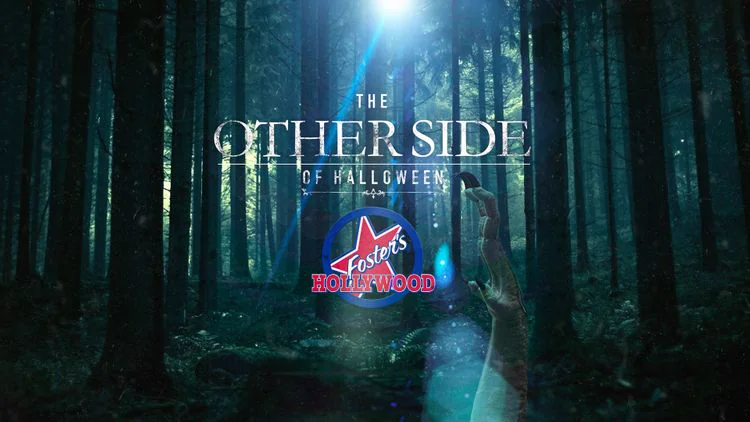
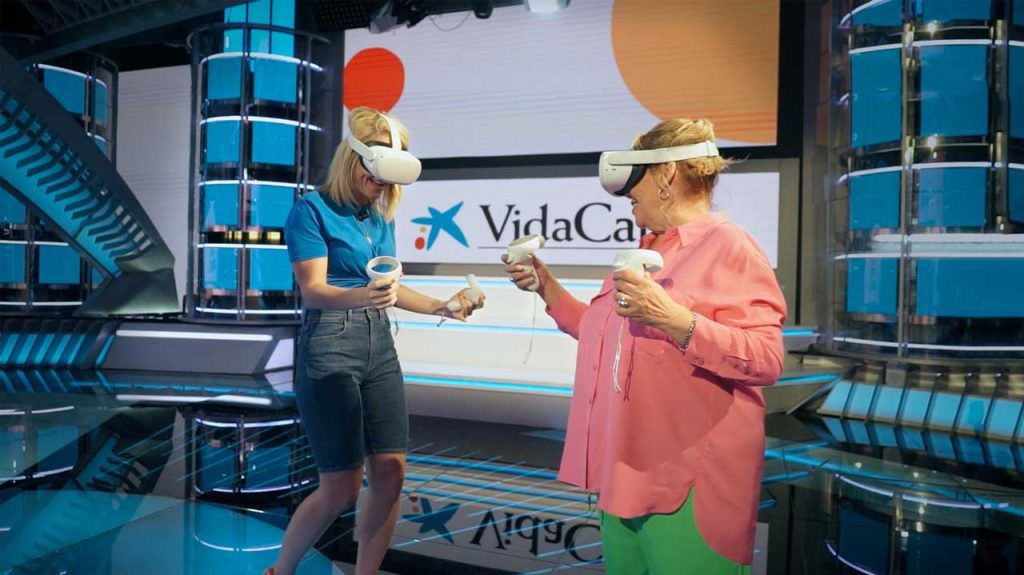
Imagine entering a restaurant and literally immersing yourself in the brand's universe. Thanks to Virtual Reality, this is now possible. The project VR GAME Foster's Hollywood This is demonstrated by the fact that a immersive mobile experience where customers could travel to the brand's haunted house for the Halloween campaign and live a terrifying adventure. This type of action generates an emotional engagement with the brand. positioning the restaurant as a space of entertainment, technology and flavor.
Is your restaurant ready to make the technological leap?
Innovation is no longer an option for restaurants, it is the new normal. In an increasingly competitive industry, restaurants that embrace digital transformation not only survive: they lead. Adopting technology does not mean losing the essence, but rather amplifying it, enhancing every detail of the experience and turning the everyday into the extraordinary. Is your restaurant ready to offer smart reservations, immersive experiences, AI-driven service or 3D menus? Then it's time to take the plunge and turn your space into a stage for innovation. At Imascono we carry the technological creativity to the heart of brands. If you provide the flavor, we provide the digital magic. Do you want to transform your restaurant with innovative technology and experiences that make a difference? Contact with us and let's design together the future of your brand.
The role of retailtainment in the evolution of the in-store experience
We are living a revolution in the world of physical commerce; stores are no longer places to pass through, they have become living, sensory and unforgettable scenarios. Places where brands create community, connect with their audiences and bring their branding to life with unique experiences. In this new era, retailtainment is born, the explosive fusion of entertainment, emotion and technology that is completely transforming the shopping experience. In this article you will find out what exactly retailtainment is, and especially how from Imascono we are helping the different retail brands to reinvent their commercial spaces. All thanks to immersive technologies and gamified experiences. Throughout this post we will analyze different ideas, innovative cases and strategies that can help you turn your store into a magnet for attention and loyalty. Get ready to be inspired and take the next step towards a store that not only sells, but evolves!
What is retailtainment and how does it transform the shopping experience?
In a world where digital immediacy has redefined the rules of consumption, the simple act of shopping is no longer enough. Today, the brands that shine are those that manage to excite, connect and surprise. This is where retailtainment comes into the picture, the perfect fusion between industry (retail) and entertainment (entertainment), a strategy that turns every visit to the store into a memorable, immersive and viralizable experience. We invite you to read our post → How experiential marketing revolutionizes interaction with the public . The retailtainment transforms a retail space into a stage where the customer is the protagonist The customer interacts, plays, discovers and, in the end, buys without feeling that he or she is buying. Moving from the storytelling to storyliving From being mere spectators to being part of the action. From smart mirrors and virtual shop windows that come to life, to live events, gamified experiences and even personal shoppers equipped with Artificial Intelligence, everything is designed to arouse emotions and build loyalty through amazement. The result? A shopping experience that leaves a lasting impression which turns the consumer into a fan and the store into a destination in itself. Because when the customer has fun, he stays, connects with the brand values and ends up buying.
Ideas and real examples of innovative retailtainment for your store
The retailtainment has emerged as one of the most innovative and effective strategies to transform the in-store shopping experience. By integrating entertainment and technology, retailtainment creates an immersive experience that goes beyond the simple transaction, fostering interaction, emotion and customer loyalty. Over the years, at Imascono we have worked with major companies in the retail sector, such as Disney, El Corte Inglés, Loewe or L'Oreal with whom we have implemented some of the following retailtainment strategies, see the highlighted real retailtainment examples:
Gamification
Gamification introduces game mechanics in the shopping environment , encouraging customer participation, engagement and customer loyalty . This strategy transforms the shopping experience into a game, where customers can interact, compete and win rewards, making the experience more fun and memorable. A prime example is the Foster's Hollywood project which used gamification in its Halloween campaign. Customers, using their cell phones, were able to explore the restaurant transformed into a haunted house, searching for creatures and overcoming challenges. . This experience not only engaged customers in an entertaining activity, but also connected them emotionally with the brand. If you want to learn more about gamification, visit our post What is gamification: benefits and examples .
Touch screens
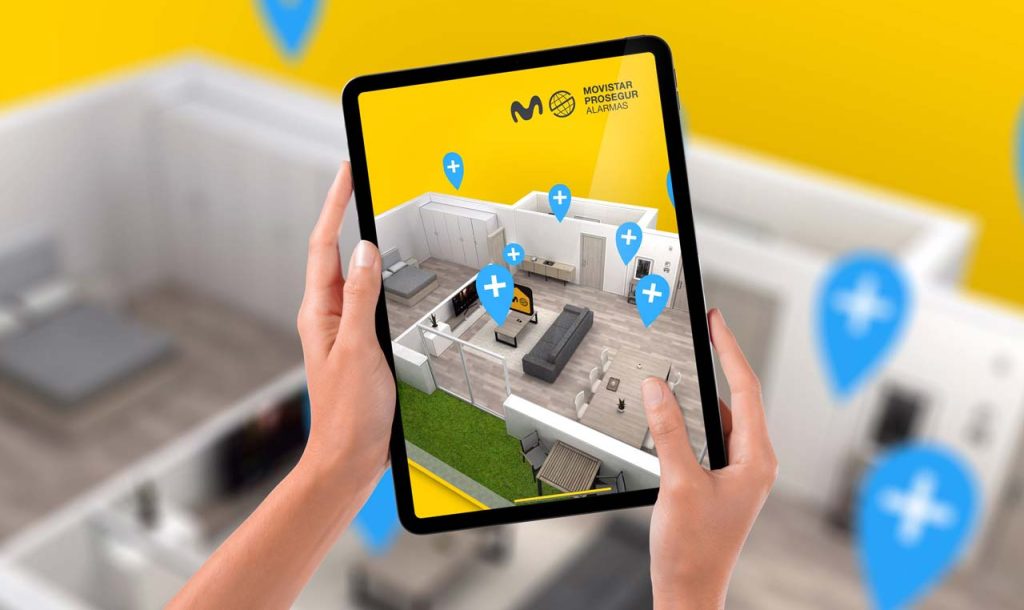
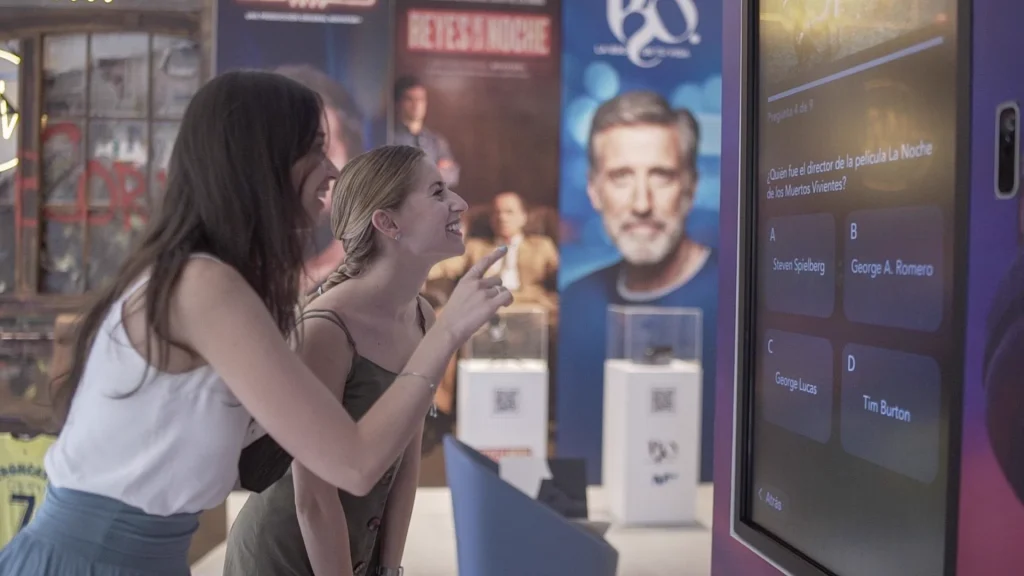
Touch screens create an interactive experience where customers can intuitively explore products and services. A great example of how touchscreens can be used in retail is the Movistar-Prosegur Alarms project which was part of a Augmented Reality (AR) app on a touch screen. Users could visualize a virtual home, interact with its elements and see how Movistar products worked in real time, enhancing the customer experience by giving them a more realistic view of how services would work in their own home. This type of display not only facilitates product browsing, but also allows the user to customize the experience offering a fluid and modern interaction for consumers.
Augmented Reality and Virtual Reality
Augmented Reality and Virtual Reality technologies are transforming retailtainment, providing immersive experiences that take customers beyond the simple purchase. The Body Shop carried out a Christmas action at the Atocha station, where they installed a interactive showcase and a photocall AR . Visitors could participate in product sweepstakes by taking a photo, interacting with the showcase and sharing their experience on social media. In an example of Virtual Reality, the Frozen Emotion campaign was designed to promote the Aramón ski resort ski passes. Customers had to cross a virtual suspension bridge in the Aragonese Pyrenees in order to "ski" in the VR experience, which was not only an innovative way to attract customers, but also engaged participants in an exciting and immersive activity. Take a look at our services→ Virtual Reality for companies and Augmented Reality for companies .
Immersive sensory experiences
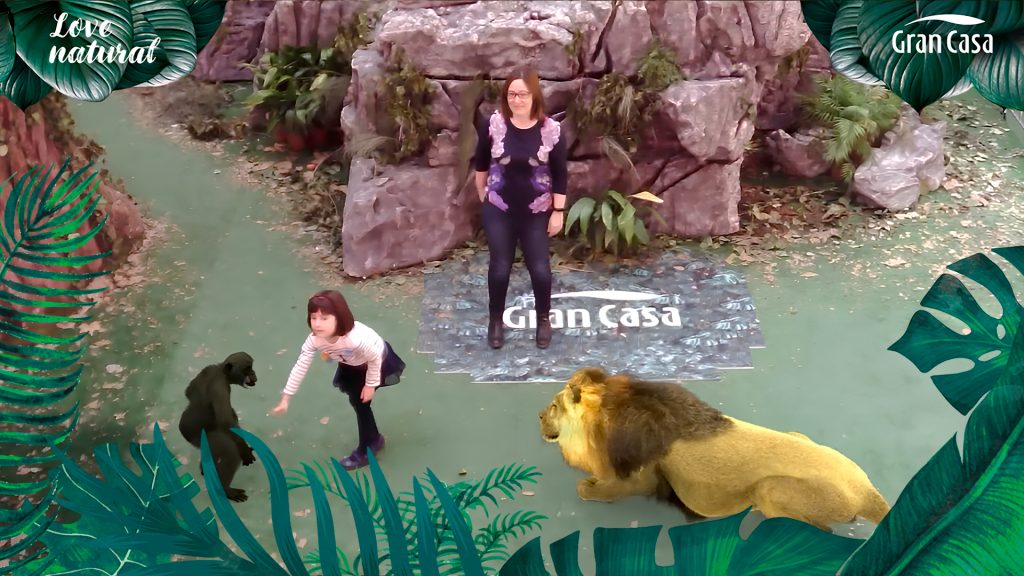
The concept of immersive sensory experiences goes beyond visualization, involving all the senses to create a unique experience. One outstanding example of this type of experience is the Love Natural project, carried out in the Grancasa Shopping Center where the center was transformed into a virtual jungle filled with interactive animals. Customers experienced a phygital experience The new program, a fusion of the physical and digital worlds, not only allowed them to interact with the elements of the jungle, but also to enjoy a unique sensory experience as they wandered through the stores. This experience prompted the cross-selling It encouraged visitors to explore different stores within the mall, all while immersing themselves in an interactive experience that reinforced the emotional connection with the brand.
How retailtainment is adapting to new technologies
The retailtainment is evolving at the pace of new technologies, turning every store into an interactive environment where emotion and innovation go hand in hand. Tools such as Artificial Intelligence, Augmented and Virtual Reality, 5G or digital twins enable the design of personalized, immersive and connected experiences, transforming shopping into a memorable journey. The customer no longer just comes in to buy a product: he/she comes in to discover, play and experience something unique. In this context, companies like Imascono are leading the change by integrating these technologies into physical and digital spaces. From virtual showrooms to interactive filters and phygital spaces, this approach proves that the creative use of technology enhances the experience of purchase and creates emotional bonds long-lasting between brand and consumer . If you are interested, you can visit here the post on Branding Trends
The future of retailtainment: beyond in-store entertainment
Retailtainment is the natural evolution of retail in a world where attention is the most valuable resource. But its future goes beyond simple in-store entertainment. What is coming is a total fusion of brand, technology and emotion experiences that accompany the customer before, during and after the point of sale. The new retailtainment will be omni-channel, phygital and predictive . We will see physical stores that extend into the virtual world, storefronts that converse with the customer's cell phone, and experiences that start in social networks and culminate in sensory spaces. Brands will no longer compete to sell a product, but to offer moments and experiences that generate community, identity and loyalty. In this scenario, the creativity will be as important as technology . The brands that succeed will not be those that simply entertain, but those that inspire. Because the retailtainment of the future will not only surprise, it will invite you to dream. The future of retailtainment also involves the use of Artificial Intelligence at the service of the consumer.
Improve your store's retailtainment with immersive technology from Imascono
At Imascono we transform stores into living experiences. thanks to immersive technologies such as Augmented Reality, Virtual Reality and gamification. We create spaces where customers not only buy, but also get excited, interact and remember. From virtual showrooms to interactive installations, we design customized solutions that connect with the consumer through wonder and innovation. Whether in the physical, digital or phygital environment, we help brands to go one step further in their branding strategy. retailtainment . Because in a market where experience is everything, offering something unforgettable is not an advantage, it's a necessity. Do you want to take your store experience to the next level? At Imascono we help you to create immersive spaces that connect with your customers from emotion and innovation. Contact with us and let's design together the future of your brand.
5 key e-commerce trends for online success
The e-commerce is in the midst of a revolution. Digitization, AI and hyper-personalization are redefining the way consumers buy and brands sell. We are coming from a time of peak e-commerce growth. Now the marketplace is more mature and competitive, so adapting to the new ecommerce trends is not an option, it is the key to stand out and turn every click into a business opportunity. In this article we explore the 5 ecommerce trends and how to apply them strategically to attract, retain and sell more. From Artificial Intelligence and automated personal shoppers to blockchain, Augmented Reality and personalized conversational commerce. These innovations represent the cutting edge of ecommerce innovation The new technology, allowing brands to offer unique and differentiated experiences. Here are some real success stories and the technologies that are shaping the future of the ecommerce innovation .
Why is it important to adapt to new ecommerce trends?
E-commerce is evolving at a dizzying pace. What worked a couple of years ago may be obsolete today. Digitization has empowered consumers The company's customers, who are looking for seamless, personalized and convenient shopping experiences. Failure to adapt to new trends means losing competitiveness and, in the worst case scenario, to lag behind in an increasingly demanding market. Brands that innovate and embrace change not only sales increase but also strengthen your relationship with your customers and build a community of loyal consumers. We must anticipate the user's needs and offer him what he is looking for before he asks for it. You may be interested in → Customer experience: how to improve it through extended reality .
How ecommerce technology boosts sales
The ecommerce technology is transforming the way brands connect with their customers, improving the shopping experience and increasing conversions. Tools such as Augmented Reality, Experiential Marketing and AI avatars enable the creation of personalized, immersive, real-time experiences. These solutions represent a clear example of ecommerce innovation The new technology, enabling retailers to offer interactive environments where users can view products, try them virtually, and receive recommendations tailored to their tastes. The automation of customer service through intelligent avatars is revolutionizing the sector by providing 24/7 support and accompany the user throughout the entire purchasing process. Cases of AI avatars as that of Turrón, the virtual mascot of La Torre Outlet The new digital marketing strategy, which is based on AI and augmented reality, demonstrates how the combination of AI and augmented reality can generate unique experiences, improve loyalty and boost sales results in the digital environment. Access to our augmented reality services and find out how you can achieve success in your e-commerce through this technology.
5 ecommerce trends and how to apply them to your business
Ecommerce is constantly evolving, and brands that are ahead of the curve are dominating the market. The key? Adopt the technologies and strategies that are revolutionizing the online shopping experience. Here's what you need to know 5 must-have trends and how to implement them.
Artificial intelligence and hyperpersonalization
AI is redefining ecommerce, enabling shopping experiences hyper-customized by analyzing user behavior in order to recommend products, personalize emails and optimize prices in real time. Thanks to intelligent agents and virtual personal shoppers, personalized recommendations and machine learning to predict trends.
Blockchain in payments
The blockchain technology is revolutionizing payments in e-commerce, offering safer, faster and more transparent transactions . By integrating blockchain, e-commerce can guarantee the authenticity and security of transactions, eliminating intermediaries and reducing the risk of fraud. By accepting cryptocurrencies and using blockchain to automate payment and logistics processes In addition to improving efficiency, brands not only improve efficiency, but also increase consumer confidence by offering a more agile and secure shopping experience.
Omnichannel experience and sales
Today's customer does not differentiate between physical store, app or web: expects a seamless and personalized experience across all channels. . The omnichannel improves user satisfaction and increases conversions and loyalty by synchronizing stock and prices across all sales channels and personalizing the experience with CRM. To learn more about this trend visit our → article. Immersive technology applied to trade marketing: activate your brand at the point of sale
Augmented Reality in Ecommerce
Augmented Reality allows customers to "try" products before they buy them eliminating uncertainty and improving the shopping experience. From trying on clothes to viewing furniture at home, AR experiences are transforming online conversion. If you want to go deeper in this line, we invite you to read our post Virtual fitting rooms as a trend in the retail sector
Virtual sales assistants
AI has turned virtual avatars in real purchasing advisors available 24/7 . Automate responses, guide the customer in their decision and streamline the buying process on the web and social networks. An fast and efficient service translates into more sales and satisfied customers. In addition, these intelligent agents have the entire information base about the brand and products as a training source, so they are able to serve users in detail. Both end customers and internal staff looking for support or guidance on what to recommend to a specific person. Don't miss our article about How to implement automation in companies and maximize its impact
Conversational commerce
Brands no longer sell only on their website, but also in chats, DMs, voice assistants such as Alexa or Google Assistant and even through virtual avatars that act as true brand ambassadors. Seeking to achieve fluid conversations, instant support and automated direct sales. Making the whole process more interactive, immediate and memorable. An example of these conversational assistants can be found at Smoky, the virtual chef of Nola Smoke that helps you to decide which is the best burger for you, based on your tastes and preferences.
What does the future hold for ecommerce?
Now that you know the main trends in e-commerce, you've noticed that its future is shaping up with advances that drive the technology and innovation in ecommerce completely transforming the shopping experience. Automation, Artificial Intelligence and personalization will take center stage, enabling online stores to anticipate customers' needs by means of predictive algorithms. In addition, the integration of physical and digital will offer unprecedented immersive experiences, eliminating traditional retail barriers. A prime example of this evolution is the Lékué Virtual project where a new immersive 3D virtual showroom which allows users to explore and discover products interactively, enriching the online experience. Likewise, the adoption of technologies such as the blockchain is redefining trust and security in transactions, creating a more transparent environment for consumers. Brands that embrace the technology and innovation in ecommerce will lead the digital transformation of the industry in the coming years.
How to implement these trends with innovative technologies
To stay at the forefront of ecommerce, it is essential to integrate emerging technologies that enrich the user experience and optimize business processes. Throughout this article, we have learned about some of the success stories of Imascono that exemplify these trends . However, here are some other retail and e-commerce projects that are representative of this technological trend.
Ecommerce Transformation Success Stories
These are some of the main examples of Imascono a leading company in the design and development of interactive products and experiences for companies in the field of Retail and Leisure.
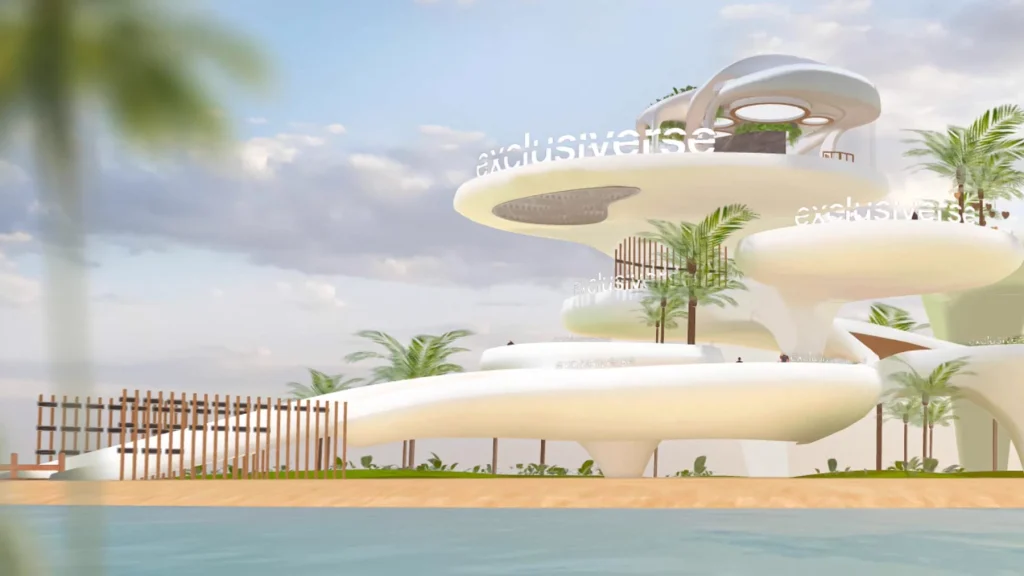
Exclusiverse → This digital environment allows Exclusive Traveler Club members to access exclusive experiences, manage their digital memberships through blockchain technology and take part in interactive activities and events. Designed to offer an ongoing connection with the traveler community, Exclusiverse extends the travel experience beyond the physical destination, creating a meeting point and brand touchpoint accessible from any device.
ElBulli Foundation → Imascono he collaborated with The Bullifoundation and Telefónica for Digitize and preserve the culinary legacy of Ferran Adrià at elBulli. Through an interactive platform, and through a virtual museum, a 3D avatar and a collection of NFTs, giving access to a platform for purchasing digital items that blend gastronomy and digital art, redefining the value and ownership of the digital economy.
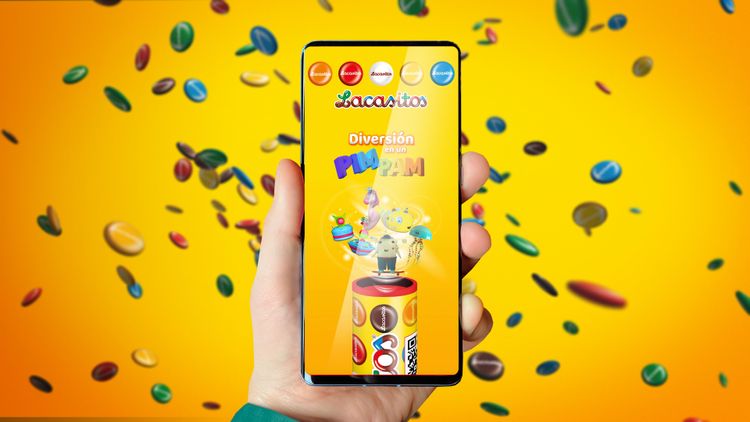
Lacasitos App → Lacasitos App is an Augmented Reality mobile app designed to transform the experience that the youngest fans have with the Lacasitos brand. By scanning the QR code on the tubes, kids can interact with five animated characters that come to life around them. This initiative not only breathes new life into the product packaging, but also encourages creativity and interactive play.
Do you want to take your e-commerce to the next level with innovative technologies? At Imascono We create virtual experiences that transform the relationship between brand and client. Contact with us and find out how we can boost your business. The future of e-commerce starts today!
The interaction of Artificial Intelligence in Virtual Reality
AI and virtual reality complement each other: Virtual Reality creates the immersive environment and Artificial Intelligence makes it intelligent. Thanks to AI, the characters speak without a script, the space reacts to the user’s gaze, gestures, and voice, and the experience adapts to each person in real time.
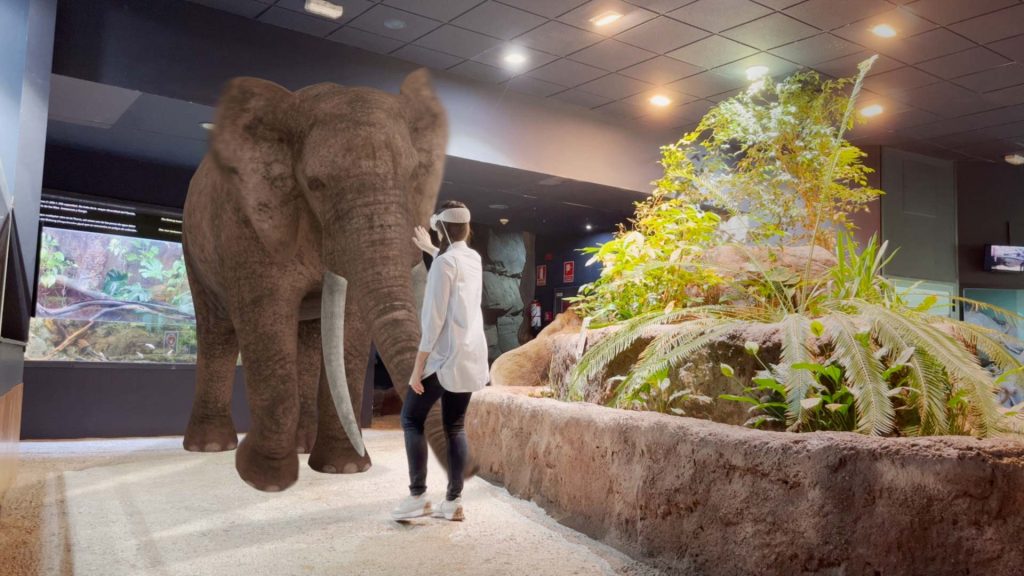
A concrete example: at the Aquarium of Zaragoza, we developed a visit with Apple Vision Pro in which a hyperrealistic avatar with generative AI acts as a guide and answers live questions from each visitor. In just one month, the experience increased visits by 20% and tripled user satisfaction.
This union is part of a broader evolution, along with the Virtual Spaces and the Spatial Computing. Below we explain how artificial intelligence and virtual reality are combined, what AI does within a virtual environment, and in which sectors it is already being applied.
How do Artificial Intelligence and Virtual Reality combine?
The Virtual Reality It immerses us in a completely digital 3D environment, usually through glasses, to create the feeling of being in another place. Artificial intelligence Don't create that environment, but endow your elements with the ability to understand the user and react intelligently to what they do. If you want to review each technology separately, we'll tell you about it in What is immersive virtual reality? and in Types of AI.
The relationship between virtual reality and artificial intelligence is based on their mutual enhancement. AI can significantly improve the experience, through virtual space services for companies, By making it more flexible, adaptive, and personalized to the behavior of each user.
How does AI operate in a Virtual Reality environment?
Within a Virtual Reality experience, AI works on several layers at once: it brings characters to life, interprets what the user does, helps the glasses perform better, and adapts the space itself. These are the five main mechanisms.
Autonomous avatars
They are intelligent characters who talk and react on their own, without a closed set of responses. Instead of repeating programmed phrases, they understand the question, take into account the context, and respond naturally, with voice and gestures. That is what they do. VEGA, our hyperrealistic avatar with Generative AI, and the same technology that lies behind the AI agents for companies.
Interaction without controls with Eye & Hand Tracking
The cameras and sensors in the glasses track the gaze and hand movements, and the AI models interpret that data: what you’re looking at, what gesture you’re making, and what you want to do with it. This way you can select an object with your gaze and activate it by pinching together your fingers, without physical controls.
Smart or foveated rendering (Foveated Rendering)
The human eye can only see very small areas clearly, right where it focuses its gaze. Foveal rendering takes advantage of that limitation: thanks to eye tracking, the glasses show maximum quality at the point you’re looking at and reduce resolution at the periphery, where you don’t notice it. The result is more visual quality with less load on the system. Devices like Apple Vision Pro or PlayStation VR2 already incorporate it.
Generation of real-time environments
AI can modify the virtual space as you move through it, based on your decisions. In a training session, the scenario changes depending on how the student resolves each situation. In architecture and interior design, the client can enter the Digital Twin of your future home and change the layout, colors or furniture live on the spot.
Voice recognition and gestures
The user gives commands using voice or gestures within the own environment, without menus or buttons. The AI transcribes what they say, understands the intention and executes the action: opening a door, showing a tab or asking for help from the avatar. At the Aquarium of Zaragoza, for example, the visitor speaks loudly to their guide and receives the response instantly.
Applications of Artificial Intelligence in Virtual Reality
The combination of AI and VR is already working in very different sectors. Here are some of its most common applications:
Interactive learning: in the Virtual Training projects, The simulation adjusts the difficulty and pace for each student according to their responses, and can count on a Artificial Intelligence avatar who serves as a tutor.
Personalized entertainment: in video games and experiences digital leisure, AI changes the plot and the scenario according to the decisions of each player.
Healthcare: virtual assistants who guide the patient through the immersive experience, for example during rehabilitation or preparation for a test.
Retail: virtual showrooms that adapt the presentation of the products according to the user's behavior.
Events and customer service: avatars that solve queries without a script within the virtual environment.
In Imascono We know that The future of theVirtual RealityIt involves integrating the tools ofArtificial intelligence, In both its own development and in the content and experiences it offers to users.
Do you need a project that combines the best of AI with the virtual world?Contact us!
Virtual Reality in video games: the future of entertainment
Virtual Reality has ceased to be just a science fiction concept and has become the great immersive technology that allows us to travel to a whole new digital universe in which the users are in control. In the video game and entertainment industry that means that fiction reaches the real world . The fourth wall is broken and the user becomes part of the game world. In this article we want to go deeper into the video game industry's commitment to this immersive technology, the digital transformation that this sector is undergoing and the benefits, both in the present and for the future.
What is Virtual Reality?
Virtual Reality is the technology capable of immersing us in completely digital alternative worlds, where we, the users, are the ones who decide where to focus our attention. 3D environments in which our senses cease to perceive the real world, thanks to the total immersion through the Virtual Reality glasses (HMD or Head-Mounted Display) and its accessories. The various remotes, gloves, headsets and haptic suits not only allow us to see, hear and feel these new digital experiences, they also offer us a great freedom of movement to enjoy the virtual universe. Virtual Reality is just one of the immersive solutions encompassed within the Extended Reality . A series of technologies to which also belong the Augmented Reality y la Mixed Reality . Their origins and software are different, but their objective is similar: eliminating the barriers between the real and the virtual . While Virtual Reality transports users to the fully artificial 3D spaces In Augmented Reality, the real world is still shown, but with virtual elements superimposed on reality. On the other hand, the Mixed Reality is the result of the combination of the two previous technologies, where users can interact with these digital elements superimposed on the physical world. A technology that we can also see in Spatial Computing.
Evolution of videogame development and Virtual Reality
From the earliest developments, the video game industry has been gradually introducing technological advances in its entertainment experiences. Wireless controllers, motion recognition systems, high-definition screens... Currently, the world of video games is in the process of introducing a new technology that is forever changing the way we understand gaming: the Virtual Reality. As mentioned before, Virtual Reality not only immerses you in a whole new world, but also in a whole new world. makes you the protagonist of the story . A leap into first person and immersive 100% experiences that changes the dynamics of video games. Players feel part of the game world, their senses adapt to this new 360° space and they can even look into the eyes of the other characters in the video game. Undoubtedly, significant changes that mark a before and after in the entertainment industry. You can learn more about this topic in our post→ Technology trends in amusement parks: Virtual Reality .
Benefits of Virtual Reality in video games
Virtual Reality has revolutionized the how gamers experience digital entertainment This has brought with it a series of benefits for the videogame industry that can be summarized as follows:
Increased immersion level
Virtual Reality (VR) transports players into the heart of the video game, making them feel truly part of the game and the action. With detailed three-dimensional environments and the ability to interact with the whole space as if they were real, Virtual Reality transforms the gaming experience making each decision feel more impactful and meaningful. If we add to this the incorporation of haptic suits and gloves The level of immersion increases even more: the video game is no longer only seen and heard in first person, it is also felt. See involves our whole body, movements and senses as in the Frozen Emotion immersive experience where, by combining Virtual Reality with the installation of the phygital of a physical bridge, users feel the adrenaline rush of crossing a bridge high in the snow-capped mountains.
Increased interaction
The virtual world of the video game opens up a whole new range of actions, decisions and interactions within the game. Players can explore space at your own pace and in the first person manipulating objects and even communicating with the characters in a much more natural and interactive way through virtual avatars . If, in addition, these avatars are endowed with Artificial Intelligence interaction is multiplied, as these video game AI avatars, NPCs, are able to interact with the players themselves. With training, context and prior information that allows it to adjust to the needs and open-ended actions that users perform during the game.
Gamification of the business world
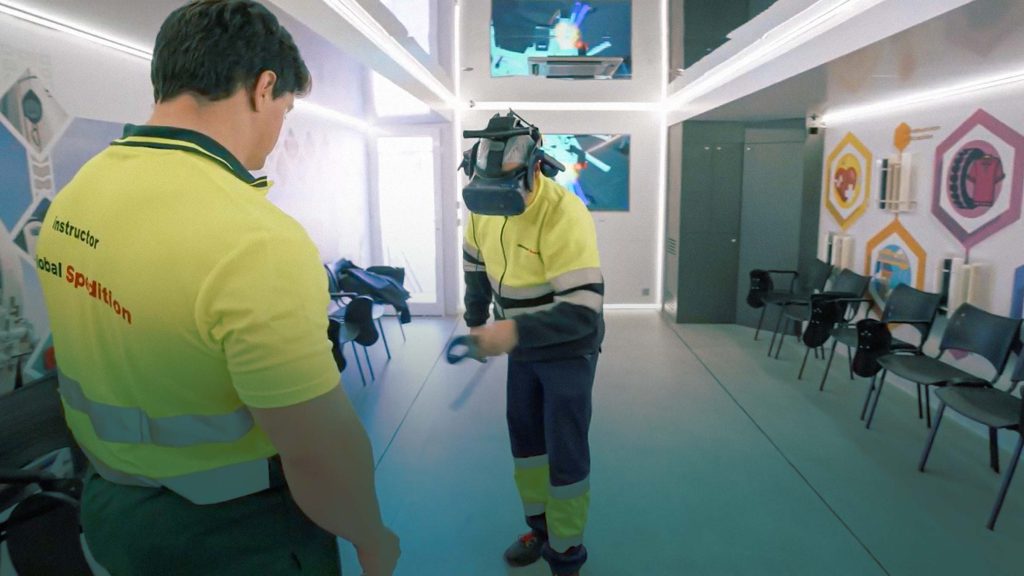
Beyond video games and the world of entertainment, Virtual Reality and its game mechanics are also reaching the more business-oriented sectors thanks to the Gamification . This trend consists of transfer the dynamics of video games to professional education and training, as well as to VR testing and training simulations. Gamification coupled with Virtual Reality offers an attractive and effective way of training skills in controlled but realistic environments . As in the Global Spedition Virtual Trainings for the prevention of occupational hazards or the pharmaceutical company Boehringer Ingelheim for the training of healthcare workers in the preparation of their new drugs. You may be interested in → Digital leisure as a new form of entertainment.
Examples of Virtual Reality video games
Virtual Reality is a before and after in the way we consume multimedia content, where immersion in the action makes the fourth wall disappear for the first time. immersing us in a whole universe of entertainment and action. . Below, we will look at some of the examples and the most relevant success stories in the area of Virtual Reality and video games:
If there is one thing Virtual Reality allows us to do, it is to travel to the past and the future, as in the Ibercaja Xplora immersive experience, where users can discover the passage of time in the city of Zaragoza by crossing the ‘Virtual Portal’.
This virtual world makes it possible to connect different entertainment industries, such as video games and television. The example? The virtual neighborhood of Las Vueltas que da la Vida. The first Spanish production to be filmed in the Metaverse, which also lets users visit and discover its virtual sets for themselves.
VR video game development can also be taken into the world of marketing and customer experience. This is the case of the Foster’s Hollywood VR Game, an immersive game launched for the scariest night of the year.
Can you imagine competing in a virtual race? That is exactly what the eRunner VR experience offers, developed by Ibercaja to promote the Carrera Popular race among digital natives. The goal? Attract a young audience and take entertainment to the next level.
The worlds of video games and Virtual Reality are also linked to culture and tourism. This is the case of the Loarre XR immersive experience, which lets you virtually visit the Romanesque castle, and, more recently, the experiential tour of the Zaragoza Aquarium, developed entirely for the Apple Vision Pro headset. Bringing Spatial Computing into the tourism sector.
The world of video games also has a place in education and professional training. Thanks to immersion and the gamification of game dynamics, learning is revolutionized: engaging students more, motivating them and making lessons more enjoyable. As in the Virtual Training developed by CEVA Velactis in the healthcare sector.
The future of video games in the Metaverse
Not only Virtual Reality is shaping the future of the video game industry, but also the major technological trend of the Metaverse and virtual worlds such as Fornite, Decentraland, Roblox or Spatial. 3D worlds, interactive, multiplayer, where the experience goes beyond the game, becoming a new socioeconomic space and communication channel for companies looking to connect with new generations.
Blockchain
In relation to the video game industry, we are witnessing the birth of new games and experiences like the play-to-earn video games . Games developed in the Metaverse and based on blockchain technology that allows players to earn money by buying and selling digital assets from the video game world, whether they are add-ons, terrains or avatars. The majority of these video games require an initial investment in the form of cryptocurrencies or specific starter packages to start playing. From that moment on, the player takes control and decides how to play and what to do in this universe.
Artificial intelligence
The future of videogames and entertainment in general, also involves the incorporation of the Artificial Intelligence . AI makes it possible to create more realistic, flexible and responsive characters and environments adapting in real time to the actions and decisions of the players. Artificial Intelligence also makes it possible to develop more complex narratives that change and evolve, offering new levels of customization and adaptability.
Virtual Reality (VR) development for videogames
After more than 12 years in business, in Imascono we have specialized in the ideation, creation and development of all kinds of projects based on Virtual Reality with great examples in the world of entertainment and video games. In all of them we provide support both in the consulting part as well as in their installation, training and dissemination. We accompany you throughout the entire process, from conceptualization to final implementation. We focus on understanding your specific objectives and requirements in order to offer you a Virtual Reality solution for companies efficient and high quality for your VR experience. Our technical team of engineers and designers has a wide range of experience in the field. extensive experience in the development of Virtual Reality projects and its latest innovations. Contact with us and find out how we can help you develop your VR game.