One of the sectors in which, without a doubt, living unique experiences is the basis of the business, it is tourism. . And thanks to technology, these experiences can be much more accessible, immersive, personalized and surprising. Today, we are witnessing the birth of a new trend in the industry: the virtual tourism . Different experiences and technological solutions that not only drive innovation within the sector are also able to extend the travelers' experience beyond their stay and trip, revolutionizing the before, during and after. Discover with us all its possibilities.
What is virtual tourism?
Before knowing its typologies and most representative examples, it is time to define the concept of virtual tourism. This refers to the set of solutions, projects and experiences that take advantage of virtual latest technological innovations to transform the tourism sector . These experiences cover a wide range of technologies: from the Virtual Reality to the Augmented Reality through the creation of virtual worlds in the Metaverse the development of WebApps and the incorporation of the Artificial Intelligence . Everything to offer a tourist experience that goes far beyond the simple trip.
Types of virtual tourism
Virtual tourism tools and experiences are adapted to all types of objectives. Experiential marketing actions , guided tours and also the development of cultural proposals that allow you to discover the heritage and historical value of the tourist destination in a totally unique way. These are some of the types of virtual tourism:
Trend Try before you buy
Before even choosing the destination, virtual tourism allows you to boosting the "try before you buy" trend (try before you buy), projecting what that trip will be like with experiences of Extended Reality . Tour the hotel facilities yourself, see the landscape first hand, try out the activities that can be hired in Virtual Reality (VR) or travel virtually to the most exotic destinations. Everything for incentivize stockpiling and let the journey begin at home. From tourist offices or from FITUR itself, as in the case of the Virtual Reality tunnel developed for the Aragon stand at the international tourism fair.
Visiting places of the past
Virtual tourism not only allows us to get to know different parts of the world without leaving home, it also allows us to travel back in time . Thanks to Virtual Reality and Augmented Reality, we can reconstruct monuments, cities and areas of great historical value, to visit them in the times of their maximum splendor. Activities that also offer a great contribution to the museums where history comes alive around us. Allowing museums and exhibition halls to contextualize objects and works, showing their true dimension or their appearance in the past, or even recreating the cultural and social environment in which the work of art was created. You may be interested in→ Virtual Reality in museums: How is it being applied?
Personalized virtual guide
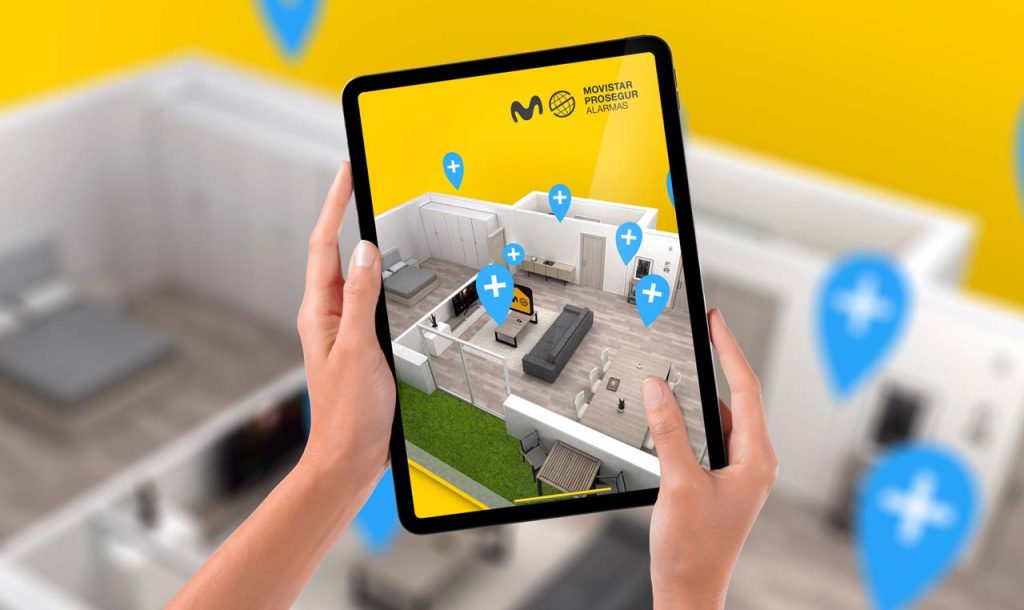
Undoubtedly, one of the most interesting applications of virtual tourism is the personalization of the travel experience of each of the tourists. Combining the Augmented Reality, with Artificial Intelligence generative and geolocation, tourist guides are becoming more and more optimized. Becoming virtual guides always accessible and up to date, offering the opportunity to more information on site while touring any tourist area, making simultaneous translations and adapting the recommendations to each user's taste. Also also gamifying the tourist visit with gymkhanas or Augmented Reality routes that take leisure, entertainment and cultural visits to another level. It is also a more enjoyable and educational way to visit museums or natural sites, showing the user details that would otherwise go unnoticed. Find out what gamification is all about in the following post→ What is gamification: benefits and examples .
Visiting inaccessible areas
Virtual tourism also allows us to travel to inaccessible areas . Either because they are natural sites of difficult access, places as remote as Everest or because they do not have the necessary measures to be visited by all users, regardless of their physical condition or disability. This is the objective of the project LOARRE XR a social initiative of ITAINNOVA which seeks to take advantage of virtual tourism technologies to bring the beauty of the Loarre Castle and its nearly ten centuries of history to all audiences.
Traveling to destinations that do not exist
Can you imagine taking a guided tour of Harry Potter's Hogwarts School at Virtual Reality Or, thanks to the Augmented Reality You can walk through the streets of King's Landing from Game of Thrones while strolling through Girona? Virtual tourism allows us to take leisure and entertainment to the next level, touring fictional tourist destinations . New activities within the tourist proposals that allow to create new and surprising adventures. How to cross a suspension bridge between two peaks of the Aragonese Pyrenees in the project Frozen Emotion from Ibercaja .
Online community building
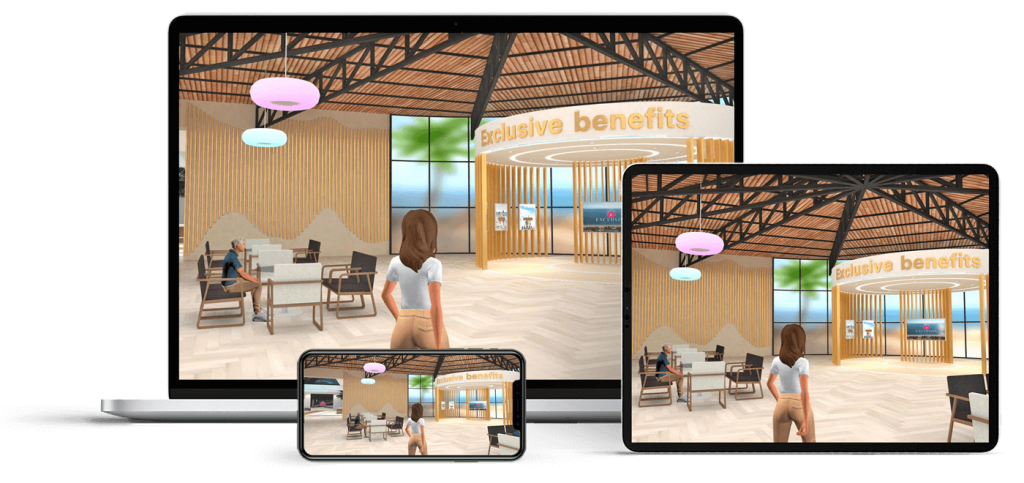
La experiencia turística no hace falta que acabe con el viaje de vuelta a casa, esta puede seguir en el mundo virtual. Con el desarrollo de espacios interactivos y multiusuario en los que se fortalece la comunidad entre los clientes y el destino turístico. Con espacios en los que uno puede compartir sus experiencias del viaje, seguir disfrutando de las actividades en VR y en donde se fomenta el loyalty a través de contenidos exclusivos, descuentos y desbloqueo de nuevas experiencias interactivas. Espacios que fomentan la comunidad de usuarios como Exclusiverse, el mundo virtual de Exclusive Traveler Club en el que sus más de 80.000 miembros de todo el mundo cuentan con un espacio en el que conectar con el resto de miembros, asistir a los eventos del club y descubrir todas las novedades de sus membresías.
Benefits of Virtual Reality in tourism
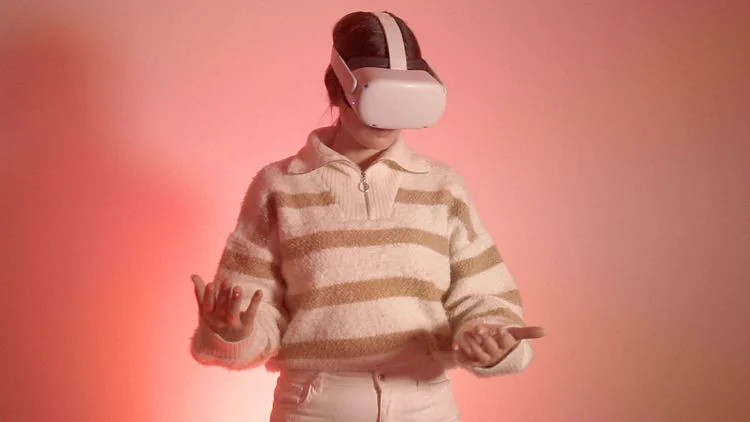
Among the main proposals of virtual tourism, the following stand out experiences in Virtual Reality . This technology is characterized by being able to immersing users in totally digital alternative worlds. Where the senses cease to perceive the real world thanks to total immersion. Thus, users see, hear and even feel these virtual experiences, in the first person. and with great freedom of movement. These are the main benefits of adopting Virtual Reality in the tourism sector:
- Gran flexibilidad y libertad de movimiento. Las experiencias de Realidad Virtual ofrecen una gran libertad de acciones a los usuarios, ninguno de los movimientos están predefinidos. Los propios usuarios saltan, giran y recorren a su ritmo el destino turístico virtual.
- Gran ahorro para el viajero. El turismo virtual permite disfrutar de la experiencia de conocer y descubrir zonas de otras partes del mundo sin salir de casa. Un formato diferente, complementario, que permite que personas con menos recursos puedan tener acceso a destinos espectaculares.
- Nueva experiencia (de compra) para los usuarios. Sin duda, el turismo virtual es una gran acción de marketing para hoteles, agencias de viaje, oficinas de turismo y destinos turísticos. Permitiendo ir más allá de flyers y vídeos promocionales, incorporando la emoción, los sentidos y la primera persona en las actividades de marketing experiencial.
If you are interested, learn about the Augmented Reality applications in tourism.
Ejemplos de turismo virtual
Throughout this article we have been able to learn about some of the most important examples of virtual tourism that have already been launched. Virtualizing Romanesque castles, creating virtual spaces for interaction and community building, developing exciting adventures in Virtual Reality, digitally transforming museum visits and revolutionizing the marketing actions of tourism offices at trade fairs and events as important as FITUR. All of these actions are based on different technologies - Augmented Reality, Virtual Reality, interactive installations, spaces in the Metaverse - but they have a common goal: surprise users by transforming the travel experience . At Imascono we know that the future of the tourism sector depends on the creation of interactive and immersive experiences that users fall in love with and that generate a real emotional connection. This is why virtual tourism is positioned as one of the main tourism trends for the coming years. Our team has been more than 12 years developing Extended Reality experiences both nationally and internationally. With our methodology, we focus on understanding your specific objectives and requirements in order to offer you an efficient and high quality solution. Don't waste any more time looking for a generic solution that doesn't fit your needs. Contact us at and find out how we can develop the perfect virtual tourism project for your tourism experience .