What is Industry 4.0. and what are its main characteristics?
What is Industry 4.0. and what are its main characteristics?
From the steam engine to the invention of electricity or the advent of mass production and later electronics... Throughout history, the industrial sector has undergone various technological transformations. that have come to mark the great advances of mankind. We are currently in the midst of Fourth Industrial Revolution - Industry 4.0. where digital, intelligent and automated technology is revolutionizing our companies, factories and production lines. Cloud connectivity, Industrial Internet of Things (IIoT), and advanced AI and AI-enabled solutions are machine learning are radically transforming industrial operations. In this article we would like to analyze in detail the main characteristics of this Industry 4.0. and, above all, learn about its most important technologies. Ready?
Virtual Training desarrollado para Global Spedition por Imascono
Definition of Industry 4.0
You may be wondering what Industry 4.0, or the Fourth Industrial Revolution, is. integration of advanced digital technologies in manufacturing processes. It includes the use of Internet of Things (IoT), Artificial Intelligence (IA), the immersive technologies the robotics and the analysis of Big Data to create interconnected and automated production systems and optimized industrial/business management. This approach allows for a greater efficiency, customization and real-time analysis transforming factories into intelligent and adaptive environments. Before Industry 4.0. there were three other major Industrial Revolutions:
A finales del siglo XVIII se vivió la Primera Revolución Industrial marcada por la invención de la máquina de vapor. Transformando los métodos de producción de obra manual a la mecanización.
En la Segunda Revolución Industrial, a finales del siglo XIX, el impulso vino de la electricidad y el petróleo, introduciendo la producción en masa y las líneas de ensamblaje. Lo que mejoró significativamente la eficiencia y el volumen de producción.
La Tercera Revolución Industrial empezó a mediados del siglo XX con la llegada de la electrónica, los ordenadores y de los primeros robots, iniciando el camino de la automatización de la producción.
You may be interested in → Business Innovation: Spatial Computing Applications in Extended Reality . Industry 4.0 is characterized by integrating digital technologies such as IoT, AI, and robotics in manufacturing systems. Creating intelligent and automated production networks that radically transform industrial production and management. Some are also already talking about the start of the Industry 5.0 a development marked by the active human participation to improve both the well-being of workers and the sustainability of production. This includes the development of collaborative robots (cobots) that work hand-in-hand with humans in manufacturing tasks and systems that not only optimize production, but also promote environmentally responsible practices. Industry 5.0 prioritizes collaboration between humans and machines, emphasizing the importance of the human touch in the creativity, customization and sustainability.
Industry 4.0 applications and technologies
The incorporation of new technologies in the industrial sector represents a complete revolution in the control, training, error correction and decision making with 3D simulations and prototypes developed to the highest level of detail . Improving the efficiency of increasingly complex production processes. Thanks to this immersive technology and its marriage with the latest innovations in the Internet of Things (IoT) and Artificial Intelligence, the machines and operators are interconnected from simply operating the machine to being able to communicate with it. Let's take a look at some of the main Industry 4.0 technologies :
Realidad Virtual y Aumentada
Both the Augmented Reality as Virtual Reality are two immersive technologies that are transforming the Industry 4.0 . By changing the way in which combines the physical and digital world in factories and production lines. On the one hand, the AR experiences The application of this technology to the industrial sector has great potential for the presentation of the three-dimensional models of parts and prototypes from all angles and in the exact place where their final version will be, reducing to the maximum the margin of error when assembling and using them. However, if there is an application of the Virtual reality that revolutionizes the industrial sector is the possibility of autonomous training. in complex and/or hazardous tasks through controlled 3D simulations The company's own machinery is used for this purpose, without the need to allocate extra resources such as trainers or the machinery itself. You can learn more about this technology in our post Virtual Reality: examples and applications .
Experiencia de aprendizaje en Realidad Virtual para Boehringer Ingelheim
Digital Twins
Los gemelos digitales en la Industria 4.0. son representaciones virtuales e interactivas de procesos, productos o incluso plantas enteras de producción que simulan la realidad en un entorno digital.
Esta tecnología permite a las empresas tener una visión global de toda la producción, analizar datos y monitorizar sistemas para prevenir problemas antes de que ocurran, optimizar operaciones y experimentar con cambios en un entorno virtual sin riesgos.
Al utilizar sensores IoT para recoger datos en tiempo real, los gemelos digitales ofrecen una visión detallada del rendimiento, el mantenimiento y la eficacia de las máquinas en la planta de fabricación, mejorando así la toma de decisiones y la eficiencia operativa. Unos Gemelos Digitales que también pueden convertirse en el punto de información y de reunión entre los stakeholders, como en el caso de la Junta de Accionistas y evento virtual de Iberdrola desarrollado en su propio espacio virtual 3D.
Evento Virtual en el Metaverso desarrollado por Imascono para Iberdrola
Computación en la nube
El cloud computing es un pilar esencial de la Industria 4.0, proporcionando la infraestructura necesaria para soportar la integración y el análisis de datos a gran escala. Facilita la centralización de información, permitiendo un acceso remoto y en tiempo real a los datos críticos almacenados en sus servidores, lo que optimiza la colaboración y la agilidad en la toma de decisiones.
Con la capacidad de almacenar y procesar enormes cantidades de datos de forma segura y eficiente, la nube posibilita la implementación de soluciones avanzadas de Generative Artificial Intelligence, automatización y IoT, permitiendo así a las empresas aumentar su eficiencia operativa, reducir costes y mejorar la innovación en sus procesos de fabricación.
Robótica
La electrónica, los ordenadores y los primeros robots mecanizados se introdujeron en el sector industrial durante la tercera Revolución Industrial. En la Industria 4.0. la robótica se ha visto reforzada, jugando un papel crucial en la automatización y optimización de los procesos de producción, su eficiencia y precisión.
Los robots avanzados pueden realizar tareas complejas y delicadas, adaptándose a entornos cambiantes y colaborando con humanos en tiempo real. La integración de robots autónomos y colaborativos mejora la velocidad, la calidad de la producción y reduce los riesgos laborales.
Además, libera a los trabajadores de tareas repetitivas, permitiéndoles enfocarse en actividades más estratégicas y creativas.
Big Data e Inteligencia Artificial
En la Industria 4.0, el Big Data y la Inteligencia Artificial son fundamentales para transformar la producción industrial a través de la recopilación y análisis de grandes volúmenes de datos generados por los dispositivos y sensores conectados al ecosistema de fabricación.
Estas tecnologías permiten la automatización avanzada y la toma de decisiones en tiempo real. Optimizando operaciones desde el mantenimiento predictivo hasta la personalización de la producción.
El potencial de la Inteligencia Artificial en la industria 4.0. puede ir más allá de la producción para enfocarse en los trabajadores. Convirtiéndose en una compañera más en su día a día: potenciando sus capacidades, resolviendo sus dudas y/o convirtiéndose en el portal de acceso a la información y formación de la empresa, como en el caso de IRIA, el avatar IA del grupo industrial Iveco.
Si quieres profundizar más sobre la IA te recomendamos → Desafíos de la inteligencia artificial aplicada a la empresa.
Phygital project developed for Rafa Nadal Museum by Imascono
Highlights of Industry 4.0
Industry 4.0. is characterized, mainly, by the creation of smart factories where physical and digital systems cooperate in an interconnected and autonomous manner. Interconnectivity, the digital transformation automation are some of the main characteristics of the implementation of these technologies in the industrial sector . Features which can be summarized as follows:
Respuesta en tiempo real. La capacidad de respuesta en tiempo real permite a las empresas monitorear y gestionar operaciones de manera instantánea y eficaz. Gracias al Big Data, los sensores IoT, las simulaciones 3D suponen un flujo continuo de datos que facilitan decisiones rápidas y precisas, optimizando el rendimiento del proceso productivo.
Descentralización. Esta característica se refiere a la capacidad de las máquinas y sistemas informáticos de tener autonomía en su funcionamiento y en la toma de decisiones operativas sin intervención humana directa. Operando de forma independiente y flexible, adaptándose a los cambios y necesidades en tiempo real de los procesos industriales.
Aumento de la productividad. Al integrar diferentes tecnologías, la automatización y optimización de los procesos impulsa un significativo aumento de la productividad. Estas tecnologías permiten una fabricación más rápida y con menos errores, maximizando el rendimiento de los activos y minimizando los tiempos de inactividad. Además, la recopilación y análisis de datos en tiempo real facilitan mejoras continuas y ajustes precisos en las operaciones de producción.
Industry 4.0. applications you should know about
Throughout the article we have been getting to know some of the examples and use cases of new technologies in Industry 4.0. Next, we would like to delve into the most relevant applications of this Fourth Revolution in the industrial sector.
3D Simulations
3D simulations in the industrial field cover a wide range of applications. From the employee training in the use and prevention of occupational hazards in safe environments, focused on tacit knowledge, to the possibility of knowing how the entire plant, logistics and machinery of a company work through 3D models and virtual simulations to full scale. Among the solutions already developed in this area we find the entire line of Virtual Training . Customized trainings in Virtual Reality implemented by companies from different industrial sectors such as the professional training of Global Spedition's employees or the presentation of the new industrial machinery of Boehringer Ingelheim .
Industrial Internet of Things: Industrial IoT
The Industrial Internet of Things (IIoT) goes a step beyond the IoT we know today, focusing specifically on the interaction between machines, devices and industrial systems. In Industry 4.0, this connectivity and machine-to-machine and human-to-machine communication The real-time, accurate and precise monitoring, predictive maintenance and optimization of processes is vital for industrial companies to scale and adapt in real time to market trends and needs.
Task management
Industry 4.0 transforms task management by automating processes and optimizing resource allocation through intelligent systems. Enabling the efficient coordination of tasks between machines and humans The system is designed to improve accuracy and reduce execution time. In addition to task management, we could also speak of the information management where large volumes of data from multiple sources can be collected, processed and analyzed in real time. Where not only do we obtain strategic insights The system also facilitates better coordination and communication between departments and levels of the organization through interfaces such as WebApps or even hyperrealistic AI avatars that humanize the interaction between users and data .
Industry 4.0. use cases at Imascono
From pharmaceuticals to logistics, automotive, agricultural machinery and the industrialization of livestock, there are many industrial sectors in which the Imascono use cases have been part of the leap to Industry 4.0. of large and medium-sized companies.
Como la virtualización y modelado 3D interactivo de las diferentes máquinas del grupo Tenias. Versiones tridimensionales para la presentación y formación sobre el funcionamiento de sus últimos productos.
Otro caso de éxito en la Industria 4.0. también lo encontramos en la formación en Realidad Virtual diseñada para Ceva Velactis, la principal empresa farmacéutica en el ámbito veterinario, donde se forma y promociona los usos y ventajas de sus nuevos productos.
At Imascono we know firsthand how important it is for industrial companies to have the right latest technological advances to optimize and scale up production At the same time, having enough flexibility and customization capacity to adapt to market changes. Therefore, training, data collection and a correct interaction between machines and workers are key to advance in Industry 4.0. Our team of more than 30 engineers and designers has more than 12 years of experience in the development of projects of Artificial Intelligence , Virtual Reality and Virtual Spaces focused on business and industry. Do you need making the technological leap to Industry 4.0 ? ¡ Contact with us !
Advantages and disadvantages of Artificial Intelligence in education
If there is one technology that is revolutionizing the present and future of education, this is Artificial Intelligence (AI). . Radically changing our learning schemes, developing new proposals and methodologies. Both at school, university and professional training levels. From personalizing the educational experience to automating repetitive tasks or fostering new immersive proposals, Artificial Intelligence applied to education proposes a series of advantages and opportunities for our educational systems The learning experience of the students will be as effective and inspiring as possible. In this post we are going to analyze in detail the implications of introducing the Artificial Intelligence in training and educational programs, as well as how it is complemented by the other technologies that are digitally transforming the way we learn .
Proyecto de Realidad Virtual Kai XR Platform desarrollado por Imascono en el sector de la educación
Artificial Intelligence Revolution in Education
When we talk about Artificial Intelligence we refer to the set of technologies, processes and algorithms that allow machines to think/act like human beings. By adapting to different situations and performing tasks that normally require human intelligence. These algorithms are feedback and self-learning through data training . A combination of machine learning models, Big Data and strategies that perform tasks such as pattern recognition or even decision making. Artificial Intelligence in education represents a revolution, since it fundamentally transforms how education is delivered and received. . By automating administrative tasks and personalizing learning, AI frees educators from repetitive and bureaucratic burdens. Tools such as intelligent tutors or AI-enabled training simulations enrich the learning experience. Making it more accessible, personalized, attractive and effective. The content is adapted to the individual needs of each student. If you are interested, you can learn more about AI in →I Generative Artificial Intelligence: definition and main applications .
Advantages of AI in education
The way students learn is changing, as is the way we communicate, interact with the world around us, and interact with technology. The Augmented Reality the Virtual Reality or the phygital experiences focused on the educational field propose new ways of deepening knowledge and training itineraries. By integrating technologies such as Artificial Intelligence into education, we create highly adaptive and personalized learning environments that respond to the individual needs of each student, preparing them for the challenges of tomorrow. These are the three main advantages of applying AI in the classroom :
Immediate feedback
AI systems and algorithms can quickly evaluate students' responses, which is an advantage for both students and teachers to have a immediate feedback on their learning progress. This allows students to understand and correct their mistakes in real time, facilitating more efficient and effective learning. And for teachers, to be able to have a more detailed control of their students' progress. A learning method that is reinforced if implemented with the most gamified learning techniques. Game mechanics , challenges that take student motivation to the next level. You may be interested in → What is gamification: benefits and examples
Espacio Virtual desarrollado para el proyecto Aprendiendo a Emprender de Ibercaja por Imascono
Personalización del aprendizaje
Linked to the above, another of the advantages that Artificial Intelligence offers in the educational field is the customization . The respond to the individual needs of each student . Not only when posing questions and challenges adapted to their level of knowledge, but also so that teachers can analyze the progress of students with a personalized approach.
By relying on AI, teachers can see each student's strengths and areas for improvement and come up with new, adapted learning strategies. Each student is different and the Artificial Intelligence in the classroom allows everyone to understand and advance in their training at their own pace and with the teaching method that works best for them.
Phygital project developed for Rafa Nadal Museum by Imascono
Increasing digital competencies
The integration of Artificial Intelligence in education not only enriches subject specific learning, but also prepares students for the digital future by enhancing their digital competencies . By regularly interacting with AI-based platforms, students become familiar with advanced technologies that are critical to the present and future of business.
This constant contact helps to develop essential skills, such as the ability to technological problem solving, critical thinking in digital environments and the ability to work effectively with data and automated tools. A success story of the AI applied to education that meets these three characteristics can be found in V-E-G-A, the hyper-realistic virtual avatar which tutors new technologies thanks to its Artificial Intelligence engine and its training in this specific area. V-E-G-A adapts to the user's level of technological knowledge and answers all their questions about the latest innovations and technological advances.
Disadvantages of Artificial Intelligence in the educational environment
The integration of Artificial Intelligence in the educational field has only been around for a short time, so at present it has some disadvantages that need to be taken into account and improved for the prosperous future that lies ahead for AI in education.
1. Reduction of human interaction
This is undoubtedly one of the main concerns presented by AI and, in general, the digital transformation that education is undergoing. Direct contact between students and teachers is crucial for emotional and social development, so we must foster an empathetic and responsive learning environment, where the most humanized technology helps us connect, not distance us.
2. Gran inversión
Today, implementing AI systems in teaching methods requires a significant investment in technology and training. It is important not only to acquire the hardware, but also the technological know-how to effectively use these new educational tools and get the most out of them.
3. Data privacy and security
Undoubtedly, data cybersecurity is one of the key issues when talking about Artificial Intelligence. AI-based systems collect and process large amounts of personal information, which makes it essential to implement robust measures to protect this data against unauthorized access and security breaches.
Applications of Artificial Intelligence in Education
After learning about the advantages and disadvantages of implementing the different types of Artificial Intelligence in educational projects, it is time to take a more in-depth look at the applications that this technology offers us in the field of training. The AI is revolutionizing the education sector Personalizing learning methods, providing more interactive and adaptive environments and offering new key tools for today's world. These are the three main applications of AI in education :
1. Exploratory learning environments
Immersive learning environments are not a novelty, but their enrichment with AI systems to make them more autonomous and open, achieving that they are adapt in real time to all student actions. In these exploratory learning environments students take control of the simulation and it adapts as the situation progresses. Enabling students to learn from your mistakes in a 3D environment that does not affect the real world, helping them to train in complicated tasks, in trying different paths and above all, allowing them to be creative, autonomous and looking for new routes to reach the final result. Simulated environments such as the Virtual Trainings in the industrial and healthcare fields, such as Boehringer Ingelheim's Virtual Reality training or the Global Spedition . Learn more about this technology applied to the health sector at Virtual Reality and medicine: applications in the healthcare sector .
2. Language learning
AI is radically changing the way students learn languages. Using the speech recognition and natural language processing AI systems can help students improve their pronunciation, grammar and vocabulary more efficiently. These systems offer instant and personalized feedback, allowing students to see their mistakes and progress in real time. In addition, AI can simulate conversations with native speakers of any language providing immersive language practice without leaving the classroom.
3. Intelligent tutoring
Undoubtedly, one of the main advantages offered by the application of AI in education is that it is an accessible tool for users, regardless of the time, date, place or difficulty of the question, Artificial Intelligence is always available to continue learning. Thus, the figure of intelligent tutors grows in the educational field . These AI systems attend to all student queries They launch new challenges, offer additional explanations and resources, and evaluate learner performance. Identifying strengths and areas for improvement, adjusting learning materials for each learner. Tutors that can be customized through virtual avatars equipped with Artificial Intelligence as in the case of the avatar IA of Miguel de Cervantes Who better than the Spanish writer himself to explain the impact that Don Quixote has had on world literature?
Artificial Intelligence projects in education: AI avatars by Imascono
either through 3D simulations, customized didactic materials or even hyper-realistic avatars of our great figures of world history, Artificial Intelligence projects for students are already a reality. And they are going to be key players in the future of education. At Imascono we believe that the introduction of Artificial Intelligence in education has to help us to be much more agile in our way of learning, to be more aware of the different rhythms of each student and to naturalize our interaction with the digital world. A humanization of technology that goes through AI avatars hyperrealistic tutors that through voice, chat and text facilitate interaction with students. Would you like to learn more about our Artificial Intelligence projects in the educational field ? Contact with us and our engineering team will be happy to answer all your questions.
How the Blockchain works: innovative and unique technology
The Blockchain technology is undoubtedly one of the most important and at the same time less known technologies in the current technological landscape. Thanks to it today we can have cryptocurrencies such as Bitcoin or NFTs and platforms such as Ethereum. In addition to the first smart contracts and sketches of the most advanced new cybersecurity strategies. Thanks to the Blockchain, we have a new registry of information and transactions carried out in the digital world . Which makes it difficult to modify, hack or cheat the system. Thanks to its decentralized authority and transparency in all operations. Understanding its windows and applications is the key to planning and implementing the companies' future strategies . In this article we will analyze in detail its definition and how blockchain works, as well as the impact it generates and will generate in many sectors.
What is Blockchain and what is it for?
Blockchain is a technology that allows secure and transparent recording of information . It works as a digital ledger in which each record is linked to the previous one, forming a continuous and unbreakable chain when new records are added. Everyone can see what transactions there have been (change of holder, in which contract...) but no one can edit it. This is because this information is available in different servers in a decentralized way, a network of nodes or computers in charge of controlling the security, transparency and authority through its consensus protocols. . If a new record is to be added, it must be approved by the entire computer network. You may be interested in → Business Innovation: Spatial Computing Applications in Extended Reality . Blockchain technology is primarily known for its role in supporting cryptocurrencies, but its applications go far beyond that.
En el mundo empresarial, Blockchain puede usarse para rastrear el origen y el manejo de productos en la cadena de suministro, garantizando la autenticidad y la calidad de los bienes.
A nivel ocio digital y entretenimiento, la tecnología Blockchain proporciona un nivel más de seguridad en la venta y trazabilidad de las entradas a los conciertos y espectáculos. Frenando la venta de entradas falsas y ofreciendo mayor transparencia y control por parte de la organización en la reventa.
En el sector legal, puede proporcionar medios para contratos automatizados que se ejecutan solos cuando se cumplen ciertas condiciones, reduciendo la necesidad de intermediarios y haciendo los procesos más eficientes.
How Blockchain technology works
An important point when it comes to understanding the Blockchain technology is to be clear about how it works. Everything is based on the creation of a list of records, the blocks, which are linked together in a secure and chronological way. Each of these blocks on the chain contains a set of data and agreements that are validated by the participating nodes in the network . Through encrypted algorithms, these nodes agree on the validity of transactions before adding them to the block. Once this block has been verified and added by the network, the chain is public and is distributed among all users of the node network. ensuring that information is accessible and transparent to all participants. A distinguishing feature of blockchain is that it each block contains a unique code, called a hash, which links it to the previous block in the chain. This hash is generated based on the information in the previous block, which means that any change in a block would alter its hash and therefore invalidate all subsequent blocks.
Types of Blockchain
There are mainly two types of Blockchain based on the more limited or more public access to be part of the network of blockchain verification nodes. Thus we can speak of Private Blockchain and Public Blockchain.
Public Blockchain
In a public Blockchain, anyone can join and participate in the transaction verification process. This type of Blockchain is completely decentralized and transaction records are visible to all users. Examples of public Blockchains include Bitcoin and Ethereum.
Private Blockchain
A private Blockchain is controlled by a specific entity or group, and access to it is restricted to authorized members only. This allows organizations to have greater control over their data and operations. Private Blockchains are ideal for business situations where privacy and efficiency are crucial. Examples include Hyperledger and R3 Corda.
Blockchain technology applications
Blockchain technology has transcended its initial use in cryptocurrencies to revolutionize various industry sectors. With its ability to ensure security, transparency and efficiency in transactions This technology offers a wide range of practical applications. From the supply chain management at the industrial level up to the implementation in voting systems in the control of sensitive patient information or in the creation of the new smart contracts to protect copyrights in the music industry. Next, let's take a look at the possibilities opened up by Blockchain for digitally transform the different sectors.
Entertainment sector
The Blockchain is reshaping the entertainment industry by offering new ways of distribution and monetization of content. Enables creators of music, movies and video games to protect their works and receive direct compensation for their use through smart contracts that ensure automatic royalty payments. If you are interested, visit our post Virtual Reality in video games: the future of entertainment .
Health systems
In the healthcare sector, blockchain technology offers solutions for improve the security and privacy of medical records. By storing patient data on a Blockchain, the information is guaranteed to be immutable and transparent between the Private Blockchain participants, the healthcare providers. All, without compromising patient confidentiality. This technology also facilitates drug traceability from manufacture to distribution, reducing the risk of counterfeiting and improving inventory management in pharmacies and hospitals. You can learn more about the impact of new technologies in the healthcare sector → Virtual Reality and medicine: applications in the healthcare sector
Industria 4.0
Many stakeholders are involved in the industrial supply chain: suppliers, transporters, distribution stores, consumers... Blockchain technology in the industrial field provides a way of more transparent and secure verification and traceability . Where each piece and material is registered, keeping track of each transaction and time of delivery. Facilitating the verification of the authenticity and origin of the products This will reduce the incidence of fraud and counterfeiting. If you are interested in the impact of technology on the industrial sector, find out about What is Industry 4.0 and what are its main characteristics? .
Moda y lujo
Blockchain technology also has an impact on the fashion and luxury sector. Thanks to its ability to certify authenticity Blockchain technology and digital assets NFTs play a key role in the most exclusive markets of the fashion industry. The brand guarantees the authenticity and traceability of each garment, increasing the value of the shopping experience and solving two of the main problems in fashion and retail: overproduction and counterfeiting . The implementation of this technology allows the on-demand production through the sale of NFTs This minimizes excess inventory, reduces environmental impact and creates great expectation among consumers. Transforming shopping into an experience that transcends the simple purchase of a product.
Banca digital
Undoubtedly, if there is one sector in which cybersecurity plays a key role, it is digital banking. Beyond cryptocurrencies and DeFi decentralized finance, Blockchain technology offers solutions also to traditional banking by enhancing the security, transparency and efficiency of financial transactions. Thanks to their ability to record transactions in an unalterable and verifiable way, banks can significantly reduce fraud and improve user confidence. You may be interested in → Banking and Metaverse: use cases and the future
Metaverse, NFTs and Blockchain Connection
New and surprising technologies are currently emerging that, combined with each other, are transforming the way companies work and communicate. Among them is the connection between the Metaverso, NFTs digital assets and Blockchain technology which are revolutionizing interactions and transactions in the virtual world. The Metaverse offers a new virtual space of connection between the brand and the users where the NFTs allow both the verification of purchases in these environments as well as the digital identity of users and their avatars . Assets representing products, goods and services that are registered and protected through Blockchain. Ensuring that each item is unique and non-replicable. Read more about this topic at Metaverse and NFTs: present and future relevance . With the integration of these three elements, we have configured a digital ecosystem where interactions and transactions are as secure and reliable as in the physical world. opening up a wide range of economic and creative possibilities for companies. Developing, for example, new immersive e-commerce where to explore all the possibilities of brand loyalty, such as in the online store/home from Lekue where you can see their products in an interactive kitchen.
Examples and use cases of Blockchain at Imascono
Now that you know how blockchain works, you should know that in combination with the Metaverse and NFTs, they are laying the foundations for the future of the Web3 of the new concept of socioeconomic ecosystem in the digital world. Today, we are seeing the first use cases of the application of Blockchain technology at the enterprise level:
Uno de los ejemplos más interesantes de Blockchain lo encontramos en el sector turístico de la mano de Exclusiverse. La sede virtual del club de viajerosExclusive Traveler Club donde las membresías digitales, las reservas y el perfil de los socios se gestionan mediante tecnología Blockchain.
Otro caso de éxito es el museo virtual de elBulliFoundation, espacio en el Metaverso en el que se presentó y se puso a la venta la colección de 114 NFTs de la exposición “Innovación Culinaria” del chef Ferran Adria.
At Imascono we know that Blockchain technology is shaping and will shape the future of the digital future of companies . Both at the cybersecurity level, as well as in transactions and the sale of products and services. A technology that is compensated by its combination with other technologies such as the Metaverse, the Artificial Intelligence and the Big Data . Are you looking for incorporate Blockchain technology in your company ? ¡ Contact with us !
Features and benefits of Augmented Reality in education
Features and benefits of Augmented Reality in education
The possibility of approaching the real world from new perspectives, of combining the physical and virtual worlds, of creating an environment full of information that adds value to educational activities. This is what the incorporation of Augmented Reality experiences in education . Instead of viewing simple images on the projectors, you can show three-dimensional models of outer space, geometric figures, parts of the body, historical moments or even the seabed, as if they were in the same classroom through Augmented Reality devices. Enhancing creativity, motivation and curiosity of children and not-so-children. Encouraging these digital natives to continuous discovery and to wonder what lies behind. Demonstrating that play and technology are great tools for learning. In this article we will know in detail the benefits, characteristics and the most important examples of Augmented Reality in education.
Importance of Augmented Reality in the educational context
Before delving into the digital transformation that the introduction of the Augmented Reality in education In order to understand what this technology is all about, it is essential to know what it is all about. Augmented Reality is one of the three technologies that form part of the Extended Reality This idea of uniting the physical world with the virtual world. The Augmented Reality combines the real world with the digital world by superimposing virtual elements on the reality itself . Thanks to this immersive technology, the real and virtual environments intermingle, creating interactive experiences accessible from various devices at the same time: from cell phones and tablets to Augmented Reality glasses. While AR experiences superimpose digital elements showing the real world at the same time, Virtual Reality, on the other hand, immerses users in totally artificial immersive and interactive environments. You can learn more about this other revolutionary technology in our publication: Virtual Reality in education: features and benefits . In the field of education, Augmented Reality makes the learning process a highly dynamic and interactive experience. By overlaying digital information on the real world, AR transforms classrooms into spaces where theoretical concepts become visual and tactile experiences. In addition, AR technology offers personalization of learning The content is adapted to the needs and rhythms of each student, resulting in a more inclusive and effective educational environment.
Key features of Augmented Reality in learning
We are currently witnessing how technological advances have been transforming curriculums and teaching methodologies to all ages. From toddlers to job trainings, the different modules, courses and learning models have been changing with the introduction of the Virtual Reality of Artificial Intelligence or the Spatial Computing . The Augmented Reality in training is distinguished by a series of fundamental characteristics that make it the basis for creating richer, gamified and immersive educational experiences.
Immersive experiences
Augmented Reality and other immersive technologies allow the strategy to be followed learning by doing that is, to work on the tacit knowledge and interactive learning with students. Everything to go beyond textbooks, pictures and videos, to go beyond textbooks, pictures and videos to complement them with immersive experiences where the student is part of the action. and proactively advances in their learning. A more practical experience that allows, from the classroom itself, to travel to the past, to space, to understand the most abstract concepts of mathematics and physics... everything through three-dimensional models superimposed on reality. Or even through educational experiences in Virtual Reality such as in the case of KAI XR, a VR platform where students can learn about history, the animal world and even NASA through Virtual Reality goggles.
Proyecto de Realidad Virtual Kai XR desarrollado por Imascono en el ámbito de la educación
Real-time interaction
Real-time interaction is one of the most valuable features of Augmented Reality in education, as it transforms the way students relate to learning material. This functionality allows learners to interact with virtual objects and environments overlaid on the real world, offering a instant response to your actions . Coupled with Artificial Intelligence, this real-time interaction can even be carried over to languages, with the simultaneous translation of conversations. Or to physics tests, where the superimposed 3D model changes in real time at the same time that we change the parameters. All with the idea of creating spaces for trial and error, to generate simulations and to make learning more dynamic and experimental. Take a look at our Artificial Intelligence services for companies .
Personalización del aprendizaje
New technologies such as Augmented Reality allow us to adapting the educational experience to the particular needs of each student . Personalizing the subjects and the pace of learning. Converting abstract concepts into interactive visual representations, facilitating student understanding. In addition, Augmented Reality allows learners to explore different topics and information at their own pace, fostering a autonomous and personal learning . This personalization not only enhances motivation and engagement It also ensures that each student is able to reach his or her full potential. You may be interested in → Augmented Reality and Artificial Intelligence Interactions .
Benefits of Augmented Reality in education
Augmented Reality is redefining the frontiers of learning in education, offering multiple benefits that transform both teaching and learning. student experience . By overlaying digital elements on top of the real world, this immersive technology facilitates more interactive and immersive educational experiences than the real world. attract the attention and stimulate the curiosity of the students. The following is a more detailed analysis of the three main benefits of Augmented Reality in education:
1. Motivación académica
Immersive technologies such as Augmented Reality enrich the educational experience by adding another layer of interaction and gamification to learning . By integrating visual and tactile elements into the classroom, Augmented Reality not only engages students' interest, but also invites them to explore and learn. Turning lessons into educational adventures The program is based on an active and participatory approach, traveling back in time to historical moments or transforming the classroom into the seabed.
2. Mejora la accesibilidad
Augmented Reality offers significant improvements in accessibility within education, especially beneficial for students with disabilities or special learning needs. By providing alternative and interactive methods for visualizing and manipulating information With this technology, this technology can be adapted to a variety of learning styles and physical abilities, allowing all students to participate more fully in the educational process. An example of this improvement in accessibility can be found in the project LOARRE XR, an Extended Reality platform in which the virtualized the visit to the Loarre Castle, a Romanesque castle of difficult access and with more than ten centuries of history.
3. Facilitates the understanding of abstract concepts
Undoubtedly, one of the most important benefits of the implementation of Augmented Reality in the educational system is its ability to improve understanding of the students. Allowing visualization of abstract or complex concepts in three dimensions, making it easier for students to understand and retain the information. All through memorable and interactive AR experiences where you can see a visual representation of parables, the human body, a historical event or mathematical concepts.
Augmented Reality projects in education by Imascono
Undoubtedly, technology plays a key role in the present and future of education . Throughout the article we have seen some examples, but here we want to show you three of the most relevant projects of Augmented Reality in educational experiences:
Un caso de éxito sin precedentes de la introducción de la Realidad Aumentada en las aulas lo encontramos en Chromville, una app de aprendizaje creativo basada en láminas coloreables cuyos personajes cobran vida a través de las pantallas y juegos educativos.
La Realidad Aumentada permite cambiar la interacción que tienen los niños actualmente con la tecnología. En vez de ser meros espectadores pasivos, las experiencias educativas AR los convierten en los verdaderos protagonistas de la acción. Como en el proyecto de Lacasitos App, donde los niños crean su propio mundo de diversión junto a los diferentes personajes.
La Realidad Aumentada nos ayuda a ir más allá de los libros de historia, para ver con nuestros propios ojos el pasado e incluso el futuro. Como en la experiencia AR de Ibercaja Xplora. Una webApp interactiva que permite a los visitantes viajar a tres épocas diferentes para conocer el pasado y futuro de la ciudad de Zaragoza.
Without a doubt, if there is one thing these projects have in common, it is that the technology, fun and immersive learning play a very important role in education. At Imascono We are aware of this and therefore we accompany our clients throughout the entire process of creating this type of educational experience. From conceptualization to implementation, through our Augmented Reality services for companies our team of engineers and designers work to adapt Augmented Reality technology to the needs of our customers. specific needs of each educational program and learning method . Do you need to develop a Augmented Reality focused on education ? ¡ Get in touch with us !
4 Benefits of using Extended Reality and Big Data in tourism
4 Benefits of using Extended Reality and Big Data in tourism
The era of data has also reached the tourism sector. Thanks to the Big Data and to the advanced analytics Tourism companies are currently undergoing a profound and strategic transformation in the way they offer and optimize their tourism services. We are at an exciting time for the tourism industry . Now, more than ever, companies can learn more about travelers' tastes, needs and behaviors. Detecting trends, drawing conclusions in an agile way and defining much more personalized action plans. Everything for maximizing traveler experience and optimizing operational efficiency sector. For this digital transformation of tourism companies, it is necessary that the Big Data tool be accompanied by complementary technologies, such as artificial intelligence services , Extended Reality and Spatial Computing to make your integration as optimal as possible. In today's article we will analyze the main benefits of using Big Data in tourism. In addition, we will see how it is not only important to analyze the data, but also to know how to get it, where interactive experiences and Extended Reality Gamification play a key role in connecting with users.
Augmented Reality gamification project carried out for the Zaragoza City Council by Imascono.
Transformation of the tourism sector through Big Data
Big Data in tourism is a major revolution. It is transforming radically change how companies understand and interact with their customers. Advanced data and dashboards present an opportunity for tourism companies to analyze huge data sets. From online bookings and user reviews to social media interactions and travel and flight trends. Everything to get a complete and real-time view of travelers' behavior and preferences. This valuable information enables unprecedented personalization of services, optimization of supply and better demand management. Big Data also facilitates the trend forecasting and rapid adaptation to market changes, resulting in more informed decisions and more effective tourism marketing strategies. This interaction with the user is greatly benefited by the incorporation of new interactive and immersive travel experiences . Experiences that invite users to actively participate and connect with the tourism company. Turning Extended Reality into a key technology to interact with users in an effective, original and non-intrusive way. Surprising technological experiences such as diving among the fish, petting elephants or teleporting to an erupting volcano, as in the latest experience from Spatial Computing developed by Imascono in the tourism field.
4 surprising benefits: Big Data and Extended Reality in tourism.
The union of Big Data and interactive Extended Reality experiences allows for the creation of a new interaction between brands and users where new and interesting volumes of data are generated that help to optimize and personalize the strategies of engagement in the tourism field. New ways of interacting with travelers, which can be summarized as follows 4 main benefits of Big Data in tourism, powered by XR experiences:
Increasing new business opportunities in tourism
Both the development of interactive XR experiences for users and the collection of a large volume of high-value data. Both actions enable tourism companies to open up new business opportunities by focusing on the customer experience. Seeking new ways to connect with travelers, understand users and personalize travel offers and experiences. An example of these new business opportunities can be found in the following areas Exclusiverse the virtual space of the Exclusive Traveler Club which opens its memberships to the digital world. Through its virtual headquarters, the traveler's club offers a much more direct communication; it creates a community space between partners from all over the world and also collects all the behavioral information of users. Thus, it knows which areas are most visited, which memberships are the most consulted and the countries of origin of all virtual visitors, among other data.
Metaverse with digital memberships with Blockchain and NFT technology developed for Exclusive Traveller Club by Imascono
Mejora de la toma de decisiones
When working with data, it is not only important to know how to identify and filter the best sources. It is also vital to know how to turn that data into relevant information, that information into high-value knowledge, and that knowledge into decisions that help the company advance its business. . Thus, the Big Data enables tourism companies to analyze large volumes in depth of consumer and market data, identifying key trends and preferences that inform your strategic decisions. A improved decision making also for the tourists themselves as is the case, for example, with the interactive project of Cervantes IA . A hyperrealistic virtual avatar of Miguel de Cervantes trained with different sources and data, which serves as a tour guide to accompany visitors to Alcazar de San Juan (Castilla La Mancha). With this example of big data in tourism, through the avatar equipped with Artificial Intelligence tourists receive Cervantes' own recommendations and advice . Forever changing its interaction with the culture and tourist spot of the area. You may be interested in → Artificial Intelligence in tourism: characteristics and examples .
Virtual Avatar with Generative Artificial Intelligence developed by Imascono
Increased customer satisfaction
Now more than ever, the customer satisfaction plays a key role in tourism . Recommendations, opinions and travel trends determine whether a destination is attractive or not, in addition to the activities and tourist experiences it offers. In pursuit of this objective, Big Data applied to tourism allows us to keep track of the more personalized and deeper control of travelers' needs and behaviors, analyzing at both the macro and micro levels. All based on data that can come from the web, from social networks or from the interactive Extended Reality experiences . Where, through gamified challenges, interactive games or AR Apps In this way, users share their tastes and preferences with attractive, unobtrusive actions where the real protagonists are the travelers. As in the Rafa Nadal Museum in Manacor, where the different phygital experiences They represent a new and attractive point of contact with visitors, who interact with the brand and share their data and opinions while having fun and participating in different rankings and sweepstakes.
Phygital project developed for Rafa Nadal Museum by Imascono
Personalization of the user experience
As we are seeing in this article, Big Data and Extended Reality are two powerful tools for collecting user information and managing all that data. If, in addition, we incorporate the latest in Artificial Intelligence, we can take advantage of all that knowledge to personalize the tourist experience in real time . By adjusting offers, communications and interfaces precisely and taking into account the individual needs and wishes of each customer. Among the projects already underway that unite Big Data , Artificial Intelligence and creative XR experiences like Cicerone . The AI robot of iUrban which is also a travel agent and can customize tourist offers and proposals in more than 95 languages. You can to learn more about this topic at Smart destinations, what are they and what are their characteristics? .
Challenges and opportunities of Big Data for tourism
The introduction of Big Data in the tourism industry poses a number of challenges and opportunities for companies in the industry. Focusing the business on customer\/traveler data is a challenge at a global level. methodology and business organization, since requires a great ability to collect and analyze large volumes of data, preferences and behaviors in real time. Being, in addition, able to provide optimal responses, with the design of customized offers, anticipating market trends and optimizing resources. In addition, Big Data facilitates the identification of new market niches and expansion opportunities This can translate into strategic growth for tourism companies that know how to take advantage of this information. On the other hand, the management and analysis of large datasets requires significant investments in technology and specialized talent This can be a barrier for small and medium-sized companies in the sector. The privacy and data security The data and customer data also represent a major challenge for tourism companies in terms of data governance, storage and access to the personal information that is stored. It is therefore important to always count on technological partners that help tourism companies to work with and store these user data.
Discover our value proposition of analytics and dashboards in the XR experiences.
and, above all, to obtain this information from the most reliable sources. The most complete and with the greatest impact for the company. In this regard, the Extended Reality experiences applied to the tourism sector offer an attractive and fun way to interact with the brand. Sharing information about the tastes, interests and particularities of each consumer that would otherwise not be possible. At Imascono In this regard, we are committed to incorporating Smart Data to our XR experience developments. Transforming user interactions into advanced analytics dashboards, with heat maps, phygital interaction points, detailed provenance analysis... All for convert large volumes of data into organized, processed and refined information that is directly applicable and valuable to business decision-making processes. Do you want to go one step further in the introducing Big Data into your business ? Contact our team and we will help you incorporate dashboards and analytics into all your customer interactions.
Generative Artificial Intelligence: definition and main applications
Generative Artificial Intelligence: definition and main applications
If there is one trend and one area of development that has revolutionized the entire technology sector, it is Generative Artificial Intelligence . Until not so long ago, it was a term unknown to the general public. Now, it is the basis of many companies, business models, creative departments and marketing campaigns. Generative AI has transformed the way we understand and interact with technology. This is undoubtedly one of the most promising branches of Artificial Intelligence today. In essence, Generative Artificial Intelligence (GAI) is capable of generating texts, images, videos, music, code... All starting from a few previous contents, a basic training and prompts or specific instructions that help to generate a customized and adapted response to the needs. In today's article we will take an in-depth look at what Generative AI is all about and we will see in detail its main applications and examples in different business areas , from the marketing and customer service departments to product innovation and development.
What is Generative AI?
To the question about what is Generative Artificial Intelligence, we could say that it is the technology that is transforming the world of creativity and innovation . Two points that, until now, were reserved for human intelligence. Using models of advanced machine learning , Generative AI can create new and original content, from text to music to images, from existing prompts and data. This type of AI not only replicates learned patterns, but can also innovate and produce unique results, making it especially valuable for businesses. Not only to optimize processes and reduce costs; also to broaden horizons, make more data-driven decisions , to unleash creative potential and push ideas beyond traditional boundaries. You can learn more about Artificial Intelligence at Types of AI: What are the most relevant today? Artificial Intelligence in companies is radically changing the way we approach our methodologies and strategies. However, it is important to note that AI tools are still in the process of adaptation to the specific needs of companies , beyond general solutions. Businesses need Artificial Intelligence to meet their customers' needs for data protection and security , communication, image and commercial discourse, and that offer high value and high quality results.
Benefits of Generative Artificial Intelligence
Generative Artificial Intelligence is transforming the way we work by increasing our analytical, information seeking, effectiveness and creative innovation capabilities. Welcoming the new era of the augmented worker.
This makes it an essential tool to enhance growth and competitiveness in the digital transformation of companies. The main benefits of Generative AI include:
Content creation
Generative Artificial Intelligence (GAI) is revolutionizing the way companies, and users themselves, create and manage content. By leveraging the most advanced machine learning models, Generative AI enables the creation of high quality text, images, music, video and even code with unprecedented accuracy.
All this content creation is based on pre-existing data and content that the AI has been trained with. Linguistic rules, grammar, visual pattern recognition... Using models such as GPT (Generative Pre-trained Transformer) or GAN (Generative Adversarial Networks), the AI predicts the next word or the next pixel based on the above.
This is achieved by calculating the probabilities of each possible next content and choosing the most probable one.
Increased innovation
Undoubtedly, one of the great advantages that Generative Artificial Intelligence offers us is the ability to start innovating, to create, beyond the "blank sheet of paper".
Now we can ask Generative AI to propose all kinds of ideas, to do prototyping tests in seconds, to give us a second opinion, to propose possible scenarios, to simulate future scenarios or to generate supporting images. Everything to optimize the creative process and broaden our horizons.
On the other hand, Generative AI allows us to automate repetitive tasks, freeing the time of our human team to concentrate on more strategic, creative and experimental activities.
Data management and generation
Currently, Big Data has become one of the main technologies for companies. The management of all the data and information generated at corporate level and its subsequent analysis is one of the critical points for decision making and business evolution. Here, Generative Artificial Intelligence is a breakthrough in speed and efficiency.
Generative AI allows a large volume of information sources to be collected at a single point, from which summaries, reports, infographics and simulations can be produced in a matter of seconds.
A data management that can even be performed from agents and/or virtual avatars that facilitate access to this information in a natural and humanized way. As in the case of V-E-G-A, a virtual avatar that acts as a tutor to solve doubts about the new technologies of Extended Reality , Metaverse, Artificial Intelligence and Spatial Computing .
If you want to learn more about our Metaverse service for companies , it's time.
Personalización
Applying Generative Artificial Intelligence in the daily life of companies allows reaching new levels of personalization in customer service and the generation of marketing and advertising campaigns.
It enables the analysis of large volumes of user data and the generation of content tailored to their preferences: real-time dynamic pricing strategy, product recommendations, personalized messages and virtual assistants in customer service.
As a result, companies have the option to deliver highly relevant interactions and offers, increasing customer satisfaction and improving loyalty. In addition, Generative AI adjusts content in real time, ensuring that each user receives information and products that really interest them.
Main applications of Generative AI
Generative AI is here to stay in the business world. It is time to analyze its possibilities and rethink our strategies in order to focus on how to integrate the great benefits of AI in our day-to-day business. Next, we will look at the key applications of Generative Artificial Intelligence in companies:
Customer Experience and Marketing
Thanks to Artificial Intelligence, we are entering a new phase in the new era of customer experience. Customers are looking for greater immediacy and personalization, they are increasingly informed and their expectations of the service/product are growing. Generative AI allows us to hyper-personalize the experience, drive self-service and generate specific content based on each individual user. In addition, chatbots and virtual assistants with AI give more natural and contextually appropriate responses, significantly improving customer service . As in the case of Cervantes IA , the virtual avatar of Miguel de Cervantes who acts as a tour guide of Castilla la Mancha, in addition to resolving all doubts about his works and his own life. A unique experience in the tourism sector.
Productivity and business management
The use of Generative AI in companies represents a great potential for productivity improvement . This new technology enables the automation of manual and repetitive tasks that are not key to the business. In this way, workers can focus their efforts on strategic, creative and value-adding tasks. In addition, Generative AI equips personnel with new tools and supports, the increased worker . Trainings, simulations, Virtual Training , assistance in decision making and quick access to company and customer information. All to improve customer service and productivity. These are advantages that not only benefit human resources, but also the company's machinery management and automation , going a step further in scaling, precision and even industrial maintenance.
Innovation and creativity. New products
Today's market, regardless of the sector and type of company, requires us to have a vision of constant and open innovation . Both by the introduction of new technologies and the evolution of the public and market itself. Therefore, Generative Artificial Intelligence has become a tool to be taken into account to boost innovation and creativity in companies. Generative AI serves as a source of inspiration , providing new ideas and concepts by generating multiple design variations and innovative solutions. In the trial and error process , Generative Artificial Intelligence allows for rapid experimentation with different prototypes and adjusting designs in real time, improving efficiency and reducing development times. It also presents itself as a value proposition, as it can be integrated into final products, offering advanced and customized functionalities that appeal to users. In addition, Generative AI opens the door to new businesses and services by creating opportunities for products and solutions that did not previously exist, transforming markets such as tourism. An example of this can be found in Cicerone , the Generative Artificial Intelligence robot from iUrban who is able to manage a travel agency in 95 languages on his own. If you are interested, learn more about the applications of Artificial Intelligence in tourism: characteristics and examples .
La Inteligencia Artificial ya no es solo el futuro, sino también el presente del sector tecnológico. Se ha convertido en una de las tecnologías más disruptivas del siglo XXI y eso que aún no tenemos una visión completa de todo su potencial.Lo que sí sabemos desde Imascono es que la Inteligencia Artificial Generativa está transformando el mundo de los negocios. Abriendo nuevas posibilidades en términos de productividad, eficiencia, comunicación y experiencia de cliente.Es en este último punto donde V·E·G·A, nuestro avatar virtual potenciado con IA Generativa, está cambiando el paradigma empresarial.La Inteligencia Artificial se humaniza, haciendo más accesible y natural la interacción entre humanos-máquinas, entre usuarios y marcas. Los avatares IA son los nuevos miembros virtuales de las empresas, revolucionando la atención al cliente en el mundo digital.¿Necesitas implantar la Inteligencia Artificial Generativa en tu empresa? Conoce nuestro servicio de Inteligencia Artificial y descubre cómo V·E·G·A, los avatares dotados con Inteligencia Artificial, pueden ayudarte a transformar la comunicación y experiencia de usuario de tu compañía. ¡Contact us!
Banking and Metaverse: Use cases and the future
Banking and Metaverse: Use cases and the future
The arrival of the Metaverse and the new digital ecosystem is transforming a multitude of sectors, among which banking is positioned as one of the key industries in this technological change. Not only because of the irruption of the cryptocurrencies (digital currencies) that will change transactions at the international level. But also for the entry of the users themselves to this virtual world and the new socioeconomic interactions that are generated in it. In this new economic ecosystem, the banks and financial institutions must lead the change with new spaces, training and customized services so that the human and relational component is not lost in the Metaverse economy. Next, we will take a closer look at the union between banking and the Metaverse We will analyze the main use cases and future challenges for the financial system.
Virtual Avatar with Generative Artificial Intelligence created by Imascono
Metaverse as a new opportunity for the banking industry
Before learning about how this new digital ecosystem is laying the foundations of the present and future of banks it is important to keep in mind what we refer to as Metaverse . This is defined as a large virtual world composed of multiple interconnected digital worlds. Where humans interact socially and economically through avatars, NFTs and cryptocurrencies in digital experiences that go beyond the static websites we all know, to truly immerse ourselves in interactive and gamified 3D spaces. The central idea of this new ecosystem is humanizing the virtual world and our digital presence thanks to the incorporation of the latest innovations in Virtual Reality, Augmented Reality web3, multiplayer system and Blockchain technologies. Discover in this article the 5 most relevant Metaverse technologies . If we focus on the financial sphere, the Metaverse presents itself as a new and promising immersive space to connect with users/customers. In which the digital money The management and associated services will be led by the banks and financial institutions that make the leap into this virtual universe. From virtual branch offices offering real-time advice and intelligent avatars that facilitate personalized customer service up to the development of the entire banking system within the Metaverse that allows to generate new digital economies The virtual world, business models and connection between the virtual world and the physical world. The Metaverse offers the opportunity for banks to enhance your financial services in the new digital ecosystem, to transform their banking experience and attract new generations of digital natives who are looking for new services beyond traditional banking.
Benefits of banking in the Metaverse
The arrival of the bank in the Metaverse brings with it a series of benefits for financial companies . Designing a new generation of financial services and ways of interacting with customers, where innovation and personalization are at the forefront of the user experience.
Immersive customer experiences
The Metaverse and the other immersive technologies allow for radically change the way in which users/customers interact with the banks . Thanks to new technological proposals, the customer experience is enriched with new proposals, new services and products. Transforming even the bank's own headquarters, such as in the case of Ibercaja Xplora . The remodeling of the headquarters of the Ibercaja Bank where new technologies such as the Metaverse, Virtual Reality, and the phygital experiences play a key role in the development of connect with customers and share the history, vision and values of the entity.
Customization of products and services
The use of new Metaverse technologies, Artificial Intelligence and different immersive experiences allows us to radically transform the way in which we think and act. customization of financial products and services . In these virtual environments With AI, banks can use AI to analyze user interactions and preferences in real time, enabling the creation of personalized financial offers and advice that are presented in an interactive and engaging way. A personalized interaction with customers that can go beyond the virtual world, reaching also the physical offices. As in the case of SAM a virtual avatar that welcomes you to the offices of Seico Consultants and offers personalized information on its advisory services, blockchain, NFTs and cryptocurrencies.
Virtual Reality Experience developed for Ibercaja by Imascono
Financial training
One of the most important issues in today's banking industry is the financial training offered to customers, employees and society in general. Online banking and virtual economy services are changing and it is essential that banks lead the way in training on these new financial products. Through immersive virtual environments In addition, users can participate in realistic simulations and interactive games that make learning about finance more enjoyable and understandable. A great example of this boost to financial literacy can be found in the project Learning to undertake from Ibercaja Foundation . A 3D web space prepared for primary school teachers and students to learn about the world of business and economics in a fun and entertaining way. gamified .
Improved brand image
The Metaverse offers a unique opportunity for banks to improve their brand image by positioning themselves as innovative entities, at the forefront of products and experiences in the new virtual economy . This presence in the Metaverse enables the banks to stand out in a competitive market showing its commitment to innovation and continuous improvement of the customer experience. As in the social project of VidaCaixa and Movistar + , The Twists and Turns of Life where, thanks to the filming of a television series and the development of a virtual neighborhood in the Metaverse, viewers/users can reflect on sustainability, the environment and health.
Main challenges for banks in the Metaverse
The great revolution digital and the jump to Metavers o present a series of challenges that financial institutions must take into account in this new technological horizon. Here are the main challenges for banks in its transfer to the Metaverse:
1. Blockchain, criptomonedas y modelos play-to-earn
Technology is constantly evolving and, in relation to finance and banking, we are currently witnessing the great revolution of the digital economy. The technology Blockchain, cryptocurrencies and play-to-earn models are transforming the way in which economic systems develop in the virtual universe. Integrating these technologies by banks involves not only adapting to new forms of financial transactions and business models, but also to new ways of doing business. regulatory and security complexities. In addition, banks should develop strategies to educate your customers on the safe and efficient use of these new tools, while ensuring the protection of their data and digital assets.
2. Decentralized Finance (DeFi)
All of these trends and technologies fall under the umbrella of the Decentralized Finance (DeFi) a new financial system based on Blockchain technology that makes it possible to create and manage financial services without intermediaries. This change is prompting banks to reconsider their business models and customer service strategies in an increasingly digital and autonomous environment. Adapting to DeFi requires banks to invest in technology, acquire new skills in cybersecurity and regulation, and redefine the customer relationship in a market where users are looking to more control and transparency in their financial transactions.
3. Cybersecurity and digital identity
One of the major advantages of this new virtual universe is the personalization and at the same time protection of our digital identity . Thanks to blockchain technology, our identity in the Metaverse will be protected by a series of unique and unalterable encrypted codes. For banks, the cybersecurity and the protection of this digital identity pose a challenge in financial operations and personal data exchange. This requires spaces in the Metaverse, equipped with the latest in security control and advanced technologies for authentication and encryption of information.
4. New generations
Reaching new generations is one of the main challenges facing banks today, and will be increasingly so in the future. These digital natives are looking for fast, intuitive and digitized experiences. Metaverse spaces offer an innovative solution to this challenge, allowing banks to create immersive virtual environments. Where to showcase all financial products/services, host interactive events and even offer personalized financial advice through avatars endowed with Artificial Intelligence and trained in customer service. Thus, banks can establish deeper and more meaningful relationships with generation Z and millennials The company's digital marketing strategy is based on a digital and dynamic environment, adapting to their digital preferences and strengthening their loyalty.
Future of the banking sector in the Metaverse
The future of the Metaverse is its monetization, where the banking sector is the key point to make it effective. As was the case with e-commerce, when online payments were made easier, it is expected that the payment models in the virtual universe and standardized thanks to the work of the banks. The future of banking in the Metaverse is also marked by the radical transformation of financial services. This new environment allows banks not only to expand their services in innovative ways, but also to engage a younger and more technologically savvy customer base that expects more dynamic and personalized interactions. In addition, the technologies Blockchain and of Smart Contracts new avenues for the banking sector to make its products and services available to the safer and transparent . With these developments, the banking industry will not only be able to improve operational efficiency and customer experience, but also to establish an new standard in the provision of financial services that could redefine the industry's competitive landscape.
Relevant projects of Imascono de la banca in the Metaverse
Undoubtedly, technology plays a key role in the future of the banking sector. At Imascono we are aware of this and we accompany our clients throughout the entire process of creating this type of surprising experiences. from conceptualization to implementation. Our team has been more than 12 years developing Extended Reality experiences in the Metaverse both nationally and internationally through our Business To Metaverse . With our methodology, we focus on understanding your specific objectives and requirements in order to offer you the best possible solution. efficient and high quality solution. Need a high-impact Metaverse experience? Contact with us and discover our Metaverso services for companies We help you to transform your customer experience with immersive, inspiring and interactive proposals!
The influence of Augmented Reality in hotels
The influence of Augmented Reality in hotels
The tourism sector is going through an exciting time. The latest technological advances are introducing new ways of interacting with users, creating new travel experiences and generating new business models within the travel sector. In all this digital transformation of tourism, the hotel sector is playing a key role. Offering guests new ways to experience their stay in hotels and in the surrounding tourist destination. From virtual tours to instant translations , hotel services include butlers equipped with Artificial Intelligence and personalized webapps where customers can customize all hotel products and services. In today's article we will analyze in detail the technological advances that we are experiencing in the tourism sector and specifically in hotels, delving into the influence of Augmented Reality and the rest of the immersive technologies that accompany it.
Virtual tourism: digitization of hotels through new technologies
We are currently witnessing the digital transformation of tourism. From hotels to museums, travel agencies to theme parks, the industry is undergoing a major technological revolution . Different experiences and technologies applied to the tourism sector that fall under the Virtual Tourism trend. From boosting sales through the try before you buy with experiences of Extended Reality , visiting places from the past or inaccessible tourist destinations thanks to Virtual Reality. To be able to count on AI avatars or personalized guides to accompany you throughout your stay, or fostering the online community of a travelers' club . As in Exclusiverse , the virtual space of the world's No. 1 traveler club Exclusive Traveler Club. You can learn more about this key concept of the tourism sector in our publication → Virtual tourism as a new trend . Focusing on the hospitality industry, virtual tourism and the digitization of hotels allows you to create more accessible and personalized experiences for guests. Transforming the journey in the three key moments: before, during and after the hotel stay.
Los hoteles pueden hacer uso de estas nuevas tecnologías para llegar a mucho más usuarios a través de una experiencia de compra innovadora y diferenciada. Pudiendo recorrer las instalaciones previamente a la estancia a través de gemelos virtuales digitales e incluso probando las diferentes actividades disponibles. Generando hype and cross-selling, conexión emocional y Engagement con los usuarios.
Durante la estancia, las nuevas tecnologías permiten automatizar y personalizar todos los servicios hoteleros.Pudiendo crear apps para cada usuario donde gestionan todos los detalles de sus habitaciones y actividades: desde las peticiones especiales a la distribución de la habitación, hasta los horarios de las actividades y reservas de restaurantes. Donde incluso pueden tener su propio guía / mayordomo de Inteligencia Artificial que atiende a sus consultas y realiza recomendaciones. Un ejemplo de estos nuevos guías turísticos lo encontramos en el avatar IA de Miguel de Cervantes.
Pero la interacción con el huésped no tiene por qué terminar tras la estancia en el hotel. Gracias a las nuevas tecnologías, las membresías digitales y los club loyalty, las compañías hoteleras pueden seguir manteniendo la interacción con su comunidad de huéspedes a través de sus propios Virtual Spaces. Espacios 3D donde realizar eventos, charlas, lanzamientos de novedades y crear un espacio de networking y comunidad entre sus usuarios.
Importance and impact of Virtual Reality and Augmented Reality in the hotel industry
Virtual Reality (VR) and Augmented Reality (AR) are two of the technologies with the highest impact they are having on the hotel industry . Allowing to transform the way guests get to know the hotel and its facilities, enjoy their stay and visit the tourist destination. The importance of these immersive technologies lies in the ability it offers hotels to interact with users. Through Virtual Reality for companies , for example, allows potential customers to perform virtual tours of the hotel facilities . The hotel's immersive tour can be key to booking, highlighting its services and improving the overall perception of the hotel with more attractive and interactive marketing actions. Marketing actions such as the one carried out by Ibercaja SKI Pyrenees with the Frozen Emotion VR experience where users could test their skiing skills. Augmented Reality, on the other hand, enriches the guest's stay by providing layers of interactive information about hotel services directly through their mobile devices. This technology not only improves the customer experience by making it more informative and entertaining, but also offers hotels a new way to communicate and build customer loyalty. You may be interested in → Augmented Reality applications in tourism .
How to use Augmented Reality in hotels
Augmented Reality is the technology capable of combining the real world with the digital world, superimposing virtual elements on reality itself . Thanks to this immersive technology, the real and virtual environments intermingle, creating interactive experiences accessible from several devices at the same time: from cell phones and tablets to Augmented Reality glasses. Let us now take a closer look at how to apply Augmented Reality to the hotel experience .
Gamification
Gamification is, undoubtedly, one of the major points when incorporating Augmented Reality into our customer experience. This trend allows us to add a playful and interactive element that enriches the guests' stay. Through challenges and pointing with the cell phone, we invite users to participate and get involved with the hotel , touring the facilities, completing challenges and collecting rewards that can be redeemed for prizes, discounts or exclusive experiences. Thus, the hotel can create Augmented Reality gymkhanas that appeal to smaller (and not so small) guests.
Augmented hotel environments
The combination of digital elements with the actual hotel space allows enriching the guest experience with fully integrated hotels. Combining new technologies such as IoT and Augmented Reality , users can access a variety of information in real time. AR technology allows hotels to offer a more personalized and engaging experience that can be adapted to the needs and preferences of each guest. From displaying Augmented Reality directions to guide you through the facilities, simultaneous translations or even enjoying more entertaining interactive experiences, such as discovering animated characters or art that comes to life in 3D.
Interactive hotel rooms
By utilizing Augmented Reality, hotels can superimpose digital elements directly into the physical environment of the room, such as detailed information about the artwork, interactive instructions for using technological devices such as smart TVs or climate control systems, and even options for personalizing the environment.
Traducción automática
In hotels, Augmented Reality (AR) is beginning to be used to facilitate automatic translations and overcome language barriers, significantly improving accessibility for international guests. Through the use of AR applications combined with the capabilities of Artificial Intelligence , guests can point their cameras at menus, signage, information brochures or any printed text inside the hotel to instantly see the translation in their native language on the screen of their device. You can learn more about the use of AI in tourism in our article → Artificial Intelligence in tourism: characteristics and examples .
Everything you need to know about Native Mobile Apps
In the digital era, mobile applications have marked a before and an after These have become an extension of our daily lives. From managing our finances, to shopping online, to entertaining ourselves and connecting with the rest of the world, apps are our basic tools to move in today's world. What many people may not be aware of is that there are different types of mobile applications with different functionalities, developments and even programming languages. In this post, we will focus on analyzing the most widespread type of app, the Native mobile applications . We will see their advantages and disadvantages, as well as their comparison with the other two types of applications: the Webapps and the PWApps.
Native Mobile Application developed for Lacasitos by Imascono
What are native applications?
Since 2007, when the cell phone industry welcomed smartphones, mobile applications have been part of the way we understand and use our mobile devices. interacting with technology. From that moment on, our interaction with technological devices became much more intuitive, natural and accessible. If we look at the definition of native applications, they are programs developed specifically to operate on an operating system in particular, such as Android or iOS, using programming languages and development tools specific to each platform. These apps are installed directly on our mobile devices through the application store. The most widespread are Google Play and Apple App Store. Because they are designed for a specific operating system, native applications can optimize their performance, taking full advantage of the device's hardware functionality (camera, GPS, sensors...) offering a seamless and highly integrated user experience. In terms of development, the fact that the mobile application is native means that the programming team has to develop as many apps as operating systems are used. It is usual to create two applications, one for Android and one for iOS But increasingly, we are witnessing the birth of new markets and devices. For Virtual Reality glasses such as the Meta Quest or the Apple Vision Pro, it is also necessary to develop the VR app ad-hoc (customized) for these new hardwares. You may be interested in → Business Innovation: Spatial Computing Applications in Extended Reality . An example of a native mobile application that includes the latest innovations in this type of development can be found in the Augmented Reality app released by Disney , Telefónica and Ferran Adrià . Your Story in the Kitchen combines entertainment, gamification and recipes in an educational app designed for the whole family.
Main advantages of native mobile applications
Once we have seen its definition, it is time to delve into the advantages for both companies and users of the development of native mobile applications . Superior performance and optimized user experience are some of them. Let's look at the main advantages of native apps:
Increased security
Native mobile apps offer a wide range of additional layer of security in our developments, since a rigorous review process is carried out by the official application stores such as Google Play or App Store. Users know that the apps downloaded from these official stores have passed checks for possible vulnerabilities and malicious code, reducing the risk of malware . In addition, these applications can take advantage of the frequent security updates provided by the devices and operating systems themselves.
Improved customization
OS-specific development also means improvements in app customization by allowing developers to optimize the user experience according to the specific characteristics and functionalities of each platform. Native applications can tailor their user interface to match the aesthetics and conventions of each operating system, which not only improves visual consistency, but also makes the application more intuitive for users .
Increased performance
If there is one feature of native applications that sets them apart from other types of apps, it is the higher performance to users. Thanks to its hardware optimization, lower latency and improved response times. As they are developed specifically for the operating system of the device, they can making the most of the resources of the mobile device . Delivering a smoother and faster experience. A particularly noticeable advantage in applications that require high performance such as video games with high graphics, video editing or 3D modeling applications. You may be interested in our publication→ Virtual Reality in video games: the future of entertainment.
Use without Internet connection
Another of the main advantages of native mobile applications is their ability to work in the following ways without Internet connection This feature is especially valuable in situations where connectivity is limited. This is a high efficiency in the use of phone data and faster response time - by not interacting with a remote server. It also gives users the advantage of always having access to the content and files stored in the app and being able to use it at any time.
Disadvantages of native Apps
Although native mobile applications offer a number of advantages, they also have some significant disadvantages that can be covered by the other types of apps . These disadvantages can be summarized as follows:
Aumento del coste y tiempo de desarrollo. El desarrollo de estas apps nativas suele ser más costoso y requiere más tiempo, ya que es necesario realizar tantos códigos como sistemas operativos haya. Este enfoque requiere que los desarrolladores posean habilidades especializadas en múltiples lenguajes de programación y frameworks, lo que eleva tanto los costos de desarrollo inicial como los de contratación.
No son multiplataforma. Su naturaleza de app nativa supone una desventaja a la hora de plantear la estrategia multiplataforma. Para alcanzar a usuarios en diferentes sistemas operativos, como Android e iOS, es necesario desarrollar y mantener versiones separadas de la misma aplicación, duplicando el trabajo y los recursos necesarios. Esta falta de interoperabilidad puede limitar la accesibilidad de la aplicación a una audiencia más amplia.
Las actualizaciones dependen de los usuarios. Pese a que las apps nativas pueden aprovecharse de las actualizaciones automáticas de los sistemas operativos, en muchas ocasiones, estas actualizaciones dependen de que el usuario termine de aceptarlas. No solo eso, cada actualización de una aplicación nativa debe ser diseñada, probada, optimizada y aprobada por cada sistema operativo por separado. Lo que no solo incrementa el trabajo y los costes, sino que también alarga el tiempo de lanzamiento al mercado. Esta complejidad puede dificultar la capacidad de las empresas para responder rápidamente a los cambios en el mercado o corregir errores críticos de manera eficiente.
Learn more about the advantages of web applications o WebApps at What is a WebApp? .
Type of mobile applications
To counteract the disadvantages that can arise when developing native mobile applications, over the last few years, the following have been appearing new types of mobile applications in the app market. In addition to native applications, we can nowadays also find web applications and hybrid or progressive applications . In the following, we will analyze in detail their differences through examples of applications developed in different sectors.
Differences between native Apps, WebApps and PWApps
Las aplicaciones nativas, como hemos visto a lo largo de este artículo, son apps desarrolladas específicamente para un sistema operativo como iOS o Android, ofreciendo alto rendimiento y una excelente integración con el hardware del dispositivo.
Por otro lado, encontramos las WebApps or aplicaciones web, apps accesibles a través de un navegador web que no necesitan ser descargadas por los usuarios y se actualizan automáticamente, lo que garantiza que siempre se está utilizando la versión más reciente.
Representan la evolución de las páginas webs más estáticas, al reunir en un solo espacio, la interfaz e interacción de las aplicaciones de escritorio con la agilidad, la colaboración activa entre usuarios y el almacenamiento en la nube que ofrecen los servicios por Internet. Una solución intuitiva y fácil de compartir como la WebApp de Rafa Nadal. Desarrollada en una de las últimas ediciones de Roland Garros. Una acción rápida, sencilla y efectiva que en su momento fue trending topic en Twitter (X) consiguiendo más de 18.000 fotografías.
Por último, encontramos las PWApps o aplicaciones híbridas, desarrollos que combinan elementos de ambas funcionando como apps nativas, pero construidas con tecnologías web, lo que permite una fácil actualización y mantenimiento cruzado de plataformas.
En la actualidad encontramos grandes ejemplos como Spotify, Instagram, Drive… Todas ellas son apps que pueden descargarse en las tiendas de aplicaciones, pero que no requieren hacer uso de los recursos del móvil para que funcionen correctamente. Todo se realiza a través de un servidor externo y almacenamiento en la nube.
Examples of mobile applications developed by Imascono
Now that we have seen the main types of mobile applications, it is time to get to know some of the most important ones. examples and use cases that have been carried out in different sectors.
El desarrollo de aplicaciones móviles más ágiles, intuitivas y personalizadas ofrece la oportunidad de desarrollar toda la interfaz de un e-commerce o tienda virtual desde cero, poniendo en el centro al usuario. Como en el caso de la WebApp desarrollada junto a Movistar y Prosegur Alarmas, donde los usuarios pueden ver en acción los distintos dispositivos de seguridad a través de una casa interactiva en web. Todo sin necesidad de descargar ninguna aplicación móvil.
Otra aplicación en el mundo del retail que ejemplifica la estrategia de integración de varias tecnologías en un mismo espacio comercial es la App y Gestor de Contenidos del Centro Comercial de La Torre Outlet. Una aplicación móvil perfecta para la fidelización y gamificación de usuarios.
Una aplicación que une diversión y Realidad Aumentada es el caso de éxito de Lacasitos App. Una app AR en la que los niños pueden crear su propio mundo lleno de diversión e imaginación, gracias a los sorprendentes personajes que cobran vida gracias a la tecnología.
Como ejemplo de aplicación desarrollada para los nuevos dispositivos de Virtual Reality encontramos el caso de éxito de Kai XR Platform. Una app VR para niños y estudiantes a través de la cual se pueden acceder a diferentes experiencias inmersivas que potencian la imaginación y el aprendizaje sobre diferentes temas: desde las ciencias naturales a la tecnología.
From Imascono We have helped a multitude of companies in different sectors to develop the mobile applications more suited to your needs and users . Native Apps, WebApps and PWApps all offer a multitude of benefits to facilitate the interaction between users and brands. Becoming one of the main communication channels for companies. Our engineers and designers will be happy to answer all of your questions and find out how we can help you to develop your mobile application Do you need a mobile application, native or web, adapting its functionalities to the specific needs of your company? Do you need a mobile application? Get to know our mobile application development service . ¡ Contact us at !
The 5 most relevant Metaverse technologies
The 5 most relevant Metaverse technologies
El universo virtual de mundos interconectados ya es una realidad y las empresas debemos estar preparadas para dar el salto a esta nueva era digital.
Este concepto, nacido de la novela de ciencia ficción Snow Crash, escrita por Neal Stephenson a principios de los noventa, se ha convertido en los últimos años en una de las grandes tendencias tecnológicas. Este concepto supone el inicio de la carrera por elnuevo Internet 3D, por la nueva interacción humano-máquina que empieza a estar presente en nuestro día a día.
Sin duda, el Metaverso está revolucionando el sector tecnológico, cambiando la estrategia y modelo de negocio de todo tipo de empresas. Unos cambios que no serían posibles sin las tecnologías que dan forma a este universo virtual.
En el artículo de hoy nos centraremos en las 5 tecnologías clave en las que se basa el Metaverso, el nuevo universo virtual al que se están trasladando sectores tan importantes como el comercio, entretenimiento, ocio, cultura y formación.
The rise of the latest technologies in the Metaverse
The Metaverse can be defined as a great virtual world composed of multiple interconnected digital worlds. Where we humans interact socially and economically through virtual avatars , NFTs and cryptocurrencies into digital experiences that go beyond the static websites we all know, to truly immerse ourselves in interactive 3D spaces and gamified . The central idea of this new ecosystem is humanizing the virtual world and our digital presence thanks to the incorporation of the latest innovations in the field of Virtual Reality , Augmented Reality , web3, multiplayer system and Blockchain technologies. The rise of the Metaverse and immersive technologies that shape it comes from the digital transformation that our companies and our society are experiencing. The digital world has become a point of connection and the main source of income for a large number of companies. It will become increasingly important. In addition, our relationships are increasingly digital, thanks to the impact of e-commerce, social networks and teleworking. With the Metaverse, these interactions go one step beyond the screens, to more immersive, interactive, and humanized experiences in the virtual world. If you like, you can learn more about this new digital world at What is the Metaverse: Everything you should know about it .
Key technologies driving the Metaverse
Metaverse , Extended Reality , Spatial Computing ... are different terms that refer to the same concept: that idea of extending reality, making the interaction between the real world and the virtual world more natural, more humanized. To this end, this technological trend is supported by 5 key innovations in the technological world . Disruptive technologies whose integration brings out the full potential of the Metaverse ecosystem.
Realidad Aumentada
Augmented Reality is fundamental in the development of the Metaverse, as it allows virtual elements to be superimposed on the real world, enriching the user experience . Thanks to this immersive technology, the real and virtual environments are intermingled, creating interactive experiences that are accessible from several devices at the same time: from cell phones and tablets to Augmented Reality glasses. This synergy between Augmented Reality and Metaverse is pushing the boundaries of how we interact with our environment, merging the digital and the physical in innovative and practical ways. As in the AR experience and Lacasitos marketing campaign , where inside its famous tubes were hidden some amusing characters that came to life in the real world thanks to Augmented Reality.
Virtual Reality
Virtual Reality is an essential component of the Metaverse, providing the infrastructure necessary to create fully immersive environments that users can explore and interact with. We, the users, are the ones who decide where to focus our attention. By offering a detailed and immersive simulation, Virtual Reality allows users to enter the Metaverse, redefining digital interaction. Our senses cease to perceive the real world thanks to the total immersion through Virtual Reality glasses (HMD or Head-Mounted Display) and its accessories. This integration between VR and the Metaverse is setting a new standard for entertainment, education and virtual meetings, making previously unimaginable experiences possible. Experiences such as KAI XR, an educational platform in Virtual Reality where every child can enjoy different learning experiences focused on history, science or geography , to discover the pyramids of Egypt or to see how a NASA rocket launch is prepared.
Artificial intelligence
Artificial Intelligence is starting to influence content and developments in the Metaverse. The combination of both technologies revolutionizes the virtual world as we know it. AI is crucial to the Metaverse, as it powers the creation of dynamic environments and non-player characters (NPCs) that respond realistically to human interactions. Through the use of Artificial Intelligence, the Metaverse can offer personalized and adaptive experiences . AI is a powerful tool that learns and adjusts to the preferences and behaviors of each user. An AI success story can be found in V-E-G-A , an AI-enabled avatar that teaches about technology and can be accessed from web browsers, physical totems and virtual experiences in the Metaverse.
Internet de las Cosas
The Internet of Things (IoT) refers to the network of interconnected devices that collect and transmit data over the Internet, enabling the integration and automation of processes. IoT enriches the Metaverse by connecting devices from the physical world with the digital universe, allowing real information to influence virtual environments, and vice versa. Through the IoT, you can integrate real-time usage and behavioral data into the Metaverse . The accuracy and relevance of the simulations are improved, digital twins and interactions. This convergence enables a more synchronized and coherent experience between the physical and virtual worlds, expanding the possibilities for interaction and immersion in multiple sectors.
Blockchain and cryptocurrencies
Metaverse benefits from technology integration Blockchain, both in the control and security of socio-economic transactions carried out within the virtual world. Both the Blockchain and cryptocurrencies provide a secure, decentralized infrastructure essential for transactions and asset ownership within the metaverse, ensuring authenticity and transparency. These technologies enable Metaverse users to buy, sell and trade virtual goods with full verifiability and traceability. Fundamental to establish a robust digital economy . In addition, Blockchain fosters the creation of smart contracts and decentralized governance, facilitating more complex and automated interactions in Metaverse environments. You may be interested in → Metaverse and Tourism: revolution in the sector
Challenges of Metaverse Technologies
The Metaverse is currently under construction. Little by little, companies have been developing and moving our actions to the Metaverse, integrating the different technologies we have seen throughout the article. This step towards the 3D Internet and virtual universe present several challenges and opportunities that are important to consider when developing these immersive experiences. User adoption, cost optimization, privacy and security, and interoperability between different platforms are some of the key points that are marking the lines of work of this new technology. Incorporate the Metaverse and its technologies in the value proposition and business model is crucial for companies. It offers a revolutionary environment for business innovation , redefines customer interaction and experience and opens up new opportunities for growth in the digital world.
Business Metaverse developed by Imascono
At Imascono we are aware that the future of companies goes through the Metaverse and by the adoption of these technologies that shape it. Artificial Intelligence, IoT, Blockchain, AR/VR experiences... That is why we have a whole area specialized in the development of experiences for the business Metaverse called Business To Metaverse. Thanks to our team of engineers and designers, our proprietary working methodology and the experience of more than 12 years of activity in the Metaverse area and immersive technologies, we have accompanied companies such as Telefónica, Iberdrola, Rafa Nadal Academy, elBulliFoundation or Metrovacesa in their leap to this new 3D Internet. Do you need a project in the Metaverse? ¡ Contact us at !
Digital leisure as a new form of entertainment
Digital leisure as a new form of entertainment
A new way to have fun and enjoy our free time has arrived. The digital leisure has been a trend since the expansion of the Internet and the growth of the world of video games, social networks and streaming platforms. Now, this trend goes one step further with the incorporation of new immersive technologies. Where entertainment goes from storytelling at storyliving . From being mere spectators to being part of the action. In today's article we are going to take a closer look at the concept of digital leisure and its linkage with the Extended Reality the Spatial Computing and the Metaverse . In addition, we will learn about some of its the most important success stories, as well as the benefits it brings to both users and companies.
What is digital leisure?
We understand as digital leisure all forms of entertainment that take place in the online world and/or through mobile/electronic devices. This type of entertainment takes advantage of the capabilities of the internet and digital technologies to connect with the audience, personalize content and encourage both the creation and consumption of all types of multimedia content. Watch series and movies on streaming platforms The new technology is also a great way to create and consume content on social networks, play online video games and explore immersive experiences in AR/VR are just some of the proposals. Digital entertainment has transformed the way people enjoy our free time, connect with culture and, above all, the way we socialize. Opening up a new range of opportunities for entertainment companies and the corporate world in general, for connect with your users/customers . You may be interested in → Augmented Reality in advertising with interactive content .
Types of entertainment in digital leisure
Technology is radically transforming entertainment . The first leap was the Internet and the birth of social networks and streaming platforms that made our way of relating to each other and enjoying our free time increasingly digital. However, since the advent of the Metaverse and the expansion of the Virtual Reality and Augmented Reality Immersive technologies are redefining the way we interact with digital entertainment. It is no longer just about consuming content, but also about fully submerge in it. Next, let's take a look at the The most important types of entertainment within the digital leisure trend.
RRSS
Social networks have become one of the fundamental pillars of digital entertainment, offering a platform where users can consume , create , connect and share their interests. A digital-social world where entertainment content is shared in real time, communities are created and a wide variety of multimedia content is accessed: photos, videos, articles, podcasts. And even interactive games and Augmented Reality experiences developed by the brands themselves, such as the case of Adobe who did not hesitate to use the RRSS and the AR filters to promote its macro-event Adobe MAX in Los Angeles.
Streaming platforms
Streaming platforms have revolutionized digital entertainment by providing instant, on-demand access to an extensive library of audiovisual content, including movies, series, documentaries and music. This accessibility has radically changed the entertainment consumption habits . These platforms have driven the original content production The company is diversifying the options available and proposing a personalized, user-centered consumption model. A consumption of multimedia content that can be made through screens or through immersive Virtual Reality experiences as in the case of KAI XR Platform the VR streaming platform focused on educational content for children.
Videojuegos
Video games have grown exponentially thanks to the Internet, the development of high-definition graphics, Virtual Reality and global connectivity, offering increasingly immersive and accessible worlds . In addition, video games are increasingly focused on creating experiences in which players can socialize, collaborate, and compete, creating a sense of belonging that goes beyond the game itself. This sense of belonging generated by video games can also be exploited at the corporate level, as in the case of the Foster Hollywood's virtual escape room, The Other Side for the scariest night of the year. A immersive mobile experience in which users have a mission: to prevent zombies from crossing the border between the virtual world and the real world.
Virtual Reality
The Virtual Reality is a before and after in the way in which we consume multimedia content, where the immersion in the action makes the fourth wall disappear to immerse us inside the entertainment universe. A change that becomes a reality, moreover, because it involves all of our body, movements and senses . VR glasses and other haptic devices make the experience much more realistic, allowing you to create new and amazing adventures. As in The Twists and Turns of Life the audiovisual production of VidaCaixa and Movistar Plus which becomes the first Spanish filming in the Metaverse. In addition, viewers can join the experience and enjoy exclusive content and challenges.
Realidad Aumentada
The new era of digital leisure and entertainment is not only about replacing face-to-face with virtual. It is also about completely revolutionize the actual experience . Thus, thanks to the Augmented Reality the user has more control and information about the show you are watching live . You can choose new angles from which to enjoy the event, see all kinds of additional information overlaid and even enjoy a much more immersive show by being able to add special effects and animated characters as if they were actually there. As in the Connected Art where culture, art and leisure come together thanks to technology. Thanks to the AR website you will be able to discover great experiences in the different Commercial Strolls of Zaragoza.
Experiencias phygital
The concept of phygital, the fusion of the physical and the digital is also transforming digital entertainment by combining the advantages of the online world with the close relationship with the user that is achieved in face-to-face experiences. The phygital leisure not only enriches the user-content interaction, but also strengthens the emotional connection and consumer engagement, creating a new paradigm in how we experience entertainment. An example of the phygital potential can be found in the Frozen Emotion immersive experience where, by combining the Virtual Reality with the physical bridge, the users feel the a drenaline to cross a bridge high in the mountains and ski down. You can to go deeper into the subject at Phygital as a new dimension in user experience .
Benefits of digital entertainment
Throughout this article we have been learning about some of the advantages and benefits offered by digital entertainment, both to companies in the entertainment sector and to the business world in general. In this section we would like to summarize the 6 main benefits of digital entertainment:
Conexión emocional. El ocio digital permite a las compañías desarrollar experiencias envolventes, únicas y personalizadas que generan una conexión emocional fuerte con los usuarios. Fomentando el engagement hacia la marca con contenidos interactivos y de entretenimiento.
Diferenciación. En un mercado saturado de estímulos, el ocio digital innovador ofrece a las empresas la oportunidad de destacar frente a sus competidores. Creando contenido digital único, desarrollando experiencias tecnológicas novedosas. Todo para capturar la atención del consumidor y reforzar la imagen de marca.
Impacto positivo. En este tipo de experiencias inmersivas es el usuario el que toma la iniciativa de conectar con la marca, lo que convierte al ocio digital en una de las principales estrategias pull de marketing. El público objetivo es proactivo y vive este tipo de acciones como una forma de entretenimiento, no como una intromisión, generando un gran impacto positivo en la mente del consumidor.
Increased creativity. El ocio digital invita a la creatividad dentro de la empresa y también fuera, con campañas de marketing y publicidad que marcan la diferencia y generan impacto en el público objetivo. Además, permite explorar nuevas formas de interactuar con los clientes.
Omnicanalidad. El ocio digital facilita la implementación de una estrategia omnicanal, permitiendo a las empresas interactuar con los consumidores a través de múltiples plataformas y dispositivos de manera coherente y fluida. Ya sea a través de apps móviles, RRSS, o experiencias de Realidad Extendida, el ocio digital asegura que el mensaje de la marca llegue a un amplio público de manera efectiva, independientemente del canal que prefieran.
Gamificación. La Gamification utiliza las mecánicas de los juegos para mejorar la participación de los usuarios y su motivación. Al aplicar estos principios en sus productos/servicios, en sus campañas de marketing y en sus experiencias de ocio digital, las empresas pueden mejorar significativamente el compromiso y la satisfacción de los clientes.
The future of digital entertainment
The future of digital entertainment is immersion. By immersion and by the further integration of advanced technologies as the Artificial Intelligence the Mixed Reality and Big Data, pushing the boundaries of the entertainment experience. Another key point is the content customization adapting digital entertainment to the tastes of each user. Creating experiences that can even change and adapt according to the experience that each individual wants to live. In addition, digital entertainment and leisure is expected to spread to other sectors. Through the Gamification sectors, such as education and healthcare, will leverage digital entertainment to improve student learning and patient treatment. On the other hand, the global connectivity and internet speed improvements The new technologies, such as 5G, will facilitate richer and more accessible digital entertainment experiences, democratizing access to digital entertainment.
Imascono de ocio digital relevant projects
Digital leisure is born from the commitment to the technology, the digital world and entertainment . Three key points that open a wide range of possibilities to connect with users and take fun to the next level. Throughout the article we have seen some examples, but here we want to show you the most surprising proposals for digital entertainment:
El ocio digital también está presente en la cultura y los museos. ¿El mejor ejemplo? La apuesta por la tecnología y las experiencias inmersivas del Rafa Nadal Museum en Manacor. Una serie de instalaciones tecnológicas donde destaca la interacción, el uso de las últimas tecnologías y la conexión con los visitantes.
Otro ejemplo de proyectos de entretenimiento y ocio digital es la gymkana en Realidad Aumentada desarrollada por Lacasitos. Un juego AR pensado para los más pequeños de la casa, en la que los niños tienen que atrapar a sus personajes favoritos en las calles de su ciudad.
El ocio digital llega también a los sectores más empresariales como la banca. Buscando potenciar la conexión con la marca, Ibercaja ha apostado por la remodelación y transformación digital de su sede central. Con un nuevo Espacio Xplora que cambia la percepción de su empresa, propone nuevas actividades y que, gracias a la tecnología, conecta a los usuarios con los productos, servicios y nueva imagen de marca.
Un ejemplo de unión entre ocio digital y experiencia phygital que destaca por su creatividad, originalidad, innovación y premios es la experiencia inmersiva de Disney y Star Wars. Donde los usuarios, al pasar por el escaparate AR, se convertían al instante en uno de sus personajes favoritos de la saga de ciencia ficción.
Otra atracción interactiva de Disney es el photocall de Realidad Aumentada de Marvel. Una acción de promoción y marketing de su película Thor Ragnarok en la que los fans de los superhéroes se sintieron protagonistas del mundo de Asgard.
Undoubtedly, if there is one thing that all these digital leisure and entertainment projects have in common, it is that the user is at the heart of the experience . Different proposals in which from Imascono we have contributed our knowledge, creativity and know-how of new cutting-edge technologies. With more than 12 years in business With a team of more than 30 engineers and designers, and thanks to our proprietary methodology, we accompany you throughout the entire process of creating this type of surprising experiences, from conceptualization to implementation. Do you need an impactful digital entertainment experience? Contact with us and we will help you to transform your customer experience with immersive, inspiring and interactive proposals!
Tipos de IA: Cuáles son los más relevantes en la actualidad
Types of AI: what are the most relevant today?
Aunque parezca sorprendente, la Artificial intelligence no es algo nuevo. Es un área de estudio de la informática y la computación que se lleva investigando desde los años 50 del siglo pasado
No obstante, ha sido ahora, con la democratización de las herramientas de Inteligencia Artificial Generativa, cuando esta tendencia tecnológica y área del conocimiento ha llegado a todos los públicos. Y a las empresas.
En el artículo de hoy queremos hacer un repaso sobre qué entendemos por Inteligencia Artificial, cómo surge y lo más importante, qué diferentes tipos de IA existen.
¿Qué entendemos por Inteligencia Artificial?
Before going deeper into the classification of Artificial Intelligence and knowing the different types of AI that exist, it is necessary to review what this technology consists of. We understand by Artificial Intelligence the ability of machines to think/act like humans. . To perform tasks that normally require human intelligence. All through algorithms that feed back and learn on their own through training with data breaking with the schemes of traditional programming. A combination of machine learning models, Big Data and strategies that perform tasks such as pattern recognition or even decision making. As summarized by the great computer scientist Alan Turing in the famous 'Turing Test': "a computer can be called 'intelligent' if it manages to fool a person into thinking it is a human". You may be interested in → Challenges of Artificial Intelligence applied to the enterprise .
Classifications of Artificial Intelligence
As mentioned at the beginning, Artificial Intelligence is an area of computation that has been studied for decades, so that, within the research on this technology, there are different approaches and currents. Among all of them, we can highlight 3 different ones classifications of Artificial Intelligence. Stuart Russell and Peter Norvig's 'Think or Act' dilemma; and types of AI according to their capability or according to their learning.
The 4 types of Artificial Intelligence: Thinking or Acting
The computer scientists and researchers Stuart Russell and Peter Norvig proposed in their book "Artificial Intelligence: a modern approach." a distinction between the types of AI between "think or act" and between the more human, more biological approaches and the more rationality-focused, more logical-mathematical approaches. Systems that think like humans They are machines whose purpose is to mimic human thinking such as artificial neural networks. These are based on the structure of the human brain itself and the Theory of Mind. The brain serves as an inspiration for the development of programs and algorithms. Seeking understanding knowledge through semantic models LLMs and information systems. These IAs are focused on activities related to human thought processes, such as problem solving or decision making.
Sistemas que actúan como humanos
Within this category are the systems that seek to act like humans The Turing Test is the objective of these tests. They seek to understand the behavior . An example of this can be found in the humanoid robots or virtual avatars with Artificial Intelligence, prepared to look/act like human beings. They are AIs whose goal is humanization.
Sistemas que piensan racionalmente
The focus in this type of Artificial Intelligence is no longer so much to think like humans, but to think like humans. think rationally . They do not seek to imitate human thinking, but to improve it, to go beyond it at a logical-rational level. Focusing on 'The Laws of Thought', mathematics, philosophy and logic to develop AI Computing. They are based on the use of computational models that study mental faculties, designing expert systems.
Sistemas que actúan racionalmente
Finally, we find the Artificial Intelligences that search for to rationally mimic human behavior These systems include all of the above approaches where rational agents perceive and act, seeking the best possible outcome. These systems include all the previous approaches where rational agents perceive and act, seeking the best possible outcome. You can deepen its connection with other technologies in the influence of Artificial Intelligence in the Metaverse
Types of AI according to their capacity
According to its capabilities, Artificial Intelligence can be classified as follows Narrow Artificial Intelligence in General Artificial Intelligence or in Super Artificial Intelligence . Some of them are already implemented in different companies and industries, such as the Artificial Intelligence in tourism industry and education. Others, such as Super Artificial Intelligence, have only been theorized or shown in movies.
Inteligencia Artificial Estrecha
The Artificial Narrow Intelligence (ANI) is the most inflexible type of AI: its function is to focus on one single job and devote all its power and attention to it. Dedicated to one role . As a parallel would be a skilled professional engaged in a single complex function. ANI Artificial Intelligence does not reproduce human behavior, it only simulates it in a specific function. That is why they are focused on concrete and specific objectives . As virtual assistants, for facial recognition, to filter spam, as autonomous vehicle systems, to create images, virtual assistants such as Siri or Alexa... It is the most common type of Artificial Intelligence and the most widespread at user and enterprise level. The different tools for Generative Artificial Intelligence would also fall into this category, being specialized in one area and in solving one problem.
Inteligencia Artificial General
Among the types of Artificial Intelligence, AGI is considered strong and deep, a machine capable of mimic human intelligence with a vast capacity for action. This AI can learn and replicate attitudes and behaviors to solve different issues. AGI can think, which leads to a unique understanding and great adaptive capacity For each scenario he has to deal with, he has a different proposed solution. With a resolution capacity very close to the human mind. A possible example of this type of AI can be found in V-E-G-A the avatar equipped with Artificial Intelligence which performs the functions of assistance, presentation and conversation, humanizing the interaction with users.
Súper Inteligencia Artificial
As the last type of Artificial Intelligence in this classification, we find Super Artificial Intelligence (ASI). Where the AI goes beyond imitation to definitely surpass the human mind. The machine is capable of becoming conscious and autonomous. Being more skilled than humans, able to think better, more rational and faster. This type of AI is still in development . We have only seen its potential in movies, particularly in science fiction and dystopian films such as Terminator . This AI will give machines the ability to be better athletes, doctors, artists and scientists, and even to the point of having emotions, judgments, opinions and desires of their own.
Other types of Artificial Intelligence (AI)
Artificial Intelligence is not explicitly programmed, but data is given and algorithms are trained. Depending on the learning model and data typology with which they are trained, we can classify Artificial Intelligence into:
Aprendizaje automático
Better known by its English term machine learning'. It is one of the types of Artificial Intelligence that has the greatest impact on business. It is a automatic learning of machines/computer systems from structured data. The information is filtered with different variable designs, where the algorithm and different models learn from this data and provide results. These are programs whose performance improves with experience. Three types of ML or learning strategies are currently used for these models: supervised learning (guided through labeled data), unsupervised learning (the system autonomously finds patterns) and reinforced learning (the system learns based on reinforcement, where we have the reward function).
Aprendizaje profundo
The deep learning is a step further in learning. They are multilevel programs based on neural networks with different connected machine learning models that help each other. Deep learning allows us to use unstructured data such as images and videos The different machine learning models will find the structure of the data autonomously.
Sistema experto
Expert systems are computer programs that have the following objectives solving a very specific problem by emulating the reasoning of an expert in the field . Projecting all the capacity of Artificial Intelligence in a single objective. They are commonly used in specific areas such as finance, medicine, logistics... to mimic the decision making of a professional in this field. Its training and learning model is totally focused in that area. If you are interested, discover the interactions between Augmented Reality and Artificial Intelligence .
One of the most innovative and decisive applications of Artificial Intelligence in the business environment is its implementation in user experience and customer interaction (externally) and employees (internally). Where AI agents and avatars play a key role in efficiency, personalization and communication. Avatars equipped with Artificial Intelligence are already a reality among companies. V-E-G-A ( Virtual Enterprise Generative Avatar ) is the new generation of hyper-realistic virtual avatars with generative AI. Virtual avatars that allow to enrich the quality of the interactions thanks to the humanization of Artificial Intelligence . At Imascono we humanize technology projecting and developing the new era of digital products. We have Artificial Intelligence services for companies . Our team of professionals specialized in AI can help you incorporate the great advances of Artificial Intelligence in your company. With virtual avatars like V-E-G-A, not only does customer service become more personalized, but it also allows you to connect with your audience in a more natural and humanized way, collecting analytics on both interactions and user behavior with the company. If you have questions about how to implement Artificial Intelligence in your company, do not hesitate to contact with us .
We've detected you might be speaking a different language. Do you want to change to:
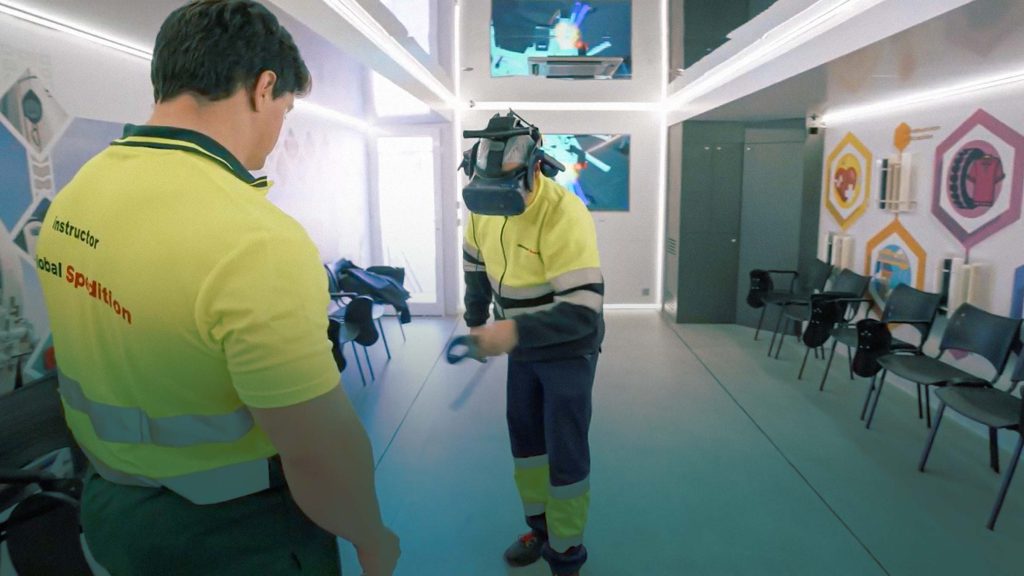

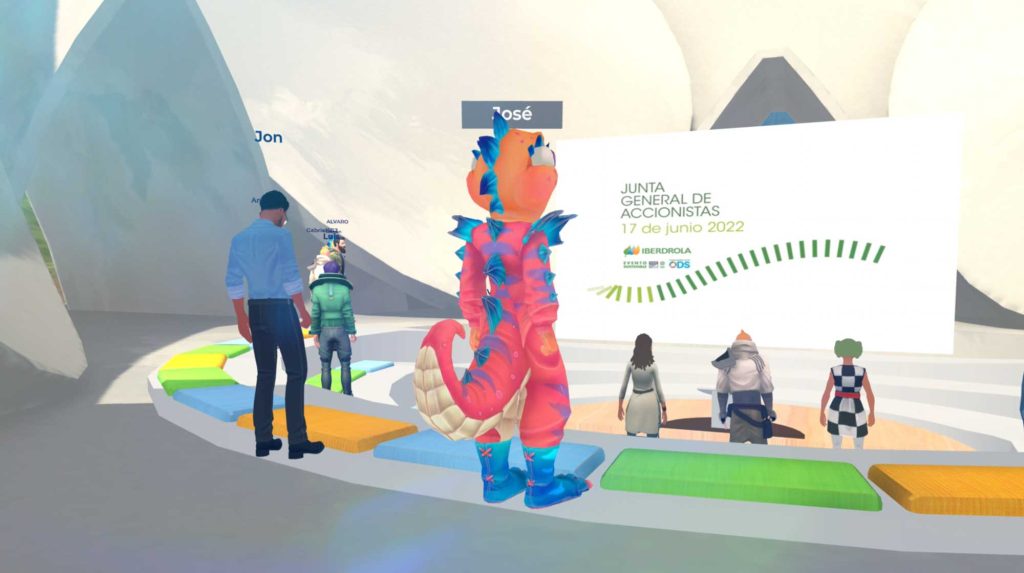
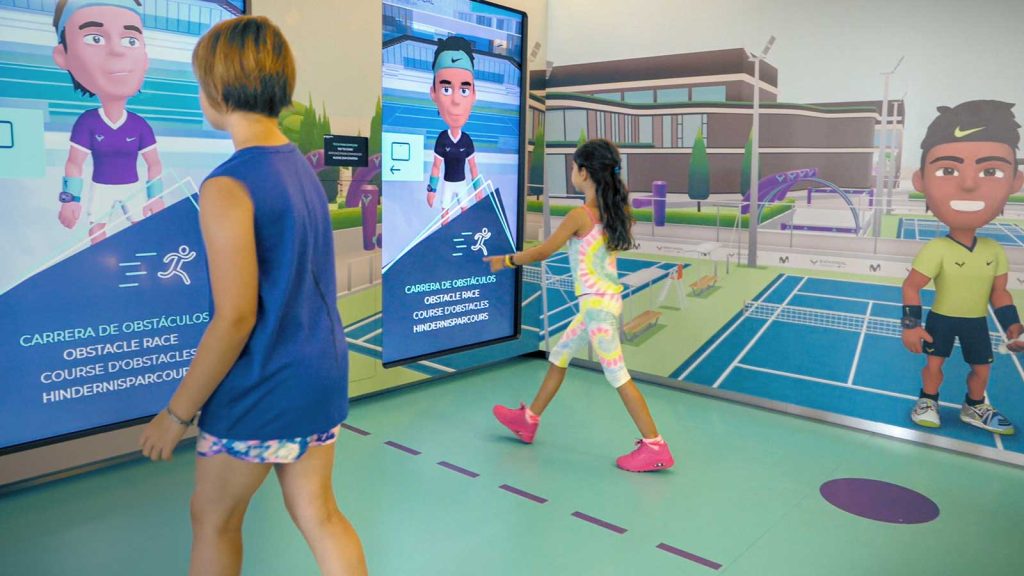
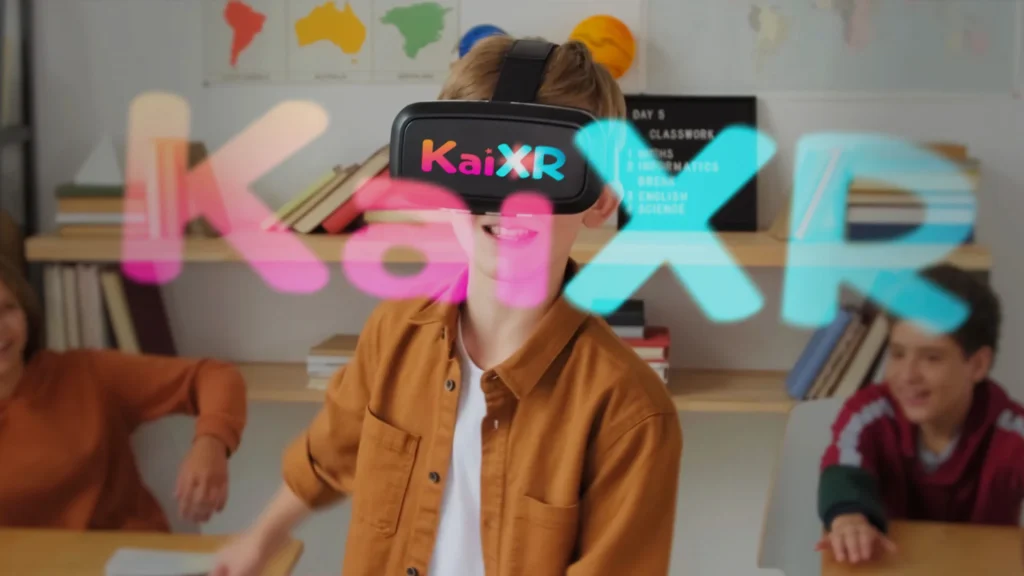
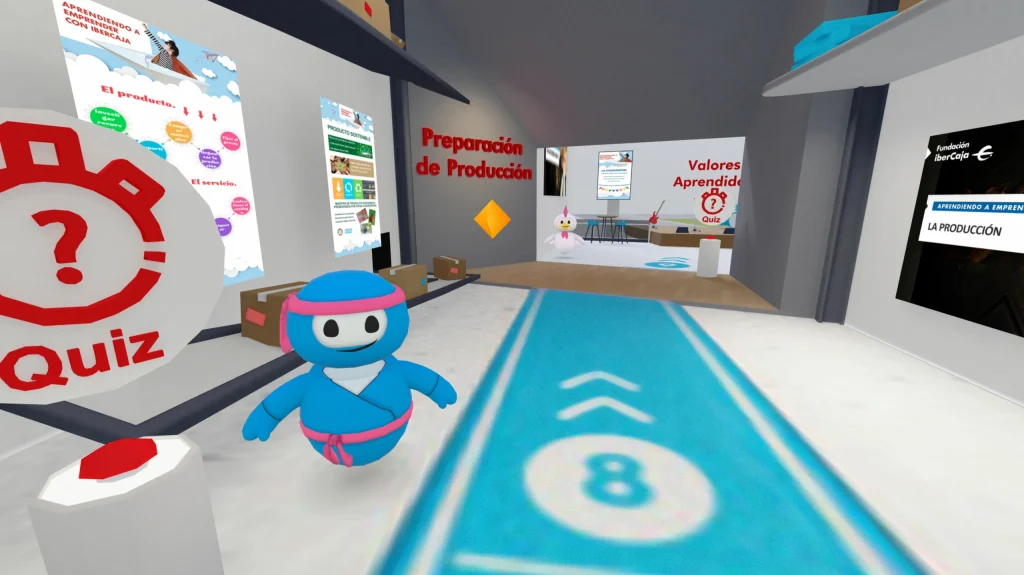



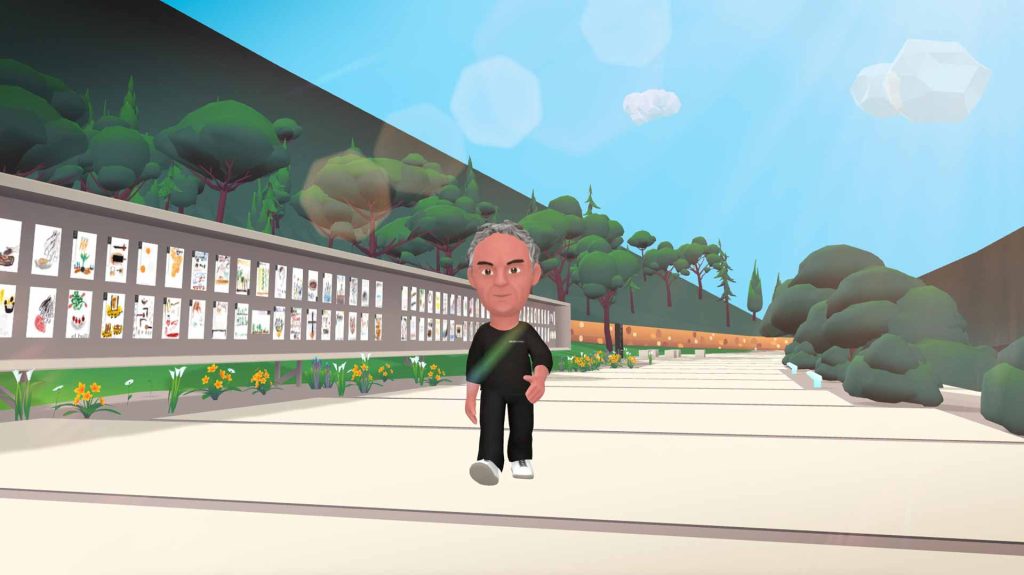

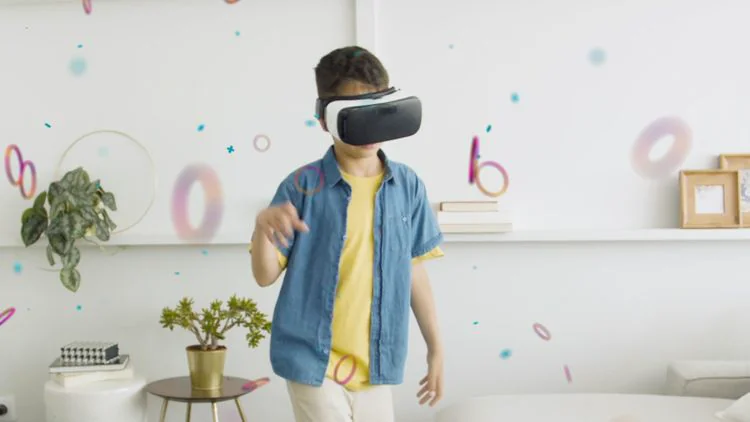


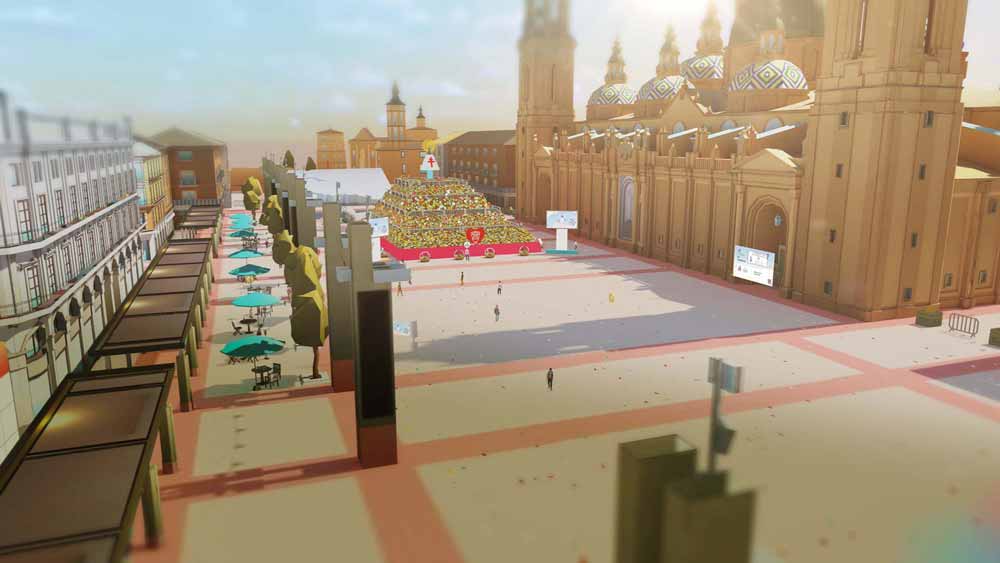
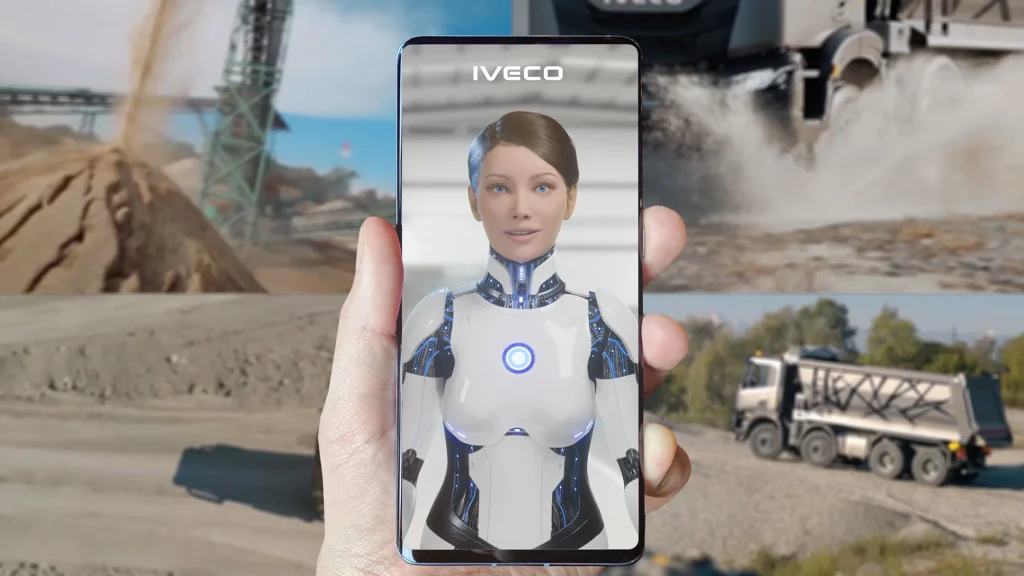
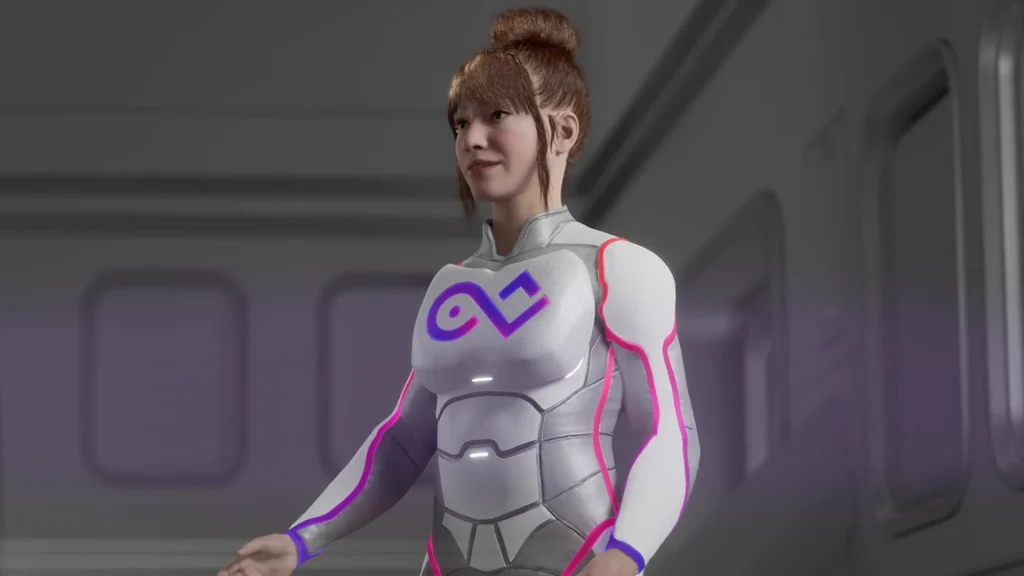

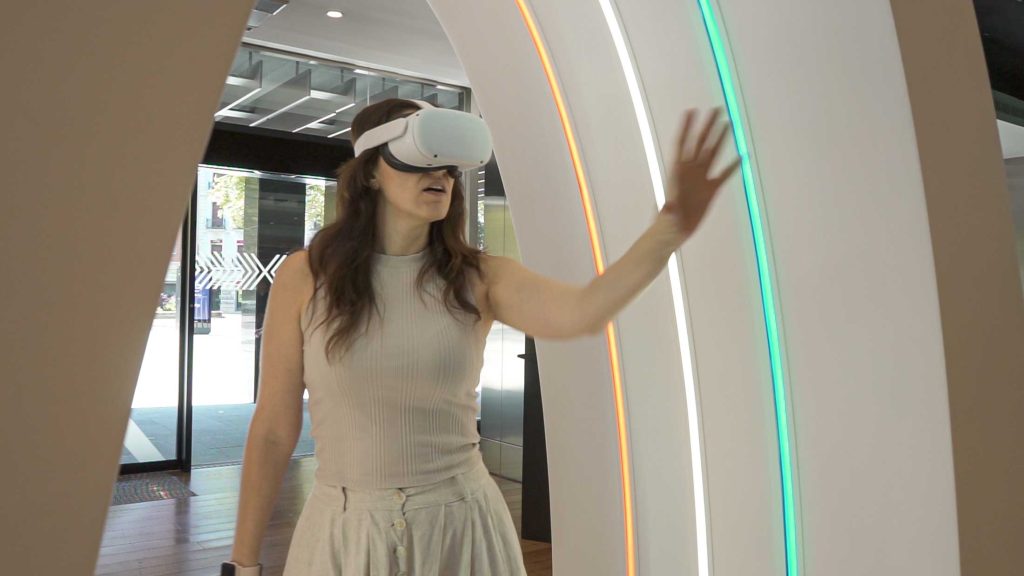
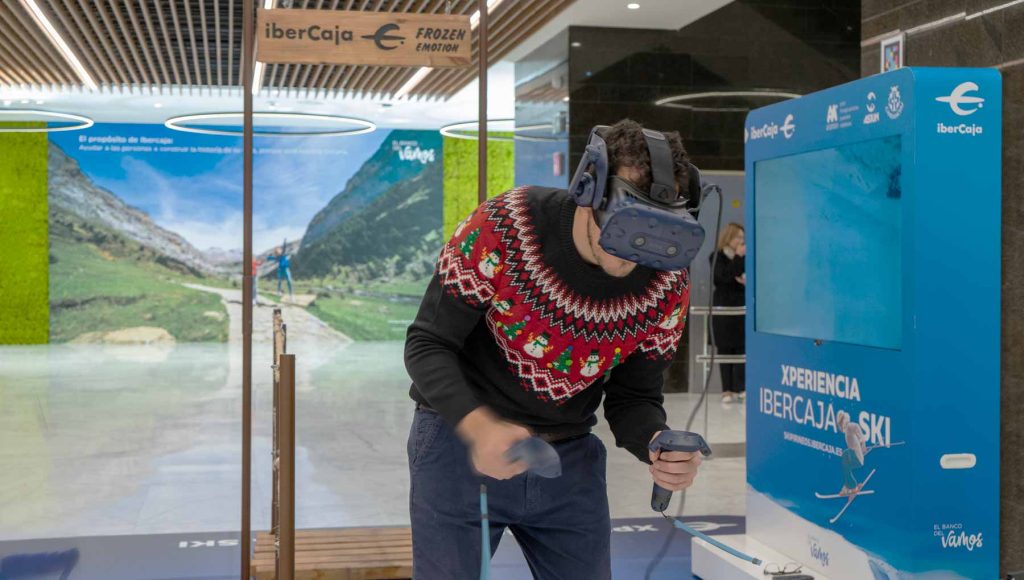
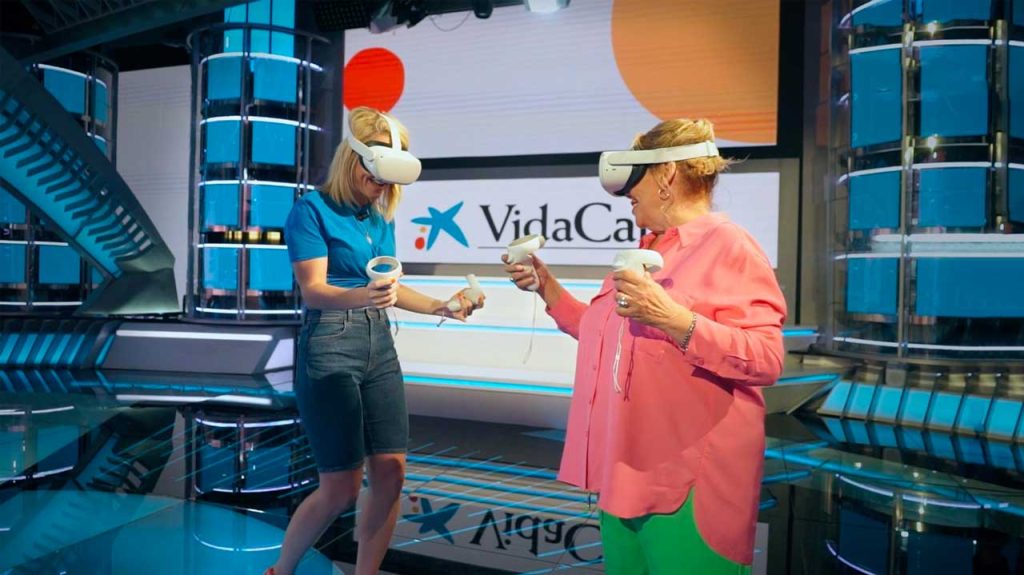

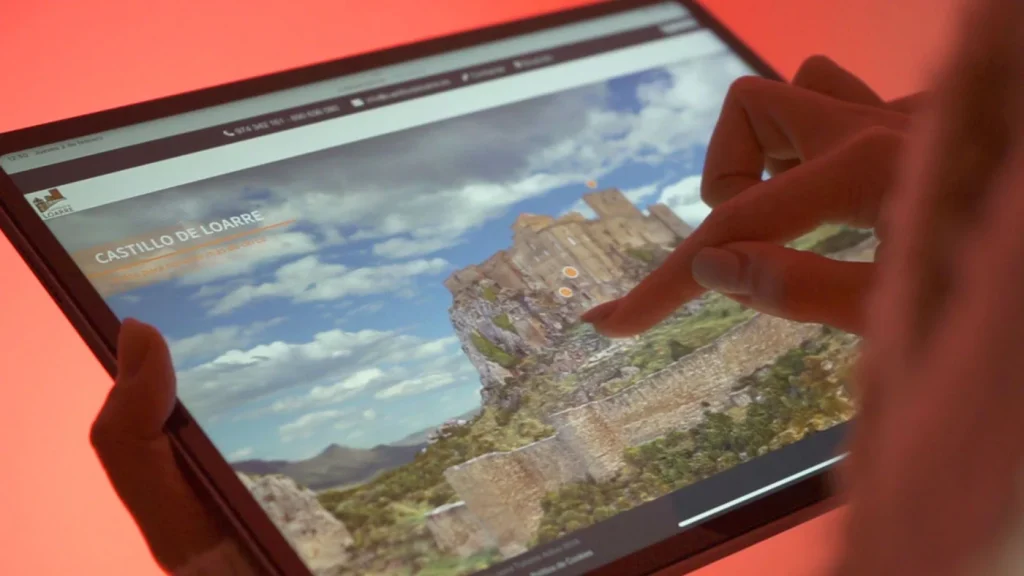
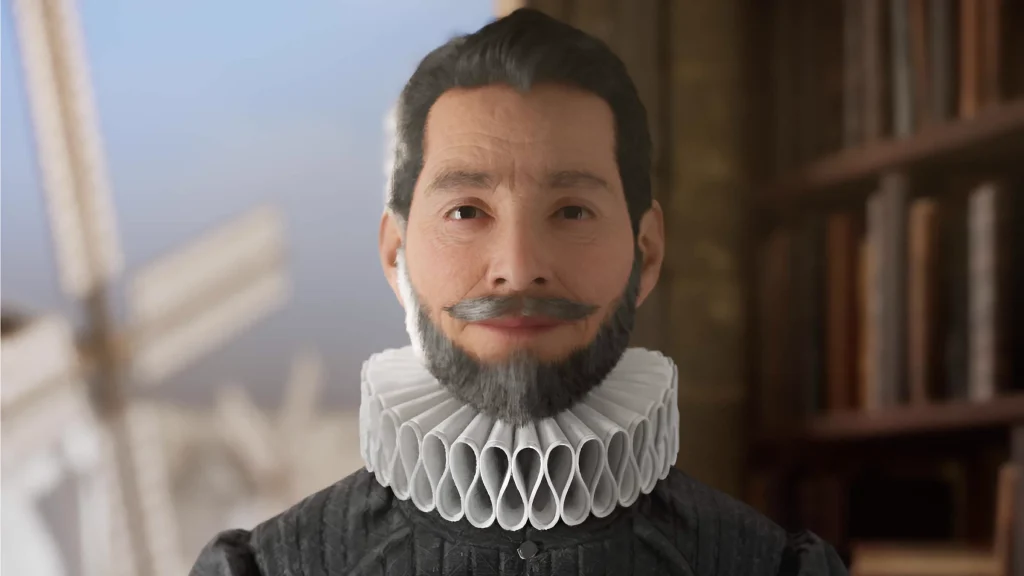


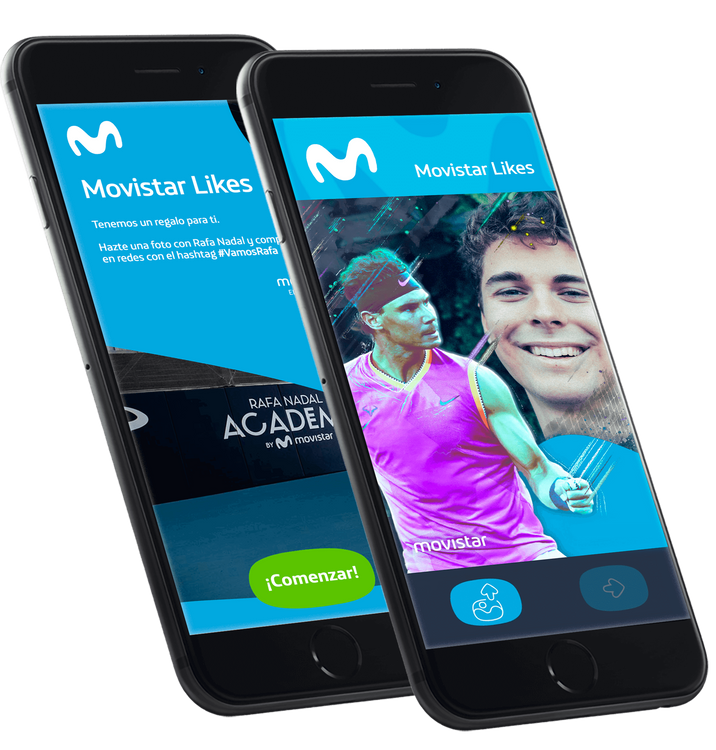
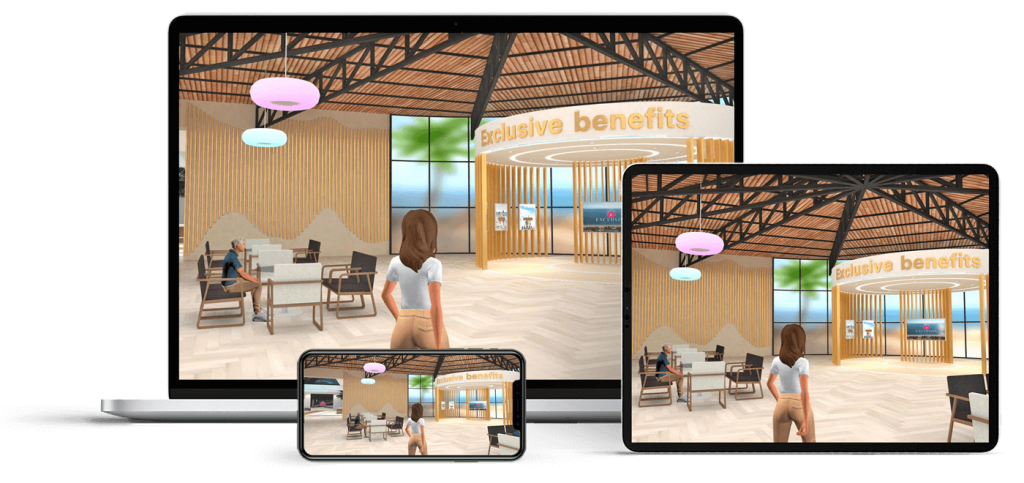
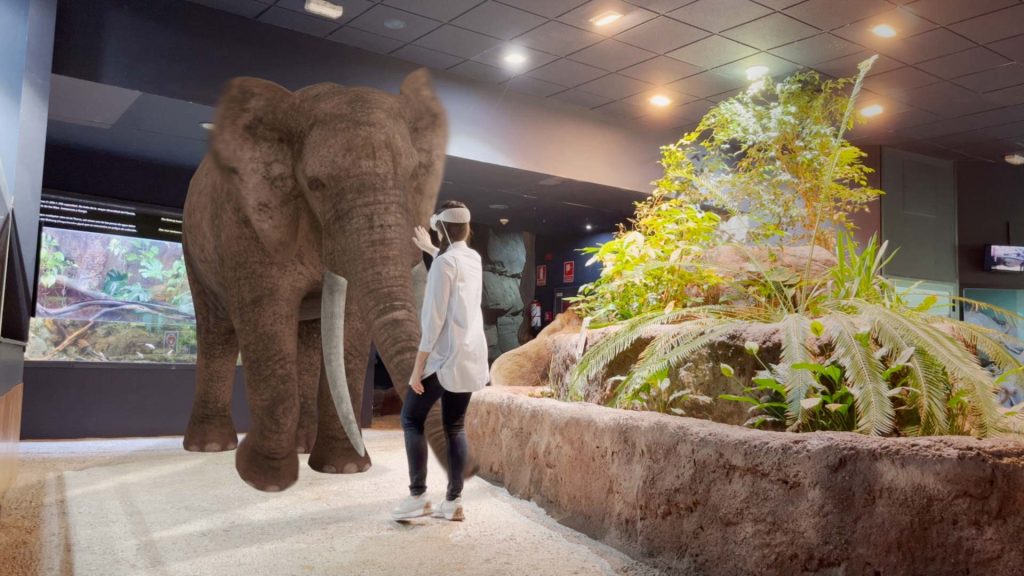

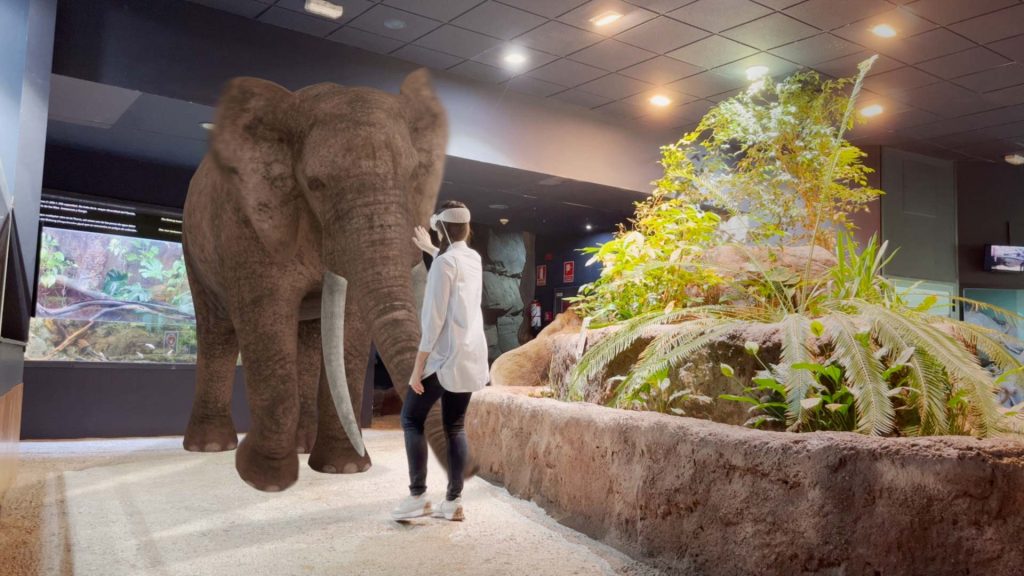
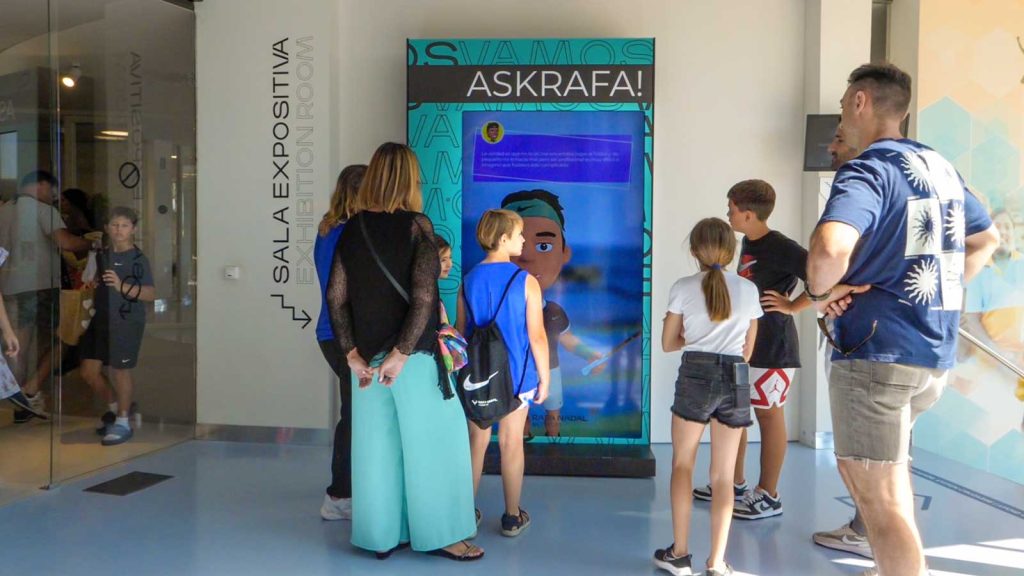
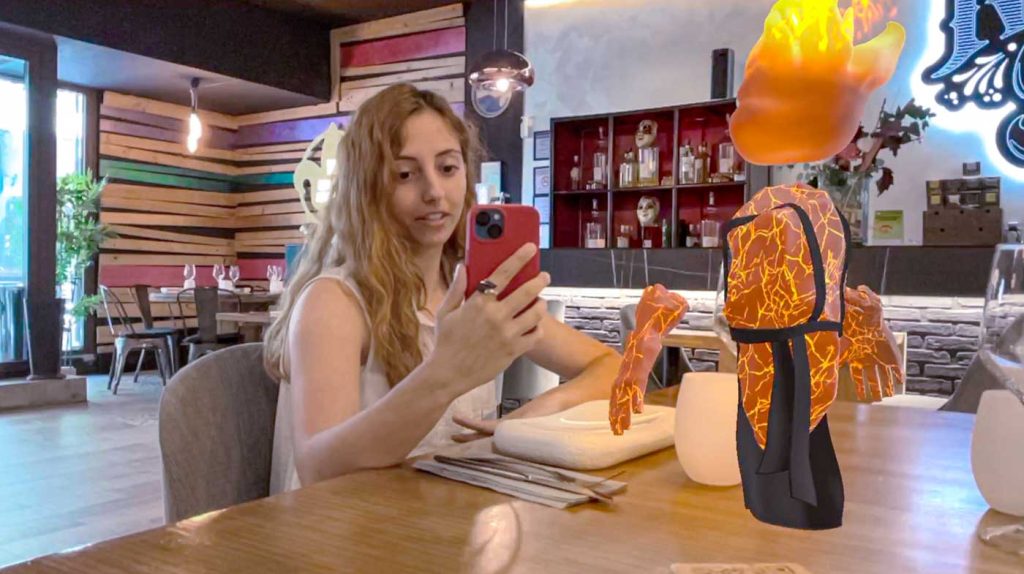

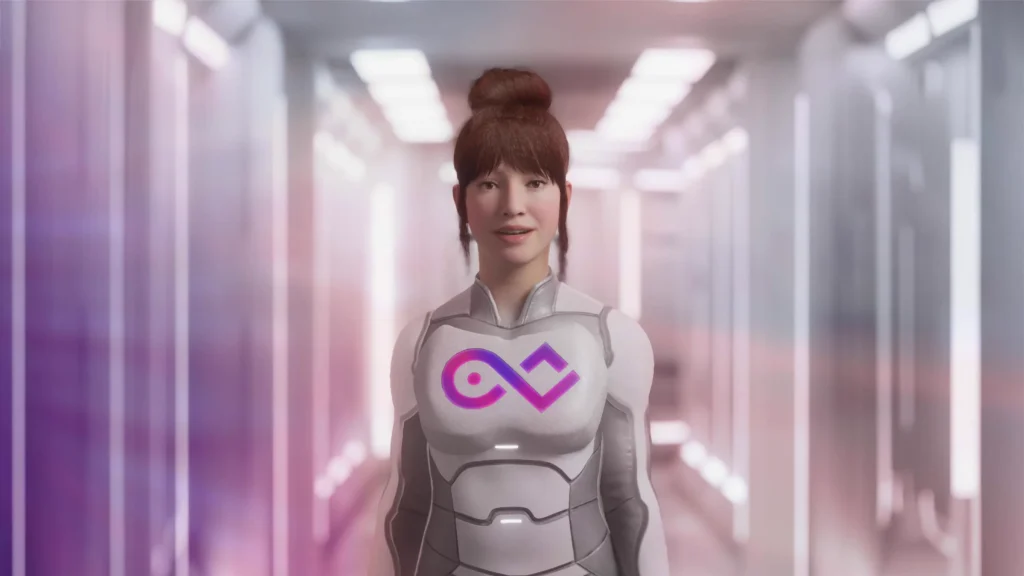
 Spanish
  English