In a world where connection and instantaneous information are key, the Augmented Reality provides a bridge between physical space and digital data The new technology, providing both companies and users with a more intuitive and effective way of interacting with technology. Augmented Reality (AR) is transforming the digital landscape with its ability to overlay information on top of the physical world in real time. This technology combines virtual elements with the real environment. Offering immersive and interactive experiences that go beyond the conventional . From enhancing the retail shopping experience to revolutionizing learning and training methods, AR is redefining everyday interactions and opening doors to endless possibilities across multiple industries. In this article, we will analyze in detail the key points of Augmented Reality Ready to learn more about its main applications in different sectors and the advantages it offers companies?
What is Augmented Reality
Augmented Reality is the technology that combines the real world with the digital world by superimposing virtual elements on the reality itself . Thanks to this immersive technology, the real and virtual environments intermingle, creating interactive experiences accessible from several devices at the same time: from cell phones and tablets to Augmented Reality glasses. Augmented Reality is just one of the immersive solutions within the framework of the Extended Reality . A series of technologies to which also belong the Virtual Reality y la Mixed Reality . Their origins and software are different, but their goal is similar: to eliminate the barriers between the real and the virtual. While Augmented Reality superimposes digital elements showing the real world at the same time, the Virtual Reality immerses users in fully artificial immersive environments . On the other hand, the Mixed Reality and specific technologies such as the Spatial Computing seek to go a step further in this interaction between the physical and the virtual. Introducing in a much more natural way, virtual elements in the real world and/or real elements in the virtual world. You may be interested in → Mixed Reality: Definition, characteristics and examples
How Augmented Reality works
This technology is undoubtedly one of the most widespread among companies today. But how does it work? Augmented Reality is based on the superimposing digital elements such as images, videos or data on the real world all through devices such as smartphones, tablets or specialized glasses. It uses cameras and sensors to capture the environment, processes the information and allows virtual objects to be located in real space. Either through visual markers such as QRs, through geolocation or holographic projections. In this way, Augmented Reality enriches the user's perception of the environment, allowing for interact with layers of digital information that appear integrated in their field of vision.
Applications and types of Augmented Reality for businesses
Augmented Reality provides companies with innovative tools for their digital transformation improving both the internal operations as well as interaction with customers . From marketing and sales to industrial production and professional trainings, AR experiences provide great benefits for companies. These are the main ones Augmented Reality applications in different sectors:
1. Aplicaciones en el sector educativo
The Augmented Reality in education offers the possibility of approach the real world from new perspectives The new system provides an environment full of information that adds value to the training activities. Instead of viewing simple images on the projectors, you can show three-dimensional models of outer space, geometric figures, parts of the body, historical moments or even the seabed, as if they were in the same classroom through Augmented Reality devices. Empowering the creativity, motivation and curiosity of children and not so young children. Encouraging these digital natives to continuous discovery and to wonder what's behind, demonstrating that play and technology are a great means for learning.
2. Applications in the business sector and Industry 4.0.
Now that you know what Augmented Reality is, it is very relevant to know that within the processes of industrial companies it represents a revolution in the control, training and efficiency of the increasingly complex production processes. . Thanks to this immersive technology and its marriage with the latest Internet of Things (IoT) innovations, machines and operators are interconnected, moving from simply operating the machine to being able to communicate with it. A fact that helps in routine inspection tasks, in remote assistance and in the possibility of showing operators interactive instructions and warnings on the machinery itself (notifications, hazards, etc). In addition, Augmented Reality also has a great potential for the presentation of three-dimensional models of parts and prototypes from all angles and in the exact place where your final version will be, reducing to the maximum the margin of error when assembling and using them. Read more about the impact of technology on the industrial sector, at What is Industry 4.0 and what are its main characteristics? .
3. Applications in the retail sector
With Augmented Reality, the retail shopping experience reaches new heights. levels of digitization through hybridization for the phygital experiences. Offering in the same physical space additional information on the products (availability, price, colors, reviews from other users, tutorials on their use and assembly and even the possibility of placing orders instantly) with the superimposition of digital elements visible through cell phones or Augmented Reality glasses. A series of innovations that optimize resources, reduce time and strengthen brand-customer relationships . A major breakthrough also for e-commerce, offering the possibility of virtually try on garments or integrate into our homes the products we are going to buy thanks to their 3D models visible through this immersive technology.
4. Applications of augmented reality in marketing and advertising
Con el desarrollo de campañas basadas en la Realidad Aumentada, el marketing, la comunicación y la publicidad entran en una nueva dimensión. Al poder no solo revalorizar las estrategias de marketing digital, sino también enlazarlas con las del marketing experiencial. Transformando las acciones más presenciales y estáticas en experiencias rompedoras, divertidas, que llamen la atención y que atraigan al público objetivo a la marca.
Ofreciendo, por ejemplo, una segunda capa digital para la publicidad exterior totalmente adaptada a los intereses del usuario. El uso de esta tecnología inmersiva también mejora las métricas más esenciales de las campañas de marketing, tales como la retención, la permanencia y el engagement, aumentando al mismo tiempo la interacción y personalización con el desarrollo más inmersivo del storytelling de la marca.
Una de las últimas campañas de marketing que han basado su estrategia publicitaria en la Realidad Aumentada pertenece a la conocida marca Lacasitos. En el interior de sus famosos tubos se escondían unos divertidos personajes que cobraban vida en el mundo real a través de su App AR para niños.
Augmented Reality Experience developed for Movistar by Imascono
5. Applications in the tourism sector
Undoubtedly one of the sectors that can benefit the most from the Augmented Reality specifically for the tourism, hospitality and cultural sector where the combination of this technology with geolocation systems and the increasingly efficient 5G connections offers the opportunity to to expand on-site information for tourists while touring any tourist area, whether indoors or outdoors. Thus, Augmented Reality has become an important virtual guide always accessible and up to date . Not only of the places that the tourist should know of the area, but also of the basic services such as pharmacies, ATMs or restaurants that are available. A more pleasant and didactic way of making the visits to museums or natural sites The user is shown details that would otherwise go unnoticed.
6. Aplicaciones en el sector del entretenimiento
The new era of entertainment and digital leisure is not only about substituting virtual for face-to-face. It is also about completely revolutionize the actual experience . Thus, thanks to Augmented Reality, the user has more control and information about the show he is watching live. They can choose new angles from which to enjoy the event, see all kinds of additional information superimposed as notifications and even enjoy a much more immersive show by being able to add special effects and animated characters as if they were really there. A new range of entertainment possibilities for example, transforming the pedestrians of Plaza Callao into the protagonists of the Star Wars saga or to the moviegoers at Kinepolis Cinemas in new characters of Thor Ragnarok completely changing the on-site promotion of series and movies.
7. Aplicaciones en el sector sanitario
The new tools offered by Augmented Reality technologies represent a new challenge for the revolution in the healthcare sector . Thanks to AR experiences, healthcare professionals can access valuable information instantly, keeping their hands free to perform any technique. Not only that, the operating professional can be in contact with other professionals during the intervention, sending images and videos in real time while they can give indications, superimposing them on the real image. A training level, Augmented Reality allows to see in three dimensions models of the different parts of the body, facilitating its study and learning, providing additional information. A technology that also represents a new impetus for telecare and medical consultations based on Artificial Intelligence . Additional information is also available on antibiotic treatments and other medications, with interactive instructions that facilitate their correct use. Find out more about technology in the healthcare sector at Virtual Reality and medicine: applications in the healthcare sector .
Ventajas destacadas de la Realidad Aumentada
Imagen de Arte Conectado, un proyecto de Realidad Aumentada con Avatares para el Ayuntamiento de Zaragoza
Knowing the applications of Augmented Reality we see how it is revolutionizing the way we access and interact with the digital world, by superimposing information on the real world, increasing - never better said - our capabilities. Next, let's review the 4 most important advantages of incorporating Augmented Reality technology.
Accessible and multi-device:
To take advantage of the benefits of Augmented Reality in our daily lives, you simply need a smart device with a camera and network connection, such as a tablet, cell phone or AR glasses. In addition, this technology has an easy and simple implementation today thanks to its great accessibility from these different devices, many of them widely used by users.
Low cost and great potential for adaptation:
Among the Extended Reality technologies, Augmented Reality is by far the lowest cost, as it does not require devices with a high immersive capacity for its proper functioning. Moreover, by keeping users in the real world, they recognize the space, appreciate its familiarity and intuitively take advantage of all the digital elements that enrich reality.
Gamification and personalization:
The development of technological solutions based on Augmented Reality not only allows us to introduce elements of video games to the business, industrial and educational environment. In addition, thanks to Augmented Reality we can enrich our audiovisual experience, as well as communication, both between the machine-operator and between the company-customer, with the development of unique and customized experiences that encourage interaction and interest of users.
New communication channel:
Just as the Internet and the expansion of Social Networks did in their day, Augmented Reality is revolutionizing communication, marketing and the digital presence of both companies and users. Thus becoming a new way of interaction between both. With the difference that this superimposition of digital elements on the real world makes the company/user dialogue much more attractive, immersive and dynamic.
Ejemplos de Realidad Aumentada que debes conocer
Filtro de realidad aumentada
In addition to the success stories of Lacasitos, Marvel and Star Wars that we have seen throughout the article, it is interesting to learn about others. examples of Augmented Reality usage that can help to see the transformative potential of this technology in different sectors.
Un caso de éxito de la introducción de la Realidad Aumentada en las aulas lo encontramos en Chromville, una app de aprendizaje creativo basada en láminas coloreables cuyos personajes cobran vida a través de las pantallas y juegos educativos.
Entre los usos que las empresas del sector retail ya están dando a la Realidad Aumentada encontramos los puntos de información y photocalls interactivos que gamifican la visita de los usuarios en La Torre Outlet, el centro comercial más digitalizado de España.
La Realidad Aumentada nos ayuda a ir más allá de los libros de historia, para ver con nuestros propios ojos el pasado e incluso el futuro. Como en la experiencia AR de Ibercaja Xplora. Una webApp interactiva que permite a los visitantes viajar a tres épocas diferentes para conocer el pasado y futuro de la ciudad.
A nivel smart cities, uno de los ejemplos más recientes del uso de la Realidad Aumentada en las ciudades lo encontramos en el proyecto Arte Conectado de Paseos Comerciales de Zaragoza. Donde a través del arte urbano y las experiencias AR, los vecinos y turistas pueden disfrutar del paseo por los diferentes barrios de la ciudad con sorprendentes graffitis que cobran vida a su alrededor.
Discover our Augmented Reality service for businesses
As we have seen, the Augmented Reality is one of the key technologies at the present time, both at the customer experience In terms of professional training and in-house training, this technology transforms the interaction between users and machines. Facilitating access to information and content, creating new interactive experiences and opening the doors between the real world and the virtual world. At Imascono we are Augmented Reality experts since the company's inception in 2011. Since then, we have been leading the evolution of this technology, leveraging our know-how and experience in a multitude of sectors to digitally transform the business model and training of our clients. That is why we invite you to learn more about our Augmented Reality service for businesses . Our team of engineers and designers will be pleased to meet your objectives and needs. Would you like to develop an Augmented Reality project? ¡ Contact with us !
What is Industry 4.0. and what are its main characteristics?
What is Industry 4.0. and what are its main characteristics?
From the steam engine to the invention of electricity or the advent of mass production and later electronics... Throughout history, the industrial sector has undergone various technological transformations. that have come to mark the great advances of mankind. We are currently in the midst of Fourth Industrial Revolution - Industry 4.0. where digital, intelligent and automated technology is revolutionizing our companies, factories and production lines. Cloud connectivity, Industrial Internet of Things (IIoT), and advanced AI and AI-enabled solutions are machine learning are radically transforming industrial operations. In this article we would like to analyze in detail the main characteristics of this Industry 4.0. and, above all, learn about its most important technologies. Ready?
Virtual Training desarrollado para Global Spedition por Imascono
Definition of Industry 4.0
You may be wondering what Industry 4.0, or the Fourth Industrial Revolution, is. integration of advanced digital technologies in manufacturing processes. It includes the use of Internet of Things (IoT), Artificial Intelligence (IA), the immersive technologies the robotics and the analysis of Big Data to create interconnected and automated production systems and optimized industrial/business management. This approach allows for a greater efficiency, customization and real-time analysis transforming factories into intelligent and adaptive environments. Before Industry 4.0. there were three other major Industrial Revolutions:
A finales del siglo XVIII se vivió la Primera Revolución Industrial marcada por la invención de la máquina de vapor. Transformando los métodos de producción de obra manual a la mecanización.
En la Segunda Revolución Industrial, a finales del siglo XIX, el impulso vino de la electricidad y el petróleo, introduciendo la producción en masa y las líneas de ensamblaje. Lo que mejoró significativamente la eficiencia y el volumen de producción.
La Tercera Revolución Industrial empezó a mediados del siglo XX con la llegada de la electrónica, los ordenadores y de los primeros robots, iniciando el camino de la automatización de la producción.
You may be interested in → Business Innovation: Spatial Computing Applications in Extended Reality . Industry 4.0 is characterized by integrating digital technologies such as IoT, AI, and robotics in manufacturing systems. Creating intelligent and automated production networks that radically transform industrial production and management. Some are also already talking about the start of the Industry 5.0 a development marked by the active human participation to improve both the well-being of workers and the sustainability of production. This includes the development of collaborative robots (cobots) that work hand-in-hand with humans in manufacturing tasks and systems that not only optimize production, but also promote environmentally responsible practices. Industry 5.0 prioritizes collaboration between humans and machines, emphasizing the importance of the human touch in the creativity, customization and sustainability.
Industry 4.0 applications and technologies
The incorporation of new technologies in the industrial sector represents a complete revolution in the control, training, error correction and decision making with 3D simulations and prototypes developed to the highest level of detail . Improving the efficiency of increasingly complex production processes. Thanks to this immersive technology and its marriage with the latest innovations in the Internet of Things (IoT) and Artificial Intelligence, the machines and operators are interconnected from simply operating the machine to being able to communicate with it. Let's take a look at some of the main Industry 4.0 technologies :
Realidad Virtual y Aumentada
Both the Augmented Reality as Virtual Reality are two immersive technologies that are transforming the Industry 4.0 . By changing the way in which combines the physical and digital world in factories and production lines. On the one hand, the AR experiences The application of this technology to the industrial sector has great potential for the presentation of the three-dimensional models of parts and prototypes from all angles and in the exact place where their final version will be, reducing to the maximum the margin of error when assembling and using them. However, if there is an application of the Virtual reality that revolutionizes the industrial sector is the possibility of autonomous training. in complex and/or hazardous tasks through controlled 3D simulations The company's own machinery is used for this purpose, without the need to allocate extra resources such as trainers or the machinery itself. You can learn more about this technology in our post Virtual Reality: examples and applications .
Experiencia de aprendizaje en Realidad Virtual para Boehringer Ingelheim
Digital Twins
Los gemelos digitales en la Industria 4.0. son representaciones virtuales e interactivas de procesos, productos o incluso plantas enteras de producción que simulan la realidad en un entorno digital.
Esta tecnología permite a las empresas tener una visión global de toda la producción, analizar datos y monitorizar sistemas para prevenir problemas antes de que ocurran, optimizar operaciones y experimentar con cambios en un entorno virtual sin riesgos.
Al utilizar sensores IoT para recoger datos en tiempo real, los gemelos digitales ofrecen una visión detallada del rendimiento, el mantenimiento y la eficacia de las máquinas en la planta de fabricación, mejorando así la toma de decisiones y la eficiencia operativa. Unos Gemelos Digitales que también pueden convertirse en el punto de información y de reunión entre los stakeholders, como en el caso de la Junta de Accionistas y evento virtual de Iberdrola desarrollado en su propio espacio virtual 3D.
Evento Virtual en el Metaverso desarrollado por Imascono para Iberdrola
Computación en la nube
El cloud computing es un pilar esencial de la Industria 4.0, proporcionando la infraestructura necesaria para soportar la integración y el análisis de datos a gran escala. Facilita la centralización de información, permitiendo un acceso remoto y en tiempo real a los datos críticos almacenados en sus servidores, lo que optimiza la colaboración y la agilidad en la toma de decisiones.
Con la capacidad de almacenar y procesar enormes cantidades de datos de forma segura y eficiente, la nube posibilita la implementación de soluciones avanzadas de Generative Artificial Intelligence, automatización y IoT, permitiendo así a las empresas aumentar su eficiencia operativa, reducir costes y mejorar la innovación en sus procesos de fabricación.
Robótica
La electrónica, los ordenadores y los primeros robots mecanizados se introdujeron en el sector industrial durante la tercera Revolución Industrial. En la Industria 4.0. la robótica se ha visto reforzada, jugando un papel crucial en la automatización y optimización de los procesos de producción, su eficiencia y precisión.
Los robots avanzados pueden realizar tareas complejas y delicadas, adaptándose a entornos cambiantes y colaborando con humanos en tiempo real. La integración de robots autónomos y colaborativos mejora la velocidad, la calidad de la producción y reduce los riesgos laborales.
Además, libera a los trabajadores de tareas repetitivas, permitiéndoles enfocarse en actividades más estratégicas y creativas.
Big Data e Inteligencia Artificial
En la Industria 4.0, el Big Data y la Inteligencia Artificial son fundamentales para transformar la producción industrial a través de la recopilación y análisis de grandes volúmenes de datos generados por los dispositivos y sensores conectados al ecosistema de fabricación.
Estas tecnologías permiten la automatización avanzada y la toma de decisiones en tiempo real. Optimizando operaciones desde el mantenimiento predictivo hasta la personalización de la producción.
El potencial de la Inteligencia Artificial en la industria 4.0. puede ir más allá de la producción para enfocarse en los trabajadores. Convirtiéndose en una compañera más en su día a día: potenciando sus capacidades, resolviendo sus dudas y/o convirtiéndose en el portal de acceso a la información y formación de la empresa, como en el caso de IRIA, el avatar IA del grupo industrial Iveco.
Si quieres profundizar más sobre la IA te recomendamos → Desafíos de la inteligencia artificial aplicada a la empresa.
Phygital project developed for Rafa Nadal Museum by Imascono
Highlights of Industry 4.0
Industry 4.0. is characterized, mainly, by the creation of smart factories where physical and digital systems cooperate in an interconnected and autonomous manner. Interconnectivity, the digital transformation automation are some of the main characteristics of the implementation of these technologies in the industrial sector . Features which can be summarized as follows:
Respuesta en tiempo real. La capacidad de respuesta en tiempo real permite a las empresas monitorear y gestionar operaciones de manera instantánea y eficaz. Gracias al Big Data, los sensores IoT, las simulaciones 3D suponen un flujo continuo de datos que facilitan decisiones rápidas y precisas, optimizando el rendimiento del proceso productivo.
Descentralización. Esta característica se refiere a la capacidad de las máquinas y sistemas informáticos de tener autonomía en su funcionamiento y en la toma de decisiones operativas sin intervención humana directa. Operando de forma independiente y flexible, adaptándose a los cambios y necesidades en tiempo real de los procesos industriales.
Aumento de la productividad. Al integrar diferentes tecnologías, la automatización y optimización de los procesos impulsa un significativo aumento de la productividad. Estas tecnologías permiten una fabricación más rápida y con menos errores, maximizando el rendimiento de los activos y minimizando los tiempos de inactividad. Además, la recopilación y análisis de datos en tiempo real facilitan mejoras continuas y ajustes precisos en las operaciones de producción.
Industry 4.0. applications you should know about
Throughout the article we have been getting to know some of the examples and use cases of new technologies in Industry 4.0. Next, we would like to delve into the most relevant applications of this Fourth Revolution in the industrial sector.
3D Simulations
3D simulations in the industrial field cover a wide range of applications. From the employee training in the use and prevention of occupational hazards in safe environments, focused on tacit knowledge, to the possibility of knowing how the entire plant, logistics and machinery of a company work through 3D models and virtual simulations to full scale. Among the solutions already developed in this area we find the entire line of Virtual Training . Customized trainings in Virtual Reality implemented by companies from different industrial sectors such as the professional training of Global Spedition's employees or the presentation of the new industrial machinery of Boehringer Ingelheim .
Industrial Internet of Things: Industrial IoT
The Industrial Internet of Things (IIoT) goes a step beyond the IoT we know today, focusing specifically on the interaction between machines, devices and industrial systems. In Industry 4.0, this connectivity and machine-to-machine and human-to-machine communication The real-time, accurate and precise monitoring, predictive maintenance and optimization of processes is vital for industrial companies to scale and adapt in real time to market trends and needs.
Task management
Industry 4.0 transforms task management by automating processes and optimizing resource allocation through intelligent systems. Enabling the efficient coordination of tasks between machines and humans The system is designed to improve accuracy and reduce execution time. In addition to task management, we could also speak of the information management where large volumes of data from multiple sources can be collected, processed and analyzed in real time. Where not only do we obtain strategic insights The system also facilitates better coordination and communication between departments and levels of the organization through interfaces such as WebApps or even hyperrealistic AI avatars that humanize the interaction between users and data .
Industry 4.0. use cases at Imascono
From pharmaceuticals to logistics, automotive, agricultural machinery and the industrialization of livestock, there are many industrial sectors in which the Imascono use cases have been part of the leap to Industry 4.0. of large and medium-sized companies.
Como la virtualización y modelado 3D interactivo de las diferentes máquinas del grupo Tenias. Versiones tridimensionales para la presentación y formación sobre el funcionamiento de sus últimos productos.
Otro caso de éxito en la Industria 4.0. también lo encontramos en la formación en Realidad Virtual diseñada para Ceva Velactis, la principal empresa farmacéutica en el ámbito veterinario, donde se forma y promociona los usos y ventajas de sus nuevos productos.
At Imascono we know firsthand how important it is for industrial companies to have the right latest technological advances to optimize and scale up production At the same time, having enough flexibility and customization capacity to adapt to market changes. Therefore, training, data collection and a correct interaction between machines and workers are key to advance in Industry 4.0. Our team of more than 30 engineers and designers has more than 12 years of experience in the development of projects of Artificial Intelligence , Virtual Reality and Virtual Spaces focused on business and industry. Do you need making the technological leap to Industry 4.0 ? ¡ Contact with us !
Advantages and disadvantages of Artificial Intelligence in education
If there is one technology that is revolutionizing the present and future of education, this is Artificial Intelligence (AI). . Radically changing our learning schemes, developing new proposals and methodologies. Both at school, university and professional training levels. From personalizing the educational experience to automating repetitive tasks or fostering new immersive proposals, Artificial Intelligence applied to education proposes a series of advantages and opportunities for our educational systems The learning experience of the students will be as effective and inspiring as possible. In this post we are going to analyze in detail the implications of introducing the Artificial Intelligence in training and educational programs, as well as how it is complemented by the other technologies that are digitally transforming the way we learn .
Proyecto de Realidad Virtual Kai XR Platform desarrollado por Imascono en el sector de la educación
Artificial Intelligence Revolution in Education
When we talk about Artificial Intelligence we refer to the set of technologies, processes and algorithms that allow machines to think/act like human beings. By adapting to different situations and performing tasks that normally require human intelligence. These algorithms are feedback and self-learning through data training . A combination of machine learning models, Big Data and strategies that perform tasks such as pattern recognition or even decision making. Artificial Intelligence in education represents a revolution, since it fundamentally transforms how education is delivered and received. . By automating administrative tasks and personalizing learning, AI frees educators from repetitive and bureaucratic burdens. Tools such as intelligent tutors or AI-enabled training simulations enrich the learning experience. Making it more accessible, personalized, attractive and effective. The content is adapted to the individual needs of each student. If you are interested, you can learn more about AI in →I Generative Artificial Intelligence: definition and main applications .
Advantages of AI in education
The way students learn is changing, as is the way we communicate, interact with the world around us, and interact with technology. The Augmented Reality the Virtual Reality or the phygital experiences focused on the educational field propose new ways of deepening knowledge and training itineraries. By integrating technologies such as Artificial Intelligence into education, we create highly adaptive and personalized learning environments that respond to the individual needs of each student, preparing them for the challenges of tomorrow. These are the three main advantages of applying AI in the classroom :
Immediate feedback
AI systems and algorithms can quickly evaluate students' responses, which is an advantage for both students and teachers to have a immediate feedback on their learning progress. This allows students to understand and correct their mistakes in real time, facilitating more efficient and effective learning. And for teachers, to be able to have a more detailed control of their students' progress. A learning method that is reinforced if implemented with the most gamified learning techniques. Game mechanics , challenges that take student motivation to the next level. You may be interested in → What is gamification: benefits and examples
Espacio Virtual desarrollado para el proyecto Aprendiendo a Emprender de Ibercaja por Imascono
Personalización del aprendizaje
Linked to the above, another of the advantages that Artificial Intelligence offers in the educational field is the customization . The respond to the individual needs of each student . Not only when posing questions and challenges adapted to their level of knowledge, but also so that teachers can analyze the progress of students with a personalized approach.
By relying on AI, teachers can see each student's strengths and areas for improvement and come up with new, adapted learning strategies. Each student is different and the Artificial Intelligence in the classroom allows everyone to understand and advance in their training at their own pace and with the teaching method that works best for them.
Phygital project developed for Rafa Nadal Museum by Imascono
Increasing digital competencies
The integration of Artificial Intelligence in education not only enriches subject specific learning, but also prepares students for the digital future by enhancing their digital competencies . By regularly interacting with AI-based platforms, students become familiar with advanced technologies that are critical to the present and future of business.
This constant contact helps to develop essential skills, such as the ability to technological problem solving, critical thinking in digital environments and the ability to work effectively with data and automated tools. A success story of the AI applied to education that meets these three characteristics can be found in V-E-G-A, the hyper-realistic virtual avatar which tutors new technologies thanks to its Artificial Intelligence engine and its training in this specific area. V-E-G-A adapts to the user's level of technological knowledge and answers all their questions about the latest innovations and technological advances.
Disadvantages of Artificial Intelligence in the educational environment
The integration of Artificial Intelligence in the educational field has only been around for a short time, so at present it has some disadvantages that need to be taken into account and improved for the prosperous future that lies ahead for AI in education.
1. Reduction of human interaction
This is undoubtedly one of the main concerns presented by AI and, in general, the digital transformation that education is undergoing. Direct contact between students and teachers is crucial for emotional and social development, so we must foster an empathetic and responsive learning environment, where the most humanized technology helps us connect, not distance us.
2. Gran inversión
Today, implementing AI systems in teaching methods requires a significant investment in technology and training. It is important not only to acquire the hardware, but also the technological know-how to effectively use these new educational tools and get the most out of them.
3. Data privacy and security
Undoubtedly, data cybersecurity is one of the key issues when talking about Artificial Intelligence. AI-based systems collect and process large amounts of personal information, which makes it essential to implement robust measures to protect this data against unauthorized access and security breaches.
Applications of Artificial Intelligence in Education
After learning about the advantages and disadvantages of implementing the different types of Artificial Intelligence in educational projects, it is time to take a more in-depth look at the applications that this technology offers us in the field of training. The AI is revolutionizing the education sector Personalizing learning methods, providing more interactive and adaptive environments and offering new key tools for today's world. These are the three main applications of AI in education :
1. Exploratory learning environments
Immersive learning environments are not a novelty, but their enrichment with AI systems to make them more autonomous and open, achieving that they are adapt in real time to all student actions. In these exploratory learning environments students take control of the simulation and it adapts as the situation progresses. Enabling students to learn from your mistakes in a 3D environment that does not affect the real world, helping them to train in complicated tasks, in trying different paths and above all, allowing them to be creative, autonomous and looking for new routes to reach the final result. Simulated environments such as the Virtual Trainings in the industrial and healthcare fields, such as Boehringer Ingelheim's Virtual Reality training or the Global Spedition . Learn more about this technology applied to the health sector at Virtual Reality and medicine: applications in the healthcare sector .
2. Language learning
AI is radically changing the way students learn languages. Using the speech recognition and natural language processing AI systems can help students improve their pronunciation, grammar and vocabulary more efficiently. These systems offer instant and personalized feedback, allowing students to see their mistakes and progress in real time. In addition, AI can simulate conversations with native speakers of any language providing immersive language practice without leaving the classroom.
3. Intelligent tutoring
Undoubtedly, one of the main advantages offered by the application of AI in education is that it is an accessible tool for users, regardless of the time, date, place or difficulty of the question, Artificial Intelligence is always available to continue learning. Thus, the figure of intelligent tutors grows in the educational field . These AI systems attend to all student queries They launch new challenges, offer additional explanations and resources, and evaluate learner performance. Identifying strengths and areas for improvement, adjusting learning materials for each learner. Tutors that can be customized through virtual avatars equipped with Artificial Intelligence as in the case of the avatar IA of Miguel de Cervantes Who better than the Spanish writer himself to explain the impact that Don Quixote has had on world literature?
Artificial Intelligence projects in education: AI avatars by Imascono
either through 3D simulations, customized didactic materials or even hyper-realistic avatars of our great figures of world history, Artificial Intelligence projects for students are already a reality. And they are going to be key players in the future of education. At Imascono we believe that the introduction of Artificial Intelligence in education has to help us to be much more agile in our way of learning, to be more aware of the different rhythms of each student and to naturalize our interaction with the digital world. A humanization of technology that goes through AI avatars hyperrealistic tutors that through voice, chat and text facilitate interaction with students. Would you like to learn more about our Artificial Intelligence projects in the educational field ? Contact with us and our engineering team will be happy to answer all your questions.
Features and benefits of Augmented Reality in education
Features and benefits of Augmented Reality in education
The possibility of approaching the real world from new perspectives, of combining the physical and virtual worlds, of creating an environment full of information that adds value to educational activities. This is what the incorporation of Augmented Reality experiences in education . Instead of viewing simple images on the projectors, you can show three-dimensional models of outer space, geometric figures, parts of the body, historical moments or even the seabed, as if they were in the same classroom through Augmented Reality devices. Enhancing creativity, motivation and curiosity of children and not-so-children. Encouraging these digital natives to continuous discovery and to wonder what lies behind. Demonstrating that play and technology are great tools for learning. In this article we will know in detail the benefits, characteristics and the most important examples of Augmented Reality in education.
Importance of Augmented Reality in the educational context
Before delving into the digital transformation that the introduction of the Augmented Reality in education In order to understand what this technology is all about, it is essential to know what it is all about. Augmented Reality is one of the three technologies that form part of the Extended Reality This idea of uniting the physical world with the virtual world. The Augmented Reality combines the real world with the digital world by superimposing virtual elements on the reality itself . Thanks to this immersive technology, the real and virtual environments intermingle, creating interactive experiences accessible from various devices at the same time: from cell phones and tablets to Augmented Reality glasses. While AR experiences superimpose digital elements showing the real world at the same time, Virtual Reality, on the other hand, immerses users in totally artificial immersive and interactive environments. You can learn more about this other revolutionary technology in our publication: Virtual Reality in education: features and benefits . In the field of education, Augmented Reality makes the learning process a highly dynamic and interactive experience. By overlaying digital information on the real world, AR transforms classrooms into spaces where theoretical concepts become visual and tactile experiences. In addition, AR technology offers personalization of learning The content is adapted to the needs and rhythms of each student, resulting in a more inclusive and effective educational environment.
Key features of Augmented Reality in learning
We are currently witnessing how technological advances have been transforming curriculums and teaching methodologies to all ages. From toddlers to job trainings, the different modules, courses and learning models have been changing with the introduction of the Virtual Reality of Artificial Intelligence or the Spatial Computing . The Augmented Reality in training is distinguished by a series of fundamental characteristics that make it the basis for creating richer, gamified and immersive educational experiences.
Immersive experiences
Augmented Reality and other immersive technologies allow the strategy to be followed learning by doing that is, to work on the tacit knowledge and interactive learning with students. Everything to go beyond textbooks, pictures and videos, to go beyond textbooks, pictures and videos to complement them with immersive experiences where the student is part of the action. and proactively advances in their learning. A more practical experience that allows, from the classroom itself, to travel to the past, to space, to understand the most abstract concepts of mathematics and physics... everything through three-dimensional models superimposed on reality. Or even through educational experiences in Virtual Reality such as in the case of KAI XR, a VR platform where students can learn about history, the animal world and even NASA through Virtual Reality goggles.
Proyecto de Realidad Virtual Kai XR desarrollado por Imascono en el ámbito de la educación
Real-time interaction
Real-time interaction is one of the most valuable features of Augmented Reality in education, as it transforms the way students relate to learning material. This functionality allows learners to interact with virtual objects and environments overlaid on the real world, offering a instant response to your actions . Coupled with Artificial Intelligence, this real-time interaction can even be carried over to languages, with the simultaneous translation of conversations. Or to physics tests, where the superimposed 3D model changes in real time at the same time that we change the parameters. All with the idea of creating spaces for trial and error, to generate simulations and to make learning more dynamic and experimental. Take a look at our Artificial Intelligence services for companies .
Personalización del aprendizaje
New technologies such as Augmented Reality allow us to adapting the educational experience to the particular needs of each student . Personalizing the subjects and the pace of learning. Converting abstract concepts into interactive visual representations, facilitating student understanding. In addition, Augmented Reality allows learners to explore different topics and information at their own pace, fostering a autonomous and personal learning . This personalization not only enhances motivation and engagement It also ensures that each student is able to reach his or her full potential. You may be interested in → Augmented Reality and Artificial Intelligence Interactions .
Benefits of Augmented Reality in education
Augmented Reality is redefining the frontiers of learning in education, offering multiple benefits that transform both teaching and learning. student experience . By overlaying digital elements on top of the real world, this immersive technology facilitates more interactive and immersive educational experiences than the real world. attract the attention and stimulate the curiosity of the students. The following is a more detailed analysis of the three main benefits of Augmented Reality in education:
1. Motivación académica
Immersive technologies such as Augmented Reality enrich the educational experience by adding another layer of interaction and gamification to learning . By integrating visual and tactile elements into the classroom, Augmented Reality not only engages students' interest, but also invites them to explore and learn. Turning lessons into educational adventures The program is based on an active and participatory approach, traveling back in time to historical moments or transforming the classroom into the seabed.
2. Mejora la accesibilidad
Augmented Reality offers significant improvements in accessibility within education, especially beneficial for students with disabilities or special learning needs. By providing alternative and interactive methods for visualizing and manipulating information With this technology, this technology can be adapted to a variety of learning styles and physical abilities, allowing all students to participate more fully in the educational process. An example of this improvement in accessibility can be found in the project LOARRE XR, an Extended Reality platform in which the virtualized the visit to the Loarre Castle, a Romanesque castle of difficult access and with more than ten centuries of history.
3. Facilitates the understanding of abstract concepts
Undoubtedly, one of the most important benefits of the implementation of Augmented Reality in the educational system is its ability to improve understanding of the students. Allowing visualization of abstract or complex concepts in three dimensions, making it easier for students to understand and retain the information. All through memorable and interactive AR experiences where you can see a visual representation of parables, the human body, a historical event or mathematical concepts.
Augmented Reality projects in education by Imascono
Undoubtedly, technology plays a key role in the present and future of education . Throughout the article we have seen some examples, but here we want to show you three of the most relevant projects of Augmented Reality in educational experiences:
Un caso de éxito sin precedentes de la introducción de la Realidad Aumentada en las aulas lo encontramos en Chromville, una app de aprendizaje creativo basada en láminas coloreables cuyos personajes cobran vida a través de las pantallas y juegos educativos.
La Realidad Aumentada permite cambiar la interacción que tienen los niños actualmente con la tecnología. En vez de ser meros espectadores pasivos, las experiencias educativas AR los convierten en los verdaderos protagonistas de la acción. Como en el proyecto de Lacasitos App, donde los niños crean su propio mundo de diversión junto a los diferentes personajes.
La Realidad Aumentada nos ayuda a ir más allá de los libros de historia, para ver con nuestros propios ojos el pasado e incluso el futuro. Como en la experiencia AR de Ibercaja Xplora. Una webApp interactiva que permite a los visitantes viajar a tres épocas diferentes para conocer el pasado y futuro de la ciudad de Zaragoza.
Without a doubt, if there is one thing these projects have in common, it is that the technology, fun and immersive learning play a very important role in education. At Imascono We are aware of this and therefore we accompany our clients throughout the entire process of creating this type of educational experience. From conceptualization to implementation, through our Augmented Reality services for companies our team of engineers and designers work to adapt Augmented Reality technology to the needs of our customers. specific needs of each educational program and learning method . Do you need to develop a Augmented Reality focused on education ? ¡ Get in touch with us !
Metaverse and tourism: revolution in the sector
Metaverse and tourism: revolution in the sector
Metaverse, Extended Reality, Web 3, Spatial Computing ... The virtual universe of interconnected worlds is already a reality, also for the tourism sector. The possibility of creating new experiences that are different, accessible and personalized makes the tourism and catering, one of the most developed sectors in the Metaverse. From virtual receptions that make it easy to book stays and take virtual tours to discover unimaginable places, to enjoying interactive museums and learning about the best routes in real time through Augmented Reality maps . These are just some of the proposals that have already been developed in the new virtual world, but there are many more. It's time to get an in-depth look at how the leap from tourism to the Metaverse .
The revolution of tourism in the Metaverse
Both the Extended Reality such as the Metaverse and other immersive technologies have great potential to boost the hotel/travel industry in the virtual world. These technologies are capable of extending the travelers' experience beyond their stay and trip revolutionizing the before, during and after. Before going into more detail on what the introduction of the new technologies will mean for the sector, it is necessary to tourist experiences in the metaverse, it is important to review what this technological trend consists of. The Metaverse is defined as a large virtual universe composed of multiple interconnected digital worlds. It is the next Internet leap where humans interact socially and economically through the use of avatars , NFTs and cryptocurrencies in digital experiences that go beyond the static websites we all know. The central idea of this new ecosystem known as Metaverse is to humanize the virtual world and our digital presence. You can learn more about this topic here: What is the Metaverse: everything you need to know. This more humanized interaction allows the tourism sector to connect with users/customers in ways previously unthinkable in the digital world. By developing experiences that help tourism agents to transform the customer experience at all stages of the journey.
Desde la promoción y marketing de las experiencias turísticas, con gemelos digitales de los destinos turísticos donde los usuarios pueden recorrer los espacios, conocer en profundidad las actividades e inspirarse/imaginarse la experiencia turística más allá de las fotografías y vídeos promocionales.
La gestión de la reserva y personalización de los servicios turísticos, a través del propio hotel virtual en el Metaverso, donde los usuarios pueden personalizar su estancia y viaje, de forma intuitiva y accesible. Por ejemplo, a través de su propia habitación de hotel en 3D, donde pueden elegir el tipo de almohada, de distribución y de otros servicios complementarios.
Generando una comunidad de viajeros y fomentando la fidelización, a través de espacios virtuales multiusuarios e interactivos en los que celebrar eventos con personas de todas las partes del mundo. Espacios en el Metaverso donde compartir experiencias de viaje, obtener beneficios por ser parte del club virtual y conocer las últimas propuestas de la cadena hotelera o destino turístico, como en el caso de éxito Exclusiverse.
Inmersión total
If there is one characteristic that sums up this added value offered by the Metaverse is the total immersion of the users. The Metaverse applied to tourism offers a unique and immersive experience for travelers. Allows explore destinations virtually interact with 3D environments and access exclusive content. All in first person and with a 360° vision that allows users to visit the space at their own pace and with great freedom of movement. Providing the opportunity to travel without limits, to live immersive and exciting experiences without leaving home.
Virtual destinations
Thanks to the Metaverse and other immersive technologies, a new trend in travel has been created: the virtual tourism . Virtual destinations offer a new innovative way to explore places without the need to physically travel to them. Thus, you can visit cities, paradisiacal beaches and even travel to places in the past or imaginary. All through Virtual Reality or virtual spaces in the Metaverse. These virtual destinations are designed in great detail and allow you to interact with the environment, personalize the experience and participate in gamified virtual activities. If you are interested in this topic, find out more about the Virtual tourism as a new trend .
Benefits of tourism in the Metaverse
The tourism sector is a sector of experiences, and the commitment for the coming years is to offer new experiences for travelers that go beyond the simple trip. . Thus, as we have seen, the Metaverse offers all sorts of benefits to Tourism for the digital transformation sector. These are some of the main benefits of tourism in the Metaverse :
Personalization of the tourist experience
The Metaverse applied to tourism revolutionizes the personalization of the experience by providing immersive virtual environments that adapt to travelers' individual tastes, preferences and needs. For example, adapting content depending on the segmentation of the traveler profile. Through these virtual twins travelers can explore the destination prior to arrival, plan customized itineraries and experience gamified 3D simulations. In addition, thanks to the incorporation of the Artificial Intelligence in the Metaverse can be analyze behavioral data and interaction preferences. All so that the integration of these technologies offers travelers a unique experience tailored to their tastes.
Increased accessibility.
One of the main benefits of Metaverse experiences in the tourism industry is the greater accessibility . Thus, new smart destinations are developed to which you can travel virtually. As a way to reduce costs for the traveler who simply wants to live unique experiences without the need to travel physically. Travel to the past, enjoy extreme sports, live an adventure in inhospitable areas around the world... This greater accessibility offered by the Metaverse and other immersive technologies also allows you to go beyond physical limitations The new system allows people with reduced mobility to explore different destinations and experience many more adventures.
Promote the link with the tourist destination
The combination of tourism with these technologies not only enriches the experience of the destination, it also strengthens the connection between the travelers and the tourist destination . The Metaverse facilitates the creation of online communities The objective is to generate a feeling of belonging, active participation and linkage with the brand, hotel, travel agency or tourist destination. This also facilitates cross-selling and the search for complementary activities to remain connected and committed to these places.
Practical applications of tourism in the Metaverse
Below we present different practical applications of the Metaverse in the tourism industry through national and international examples that have already been implemented in all types of tourism companies.
Turismo cultural. Si hay un proyecto que muestra el gran potencial de estas tecnologías en el turismo más cultural es el Metaverso de la ciudad de Zaragoza, recreando en 3D la experiencia de la tradicional Flower Offering durante las Fiestas del Pilar. Una acción turística que ha alcanzado a 51.000.000 millones de personas en impactos con más de 350.000 usuarios únicos. Presentando la cultura, tradición y folclore de la ciudad a través del nuevo mundo virtual.
Una nueva forma de inspirar al viajero. Otra de las aplicaciones relevantes del Metaverso en el turismo es su capacidad de inspirar al viajero más allá de los vídeos, páginas web y fotografías. Los gemelos digitales permiten visitar el destino turístico con antelación, pudiendo conocer previamente los puntos turísticos. Entre los gemelos digitales turísticos más importantes encontramos la virtualización completa de la Rafa Nadal Academy de Manacor. En la cual es posible recorrer todas las instalaciones, conocer a fondo su historia y disfrutar de contenidos exclusivos.
Fomento comunidad online. El Metaverso permite fortalecer la comunidad online y fomentar el cross-selling, al crear un espacio en el que, al viajar de vuelta a casa, la interacción con la marca siga en el mundo virtual. Como en el caso de Exclusiverse, donde se fomenta el loyalty de sus +80.000 miembros a través de contenidos exclusivos, descuentos y desbloqueo de nuevas experiencias interactivas.
Turismo accesible. Las experiencias turísticas en el Metaverso también suponen un nuevo impulso al turismo más accesible. Ofreciendo espacios virtuales inmersivos que permiten conocer lugares de difícil acceso o que no cuentan con las adaptaciones necesarias para que personas con movilidad reducida o discapacidad puedan visitarlos de forma presencial. Como el caso del Castillo de Loarre, el cual, a través de la iniciativa social impulsada por Itainnova, ofrece LOARRE XR, un espacio en el Metaverso para recorrer virtualmente los más de diez siglos de historia y belleza de la fortificación.
Metaverso's projects in the tourism sector of Imascono
At Imascono we know that the future of the tourism industry lies in the development of interactive and immersive experiences. that involve travelers and generate a real connection. Thus, the Metaverse is positioned as one of the main technological trends for the tourism sector. Thanks to its ability to revolutionize the before, during and after the trip. From the Exclusive Traveler Club to the Rafa Nadal Academy, the Goya Museum, the Loarre Castle or the Barceló hotel chain, there are many tourist companies, museums and public administrations that trust in Imascono for to make the leap to the new virtual context. With more than 12 years of experience in the development of amazing projects focused on the Metaverse, Extended Reality and Artificial Intelligence, our team of engineers and designers will be happy to help you to to boost your tourism business in the new virtual context . Contact with us and take your tourism experiences to the next level.
Smart destinations, what are they and what are their characteristics?
Smart destinations, what are they and what are their characteristics?
In recent years, the profile of the tourist has changed radically due to the influence of new technologies and digital transformation. Now, tourists are more likely to be hyperconnected They are more demanding, they are more aware of sustainability and the impact on the environment. Above all, they are now looking for tourist destinations that allow them not only to live unique experiences, but also to share them. With fast Internet access and where tourist information is always accessible from the palm of their hand. This is why tourism companies and areas have launched new and innovative initiatives with respect to information, promotion and development of travel experiences in the tourism sector. Destinations must adapt to this new reality, which is why the great trend of the current tourism industry is born: the destinations
Definition of smart destination
Tourism has been evolving into a complete travel experience, including aspects that range from beyond the tourist offer The accommodation and specific areas to be visited. Nowadays, tourist destinations offer a wide range of services, including new ecosystem in which technology plays a key role. For data collection, interaction with users, connection with the full range of tourism services and ease of access to all kinds of information. This is what smart destinations are all about, tourist areas that can be defined as innovative, accessible and consolidated spaces in a given area. state-of-the-art technological infrastructure that guarantees the sustainable development of the territory. These intelligent tourist destinations facilitate the interaction of the visitor with the environment, where thanks to technological tools such as Artificial Intelligence and WebApp interactive, tourists live a fully personalized travel experience. You may be interested in → Tourism and technology: characteristics and advantages . The transformation of destinations to smart destinations involves a attractiveness enhancement of the environment for visitors. Where tourism management, pre-trip planning, its positioning as a quality destination in the minds of travelers and the tourist's own experience are benefited. A smart destination attracts and builds loyalty. How to become a smart destination In addition to applying to join the Intelligent Tourist Destination Network in order to obtain the DTI" seal In order to achieve this goal, smart destinations must opt for a strategic transformation model based on 5 main axes:
Gobernanza. Un destino turístico inteligente es aquel que apuesta por la cooperación público-privada, con una gobernanza compartida que mejore los aspectos relacionados con la movilidad, conexión, red y el urbanismo de la zona turística.
Innovación. La pieza clave de la Digital transformation e inteligente de los destinos turísticos. Ya no solo por la implementación de la tecnología, sino también por la innovación en los servicios, en los productos y en los procesos.
Tecnología. Sin duda, la tecnología juega un gran papel en la industria turística actual. Espacios en el Metaverso, experiencias phygital, rutas en Realidad Aumentada, turismo virtual, guías turísticos basados en Inteligencia Artificial, análisis del comportamiento de los viajeros a través del Big Data… las posibilidades son infinitas.
Sostenibilidad. En el sentido más amplio, los destinos turísticos inteligentes buscan la sostenibilidad medioambiental y respeto a la naturaleza. Pero también, tienen en cuenta la sostenibilidad sociocultural y el desarrollo económico de la zona y sus habitantes.
Accesibilidad. Para que un destino sea considerado como destino turístico inteligente es indispensable que sea accesible. Poniendo el foco en que las personas, independientemente de su discapacidad, edad, enfermedad o cualquier otra razón, puedan disfrutar de la experiencia turística de visitar este destino.
Main characteristics of smart destinations
Tourist destinations with their own identity, with elements that differentiate them from other places, that guarantee safety, immersion in the travel experience and both social and environmental sustainability, will be smart tourist destinations with a great advantage over the competition.Below, we review the main characteristics of these destinations:
Universal accessibility
Universal accessibility, both to digital as well as physical level is one of the main characteristics of smart destinations. Destinations that take the traveler/visitor into account: their your needs, your expectations, your preferences and your feedback. . They are destinations that seek continuous improvement, offering the best possible travel experience. As in the case of LOARRE XR an initiative of Itainnova that seeks to offer a new technological and accessible experience to visit the Loarre Castle.
Innovation and advanced technology
Undoubtedly, if there is one thing that characterizes smart destinations, it is their commitment to innovation and technology. In today's tourism industry, travelers are looking for a travel experience based on digitization, in personalization and making the journey unforgettable. To do this, destinations must have a strong technological infrastructure and interactive experiences that attract and positively impact users. From offering personalized guides that are always available to respond to any need, to digitized museums to take the visit to the next level. As in the Rafa Nadal Museum in Manacor, where visitors are the protagonists of the visit through the phygital experiences of the exhibition. If you are interested, you can learn more about this topic at Augmented Reality in Museums .
Improved quality of life
Smart tourism destinations not only have a impact on tourist visits The city's inhabitants' day-to-day life is also a part of it. A commitment to the DTI positively affects the city's transportation, access to cultural and artistic information in the area, a digitalization of its restaurants and entertainment areas. And, of course, high-speed web access and connection throughout the city. Different actions that improve the quality of the tourist trip and also the quality of life of the local people . An example of this improvement in the quality of life can be found in the project Commercial Walks of the Zaragoza City Council. Where, through new Augmented Reality experiences and other immersive technologies The aim is to attract both neighbors and visitors to the commercial areas of the different neighborhoods of the city.
Benefits of DTI
The concept of a smart destination is closely linked to the concept of Smart Cities Both are characterized by a complete digital transformation of the environment and/or city. A Smart City, as an intelligent tourist destination, seeks an efficient balance and integration between people , institutions , technology and sustainability . Seeking to obtain data and feedback in real time that allows the city to adapt to the real and specific needs of its citizens. From traffic to information totems, through security, air quality control and crowd control. In this section we review some of the main benefits of the transformation of destinations into smart destinations (DTI):
Improved competitiveness
Intelligent tourist destinations improve competitiveness of tourist areas in all phases of the trip, from travelers' inspiration and decision making to shared memories and satisfaction. The hyperconnectivity y la personalization of the travel experience make tourists feel more secure and connected to the tourist area. Being able to interact at all times with the information of the destination and its services (hotels, restaurants, museums, guided tours, information points, added services...). In addition, these interactions offer great information to the tourist services about the real needs of tourists, helping in the reception of high quality feedback.
Social and environmental benefits
Smart destinations are not only looking to take advantage of technology, they are also looking to become sustainable tourism destinations, controlling and improving their social and environmental impact. To this end, many of the initiatives and lines of action of smart destinations have as their objectives to respect for the environment and natural resources, sustainability and impact on the local population. Air quality measurement, capacity control in nature destinations, real time monitoring of the fauna and flora of a natural site and the commitment to the promotion of local commerce are some of the proposals already developed in different intelligent tourist destinations in our country.
Full technological integration
The tourism sector is one of the main industries most impacted by new technologies. Full technological integration gives the option of develop interactive experiences that allow visitors to have greater control of their travel experience. Such as personalized guides based on Artificial Intelligence or Augmented Reality tours that allow, for example, to travel back in time and reconstruct monuments. You may be interested in→ Augmented Reality applications in tourism . But also, technological integration allows the tourist destination to have greater sources of information on the needs and behaviors of tourists where, thanks to webapps, it is possible to obtain dashboards and advanced analytics in real time.
Surprising smart tourist destinations in Spain
Spain is undoubtedly one of the world's leading tourist destinations and one of the first in the world in integrating smart destination strategies in its different regions. This is not only due to the implementation of the DIT seal The main reason for this is the commitment of tourism companies, hotel lines and public administrations to develop strategies that put the accessibility the sustainability y la technological innovation, among the main objectives. Here are some examples:
LOARRE XR desarrollado por Itainnova para visitar el castillo medieval de difícil acceso desde cualquier lugar gracias al desarrollo de una visita virtual accesible con tecnología de Extended reality.
Un destino turístico inteligente que destaca ya no solo a nivel español, sino también a nivel europeo es la Ofrenda de Flores virtual. Un espacio 3D del Metaverso de Zaragoza que traslada la cultura y tradición de la ciudad al mundo virtual. Todo para hacer más accesibles sus fiestas y para promocionar la ciudad como destino turístico innovador.
A nivel accesibilidad destaca también la experiencia en Realidad Virtual Frozen Emotiondesarrollada por Ibercaja Xplora para esquiar de forma virtual por el Pirineo aragonés. A través de un entorno 3D totalmente inmersivo, los usuarios pueden disfrutar de una aventura llena de adrenalina con solo unas gafas VR.
The smart destinations are the future of the industry . The commitment to sustainability, accessibility, collaboration and technology opens up a new range of possibilities to transform the tourism sector with new and surprising travel proposals. At Imascono we know that these proposals must surprise and delight users and reduce their environmental impact. This is why immersive experiences play a key role in the evolution of tourism. We have more than 12 years of experience in the development of impactful experiences based on Extended Reality, Metaverse and Artificial Intelligence focused on tourism. Contact with us and find out how we can help you take the step towards become a smart tourist destination.
Innovación empresarial: aplicaciones de Spatial Computing en la Realidad Extendida
Innovación empresarial: aplicaciones de Spatial Computing en la Realidad Extendida
The ability to innovate effectively makes the difference between success and stagnation in the business world. Particularly nowadays, where the technological advances and the market trends are changing at an ever-increasing rate. Companies that adopt a mentality open to change are flexible and willing to evolve their business model, they are more likely to excel - and survive - in disruptive business environments. The business innovation is undoubtedly the main line of action for companies today. Therefore, in today's article we will not only review what it is and what are its main types. We will also analyze the main technological trends that most affect business innovation, highlighting the new era of Spatial Computing.
What is business innovation?
Before delving into its typologies, examples and main trends, it is important to reflect on its own definition. Business innovation refers to the process by which organizations introduce new products and services ideas, products, services or procedures in order to improve their corporate processes. The company's growth is based on a long-term strategic vision of growth that has its impacts in the short term. All through a strategic vision of long-term growth that has its impacts in the short term: increasing productivity, incorporating a new technological tool, improving customer experience... Business innovations can be of external nature such as the launch or improvement of a product or service; or internal The company's operations management is optimized. However, in order to properly carry out innovation within a company, several factors must be taken into account. The culture of the organization itself, its investment in r&d In general, the way in which the company manages all these aspects has an impact on its capacity for innovation.
4 types of business innovation
Business innovation covers a wide range of typologies and objectives. It is the responsibility of each company to analyze all types of innovation and to carry out a strategic improvement plan in each of these areas. Below, we explain the 4 main types of business innovation.
Product and service innovation
Product and service innovation is one of the most common strategies in companies. It consists of introducing a redesigned or improved product/service to the market, which is adapt to the changing needs of the customers and that take into account all stakeholder demands. Changes can be applied to packaging, customer service, components... all to provide the best possible service to our customers. quality and customer experience . That attracts new audiences and differentiates you from competitors. A current example of these innovations can be found in the incorporation of the avatars with AI engine customer service, including in restaurants, such as in the case of Smoky for the Nola Smoke hamburger restaurant.
Structural innovation
A constantly changing business environment requires companies to implement a strategy of innovation of its organizational structures . Creativity, flexibility, competitiveness and agility are key aspects for the management of companies today. Innovations that must arise from the talent, culture and assets of the company, which lay the foundations for implementing the other types of business innovation.
Process innovation
Process innovation is based on rethinking the steps of the process. value chain of a company. An overhaul that can lead to a total restructuring of the production area. This process innovation can be carried out through the implementation of specialized management software, a new form of employee training or even a total management of all areas of the company through a virtual twin of the company. An example of this type of innovation can be found at La Torre Outlet the most digitized shopping center in Spain, which has integrated in the same webapp all parameters, both internal and external, for its correct operation.
Business model innovation
Undoubtedly, this type of innovation is one of the most important to take into account. The business model innovation refers to the analysis, review and adaptation in the way businesses operate and provide services to their customers. All of this in a constant manner and always with a focus on the creativity , differentiation and value creation for customers. Which are constantly evolving.
Business Innovation: Spatial Computing
In the business world, technological innovation plays a key role in the evolution of companies. Without the digital transformation and technological integration In order to be competitive, companies cannot remain in the present or evolve towards the future of the business. It is therefore essential to be aware of the latest technological advances, know them and above all, know how to integrate them into the company to remain competitive and disruptors in their own market. Among the latest technological innovations that are being incorporated into the business world we find the Spatial Computing . This technology refers to advanced data processing that merges both the physical and virtual worlds, making the exchange of information and interaction between technological devices much more natural and humanized. For companies, this is a major step forward in the optimize different areas of the value chain. From production management and training of workers in the production process, to the Industry 4.0 The company's marketing area, developing immersive experiences in which users can immerse themselves in the essence and branding of the company. Or even in the offices themselves, where, thanks to the immersion provided by the VR/MR glasses With Spatial Computing systems, professionals can work with a new personal computer in glasses format. Allowing complete isolation even in an office with dozens of people. If you would like to learn more about this technology, please visit What is Spatial Computing and its importance today? .
Applications of Spatial Computing in Business Innovation
This more humanized interaction with machines and computers represent a paradigm shift for companies in the way they adapt and integrate technology into their work methodology and business model. Spatial Computing in business innovation can reach a wide range of applications. increase productivity, save costs and boost learning especially in highly specialized areas or areas that require tacit training that is slower to acquire. In this section we present some of the applications The most important aspects of spatial computing for companies.
1. Colaboración remota
Undoubtedly, one of the advantages offered by glasses with Spatial Computing systems is to be able to have the following advantages real time information superimposed on the goggle itself The technology can be used to free the hands and interact with the technology by voice. A fact that helps to perform control and management in large factories and warehouses, obtaining all the necessary data at a glance - thanks to its computer vision system. In addition, this connection also makes it possible to take a further step forward in the remote collaboration . Making it easier to interact and communicate with other professionals and even with Artificial Intelligence assistance systems.
2. Formación y simulación
Spatial Computing together with Virtual Reality and Augmented Reality makes companies incorporate new professional training systems through the use of the learning by doing (learning by doing) for the optimization of training time in their companies. Studies show that students learn a subject four times faster if the subject has a training block with immersive 3D simulations . Where trial-and-error is encouraged, trial-and-error, the Gamification and autonomy in learning. Formations such as the Virtual Trainings developed for industrial companies such as Global Spedition in their safety or pharmaceutical training as Boehringer Ingelheim for training in the preparation of its latest vaccine.
3. Diseño de prototipos virtuales
Thanks to its latest advances in computer vision and spatial mapping, Spatial Computing goes one step further in what we know today as Mixed Reality . Allowing companies to innovate in the design and prototyping of their products through virtual 3D models superimposed on reality. This makes it easier to see the model in detail, to collaborate with the whole team and, most importantly, to make modifications in real time and by voice. A fact that is possible thanks to the integration of the Machine Learning y la Artificial Intelligence within the ecosystem of space computing technologies.
Business innovation with Imascono
The business world is currently immersed in a process of evolution and change. Companies are experiencing the beginning not only of digitalization, but also of the virtualization of our business models . This is why we must be aware of the importance of the innovation of the technology integration and to build a corporate culture open to change . At Imascono for more than 12 years we have been the strategic partner of major national and international companies in their digital metamorphosis . Companies from different sectors whose business model and vision require constant innovation and evolution. We have a team of engineers and designers who are experts in Extended Reality technologies and Artificial Intelligence and its adaptation to the business world. Contact with us and find out how we can help you to boost your business innovation strategy .
What is Spatial Computing and its importance today?
What is Spatial Computing and its importance today?
The real world and the virtual world have never been more interconnected: the real world and the virtual world have never been more interconnected. space computing is already a reality forever changing our perception of Extended Reality and immersive technologies. Spatial Computing is not new. Everyday examples such as GPS, virtual assistants, and mobile computing experiences are Augmented Reality and Virtual Reality are already proposals developed under spatial informatics, integrating the physical and digital domains. However, we are currently witnessing the development of its full potential. Both at the hardware level, with new headsets such as the Apple Vision Pro, and at the software level, with more sophisticated 3D processing, design and development systems, with better graphics and that, in real time, are capable of redefining our interaction with the real and virtual world .
What is Spatial Computing?
When talking about spatial computing o Spatial Computing it is important to know what this technological term consists of. The concept of spatial computing refers to advanced data processing that merges the physical and digital. Allowing - and this is the radical change that Spatial Computing represents - to more natural interactions with technological devices through gestures, eye movements and voice commands. Transforming human-machine interaction with more intuitive, three-dimensional user experiences. Such as, at the tourist level touring a museum or aquarium and being able to dive among the fish, petting elephants or teleporting to an erupting volcano like in the last Spatial Computing experience by Imascono for the Apple Vision Pro. This technology captures and processes data from the physical and digital world to represent them in immersive scenarios . Revolutionizing the way we interact with computers. Now, thanks to the latest advances in Mixed Reality and 3D development, it is possible that this interaction goes beyond the screens, being able to immerse ourselves in these immersive scenarios through Virtual Reality/Mixed Reality glasses. You may be interested in→ Mixed Reality: Definition, characteristics and examples . For this purpose, spatial computing relies on a series of information technologies and systems The latest generation of technology allows us to recognize space, create immersive environments and position three-dimensional elements on reality:
Computer vision (visión computacional): capacidad de comprender imágenes como las vemos los seres humanos (descripciones de los objetos) en lugar de leer los píxeles.
Sensor fusion: fusión de diferentes sensores, como cámaras o sistemas de geoposicionamiento.
Spatial mapping (mapeo espacial): capacidad de generar un mapa tridimensional de un espacio utilizando los datos de los sensores.
Machine Learning (aprendizaje automático): el propio sistema recopila y analiza los datos del espacio para encontrar patrones y automatizar procesos.
Edge computing: el procesamiento de datos se realiza lo más cerca posible de donde se están generando los datos, es decir, utilizando el sistema cloud más cercano al usuario. Lo que hace que este procesamiento sea en tiempo real y más ágil que utilizando el sistema tradicional de servidores y/o servidores en la nube.
Spatial Computing Applications
This revolution in interaction with machines and computers represents a major shift in the development of immersive experiences for a multitude of technologies and industries. Spatial computing makes it possible to go beyond primitive interfaces, immersing users in the Web 3.0 the three-dimensional experiences e more intuitive and natural interactions . The following is a review of the main applications:
Extended reality
Spatial Computing makes it possible to make the Extended Reality go one step further in the immersion offered to users, by being able to interacting with three-dimensional objects through voice and even eye tracking. This interaction makes it possible to leave controls and screens aside. Spatial Computing technology makes Mixed Reality a reality. You can visit interacting with the digital elements as if they were real without limitations in terms of graphic quality, latency and physical limitations.
Smart Cities
As mentioned above, Spatial Computing technology refers to the processing of physical and virtual data to offer a complete real-time visualization of the information . A fact that would not be possible without the use of sensors and spatial computing to collect and process data from the environment. With this capability, spatial computing opens up a new new era for Smart Cities . Measuring, for example, comfort, safety and energy efficiency. By being able to plan increasingly sustainable and better organized smart cities.
Health and medicine
In a sector where the training y la actual experience are two key factors for the good performance of the work, the applications of spatial computing open a wide range of opportunities for progress in this area. The possibility of visualizing CT scans and MRIs in 3D. To thoroughly evaluate a patient's organs before performing an intervention. Or to operate with a detailed representation of each step that is executed. In addition to the training of health professionals The development of virtual simulations in which to practice that do not affect the real world. Or the possibility of studying 3D models of human anatomy in an easier and more accurate way. You may be interested in→ Virtual Reality and medicine .
Education
Spatial computing coupled with Extended Reality (AR/VR) technology means that, more than ever before, we are putting into practice the learning by doing (learning by doing), turning the way we are used to learning upside down. The immersion offered by these technologies opens up a new range of educational experiences that facilitate knowledge retention and increase student interest. Helping to understand in a simple way more complicated academic concepts and deepening the knowledge through practical simulations . All of this by enhancing the creativity and imagination of schoolchildren and professionals in industrial training.
Business world
The incorporation of Spatial Computing within the companies represents a revolution in the control , training , correction of errors and decision making with simulations, sensors and 3D prototypes developed with the highest level of detail. Thanks to this technology, the links the physical and digital worlds of companies both in terms of data and brand experiences. Driving productivity and creativity in virtually every industry. If you are interested in this topic discover the steps to integrate virtual reality in companies .
Benefits of Spatial Computing
The The benefits and advantages of spatial computing are highlighted by its ability to offer more intuitive interactions, improve user experience and enhance virtual and extended reality. Bringing together spatial computing and Artificial Intelligence, we are able to develop technological experiences that allow us to boosting accuracy and speed of response. Let's look at the benefits of Spatial Computing more in detail:
Mejora de la experiencia de usuario
One of the main advantages of spatial computation is that it enables more intuitive and natural interactions with computer systems. Changing the user experience we are used to. Instead of using keyboards and mice, users can control and manipulate virtual objects through gestures , eye movements and voice commands. This not only makes the technology more accessible to a greater number of people, but also improves the efficiency and effectiveness of these interactions.
Aumento de la productividad
With Spatial Computing the ultimate human-machine communication The real-time, accurate and precise display is a reality by superimposing notifications, texts, diagrams and videos on top of the machinery and/or workstation. It provides contextualized data visualizations, more efficient access to information in real time and improved decision making. A fact that increases productivity levels.
Increased interactive learning
Spatial Computing has the potential to transforming learning by offering more immersive, interactive and participatory experiences. By integrating digital information with the physical environment, it allows students to interact more naturally with complex concepts. Virtual environments generated by spatial computing offer opportunities for hands-on learning and simulations, following the trend of the learning by doing The program allows students to explore concepts in realistic contexts. An advantage that is already implemented in the experiences of Virtual Training (virtual training) of industrial companies such as Global Spedition or large pharmaceutical companies such as Boehringer Ingelheim.
New way of interacting with technology
Spatial computing involves a new way of interacting with technology at all levels. From big data and IoT technologies, with new systems for collecting data from sensors, cameras and photogrammetry; to extended reality, virtual reality and mixed reality, with its new system for analyzing the environment and the possibility of creating dynamic three-dimensional spaces and higher quality. Spatial computing is also closely linked to artificial intelligence. Thanks to the ability of spatial computing systems to interpreting and responding to human actions accurately and in real time with the development of algorithms d e advanced machine learning and high-speed data processing capabilities.
Examples of the use of spatial informatics
Early examples of spatial computing were relatively simple. Such as GPS using different sensors to provide navigation and orientation aids. Today, however, the world of spatial computing is becoming more and more advanced. Thanks to the rise of Web 3.0 (the more three-dimensional web) and the innovations in Metaverse and extended reality. For this reason, we now have examples of spatial computing in a wide range of industries and sectors. In addition to the experience at the Zaragoza Aquarium, these are other great examples of Spatial Computing projects that can already be enjoyed:
Un ejemplo tangible de las posibilidades del spatial computing y realidad extendida dentro de la educación lo encontramos en el proyecto Kai XR. Una plataforma de realidad virtual donde los niños pueden vivir experiencias inmersivas en los diferentes mundos de la plataforma: ciencia, naturaleza, viajes, tecnología, deportes…
Un ejemplo del aporte diferencial de la computación espacial al sector turístico lo encontramos en la experiencia de esquí virtual, Frozen Emotion, desarrollada junto a Ibercaja para la presentación de la temporada del gran deporte de invierno del Pirineo aragonés.
Among the immersive experiences that have already been implemented in the healthcare field are the simulation developed by Boehringer Ingelheim . In which, within a virtual laboratory, healthcare professionals can immerse themselves in the process of preparing their latest intravenous medication, thus practicing its correct use without wasting training material.
Future of space computing
As 5G technology and network solutions evolve, extended reality systems become more advanced and artificial intelligence becomes more accessible, spatial computing technologies and applications will continue to grow . Space computing is soon to become a fundamental part of our access to the digital/virtual world. In this promising future of spatial computing , Apple's glasses, the Apple Vision Pro play a key role. The technology company has been able to go beyond virtual reality and mixed reality to launch a spatial computing headset which integrates all the tools and technologies that enable computational vision and its Edge Computing processing. At Imascono we count on the technical capacity and experience of our engineers specialized in developing applications and immersive experiences for help companies make the move to spatial computing. Do you want to develop your spatial computing project with us? Contact us at !
5 characteristics of digital transformation
Vivimos en plena era digital. Nuestra forma de relacionarnos, de entretenernos, de consumir, de aprender, de socializar e incluso de trabajar pasa, de una forma u otra, por el mundo digital. Es por ello que las empresas tenemos como principal estrategia la transformación digital de nuestros negocios. Ya no solo de cara al futuro, sino también al presente.
Hoy analizaremos las Main characteristics of digital transformation para las empresas. Una serie de herramientas y ventajas que revolucionan todas las áreas y departamentos, desde la producción hasta el marketing y customer experience.
¿Qué es la Transformación Digital?
Antes de conocer sus características, es necesario repasar qué es y cómo definimos el concepto de Digital Transformation.
Este se define como el conjunto de estrategias organizacionales o empresariales que impulsan un proceso de cambio continuo y sistemático, utilizando para ello herramientas digitales, metodologías innovadoras and mejores prácticas que conllevan un cambio en la cultura y forma de trabajar de las empresas.
La transformación digital no es solo tecnología, también es la cultura corporativa, gestión de personas and liderazgo, frente a los desafíos que presentan actualmente los mercados y el rápido desarrollo tecnológico. Dos factores que impulsan a las empresas a apostar ya no solo por la digitalización de sus productos/servicios sino también a transformar sus modelos de negocio.
Benefits of digital transformation
Betting on digital transformation offers a series of benefits for companies, regardless of their size and sector. Digital transformation is a change of mindset that drives us to innovate in a constant and systematized way. Where creativity and technology come together to connect with customers/users in a unique way. These are their 4 main benefits:
Boosting the future
Digital transformation is synonymous with innovation for the future. It is the constant search for adaptation to the market, with the development of new business models that position the company in its sector. In addition, it drives differentiation from the competition, innovation and creativity.
Improved communication
Companies and individuals move in digital environments, and it is essential to have the latest technologies, methodologies and tools for maintaining interaction and communication. One of the latest trends in digital transformation of companies is the incorporation of Artificial Intelligence. As far as communication is concerned, generative AI in companies is materialized, for example, in virtual assistants: hyper-realistic 3D avatars, which speed up and personalize the interaction with users/customers. Being able to meet their needs and questions, offering specific and high quality information. A revolution in customer service. You may be interested in → Generative Artificial Intelligence Avatars.
Increased task efficiency
Digital transformation goes beyond moving the business to the digital world; digital transformation involves revolutionizing the business model, transforming the entire value chain. Seeking speed, operational efficiency, access to information and profitability of resources. In this regard, gamification plays a very important role in increasing task efficiency. By enabling real-time data visualization and a user experience (customer or even employee) that facilitates access to information and decision making. A new way of managing data, tasks and results that can be introduced even in shopping malls, as in the case of La Torre Outlet, which has a CMS in WebApp format which functions as the nerve center for controlling campaigns, offers, events, brands and staff profiles.
Increased user satisfaction
User/customer expectations have never been higher. They demand personalized services that take place in the shortest possible time, that can be automated and that are managed digitally, without relying on traditional contact via telephone call or face-to-face appointment. This is why digital transformation results in increased user satisfaction, enriching the relationship with them. One of the clearest advantages of digitalization in business is that robust digital tools and strategies can be implemented to reach new levels of segmentation, bringing the brand closer to the ideal audience.
Principales características de la transformación digital
Once it is clear what the main benefits of digital transformation of companies are, it is time to take a closer look at their characteristics. Here we present the 5 most important characteristics:
Innovation and technological integration
One of the main characteristics of digital transformation in companies is constant technology integration, taking advantage of the connection of all the technological tools, both those already implemented and the most innovative ones, to continue optimizing and improving the company's processes and strategies. Digital transformation is not so much about adopting as many new technologies as possible, but about knowing how to integrate them with the technological/digital ecosystem the company already has. Always putting the customer (their tastes and needs) and the company's strategy (objectives, values and future vision) at the center.
Cultural change
Digital transformation is characterized by the generation of a cultural change in companies, always keeping flexibility and innovation in mind. Without a corporate culture prepared for change, companies cannot adapt to the fast-paced and dynamic market. At present, trends, tools, consumer tastes and technologies change at lightning speed and only companies with a complete digital transformation and innovation culture will be able to cope with them.
Digital skills
Undoubtedly, one of the most important characteristics of digital transformation in companies is the pursuit of continuous training of our professionals. Without digital skills and knowledge of new technologies, companies may not be able to know the concrete benefits for their business nor can they plan actions to integrate them into their strategies.
Productivity and efficiency through automation
Digital transformation represents a new step in increasing the productivity of companies. Thanks, for example, to the management of data and content by means of CMS platforms and WebApps, it is possible to automate tasks, facilitate decision making, generate dashboards specific to the needs of each company and obtain specific data from all digital spaces in real time.
Analytics and Big Data
One of the main characteristics of digital transformation is the integration of a data culture in companies. Proper data management means for companies not only knowing their customers in depth, but also being able to detect market trends and new business opportunities before anyone else. All this thanks to the collection of information from different databases, a correct analysis based on company-specific parameters and, undoubtedly, a real-time data visualization with interfaces and graphics designed by UX/UI professionals. Where access to information is clear, fast and focused on decision making. If you are interested, learn more about our WebApps service.
Digital transformation through Imascono
At Imascono we go one step beyond digital transformation. Together with our partners/customers, we strive for a true virtual transformation: a metamorphosis of their entire business model by incorporating the latest innovations and technological advances into their companies. Thus becoming the pioneers, the innovators, in their own markets and sectors. Always putting users at the center, looking for humanizing technology in their interactions and impacts on the real protagonists of this Digital Transformation: human beings. Our team of technologists and engineers works every day to adapt the latest technologies — Spatial Computing and Artificial Intelligence — to the needs of our customers. Empowering their business models and helping them to make the leap into the new virtual era of the business world. Do you want to make the leap to the new technological era? Contact us!
section 5 title
section 5 body
section 6 title
section 6 body
section 7 title
section 7 body
section 8 title
section 8 body
Virtual fitting rooms as a trend in the retail sector
If there is a sector that is in constant evolution, it is the retail sector . We are living in the golden age of online commerce, we are witnessing the emergence of new sales channels and physical stores are revolutionizing the concept of customer experience with new phygital propositions . Undoubtedly, this is a technological and digital transformation that is born with the objective of: differentiating itself from the competition, connecting emotionally with users, and attract and surprise with unique proposals. In this article we will focus on one of the most versatile technological solutions for the retail sector, the virtual testers. Surprising experiences that can be developed for both e-commerce and physical stores, with technologies ranging from Augmented Reality through mobile devices to 3D simulators in Virtual Reality. And even, phygital facilities such as showcases and virtualized physical testers. Different solutions that allow users to try and see products first hand. From clothing and accessories, to decoration, automobiles and even tourist services.
What are virtual testers?
Before knowing how to implement this technological trend in a store or e-commerce, it is important to know what are virtual testers . Virtual testers are technological solutions that allow users to visualize/use a product or service without having to physically test it. Mainly to through Augmented Reality technology. which allows to superimpose digital elements over the reality itself, enriching and "augmenting" it. Augmented Reality applied to the retail sector, and specifically to virtual fitting rooms, allows for superimpose on the user's own all kinds of clothes, accessories, hairstyles, dyes and makeup, which allows the user to see how they would look in a personalized way; and also on the real space, ideal for testing how a certain piece of furniture would look in a room or the real-size machinery in the industrial factory.
Virtual testers: how do they work?
The virtual testers are from the more versatile technological experiences They adapt to all types of devices, allowing both online and purely physical stores to incorporate them into their proposals to attract customers and innovatively showcase their products. At the mobile level, virtual fitting rooms in AR allow the user to see through their own device the product in real size, adapting to both the space and the body, allowing the user to see how it would look prior to purchase, as if they were in a normal physical fitting room. At the physical store level, on screens or interactive totems, virtual fitting rooms allow not only to test products (such as garments, accessories and cosmetics), but also to incorporate these products into the store. experiences as outdoor advertising/showcases The aim was to attract passers-by to the stores. An example of this can be found in the marketing action carried out by the El Corte Ingles together with Disney in Madrid's iconic Plaza de Callao for the promotion of one of the latest Star Wars movies. .
4 benefits of virtual fitting rooms in the retail sector
The intelligent virtual fitting room in the retail sector allows the user to see himself reflected, but instead of doing as he would in a mirror, his reflection shows him different garments, complements and interfaces that allow him to wear the next level shopping experience . The following are the 4 main benefits of virtual testers in the retail sector.
Differentiating element
Having virtual testers in your shop/e-commerce is a surprising and fun element where word of mouth is enhanced thanks to its great capacity for dissemination and viralization in Social Networks. In addition, they are a unique way to differentiation from the competition, where the most emblematic streets have dozens of retail businesses. A virtual fitting room or even an interactive virtual showcase is a differentiating element that attracts attention and attracts users.
Boosting personalized recommendations
A virtual tester allows connect in a more personalized way with customers . Where they can not only see how the garment would look on them, but also receive advice and recommendations of combinations, see the availability of colors and sizes and even pay for the garment from the fitting room itself. If the Artificial Intelligence and the avatars more humanized, the user can explain his needs and the intelligent virtual tester can offer him the item that best suits him, thanks to its personalized training in product information. You may be interested in→ Generative Avatars with Artificial Intelligence
Dashboards y analíticas
In addition to revolutionizing the shopping experience for customers, virtual fitting rooms and other phygital experiences applied to the retail sector offer brands the ability to analysis and measurement capabilities as if they were digital marketing strategies. They can obtain data as relevant as the time spent the most selected products the no. of consultations The number of visitors' contact emails and the number of impacts per hour and per day. Revolutionizing both the brand image and user acquisition, as well as the dashboards and analytics of D.O.O.H (digital out of home) actions.
Gamifying the experience: online & phygital
Virtual fitting rooms, interactive shop windows and Augmented Reality in the retail sector have a positive impact on the public in a positive way. effective, original and unobtrusive . Using these technological solutions in both its online and offline proposal, the user's shopping experience is gamified. Making the experience go beyond just looking at the catalog or walking through the physical space. As far as physical stores are concerned, the Gamification these places to become a place where the meeting points where you can have fun and be surprised. A unique proposal that motivates the effect called by involving users in the promotional action, encouraging brand recall, the recommendation of new products and also sales. A way to digitize and liven up the shopping experience that has already been implemented in the mall. La Torre Outlet .
Trends in the retail sector
The incorporation of virtual fitting rooms is one of the main technological trends in the retail sector, but it is not the only one. If there is a sector where the innovation the creativity y la fun are key factors to connect with the audience, is the retail sector. Among the major technologies that are applied in this industry are solutions focused on the Metaverse in the Artificial Intelligence in the Virtual Reality and in the new digital economy, led by the NFTs the cryptocurrencies and the blockchain . Here are some examples:
Showrooms in the Metaverse
A virtual showroom is an exclusive and groundbreaking digital environment that revolutionizes the shopping experience as well as the presentation of products in the virtual world. Turning this new online storefront space into a a place for meeting, visibility and proximity where the brand exhibits its new products and shares with its public and customers its essence, its brand philosophy and its future projections, going beyond the physical stores and the usual online stores. These spaces allow building the brand's digital world from scratch changing the shopping experience from a simple online store to a personalized, unique and innovative virtual space. Among the proposals that have already seen the light of day, we find the interactive house of Lèkuè . An own virtual space where you can see in action and know in first person all their kitchen products.
3D Simulations
If the advent of websites revolutionized the retail sector with the advent of e-commerce, the next big technological leap virtual experiences are the main protagonists. Thanks to advances in Virtual Reality, the shopping experience is transformed with the new more intuitive and immersive virtual stores, where a whole series of actions can be performed as if it were a physical store, but from the comfort of the home. Virtual Reality also makes it possible to recreate showrooms and even workshops, where users can immerse themselves in the process and manufacture their customized products themselves as if they were in a video game . In addition, these technologies not only make it possible to view the products, but also to test them in gamified experiences. With 3D simulations where customers drive the latest car model or discover the latest news of the ski season together with Ibercaja Xplora in the Frozen Emotion project, a virtual simulation of the great winter sport of the Aragonese Pyrenees.
Artificial Intelligence Avatars
The arrival of the Generative Artificial Intelligence has revolutionized all sectors, including the retail sector. Now, recommendations and customer service in physical stores and e-commerces goes one step further, with the incorporation of Artificial Intelligence avatars trained with all the information about the products, brands and commercial protocols of the company itself, becoming real virtual salespeople. They can hold conversations with customers, answer their questions and offer recommendations based on their needs. Being true brand ambassadors . An example of this can be found in V-E-G-A The company's AI avatar provides all the information about the company's applications, products and projects.
Experiencia phygital
A Kimchi! or Interactive Showcase is a phygital experience that utilizes the Augmented Reality for bring the virtual universe into the physical world. Through animations, special effects, gamified challenges, games and photocalls, users are immersed in a completely new virtual world created around them. All this to revolutionize the physical presence and promotional actions of brands, attracting all eyes. You may be interested in→ Our Kimchi project! Star wars These large-scale Augmented Reality experiences are one of the most innovative trends of the DOOH marketing (digital out of home) where the presence, immediacy and proximity of face-to-face actions is combined with the latest advances in the digital world in terms of personalization, interaction and dashboards. All this so that the essence of the brand reaches users in a totally innovative, entertaining and fun way.
NFTs and Blockchain
A NFT is a non-fungible token, i.e. a digital asset whose value resides in its exclusivity and in the security offered by its blockchain technology for certify its authenticity The retail sector, in particular the fashion sector, is a key sector for the fashion industry. We are currently seeing the development of phygital capsule collections where the customer's purchase of the NFT gives them access to a physical garment and a loyalty club. This creates a feeling of exclusivity and belonging to the brand . The brand, on the other hand, guarantees authenticity and traceability of each garment, increasing the value of the shopping experience and solving two of the main problems in fashion and retail: overproduction and counterfeiting. Thanks to the incorporation of this technology, it is possible to make to order by selling NFTs, avoiding excess inventory, reducing the environmental impact and generating, at the same time, great expectation among customers . Making shopping an experience that goes beyond the purchase of the product.
Virtual fitting rooms: the future of retail
At Imascono we know that the future of the retail sector The integration of new innovative experiences, such as virtual workers, the Artificial Intelligence and the Metaverse . For this reason, we have a team of 30 engineers and developers specializing in Extended Reality that can help you making the leap into digital metamorphosis of your business with the incorporation of these technological breakthroughs. Do you need a virtual fitting room or innovative retail experience? ¡ Contact us at !
Tourism and technology: characteristics and advantages
Tourism and technology: characteristics and advantages
Technology has reached the tourism sector. We live in a hyperconnected world where our day to day life goes through the digital world: our way of working, our way of relating to each other, our way of shopping, and, of course, our way of living tourism . Undoubtedly, the tourism sector is one of the main industries most impacted by new technologies. It is the perfect example of how the digital transformation has been able to revolutionize different business models of tourism companies. In this article we review the 5 main trends in the tourism sector technology, its main features and advantages.
Relevance of technology in tourism
The profile of the traveler has changed radically in recent years. It is a digital consumer who is increasingly more informed, more demanding, with a great capacity for influence and who is looking for unique experiences. Not only that, but new generations such as the millennials the Generation Z and children, the Alpha generation see technology as their way of interacting with the world. For this reason, the different agents that form part of the tourism sector, from travel agencies to theme parks, museums, tourist offices and public bodies, see in technology the way to to connect with users, to generate a truly positive impact and to take the tourism experience to the next level.
5 trends in the tourism sector
The possibility of creating new experiences that are different, accessible and customized makes technology the core strategy of the tourism sector. From the latest developments in Artificial Intelligence and Extended Reality to the Metaverse, Big Data and phygital experiences. In this section we review the technology trends most important in the tourism .
Inteligencia artificial
Artificial intelligence has been a game changer for the business world and the tourism sector is no exception. The latest AI tools are being applied in multiple ways in tourism. From the ability to generate customized content in real time y la process automation and optimization The company has also incorporated virtual assistants / AI avatars that respond to all the needs of tourists. These AI-based avatars can be installed on totems and even accessed from cell phones and web browsers. Humanizing the interaction with the users and becoming true personalized guides trained with an extensive database on the tourist destination.
Realidad extendida
Thanks to extended reality, the traveler's experience reaches new levels of immersion and interaction. From recreating historical events and life in the past to being able to have real-time translations into any language. By simply pointing our mobile devices, we will receive the information we need instantly, easily and interactively, even through the Internet. virtual guides based on Artificial Intelligence. Thanks to the virtual reality we can feed our curiosity with our next destinations, traveling virtually, resting on a deserted beach, without leaving home, traveling into space or living experiences that increase our adrenaline levels without taking risks. Combining the tourist destination with the Augmented reality we can change the way in which we discover the corners of a city or the way in which we discover the we visit museums . As the new phygital experiences installed in the Rafa Nadal Museum in Manacor. A unique experience designed for the enjoyment of all ages. You may be interested in→ Augmented Reality applications in tourism .
Travel in the Metaverse
Desde el punto de vista del turista, el desarrollo del metaverso en el ámbito turístico permite revolucionar el antes, durante y después de la experiencia de viaje.
Antes del viaje, al fomentar “trying before buying”, recorriendo uno mismo las instalaciones del hotel, viendo de primera mano las vistas de la habitación o probando las actividades que se pueden contratar.
Una vez en el hotel destino, el Metaverso permite personalizar y optimizar la experiencia de los huéspedes. A través de gemelos virtuales en el Metaverso y asistentes virtuales, los propios turistas pueden gestionar y controlar todos los servicios contratados.
Además, estos mismos espacios en el Metaverso permiten fortalecer la comunidad online y fomentar el cross-selling, al crear un espacio en el que, al viajar de vuelta a casa, la interacción con la marca siga en el mundo virtual. Como en el caso de Exclusiverse, donde se fomenta el loyalty de sus +80.000 miembros a través de contenidos exclusivos, descuentos y desbloqueo de nuevas experiencias interactivas.
Marketing experiencial
With the development of campaigns based on extended reality and the rest of creative technologies, the tourism marketing enters a new dimension. By being able not only to revalue digital marketing strategies, but also to link them with experiential marketing. Transforming the most face-to-face and static actions into groundbreaking, fun, attention-grabbing experiences that attract the target audience to the tourist destination. Taking the marketing campaign to the next level of engagement and emotional connection as in the campaign Frozen Emotion for the promotion of the new ski season. Where users must cross a suspension bridge between two peaks of the Aragonese Pyrenees to get the ski pass and descend with virtual skis in the Virtual Reality experience developed by Ibercaja Xplora.
Big Data
The era of data has also reached the tourism sector. Thanks to the Big Data and the advanced analytics In this way, tourism businesses can extract relevant data from the behavior of travelers . Detect trends, draw conclusions in an agile way and define strategies much more personalized and appropriate to the target.
All for stand out from competitors' proposals and offer users the experiences that best suit their tastes and needs.
Benefits of new technologies in the tourism sector
Undoubtedly, the real change in tourism today is the tourist empowerment . He is at the center of the entire strategy, from marketing to sales, through the experience itself and its subsequent transfer to social networks. Therefore, the interactivity with the customer, the development of memorable tourism experiences and the betting on technology are three key aspects to take into account in the new era of tourism. These are some of their benefits:
Interaction between company and traveler
One of the advantages offered by the incorporation of technology in tourism proposals is the interaction generated between the company and the traveler. This is based on three key aspects: comfort , speed and immediate availability of information . Thanks to the development of WebApps In addition, purchases and reservations can be made in a few minutes and from different devices. Without losing sight of the instant access to all types of customized contents The online interaction with users reduces management costs and streamlines processes. An online interaction with users that reduces management costs and speeds up processes.
Increase in smart destinations
Technology is facilitating the development of a new type of tourism: smart tourism. This is characterized by its high technological value that can range from offering 5G connection and generation of routes and virtual tours powered by the use of Augmented Reality to the development of tourist experiences with universal accessibility. Thanks to this universal accessibility, people with disabilities or mobility problems can enjoy the tourist destination thanks to technology. One example of this type of intelligent tourism is the social initiative of ITAINNOVA with the project LOARRE XR where, thanks to virtual tourism technologies, Loarre Castle can be visited by all audiences. If you are interested, Meet the new trend of virtual tourism .
Personalization of the tourist service
New technologies offer tourism the possibility of offering unique experiences and personalize tourism proposals according to travelers' tastes and preferences. A personalization that can be made depending on the user profile, the time of purchase, the purchase pattern and its location. A change that has been possible thanks to the Big Data y la intelligent tourism marketing management .
Increasing technology in the tourism sector with Imascono
At Imascono we know that the future of the tourism sector depends on the creation of interactive and immersive experiences that users fall in love with and that generate a real emotional connection. This is why technology plays a key role in the evolution of tourism. From the Rafa Nadal Museum to the hotel line Barceló, through the traveler's club Exclusive Traveler Club, many tourism companies, museums and public administrations have trusted Imascono's team to incorporate technology into their business models. We have more than 12 years of experience in the development of impactful experiences based on Extended Reality, Metaverse and Artificial Intelligence. Contact with us and find out how we can boosting your tourism business with innovative, efficient and high quality proposals to revolutionize the tourism sector.
What is the future of the Metaverse?
What do you imagine the future of the Internet to be like? From the digital world? The technology sector has been asking this question for some time and the answer is becoming increasingly clear. Our presence on the Internet will be increasingly more immersive , more customized and more humanized. Going beyond the current hyperlinks, screens and Social Media profiles to have a true presence in the digital world. The future of the Internet, it is the Metaverse . The Metaverse has the potential to revolutionize social interaction, virtual economy, education, entertainment, leisure, tourism... providing great opportunities for brands and users. The Metaverse is under construction, and this technology is expected to mark a before and after in the developments in the technology sector . In this article we go one step beyond the Metaverse today. All to delve into its future.
What is the metaverse?
Before venturing into the future of the Metaverse, it is necessary to review what this technology consists of. The Metaverse can be defined as a large virtual world composed of multiple interconnected digital worlds. Where humans we interact socially and economically through avatars, NFTs and cryptocurrencies, in interactive and gamified 3D spaces. The central idea of this new ecosystem is humanizing the virtual world and our digital presence thanks to the incorporation of the latest innovations in the field of Virtual Reality Augmented Reality, web3, multiplayer system and blockchain technologies. You may be interested in→ Differences between Augmented Reality and Virtual Reality
The Metaverse today
The Metaverse is, at present, one of the main technological trends. Since the strategic change from Facebook to Meta, many large national and international companies have seen in this great virtual universe the way to continue innovating and adapting to the new digital ecosystem. Like Meta, Apple, Microsoft... all of them have made their mark on the Metaverse and the new digital world as a strategic part of your business . Beyond the technological bet of large companies, the Metaverse is also a major challenge. progress in digital metamorphosis for SMEs. It is a technology that represents a before and after in the business strategy The company is committed to innovation, technological creativity and the creation of a new channel of communication and interaction that will change forever the relationship between companies and consumers. Today, the Metaverse has great potential in various business sectors. For example, in the retail sector, brands can generate virtual spaces where customers have the option to explore and purchase products interactively. In the cultural sector, 3D experiences can be recreated, such as the traditional Ofrenda de Flores (Flower Offering), in order to bringing culture to a wider public. Also, in the tourism sector, it is possible to create virtual spaces of tourist destinations in order to extending the tourist experience beyond the stay at the destination revolutionizing the before, during and after the trip.
Tools to enter the Metaverse
The Metaverse is the next leap in the Internet, a virtual universe of interconnected worlds to which can be accessed from different devices and technologies. From our cell phones to Augmented Reality experiences to Virtual Reality headsets and goggles. Their origins and software are different, but their objective is similar: eliminating the barriers between the real and the virtual .
Realidad Aumentada
Augmented Reality is the technology that combines the real world with the digital world. superimposing virtual elements on reality itself. Thanks to this immersive technology, the real and virtual environment and the real environment and the Metaverse intermingle. An example of the potential of Augmented Reality as a gateway to the Metaverse can be found in our Connected Art project, the project AR web developed for the Paseos Comerciales initiative.
Virtual Reality and Mixed Reality Glasses
The Virtual Reality is the technology capable of immersing us in completely digital alternative worlds. 3D environments in which our senses cease to perceive the real world thanks to the total immersion through Virtual Reality glasses. The latest models of these goggles also incorporate the Mixed Reality The virtual elements also interact with the real world. In other words, they combine in the same device the interaction of Virtual Reality with the visual power of Augmented Reality.
Webapps and 3D virtual spaces
3D virtual spaces and Webapps interactive are immersive web platforms where users can enjoy the Metaverse experience from their own mobile devices and through a URL. Its main advantage is the accessibility and diffusion directly from a web browser. No downloads or updates. Users only need the Internet to connect to the companies' virtual universe, choosing their own avatar, interacting in multi-user mode and even making purchases and reservations. This can be seen in two of Business To Metaverse's projects, the virtual worlds of Metrovacesa or the Exclusive Traveler Club.
The future of the Metaverse
The Metaverse is currently under construction. Little by little, brands have been developing their Metaverse experiences in your own immersive 3D spaces accessible from today's most democratized devices, cell phones and computers. At the same time, Virtual Reality glasses have been evolving, in terms of price, accessibility, democratization and, above all, quality of experiences, even incorporating Mixed Reality. Making the interaction between the real and virtual world and between the user and the companies, more and is becoming more and more integrated into our day-to-day lives. This is the future of the Metaverse, the final integration into our lives and interaction with both people and machines. The Metaverse in the future will change the way we interact socially and economically in the digital world:
Interacciones con los usuarios más cercanas, intuitivas y humanizadas. Donde la experiencia de usuario será más cómoda y realista. Gracias a las experiencias inmersivas y en primera persona.
Digital identity, donde el Metaverso marcará el cambio en dos puntos clave: la personalización y la protección de nuestra identidad digital. Todo gracias al blockchain, códigos cifrados que nos permitirán movernos por los diferentes espacios vinculados.
Descentralización and accesibilidad, eliminando las barreras geográficas y socioeconómicas, democratizando el comercio electrónico y la internacionalización de las empresas. Un hecho que se verá impulsado por el desarrollo de las finanzas descentralizadas (DeFi).
Desarrollo de un nuevo mercado global, en el que se estima que en los próximos años surjan nuevos intercambios socioeconómicos, trabajos digitales y tecnológicos. Nuevas empresas 100% metaversianas y nuevas líneas de negocio para las empresas más tradicionales a través de su metamorfosis digital.
Metaverse applications. Current and future
At present, different Metaverse applications are already being worked on in sectors such as the health, marketing or education . In the future, the Metaverse is expected to be integrated into the methodology, business development and interactions with users\/customers in all industries. In the following, we will analyze the key applications that will shape the future of the Metaverse in different sectors.
Metaverse applications in marketing and advertising
If there is a sector that advances almost at the same time as technological innovation, it is the marketing and advertising sector. Keeping abreast of trends and the continuous search for new new ways to attract users mark the starting point for the implementation of this new virtual dimension for consumer positioning and loyalty. Thanks to the development of spaces close to video games, brands not only manage to get closer to the new ecosystems of the younger audience, but they can also create true immersive experiences and customized . With the potential to be more immersive than any other form of advertising, and to experiential marketing by developing their own worlds overcoming physical limitations. Furthermore, the future of the Metaverse involves the implementation of AI tools, also in the world of marketing and advertising. Based on the analysis of user data, their interests and preferences, the spaces in the Metaverse, in the future, will be able to transform in real time . Adapting content, advertisements and 3D spaces to the user.
Proyecto de Metaverso con NTFs realizado para El Bulli Foundation por Imascono
Metaverse applications in health
The implementation of the Metaverse in the healthcare field encompasses a wide range of activities. From the development of more accessible and intuitive information and consultation areas The aim is to create customized virtual simulations and therapies, taking advantage of the capacity of these technologies to work in controlled virtual environments.
Likewise, the future of the Metaverse in healthcare will provide more advanced tools and experiences also in the medical training and sanitary . It will also make available to professionals all the information on procedures and patients' constants thanks to the implementation of Augmented Reality glasses during the interventions and the most advanced virtual reality glasses for the remote operations . Unprecedented breakthroughs that will revolutionize global medicine. You may be interested in→ Virtual Reality and medicine
Metaverse applications in retail
The future of the Metaverse in the retail sector will be defined by the creation of large virtual universes in which brands can develop unique experiences to explore all the possibilities of loyalty, branding and engagement. Taking the essence of the brand to new levels of creativity and innovation.
What is a fact is that the shopping experience will once again put consumers at the center with more efficient processes. accessible , intuitive and humanized . The possibilities of this new technology in the industry range from the ultimate hybridization between physical and digital in omnichannel shopping, to the development of new value propositions. Virtual Reality Walkways The creation of new business models with phygital collections (proposals for the real and the virtual world) or garments\/products created exclusively for the Metaverse such as NFTs (digital objects) for our avatars.
Metaverse applications in industry
From the training of workers in the use and prevention of occupational hazards in secure environments, focused on tacit knowledge, to the possibility of knowing the operation of the entire plant, logistics and machinery of a company through 3D models and full-scale virtual simulations.
The future of the Metaverse in the industry will be focused both internally and externally, with simulations and 3D models monitoring and evaluating any strategy and possible changes. It will also appear as support in the presentation at industrial fairs . Models that will be supported by Artificial Intelligence, which will allow the generation of more realistic simulations with a higher level of detail. Learn more about the influence of Artificial Intelligence in the Metaverse .
Metaverse applications in education
In the education of future generations, the Metaverse not only allows for the development of more immersive e interactive . It also makes it possible to recreate environments and even virtual campuses that, in an active and personalized way, feed the curiosity and involvement of students.
Thanks to the innovations of the Extended Reality , teachers can enrich and deepen the learning programs, being able to teach with support from holograms with interactive 3D models and becoming guides for these digital natives through different 3D worlds dedicated to science, history, nature... Technological solutions to enjoy the subjects as we had never imagined.
The future of business goes through the Metaverse
At Imascono we are aware that not only the future of the Internet lies in the Metaverse. Also, the future of companies . That is why we have a whole area specialized in the development of experiences for the corporate Metaverse called Business To Metaverse . Through our work methodology and the experience of more than 10 years of activity in the Extended Reality ecosystem, we have accompanied companies like Telefónica , Iberdrola , Rafa Nadal Academy , elbullifoundation o Metrovacesa in their leap into this new virtual world. Do you need a project in the Metaverse? Contact us at !
We've detected you might be speaking a different language. Do you want to change to:

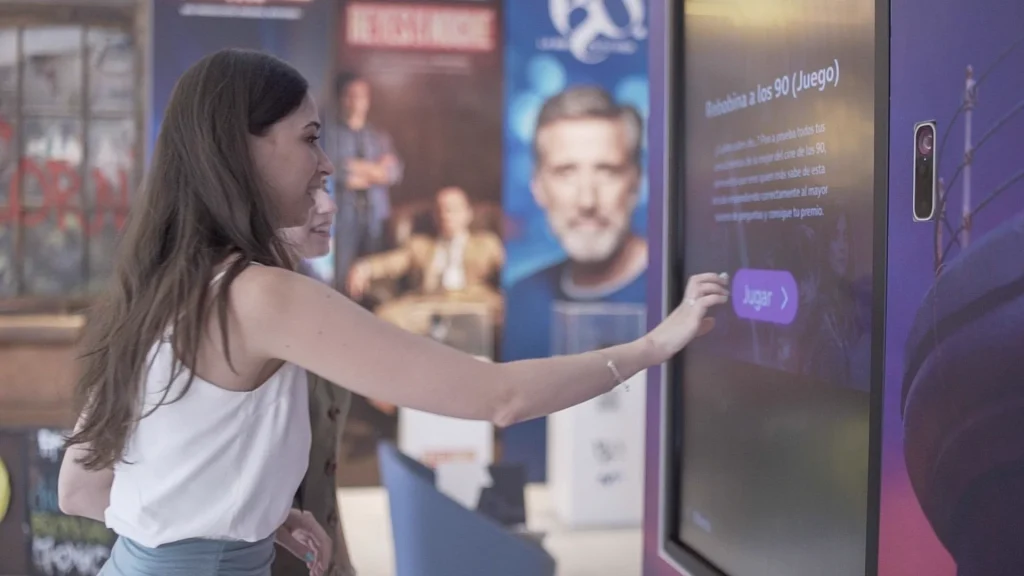
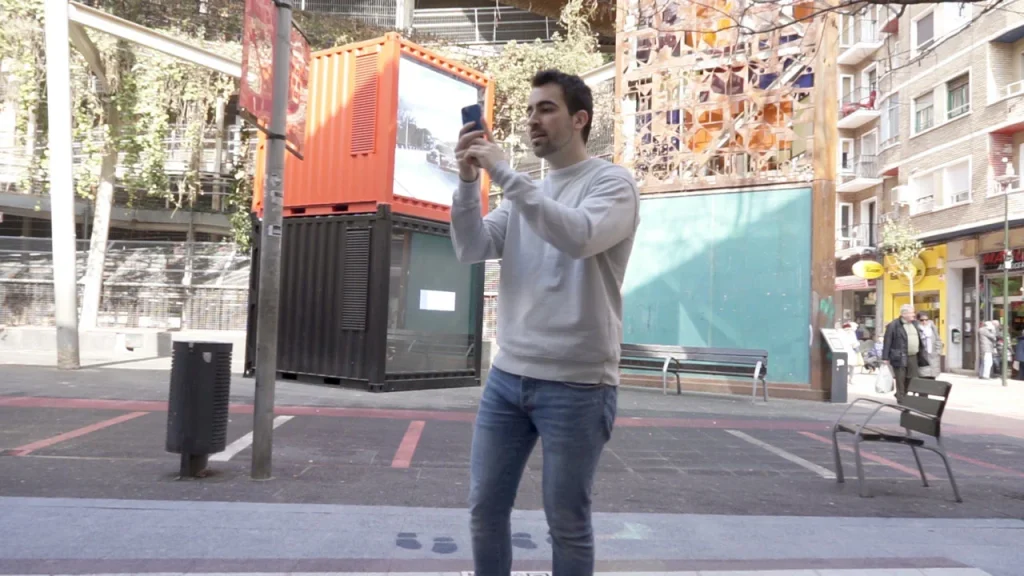

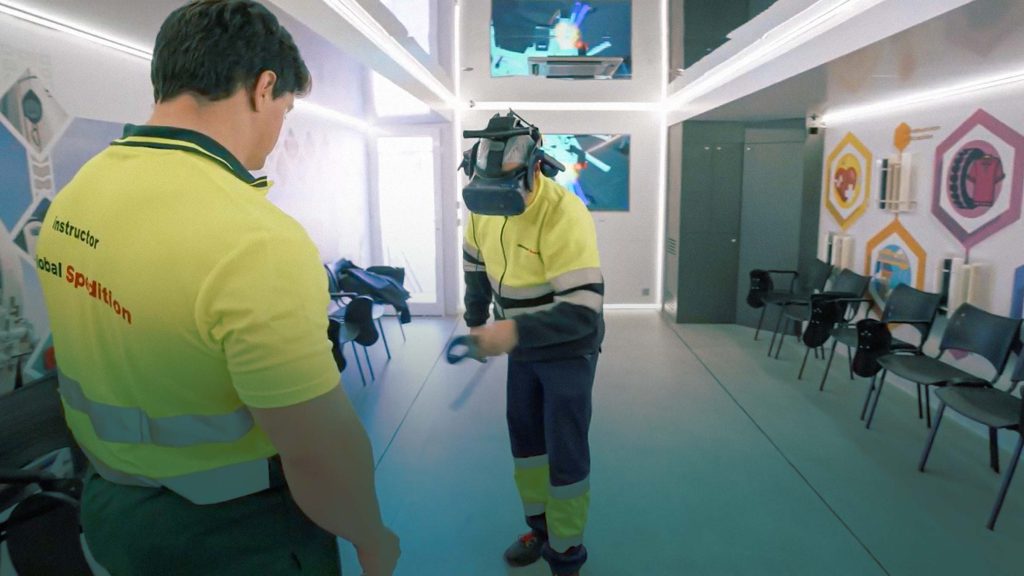
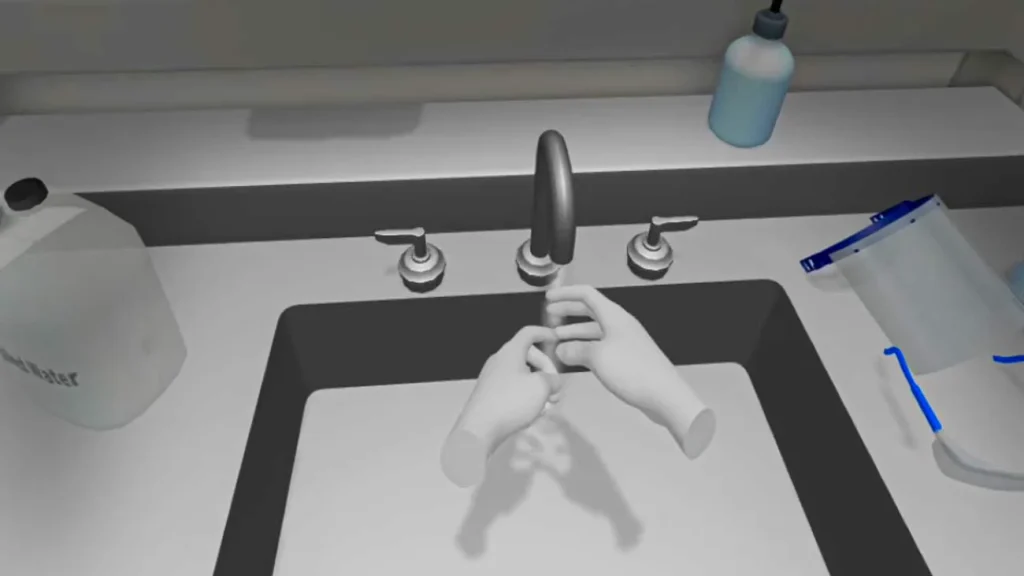
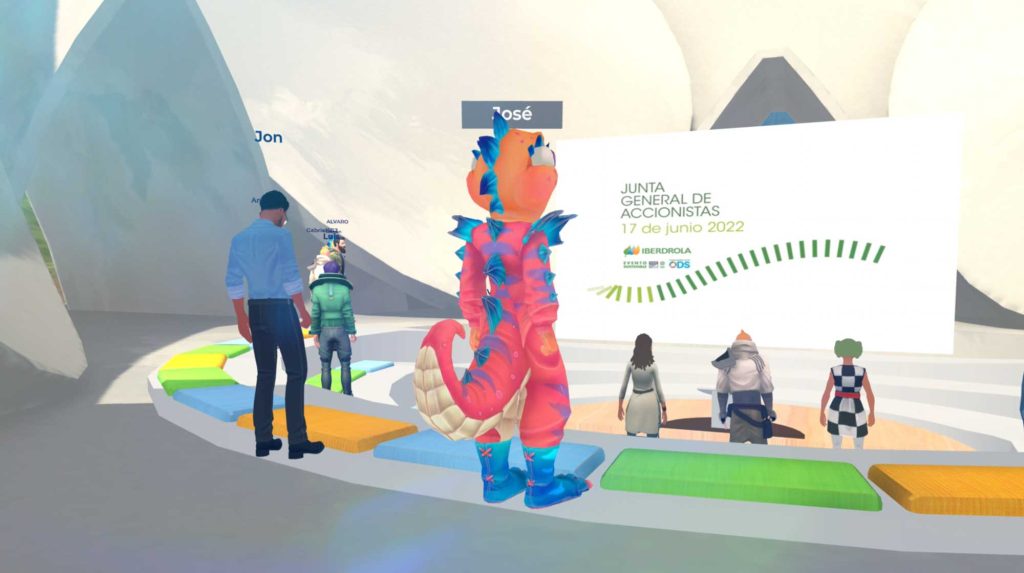
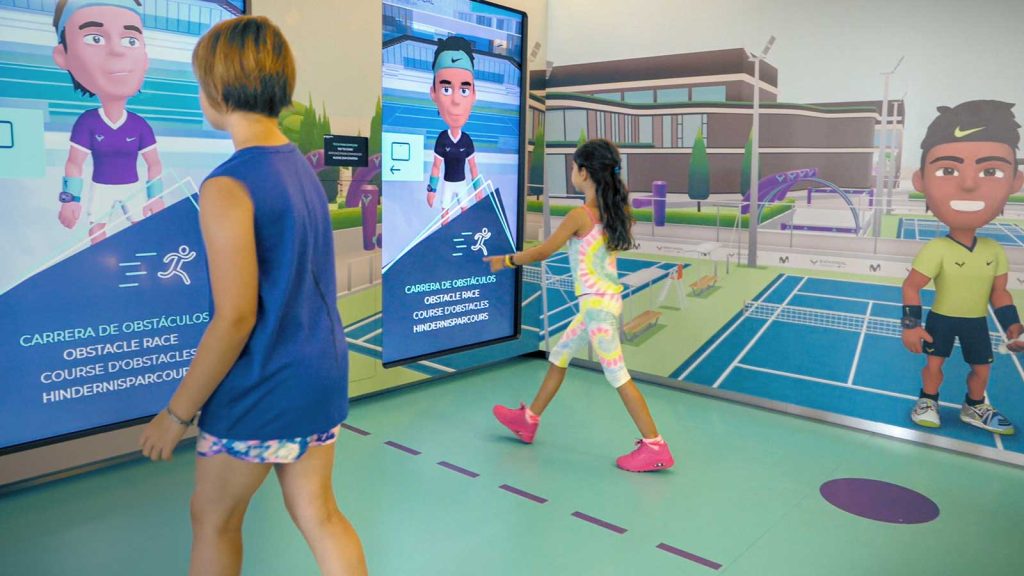
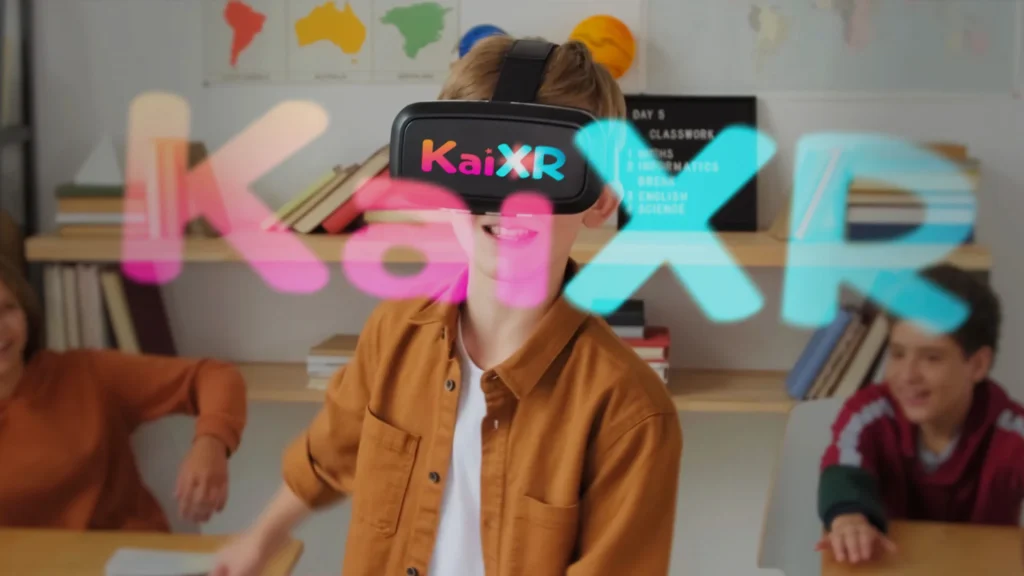
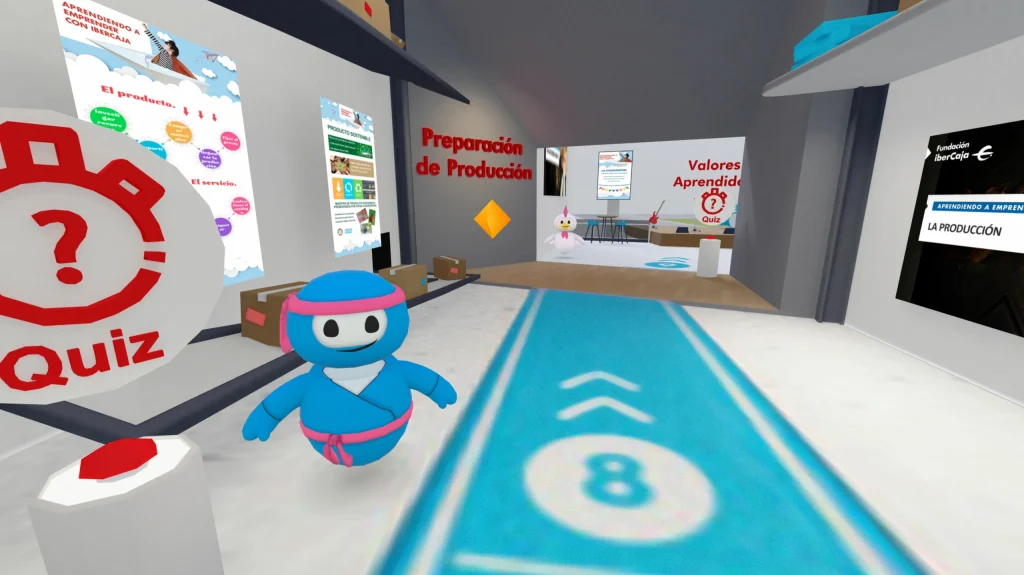
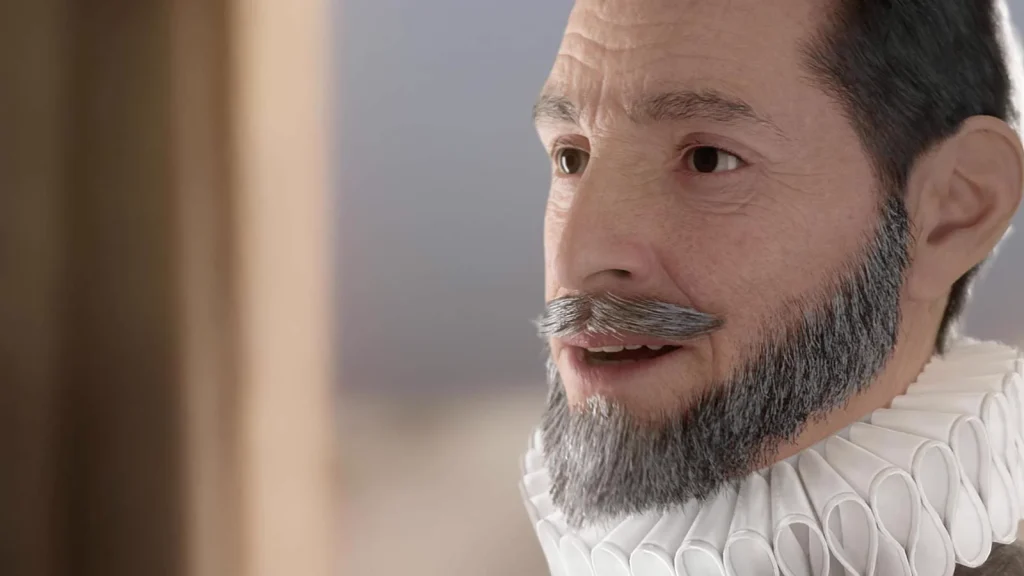
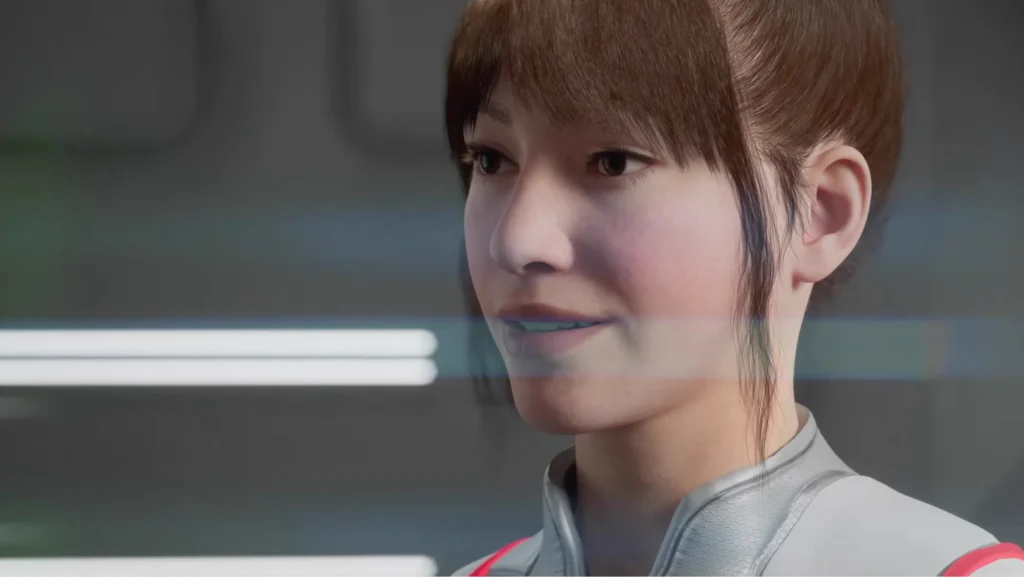
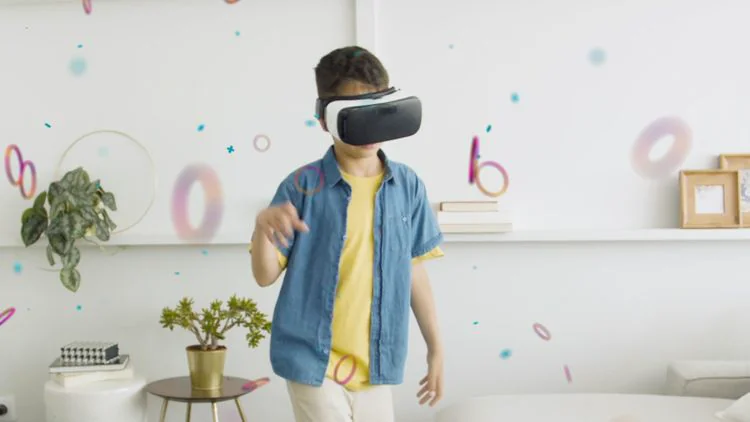
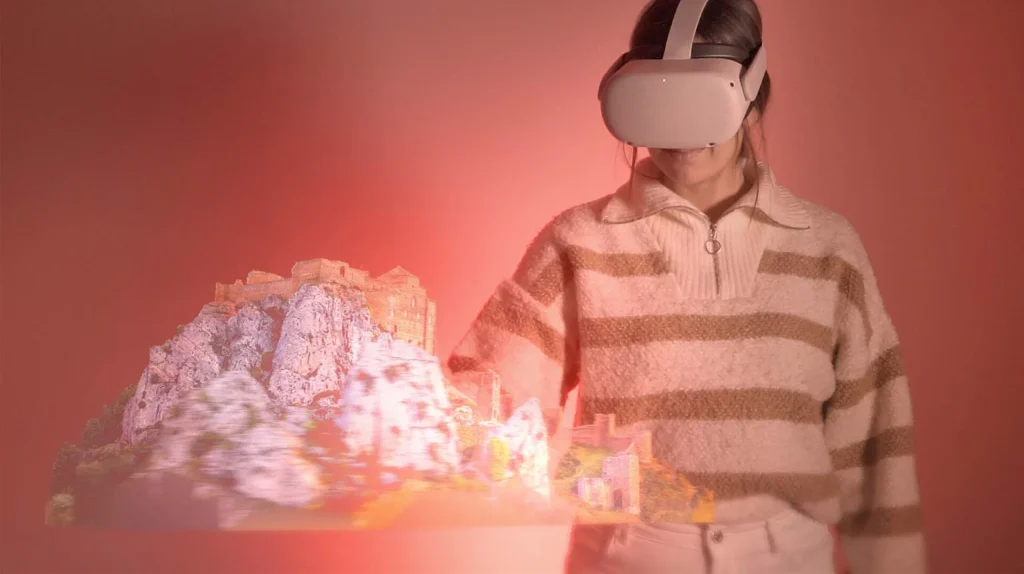
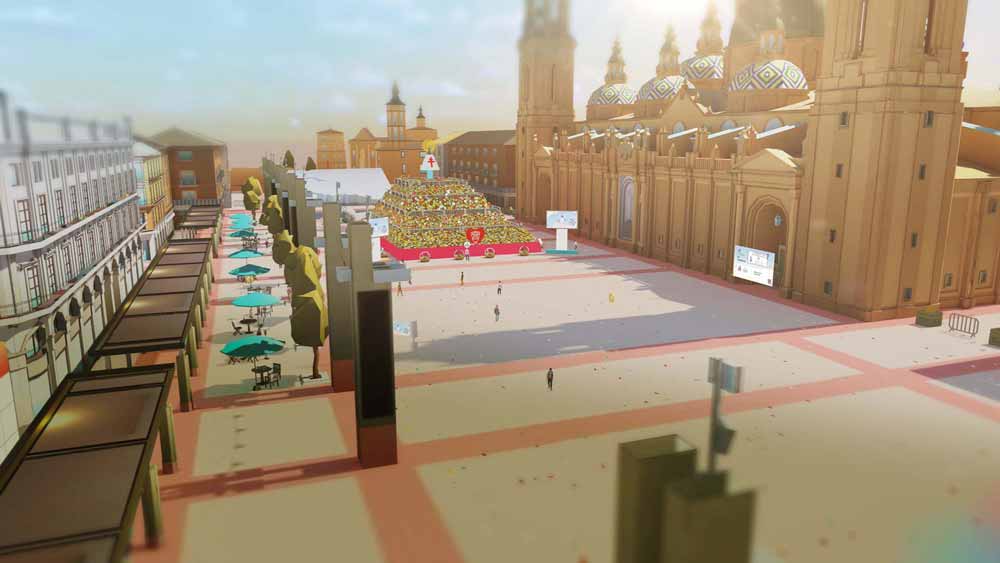
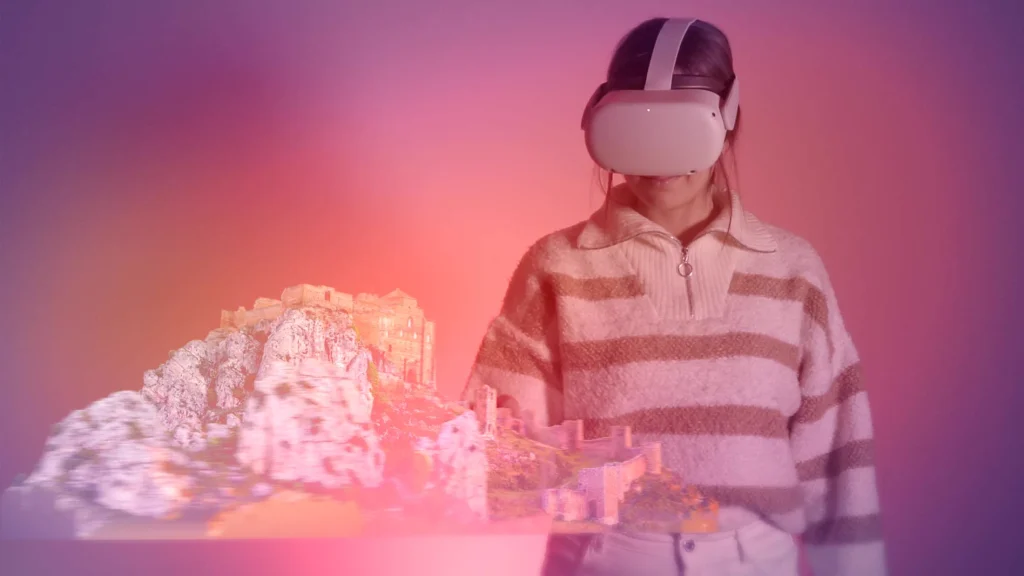
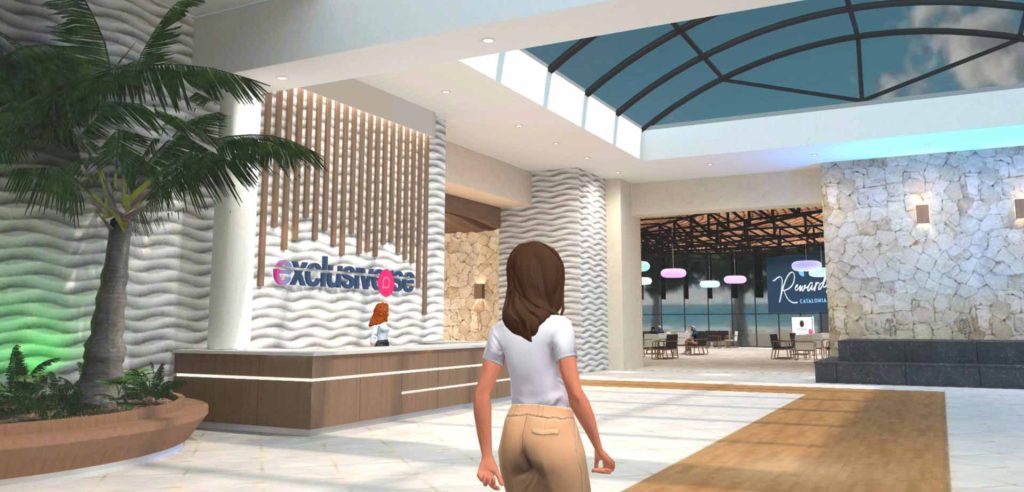

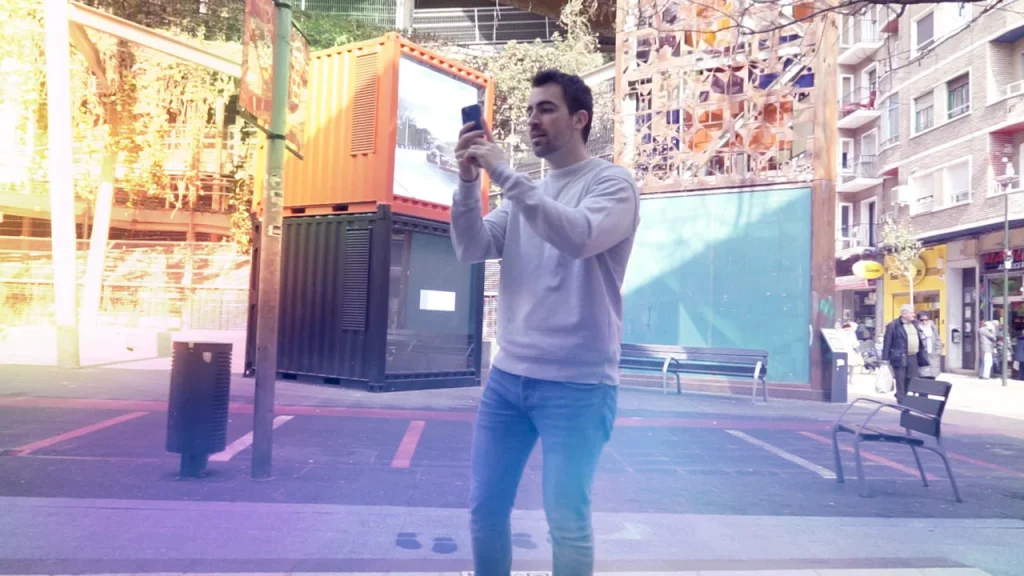

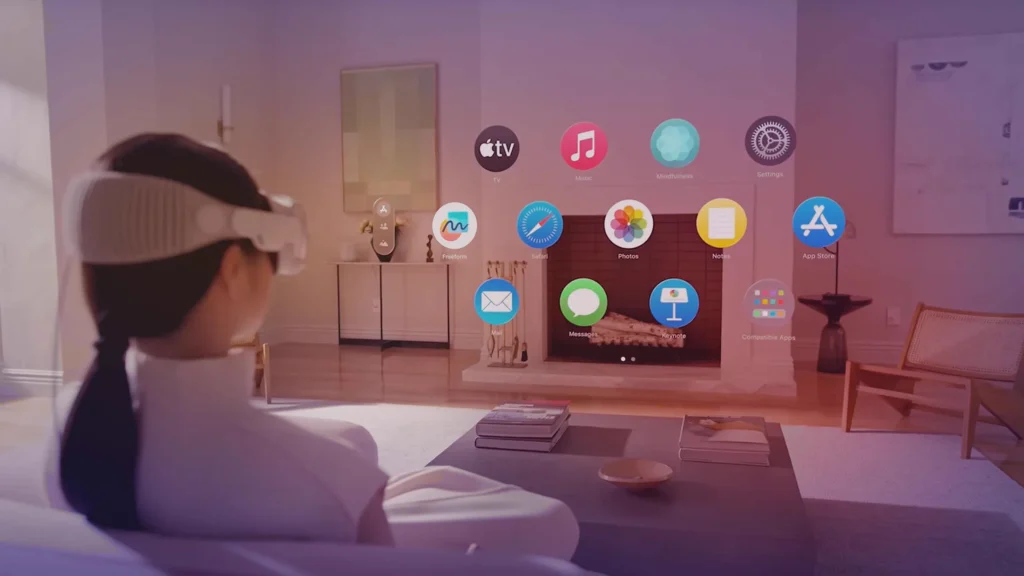
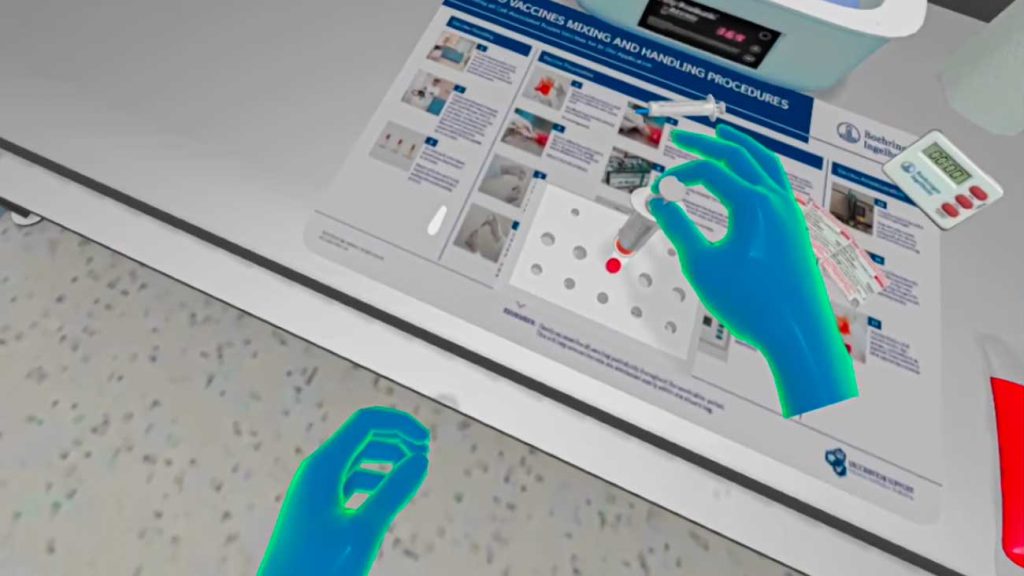
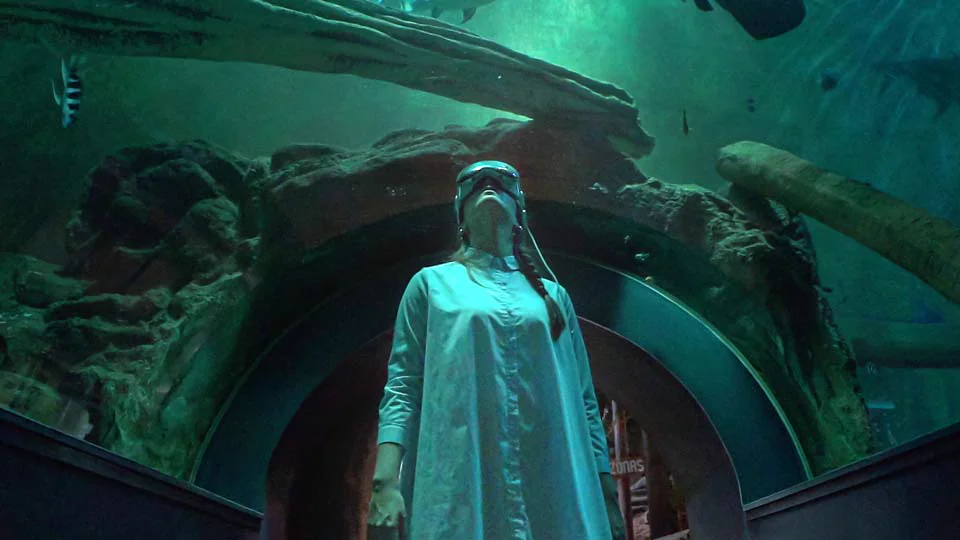
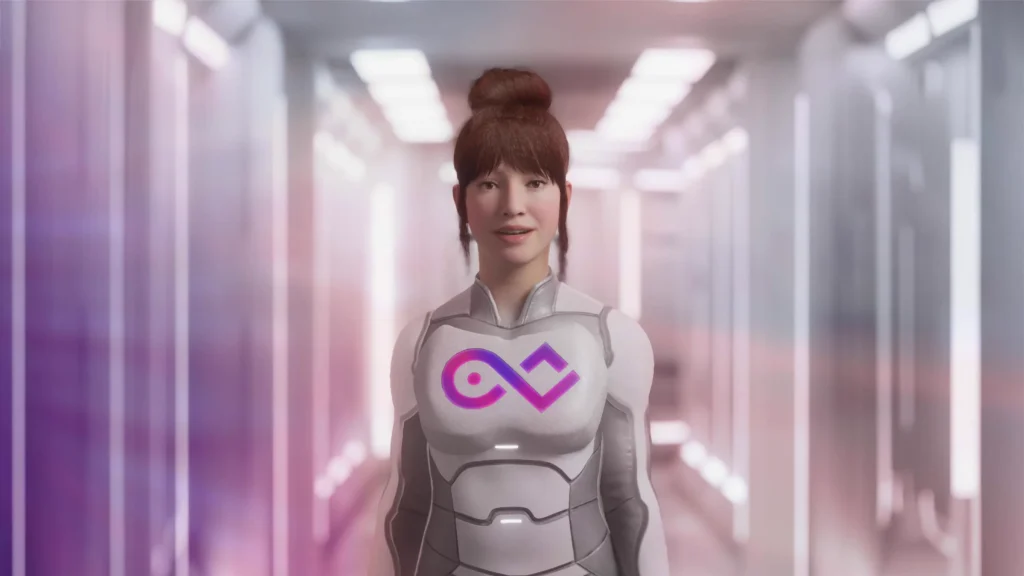
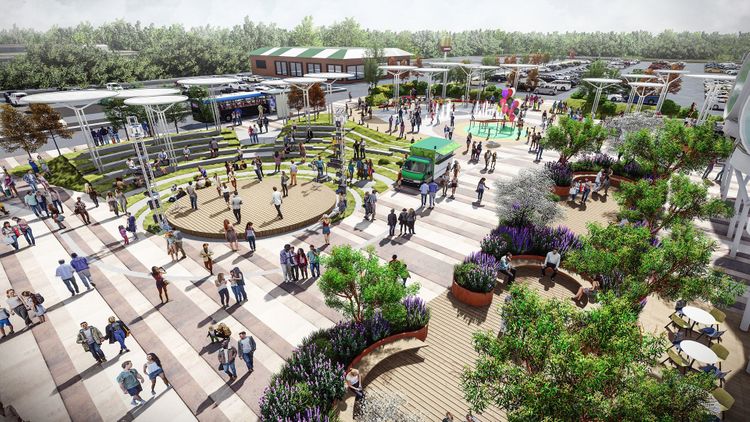

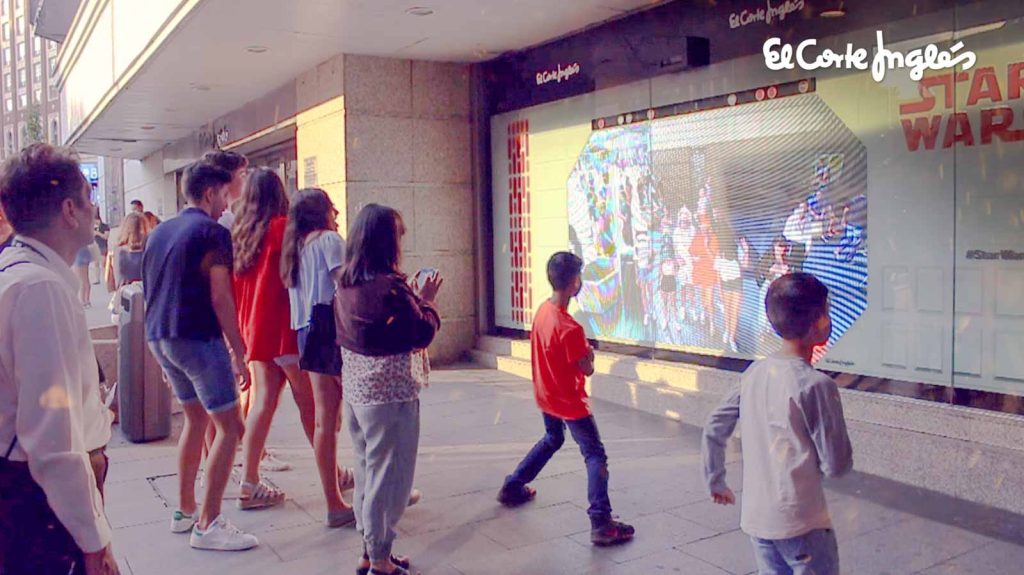
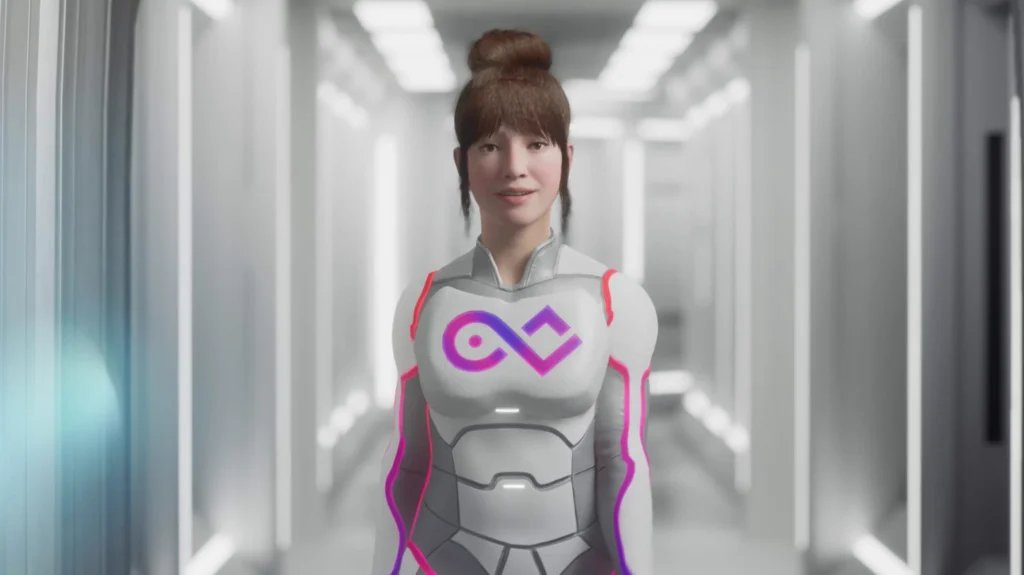

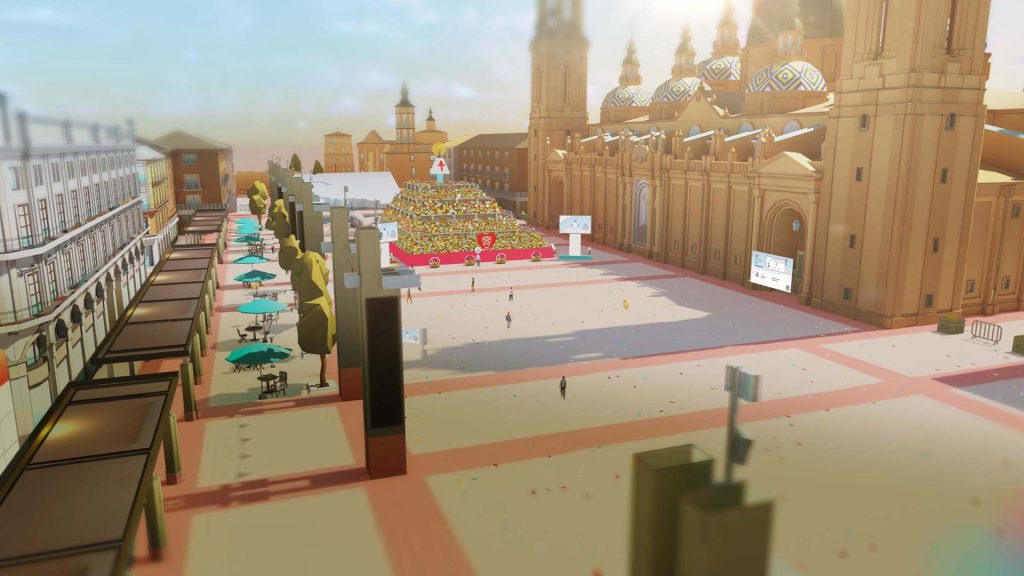
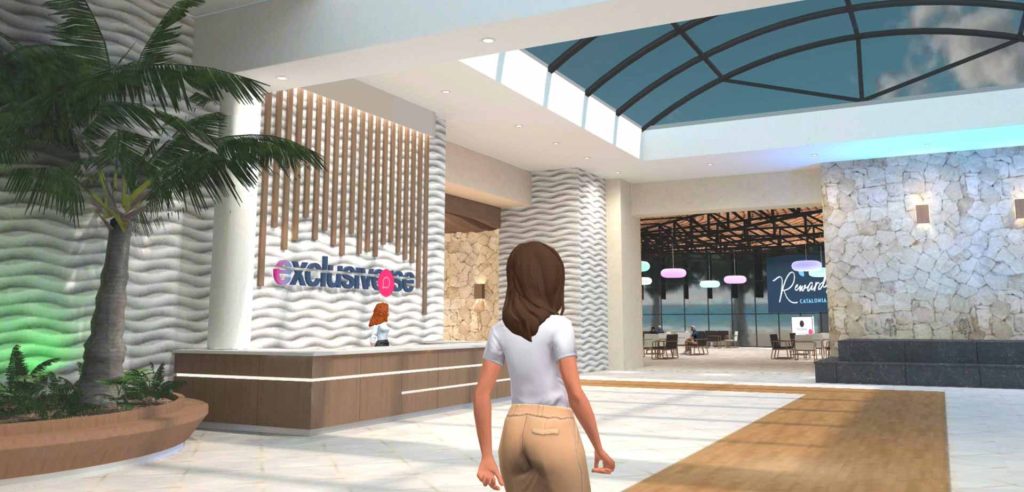
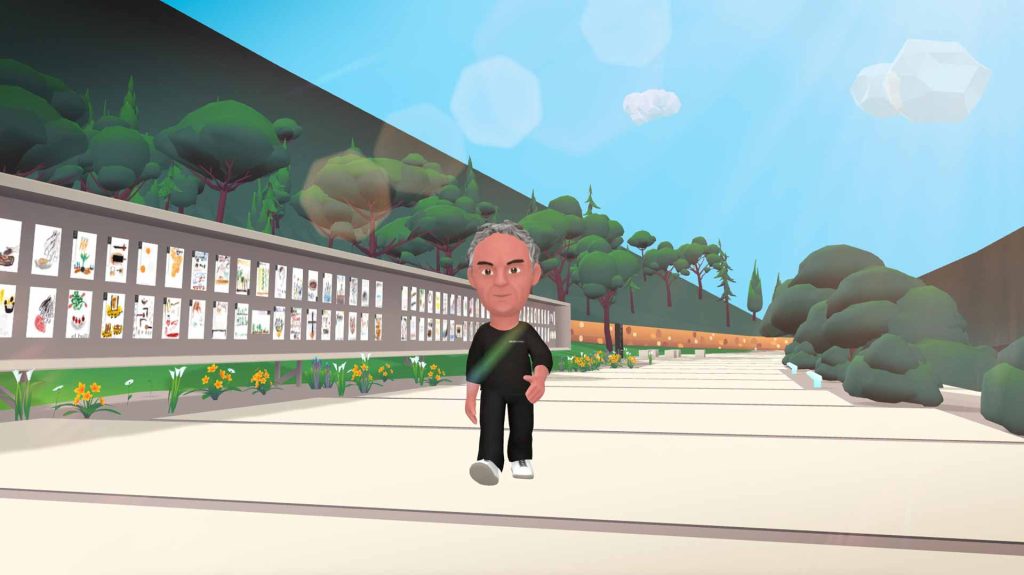
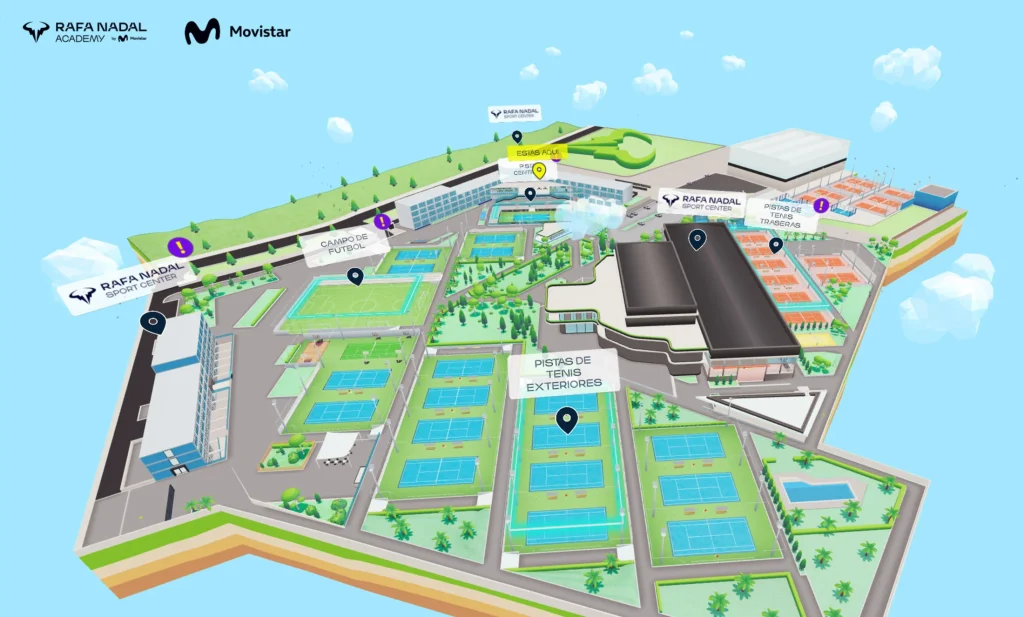
 Spanish
  English