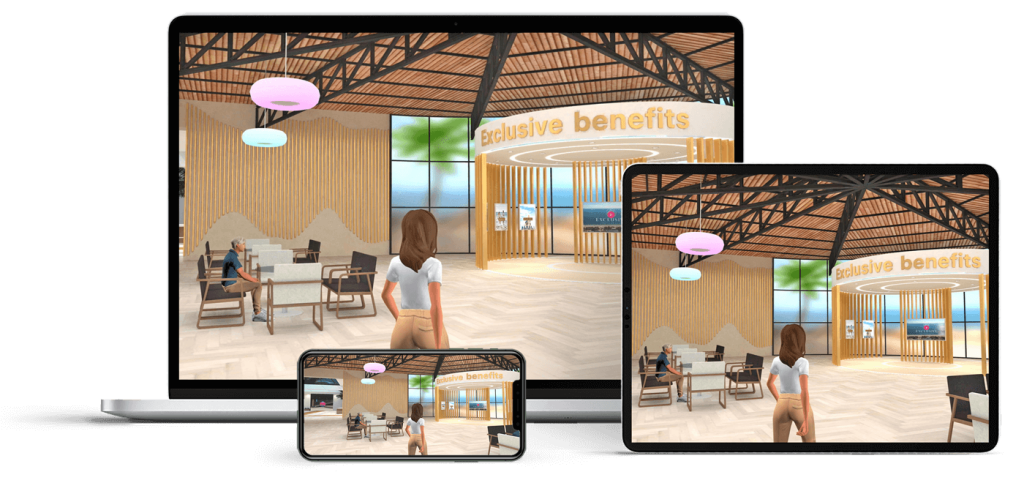
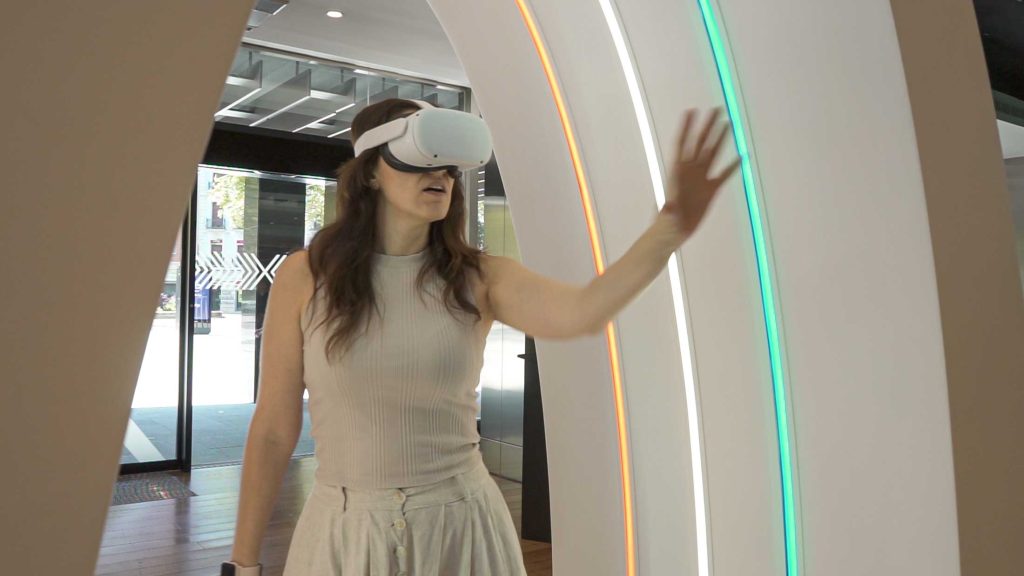
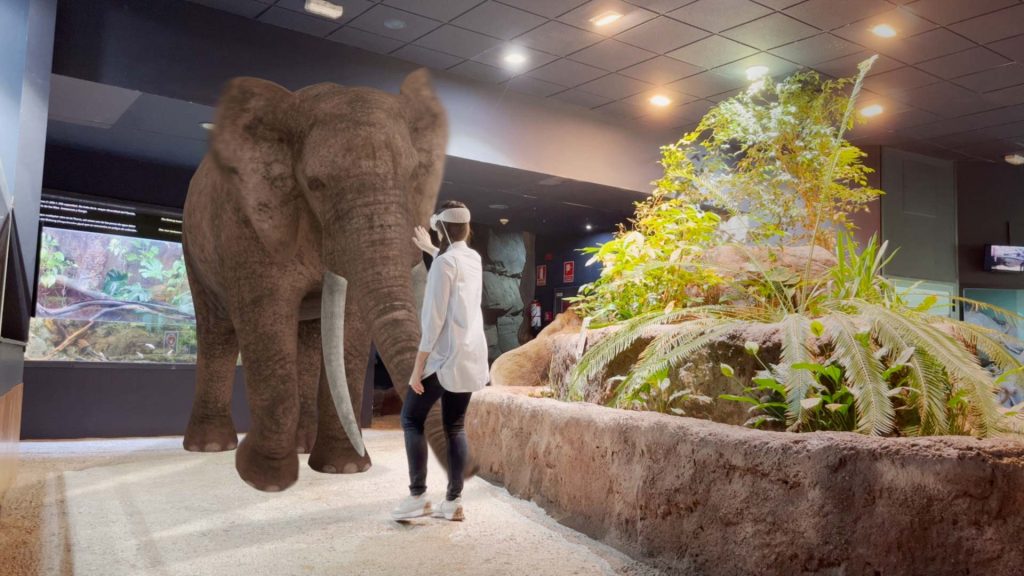
The virtual universe of interconnected worlds is already a reality, and as companies we must be ready to take the leap into this new digital era. This concept, born in the science fiction novel Snow Crash, written by Neal Stephenson in the early nineties, has become one of the biggest technology trends in recent years. It marks the start of the race for the new 3D Internet, for the new human-machine interaction that is beginning to be part of our daily lives. Without a doubt, the Metaverse is revolutionizing the technology sector, changing the strategy and business model of all kinds of companies. Changes that would not be possible without the technologies that shape this virtual universe. In today's article, we'll focus on the 5 key technologies the Metaverse is built on, the new virtual universe that sectors as important as commerce, entertainment, leisure, culture and education are moving into.
The rise of the latest technologies in the Metaverse
The Metaverse can be defined as a great virtual world composed of multiple interconnected digital worlds. Where we humans interact socially and economically through virtual avatars , NFTs and cryptocurrencies into digital experiences that go beyond the static websites we all know, to truly immerse ourselves in interactive 3D spaces and gamified . The central idea of this new ecosystem is humanizing the virtual world and our digital presence thanks to the incorporation of the latest innovations in the field of Virtual Reality , Augmented Reality , web3, multiplayer system and Blockchain technologies. The rise of the Metaverse and immersive technologies that shape it comes from the digital transformation that our companies and our society are experiencing. The digital world has become a point of connection and the main source of income for a large number of companies. It will become increasingly important. In addition, our relationships are increasingly digital, thanks to the impact of e-commerce, social networks and teleworking. With the Metaverse, these interactions go one step beyond the screens, to more immersive, interactive, and humanized experiences in the virtual world. If you like, you can learn more about this new digital world at What is the Metaverse: Everything you should know about it .
Key technologies driving the Metaverse
Metaverse , Extended Reality , Spatial Computing ... are different terms that refer to the same concept: that idea of extending reality, making the interaction between the real world and the virtual world more natural, more humanized. To this end, this technological trend is supported by 5 key innovations in the technological world . Disruptive technologies whose integration brings out the full potential of the Metaverse ecosystem.
Augmented Reality
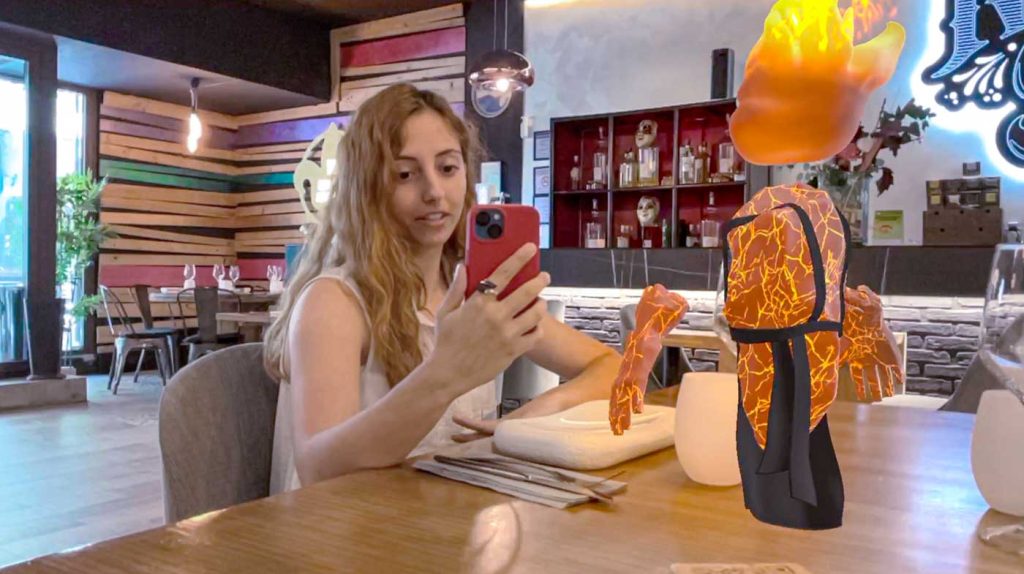
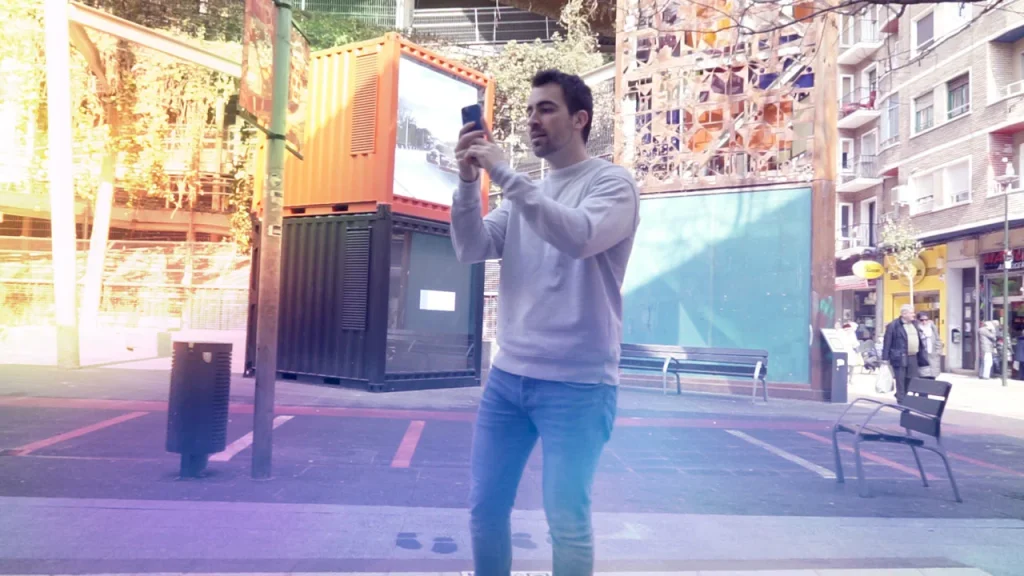
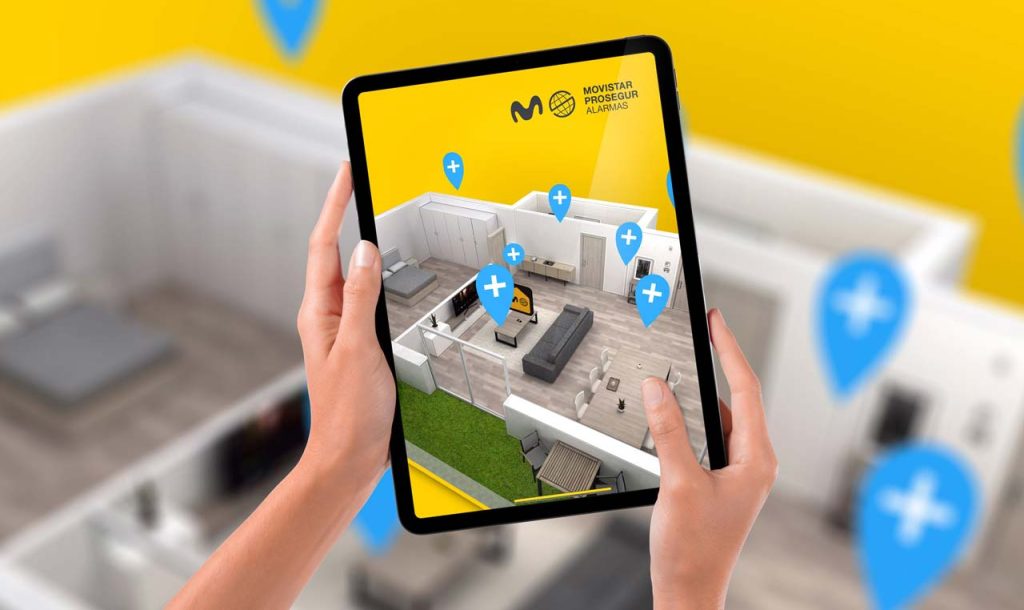
Augmented Reality is fundamental in the development of the Metaverse, as it allows virtual elements to be superimposed on the real world, enriching the user experience . Thanks to this immersive technology, the real and virtual environments are intermingled, creating interactive experiences that are accessible from several devices at the same time: from cell phones and tablets to Augmented Reality glasses. This synergy between Augmented Reality and Metaverse is pushing the boundaries of how we interact with our environment, merging the digital and the physical in innovative and practical ways. As in the AR experience and Lacasitos marketing campaign , where inside its famous tubes were hidden some amusing characters that came to life in the real world thanks to Augmented Reality.
Virtual Reality
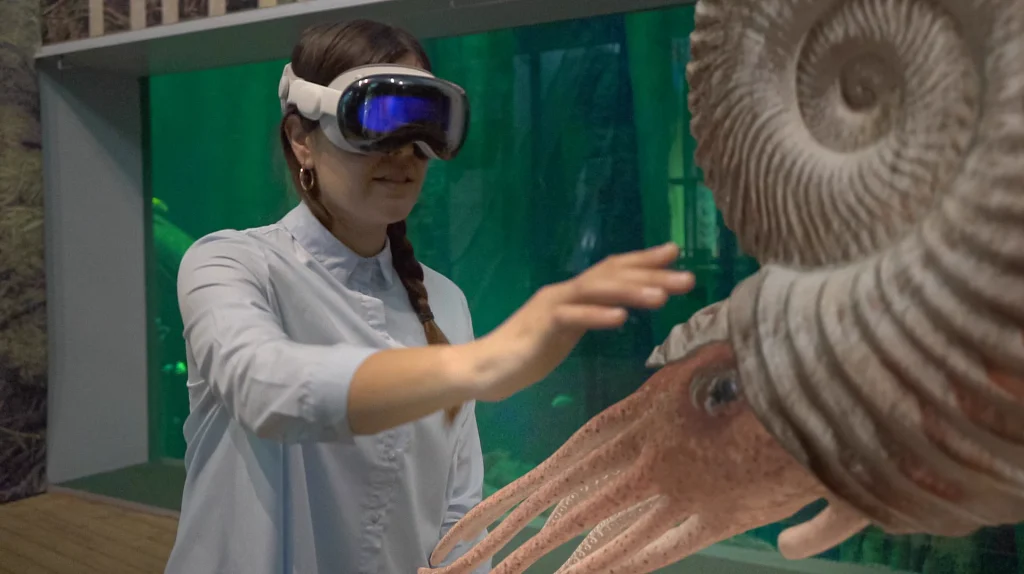
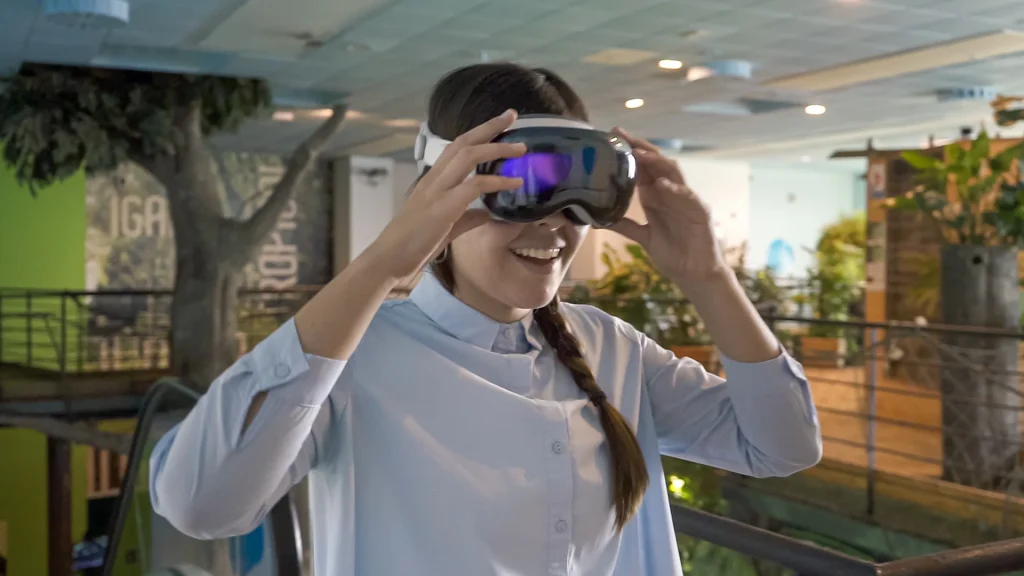
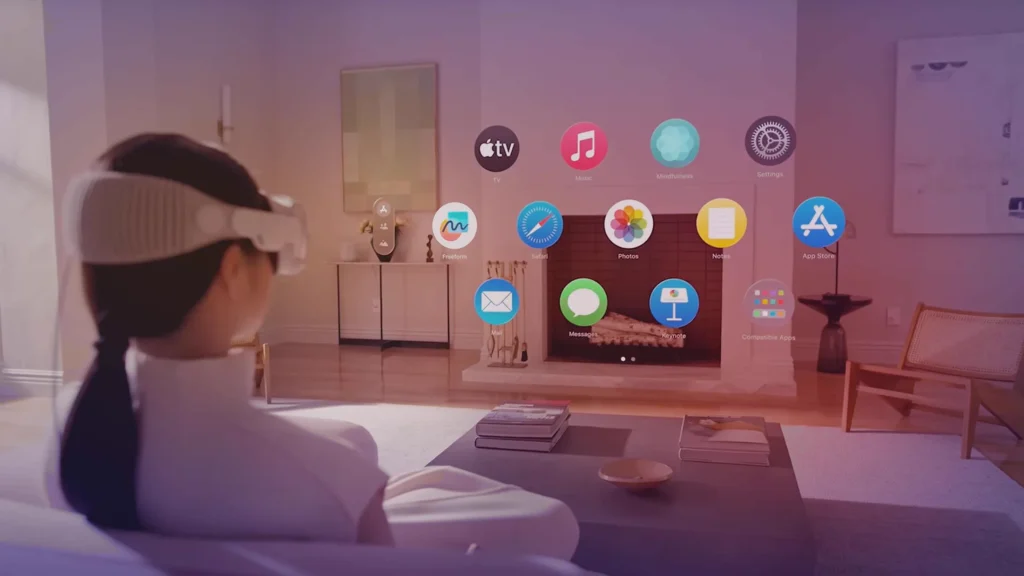
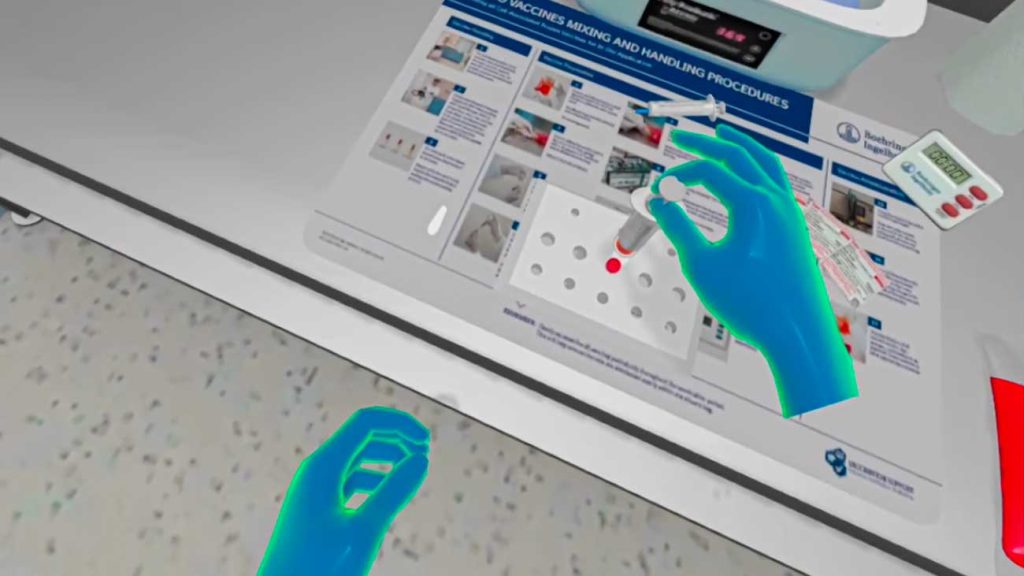
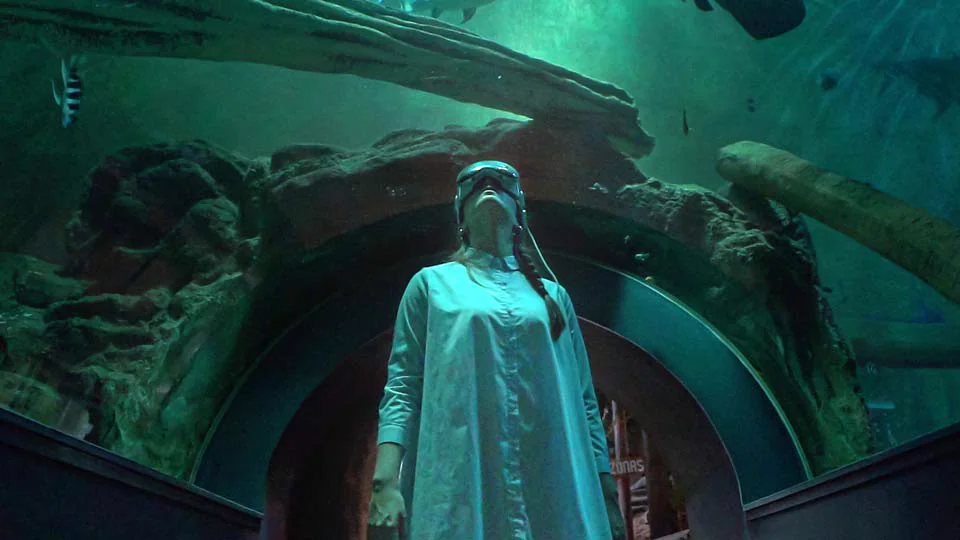
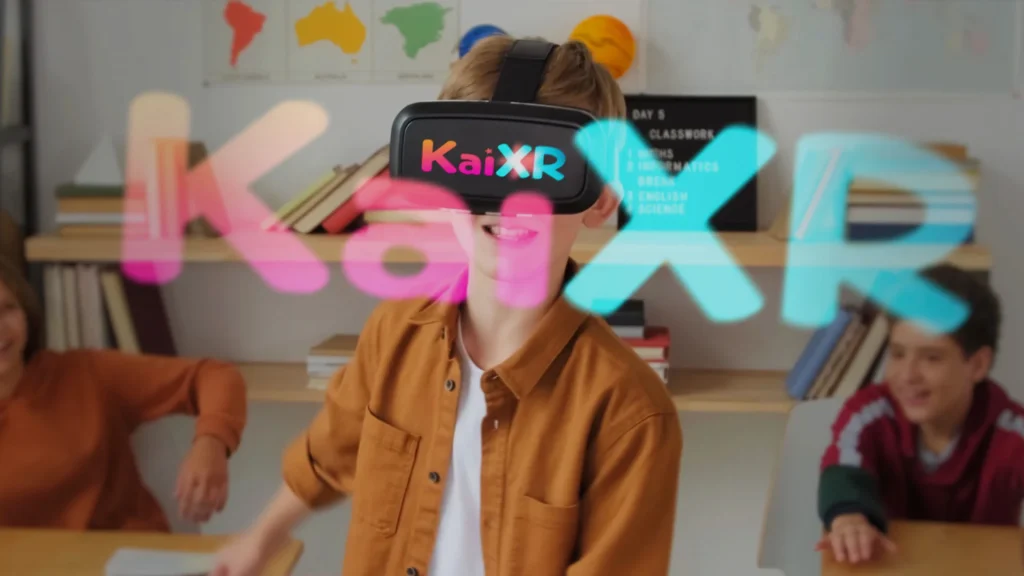
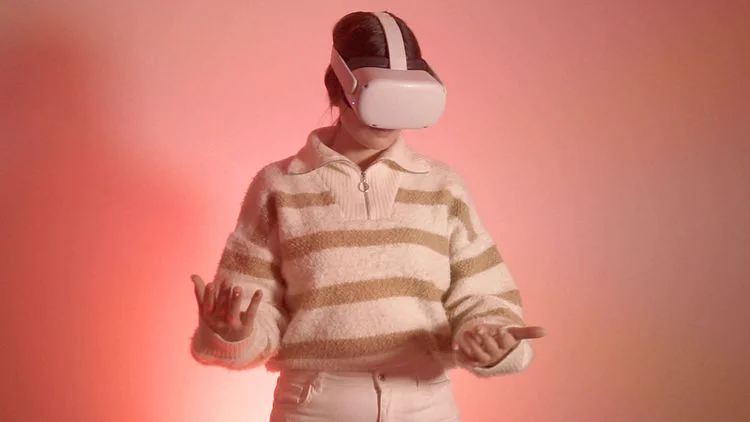
Virtual Reality is an essential component of the Metaverse, providing the infrastructure necessary to create fully immersive environments that users can explore and interact with. We, the users, are the ones who decide where to focus our attention. By offering a detailed and immersive simulation, Virtual Reality allows users to enter the Metaverse, redefining digital interaction. Our senses cease to perceive the real world thanks to the total immersion through Virtual Reality glasses (HMD or Head-Mounted Display) and its accessories. This integration between VR and the Metaverse is setting a new standard for entertainment, education and virtual meetings, making previously unimaginable experiences possible. Experiences such as KAI XR, an educational platform in Virtual Reality where every child can enjoy different learning experiences focused on history, science or geography , to discover the pyramids of Egypt or to see how a NASA rocket launch is prepared.
Artificial intelligence
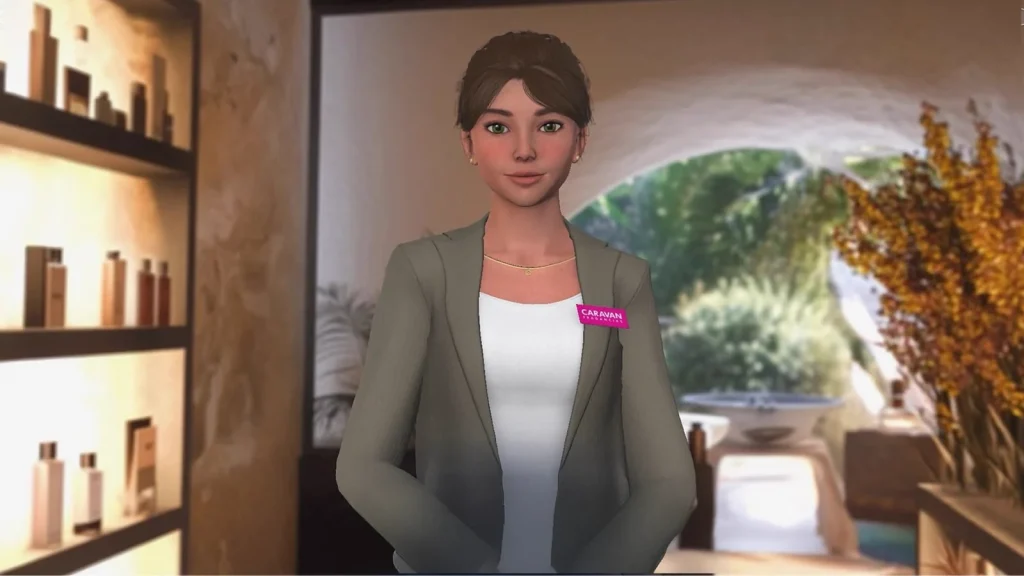
Artificial Intelligence is starting to influence content and developments in the Metaverse. The combination of both technologies revolutionizes the virtual world as we know it. AI is crucial to the Metaverse, as it powers the creation of dynamic environments and non-player characters (NPCs) that respond realistically to human interactions. Through the use of Artificial Intelligence, the Metaverse can offer personalized and adaptive experiences . AI is a powerful tool that learns and adjusts to the preferences and behaviors of each user. An AI success story can be found in V-E-G-A , an AI-enabled avatar that teaches about technology and can be accessed from web browsers, physical totems and virtual experiences in the Metaverse.
Internet of Things
The Internet of Things (IoT) refers to the network of interconnected devices that collect and transmit data over the Internet, enabling the integration and automation of processes. IoT enriches the Metaverse by connecting devices from the physical world with the digital universe, allowing real information to influence virtual environments, and vice versa. Through the IoT, you can integrate real-time usage and behavioral data into the Metaverse . The accuracy and relevance of the simulations are improved, digital twins and interactions. This convergence enables a more synchronized and coherent experience between the physical and virtual worlds, expanding the possibilities for interaction and immersion in multiple sectors.
Blockchain and cryptocurrencies
Metaverse benefits from technology integration Blockchain, both in the control and security of socio-economic transactions carried out within the virtual world. Both the Blockchain and cryptocurrencies provide a secure, decentralized infrastructure essential for transactions and asset ownership within the metaverse, ensuring authenticity and transparency. These technologies enable Metaverse users to buy, sell and trade virtual goods with full verifiability and traceability. Fundamental to establish a robust digital economy . In addition, Blockchain fosters the creation of smart contracts and decentralized governance, facilitating more complex and automated interactions in Metaverse environments. You may be interested in → Metaverse and Tourism: revolution in the sector
Challenges of Metaverse Technologies
The Metaverse is currently under construction. Little by little, companies have been developing and moving our actions to the Metaverse, integrating the different technologies we have seen throughout the article. This step towards the 3D Internet and virtual universe present several challenges and opportunities that are important to consider when developing these immersive experiences. User adoption, cost optimization, privacy and security, and interoperability between different platforms are some of the key points that are marking the lines of work of this new technology. Incorporate the Metaverse and its technologies in the value proposition and business model is crucial for companies. It offers a revolutionary environment for business innovation , redefines customer interaction and experience and opens up new opportunities for growth in the digital world.
Business Metaverse developed by Imascono
At Imascono we are aware that the future of companies goes through the Metaverse and by the adoption of these technologies that shape it. Artificial Intelligence, IoT, Blockchain, AR/VR experiences... That is why we have a whole area specialized in the development of experiences for the business Metaverse called Business To Metaverse. Thanks to our team of engineers and designers, our proprietary working methodology and the experience of more than 12 years of activity in the Metaverse area and immersive technologies, we have accompanied companies such as Telefónica, Iberdrola, Rafa Nadal Academy, elBulliFoundation or Metrovacesa in their leap to this new 3D Internet. Do you need a project in the Metaverse? ¡ Contact us at !
Digital leisure as a new form of entertainment
Digital leisure as a new form of entertainment
A new way to have fun and enjoy our free time has arrived. The digital leisure has been a trend since the expansion of the Internet and the growth of the world of video games, social networks and streaming platforms. Now, this trend goes one step further with the incorporation of new immersive technologies. Where entertainment goes from storytelling at storyliving . From being mere spectators to being part of the action. In today's article we are going to take a closer look at the concept of digital leisure and its linkage with the Extended Reality the Spatial Computing and the Metaverse . In addition, we will learn about some of its the most important success stories, as well as the benefits it brings to both users and companies.
What is digital leisure?
We understand as digital leisure all forms of entertainment that take place in the online world and/or through mobile/electronic devices. This type of entertainment takes advantage of the capabilities of the internet and digital technologies to connect with the audience, personalize content and encourage both the creation and consumption of all types of multimedia content. Watch series and movies on streaming platforms The new technology is also a great way to create and consume content on social networks, play online video games and explore immersive experiences in AR/VR are just some of the proposals. Digital entertainment has transformed the way people enjoy our free time, connect with culture and, above all, the way we socialize. Opening up a new range of opportunities for entertainment companies and the corporate world in general, for connect with your users/customers . You may be interested in → Augmented Reality in advertising with interactive content .
Types of entertainment in digital leisure
Technology is radically transforming entertainment . The first leap was the Internet and the birth of social networks and streaming platforms that made our way of relating to each other and enjoying our free time increasingly digital. However, since the advent of the Metaverse and the expansion of the Virtual Reality and Augmented Reality Immersive technologies are redefining the way we interact with digital entertainment. It is no longer just about consuming content, but also about fully submerge in it. Next, let's take a look at the The most important types of entertainment within the digital leisure trend.
Social media
Social networks have become one of the fundamental pillars of digital entertainment, offering a platform where users can consume , create , connect and share their interests. A digital-social world where entertainment content is shared in real time, communities are created and a wide variety of multimedia content is accessed: photos, videos, articles, podcasts. And even interactive games and Augmented Reality experiences developed by the brands themselves, such as the case of Adobe who did not hesitate to use the RRSS and the AR filters to promote its macro-event Adobe MAX in Los Angeles.
Streaming platforms
Streaming platforms have revolutionized digital entertainment by providing instant, on-demand access to an extensive library of audiovisual content, including movies, series, documentaries and music. This accessibility has radically changed the entertainment consumption habits . These platforms have driven the original content production The company is diversifying the options available and proposing a personalized, user-centered consumption model. A consumption of multimedia content that can be made through screens or through immersive Virtual Reality experiences as in the case of KAI XR Platform the VR streaming platform focused on educational content for children.
Video games
Video games have grown exponentially thanks to the Internet, the development of high-definition graphics, Virtual Reality and global connectivity, offering increasingly immersive and accessible worlds . In addition, video games are increasingly focused on creating experiences in which players can socialize, collaborate, and compete, creating a sense of belonging that goes beyond the game itself. This sense of belonging generated by video games can also be exploited at the corporate level, as in the case of the Foster Hollywood's virtual escape room, The Other Side for the scariest night of the year. A immersive mobile experience in which users have a mission: to prevent zombies from crossing the border between the virtual world and the real world.
Virtual Reality
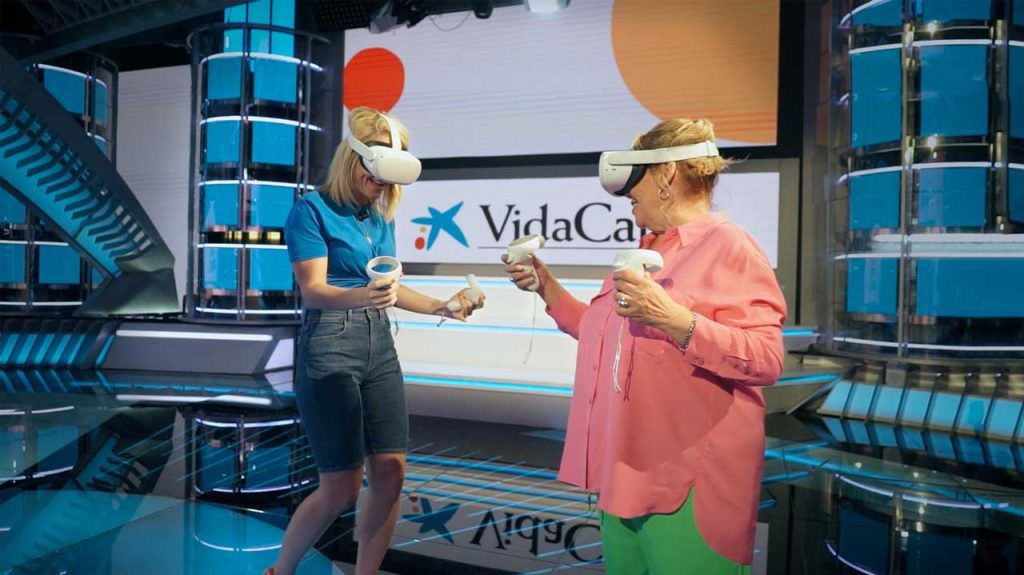
The Virtual Reality is a before and after in the way in which we consume multimedia content, where the immersion in the action makes the fourth wall disappear to immerse us inside the entertainment universe. A change that becomes a reality, moreover, because it involves all of our body, movements and senses . VR glasses and other haptic devices make the experience much more realistic, allowing you to create new and amazing adventures. As in The Twists and Turns of Life the audiovisual production of VidaCaixa and Movistar Plus which becomes the first Spanish filming in the Metaverse. In addition, viewers can join the experience and enjoy exclusive content and challenges.
Augmented Reality
The new era of digital leisure and entertainment is not only about replacing face-to-face with virtual. It is also about completely revolutionize the actual experience . Thus, thanks to the Augmented Reality the user has more control and information about the show you are watching live . You can choose new angles from which to enjoy the event, see all kinds of additional information overlaid and even enjoy a much more immersive show by being able to add special effects and animated characters as if they were actually there. As in the Connected Art where culture, art and leisure come together thanks to technology. Thanks to the AR website you will be able to discover great experiences in the different Commercial Strolls of Zaragoza.
Phygital experiences
The concept of phygital, the fusion of the physical and the digital is also transforming digital entertainment by combining the advantages of the online world with the close relationship with the user that is achieved in face-to-face experiences. The phygital leisure not only enriches the user-content interaction, but also strengthens the emotional connection and consumer engagement, creating a new paradigm in how we experience entertainment. An example of the phygital potential can be found in the Frozen Emotion immersive experience where, by combining the Virtual Reality with the physical bridge, the users feel the a drenaline to cross a bridge high in the mountains and ski down. You can to go deeper into the subject at Phygital as a new dimension in user experience .
Benefits of digital entertainment
Throughout this article we have been learning about some of the advantages and benefits offered by digital entertainment, both to companies in the entertainment sector and to the business world in general. In this section we would like to summarize the 6 main benefits of digital entertainment:
Emotional connection. Digital leisure allows companies to develop immersive, unique and personalized experiences that create a strong emotional connection with users. Driving brand engagement with interactive, entertaining content.
Differentiation. In a market saturated with stimuli, innovative digital leisure gives companies the opportunity to stand out from their competitors. Creating unique digital content and developing novel technology experiences. All to capture consumers' attention and strengthen the brand image.
Positive impact. In this type of immersive experience, it is the user who takes the initiative to connect with the brand, which makes digital leisure one of the leading pull marketing strategies. The target audience is proactive and experiences these kinds of actions as a form of entertainment, not an intrusion, generating a strong positive impact in the consumer's mind.
Increased creativity. Digital leisure encourages creativity within the company and also outside it, with marketing and advertising campaigns that make a difference and generate impact among the target audience. Moreover, it allows exploring new ways to interact with customers.
Omnichannel. Digital leisure makes it easier to implement an omnichannel strategy, allowing companies to interact with consumers across multiple platforms and devices in a consistent, seamless way. Whether through mobile apps, social media or Extended Reality experiences, digital leisure ensures that the brand's message reaches a wide audience effectively, regardless of their preferred channel.
Gamification. The Gamification They use game mechanics to improve user engagement and motivation. By applying these principles in their products/services, marketing campaigns, and digital leisure experiences, companies can significantly improve customer engagement and satisfaction.
The future of digital entertainment
The future of digital entertainment is immersion. By immersion and by the further integration of advanced technologies as the Artificial Intelligence the Mixed Reality and Big Data, pushing the boundaries of the entertainment experience. Another key point is the content customization adapting digital entertainment to the tastes of each user. Creating experiences that can even change and adapt according to the experience that each individual wants to live. In addition, digital entertainment and leisure is expected to spread to other sectors. Through the Gamification sectors, such as education and healthcare, will leverage digital entertainment to improve student learning and patient treatment. On the other hand, the global connectivity and internet speed improvements The new technologies, such as 5G, will facilitate richer and more accessible digital entertainment experiences, democratizing access to digital entertainment.
Imascono de ocio digital relevant projects
Digital leisure is born from the commitment to the technology, the digital world and entertainment . Three key points that open a wide range of possibilities to connect with users and take fun to the next level. Throughout the article we have seen some examples, but here we want to show you the most surprising proposals for digital entertainment:
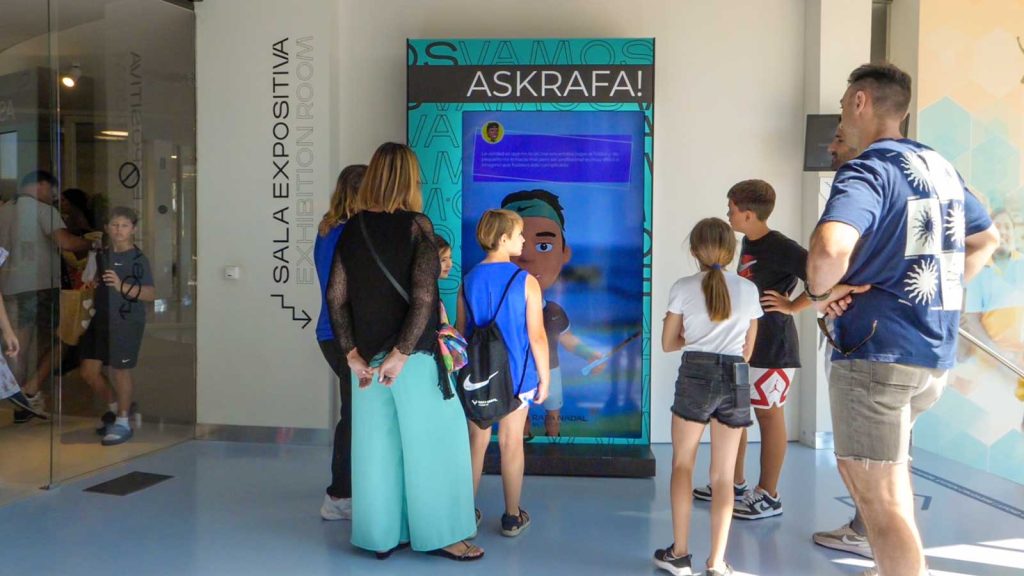
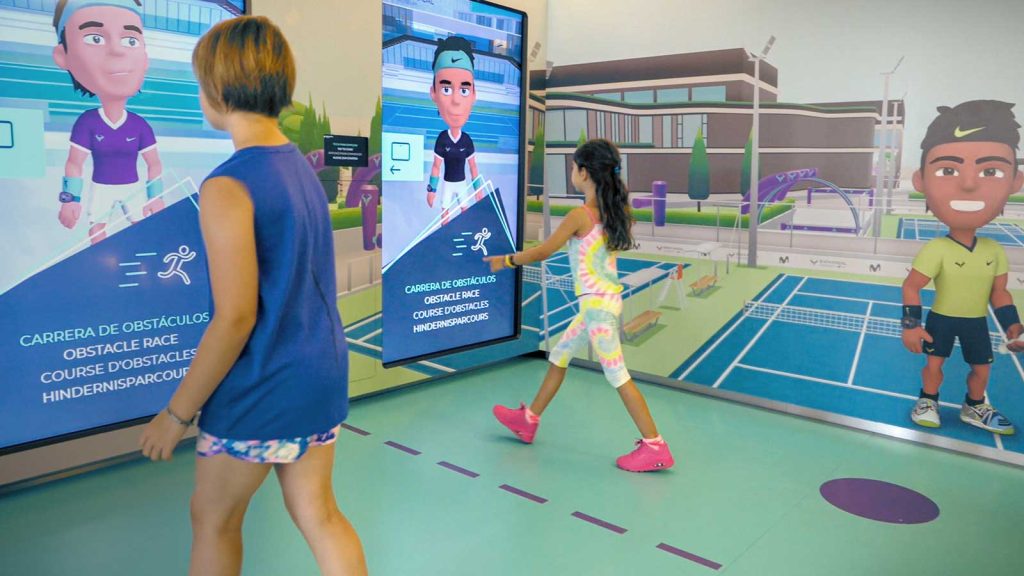
Digital leisure is also present in culture and museums. The best example? The commitment to technology and immersive experiences at the Rafa Nadal Museum in Manacor. A series of technology installations that stand out for their interactivity, use of the latest technologies and connection with visitors.
Another example of entertainment and digital leisure projects is the Augmented Reality scavenger hunt developed by Lacasitos. An AR game designed for the little ones, in which children have to catch their favorite characters on the streets of their city.
Digital leisure is also reaching more corporate sectors such as banking. Seeking to strengthen its connection with the brand, Ibercaja has committed to the remodeling and digital transformation of its headquarters. With a new Espacio Xplora that changes the perception of the company, proposes new activities and, thanks to technology, connects users with its products, services and new brand image.
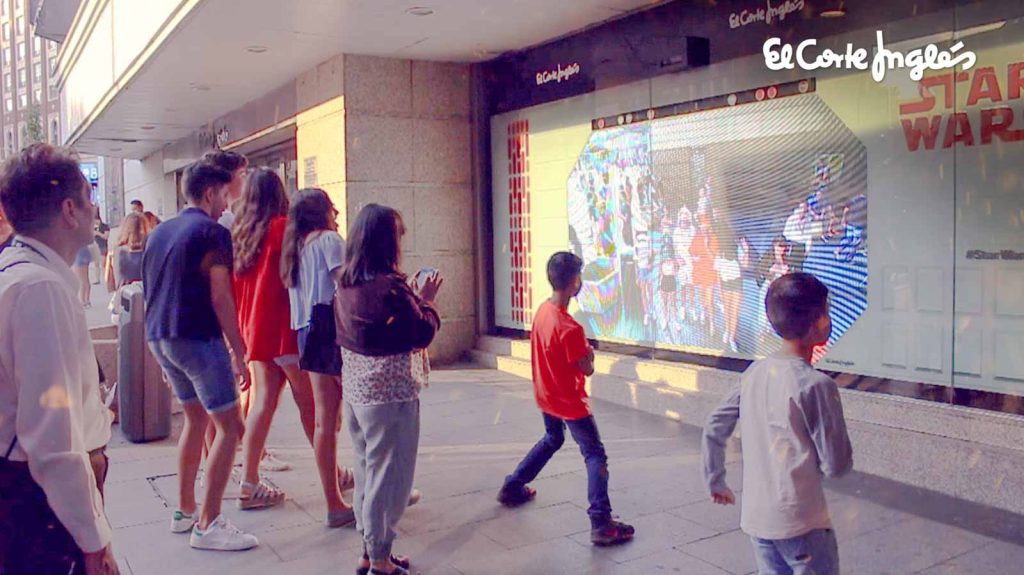
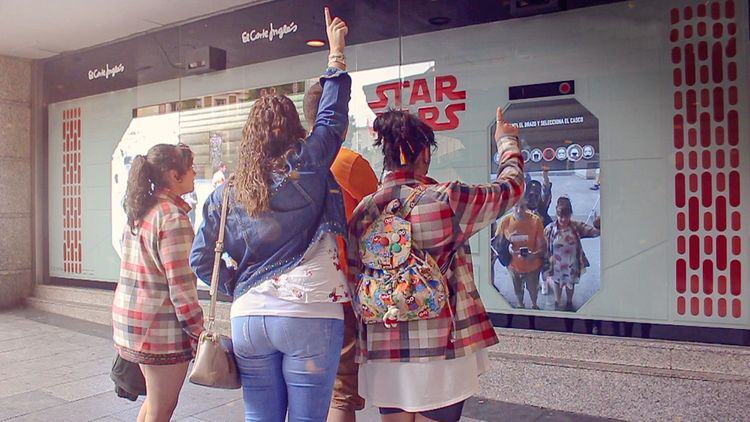
An example of the union between digital leisure and phygital experience that stands out for its creativity, originality, innovation and awards is the Disney and Star Wars immersive experience. Where users, as they walked past the AR storefront, were instantly transformed into one of their favorite characters from the sci-fi saga.
Another interactive Disney attraction is the Marvel Augmented Reality photo booth. A promotional and marketing campaign for the movie Thor Ragnarok in which superhero fans felt like the stars of the world of Asgard.
Undoubtedly, if there is one thing that all these digital leisure and entertainment projects have in common, it is that the user is at the heart of the experience . Different proposals in which from Imascono we have contributed our knowledge, creativity and know-how of new cutting-edge technologies. With more than 12 years in business With a team of more than 30 engineers and designers, and thanks to our proprietary methodology, we accompany you throughout the entire process of creating this type of surprising experiences, from conceptualization to implementation. Do you need an impactful digital entertainment experience? Contact with us and we will help you to transform your customer experience with immersive, inspiring and interactive proposals!
Types of AI: classification, examples, and current state
The Artificial intelligence, AI is the ability of a computer system to perform tasks that until recently only a person could do: recognize an image, maintain a conversation, detect a pattern among millions of data or make a decision with incomplete information. It is not a new technology; it has been researched since the 1950s. What is new is that, for the first time, it is reaching companies of all sizes and sectors in a massive way.
There are several types of AI, each with different capabilities, ways of working, and the learning paradigm with which each model is trained. In this article we review what types of AI exist today, how the different types are classified, and what the future holds for them. Artificial intelligence and what real examples there are behind each of them, among them several projects that we have developed in Imascono.
Classifications of Artificial Intelligence
According to its capabilities, Artificial Intelligence is grouped into three types: Narrow, General, and Superintelligence. The first is the only one that exists today and is already working in sectors such as Artificial Intelligence in tourism, Industry or education. The latter is actively being researched. The third remains, for the time being, the domain of the future.
Narrow or Weak AI (ANI)
Artificial Narrow Intelligence, or ANI, is by far the most widespread type of AI and also the most inflexible: it focuses on a single task and devotes all its capabilities to solving it well. It does not replicate human behavior in general; it simulates it in a very specific function.
This category includes virtual assistants, Spam filters, facial recognition systems, autonomous vehicles, or generative AI tools, each specializing in a specific problem. In Imascono We have developed several ANI projects: VEGA, our conversational AI avatar; SanIA, the guidance assistant we created for Sanitas within the hospital; or IRIA, for Iveco.
General Intelligence Agency (AGI)
Artificial General Intelligence, or AGI, would be a machine capable of imitating human intelligence with broad adaptability: it learns, reason, and proposes a different solution for each problem, rather than being limited to a single function.
Today, there is no real AGI. Models like GPT-5, Claude Opus, or Gemini show general reasoning in specific benchmarks, but they still fail in simple tasks outside their training domain. They are, in fact, extraordinarily capable ANI systems, not a type of general artificial intelligence in the strict sense. Still, they serve to give an idea of where this classification is heading.
Artificial Superintelligence (ASI)
Artificial Superintelligence, or ASI, would go one step further than AGI: an AI that surpasses the human mind in all areas, from scientific reasoning to creativity or decision-making. It is a hypothetical type of AI. For now, we have only seen it in science fiction, in movies like Terminator or Her.
Type of AI
Description
Current status
IA Estrecha (ANI)
Specialized in a specific task
Yes: it's all the current AI
General Intelligence Agency (AGI)
Able to reason in any domain like a human
Under investigation
Superintelligence (ASI)
It surpasses human intelligence in all aspects
No: hypothetical
Types of AI according to their learning paradigm
Artificial Intelligence is not always programmed explicitly. In many cases, data is given and the algorithms are trained. Depending on the learning model and the type of data with which it is trained, we can distinguish three main types of AI.
Symbolic AI (expert systems and rules)
Expert systems are computer programs that solve a very specific problem by emulating the reasoning of an expert in the field. They operate with predefined rules and focus all their capabilities on a single goal. They are commonly used in fields such as finance, medicine, or logistics to mimic the decision-making of a professional, and their training is entirely focused on that area. If you are interested, discover interactions between Augmented Reality and Artificial Intelligence.
Machine Learning (or Automatic Learning)
It is one of the types of Artificial Intelligence with the most impact on business. Machines learn from structured data: the algorithm analyzes the information, detects patterns, and provides results that improve with experience.
Today we work with three learning strategies. In the supervised learning, The model is guided by labeled data. In the unsupervised, The system finds patterns autonomously. And in the learning by reinforcement, You learn from rewards that we define.
Deep Learning (or Deep Learning)
Deep learning goes one step further. These are programs with multiple levels based on neural networks, with different connected learning models that help each other. It allows working with unstructured data, such as images, audio, or video, because the models find the structure of the data themselves. This is the foundation on which Generative AI is built.
AI agents: what they are and how they work in companies
An AI agent is a system that doesn’t just respond: it receives a goal, plans the steps to achieve it, and executes them by connecting to other tools, such as a CRM, a database, or email. If an LLM is the brain, the agent is that brain with hands. This is the concept that has grown the most in 2026 among all the AI systems that exist, because it allows for automating entire processes and not just individual tasks.
In practice, an agent can review the incidents that come in through the web, categorize them, respond to the simple ones, and forward the complex ones to the appropriate person without anyone intervening at every step. If you want to learn more, we explain it to you What is an AI agent? in detail and how we work AI agents for companies.
Difference between chatbot, virtual assistant, and AI agent
They are often confused, but they are different AI with a very different level of autonomy:
Chatbot
Virtual assistant
AI Agent
Autonomy
None: follows a script
Low: Executes explicit commands
High: plan and act towards a goal
Initiative
Just answer
Only responds when asked
It can act without order for each step
Integration with systems
Limited (FAQ, scripts)
Media (calendar, reminders)
Complete (APIs, databases, ERP)
Example
FAQ bot
Siri, Alexa, Google Assistant
IRIA Iveco, agents of process automation
What kind of AI does your company need?
Knowing what types of AI there are is the first step. The second is deciding which one solves a specific challenge for your business: a machine learning model to anticipate demand, a generative AI solution to serve your customers, or an agent that automates a process from start to finish. Each company starts from a different point and faces its own challenges. Challenges of Artificial Intelligence applied to the company.
At Imascono we support you in that decision through a Artificial Intelligence consulting Customized: we analyze your case, recommend the solution that best suits you, and help you implement it step by step. If you want to get started, Tell us about your challenge.
Digital membership: definition and main advantages
Digital membership: definition and main advantages
A membership or subscription service is a business model in which exclusive products, experiences, services and/or benefits of high value for customers are offered. The communication, interaction and loyalty of membership offers a new way to experience the connection with the company, its values and value propositions. In this article, we go one step further to delve into the digital membership u online . Where these benefits are managed through a web-based platform or even through virtual spaces implementing the latest technologies in the field of Metaverse , Extended Reality and virtual twins . As a success story, we will analyze the digital membership launched by the travelers' club Exclusive Traveler Club managed through its Exclusiverse . But first:
What is a digital membership?
A membership, based on its definition, is a distinction received by a customer or user from an organization in exchange for privileges, benefits or special services targeted to a specific and segmented group of customers/users. Taken to the online world, a digital membership involves the management of these benefits and exclusive content on webapps and other online platforms. Where it improves communication and brand-user relationship and customers can access the advantages and benefits from the digital world. It is one of the most profitable types of online business today. It is also one of the most widespread, so you need to know how to differentiate and offer unique and attractive experiences to the members of the membership is key to stand out from the competition. Where it is not only important the what, the services, experiences and products offered, it is also important the how. This is where the Extended Reality, blockchain technology and virtual worlds play a key role in the relationship and interaction with the users, offering virtual spaces on exclusive websites. A Metaverse in which to foster loyalty and engagement with the brand. You may be interested in → What is the Metaverse: Everything you should know about it .
Main advantages of a digital membership
A membership, both digital and traditional, offers a unique opportunity to maintain a close and direct contact with customers . For customizing products/services, shopping experience and customer service . In addition to previewing upcoming releases and offering exclusive benefits to users as members of the community. In addition to these key aspects, a digital membership offers many other advantages for the companies that implement them. These are the main advantages:
Exponential growth
The integration of digital memberships is a exponential growth both in terms of community members, customers and business benefits. Manage memberships online facilitates the way in which users discover, join and interact with other members.
Increased communication with customers
Digital memberships, especially when managed on an active online platform, facilitate communication between the organization and customers . Users can connect with the brand 24 hours a day, 365 days a year online. They can discover the latest announcements and benefits through their profile and, in addition, have a two-way and flexible communication with the brand. If complemented by the Artificial Intelligence this customer service is customized according to your specific questions and needs. Through AI avatars In this way, customer service becomes more proactive, leading conversations and fostering a closer and more natural relationship with the company. Thus, the customer/user is an active part of their membership and is aware of all its advantages.
Loyalty of the membership community
Subscription-based or membership-based models seek to customer loyalty while segmenting and segmenting customers. This allows us to offer them better content and personalized packages according to their tastes and needs. If, in addition, membership is accompanied by activities, events and virtual spaces in which to socialize, customers are linked to the community of members. Fostering the connection both with the brand and with the rest of the users.
Exclusive brand space
If you have a digital membership, why not have a digital space for members? The latest developments in 3D web spaces and virtual twins offer a unique opportunity for companies to create virtual worlds in which they can expand the engagement and connection with users . Spaces whose architecture and interactions represent the idiosyncrasy and values of the brand. Exclusive spaces in which to organize events, talks, networking, showrooms and even training. Where users can customize your avatar, have your profile and access all information about your membership and the club . You can learn more about this topic in our post-> Advantages of the Metaverse in companies .
Innovation of digital membership in tourism: Exclusiverse case study
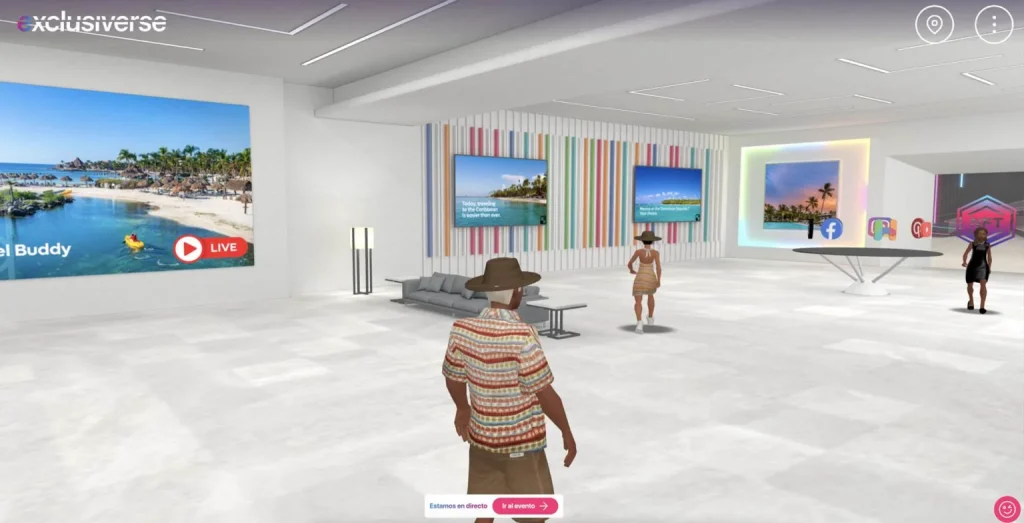
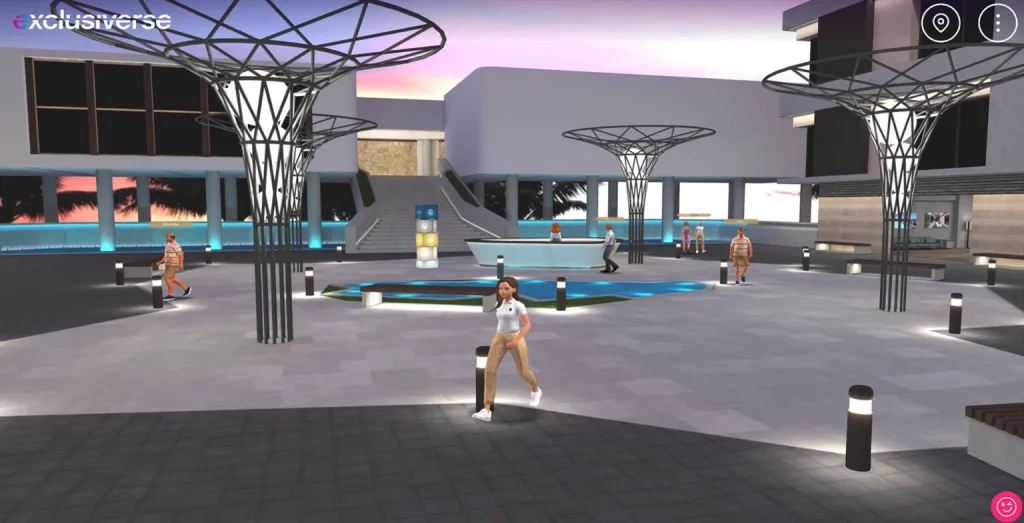
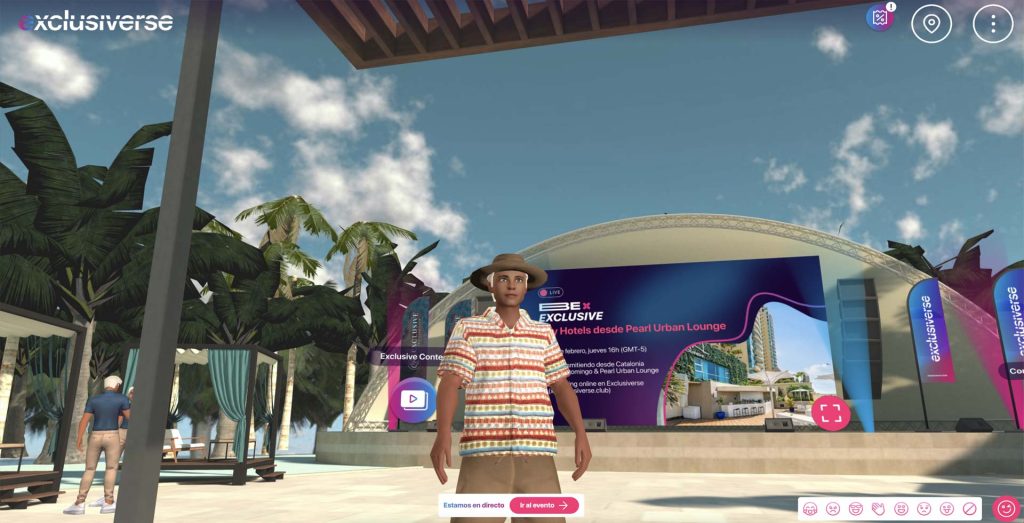
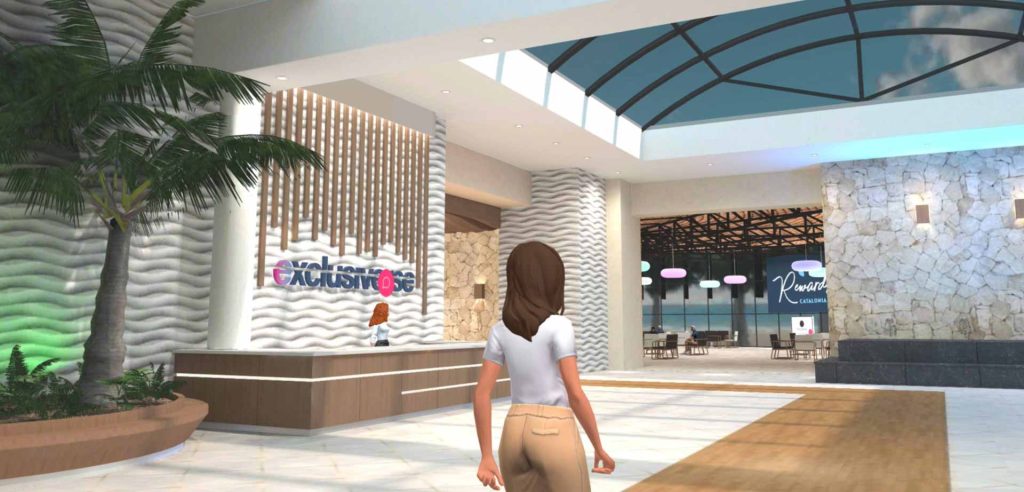
Memberships and subscription programs are present in a multitude of sectors, but without a doubt, one where these memberships add the most value is the tourism sector. Belonging to a travel club offers multiple benefits and exclusive experiences for members. For tourism companies, it is a way to build user loyalty, as well as to take the travel experience to new levels of personalization beyond the stay and the trip itself, revolutionizing the before, during and after. This is the case of Exclusive Traveler Club, the world's No. 1 travel club, which offers its more than 80,000 members the opportunity to enjoy exclusive experiences, stay at the best hotels around the world and access a whole range of travel and leisure services specially designed for the Club. Now, the travel club is going one step further by incorporating digital membership into Exclusiverse, its new platform for members. Because when members aren't traveling, how do they connect with the club? Members come from different parts of the world, and in the virtual world of Exclusiverse they find a space to interact with other members, attend exclusive events, learn about the latest news on their membership and visit the showroom of all membership tiers with their respective benefits. Enjoying a different kind of booking experience, with a space and content created exclusively for them.
Digital Membership through Extended Reality
Exclusiverse is a pioneering platform for Exclusive Traveler Club members which is based on the latest Extended Reality technologies, blockchain and virtual worlds of the Metaverse. Their contribution to enriching the club's digital membership can be summarized as follows three key points:
Gamification
Undoubtedly, one of the great changes that this virtual platform offers is that digital membership itself evolves adding the Gamification to the club members' experience. Through challenges and activities, members and users of the 3D web space can enrich their membership with new benefits and extra advantages. These challenges are also open to non-members visiting the Exclusiverse public area, by informing them of all membership categories . Through the platform, they are invited to join the club, making the space itself a new channel of diffusion to reach new users.
Blockchain and web3
You are at digital memberships and their internal management are based on the revolutionary blockchain technology . A digital blockchain that protects each member's information and can be updated with each action performed by the user within the platform. Like acquiring extra benefits for your digital membership, the complete gamified challenges or make use of the virtual currency in the Exclusiverse store. and booking of travel experiences.
Virtual Spaces
With platforms such as Exclusiverse, the travel experience goes beyond the airplane and the hotel stay . The before and after takes on greater weight thanks to technology. With the development of interactive and multi-user spaces the community of members is strengthened and the relationship with the company. They are virtual spaces where you can share your travel experiences, continue to enjoy the VR activities and where you can encourage the loyalty through exclusive content, discounts, events and unlocking new interactive experiences. In addition, the tendency of the "try before you buy". The hotel's digital twin, projecting what the travel experience will be like: touring the hotel's facilities yourself through its digital twin, trying out in Virtual Reality activities that can be booked or travel virtually to the most exotic destinations offered by the club. All this to encourage the booking and that the trip itself starts from home. If you are interested, you can learn more about this topic at Metaverse and Tourism: revolution in the sector .
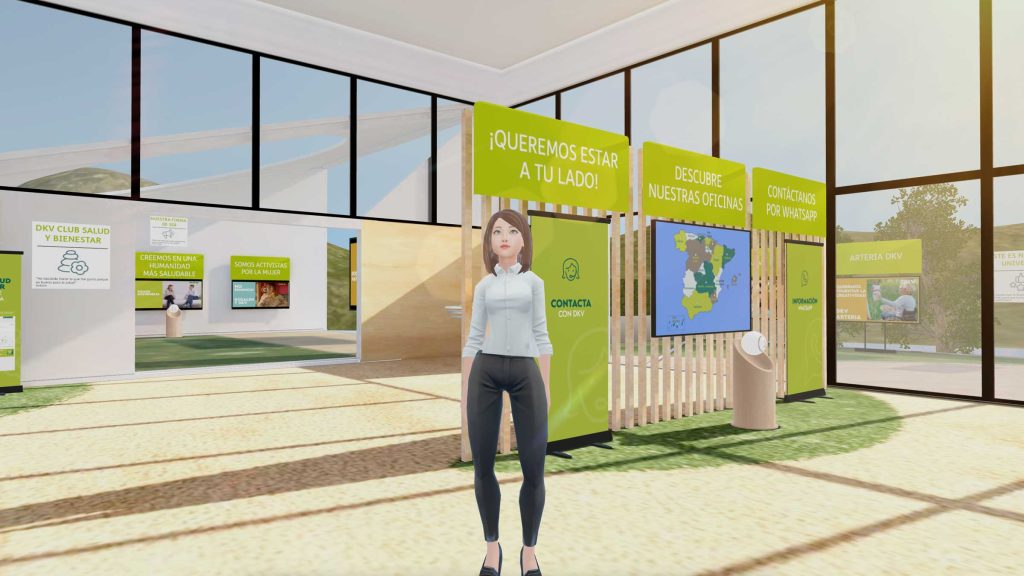
Metaverse developed for DKV by Imascono
Exclusiverse is a true success story in the development of virtual spaces to enrich digital membership and take it further. A digital world that can be envisioned for all kinds of companies and sectors, providing a new channel for interaction and communication with users/customers.
In Imascono We know that the relationship between brand and customer It is key in today's world and will be so in the future. With over 12 years of experience in developing amazing projects focused on the Metaverse, Augmented Reality, and Artificial intelligence, Our team of engineers and designers will be happy to help you empowering your digital membership in the new virtual context. Contact us and take your membership to the next level.
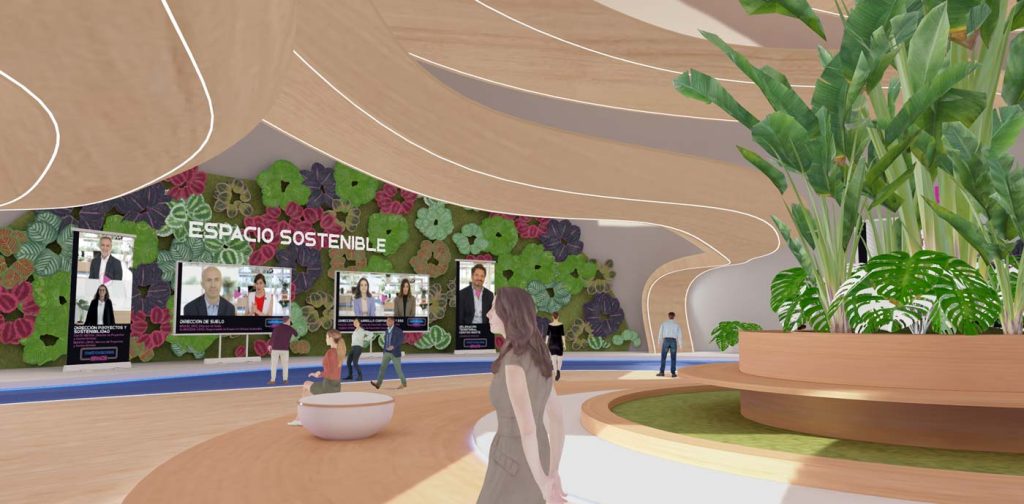
Metaverse developed for Metrovacesa by Imascono
How to work in the Metaverse with your company: characteristics and steps
In recent years, we have seen how the digital world has become increasingly important in our society, and also in our businesses. The Internet has become the showcase The company is the connection point and main source of income for a large number of companies, and its importance is growing every day. Companies are immersed in an accelerated process of digital transformation to adapt our business models to the new digital ecosystem. But companies are not the only ones evolving, the Internet itself is evolving. This is how the concept of the 3D Internet or Metaverse was born, where our digital presence will be increasingly more complex and complex. more immersive , more customized and more humanized. In this article we would like to delve into how companies can work in the Metaverse How to get the most out of this new virtual space to revolutionize your digital presence. In addition to the most demanded profiles and the benefits that the Metaverse offers to companies.
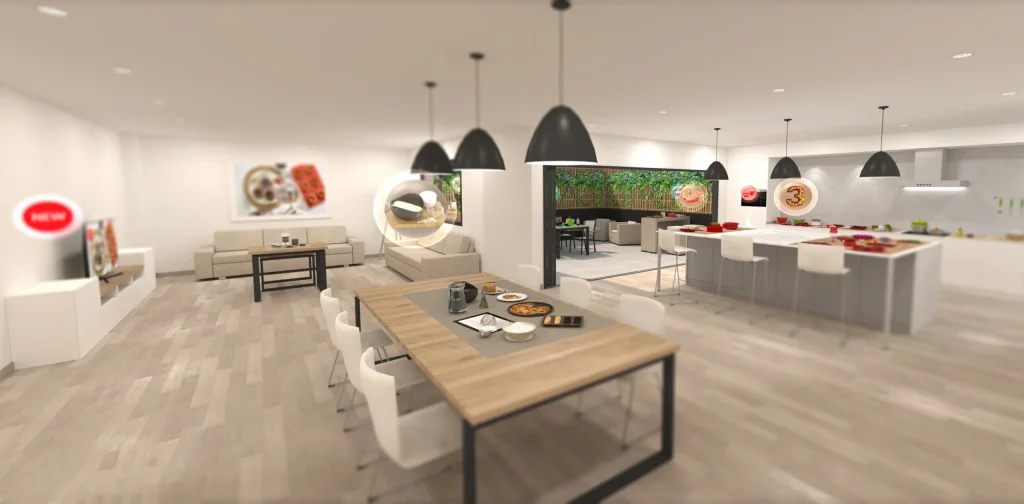
Showroom type Metaverse developed for Lekue by Imascono
Potential of the Metaverse in the present and future
Metaverse Internet, 3D Internet, Extended Reality, Spatial Computing... are different terms that refer to the same concept: the idea of extending reality, making the interaction between the human being and the Internet more interactive. real world and the virtual world is more natural, more humanized. Going a step beyond static websites, social media profiles and links and hyperlinks. Being able to superimpose digital elements on the reality itself or teleporting us to immersive virtual spaces where interaction is no longer through a mouse or keyboard, we ourselves are the ones who move through the digital world. The Metaverse, as a unique virtual universe of multiple linked three-dimensional digital worlds, is under construction. Little by little, brands have been developing their Metaverse experiences in their own immersive 3D spaces, accessible from today's most democratized devices, cell phones and computers. In the future, it is expected that this interaction within the Metaverse will take place through the new devices of Extended Reality The company's latest generation of VR glasses, Mixed Reality headsets and new Spatial Computing devices. In addition to the futuristic haptic suits and even the possible XR contact lenses that are already starting to have patents registered. If you are interested in learning more about this topic, please visit What is the future of the Metaverse?
Main advantages of working in the Metaverse
As we have seen, the Metaverse is positioned as the the next generation of the Internet the 3D Internet in which we can enjoy an immersive, three-dimensional and multisensory experience thanks to the combination of different devices and technologies. Bringing your company into the Metaverse ecosystem features múltiples ventajas . Both internally and externally, the virtual spaces in the corporate Metaverse offer:
Closer interaction with users
This new virtual universe is a unique opportunity to humanize our interaction with users in the digital world. Creating closer, more intuitive connections that go beyond hyperlinks and social media profiles. In the Metaverse we have our own avatar our own world, where users are freer to discover our brand. Virtual spaces where we can also organize trainings, events and product presentations open to everyone. You may be interested in → What is a virtual avatar .
New markets and lines of business
One of the most important advantages the Metaverse offers is the development of its own global market, where new socioeconomic exchanges are expected to emerge in the coming years, along with new digital and tech jobs like the ones we will look at below. This new digital ecosystem will also have room for 100% ‘metaverse-native’ companies and for more traditional lines of business through their digital metamorphosis. New markets such as the one driven by Exclusive Traveler Club through Exclusiverse, a web-based virtual space where the world's #1 travel club brings together its more than 80,000 members in a Metaverse that fosters community, loyalty and new memberships based on NFT technology.
Improved productivity and training
The irruption of the Metaverse and its complementary technologies (Spatial Computing, Augmented Reality, Virtual Reality) in business activities revolutionizes two key aspects of any industrial\/business company: the productivity y la worker training . Through 3D simulations, companies are able to anticipate results and save costs thanks to testing in the virtual universe. Being able to make modifications to the strategy and assembly line through 3D models. In addition, these controlled virtual spaces promote the active participation of professionals in the training process. All thanks to the Gamification and the development of challenges and rankings.
Fostering creativity and innovation
The corporate Metaverse brings with it a new digital revolution The new technology is affecting all companies, regardless of their size, just as the development of web pages and the emergence of social networks did in their day. This new digital ecosystem represents a creative and innovative challenge for all sectors. Where, in addition to adapting current business models to the new virtual channel, companies have the opportunity to generate new value propositions, with new strategies, new lines of business. Exploring new possibilities.
Most demanded professional profiles
All this leap into the Metaverse requires the appropriate team of people. In addition to carrying out this digital transformation accompanied by professionals specialized in designing and developing these interactive products for companies, it is important that the company itself has a series of professional profiles. People who can provide continuity in content and updates to this new space and communication channel for organizations. Below, we present you the 5 most in-demand professional profiles in the corporate Metaverse:
1. Designers and developers
These new virtual spaces need professionals who design the user experience and interface and develop the 3D elements and programming. behind all interactions. Technical professionals that can be internal or external teams, who know how to transfer the essence and objectives of the company to the new digital worlds.
2. Data Scientists
One of the most important characteristics of the Metaverse is the number of interactions and actions generated in these virtual spaces. For this reason, companies must have data professionals in their teams who know how to to collect all these analytics , analyze them and find patterns and trends in behavior. Proper data analysis provides companies with a deep knowledge and understanding of their users.
3. Digital marketing
The Metaverse becomes a new channel of communication and interaction with users\/customers Therefore, it must have digital marketing professionals who take advantage of all the new opportunities offered by this virtual ecosystem. These marketers need to be technologically savvy and knowledgeable about the latest developments in the field. creative technologies , Extended Reality and Marketing 5.0 .
4. Cybersecurity experts
This leap of companies to the virtualization of their services requires that there are cybersecurity experts supervising all actions that are carried out. A cybersecurity specialist is a professional who is dedicated to protecting computer systems, networks and data from attack, damage or unauthorized access. These virtual spaces will be meeting points, points of sale and information exchange between many users, so that all interactions must be based on the following security measures adequate.
5. Chief Metaverse Officer
At the management level, we find the position of Chief Metaverse Officer The person responsible for the development and maintenance of a company's online presence in the Metaverse. A person with a deep knowledge of video games and the Web3 ecosystem, who in addition to the technical aspects, get to know the creative side of the market The company's community and actions in the virtual universe.
Work in the Metaverse with your company
At Imascono we know that the present and future of companies goes through the Metaverse. That is why we have a whole area specialized in the development of experiences for the business Metaverse called Business To Metaverse. Through our work methodology and the experience of more than 12 years of activity in the Extended Reality ecosystem, Spatial Computing and Artificial Intelligence we have accompanied companies such as Iberdrola , DKV o Metrovacesa in its leap into this new virtual ecosystem. If you want to know how to start working in the Metaverse and you need a team to accompany you in this technological leap, get in touch with us and we will solve all your doubts.
Phygital as a new dimension in user experience
Phygital as a new dimension in user experience
The physical and digital worlds have never been more interconnected. Now, the offline and online merge, in a single new user experience strategy known as phygital. Its importance is vital for all sectors, especially in marketing, entertainment and retail, where the bet for putting the customer at the center , generate emotional connection , engagement and loyalty, comes to life, both in physical spaces and in the virtual universe. In this article we will take a closer look at this trend, to know the most representative phygital projects in different sectors and discover its full transformative potential and innovative in the business world . Undoubtedly, we are witnessing the birth of a new dimension in the Customer Experience .
Spatial Computing Project by Imascono
What is phygital?
Before knowing the benefits and main success stories of the implementation of the phygital strategy in companies, it is important to review what this trend consists of. It refers to the union of the physical and digital worlds by merging the two words physical and digital. The phygital projects seek to incorporating digital functionalities into the physical user experience a process that integrates both worlds to:
Creating a convenient, self-service, hybrid shopping experience.
Surprising users with innovative, fun, and engaging concepts that change the way people see stores and physical spaces.
To endow with technology to the physical spaces of companies. Taking a step in the Digital transformation and in the interaction with the users.
The phygital trend is the natural path for businesses looking to adapt to the new behaviors and consumer demands, focusing on the omnichannel strategy. Where the attendance , immediacy and proximity of face-to-face actions is combined with the latest advances in the digital world in terms of personalization, Gamification and measurement through dashboards. All this so that the essence of the brand reaches users in a totally innovative, entertaining and fun way.
Main elements of the phygital experience
The union between the digital world and the real world can unfold in many ways, but the goal is clear: consumers want to to keep the best of the traditional physical stores and the new proposals of the digital channels. The combination of both proposals is the phygital experience The final strategy depends on the type of user of each company, but in general, it has the following main elements:
Extended reality
Extended Reality is the great union of all immersive technologies in which the real and digital worlds complement each other. Through the Augmented Reality and Virtual Reality companies can go beyond the physical boundaries, offering unique experiences to users/customers that connect them emotionally with the essence of the brand. Thanks to the most innovative proposals of the DOOH marketing ( digital out of home ), such as Ecoalf's campaign, or AR games such as the mobile experience of Lacasitos . Inside its famous tubes were hidden funny characters that came to life in the real world through its App.
Digital displays
The digital displays have become a fundamental piece in the implementation of showrooms, pop-ups, stores and innovative and technological physical spaces. However, beyond the hardware, the phygital trend also focuses on content . In the development of experiences, animations, special effects, gamified challenges and photocalls, users are immersed in a completely new and virtual world that is created around them. Innovative actions with great emotional impact, as in the interactive showcase developed in partnership with Disney and El Corte Inglés to promote one of the latest films in the Star Wars saga. Where fans, when passing in front of the glass, are automatically transformed into characters of the story.
Gamification
The Augmented Reality The creativity and fun of these interactive experiences have a place even in the most businesslike environments, thanks to the use of the gamification as a way to connect with users/customers . A different way to present the company's image and generate a positive memory that translates into notoriety, positioning and future commercial sales. You can learn more about it thanks to our post: Augmented Reality in advertising with interactive content .
3 benefits of the phygital experience
The phygital trend is a real breakthrough for companies towards the digital transformation of their business models and value proposals . Benefits that can be summarized as follows:
1. Increased reach and return on investment
Phygital experiences provide companies with a unique opportunity to reach out to much larger audience . By integrating both online and offline channels into a single shopping experience, you can increases number of interactions and customer engagement . They are the ones who actively personalize their experience with the brand, tailoring it to their needs, which fosters both connection with the company and satisfaction. This personalization when it comes to connecting with the brand and the commitment to phygital technological experiences can be seen in the Movistar Plus Flagship Stores where, for the first time, users can enjoy their favorite series and programs, such as La Resistencia, Paraíso or Reyes de la noche, in person.
2. Implementation of omnichannel strategies
The incorporation of the phygital trend represents the definitive step of the omnichannel strategy, where the digital world definitively reaches the physical space. AR showcases, virtual fitting rooms that recommend complete looks, consultation and shopping totems throughout the physical store. And even, discounts scattered throughout the space to catch through the webapp o Interactive photocalls that gamify the user's visit. A new innovative customer journey that transforms stores and even large shopping malls as in La Torre Outlet the Spain's most digitized shopping center that combines the latest cutting-edge technologies into a single strategy and customer experience.
3. Boost the connection with the brand
Phygital experiences seek to increase participation and emotional connection of customers with the brand. It boosts user engagement and interaction, making their spaces more attractive, merging the online and offline strategies of companies thanks to technology. A goal that goes beyond the retail sector, even reaching the banking sector. As in the case of Ibercaja which has opted for the remodeling and digital transformation of its headquarters. With a new Xplora Space that changes the perception of your company, proposes new activities and, thanks to technology, connects users with the products, services and new brand image. You may be interested in → Virtual fitting rooms as a trend in the retail sector
The future of phygital in user experience
The future of the phygital trend in the business world promises to continue to evolve towards an even deeper integration between online and offline channels. Where the evolution of technology will also play a key role. The further development of technologies such as Augmented Reality, the Spatial Computing y la Artificial Intelligence will further enrich these hybrid experiences: The future of phygital is, in turn, marking the future of large industries:
Phygital in retail: these projects break down the barriers between the virtual world and the real world, in the retail sector too. They turn brick-and-mortar stores into meeting points where people come to have fun and be surprised. A unique approach that draws people in, gets users involved in the promotional activation, and boosts brand recall as well as the sales that follow.
Phygital in advertising: if there is one sector where innovation, creativity, and fun are key to connecting with the audience, it is advertising. Here, phygital experiences make a positive impact on in-person audiences in a way that is effective, original, and unobtrusive, while also bringing the analytics and metrics of digital marketing into the process.
Phygital in tourism: phygital experiences can go beyond promotional activations to gamify all kinds of spaces, including cultural venues such as museums, monuments, and other tourist attractions. In these experiences, the audience takes the lead and dives into a 3D world created especially for them, interacting with every element and taking home a souvenir photo at the end. Visitors can step into and become part of a painting, travel virtually to different cities and countries, and even have their picture taken alongside Rafa Nadal as the perfect finale to their visit to his spectacular Rafa Nadal Museum in Manacor.
Imascono phygital projects
The phygital trend is more present than ever in the strategies of our companies. The physical world is becoming richer, thanks to technology, and is proposing new and surprising innovative proposals The new website, with animations, special effects and interactive content, attracts all eyes and connects with users. In the following, in addition to the examples that have been shared in the previous sections, we will focus on the following examples most important phygital success stories.
On the occasion of the premiere of the film Thor: Ragnarok, Marvel and Disney They sought to develop a Phygital experience that would allow the storytelling of the film to be taken beyond the screens. The result was a Interactive Augmented Reality photo booth, At the event, where in addition to feeling like the god of thunder, all the spectators took away a printed photo as a souvenir.
Phygital experiences have also reached the hospitality and restaurant sector, with Smoky by Nola Smoke as the standout success story. Through virtual avatars, Artificial Intelligence, holograms, and Augmented Reality, the entire space is digitized, from the entrance to order pickup. All to offer burger lovers a unique, distinctive, and fun experience.
An example of a phygital project in the public sector can be found in the commitment to immersive, interactive experiences on the streets of Zaragoza. With Arte Conectado, part of the Paseos Comerciales smart city project, the city's streets come to life through Augmented Reality, showcasing the history, culture, and art of Zaragoza's different neighborhoods thanks to technology.
The virtual universe is becoming more and more present in our daily lives, and the digital transformation of companies marks the present and future of the business world. Disney, Telefónica, Star Wars, Marvel, Ecoalf, Lacasitos... there are many brands that rely on Imascono to transform the engagement , emotional connection and customer experience that they propose in their commercial actions. With more than 12 years of experience in the development of amazing phygital projects, our team of engineers and designers will be happy to help you take the next big step in the digitization of your company. Do you need a phygital project ? ¡ Contact with us and we will solve all your doubts!
Technology trends in theme parks: Virtual Reality
Technology trends in theme parks: Virtual Reality
With the advent of immersive technologies, the entertainment expands beyond its current boundaries . Extended Reality, the Metaverse the Spatial Computing ... applied to cinema, big shows, theme parks, sporting events and video games... takes the immersion of the audience to its maximum expression. Being able to enjoy a complete sensory experience. Where attendees enter much more elaborate and fantastical worlds, where no real danger is involved. Worlds where even the animated characters cross the digital border, interacting with the real world as if they were part of it. The idea is to move from storytelling at storyliving. From being mere spectators to being part of the action. In this article we will take a closer look at technology trends in the entertainment sector. Specifically, we will analyze the impact on the Virtual Reality amusement parks Ready to start this adventure?
Spatial Computing Project by Imascono
Virtual Reality in entertainment
The Virtual Reality is a before and after in the way in which we consume multimedia content, where the immersion in the action makes the fourth wall disappear to immerse us inside the entertainment universe. A change that becomes a reality, moreover, because it involves all of our body, movements and senses beyond the audiovisual . With the incorporation of multisensory masks that activate the sense of smell or haptic suits that bring the sense of touch to virtual entertainment. New science-fiction-like devices that make the experience much more real, allowing the creation of new and surprising adventures. As in The Twists and Turns of Life the audiovisual production of VidaCaixa and Movistar Plus that becomes the first Spanish filming in the Metaverse by transferring Carmina Barrios, Henar Álvarez and the whole 3D neighborhood to the virtual world. In addition, viewers can join the experience and enjoy exclusive content and challenges through their own virtual glasses. You may be interested in → Virtual Reality: examples and applications .
3 benefits of Virtual Reality in an amusement park
Theme parks are in full swing digital transformation . Technology is something that is already part of the daily life of visitors, so when they enter the amusement park, they look for the experience to go a step further: in immersion, fun, personalization, adrenaline and sensation generation. In relation to the amusement parks the Virtual Reality allows for greater interaction and personalization in the attractions, roller coasters, shows and tours that take place within the enclosure. Enhancing gamification and the generation of an entertainment experience that goes from the entrance to the exit of the park. The following is a review of 3 benefits of incorporating Virtual Reality in amusement parks:
Improved user experience
Undoubtedly, one of the main benefits of incorporating Virtual Reality and other immersive technologies into amusement parks is the revolution in the user experience of visitors . Visitors who demand much more immersive, surprising and impactful experiences. Thus, creative technologies make it possible to go beyond physical limits, linking the real world with the digital world . From live shows that incorporate special effects in real time, gamified tours with treasure hunts and escape rooms throughout the park, roller coasters that through VR glasses or virtual scenarios immerse you in new worlds or even parades and props that come to life around us. All this surprising visitors and changing the image of currently held about amusement parks.
Customization and variety of options
Technology plays a key role not only for visitors, but also for the amusement park itself. The future of theme parks and amusement parks lies in an ever-increasing greater customization for your customers . Every park will know who enters, their name, their age, probably their likes and dislikes, and, therefore, they can adapt the park for each user. Each visitor's experience will be different and uniquely customized for each visitor. Virtual Reality, in addition, allows using the same headsets, to be able to change the different 3D universes that are kept inside. Offering a greater variety of options, a greater adaptability and even customizing the attractions to each of the users - level of difficulty, points to achieve, theme of the year... What allows amusement parks to be much more flexible and adapt its entertainment offerings based on visitor demand and feedback.
Increased interactivity
By incorporating Virtual Reality into the attractions, it adds an additional layer of immersion and interaction . For example, by combining a roller coaster with VR glasses, the storytelling and theme of the attraction reaches a higher level of connection with the users. In addition, the visitor can become an active part of the story. Catching points, encourage involvement and gamification through the use of rankings among users of the attraction, hide a series of clues and discounts... Making each one of the roller coaster rides or passes in any attraction different from the previous one.
The Future of Extended Reality in Amusement Parks
Virtual Reality is not the only technology that is transforming the value proposition of amusement parks. Below, we present the latest technological trends in entertainment where Extended Reality, Big Data, the Internet of Things (IoT), the Artificial Intelligence y la Augmented Reality play a key role.
1. Interactive maps
The Augmented Reality technology transforms the way users discover the park. through the development of interactive maps. AR maps with geolocation technology where by simply pointing their cell phone around them, they can discover the way to an attraction, discover hidden rewards, complete challenges that add points to the global ranking and know in real time the waiting times. Helping visitors navigate through the facilities easily and turning the park itself into a Augmented Reality escape room on a large scale.
2. Smart bracelets
Wearables are, without a doubt, one of the biggest current technological trends. These are customized smart devices for each user, where all the important information is stored to enjoy the amusement park to the fullest. These smart bracelets save the profile of each user The park's attractions, your tour, attraction passes, and admission benefits. In addition, visitors can accumulate points based on the challenges proposed throughout the park and attractions. You are at smart bracelets can be connected both to the park's app, where users can see the record of their activities, their ranking and accumulated points, and to the amusement park's own database. Having more information about the use of the facilities in real time, the most demanded attractions and user feedback.
3. Reward systems
If there is one element that encourages participation and involvement of users, is the reward system. A new form of user experience in amusement parks, where the visit is personalized, data is collected in real time and, above all, it enhances the Gamification inside the park. By incorporating reward systems into the attractions and on the rides between them, visitors can earn points, achievements and badges for completing challenges Discover hidden treasures and reach milestones. Rewards that can be redeemed for prizes, discounts or exclusive experiences. A system that encourages visitors to explore the park, discover all the points of interest and get to know proposals they had not thought of at first. For the amusement park, this is a real commitment to the personalization of the experience and cross-selling promotion with the rest of the activities inside the park.
4. Haptic suits
Haptic suits are technological devices through which the wearer can feel the virtual world. Thanks to microsensors, these suits connect what the user is experiencing in Virtual Reality with their own sensations in the real world. Providing a complete immersive experience beyond the senses of sight and hearing. For amusement parks, these haptic costumes are the most important development of new proposals that are more immersive and realistic . Through gloves, vests or even full suits, these users "feel" the virtual world and the adventures that take place in it.
5. Phygital experiences
Technological breakthroughs in amusement parks not only occur in the virtual world, they also have an impact on the real world through the phygital experiences . Proposals that combine the physical with the digital, creating unique and attractive experiences that turn the entire park into a large playground. Through phygital experiences any corner of the park can be turned into a striking spot . Whether through large screens with 3D content, interactive photocalls, interactive experiences or gamified challenges. You can learn more about this trend in Phygital as a new dimension in user experience.
Examples of interactive virtual attractions from Imascono
Entertainment and, in particular, the amusement parks are in the midst of a leap into the future . With surprising technological and innovative proposals that enhance the emotional connection of users. In this section, we will learn about some of the most striking examples of interactive virtual attractions.
Concepts like the Foster's Hollywood virtual escape room, The Other Side, for the scariest night of the year. An immersive mobile experience in which users have one mission: to keep the zombies from crossing the border between the virtual world and the real world.
Another example of an entertainment project is the Augmented Reality scavenger hunt developed by Lacasitos. An AR game designed for the youngest members of the family, in which kids have to catch their favorite characters on the streets of their city.
One of the most surprising interactive virtual attractions is Frozen Emotion. Through a VR experience, users cross a suspension bridge between two great peaks in the Pyrenees. A bridge that was also built to scale in the physical world, bringing the experience into reality and making it far more thrilling and immersive.
A phygital project from the entertainment world that stands out for its creativity, originality, innovation, and awards is the Disney and Star Wars immersive experience. As users walked past the AR storefront window, they were instantly transformed into one of their favorite characters from the sci-fi saga.
Another interactive Disney attraction is the Marvel Augmented Reality photo booth. A promotional and marketing campaign for the movie Thor Ragnarok in which superhero fans felt like the stars of the world of Asgard.
Undoubtedly, if there is one thing that all of these entertainment projects have in common, it is that the user is at the heart of the experience immersive. Different proposals in which from Imascono we have contributed our knowledge, creativity and know-how of new cutting-edge technologies. With more than 12 years of experience in the development of amazing projects focused on Extended Reality and entertainment, our team of engineers and designers will be happy to help you enhance your amusement park in the new technological context. . Contact with us and take your attractions and theme parks to the next level.
Metaverse and tourism: revolution in the sector
Metaverse and tourism: revolution in the sector
Metaverse, Extended Reality, Web 3, Spatial Computing ... The virtual universe of interconnected worlds is already a reality, also for the tourism sector. The possibility of creating new experiences that are different, accessible and personalized makes the tourism and catering, one of the most developed sectors in the Metaverse. From virtual receptions that make it easy to book stays and take virtual tours to discover unimaginable places, to enjoying interactive museums and learning about the best routes in real time through Augmented Reality maps . These are just some of the proposals that have already been developed in the new virtual world, but there are many more. It's time to get an in-depth look at how the leap from tourism to the Metaverse .
The revolution of tourism in the Metaverse
Both the Extended Reality such as the Metaverse and other immersive technologies have great potential to boost the hotel/travel industry in the virtual world. These technologies are capable of extending the travelers' experience beyond their stay and trip revolutionizing the before, during and after. Before going into more detail on what the introduction of the new technologies will mean for the sector, it is necessary to tourist experiences in the metaverse, it is important to review what this technological trend consists of. The Metaverse is defined as a large virtual universe composed of multiple interconnected digital worlds. It is the next Internet leap where humans interact socially and economically through the use of avatars , NFTs and cryptocurrencies in digital experiences that go beyond the static websites we all know. The central idea of this new ecosystem known as Metaverse is to humanize the virtual world and our digital presence. You can learn more about this topic here: What is the Metaverse: everything you need to know. This more humanized interaction allows the tourism sector to connect with users/customers in ways previously unthinkable in the digital world. By developing experiences that help tourism agents to transform the customer experience at all stages of the journey.
From the promotion and marketing of tourism experiences, with digital twins of tourist destinations where users can explore the spaces, learn about the activities in depth and get inspired by/imagine the tourism experience beyond promotional photos and videos.
The management of bookings and personalization of tourism services, through the hotel's own virtual version in the Metaverse, where users can personalize their stay and trip in an intuitive, accessible way. For example, through their own 3D hotel room, where they can choose the type of pillow, the layout and other complementary services.
Building a community of travelers and fostering loyalty, through interactive, multi-user virtual spaces where events can be held with people from all over the world. Spaces in the Metaverse where travelers can share travel experiences, earn benefits for being part of the virtual club and discover the latest offerings from the hotel chain or tourist destination, as in the success story Exclusiverse.
Total immersion
If there is one characteristic that sums up this added value offered by the Metaverse is the total immersion of the users. The Metaverse applied to tourism offers a unique and immersive experience for travelers. Allows explore destinations virtually interact with 3D environments and access exclusive content. All in first person and with a 360° vision that allows users to visit the space at their own pace and with great freedom of movement. Providing the opportunity to travel without limits, to live immersive and exciting experiences without leaving home.
Virtual destinations
Thanks to the Metaverse and other immersive technologies, a new trend in travel has been created: the virtual tourism . Virtual destinations offer a new innovative way to explore places without the need to physically travel to them. Thus, you can visit cities, paradisiacal beaches and even travel to places in the past or imaginary. All through Virtual Reality or virtual spaces in the Metaverse. These virtual destinations are designed in great detail and allow you to interact with the environment, personalize the experience and participate in gamified virtual activities. If you are interested in this topic, find out more about the Virtual tourism as a new trend .
Benefits of tourism in the Metaverse
The tourism sector is a sector of experiences, and the commitment for the coming years is to offer new experiences for travelers that go beyond the simple trip. . Thus, as we have seen, the Metaverse offers all sorts of benefits to Tourism for the digital transformation sector. These are some of the main benefits of tourism in the Metaverse :
Personalization of the tourist experience
The Metaverse applied to tourism revolutionizes the personalization of the experience by providing immersive virtual environments that adapt to travelers' individual tastes, preferences and needs. For example, adapting content depending on the segmentation of the traveler profile. Through these virtual twins travelers can explore the destination prior to arrival, plan customized itineraries and experience gamified 3D simulations. In addition, thanks to the incorporation of the Artificial Intelligence in the Metaverse can be analyze behavioral data and interaction preferences. All so that the integration of these technologies offers travelers a unique experience tailored to their tastes.
Increased accessibility.
One of the main benefits of Metaverse experiences in the tourism industry is the greater accessibility . Thus, new smart destinations are developed to which you can travel virtually. As a way to reduce costs for the traveler who simply wants to live unique experiences without the need to travel physically. Travel to the past, enjoy extreme sports, live an adventure in inhospitable areas around the world... This greater accessibility offered by the Metaverse and other immersive technologies also allows you to go beyond physical limitations The new system allows people with reduced mobility to explore different destinations and experience many more adventures.
Promote the link with the tourist destination
The combination of tourism with these technologies not only enriches the experience of the destination, it also strengthens the connection between the travelers and the tourist destination . The Metaverse facilitates the creation of online communities The objective is to generate a feeling of belonging, active participation and linkage with the brand, hotel, travel agency or tourist destination. This also facilitates cross-selling and the search for complementary activities to remain connected and committed to these places.
Practical applications of tourism in the Metaverse
Below we present different practical applications of the Metaverse in the tourism industry through national and international examples that have already been implemented in all types of tourism companies.
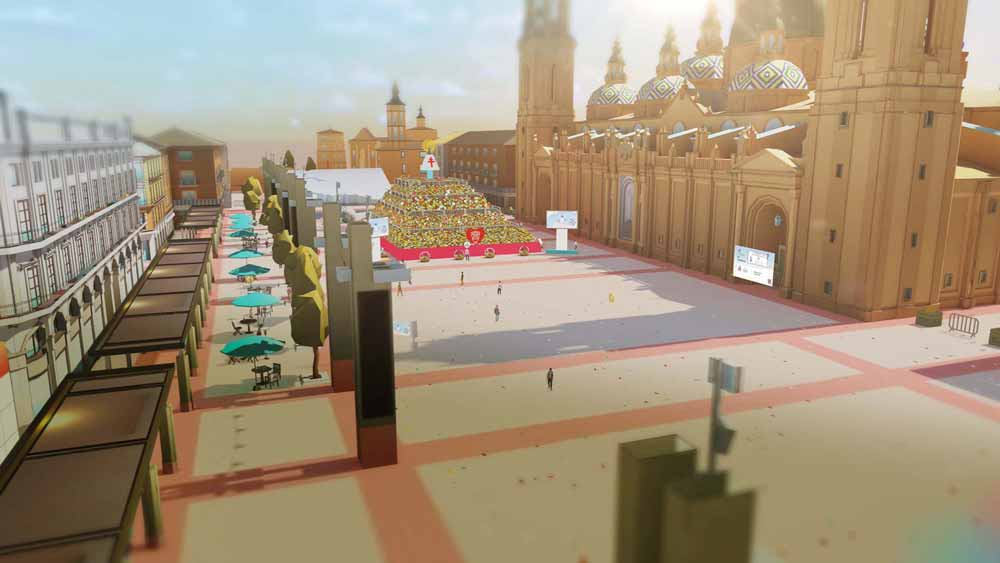
Cultural tourism. If there is a project that showcases the great potential of these technologies in cultural tourism, it is the Metaverse of the city of Zaragoza, recreating in 3D the experience of traditional tourism. Flower Offering During the Fiestas del Pilar. A tourism campaign that has reached 51,000,000 people with impacts of more than 350,000 unique users. Presenting the culture, tradition and folklore of the city through the new virtual world.
A new way to inspire travelers. Another relevant application of the Metaverse in tourism is its ability to inspire travelers beyond videos, websites and photos. Digital twins make it possible to visit the tourist destination in advance and get to know its points of interest beforehand. Among the most important tourism digital twins is the complete virtualization of the Rafa Nadal Academy in Manacor, where you can tour all the facilities, learn about its history in depth and enjoy exclusive content.
Fostering an online community. The Metaverse makes it possible to strengthen the online community and encourage cross-selling by creating a space where, once travelers return home, interaction with the brand continues in the virtual world. As in the case of Exclusiverse, where the loyalty of its 80,000+ members is fostered through exclusive content, discounts and the unlocking of new interactive experiences.
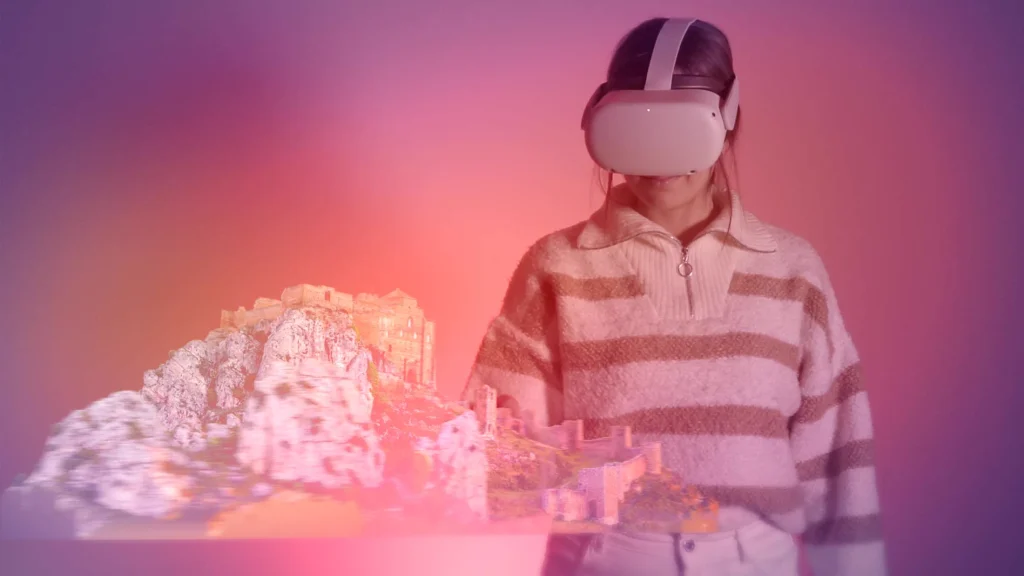
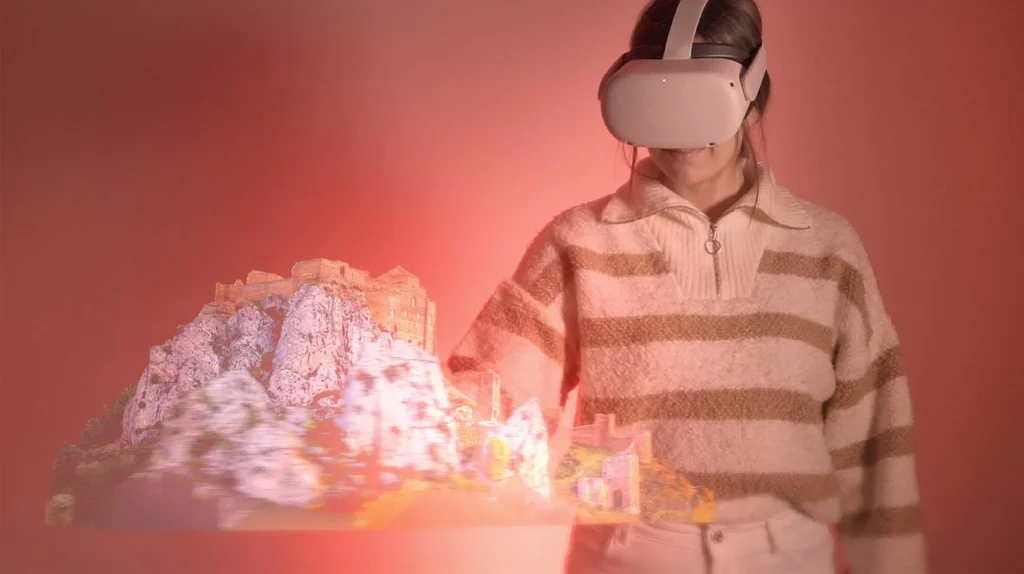
Accessible tourism. Tourism experiences in the Metaverse also give a new boost to more accessible tourism. Offering immersive virtual spaces that make it possible to discover places that are hard to reach or that lack the adaptations needed for people with reduced mobility or disabilities to visit them in person. Such as the case of Loarre Castle, which, through the social initiative promoted by Itainnova, offers LOARRE XR, a space in the Metaverse to virtually explore the fortress's more than ten centuries of history and beauty.
Metaverso's projects in the tourism sector of Imascono
At Imascono we know that the future of the tourism industry lies in the development of interactive and immersive experiences. that involve travelers and generate a real connection. Thus, the Metaverse is positioned as one of the main technological trends for the tourism sector. Thanks to its ability to revolutionize the before, during and after the trip. From the Exclusive Traveler Club to the Rafa Nadal Academy, the Goya Museum, the Loarre Castle or the Barceló hotel chain, there are many tourist companies, museums and public administrations that trust in Imascono for to make the leap to the new virtual context. With more than 12 years of experience in the development of amazing projects focused on the Metaverse, Extended Reality and Artificial Intelligence, our team of engineers and designers will be happy to help you to to boost your tourism business in the new virtual context . Contact with us and take your tourism experiences to the next level.
Smart destinations, what are they and what are their characteristics?
Smart destinations, what are they and what are their characteristics?
In recent years, the profile of the tourist has changed radically due to the influence of new technologies and digital transformation. Now, tourists are more likely to be hyperconnected They are more demanding, they are more aware of sustainability and the impact on the environment. Above all, they are now looking for tourist destinations that allow them not only to live unique experiences, but also to share them. With fast Internet access and where tourist information is always accessible from the palm of their hand. This is why tourism companies and areas have launched new and innovative initiatives with respect to information, promotion and development of travel experiences in the tourism sector. Destinations must adapt to this new reality, which is why the great trend of the current tourism industry is born: the destinations
Definition of smart destination
Tourism has been evolving into a complete travel experience, including aspects that range from beyond the tourist offer The accommodation and specific areas to be visited. Nowadays, tourist destinations offer a wide range of services, including new ecosystem in which technology plays a key role. For data collection, interaction with users, connection with the full range of tourism services and ease of access to all kinds of information. This is what smart destinations are all about, tourist areas that can be defined as innovative, accessible and consolidated spaces in a given area. state-of-the-art technological infrastructure that guarantees the sustainable development of the territory. These intelligent tourist destinations facilitate the interaction of the visitor with the environment, where thanks to technological tools such as Artificial Intelligence and WebApp interactive, tourists live a fully personalized travel experience. You may be interested in → Tourism and technology: characteristics and advantages . The transformation of destinations to smart destinations involves a attractiveness enhancement of the environment for visitors. Where tourism management, pre-trip planning, its positioning as a quality destination in the minds of travelers and the tourist's own experience are benefited. A smart destination attracts and builds loyalty. How to become a smart destination In addition to applying to join the Intelligent Tourist Destination Network in order to obtain the DTI" seal In order to achieve this goal, smart destinations must opt for a strategic transformation model based on 5 main axes:
Governance. A smart tourist destination is one that commits to public-private cooperation, with shared governance that improves aspects related to mobility, connectivity, networks and urban planning in the tourist area.
Innovation. The key piece of the Digital transformation And it is smart in terms of tourist destinations. Not only through the implementation of technology, but also through innovation in services, products, and processes.
Technology. Without a doubt, technology plays a major role in today's tourism industry. Spaces in the Metaverse, phygital experiences, Augmented Reality routes, virtual tourism, Artificial Intelligence-powered tour guides, traveler behavior analysis through Big Data… the possibilities are endless.
Sustainability. In the broadest sense, smart tourist destinations pursue environmental sustainability and respect for nature. But they also take into account sociocultural sustainability and the economic development of the area and its residents.
Accessibility. For a destination to be considered a smart tourist destination, it must be accessible. The focus is on ensuring that people, regardless of disability, age, illness or any other reason, can enjoy the tourist experience of visiting the destination.
Main characteristics of smart destinations
Tourist destinations with their own identity, with elements that differentiate them from other places, that guarantee safety, immersion in the travel experience and both social and environmental sustainability, will be smart tourist destinations with a great advantage over the competition.Below, we review the main characteristics of these destinations:
Universal accessibility
Universal accessibility, both to digital as well as physical level is one of the main characteristics of smart destinations. Destinations that take the traveler/visitor into account: their your needs, your expectations, your preferences and your feedback. . They are destinations that seek continuous improvement, offering the best possible travel experience. As in the case of LOARRE XR an initiative of Itainnova that seeks to offer a new technological and accessible experience to visit the Loarre Castle.
Innovation and advanced technology
Undoubtedly, if there is one thing that characterizes smart destinations, it is their commitment to innovation and technology. In today's tourism industry, travelers are looking for a travel experience based on digitization, in personalization and making the journey unforgettable. To do this, destinations must have a strong technological infrastructure and interactive experiences that attract and positively impact users. From offering personalized guides that are always available to respond to any need, to digitized museums to take the visit to the next level. As in the Rafa Nadal Museum in Manacor, where visitors are the protagonists of the visit through the phygital experiences of the exhibition. If you are interested, you can learn more about this topic at Augmented Reality in Museums .
Improved quality of life
Smart tourism destinations not only have a impact on tourist visits The city's inhabitants' day-to-day life is also a part of it. A commitment to the DTI positively affects the city's transportation, access to cultural and artistic information in the area, a digitalization of its restaurants and entertainment areas. And, of course, high-speed web access and connection throughout the city. Different actions that improve the quality of the tourist trip and also the quality of life of the local people . An example of this improvement in the quality of life can be found in the project Commercial Walks of the Zaragoza City Council. Where, through new Augmented Reality experiences and other immersive technologies The aim is to attract both neighbors and visitors to the commercial areas of the different neighborhoods of the city.
Benefits of DTI
The concept of a smart destination is closely linked to the concept of Smart Cities Both are characterized by a complete digital transformation of the environment and/or city. A Smart City, as an intelligent tourist destination, seeks an efficient balance and integration between people , institutions , technology and sustainability . Seeking to obtain data and feedback in real time that allows the city to adapt to the real and specific needs of its citizens. From traffic to information totems, through security, air quality control and crowd control. In this section we review some of the main benefits of the transformation of destinations into smart destinations (DTI):
Improved competitiveness
Intelligent tourist destinations improve competitiveness of tourist areas in all phases of the trip, from travelers' inspiration and decision making to shared memories and satisfaction. The hyperconnectivity y la personalization of the travel experience make tourists feel more secure and connected to the tourist area. Being able to interact at all times with the information of the destination and its services (hotels, restaurants, museums, guided tours, information points, added services...). In addition, these interactions offer great information to the tourist services about the real needs of tourists, helping in the reception of high quality feedback.
Social and environmental benefits
Smart destinations are not only looking to take advantage of technology, they are also looking to become sustainable tourism destinations, controlling and improving their social and environmental impact. To this end, many of the initiatives and lines of action of smart destinations have as their objectives to respect for the environment and natural resources, sustainability and impact on the local population. Air quality measurement, capacity control in nature destinations, real time monitoring of the fauna and flora of a natural site and the commitment to the promotion of local commerce are some of the proposals already developed in different intelligent tourist destinations in our country.
Full technological integration
The tourism sector is one of the main industries most impacted by new technologies. Full technological integration gives the option of develop interactive experiences that allow visitors to have greater control of their travel experience. Such as personalized guides based on Artificial Intelligence or Augmented Reality tours that allow, for example, to travel back in time and reconstruct monuments. You may be interested in→ Augmented Reality applications in tourism . But also, technological integration allows the tourist destination to have greater sources of information on the needs and behaviors of tourists where, thanks to webapps, it is possible to obtain dashboards and advanced analytics in real time.
Surprising smart tourist destinations in Spain
Spain is undoubtedly one of the world's leading tourist destinations and one of the first in the world in integrating smart destination strategies in its different regions. This is not only due to the implementation of the DIT seal The main reason for this is the commitment of tourism companies, hotel lines and public administrations to develop strategies that put the accessibility the sustainability y la technological innovation, among the main objectives. Here are some examples:
LOARRE XR Developed by Itainnova to visit the medieval castle that is difficult to access from anywhere thanks to the development of an accessible virtual tour using technology Extended reality.
A smart tourist destination that stands out not only in Spain but also at the European level is the virtual Ofrenda de Flores. A 3D space in the Zaragoza Metaverse that brings the city's culture and tradition into the virtual world. All of it to make its festivities more accessible and to promote the city as an innovative tourist destination.
Also noteworthy in terms of accessibility is the Virtual Reality experience Frozen Emotiondeveloped by Ibercaja Xplora to ski virtually through the Aragonese Pyrenees. Through a fully immersive 3D environment, users can enjoy an adrenaline-filled adventure with nothing more than a VR headset.
The smart destinations are the future of the industry . The commitment to sustainability, accessibility, collaboration and technology opens up a new range of possibilities to transform the tourism sector with new and surprising travel proposals. At Imascono we know that these proposals must surprise and delight users and reduce their environmental impact. This is why immersive experiences play a key role in the evolution of tourism. We have more than 12 years of experience in the development of impactful experiences based on Extended Reality, Metaverse and Artificial Intelligence focused on tourism. Contact with us and find out how we can help you take the step towards become a smart tourist destination.
Business innovation: Spatial Computing applications in Extended Reality
Business innovation: Spatial Computing applications in Extended Reality
The ability to innovate effectively makes the difference between success and stagnation in the business world. Particularly nowadays, where the technological advances and the market trends are changing at an ever-increasing rate. Companies that adopt a mentality open to change are flexible and willing to evolve their business model, they are more likely to excel - and survive - in disruptive business environments. The business innovation is undoubtedly the main line of action for companies today. Therefore, in today's article we will not only review what it is and what are its main types. We will also analyze the main technological trends that most affect business innovation, highlighting the new era of Spatial Computing.
What is business innovation?
Before delving into its typologies, examples and main trends, it is important to reflect on its own definition. Business innovation refers to the process by which organizations introduce new products and services ideas, products, services or procedures in order to improve their corporate processes. The company's growth is based on a long-term strategic vision of growth that has its impacts in the short term. All through a strategic vision of long-term growth that has its impacts in the short term: increasing productivity, incorporating a new technological tool, improving customer experience... Business innovations can be of external nature such as the launch or improvement of a product or service; or internal The company's operations management is optimized. However, in order to properly carry out innovation within a company, several factors must be taken into account. The culture of the organization itself, its investment in r&d In general, the way in which the company manages all these aspects has an impact on its capacity for innovation.
4 types of business innovation
Business innovation covers a wide range of typologies and objectives. It is the responsibility of each company to analyze all types of innovation and to carry out a strategic improvement plan in each of these areas. Below, we explain the 4 main types of business innovation.
Product and service innovation
Product and service innovation is one of the most common strategies in companies. It consists of introducing a redesigned or improved product/service to the market, which is adapt to the changing needs of the customers and that take into account all stakeholder demands. Changes can be applied to packaging, customer service, components... all to provide the best possible service to our customers. quality and customer experience . That attracts new audiences and differentiates you from competitors. A current example of these innovations can be found in the incorporation of the avatars with AI engine customer service, including in restaurants, such as in the case of Smoky for the Nola Smoke hamburger restaurant.
Structural innovation
A constantly changing business environment requires companies to implement a strategy of innovation of its organizational structures . Creativity, flexibility, competitiveness and agility are key aspects for the management of companies today. Innovations that must arise from the talent, culture and assets of the company, which lay the foundations for implementing the other types of business innovation.
Process innovation
Process innovation is based on rethinking the steps of the process. value chain of a company. An overhaul that can lead to a total restructuring of the production area. This process innovation can be carried out through the implementation of specialized management software, a new form of employee training or even a total management of all areas of the company through a virtual twin of the company. An example of this type of innovation can be found at La Torre Outlet the most digitized shopping center in Spain, which has integrated in the same webapp all parameters, both internal and external, for its correct operation.
Business model innovation
Undoubtedly, this type of innovation is one of the most important to take into account. The business model innovation refers to the analysis, review and adaptation in the way businesses operate and provide services to their customers. All of this in a constant manner and always with a focus on the creativity , differentiation and value creation for customers. Which are constantly evolving.
Business Innovation: Spatial Computing
In the business world, technological innovation plays a key role in the evolution of companies. Without the digital transformation and technological integration In order to be competitive, companies cannot remain in the present or evolve towards the future of the business. It is therefore essential to be aware of the latest technological advances, know them and above all, know how to integrate them into the company to remain competitive and disruptors in their own market. Among the latest technological innovations that are being incorporated into the business world we find the Spatial Computing . This technology refers to advanced data processing that merges both the physical and virtual worlds, making the exchange of information and interaction between technological devices much more natural and humanized. For companies, this is a major step forward in the optimize different areas of the value chain. From production management and training of workers in the production process, to the Industry 4.0 The company's marketing area, developing immersive experiences in which users can immerse themselves in the essence and branding of the company. Or even in the offices themselves, where, thanks to the immersion provided by the VR/MR glasses With Spatial Computing systems, professionals can work with a new personal computer in glasses format. Allowing complete isolation even in an office with dozens of people. If you would like to learn more about this technology, please visit What is Spatial Computing and its importance today? .
Applications of Spatial Computing in Business Innovation
This more humanized interaction with machines and computers represent a paradigm shift for companies in the way they adapt and integrate technology into their work methodology and business model. Spatial Computing in business innovation can reach a wide range of applications. increase productivity, save costs and boost learning especially in highly specialized areas or areas that require tacit training that is slower to acquire. In this section we present some of the applications The most important aspects of spatial computing for companies.
1. Remote collaboration
Undoubtedly, one of the advantages offered by glasses with Spatial Computing systems is to be able to have the following advantages real time information superimposed on the goggle itself The technology can be used to free the hands and interact with the technology by voice. A fact that helps to perform control and management in large factories and warehouses, obtaining all the necessary data at a glance - thanks to its computer vision system. In addition, this connection also makes it possible to take a further step forward in the remote collaboration . Making it easier to interact and communicate with other professionals and even with Artificial Intelligence assistance systems.
2. Training and simulation
Spatial Computing together with Virtual Reality and Augmented Reality makes companies incorporate new professional training systems through the use of the learning by doing (learning by doing) for the optimization of training time in their companies. Studies show that students learn a subject four times faster if the subject has a training block with immersive 3D simulations . Where trial-and-error is encouraged, trial-and-error, the Gamification and autonomy in learning. Formations such as the Virtual Trainings developed for industrial companies such as Global Spedition in their safety or pharmaceutical training as Boehringer Ingelheim for training in the preparation of its latest vaccine.
3. Virtual prototype design
Thanks to its latest advances in computer vision and spatial mapping, Spatial Computing goes one step further in what we know today as Mixed Reality . Allowing companies to innovate in the design and prototyping of their products through virtual 3D models superimposed on reality. This makes it easier to see the model in detail, to collaborate with the whole team and, most importantly, to make modifications in real time and by voice. A fact that is possible thanks to the integration of the Machine Learning y la Artificial Intelligence within the ecosystem of space computing technologies.
Business innovation with Imascono
The business world is currently immersed in a process of evolution and change. Companies are experiencing the beginning not only of digitalization, but also of the virtualization of our business models . This is why we must be aware of the importance of the innovation of the technology integration and to build a corporate culture open to change . At Imascono for more than 12 years we have been the strategic partner of major national and international companies in their digital metamorphosis . Companies from different sectors whose business model and vision require constant innovation and evolution. We have a team of engineers and designers who are experts in Extended Reality technologies and Artificial Intelligence and its adaptation to the business world. Contact with us and find out how we can help you to boost your business innovation strategy .
What is Spatial Computing and its importance today?
What is Spatial Computing and its importance today?
The real world and the virtual world have never been more interconnected: the real world and the virtual world have never been more interconnected. space computing is already a reality forever changing our perception of Extended Reality and immersive technologies. Spatial Computing is not new. Everyday examples such as GPS, virtual assistants, and mobile computing experiences are Augmented Reality and Virtual Reality are already proposals developed under spatial informatics, integrating the physical and digital domains. However, we are currently witnessing the development of its full potential. Both at the hardware level, with new headsets such as the Apple Vision Pro, and at the software level, with more sophisticated 3D processing, design and development systems, with better graphics and that, in real time, are capable of redefining our interaction with the real and virtual world .
What is Spatial Computing?
When talking about spatial computing o Spatial Computing it is important to know what this technological term consists of. The concept of spatial computing refers to advanced data processing that merges the physical and digital. Allowing - and this is the radical change that Spatial Computing represents - to more natural interactions with technological devices through gestures, eye movements and voice commands. Transforming human-machine interaction with more intuitive, three-dimensional user experiences. Such as, at the tourist level touring a museum or aquarium and being able to dive among the fish, petting elephants or teleporting to an erupting volcano like in the last Spatial Computing experience by Imascono for the Apple Vision Pro. This technology captures and processes data from the physical and digital world to represent them in immersive scenarios . Revolutionizing the way we interact with computers. Now, thanks to the latest advances in Mixed Reality and 3D development, it is possible that this interaction goes beyond the screens, being able to immerse ourselves in these immersive scenarios through Virtual Reality/Mixed Reality glasses. You may be interested in→ Mixed Reality: Definition, characteristics and examples . For this purpose, spatial computing relies on a series of information technologies and systems The latest generation of technology allows us to recognize space, create immersive environments and position three-dimensional elements on reality:
Computer vision: the ability to understand images the way humans see them (descriptions of objects) rather than reading pixels.
Sensor fusion: the merging of different sensors, such as cameras or geopositioning systems.
Spatial mapping: the ability to generate a three-dimensional map of a space using sensor data.
Machine Learning: the system itself collects and analyzes data from the space to find patterns and automate processes.
Edge computing: data processing takes place as close as possible to where the data is being generated, that is, using the cloud system closest to the user. This makes processing real-time and more agile than using the traditional system of servers and/or cloud servers.
Spatial Computing Applications
This revolution in interaction with machines and computers represents a major shift in the development of immersive experiences for a multitude of technologies and industries. Spatial computing makes it possible to go beyond primitive interfaces, immersing users in the Web 3.0 the three-dimensional experiences e more intuitive and natural interactions . The following is a review of the main applications:
Extended reality
Spatial Computing makes it possible to make the Extended Reality go one step further in the immersion offered to users, by being able to interacting with three-dimensional objects through voice and even eye tracking. This interaction makes it possible to leave controls and screens aside. Spatial Computing technology makes Mixed Reality a reality. You can visit interacting with the digital elements as if they were real without limitations in terms of graphic quality, latency and physical limitations.
Smart Cities
As mentioned above, Spatial Computing technology refers to the processing of physical and virtual data to offer a complete real-time visualization of the information . A fact that would not be possible without the use of sensors and spatial computing to collect and process data from the environment. With this capability, spatial computing opens up a new new era for Smart Cities . Measuring, for example, comfort, safety and energy efficiency. By being able to plan increasingly sustainable and better organized smart cities.
Health and medicine
In a sector where the training y la actual experience are two key factors for the good performance of the work, the applications of spatial computing open a wide range of opportunities for progress in this area. The possibility of visualizing CT scans and MRIs in 3D. To thoroughly evaluate a patient's organs before performing an intervention. Or to operate with a detailed representation of each step that is executed. In addition to the training of health professionals The development of virtual simulations in which to practice that do not affect the real world. Or the possibility of studying 3D models of human anatomy in an easier and more accurate way. You may be interested in→ Virtual Reality and medicine .
Education
Spatial computing coupled with Extended Reality (AR/VR) technology means that, more than ever before, we are putting into practice the learning by doing (learning by doing), turning the way we are used to learning upside down. The immersion offered by these technologies opens up a new range of educational experiences that facilitate knowledge retention and increase student interest. Helping to understand in a simple way more complicated academic concepts and deepening the knowledge through practical simulations . All of this by enhancing the creativity and imagination of schoolchildren and professionals in industrial training.
Business world
The incorporation of Spatial Computing within the companies represents a revolution in the control , training , correction of errors and decision making with simulations, sensors and 3D prototypes developed with the highest level of detail. Thanks to this technology, the links the physical and digital worlds of companies both in terms of data and brand experiences. Driving productivity and creativity in virtually every industry. If you are interested in this topic discover the steps to integrate virtual reality in companies .
Benefits of Spatial Computing
The The benefits and advantages of spatial computing are highlighted by its ability to offer more intuitive interactions, improve user experience and enhance virtual and extended reality. Bringing together spatial computing and Artificial Intelligence, we are able to develop technological experiences that allow us to boosting accuracy and speed of response. Let's look at the benefits of Spatial Computing more in detail:
Improved user experience
One of the main advantages of spatial computation is that it enables more intuitive and natural interactions with computer systems. Changing the user experience we are used to. Instead of using keyboards and mice, users can control and manipulate virtual objects through gestures , eye movements and voice commands. This not only makes the technology more accessible to a greater number of people, but also improves the efficiency and effectiveness of these interactions.
Increased productivity
With Spatial Computing the ultimate human-machine communication The real-time, accurate and precise display is a reality by superimposing notifications, texts, diagrams and videos on top of the machinery and/or workstation. It provides contextualized data visualizations, more efficient access to information in real time and improved decision making. A fact that increases productivity levels.
Increased interactive learning
Spatial Computing has the potential to transforming learning by offering more immersive, interactive and participatory experiences. By integrating digital information with the physical environment, it allows students to interact more naturally with complex concepts. Virtual environments generated by spatial computing offer opportunities for hands-on learning and simulations, following the trend of the learning by doing The program allows students to explore concepts in realistic contexts. An advantage that is already implemented in the experiences of Virtual Training (virtual training) of industrial companies such as Global Spedition or large pharmaceutical companies such as Boehringer Ingelheim.
New way of interacting with technology
Spatial computing involves a new way of interacting with technology at all levels. From big data and IoT technologies, with new systems for collecting data from sensors, cameras and photogrammetry; to extended reality, virtual reality and mixed reality, with its new system for analyzing the environment and the possibility of creating dynamic three-dimensional spaces and higher quality. Spatial computing is also closely linked to artificial intelligence. Thanks to the ability of spatial computing systems to interpreting and responding to human actions accurately and in real time with the development of algorithms d e advanced machine learning and high-speed data processing capabilities.
Examples of the use of spatial informatics
Early examples of spatial computing were relatively simple. Such as GPS using different sensors to provide navigation and orientation aids. Today, however, the world of spatial computing is becoming more and more advanced. Thanks to the rise of Web 3.0 (the more three-dimensional web) and the innovations in Metaverse and extended reality. For this reason, we now have examples of spatial computing in a wide range of industries and sectors. In addition to the experience at the Zaragoza Aquarium, these are other great examples of Spatial Computing projects that can already be enjoyed:
A tangible example of the possibilities of spatial computing and extended reality in education can be found in the Kai XR project. A virtual reality platform where children can enjoy immersive experiences in the platform's different worlds: science, nature, travel, technology, sports…
An example of the distinctive contribution of spatial computing to the tourism sector can be found in the virtual skiing experience Frozen Emotion, developed together with Ibercaja to present the season of the great winter sport of the Aragonese Pyrenees.
Among the immersive experiences that have already been implemented in the healthcare field are the simulation developed by Boehringer Ingelheim . In which, within a virtual laboratory, healthcare professionals can immerse themselves in the process of preparing their latest intravenous medication, thus practicing its correct use without wasting training material.
Future of space computing
As 5G technology and network solutions evolve, extended reality systems become more advanced and artificial intelligence becomes more accessible, spatial computing technologies and applications will continue to grow . Space computing is soon to become a fundamental part of our access to the digital/virtual world. In this promising future of spatial computing , Apple's glasses, the Apple Vision Pro play a key role. The technology company has been able to go beyond virtual reality and mixed reality to launch a spatial computing headset which integrates all the tools and technologies that enable computational vision and its Edge Computing processing. At Imascono we count on the technical capacity and experience of our engineers specialized in developing applications and immersive experiences for help companies make the move to spatial computing. Do you want to develop your spatial computing project with us? Contact us at !
Virtual tourism as a new trend
One of the sectors in which, without a doubt, living unique experiences is the basis of the business, it is tourism. . And thanks to technology, these experiences can be much more accessible, immersive, personalized and surprising. Today, we are witnessing the birth of a new trend in the industry: the virtual tourism . Different experiences and technological solutions that not only drive innovation within the sector are also able to extend the travelers' experience beyond their stay and trip, revolutionizing the before, during and after. Discover with us all its possibilities.
What is virtual tourism?
Before knowing its typologies and most representative examples, it is time to define the concept of virtual tourism. This refers to the set of solutions, projects and experiences that take advantage of virtual latest technological innovations to transform the tourism sector . These experiences cover a wide range of technologies: from the Virtual Reality to the Augmented Reality through the creation of virtual worlds in the Metaverse the development of WebApps and the incorporation of the Artificial Intelligence . Everything to offer a tourist experience that goes far beyond the simple trip.
Types of virtual tourism
Virtual tourism tools and experiences are adapted to all types of objectives. Experiential marketing actions , guided tours and also the development of cultural proposals that allow you to discover the heritage and historical value of the tourist destination in a totally unique way. These are some of the types of virtual tourism:
Trend Try before you buy
Before even choosing the destination, virtual tourism allows you to boosting the "try before you buy" trend (try before you buy), projecting what that trip will be like with experiences of Extended Reality . Tour the hotel facilities yourself, see the landscape first hand, try out the activities that can be hired in Virtual Reality (VR) or travel virtually to the most exotic destinations. Everything for incentivize stockpiling and let the journey begin at home. From tourist offices or from FITUR itself, as in the case of the Virtual Reality tunnel developed for the Aragon stand at the international tourism fair.
Visiting places of the past
Virtual tourism not only allows us to get to know different parts of the world without leaving home, it also allows us to travel back in time . Thanks to Virtual Reality and Augmented Reality, we can reconstruct monuments, cities and areas of great historical value, to visit them in the times of their maximum splendor. Activities that also offer a great contribution to the museums where history comes alive around us. Allowing museums and exhibition halls to contextualize objects and works, showing their true dimension or their appearance in the past, or even recreating the cultural and social environment in which the work of art was created. You may be interested in→ Virtual Reality in museums: How is it being applied?
Personalized virtual guide
Undoubtedly, one of the most interesting applications of virtual tourism is the personalization of the travel experience of each of the tourists. Combining the Augmented Reality, with Artificial Intelligence generative and geolocation, tourist guides are becoming more and more optimized. Becoming virtual guides always accessible and up to date, offering the opportunity to more information on site while touring any tourist area, making simultaneous translations and adapting the recommendations to each user's taste. Also also gamifying the tourist visit with gymkhanas or Augmented Reality routes that take leisure, entertainment and cultural visits to another level. It is also a more enjoyable and educational way to visit museums or natural sites, showing the user details that would otherwise go unnoticed. Find out what gamification is all about in the following post→ What is gamification: benefits and examples .
Visiting inaccessible areas
Virtual tourism also allows us to travel to inaccessible areas . Either because they are natural sites of difficult access, places as remote as Everest or because they do not have the necessary measures to be visited by all users, regardless of their physical condition or disability. This is the objective of the project LOARRE XR a social initiative of ITAINNOVA which seeks to take advantage of virtual tourism technologies to bring the beauty of the Loarre Castle and its nearly ten centuries of history to all audiences.
Traveling to destinations that do not exist
Can you imagine taking a guided tour of Harry Potter's Hogwarts School at Virtual Reality Or, thanks to the Augmented Reality You can walk through the streets of King's Landing from Game of Thrones while strolling through Girona? Virtual tourism allows us to take leisure and entertainment to the next level, touring fictional tourist destinations . New activities within the tourist proposals that allow to create new and surprising adventures. How to cross a suspension bridge between two peaks of the Aragonese Pyrenees in the project Frozen Emotion from Ibercaja .
Online community building
The tourism experience doesn't have to end with the trip back home; it can continue in the virtual world. With the development of interactive, multi-user spaces that strengthen the community between customers and the tourist destination. With spaces where people can share their travel experiences, keep enjoying activities in VR, and where loyalty is fostered through exclusive content, discounts, and the unlocking of new interactive experiences.Spaces that foster a user community, such as Exclusiverse, the virtual world of Exclusive Traveler Club where its more than 80,000 members from around the world have a space to connect with fellow members, attend club events, and discover everything new about their memberships.
Benefits of Virtual Reality in tourism
Among the main proposals of virtual tourism, the following stand out experiences in Virtual Reality . This technology is characterized by being able to immersing users in totally digital alternative worlds. Where the senses cease to perceive the real world thanks to total immersion. Thus, users see, hear and even feel these virtual experiences, in the first person. and with great freedom of movement. These are the main benefits of adopting Virtual Reality in the tourism sector:
Great flexibility and freedom of movement. Virtual Reality experiences give users a great deal of freedom of action; none of the movements are predefined. Users themselves jump, turn, and explore the virtual tourist destination at their own pace.
Big savings for travelers. Virtual tourism lets you enjoy the experience of getting to know and discovering areas in other parts of the world without leaving home. A different, complementary format that gives people with fewer resources access to spectacular destinations.
A new (buying) experience for users. Without a doubt, virtual tourism is a powerful marketing initiative for hotels, travel agencies, tourist offices, and tourist destinations. It makes it possible to go beyond flyers and promotional videos, incorporating emotion, the senses, and a first-person perspective into experiential marketing activities.
If you are interested, learn about the Augmented Reality applications in tourism.
Examples of virtual tourism
Throughout this article we have been able to learn about some of the most important examples of virtual tourism that have already been launched. Virtualizing Romanesque castles, creating virtual spaces for interaction and community building, developing exciting adventures in Virtual Reality, digitally transforming museum visits and revolutionizing the marketing actions of tourism offices at trade fairs and events as important as FITUR. All of these actions are based on different technologies - Augmented Reality, Virtual Reality, interactive installations, spaces in the Metaverse - but they have a common goal: surprise users by transforming the travel experience . At Imascono we know that the future of the tourism sector depends on the creation of interactive and immersive experiences that users fall in love with and that generate a real emotional connection. This is why virtual tourism is positioned as one of the main tourism trends for the coming years. Our team has been more than 12 years developing Extended Reality experiences both nationally and internationally. With our methodology, we focus on understanding your specific objectives and requirements in order to offer you an efficient and high quality solution. Don't waste any more time looking for a generic solution that doesn't fit your needs. Contact us at and find out how we can develop the perfect virtual tourism project for your tourism experience .