Tourism is no longer lived as it used to be, the traveler is digital, demanding and looking for memorable experiences. In this new scenario, the city councils and the public administrations have a key opportunity to lead the transformation of the destination through the tourism digitalization, making municipalities more attractive, sustainable and prepared to compete in an increasingly connected market.
In this blog you will see how the digitalization of tourism goes far beyond the implementation of technology, it allows you to manage flows, optimize resources, improve coexistence with residents and elevate the visitor experience with smart, immersive solutions. In addition, you will learn about success stories such as the Virtual Flower Offeringthe Mushrooms from Seville, Libelium Iris 360 o Connected Art, real-world examples of how innovation can drive tourism from local to global impact.
Why tourism digitization is key for municipalities today
Today's tourism demands much more than just attracting visitors. city councils and the public administrations need to manage the destination with vision, balance and sustainability. In this context, the tourism digitalizationbecomes a strategic lever for transforming how it is planned, operated and improved the experience in the territory.
Tourism pressure in many municipalities brings opportunities, but also clear challenges, saturation, seasonality, impact on services and coexistence with residents. In addition, the traveler is becoming more digital and demanding, expecting real-time information, accessibility y customized experiences, The destinations are also competing for the quality of their experience at all stages.
Tourism digitization makes it possible to respond to real problems such as the lack of centralized data, the difficulty in anticipating peaks of affluence, poorly connected municipal processes or fragmented experiences. With technology and analytics, municipalities can move from reactive to proactive, to make data-driven decisions, optimize resources and build a more competitive and sustainable tourism.
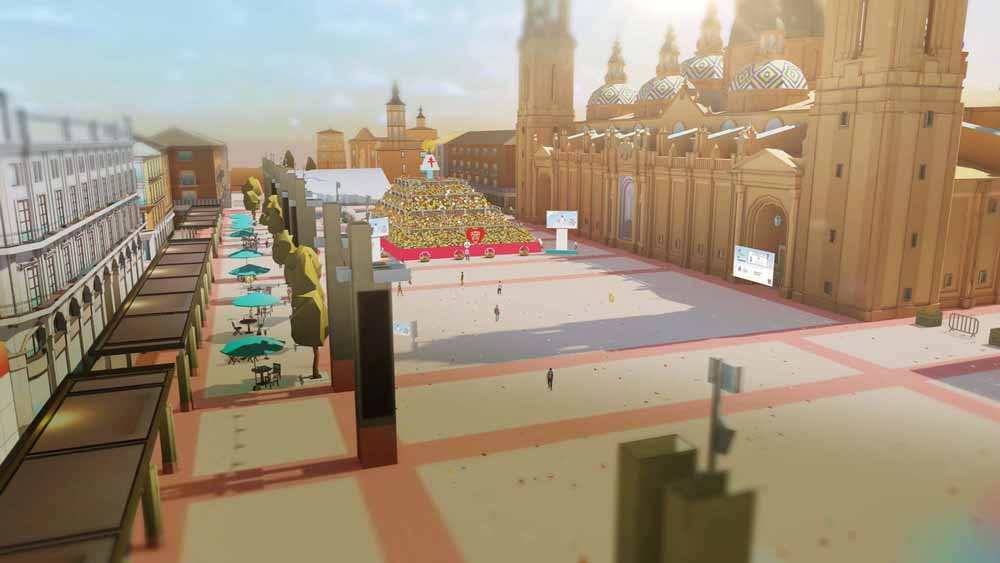
Metaverse of the city of Zaragoza recreating in 3D the experience of the traditional Offering of Flowers
Do you want to know more about digitization in public administrations?
How to initiate a tourism digitization process in a municipality
Initiate a process of tourism digitalization in a municipality is not about implementing technology in isolation, but about designing a clear strategy that connects the needs of the destination with innovative and measurable solutions. For the public administrations, The goal is to evolve toward an intelligent management model that enhances the visitor experience. Here are the key steps to get started successfully:
Diagnosis of the destination and definition of objectives
The first step is to understand the municipality's starting point, what type of tourism it receives, what resources it has and what its main challenges are. A good diagnosis allows to detect real opportunities for improvement in mobility, sustainability, experience or data management. From there, the municipality can define clear and achievable objectives. Tourism digitization must always respond to a destination vision, not to a technological fad. This is the only way to build a solid strategy aligned with local needs.
Project prioritization and quick wins
It is not necessary to digitize everything at once. The most effective approach is to identify projects with immediate impact, the so-called quick wins, which generate visible results in a short time. For example, improving digital tourism information, implementing basic analytics or creating immersive experiences at key points. These first actions allow to gain confidence and address more complex initiatives within a progressive roadmap. The key is to move forward with focus and consistency.
Digital culture and training within the city council
Technology alone does not transform a destination if it is not accompanied by an evolution in the way of working. Therefore, it is essential to promote a digital culture within the city council, forming teams and connecting areas such as tourism, culture, urban planning and innovation. The digitization of tourism requires internal collaboration, cross-cutting vision and public leadership. Empowering people ensures that solutions are maintained, grow and are integrated into daily management.
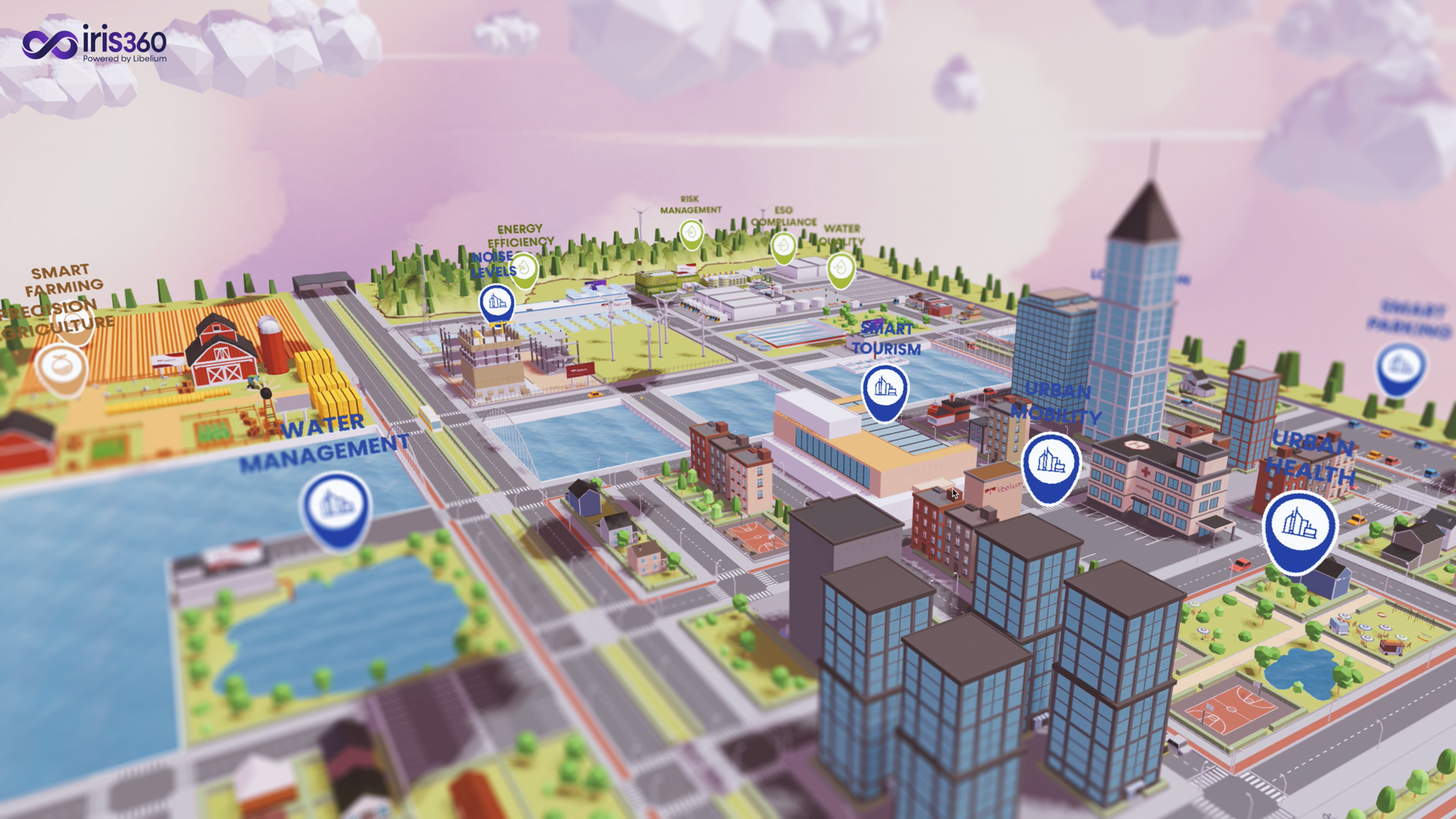
Virtual Twin of a Smart City developed for Libelium
Successful cases of tourism digitalization in municipalities
The public administrations are demonstrating that the tourism digitalization can transform not only destination management, but also the way visitors and citizens interact with culture, heritage and urban spaces. Here are three inspiring examples developed with Imascono that show how municipalities can innovate and create unforgettable experiences.
The traditional Zaragoza Flower Offering, one of the most emblematic events of the Fiestas del Pilar, was transferred to the digital environment to keep it alive even in times of pandemic. Through a 3D recreation of the Plaza del Pilar, accessible from any device., In this project, users can customize their avatar, make their offering and live an interactive experience that combines tradition and technology. This project has had a global reach, with hundreds of thousands of visits and European recognition for its ability to preserve and share cultural heritage digitally.
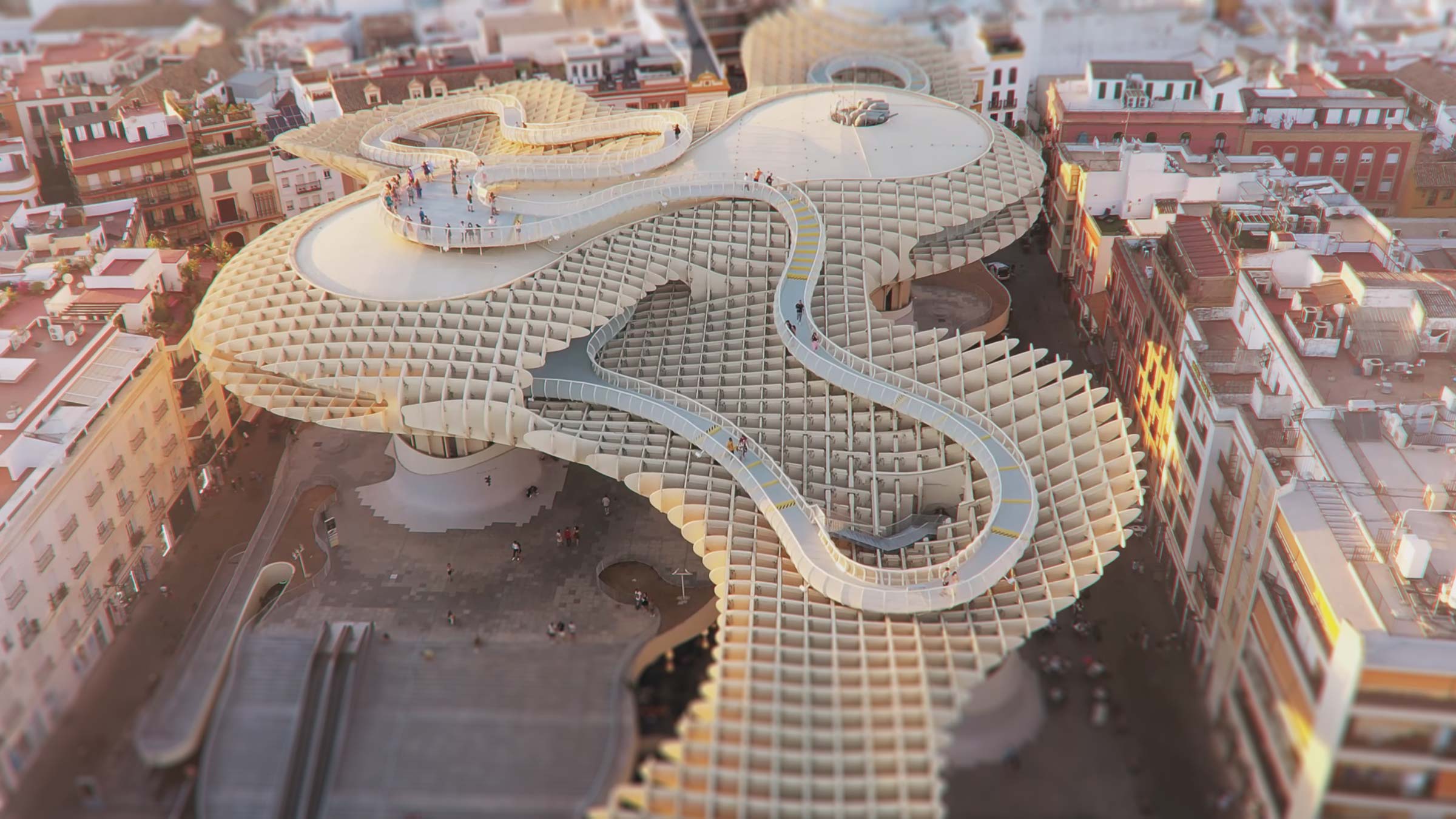
The iconic Mushrooms from Seville were transformed into a interactive digital experience that allows visitors and citizens to explore the architectural structure from different perspectives, view its historical evolution and access 360º multimedia content. This virtual recreation enriches the physical visit, provides historical context and turns a point of urban interest into a more attractive educational and tourist tool.
Virtual Twin made for Setas Sevilla by Imascono
Do you want to know more about digitization in public administrations?
Arte Conectado is a project that demonstrates how digitalization can become a powerful tool for cultural and touristic dynamization on a local scale. Through interactive experiences and digital content accessible from mobile devicesthe project connects citizens and visitors with urban artworks and cultural spaces, integrating technology, creativity and territory. Through the use of resources such as augmented reality and digital narratives, transforming the public space into an open museum and encouraging citizen participation with digital artistic heritage.
Although it is not a traditional tourist destination, the project Libelium Iris 360 demonstrates how an interactive digital experience can help share complex smart city data in a visual and understandable way. Recreating 3D urban environments are shown how IoT solutions that impact mobility, air quality and urban sustainability work.. This tool, accessible from any browser, facilitates the understanding of advanced technologies for public managers, visitors and institutions, improving the perception of the destination as an innovative and future-ready space.
If your municipality wants to take the next step towards a smarter, more sustainable and connected tourism, at Imascono we can help you. We are experts in tourism digitalization and in the design of innovative technological experiences that transform destinations and bring heritage closer to people. Contact our team and discover how to turn your municipality into a benchmark of digital tourism and Smart Tourist Destination.