Tourism and technology: characteristics and advantages
Technology has reached the tourism sector. We live in a hyperconnected world where our day to day life goes through the digital world: our way of working, our way of relating to each other, our way of shopping, and, of course, our way of living tourism . Undoubtedly, the tourism sector is one of the main industries most impacted by new technologies. It is the perfect example of how the digital transformation has been able to revolutionize different business models of tourism companies. In this article we review the 5 main trends in the tourism sector technology, its main features and advantages.
Relevance of technology in tourism
The profile of the traveler has changed radically in recent years. It is a digital consumer who is increasingly more informed, more demanding, with a great capacity for influence and who is looking for unique experiences. Not only that, but new generations such as the millennials the Generation Z and children, the Alpha generation see technology as their way of interacting with the world. For this reason, the different agents that form part of the tourism sector, from travel agencies to theme parks, museums, tourist offices and public bodies, see in technology the way to to connect with users, to generate a truly positive impact and to take the tourism experience to the next level.
5 trends in the tourism sector
The possibility of creating new experiences that are different, accessible and customized makes technology the core strategy of the tourism sector. From the latest developments in Artificial Intelligence and Extended Reality to the Metaverse, Big Data and phygital experiences. In this section we review the technology trends most important in the tourism .
Inteligencia artificial
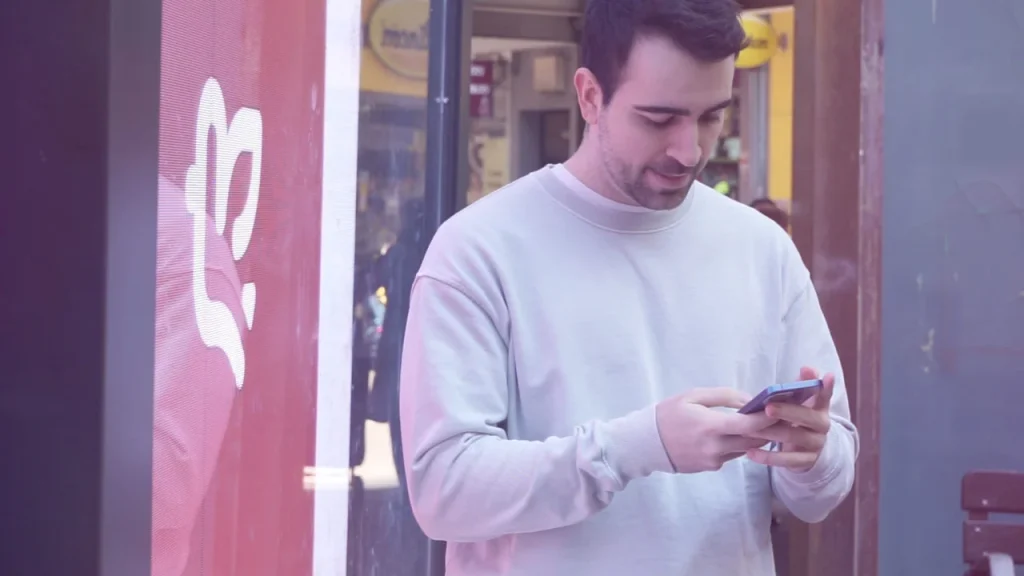
Artificial intelligence has been a game changer for the business world and the tourism sector is no exception. The latest AI tools are being applied in multiple ways in tourism. From the ability to generate customized content in real time y la process automation and optimization The company has also incorporated virtual assistants / AI avatars that respond to all the needs of tourists. These AI-based avatars can be installed on totems and even accessed from cell phones and web browsers. Humanizing the interaction with the users and becoming true personalized guides trained with an extensive database on the tourist destination.
Realidad extendida
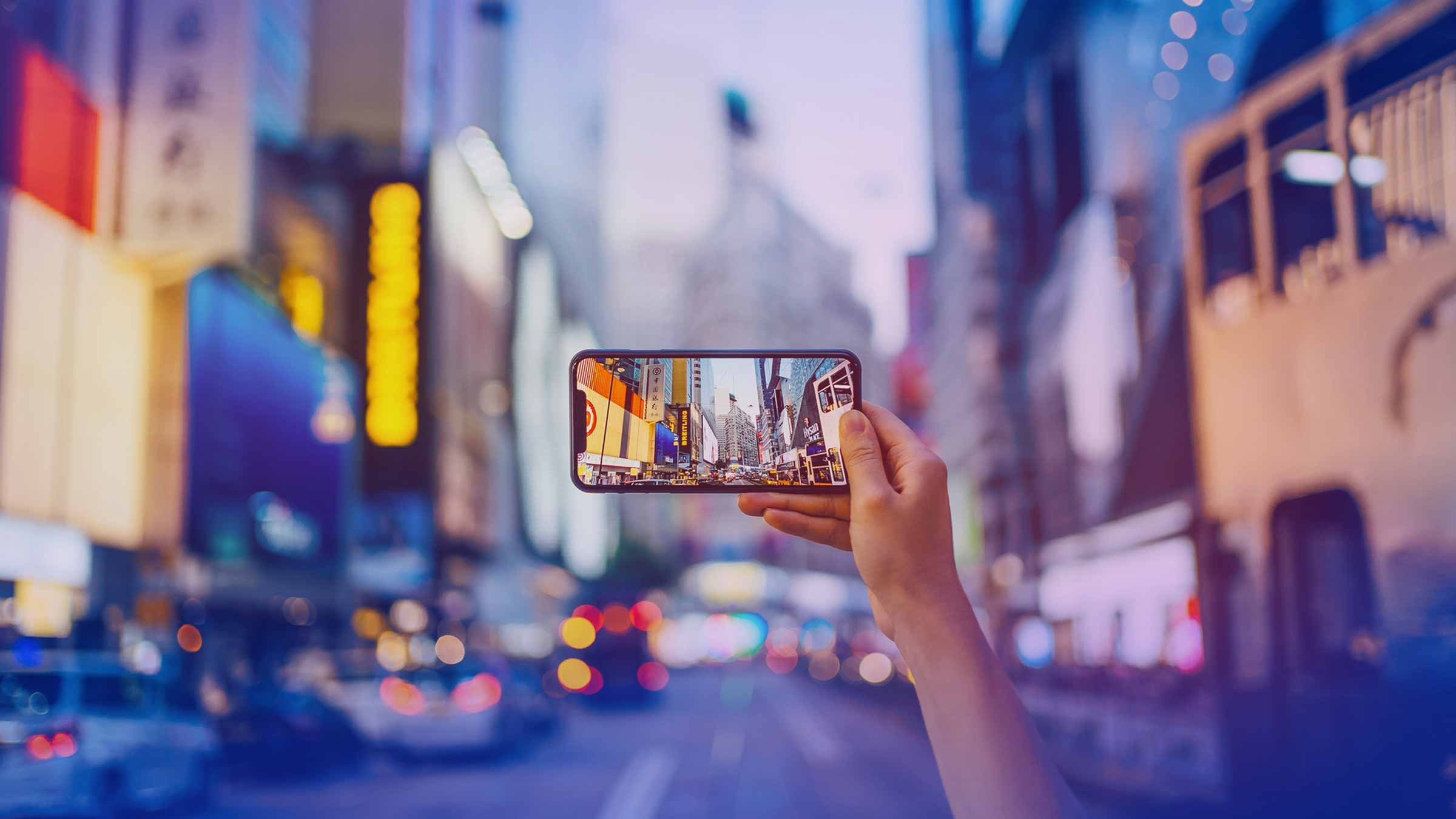
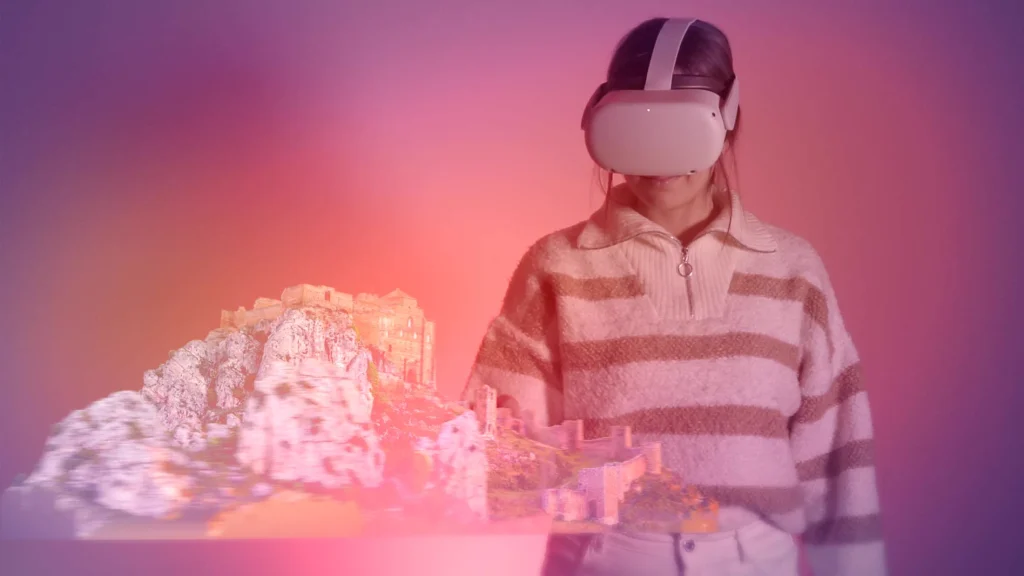
Thanks to extended reality, the traveler's experience reaches new levels of immersion and interaction. From recreating historical events and life in the past to being able to have real-time translations into any language. By simply pointing our mobile devices, we will receive the information we need instantly, easily and interactively, even through the Internet. virtual guides based on Artificial Intelligence. Thanks to the virtual reality we can feed our curiosity with our next destinations, traveling virtually, resting on a deserted beach, without leaving home, traveling into space or living experiences that increase our adrenaline levels without taking risks. Combining the tourist destination with the Augmented reality we can change the way in which we discover the corners of a city or the way in which we discover the we visit museums . As the new phygital experiences installed in the Rafa Nadal Museum in Manacor. A unique experience designed for the enjoyment of all ages. You may be interested in→ Augmented Reality applications in tourism .
Travel in the Metaverse
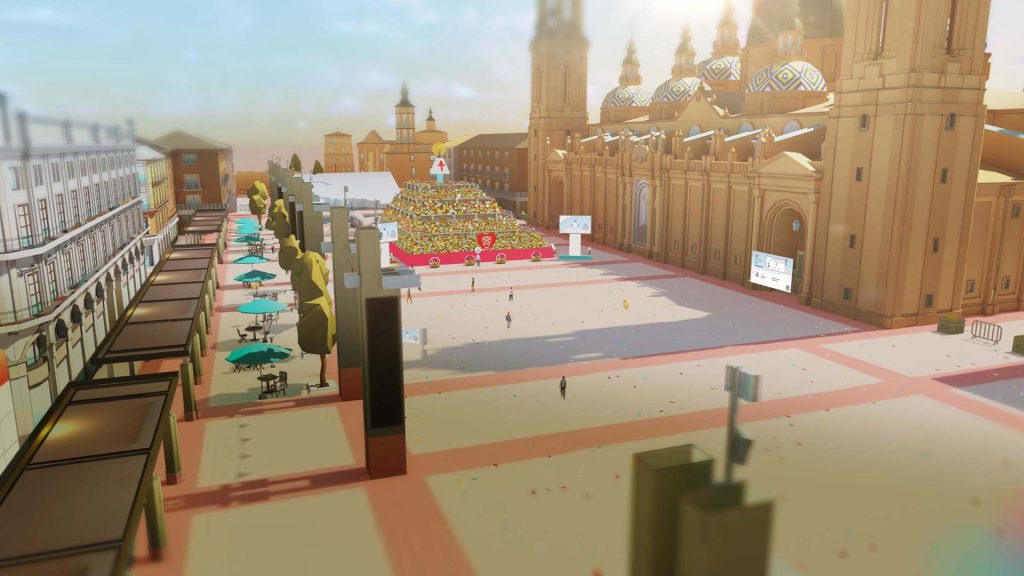
Desde el punto de vista del turista, el desarrollo del metaverso en el ámbito turístico permite revolucionar el antes, durante y después de la experiencia de viaje. Antes del viaje, al fomentar “trying before buying”, recorriendo uno mismo las instalaciones del hotel, viendo de primera mano las vistas de la habitación o probando las actividades que se pueden contratar. Una vez en el hotel destino, el Metaverso permite personalizar y optimizar la experiencia de los huéspedes. A través de gemelos virtuales en el Metaverso y asistentes virtuales, los propios turistas pueden gestionar y controlar todos los servicios contratados. Además, estos mismos espacios en el Metaverso permiten fortalecer la comunidad online y fomentar el cross-selling, al crear un espacio en el que, al viajar de vuelta a casa, la interacción con la marca siga en el mundo virtual. Como en el caso de Exclusiverse, donde se fomenta el loyalty de sus +80.000 miembros a través de contenidos exclusivos, descuentos y desbloqueo de nuevas experiencias interactivas.
Marketing experiencial
With the development of campaigns based on extended reality and the rest of creative technologies, the tourism marketing enters a new dimension. By being able not only to revalue digital marketing strategies, but also to link them with experiential marketing. Transforming the most face-to-face and static actions into groundbreaking, fun, attention-grabbing experiences that attract the target audience to the tourist destination. Taking the marketing campaign to the next level of engagement and emotional connection as in the campaign Frozen Emotion for the promotion of the new ski season. Where users must cross a suspension bridge between two peaks of the Aragonese Pyrenees to get the ski pass and descend with virtual skis in the Virtual Reality experience developed by Ibercaja Xplora.
Big Data
The era of data has also reached the tourism sector. Thanks to the Big Data and the advanced analytics In this way, tourism businesses can extract relevant data from the behavior of travelers . Detect trends, draw conclusions in an agile way and define strategies much more personalized and appropriate to the target.
All for stand out from competitors' proposals and offer users the experiences that best suit their tastes and needs.
Benefits of new technologies in the tourism sector
Undoubtedly, the real change in tourism today is the tourist empowerment . He is at the center of the entire strategy, from marketing to sales, through the experience itself and its subsequent transfer to social networks. Therefore, the interactivity with the customer, the development of memorable tourism experiences and the betting on technology are three key aspects to take into account in the new era of tourism. These are some of their benefits:
Interaction between company and traveler
One of the advantages offered by the incorporation of technology in tourism proposals is the interaction generated between the company and the traveler. This is based on three key aspects: comfort , speed and immediate availability of information . Thanks to the development of WebApps In addition, purchases and reservations can be made in a few minutes and from different devices. Without losing sight of the instant access to all types of customized contents The online interaction with users reduces management costs and streamlines processes. An online interaction with users that reduces management costs and speeds up processes.
Increase in smart destinations
Technology is facilitating the development of a new type of tourism: smart tourism. This is characterized by its high technological value that can range from offering 5G connection and generation of routes and virtual tours powered by the use of Augmented Reality to the development of tourist experiences with universal accessibility. Thanks to this universal accessibility, people with disabilities or mobility problems can enjoy the tourist destination thanks to technology. One example of this type of intelligent tourism is the social initiative of ITAINNOVA with the project LOARRE XR where, thanks to virtual tourism technologies, Loarre Castle can be visited by all audiences. If you are interested, Meet the new trend of virtual tourism .
Personalization of the tourist service
New technologies offer tourism the possibility of offering unique experiences and personalize tourism proposals according to travelers' tastes and preferences. A personalization that can be made depending on the user profile, the time of purchase, the purchase pattern and its location. A change that has been possible thanks to the Big Data y la intelligent tourism marketing management .
Increasing technology in the tourism sector with Imascono
At Imascono we know that the future of the tourism sector depends on the creation of interactive and immersive experiences that users fall in love with and that generate a real emotional connection. This is why technology plays a key role in the evolution of tourism. From the Rafa Nadal Museum to the hotel line Barceló, through the traveler's club Exclusive Traveler Club, many tourism companies, museums and public administrations have trusted Imascono's team to incorporate technology into their business models. We have more than 12 years of experience in the development of impactful experiences based on Extended Reality, Metaverse and Artificial Intelligence. Contact with us and find out how we can boosting your tourism business with innovative, efficient and high quality proposals to revolutionize the tourism sector.