BITÁCORA

| BLOG

Read our space diary and discover the best of the latest technology news.

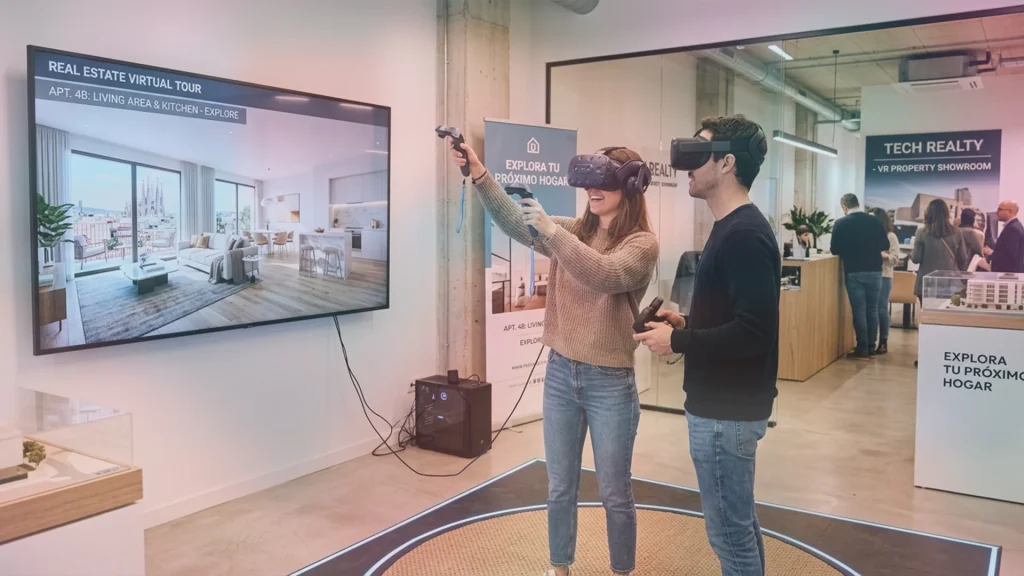
In this article we will review the 6 main benefits of implementing Virtual Reality in events, fairs and congresses.
The digital world has marked a before and after in how people, and even companies, represent their identity and interact with other users.
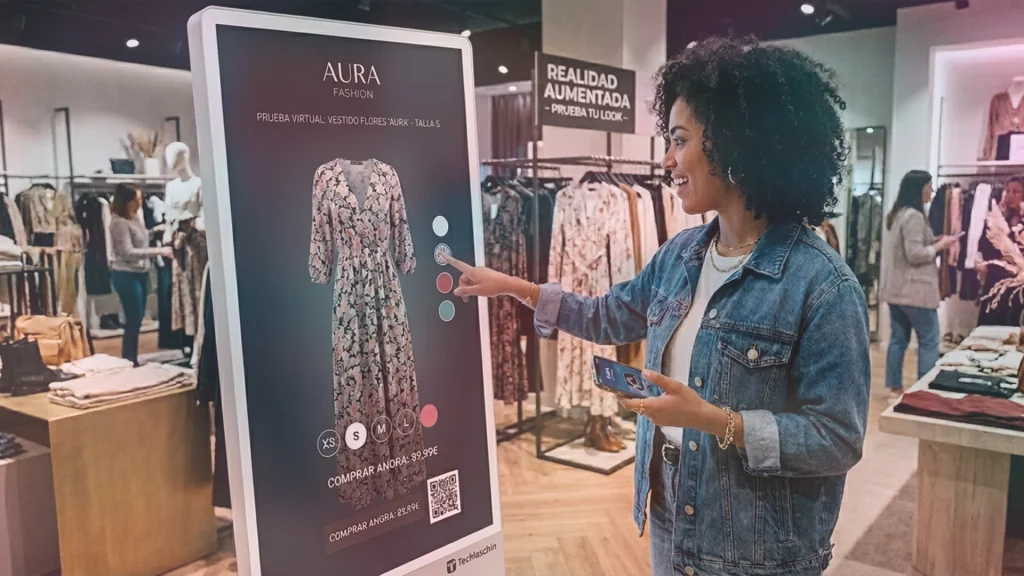
In the constant search for innovation in the world of marketing and advertising, Augmented Reality (AR) emerges as a powerful tool to revolutionize the interaction with users/customers.
According to the latest Accenture Technology Vision report, the three major trends of the new technological reality in which we live are: the cloud, the Metaverse and Artificial Intelligence.
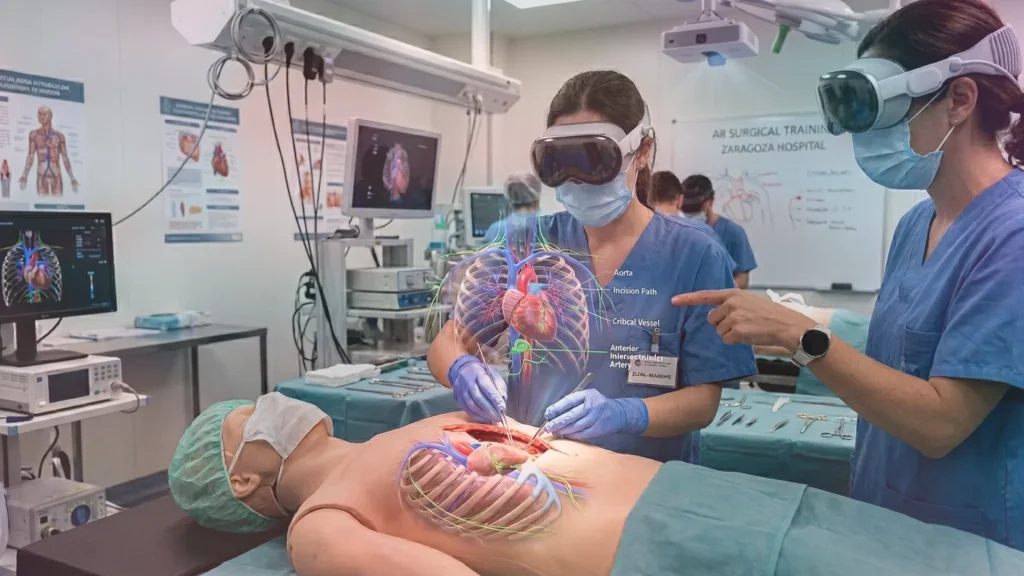
Undoubtedly, if there is a combination of technologies that will set the trends for the coming years, it is the combination of Artificial Intelligence and Augmented Reality.
Education in the 21st century is unthinkable without technology. New learning methods, online educational platforms, multimedia content, remote classes, mobile devices connected to the Internet... have arrived in the classroom to stay.
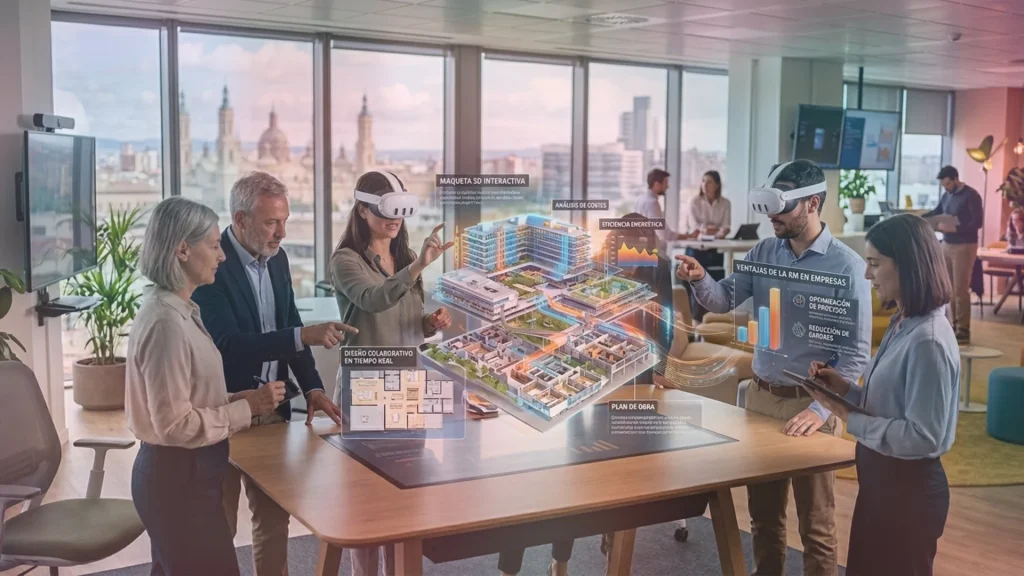
If there is a technology that is trending in the business world, it is Virtual Reality. A priori, everything that encompasses this technology is unconsciously related to the leisure and entertainment industry.
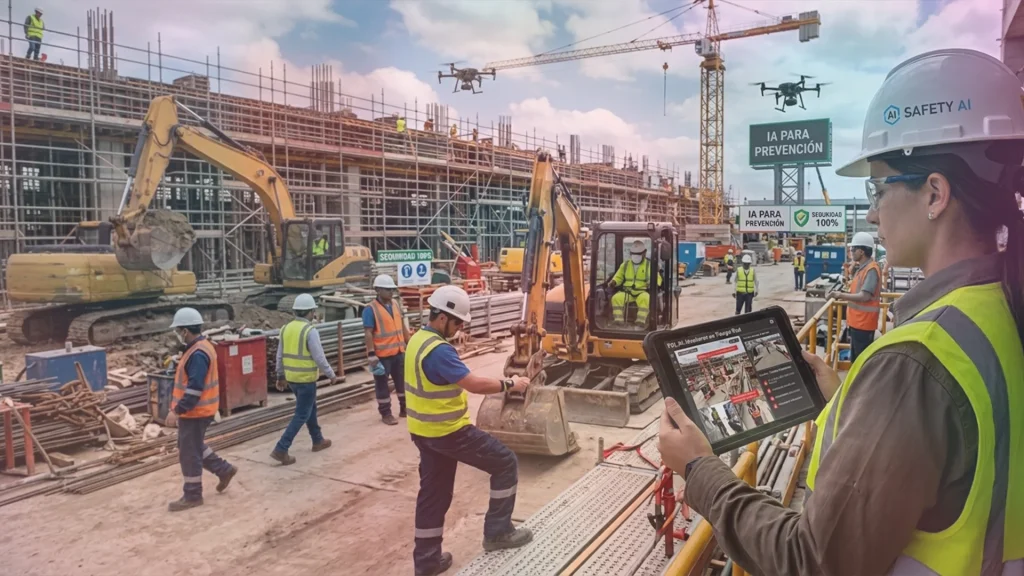
We are currently immersed in a new industrial revolution. If the first revolutions came with the railroad and the steam engine, the fourth (and fifth) industrial revolution comes with the digitalization and automation of industrial plants.
Immersive technologies such as Virtual Reality or Augmented Reality have marked a before and after in video games, marketing, advertising and even tourism.
The change of strategy from Facebook to Meta has mobilized the national and international technology sector to direct all efforts to build what has become the great technological trend for the coming years: the Metaverse.
First there were central data processing systems, then personal computers, then smartphones. Now, we are at the beginning of the new wave of computing: Mixed Reality.
The change of strategy from Facebook to Meta has mobilized the national and international technology sector to direct all efforts to build what has become the great technological trend for the coming years: the Metaverse.
For centuries, museums around the world have had one thing in common: the goal of preserving and sharing culture, history, science and art with as many people as possible.
Within Virtual Reality we find immersive, semi-immersive and non-immersive Virtual Reality. Discover how they work and how they differ from each other.
Augmented Reality vs. Virtual Reality. Different ways of interacting between the real and virtual worlds where immersive experiences, devices and applications are adapted to each technology.
How do you imagine the union between the real world and the digital world in the future? The technology sector has it clear. There is a whole trend and line of research, development, uses and applications in which work is being done around a single technology: Virtual Reality.
The term "metaverse" was coined by Neal Stephenson in his 1992 science fiction novel Snow Crash. In the book, the Metaverse is described as a virtual space in which users can interact through avatars in a shared digital world.
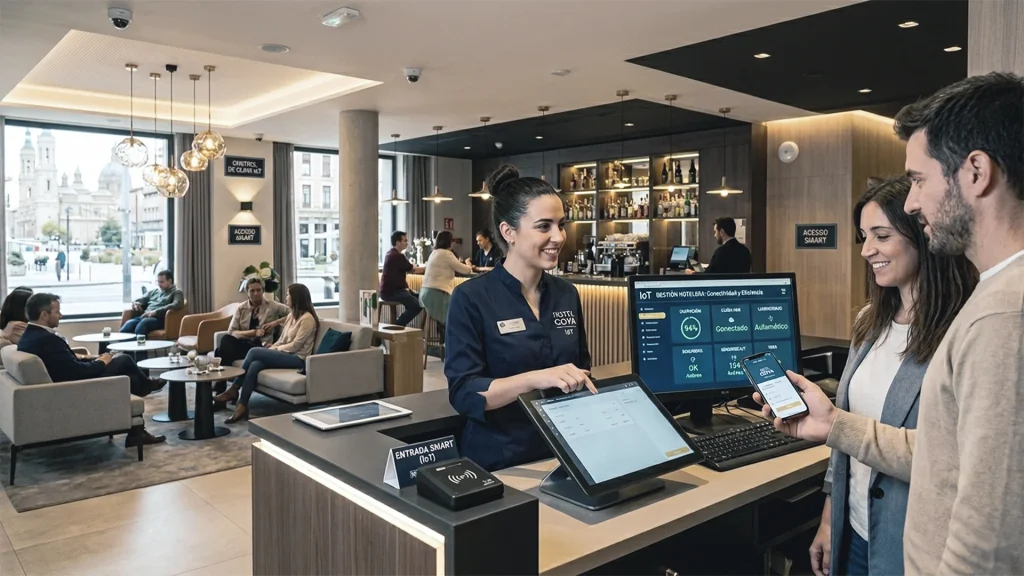
Extended Reality encompasses Augmented Reality, Virtual Reality and Mixed Reality under the same concept. This technology refers to all innovative solutions that combine the characteristics of each of these immersive realities including, in addition, their complementation with Artificial Intelligence, 5G or the Internet of Things (IoT).
Do you know what a webapp is and how it differs from a native app and a static web? A WebApp is an interactive application that works on the web, without the need for downloads and adapted for all types of browsers and devices, regardless of the operating system they use.
Virtual Reality is the technology capable of immersing us in completely digital alternative worlds, where we, the users, decide where to focus our attention.
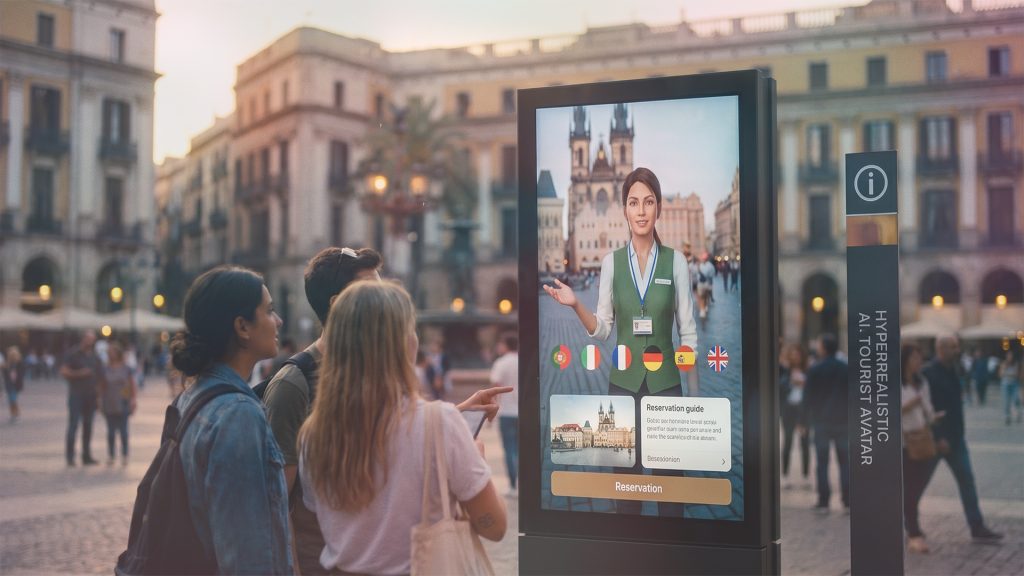
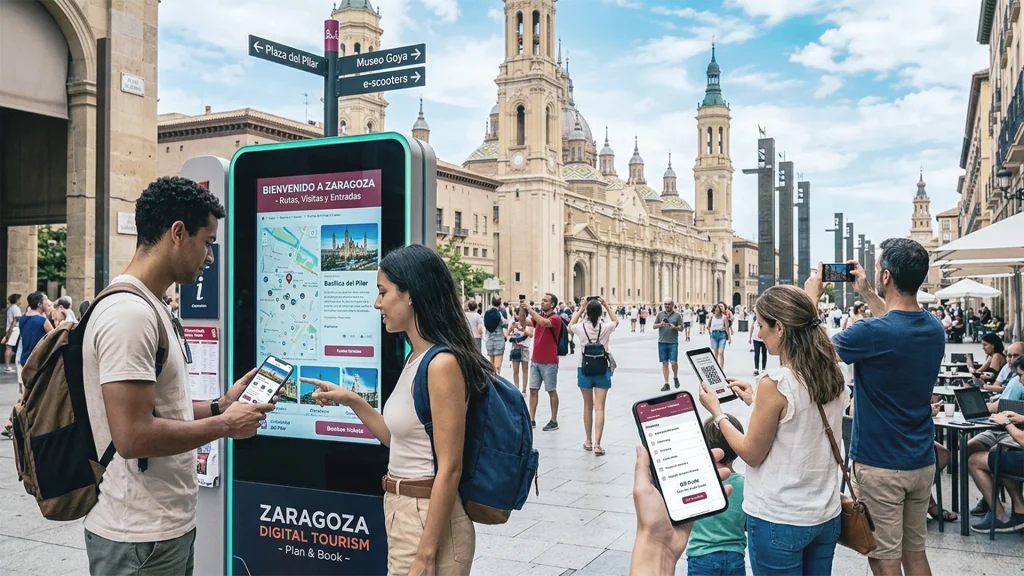
Technology has reached the tourism sector. We live in a hyperconnected world where our day-to-day life is digital: our way of working, our way of relating, our way of shopping, and, of course, our way of living tourism.
One of the sectors in which, without a doubt, living unique experiences is the basis of business is tourism.
In the constant search for innovation in the world of marketing and advertising, Augmented Reality (AR) emerges as a powerful tool to revolutionize the interaction with users/customers.
Education in the 21st century is unthinkable without technology. New learning methods, online educational platforms, multimedia content, remote classes, mobile devices connected to the Internet... have arrived in the classroom to stay.
Immersive technologies such as Virtual Reality or Augmented Reality have marked a before and after in video games, marketing, advertising and even tourism.
The change of strategy from Facebook to Meta has mobilized the national and international technology sector to direct all efforts to build what has become the great technological trend for the coming years: the Metaverse.
For centuries, museums around the world have had one thing in common: the goal of preserving and sharing culture, history, science and art with as many people as possible.
Within Virtual Reality we find immersive, semi-immersive and non-immersive Virtual Reality. Discover how they work and how they differ from each other.
Augmented Reality vs. Virtual Reality. Different ways of interacting between the real and virtual worlds where immersive experiences, devices and applications are adapted to each technology.
How do you imagine the union between the real world and the digital world in the future? The technology sector has it clear. There is a whole trend and line of research, development, uses and applications in which work is being done around a single technology: Virtual Reality.
The term "metaverse" was coined by Neal Stephenson in his 1992 science fiction novel Snow Crash. In the book, the Metaverse is described as a virtual space in which users can interact through avatars in a shared digital world.
Extended Reality encompasses Augmented Reality, Virtual Reality and Mixed Reality under the same concept. This technology refers to all innovative solutions that combine the characteristics of each of these immersive realities including, in addition, their complementation with Artificial Intelligence, 5G or the Internet of Things (IoT).
Do you know what a webapp is and how it differs from a native app and a static web? A WebApp is an interactive application that works on the web, without the need for downloads and adapted for all types of browsers and devices, regardless of the operating system they use.
Virtual Reality is the technology capable of immersing us in completely digital alternative worlds, where we, the users, decide where to focus our attention.