Simulation learning positions itself as a key model in high-risk environments
The simulation learning has become the key to form with efficiency in high-risk environments. We are no longer talking about endless manuals or monotonous presentations, but about immersive, gamified and secure experiences that allow learning by doing, without putting resources or people at risk. The training is transformed into something real , practical and memorable all thanks to Virtual Reality. In this blog you will discover how leading industrial companies and enterprises are revolutionizing the way they teach with simulations, digital twins and AI avatars . An essential guide to understand why this methodology is no longer the future but has already reached the business environment to improve learning and professional training.
What is simulation learning and how does it work?
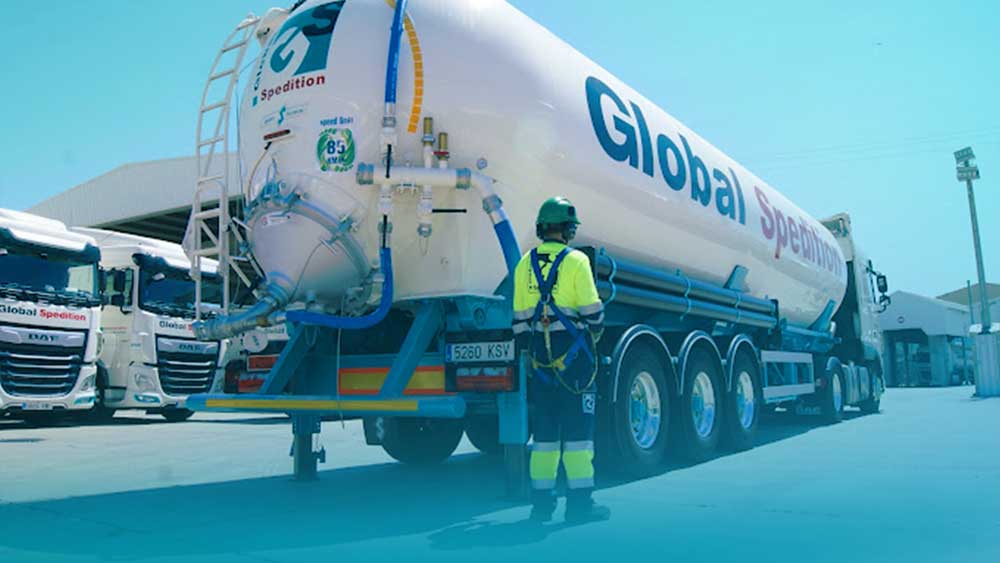
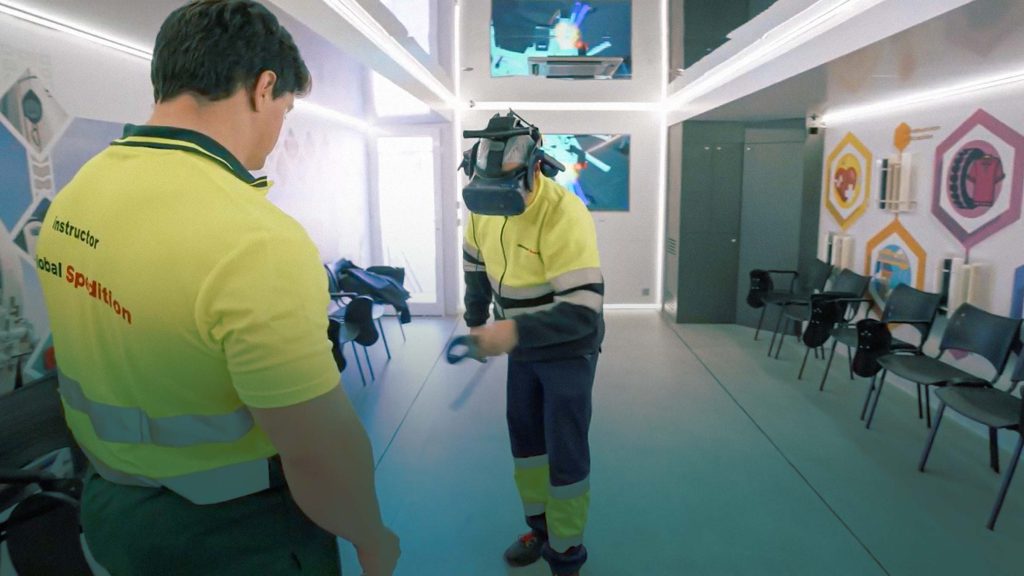
The simulation learning is an innovative strategy that enables the acquisition of knowledge and skills through hands-on experience in virtual environments. and controlled replicating real-life situations without risk. This action-based approach offers total immersion, where the user faces challenges, makes decisions and receives immediate feedback, achieving effective and lasting learning . The effect of simulation on learning is undeniable: improves retention, boosts confidence and prepares professionals to act successfully in high-risk environments . For this reason, simulation is positioned as one of the most important key tool for training, error prevention and safety assurance making it the best option for sectors where every decision counts. An example of the great impact that simulations have on professional training can be found in the project conducted by Global Spedition . The transport company, which specializes in hazardous transports, has developed its occupational risk prevention training in Virtual Reality . A fact that had a favorable impact on the acquisition of knowledge and the speed at which its workers were trained. Gamifying the educational experience by incorporating times, rankings and bonus points into the simulation .
Simulation as a learning strategy in high-risk environments
In sectors where the margin of error is minimal, such as medicine, aviation or the energy industry, the simulation as a learning strategy has become an essential tool. Enables training of key skills in virtual, secure and controlled environments where professionals can experience critical situations with no real consequences . This action-based methodology improves decision making, reduces errors and strengthens preparedness for high-pressure scenarios. You may be interested in → What is Industry 4.0 and what are its main characteristics?
The relevance of creating controlled environments for high-impact practices
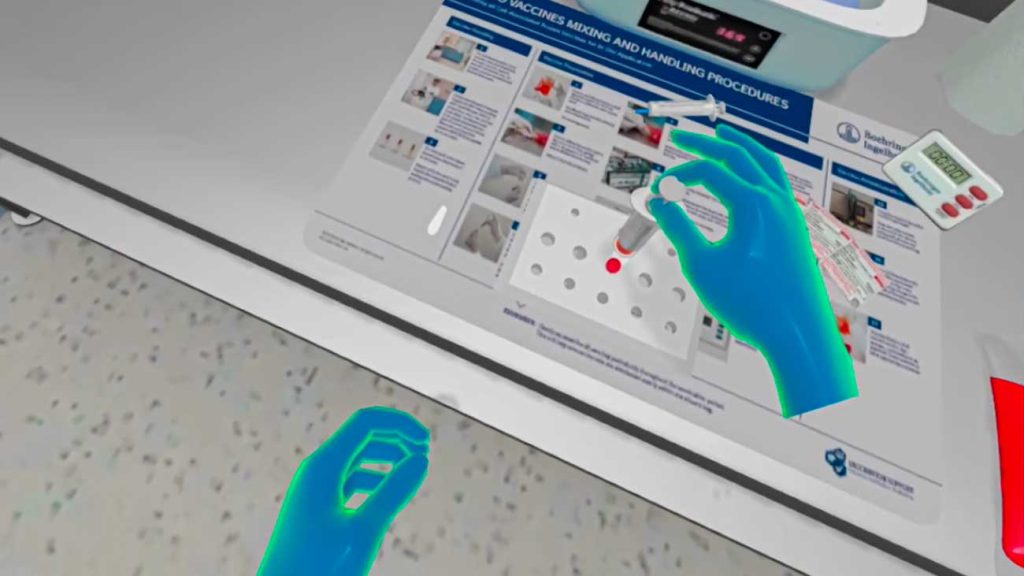
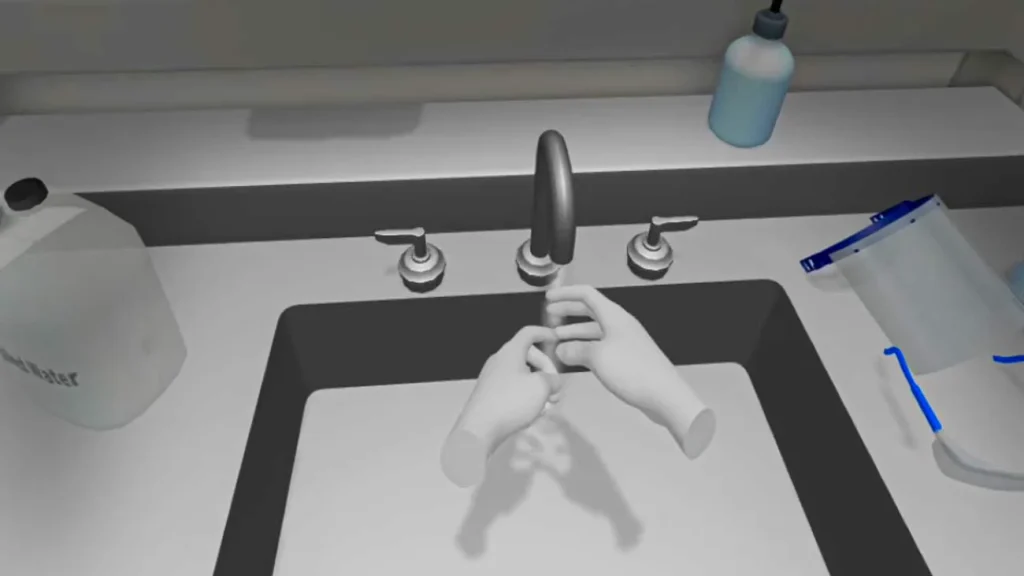
Controlled environments are key to high-impact learning: allow to fail, repeat and improve without risk . Whether in a virtual operating room or in a virtual laboratory such as Boehringer Ingelheim's. These immersive experiences faithfully replicate real-life situations, offering professionals a safe and effective practice. The examples of simulation learning demonstrate that this strategy improves performance, boosts confidence and prepares for action. r when it really matters. The data shows it: according to the latest PwC report, training in Virtual Reality is 4 times faster than in a classroom.
Benefits you should know about simulation learning
When it comes to training in high-risk environments, safety and deep learning are essential. Many of the situations that workers and professionals will experience in their work environments will be stressful, unexpected and outside the traditional theoretical manuals. This is why the simulations in Virtual Reality They allow learning by doing, learning by trial and error, through (virtual) experience. The following is a review of three key pillars on which the Virtual Trainings ( VR training ) that explain the transformative impact of simulation as a learning tool.
Confidence building
One of the most prominent benefits of simulation learning is the development of confidence. By facing complex situations in a controlled environment, employees have the opportunity to experiment without fear of making mistakes. This approach fosters active and experiential learning, resulting in more skilled, confident professionals who are able to address real-world challenges more effectively. This approach fosters active and experiential learning, resulting in professionals who are more skilled, self-confident and able to address real-world challenges more effectively.
Better preparation for unexpected situations
Simulation learning prepares employees for unpredictable scenarios, which turns out to be one of its greatest advantages. By recreating critical or infrequent situations, workers are able to Anticipate potential problems and respond calmly, making effective decisions in times of high pressure. This ability to adapt quickly to the unexpected reinforces knowledge retention, contributing to a deeper understanding of processes and strengthening the skills needed to face real challenges in the work environment.
Instant feedback
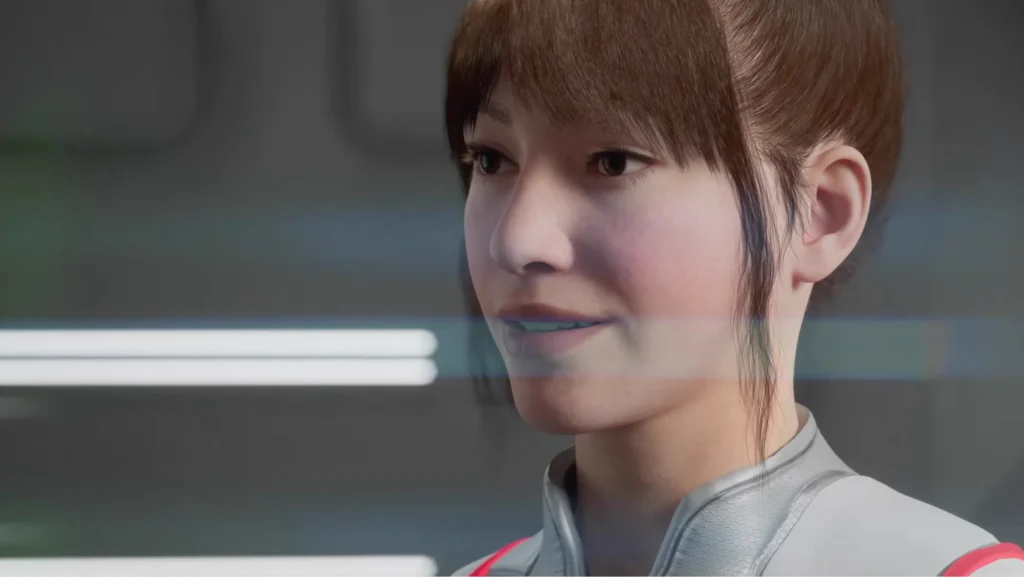
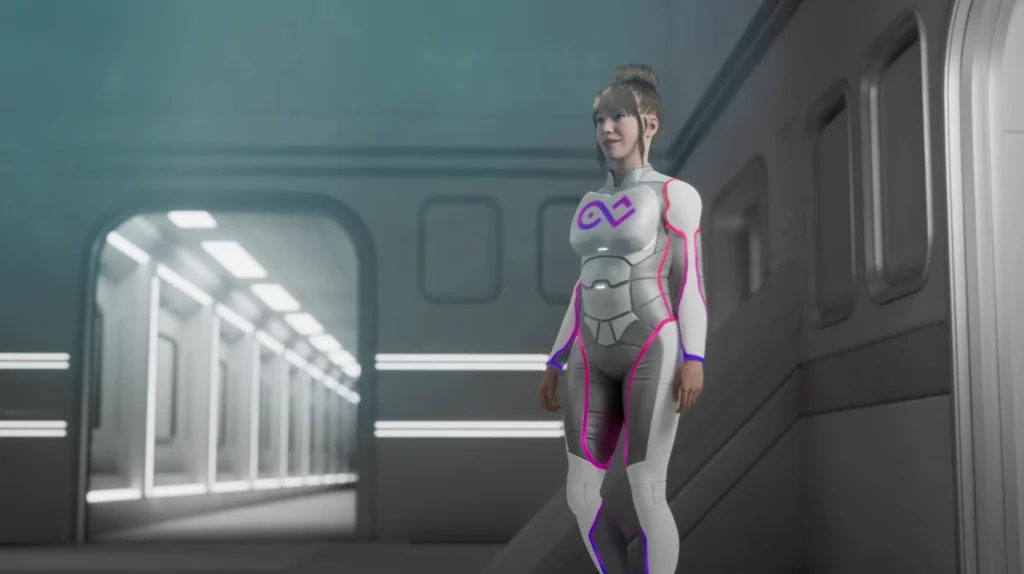
Immediate feedback is essential in simulation-based learning, and is enhanced by the integration of virtual avatars equipped with Artificial Intelligence . These agents interact in real time, providing customized responses and instant evaluations that are adjusted to the evolution of the user's performance. This continuous feedback process generates a dynamic environment of constant improvement, making learning much more effective and tailored to the needs of each individual. Want to dive deeper into the use of AI in industry? Visit our post Artificial intelligence applications in industry
Outstanding examples of simulation learning
Simulation doesn't just sound good, it works, and these cases prove it. From hazardous materials logistics to pharmaceutical training, leading companies such as Global Spedition, Merz Aesthetics, CEVA and Boehringer Ingelheim have opted for immersive experiences. Here's how these companies have applied it.
CEVA Velactis → Este Virtual Trainingutiliza la Realidad Virtual para capacitar a profesionales veterinarios en la aplicación de Velactis, un producto destinado a la gestión de la salud en vacas lecheras. Mediante una simulación de granja virtual, los usuarios pueden interactuar con escenarios gamificados, visualizar vídeos explicativos y participar en cuestionarios, todo en un entorno multilingüe y con una duración de formación inferior a 10 minutos.
Kai XR Platform → Una plataforma educativa de Realidad Virtual diseñada para alumnos de primaria y secundaria. Esta herramienta permite a los alumnos explorar experiencias inmersivas en temas como ciencia, tecnología, historia y deportes, todo a través de una interfaz intuitiva y accesible desde navegadores web y dispositivos VR.
Virtual Experience Veterinary → Una experiencia de formación en VR desarrollada para estudiantes de veterinaria, permitiéndoles realizar prácticas en una granja avícola sin necesidad de estar físicamente presentes. Esta solución supera las restricciones legales que impiden el acceso de estudiantes no graduados a granjas industriales en Estados Unidos, ofreciendo una simulación de los protocolos de seguridad y sanitarios que deben seguir los profesionales veterinarios. La experiencia ha sido evaluada positivamente por los usuarios, con un 96% otorgando entre 4 y 5 estrellas, y el 85% interactuando con todos los contenidos de la formación
What else can you do? Other key tools for training
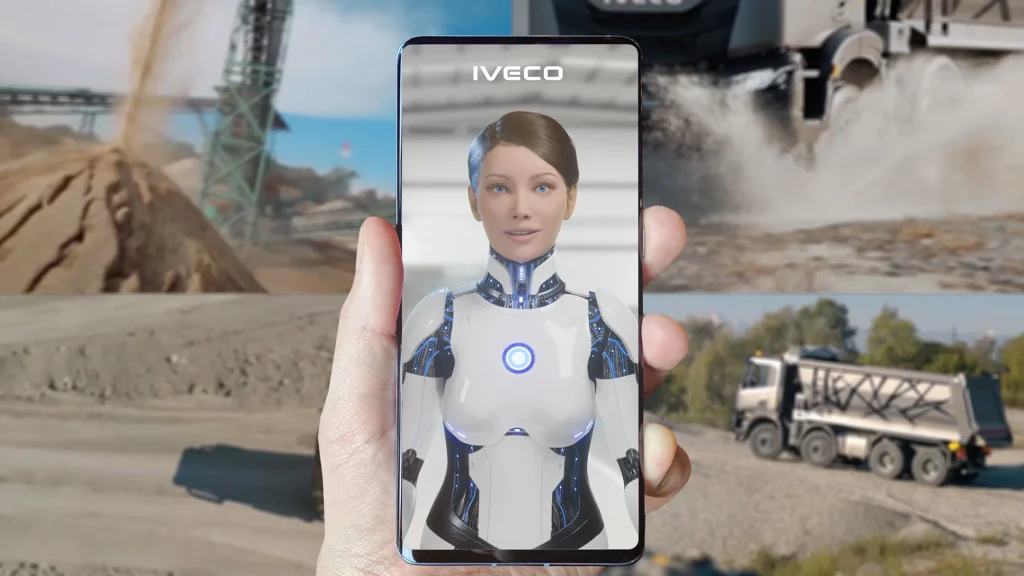
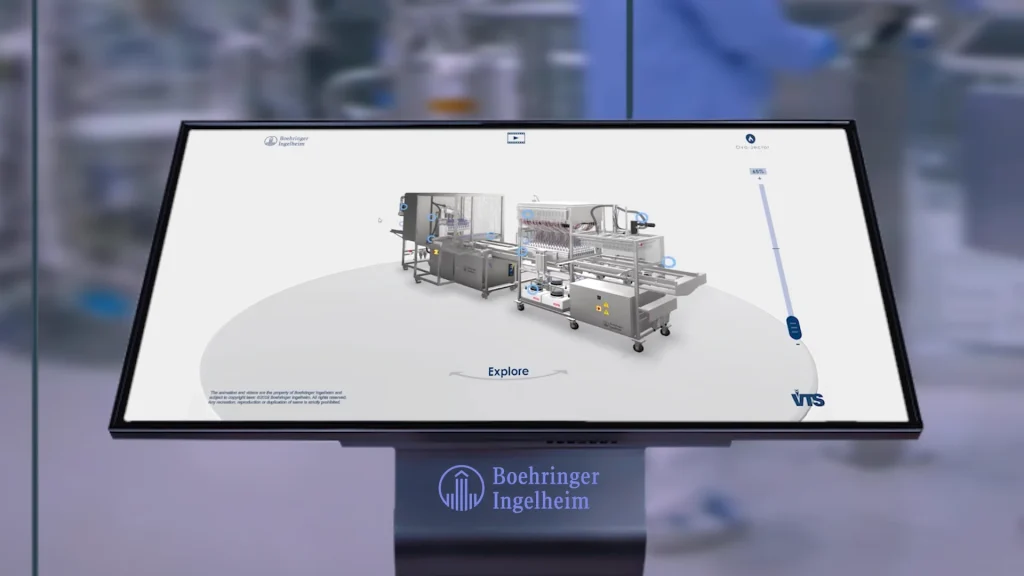
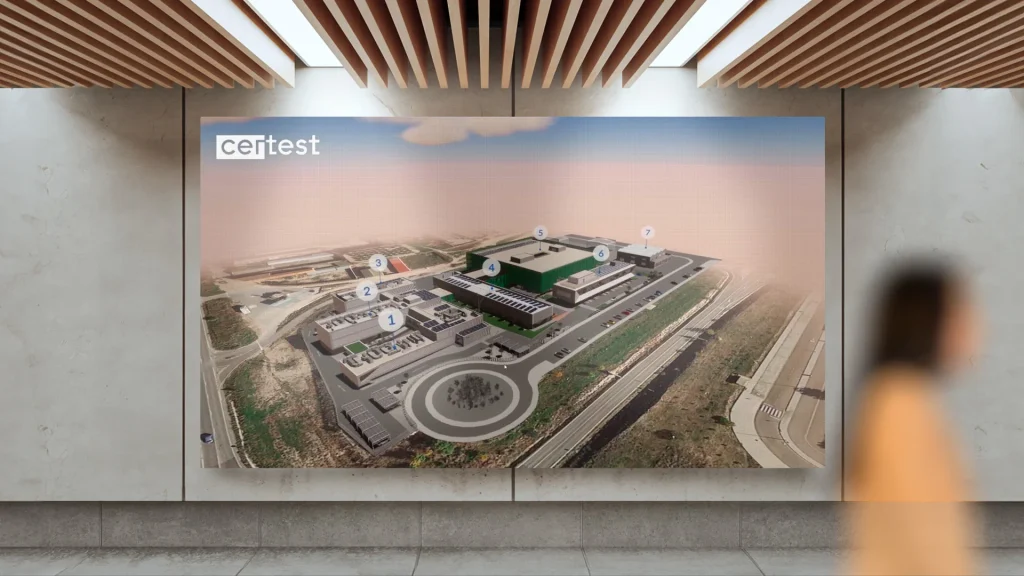
The simulation learning is just the beginning. The technological revolution in training environments goes much further, and today there are tools that raise the experience to unprecedented levels. We are talking about virtual avatars with AI , digital twins and interactive environments realistic that monitor, analyze and optimize at each step. Let's take a look at its use with some of the most outstanding examples Iria Iveco Iria is a virtual avatar with AI designed to accompany the internal training of the Iveco team. Interacts in real time, resolving doubts and guiding users with proximity. . An innovative way of humanizing and personalizing digital learning, becoming a ongoing support within the training ecosystem . Ovo Xtractor The digital twin Boehringer Ingelheim accurately replicates a poultry machine to train personnel without using the actual equipment . Allows you to practice, explore and understand each component safely and remotely. Ideal for reducing errors and improving technical proficiency, obtaining training beyond a manual. Certest Certest, wanted to showcase its transformation by creating a interactive virtual twin of your facilities. We develop a 3D model detailed that allows to tour its factory and remote R&D centers from mobile or tablet. The experience not only enhances the value of its expansion, but is updated in real time thanks to a Custom CMS . A perfect tool for communicating innovation on a global scale. These solutions, ranging from intelligent avatars to virtual twins, not only enrich the simulation-based learning The new system will make it a more complete experience, accessible and adaptable to the challenges of the present. You can read more about virtual/digital twins in our latest post What is a virtual space and how to use it If you have made it this far, you already know that the simulation learning is not the future, it is the present. An effective, safe and motivating strategy for training in complex or high-risk environments. Would you like to implement it in your company? At Imascono we are ready to help you make the leap. Contact us at and let's discover together how to transform your training into immersive experiences that leave a lasting impression.
Main technological applications in nature tourism
In today's world, technology is part of our daily lives, even when we are in nature. Through geopositioning, AR information points, intelligent guides... Nature tourism is undergoing a real revolution. Imagine exploring trails where Augmented Reality brings to life the flora and fauna around you, or immersing yourself in Virtual Reality experiences that transport you back thousands of years to discover the evolution of the ecosystem. In this blog we will take you to a fascinating journey through the technology applications that are transforming the way we connect with the environment making each adventure more interactive, educational and sustainable. Discover how innovations such as gamified maps, webapps, VR experiences and interactive apps are improving the visitor experience, redefining the brand image of natural destinations, improving the visitor experience, redefining the brand image of natural destinations and promoting responsible tourism that cares for biodiversity. And to inspire you even more, we tell you the real case of Lacuniacha, the Wildlife Park of the Aragonese Pyrenees, which has become a benchmark by merging technology with a firm commitment to nature and knowledge. The future of nature tourism is here, and it's more innovative, sustainable and exciting than ever!
Why is technology key in today's nature tourism?
Nowadays, digital connection is vital to move around the world, that's why technology has become the most important tool in our lives. essential partner for transforming the nature tourism experience . It's no longer just about exploring breathtaking landscapes, but about safer, more sustainable and personalized adventures thanks to innovations that revolutionize every step of the way. From apps that guide you through secret routes and real-time interactive maps, to devices that monitor air quality and environmental health, technology allows travelers to connect with nature in a more conscious and enriching way. It also promotes ecosystem conservation and sustainability by facilitating responsible tourism practices and minimizing environmental impact. You can learn more about the impact of technology in the tourism industry in our post Tourism and technology: current trends
Most relevant technological applications in nature tourism
Smart nature tourism would not be possible without the deployment of innovative technologies that amplify every outdoor experience. Today, technology is redefining how we explore, learn and connect with the natural environment. Let's take a look at the technology applications that are revolutionizing this sector.
Augmented Reality to enrich routes and trails
Can you imagine walking along a trail and, just by picking up your cell phone, you can see the flora, fauna or history of the place come to life in front of your eyes? Augmented Reality is that exciting technology that turns any route into an interactive and educational experience. With apps that provide real-time information about the natural environment, nature tourism offers visitors a new way of understanding and respecting the environment while enjoying a unique adventure.
Interactive gamified maps
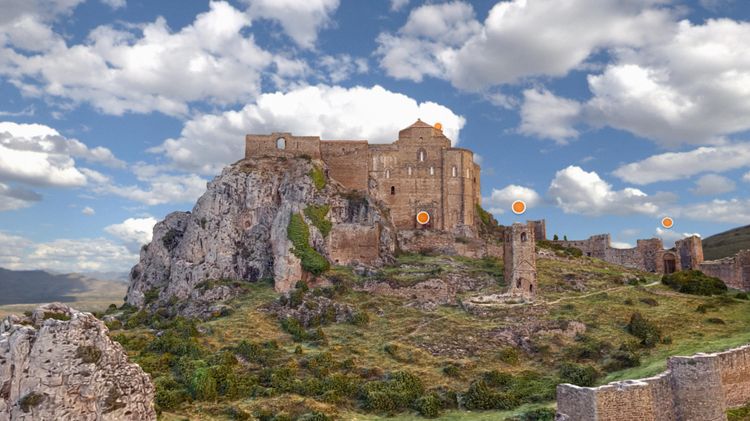
Fun and education are combined with interactive gamified maps, which make exploring the environment a fun and educational experience. in a game full of challenges, clues and rewards. These digital maps offer personalized routes, real-time location and challenges that encourage travelers to discover secret places and learn about the ecosystem in a dynamic way. This innovation not only improves the user experience, but also boosts nature tourism. more responsible, formative and educational. An example of this can be found in the virtual recreation of Loarre Castle . Loarre XR is an interactive map of the Romanesque castle that allows you to know in detail each of the rooms, enjoy views of the valley and learn more about its history.
Webapps for environmental interpretation
The webapps specialized in environmental interpretation are digital tools that provide detailed and accessible information on ecosystems, biodiversity and local culture. Ideal for travelers looking to deepen their connection with nature these platforms offer multimedia content, interactive guides and recommendations on the environment. With them, tourism becomes easier, more attractive and sustainable. You may be interested in → Technology trends in amusement parks: Virtual Reality
Realidad Virtual para explorar entornos naturales
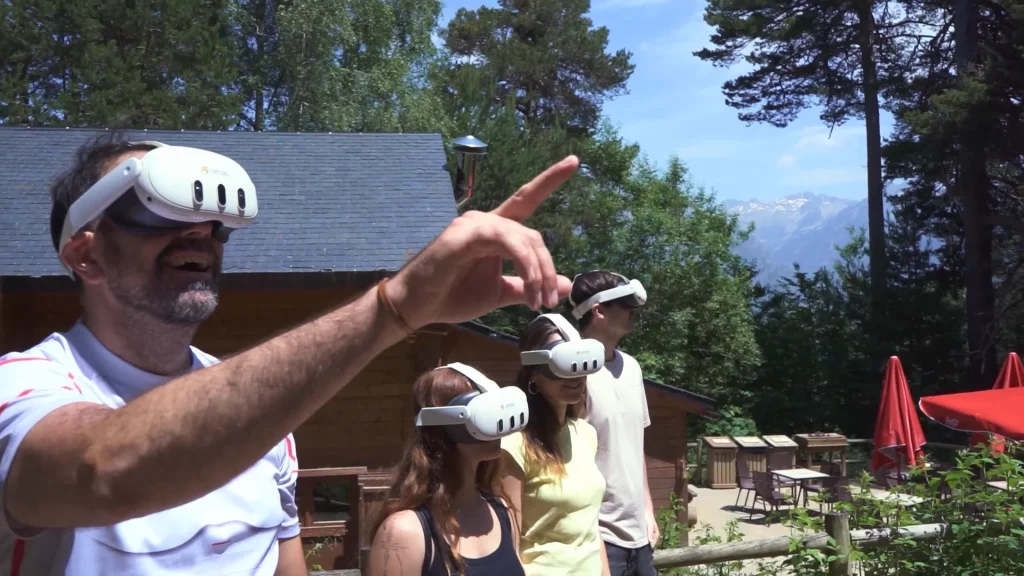
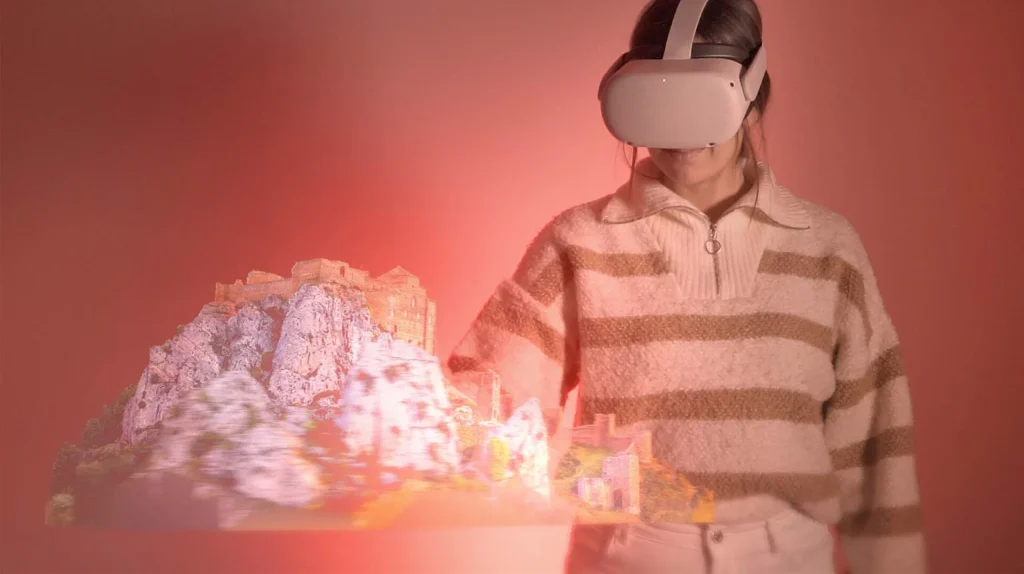
If the trip is complicated or the adventure too extreme, Virtual Reality appears as the perfect solution for nature lovers. . Thanks to this technology, it is possible to explore remote ecosystems, national parks or protected reserves from the comfort of home. The VR brings natural beauty to more people and promotes environmental awareness promoting sustainable tourism that respects natural habitats. You can even travel back in time as in the Lacuniacha project or to the top of a mountain like in the Frozen Emotion experience .
Benefits of technological innovation in nature tourism
The technological innovation is not just a passing trend, but a powerful driving force that drives smart nature tourism towards a brighter, more attractive and sustainable future. Find out how these technologies are transforming the visit to natural destinations. Here we tell you about it:
Improved visitor experience
Technology puts tools in the hands of the traveler that take adventure to another level. From Augmented Reality apps that enrich every step of the way, interactive maps that guide and entertain, to VR experiences that make it easier to see and understand wildlife and natural environments. . The visitor experiences a deeper and more personalized connection with the natural environment. Improving the experience and increasing loyalty.
Redefines the brand image
Adoptar tecnologías innovadoras posiciona a los destinos de turismo de naturaleza como pioneros y referentes en sostenibilidad e innovación. Esta Digital transformation ayuda a construir una imagen de marca fresca, atractiva y comprometida con el medio ambiente, capaz de captar la atención de un público global que busca experiencias únicas y personalizadas. La innovación tecnológica te hace diferenciarte de la competencia.
Promoting sustainability
Una de las grandes promesas de la tecnología en el turismo de naturaleza inteligente es su capacidad para impulsar prácticas sostenibles. Sistemas de monitoreo ambiental, apps para la interpretación del entorno o herramientas que gestionan flujos turísticos ayudan a minimizar el impacto ecológico. Así, se protege la biodiversidad y se promueve un turismo que respeta y cuida los ecosistemas.
Increased perceived value of the destination
When a destination integrates state-of-the-art technology, the value attributed to it by visitors grows exponentially . Innovation not only improves the quality of the experience, but also adds exclusivity and differentiation. This translates into greater willingness to invest and more qualified tourism. The company is looking for authenticity and technology in balance. Learn more about the benefits of tourism innovation at Smart destinations: what are they and what are their characteristics?
Real cases of technology applied to nature tourism: Lacuniacha
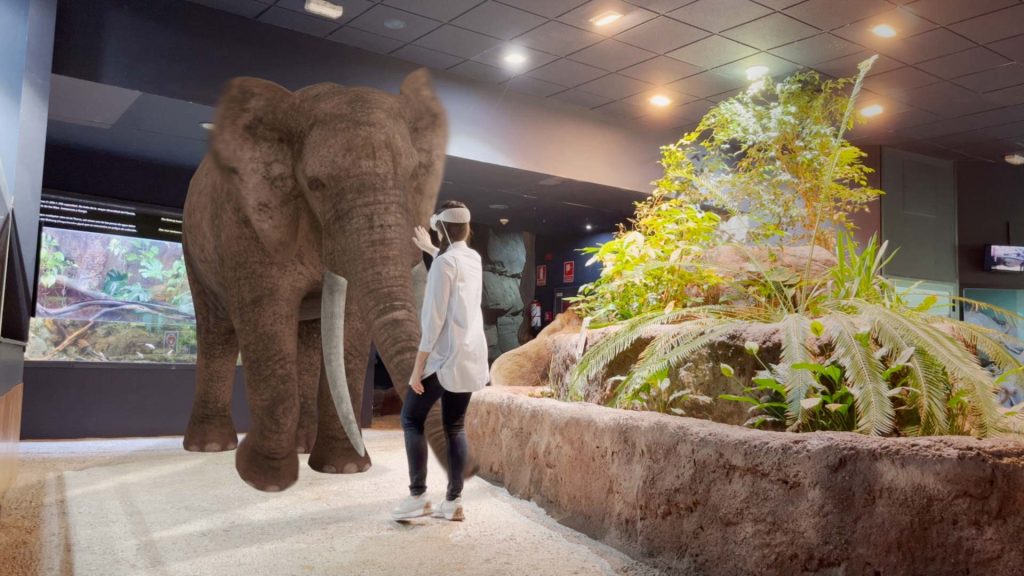
Lacuniacha, el Parque Faunístico en el Pirineo Aragonés, revoluciona el turismo de naturaleza inteligente con su app Lacuniacha Twin, que usa Realidad Aumentada para hacer la visita más interactiva y educativa. Los visitantes pueden ver cómo cobran vida las especies del parque, tanto dentro como fuera del entorno natural, enriqueciendo la conexión con la biodiversidad local.La app también ofrece una experiencia inmersiva de Realidad Virtual que permite viajar 15.000 años atrás para descubrir la evolución del ecosistema y la fauna. Incluyendo especies extintas como el bucardo. Esta tecnología, disponible en varios idiomas, democratiza el acceso al conocimiento y promueve un turismo sostenible y responsable.Además, Lacuniacha refuerza su compromiso ambiental y local, impulsando proyectos educativos y de conservación. Junto a Imascono, esta apuesta tecnológica posiciona al parque como un referente en innovación y turismo sostenible, creando una experiencia memorable que conecta tecnología, educación y naturaleza.
How to integrate technology in ecotourism and natural parks projects?
Integrating technology into ecotourism and nature park projects is essential to creating memorable, sustainable and accessible nature tourism experiences. In addition, it is important to involve the local community and experts to ensure that the innovation social and cultural value, strengthening the brand image of the destination. On the other hand, the technology on which the experience is based must be intuitive and easy to use, to attract all types of travelers. Another interesting point is the constant measurement and adaptation to changes in the environment and in the traveler's profile. A fact that makes it possible to evolve and improve the experience consolidating a modern, sustainable and high value-added nature tourism. Want to take your nature tourism project to the next level with innovative technology? At Imascono We are ready to help you create unique, sustainable and memorable digital experiences. Contact us at and discover how to transform the connection with nature through innovation!
How Technology for Children Boosts Child Development: Practical Solutions for Parents
In the digital era, technology has become a fundamental tool for children's learning and development. . Technology offers great opportunities to enhance creativity, critical thinking and problem-solving skills, all while keeping children connected to the world around them. However, it is crucial that these tools are not overused or become a barrier to social relationships. For their impact to be positive, they must be monitored. In this blog post, we explore how technology can be a great ally for children's development when used in a conscious and balanced way We provide practical solutions for parents who are uncertain about whether technology is the best tool for their children's key skill development. The important thing is to find technology projects and tools that are truly designed to support children's learning and growth. These technologies must be created with the needs and well-being of young people in mind. and should be used in a balanced manner to foster an enriching educational experience. With the right guidance, technology can be an ally in developing new skills and preparing children for the challenges of the future. Whether in health, entertainment or education. In this article We will learn first-hand about the main technological projects for children.
How technology affects children: positive and negative impact
The debate on children's use of technology is currently raging. Today everything is inherently digital and young people, also known as digital natives, are growing up in a world where technology is the key piece of the puzzle. . However, parents, pediatricians, psychologists and teachers are increasingly aware of the impact technology is having on children's development. Both positive and negative. In addition, after a few years of implementing new digital tools in classrooms and educational systems, it is becoming clear that the use of these tools is becoming more and more important. impact has not been entirely positive Is this due to the technology as such or perhaps to its indiscriminate use, without clear guidance and supervision? In this section we want to delve into the positive and negative aspects of the use of technology by children. Where the conclusion is clear: technology has not come to replace traditional educational systems, but to enhance and enrich them with new activities. Success lies in the correct and supervised use of the technological experiences that children have, both in the classroom and at home. If you are interested, learn more here about the Technology trends for children
Abuse of technology in children: negative impact
The abuse of technology in children can have several negative effects, especially when it is not managed properly. In the educational environment, digital learning, while useful, can depersonalizing the interaction between students and teachers, reducing the emotional and social component of teaching . In addition, unequal access to educational devices and platforms can widening the digital divide leaving some children without the tools they need to take advantage of educational opportunities. Outside the school environment, constant exposure to screens can lead to social isolation Children may prefer to interact through devices rather than participate in group activities or outdoor play. Also, excessive use of technology can affect children's physical and mental health, contributing to problems such as sedentary lifestyles, sleep disturbance and digital anxiety. Especially if they are not taught to balance screen time with other activities.
Positive impact of technology on children
When used in a responsible and balanced way, technology has the potential to be a powerful tool in children's development. Regarding the technology in education allows the access to resources and interactive platforms that facilitate more personalized and engaging learning, stimulating creativity and critical thinking. Tools such as the Virtual Reality In addition, programming and educational games allow children to learn in a more immersive and fun way, enhancing their curiosity and understanding of complex concepts. In addition, technology facilitates global connectivity, allowing children to interact with other children from different cultures, learn languages and access information that expands their view of the world. . Outside of education, apps and platforms designed for entertainment can also offer educational experiences, helping children develop cognitive, social and emotional skills while playing. Bottom line, when technology is used with purpose and oversight, it can enrich children's lives, preparing them for a more connected and opportunity-filled future. . The challenge lies in finding the right balance . By integrating technology in a positive and controlled way, we can ensure that children enjoy its benefits while developing key skills for a digital future. At Imascono we are betting on a conscious and constructive technology a humanization of technology creating a healthy digital environment for the new generations.
How to introduce children to technology?
As we have seen in the previous section, children's use of technology is not the problem. The problem is the o bjective being pursued, whether these digital tools are adapted for them and if they have been developed with young people, their health and integrity in mind. With this in mind, how do we introduce children to the correct use of technology? This is one of the big questions of the digital era. At Imascono, we believe that this challenge is crucial to its development and must be addressed with a balanced approach that combine learning, play and active parental supervision.
Una estrategia clave es empezar de manera gradual, proporcionando acceso a aplicaciones y juegos educativos adecuados para su edad. Esto no solo despierta su curiosidad, sino que también fomenta habilidades esenciales como la resolución de problemas y la creatividad.
La participación activa de los padres también es fundamental: seleccionar contenido apropiado y acompañar a los niños en sus actividades digitales para guiar su experiencia y garantizar su seguridad en línea.
Otro punto importante es promover un equilibrio entre el mundo digital y el mundo real, donde se busque combinar ambos espacios y que los niños sean consciente de sus diferencias y qué le aporta cada uno de ellos.
Encourage experimentation
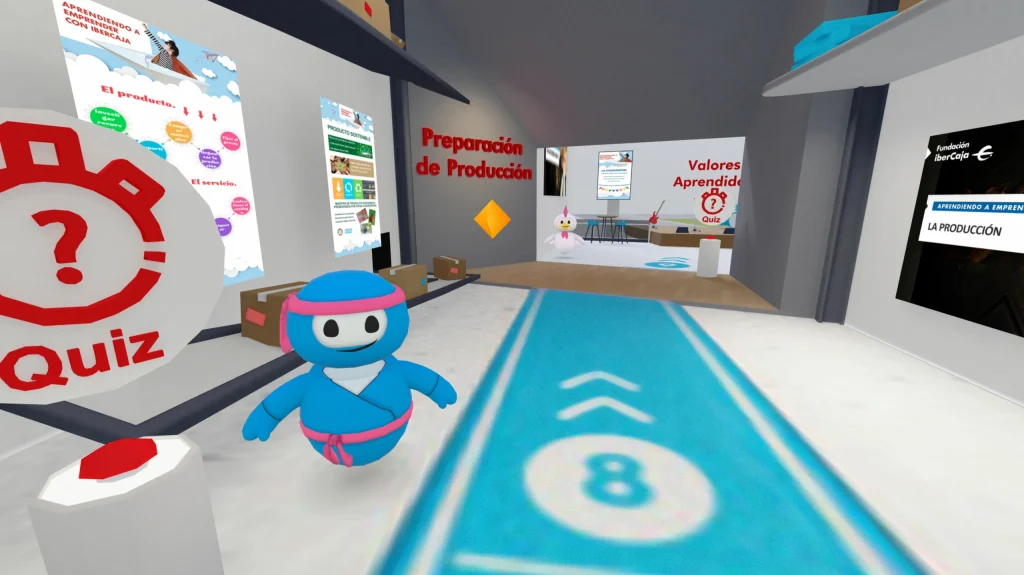
The technology for children allows them to experience and learn through hands-on experience. . Encouraging the exploration of technological tools such as programming or the creation of digital content is essential to enable their learning and creative development in an effective and controlled manner. This experimentation thanks to technology can also reach other areas, such as the business and entrepreneurship as in the case of the Ibercaja Foundation Learning to undertake which has both a virtual campus and a fair of cooperatives from different schools that can be accessed online.
Supervise the use of technology
It is essential that parents supervise their children's use of technology, monitoring the applications and platforms they use. With tools such as virtual tutors for children, it is possible that The youngest children can interact with, for example, Artificial Intelligence, in a controlled environment designed for them. Where inappropriate content has been filtered out and where the digital experience is intended to be educational and close to them. An example of AI developed for children can be found at Nougat the avatar IA storyteller of La Torre Outlet .
Providing various options
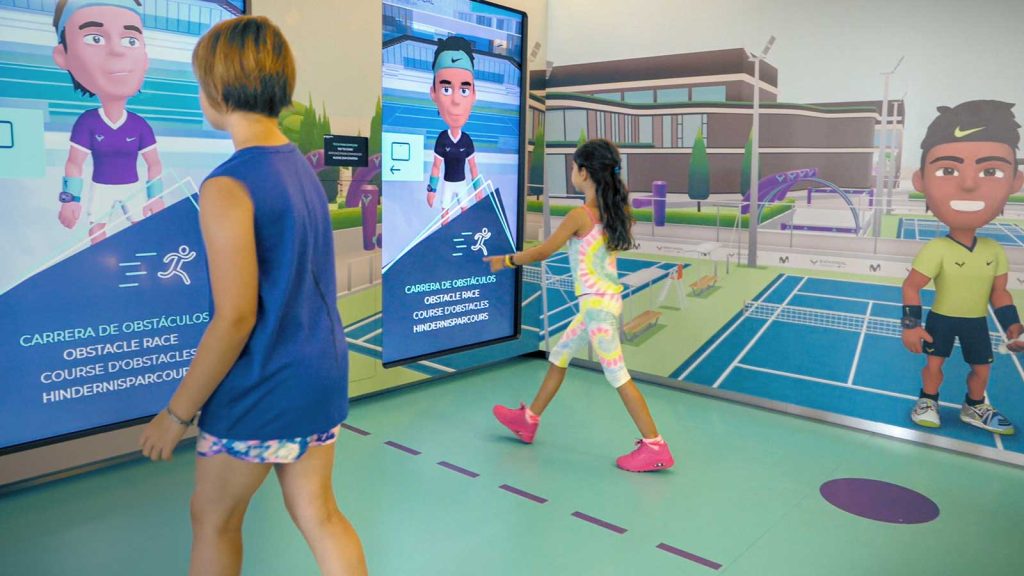
To offer a variety of experiences is key to children's development. With technology, we can encourage interaction with different tools, seeking to promote fast and effective learning in an immersive and educational way. From interactive avatars to virtual environments, to more physical experiences in the real world. One example of this is the technological development for the Rafa Nadal Museum . Where the museum experience is transformed to to turn it into a sporting event for the whole family. Playing tennis, soccer, basketball... with Rafa Nadal himself. .
The benefits of technologically accompanied children
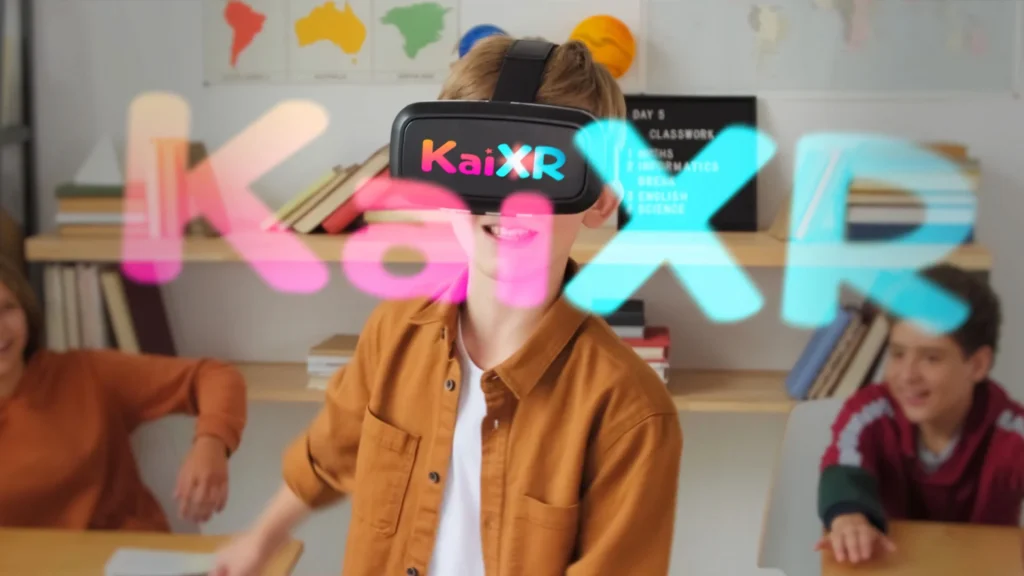
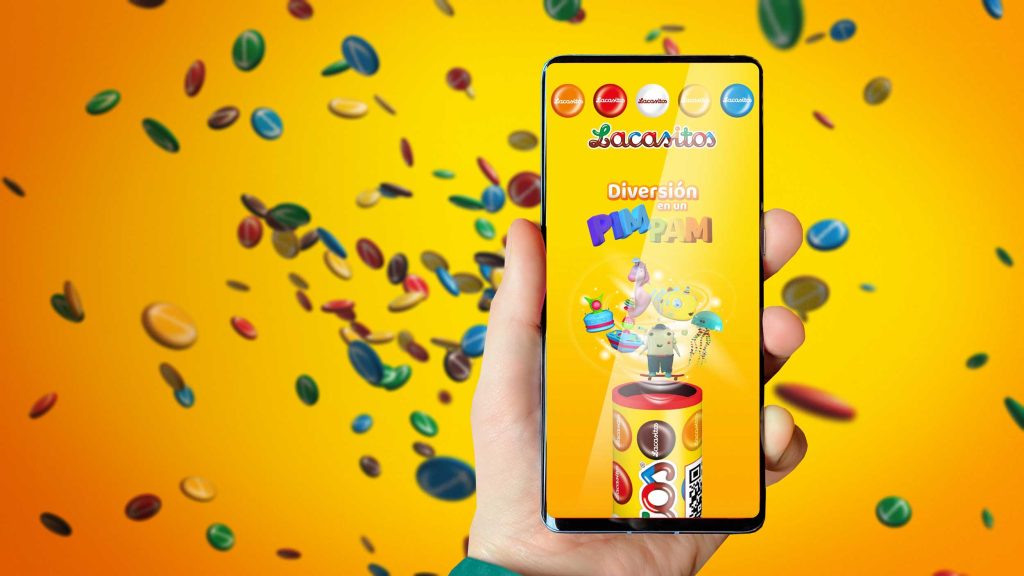
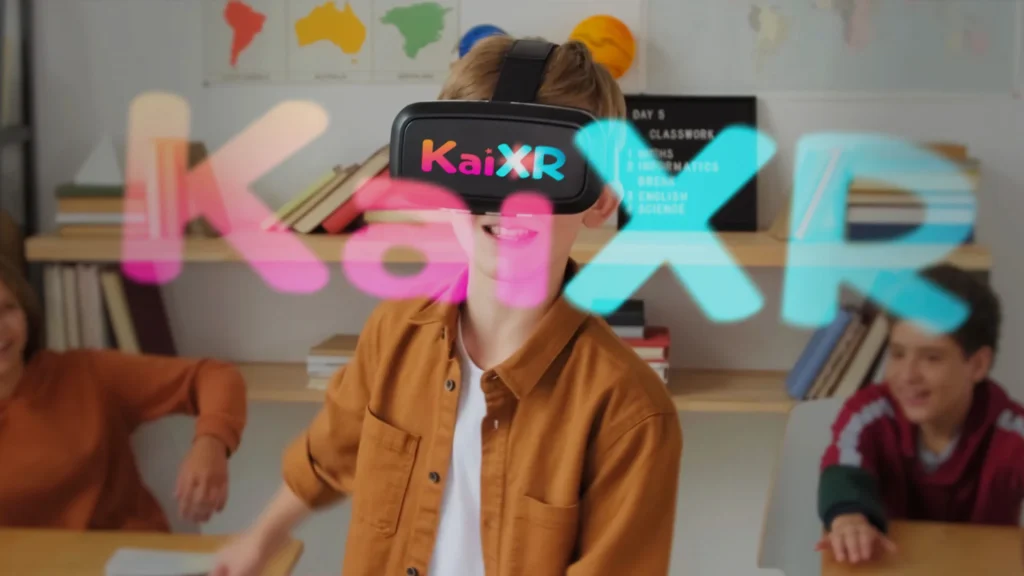
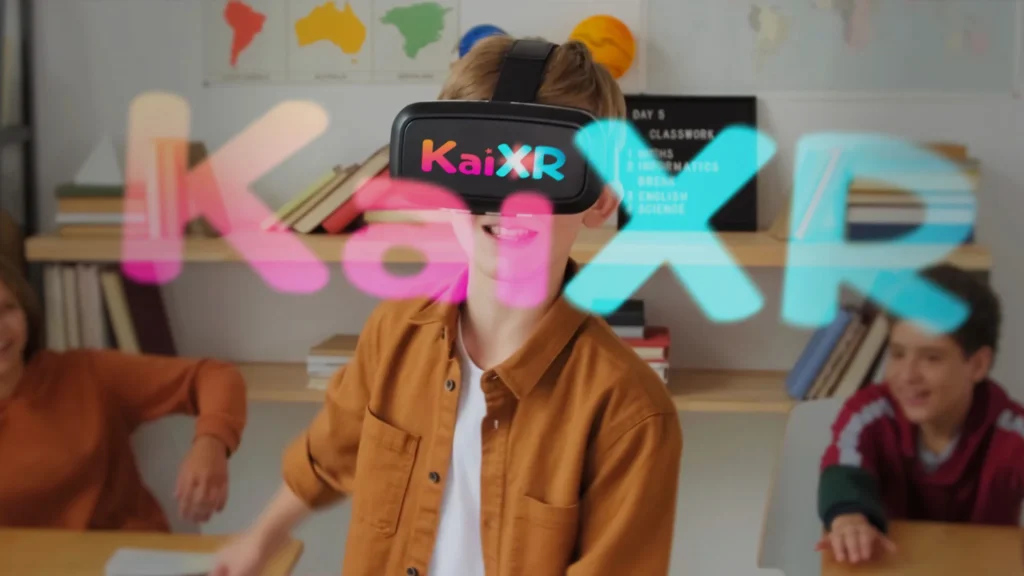
Technology for children, when used properly, offers numerous benefits that go beyond the educational realm, aiding in their cognitive, emotional and social development. Tools such as the Virtual Reality y la Augmented Reality provide immersive experiences that allow children to interact with their environment in new and stimulating ways. A clear example of how Virtual Reality can enhance learning and development is the project developed by KAI XR, an educational VR platform for children that allows them to to know first hand the Pyramids of Egypt the seabed and even space. On the other hand, the Augmented Reality integrates the digital with the physical environment, allowing children to interact with virtual objects and characters in the real world. As in the case of Lacasitos App where children can interact with different cartoons through its iconic tubes of chocolate dagrees. This combination of technology makes the learning to be more attractive It also fosters curiosity, problem solving and the development of essential technological skills for the future. With the right accompaniment, technology becomes a powerful tool for the integral growth of children.
Adapting Technology for Children: Practical Examples from Imascono
At Imascono, we understand that technology must be a tool that not only entertains, but that also educate, inspire and support development children's integral development. Since we launched the Chromville educational app in 2013, which at the time had more than 1 million downloads and a presence in more than 120 countries, children have always been part of the spirit and philosophy of Imascono's technology. . Together with Disney, Fundación Ibercaja and different public administrations, we have worked on the creation of innovative solutions that address diverse needs and contribute to meaningful learning . Here we would like to introduce you to some of them examples of how we adapt technology for the benefit of young people:
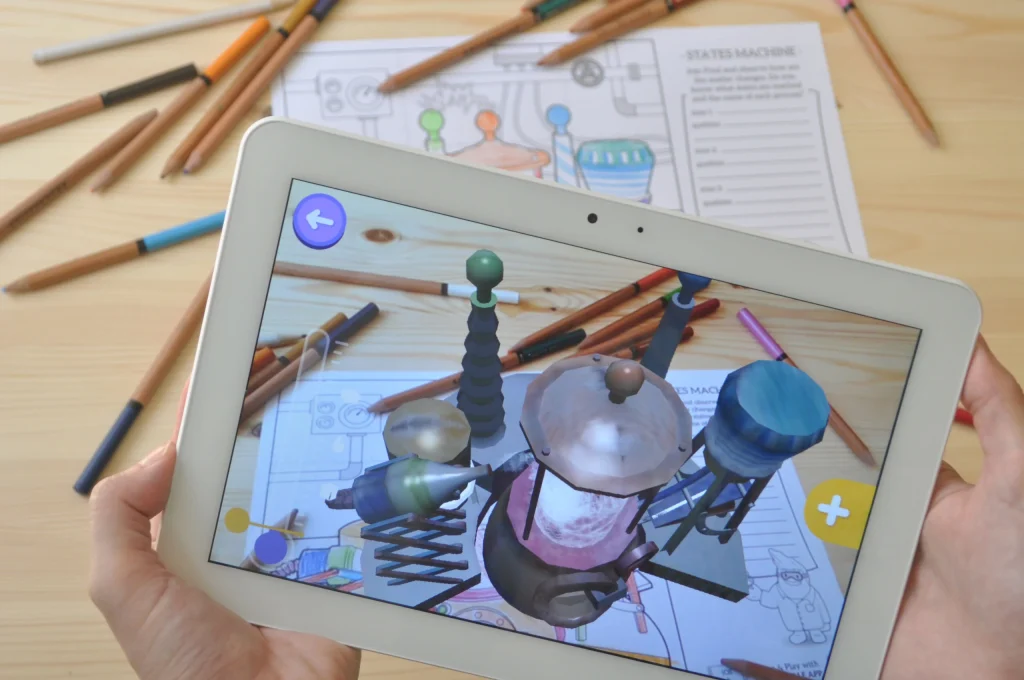
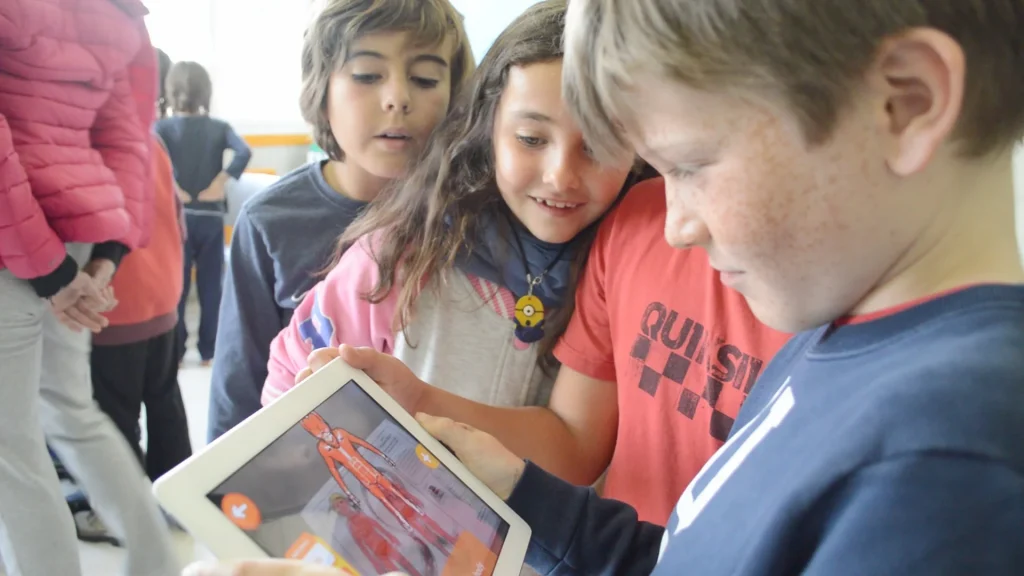
Chromville→ Aplicación educativa de Realidad Aumentada en la que los dibujos coloreados por los niños cobran vida en 3D. A través de sus diversas temáticas (naturaleza, tecnología, cuerpo humano o el espacio) los niños aprenden a desarrollar su creatividad e imaginación.
Tu cuento en la cocina → ¿Te imaginas cocinar tu plato favorito junto a Mickey Mouse, Tony Stark o Elsa? Puedes hacerlo con la app Tu Cuento en la Cocina desarrollada para Disney, Ferran Adriá y Telefónica. Todo a través de una cocina virtual en la que podrás jugar en familia y hacer tu propio libro de recetas en formato cómic.
ApeTest → En el ámbito de la salud mental, destacamos el proyecto llevado a cabo por la Fundación APE y el Instituto de Investigación Sanitaria de Aragón, ApeTest. Una webapp interactiva preparada para la detección de casos de TDA entre niños y adolescentes. Adaptando los tradicionales cuestionarios clínicos al mundo virtual.
These projects are just a few examples of how Imascono adapts the technology for the benefit of children, creating solutions that are not only innovative, but that also foster their integral development in an environment that is environment safe and controlled . Are you interested in learning more about how to implement new technologies in children's development ? Discover our digital product lines and get in touch with us. contact with us . Our team of engineers and designers will be happy to answer all your questions.
Humanizing technology as a current challenge: meaning and strategies
In an increasingly digitized world, technology has transformed every aspect of our lives, from the way we communicate to how we work, learn, entertain and socialize. However, this great digital transformation has also created a divide. Between generations, between technological capabilities, and between our selves in the face-to-face world and in the digital world. What's more, there are tools that, instead of facilitating, sometimes dehumanize interactions. In this context, humanizing technology has become a crucial challenge to ensure that technological developments respond to people's emotional, ethical and social needs, promoting more meaningful and accessible connections. Humanizing technology does not only imply making it more intuitive o easy to use but also to design with a human values-based approach: empathy, inclusion and wellbeing . In this article we will delve deeper into the meaning of humanizing technology, proposing key strategies to build a future where technological innovation is aligned with the human.
What it means to humanize technology
Humanizing technology involves designing and using technological tools that prioritize people in their conception, use and purpose. Training technological advances to adapt them to human needs, emotions and behaviors, with the aim of improving the experience and facilitating the interaction between people and machines . It's not just a matter of creating more user-friendly interfaces or more intuitive systems, but also of ensuring that these technologies respect and promote human values such as empathy, inclusion and equity. Ensuring that technology is not only functional, but also meaningful and accessible to all. In essence, humanizing technology is an effort to make machines fit people, not the other way around. This concept also encompasses ethical and responsible design of technological tools, ensuring that respect privacy , reduce inequalities and promote wellness . The humanization of technology recognizes that behind every digital interaction is a person with emotions, expectations and rights. The company seeks to minimize the negative impact that technological solutions can have in terms of emotional disconnection or exclusion. In doing so, it not only improves the user experience, but also fosters a more balanced relationship between people and the technologies around them. You may be interested in → Customer experience: how to improve it through extended reality .
Benefits of humanized technology
The benefits of humanized technology go beyond technical functionality: improve the user experience , strengthen emotional connections and promote inclusion . By humanizing technology, companies can achieve great advantages and opportunities, some of them are:
Mejora de la experiencia de usuario
Humanizing technology significantly improves user experience by focusing on the needs, behaviors and concerns of the people who are interacting with it. If these interactions are more natural and intuitive, technology can better adapt to their preferences, offering personalized experiences. Technologies such as Artificial Intelligence and its virtual avatars The use of the database and previous training allows anticipating the needs of the users.
Nuevas interacciones
One of the most relevant benefits of the humanized technology is its ability to create new interactions between users and digital platforms. As technologies become more intuitive and adaptable to human needs, traditional forms of interaction, such as clicking buttons, programming code or typing commands, are transformed into more natural and human experiences. The incorporation of Artificial Intelligence (IA) and virtual assistants allows users to interact with systems through the use of spoken language The technology barrier is reduced, as if they were having an ordinary conversation with another human. This reduces the technological barrier produced by traditional interfaces.
Digital empathy
Digital empathy allows technological interactions to be closer, more comprehensive and sensitive to users' emotions and needs. Through the use of Artificial Intelligence (AI) and Natural Language Processing (NLP) In addition, technology platforms, especially chatbots and virtual assistants, can adapt their language and tone, responding appropriately. This ability to understand users' emotions and tailor responses accordingly enables brands to offer a more empathetic and attentive service, which improves the overall experience and the user confidence in particular.
Building confidence in technology solutions
By tailoring digital interactions to users' emotions and needs, platforms create a more transparent and trustworthy environment. This makes users feel comfortable relying on the technology not only to solve problems, but also to manage your data and make important decisions. The incorporation of ethical values and the protection of privacy strengthen the credibility of technological solutions, demonstrating a commitment to the well-being of users. Humanizing technology helps build the trust necessary for long-term customer relationships.
Key strategies to achieve the humanization of technology
In an increasingly digitized world, humanizing technology has become a necessity to improve the relationship between users and technology platforms. To achieve this, companies must adopt key strategies aimed at improving user satisfaction and thus build long-term trust and loyalty. Some of the key actions and approaches are as follows:
User-centered design
Putting the user at the center of the design is key to humanizing technology, creating accessible and intuitive experiences . Simple, customized interfaces facilitate use and improve interaction. In addition, technologies such as the Artificial Intelligence and data analysis make it possible to anticipate needs and offer customized solutions. Ultimately, this not only makes the technology more user-friendly, but it also strengthens the emotional bond with the brand increasing trust and loyalty.
AI with human focus
Thanks to verbal language and emotion processing, the AI achieves more natural interactions by adapt to the context and emotional state of the user . Thus, systems not only fulfill specific functions, but also incorporate personalization and empathy, offering more accurate and tailored responses to each individual. This human approach with AI technology not only enhances the user experience, but also reinforces trust and emotional connection.
Emerging technologies
Emerging technologies play a crucial role in the goal to humanize technology, since, as we have seen throughout the article, they enable create more natural, accessible and empathetic experiences for users. Among these technologies, the following stand out Augmented Reality the Virtual Reality the Artificial Intelligence and technology Blockchain . By integrating these innovations, brands can deliver immersive experiences that connect emotionally with users. This helps overcome the barrier between the digital and the human.
The future of humanizing technology through Imascono
Humanizing technology is a major challenge. At Imascono we believe that technology should be accessible, natural and exciting, breaking with the idea that it is something cold or distant. Our vision is based on the Applied Imagination, a methodology that transforms the way we interact and understand technology. With this philosophy in mind, we create experiences through our Virtual Reality services and Augmented Reality for companies that are not only creative and entertaining, but also connect emotionally with users. We place the human being at the center of all our projects, designing solutions that prioritize their emotions and needs . For us, it's not about innovation for the sake of it, but about developing technological advances with those who really matter in mind: people. This approach allows us to building a future where technology is more human, closer and meaningful . Want to learn more about our humanized vision of technology? Contact with us and we will be happy to talk about the present and future of this great challenge.
The future of entertainment through Virtual Reality
From video games to concerts, sporting events to amusement parks, the Virtual Reality is revolutionizing the way we experience entertainment, turning the everyday into the extraordinary. Virtual Reality is breaking down the barriers between the digital and the physical, and also, introducing the first person in entertainment, achieving that you are the real protagonist . The adrenaline, the story, the excitement, the entertainment is amplified, taking interaction and engagement to unprecedented levels. More than a technology, it is the key to customized, unforgettable and affordable experiences from anywhere in the world. Virtual Reality not only transforms how we enjoy entertainment, but also opens up new business opportunities, inviting us to dream bigger. In this blog article, we'll show you the most exciting applications of Virtual Reality in entertainment . How Virtual Reality is transforming the way we consume entertainment and the most innovative projects that are setting trends. Get ready to discover this transformation.
Main applications of Virtual Reality in the entertainment industry
Virtual Reality is revolutionizing the entertainment industry. offering immersive experiences that transform the way we enjoy content, experiences that challenge the limits of imagination. Going beyond visuals, beyond storytelling, to give way to storyliving, to be the real protagonists of the action. Next, we will discover the main applications of Virtual Reality in the entertainment and digital leisure sector:
Teatro
The theater is undergoing a process of change thanks to Virtual Reality. This technology has broken the traditional barriers of the stage The theater allows the spectators not only to witness a play, but to become the protagonists of it. Imagine being part of a theatrical narrative where you can interact with the characters and decide the course of the story. Virtual Reality has also opened the doors to more social theatrical experiences, where live actors interact with virtual audiences in digitally created scenarios. In addition, the special effects and changes of scenery that were impossible in the past The theater, only possible in our imagination, is now redefining the very concept of what it means to go to the theater. Find out more about the impact of this technology on entertainment at Immersive experiences through the Apple Vision Pro .
Virtual museums
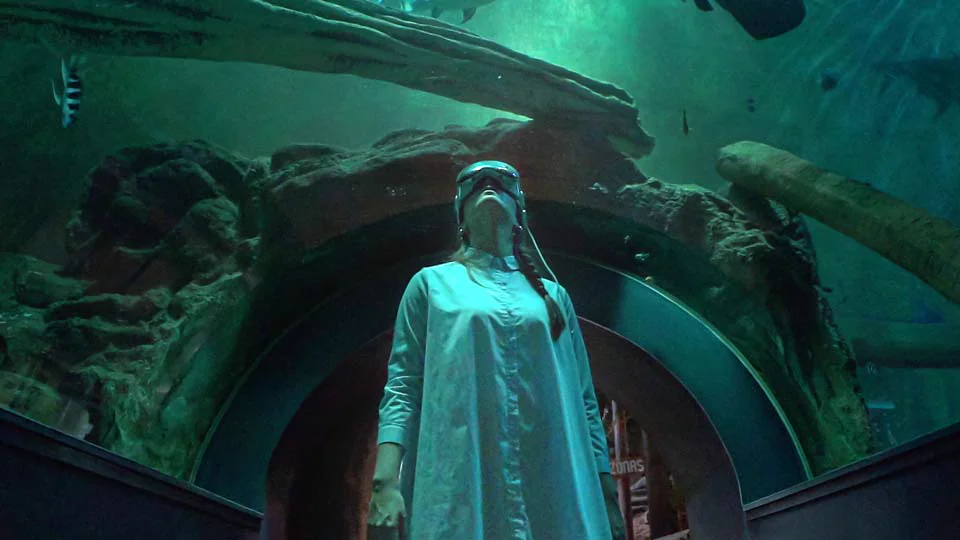
The Virtual Reality is taking museums to a whole new level transforming the way we explore art, history and culture. Now, it is possible to tour the halls of the most prestigious museums from the comfort of your home, admiring masterpieces with the highest level of detail. Thanks to VR, visitors can travel back in time and witness ancient civilizations or walk through archaeological sites as they were in their moment of glory. In addition, interactive exhibits allow for active participation, creating an emotional bond with the parts. Democratizing access to knowledge and making art and history more inclusive than ever. How to walk at your own pace through a Romanesque castle with ten centuries of history in the Loarre XR experience or to fill with life and interaction the visit to the aquarium thanks to the Apple Vision Pro . You may be interested in → Virtual Reality in museums: how is it being applied?
Virtual theme parks
Imagine entering a world where adrenaline has no boundaries and the experiences are so real that you could feel the wind in your face while flying over magical mountains or crossing distant galaxies. The virtual theme parks take fun to another level, allowing users to live unique and immersive experiences without physical restrictions. . With customized, sustainable and animated scenarios and characters, they offer adrenaline and tailored entertainment to the tastes of each individual, transforming the leisure industry. Virtual Reality thus becomes a technology that is transforming amusement parks forever, where roller coasters go beyond the loops The game can incorporate new actions and challenges or even change the scenarios depending on the season of the year or new innovations. Making each trip a totally different experience from the last one. . If you want to learn more about this specific use of VR, please visit our article Technology trends in amusement parks: Virtual Reality .
Cine inmersivo
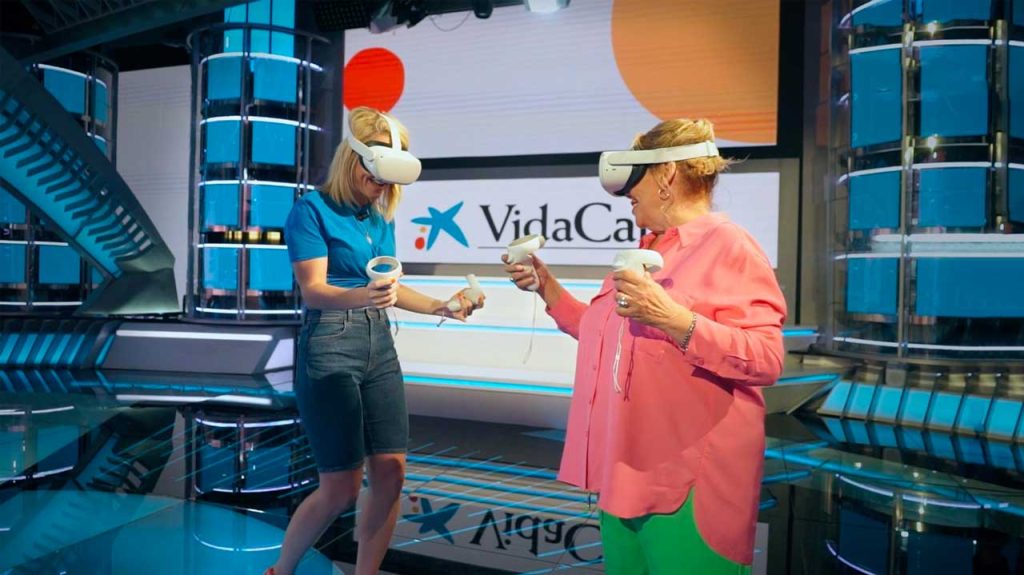
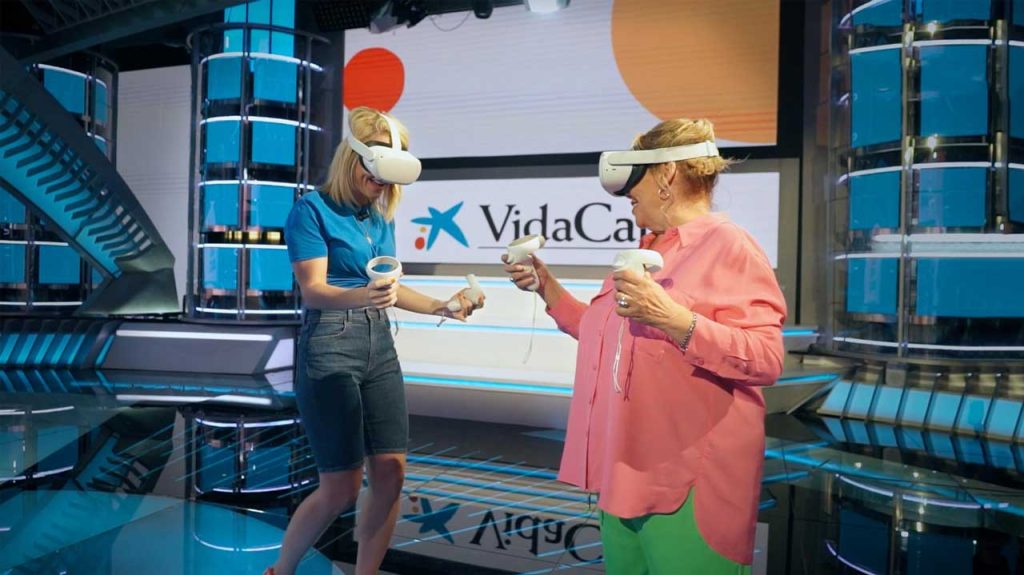
Immersive cinema makes the viewer an active part of the narrative. The new technology allows you to explore the world surrounding the story and participate in the action. This technology reinvents the cinematic experience, making every movie an unforgettable multi-sensory journey. Thanks to advances in Virtual Reality and haptic suits, viewers can become completely immersed in the story, interacting with characters . Every corner of the scene is at your disposal, and the story comes to life around you, offering a very personalized and memorable cinematic experience. Can you imagine being able to live the great final battle hand in hand, side by side with the protagonist? In this area, it is worth highlighting the TV series 'Las Vueltas que da la Vida'. produced by Vidacaixa , Movistar Plus and TBS where not only was the program recorded in a virtual neighborhood, but also this space was left open so that viewers could enjoy the virtual transmedia content.
Videojuegos
The video game industry is changing and Virtual Reality is redefining what it means to play. You no longer just control a character; you become him. From epic battles in fantastic worlds to hyper-realistic simulations, Virtual Reality offers unprecedented immersion. Thanks to the VR glasses, haptic suits and gloves, and even platforming, the immersion in the game's story is ever increasing . The whole experience becomes first-person, you are the one who moves in the game world, who interacts with the other characters. This technology raises the level of realism and emotion in videogames, creating more dynamic and personalized experiences, such as the one developed by Foster Hollywood for its Halloween campaign. If you want to know more about VR in video games click here: Virtual Reality in video games: the future of entertainment .
Outstanding benefits of Virtual Reality in entertainment
In a world where entertainment is evolving by leaps and bounds, the Virtual Reality has established itself as the ultimate tool to revolutionize the way we enjoy our products and services. of our favorite experiences. More than a technological trend, it is a window to unforgettable experiences, where every detail is designed to captivate, thrill and surprise. From its ability to creating fully customized worlds to its ability to break down physical barriers and open new horizons VR is redefining the rules of the game. Discover below some of the benefits that seem like something out of a science fiction movie, but are already a reality!
Acceso remoto
Eliminates physical barriers Do you want to visit a museum in Paris, attend a concert in Tokyo or play in a futuristic theme park without leaving home? Virtual Reality makes it possible. This remote access democratizes entertainment, making it accessible to more people. No matter where you are or that you are physically challenged, a simple device connects you to incredible experiences instantly. This not only broadens the scope of entertainment, but also promotes a more inclusive way of experiencing it, thanks to Virtual Reality glasses. With the aim of making tourist visits to museums and monuments accessible to people with reduced mobility, the project of LOARRE XR where thanks to its virtual twin and VR experience, anyone can visit the Loarre Castle at their own pace. .
Unique and personalized experiences
Virtual Reality transforms entertainment by place you at the heart of every experience. Imagine exploring a magical realm designed exclusively for you or facing challenges that adapt to your skills. This technology allows total customization, where every detail can be adjusted to your preferences, ensuring that every time you immerse yourself in a virtual world, it is an unrepeatable experience. With the ability to create unique stories and environments, Virtual Reality not only elevates the level of entertainment, it also ensures that every user feels special. It is the end of generic content and the beginning of tailor-made entertainment.
New business opportunities
Virtual Reality is not only transforming the way we enjoy entertainment, but it is also opening up a world of possibilities for companies and entrepreneurs. From platforms that deliver exclusive content to immersive solutions for events and shows VR has become a driver of innovation. Businesses can create immersive experiences for their audiences We can attract new markets and offer products and services that were previously unimaginable. The potential is unlimited From the creation of interactive applications to the development of educational content or corporate events, Virtual Reality is redefining the rules of the game. An example of this can be found in the VR proposal by KAI XR Platform where they have prepared different content for children in Virtual Reality with an educational and entertaining character. where you can travel to space, to the bottom of the sea, or tour the Pyramids of Egypt by yourself.
Virtual Reality projects in entertainment
Throughout this article we have seen trends and success stories that show the potential of Virtual Reality in entertainment. From immersive concerts that put you in the front row, up to hyperrealistic video games where you are the protagonist of your own adventure, VR experiences are taking fun to levels never seen before. In addition, the Virtual Reality also educates and enriches . With cultural and educational projects where you can visit museums or relive historical moments where every detail is within reach of your senses. Among the VR experiences we have seen in this post, we could highlight the virtual tour of the Loarre Castle crossing a suspension bridge at the top of the Pyrenees in Frozen Emotion discover the space together with KAI XR Platform and its educational content. Or visit the neighborhood of Carmina Barrios and Henar Álvarez at The Twists and Turns of Life or visit an erupting volcano in Aquarius Experience . Different proposals that have one thing in common: the union between the entertainment and technological creativity from Imascono . Where we always seek to develop interactive and immersive experiences that users fall in love with and that generate real emotional connection. During more than 12 years we have worked on the development of Augmented Reality services and Virtual Reality , helping brands stand out through innovative and memorable campaigns. Our team will accompany you in every stage of the project, from conceptualization to final implementation, making sure that the solution meets your specific needs and objectives. If you have any questions or want to know more, Contact us!
New technologies in the real estate sector
The real estate industry has entered an era of transformation, driven by technological innovations that are radically changing the way we interact with spaces and properties. . Digitalization, Artificial Intelligence, Virtual Reality and Big Data have become the drivers of this evolution, offering new possibilities for both buyers and industry professionals. Thanks to innovative technology solutions in the real estate sector, such as the intelligent agents, 3D interactive recreations and virtual simulations. The industry is moving away from traditional practices, moving more and more towards a fully digitized experience. This transformation not only improves efficiency and decision making, but also creates a more interactive environment, allowing customers to feel connected to the properties in a deeper and more meaningful way . Any time, anywhere in the world. In this article, we will discover how new technologies are reshaping the Real Estate sector highlighting the tools and solutions that are making a difference. It's the perfect time to adapt to the digital future. Read on to discover how technology is changing the rules of the game.
Impact of new technologies on the real estate market
New technologies in the real estate sector are having a major impact on the transformed impact, revolutionizing both the way real estate agents manage properties and the way consumers interact with them. The Virtual Reality and Augmented Reality have made it possible for buyers to take virtual tours of properties without having to physically travel, which not only saves time, but also improves decision making by allowing a clearer and more detailed visualization of spaces. The Artificial Intelligence is also playing a key role in the digital transformation of Real Estate. . Thanks to its predictive algorithms that analyze data and market trends, as well as the automation and personalization offered by these AI tools, transformed into virtual real estate agents that revolutionize the customer experience in the real estate sector. On the other hand, tools such as geolocation allow users to find nearby properties more quickly and easily, optimizing the search and decision-making process. At the same time, the digital communication has evolved not only allowing agents to be present on the platforms where customers search for properties, but also facilitating the creation of closer and more personalized relationships with users. Lastly, we would like to highlight the impact of the new platforms PropTech to simplify real estate transactions . Making them faster and more transparent. If you want to learn more about the use of technology in the real estate sector, visit our website → Trends in Real Estate .
New term Proptech in real estate
The term PropTech is gaining more and more traction as an advancement in real estate technology and not for nothing. It refers to the merging technology with the real estate sector resulting in innovative solutions that are changing the way we buy, sell and manage properties. PropTech encompasses a variety of digital tools and platforms that enhance this process. From platforms of smart property management to real estate fintechs that make it possible to invest in assets more quickly and affordably, PropTech is opening up a range of opportunities, helping industry professionals to offer more personalized services and, most importantly, to reduce operating costs. In addition, they are redefining the consumer experience, making transactions more transparent , streamlining processes and bringing the real estate sector closer to a wider audience .
Emerging technologies in the real estate sector
The Real Estate sector is booming, as is the integration of new technologies in its management and sales processes. Transforming the way properties and real estate are visited, bought and even built. From Artificial Intelligence to virtualized twins The program also includes simulations and interactive models. We will now take a closer look at the main technological tools that are revolutionizing the real estate sector :
Artificial intelligence
Data analysis, offer personalization, image and video enhancement, automating tasks... The The use of Artificial Intelligence in real estate is improving both operational management and customer experience. . This last point highlights the integration of AI avatars that function as automated commercial agents. These avatars are available 24 hours a day, providing assistance to potential buyers at any time and in any language, answering specific questions about the properties and providing personalized recommendations . Thanks to their ability to store and process detailed information about each interaction, AI avatars can be used to facilitate the follow-up of potential customers and collect key data that helps real estate agents further customize their approach. You can learn more about AI avatars in our → post. Artificial Intelligence Avatar: definition and main uses .
Realidad Virtual y Aumentada
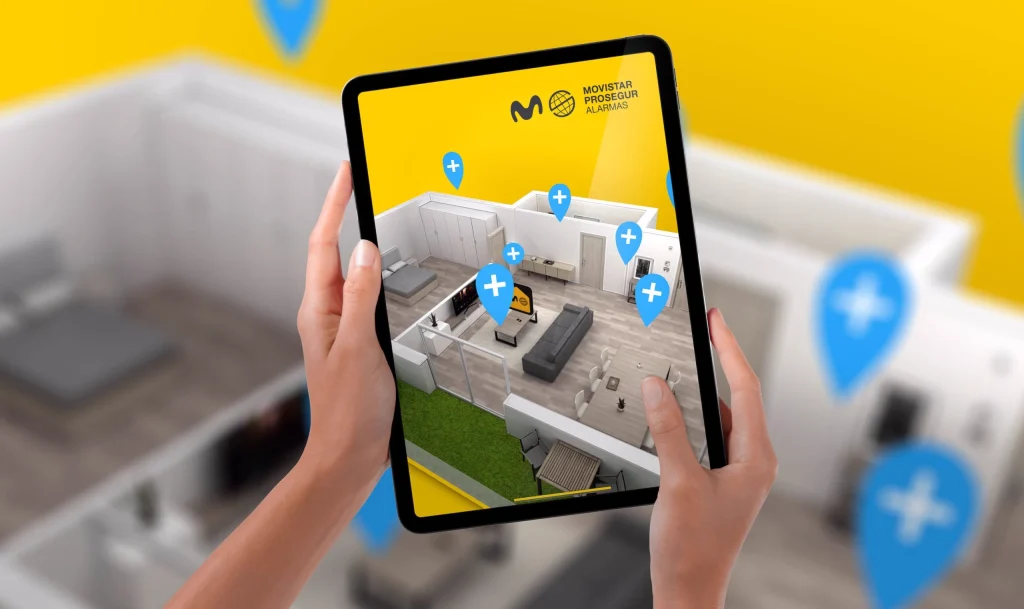
Virtual Reality is taking real estate and property tours to a new level, allowing customers to walk through spaces in first person. Through VR simulations, users are able to explore the property and also interact with all the elements of the space. The project is a great opportunity to make modifications and experience how they would feel living or working in such a place. By viewing the property in an immersive way, customers can emotionally connect with the property. The new home or office will be a real sense of belonging and anticipating what your future home or office will be like. Augmented Reality is revolutionizing Real Estate by making people's lives easier and plans and models come to life in 3D The new property is a very attractive property, allowing users to explore the details of the future property in a more tangible way. With Augmented Reality, it is possible to go beyond the spatial and abstract vision, showing clients how the different elements of the house or building will look like in real space, which facilitates a clearer and more detailed understanding of the property before its construction or renovation. Augmented Reality models such as the one made by Movistar Prosegur Alarms where users can learn all about its security products and services.
Internet of Things
The Internet of Things (IoT) is making a big difference in the real estate industry by making properties smarter and more efficient. Through connected devices, such as temperature, lighting and security sensors, owners and potential buyers can monitor and control various aspects of a property remotely. This not only improves comfort and energy efficiency, but also offers a more personalized experience for those who live or work in these spaces. In addition, the IoT enables a proactive property management The data can be used to forecast maintenance, optimize resources and, ultimately, increase the value and attractiveness of the property. Proactive management that can also be brought to cities, as in the case of Libelium and its virtual recreation of a Smart City equipped with IoT technology.
Virtual Spaces
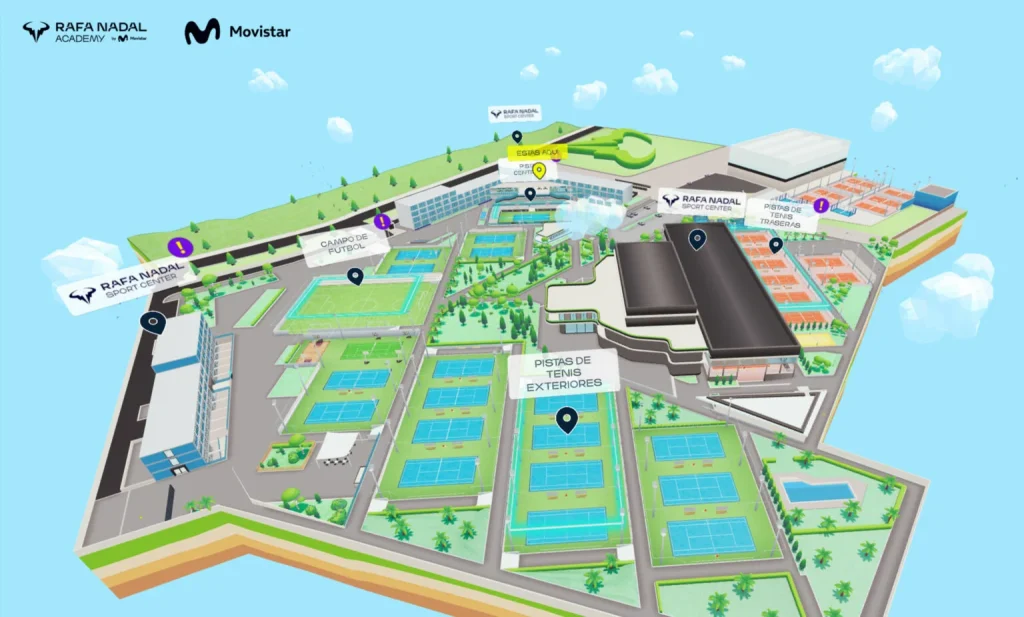
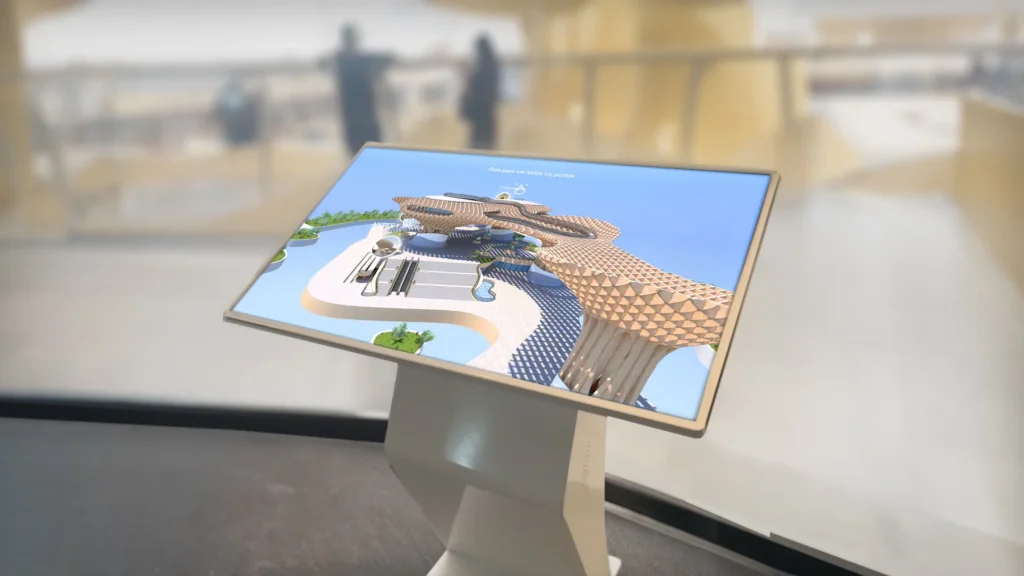
Virtual Spaces are revolutionizing the real estate industry by enabling a completely new interaction with real estate, both in the development phase and in property management. Through interactive digital environments, Virtual Spaces offer immersive experiences where customers can walk through real estate developments in 3D for themselves The new system allows you to get to know every detail of a building and explore its facilities from anywhere in the world. An example of this can be found in the virtual visit to the Rafa Nadal Academy by Movistar where users can travel virtually to Manacor and tour all the facilities of the tennis academy. On the other hand, Virtual Twins provide a large-scale view of a space. They are interactive maps and infographics to guide the user and visually explain the infrastructures of a site . Taking a step beyond static maps and plans, such as in the case of the virtual recreation of the Seville Mushrooms monument . If you want to know more about virtual spaces you can visit our article → What is a virtual space and how to use it
Future of technology in the real estate sector
So far we have been reviewing the innovations that are already a reality in the present of the real estate sector, but, what are the technologies that will shape the future of this industry? In Real Estate, one of the most promising innovations is the Blockchain which will offer secure and transparent solutions for real estate transactions. As smart contracts become more common, buying and selling property will become more streamlined and free of intermediaries, reducing costs and time. In addition, the blockchain can guarantee the authenticity of properties and related documents, improving confidence in the entire process. In parallel, future improvements and innovations in Artificial Intelligence and in the development of hyper-realistic virtual spaces will be crucial for further advancing the integration of technology into the real estate business model . Seeking to combine face-to-face attention with the benefits offered by virtual experiences to be able to see and tour the spaces that will be built in the future, as they will be seen in reality. These solutions will not only improve decision making, but will also allow customers to interacting with real estate in a completely new way creating a more agile, accessible and connected purchasing process to your needs. Want to learn more about the use of technology in real estate? Visit our article Digital Twin 4.0. in the real estate sector .
Imascono success stories in real estate technology
Throughout this article we have been able to know some of the projects and technologies that are already present in the daily life of companies, real estate developments and large facilities. At Imascono we have worked with large companies to virtualize their spaces, both inside and out. For this reason, we wanted to share in this last section some of the most relevant success stories in the Real Estate field :
Junto al equipo de la Rafa Nadal Academy by Movistar trabajamos en la virtualización de todas sus instalaciones, edificios y pistas para desarrollar una experiencia web inmersiva que permitía viajar a Manacor a todos los usuarios. Así es posible tener una visión global de todo el complejo: desde el colegio al gimnasio, pasando por el hotel y el spa.
Para el equipo de Lékué nos pusimos manos a la obra (nunca mejor dicho) para construir su casa virtual. Un showroom virtual que recrea todos los espacios de un hogar en el que se muestran en funcionamiento e in-situ todos sus productos.
En el ámbito industrial y de la salud, junto a Certest trasladamos al mundo virtual sus instalaciones, para que puedan ser visitadas por sus clientes y partners de todo el mundo. Así, el gemelo virtual de Certest permite tener una visión global de la magnitud de su infraestructura, además de infografías interactivas sobre sus nuevas líneas de fabricación y centros de investigación.
En Imascono sabemos que el futuro del Real Estate pasa por la implementación de nuevas tecnologías que permitan hacer llegar las promociones inmobiliarias a nuevos públicos, de forma más personalizada y atractiva. Si quieres conocer cómo podemos incorporar la Inteligencia Artificial y virtualizar tus inmuebles no dudes en ponerte en contacto con nosotros.
Immersive learning as an educational alternative
Immersive learning as an educational alternative
The digital transformation has reached all sectors, including the education sector. Technology and computer science have not only become key subjects for students, they are also an important part of the teaching methodology itself. The distance learning, customized Artificial Intelligence tutors, interactive experiences, educational video games ... are different uses of technology that are transforming classrooms. Among them, immersive learning stands out, both at the school level and in employee training. These innovations promise to create more personalized, interactive and accessible learning experiences revolutionizing the way we learn and teach. In this article, we will take a closer look at the advantages and opportunities offered by immersive learning . Not only as an educational alternative, but also as a complementary methodology to traditional teaching methods. Its combination, physical-digital, is synonymous with motivation, to put into practice the lessons learned and to deepen the subjects in a fun and entertaining way.
What is immersive learning?
Immersive learning is the educational approach that seeks to create interactive, immersive learning environments that encourage the active participation of students in the learning process . Immersing students in virtual scenarios where they can experience and discover concepts in a practical and tangible way. Students are immersed in situations that test their skills, knowledge and senses. This favors the implementation of the subject matter, the assimilation of concepts and the knowledge of new challenges. Students not only observe or listen, but also live the educational experience. Facilitating the learner to empathize more with the content.
Benefits of immersive learning that you should know
Incorporating this type of education is a major step forward for the schools, universities and companies that are committed to the internal training of their employees . A step that offers a series of educational benefits that can be summarized as follows:
1. Learning by doing
Immersive learning means that, more than ever before, we are putting into practice the learning by doing (learning by doing), turning the way we are used to learning upside down. The immersion offered by these technologies opens up a new range of educational experiences that facilitate knowledge retention and increase student interest. Thanks to the innovations of the Extended Reality teachers can enrich and deepen the learning programs, being able to teach with the support of holograms, in Artificial Intelligence tutors/avatars or in virtual simulations designed so that the student autonomously internalizes the knowledge while testing it. As in the Virtual Training developed by Boehringer Ingelheim .
2. Encouraging creativity
One of the key benefits of immersive learning is the ability to enhancing students' creativity, curiosity and motivation in the classroom . Through these experiences, they discover new ways of seeing and understanding the subject, encouraging them to continue discovering and wondering what lies behind. Demonstrating that play and technology are great ways to learn. The best example is found in Chromville a creative learning app based on coloring sheets whose characters come to life through screens and educational games.
3. Expansion of the educational experience
With the entry of the immersive learning in educational programs The new technology changes the way children and students learn about the world. With this technology they can visit any country or travel to the past, the future or other planets, all without leaving the classroom. Thus allowing them to expanding the educational experience , experiencing new situations firsthand and to understand in a simple way more complicated academic concepts. Among the educational projects of this type that are already underway is the Kai XR platform . Where, through Virtual Reality, every child can live different educational experiences. Visit the top of a windmill or watch a rocket being prepared for launch as a member of NASA.
4. Gamificación del aprendizaje
Immersive learning is undoubtedly one of the main avenues for the gamification of educational systems . This trend unifies all the techniques and uses of the mechanics of video games in actions and sectors, until now, alien to this playful world. By transferring the more entertaining challenges and rewards to professional education and training. One of the educational programs that has already been launched and that explores the possibilities of gamification is the virtual space of Aprendiendo a Emprender by Fundación Ibercaja . A virtual campus designed for schoolchildren The program is aimed at 10 and 11 year olds and through challenges, quizzes and levels brings the world of business closer to schools. You may be interested in → Virtual Reality in education: features and benefits
Key Extended Reality technologies for immersive learning: examples
Immersive learning, as we have seen so far, is based on the union of the real world and the virtual world to enhance the involvement, motivation and deepening of the students' knowledge of the subject matter . Immersive learning has become one of the main future trends in the education sector. This is based on different Extended Reality technologies such as: Students are immersed in situations that test their skills, knowledge and senses. This favors the implementation of the subject matter, the assimilation of concepts and the knowledge of new challenges. Students not only observe or listen, but also live the educational experience. Facilitating the learner to empathize more with the content.
Virtual Reality
One of the main technologies of immersive learning is the Virtual Reality . Its potential at both the educational and professional levels lies in the possibility of developing simulations and immersive training . In the industrial sector, immersive VR learning offers the possibility of autonomously train in complex and/or dangerous tasks The company's own machinery is used for this purpose, without the need to allocate extra resources such as trainers or the machinery itself. Among the solutions and examples of immersive learning already developed in this area are all of the Virtual Training line . Customized Virtual Reality training companies in different industrial sectors, such as the automotive industry, the professional training of Global Spedition's employees .
Realidad Aumentada
The Augmented Reality offers the possibility of approaching the real world from new perspectives and with new eyes. combining the real world with the virtual world, creating environments full of information that add value to educational activities. Instead of viewing simple images on the projectors, you can show three-dimensional models of outer space, parts of the body, geometric figures or even historical moments, as if they were in the classroom itself through Augmented Reality devices, from Mixed Reality or of Spatial Computing . You can learn more about this technology at features and benefits of Augmented Reality in education .
Metaverse and virtual spaces
In the education of future generations, the Metaverse not only enables the development of more immersive and interactive experiences. It also allows recreate environments and even virtual campuses that, in an active and personalized way, feed the curiosity and involvement of the students. This is essential for immersive learning. This allows, in the same space, the student to have access to all content, attend online classes, always have the support of your AI avatar/assistant at your disposal and find a meeting place with the rest of your classmates. Virtual spaces such as KAI XR Create, an educational virtual world where it is the students themselves who build it while developing their intelligence and spatial vision, as well as their digital skills.
Artificial intelligence
If there is one technology that is revolutionizing the present and future of education, it is Artificial Intelligence. From customizing the educational experience or automating repetitive tasks Artificial Intelligence applied to education offers great advantages for our educational systems. Such as the possibility of developing a new form of personalized tutoring through AI avatars. They can answer their doubts, offer them advice and even ask them questions to help them internalize the subjects. All this, in addition, with the registration of their scores and evaluation, developing a database on the evolution of their learning that helps teachers to receive a personalized analysis of each student. Training-focused avatars such as IRIA, the newest member of the Iveco Academy team. Discover the AI potential in this area in our content → Advantages and disadvantages of Artificial Intelligence in education .
Challenges and future of immersive learning
Education is living a time of great changes and revolutions. Online classes, microlearning, autonomous training, gamification, Virtual Reality simulations... different uses of technology applied to training that present great challenges and opportunities for educational methodologies and programs. All players in the education sector, in one way or another, are going to evolving towards more immersive and personalized learning models for each learner . Therefore, it must be taken into account:
Tendencias emergentes. Cada día surgen nuevas e interesantes propuestas educativas basadas en tendencias emergentes en este ámbito, entre las que en este artículo destacamos el aprendizaje inmersivo.
Innovaciones tecnológicas futuras. El análisis de datos, los futuros avances en Inteligencia Artificial, la tecnología Blockchain en temas de seguridad y certificación de diplomas y documentos… son muchas las innovaciones tecnológicas que marcarán el futuro de la educación.
Imascono immersive learning projects
Either through simulations and virtual training , customized training materials , gamified trainings or Artificial Intelligence tutors immersive learning projects are already a reality in the educational world. And they are going to be a revolution in the future of education. At Imascono we believe that immersive learning offers major advantages and opportunities for transforming teaching methods we all know. We seek to be more aware of the different rhythms of each student, and also through our artificial intelligence services for companies among others, you will be able to go a step further in the deepening of the students in the different subjects. Would you like to learn more about our educational projects based on immersive learning ? Contact with us and our engineering team will be happy to answer all your questions.
What is Industry 4.0. and what are its main characteristics?
What is Industry 4.0. and what are its main characteristics?
From the steam engine to the invention of electricity or the advent of mass production and later electronics... Throughout history, the industrial sector has undergone various technological transformations. that have come to mark the great advances of mankind. We are currently in the midst of Fourth Industrial Revolution - Industry 4.0. where digital, intelligent and automated technology is revolutionizing our companies, factories and production lines. Cloud connectivity, Industrial Internet of Things (IIoT), and advanced AI and AI-enabled solutions are machine learning are radically transforming industrial operations. In this article we would like to analyze in detail the main characteristics of this Industry 4.0. and, above all, learn about its most important technologies. Ready?
Virtual Training desarrollado para Global Spedition por Imascono
Definition of Industry 4.0
You may be wondering what Industry 4.0, or the Fourth Industrial Revolution, is. integration of advanced digital technologies in manufacturing processes. It includes the use of Internet of Things (IoT), Artificial Intelligence (IA), the immersive technologies the robotics and the analysis of Big Data to create interconnected and automated production systems and optimized industrial/business management. This approach allows for a greater efficiency, customization and real-time analysis transforming factories into intelligent and adaptive environments. Before Industry 4.0. there were three other major Industrial Revolutions:
A finales del siglo XVIII se vivió la Primera Revolución Industrial marcada por la invención de la máquina de vapor. Transformando los métodos de producción de obra manual a la mecanización.
En la Segunda Revolución Industrial, a finales del siglo XIX, el impulso vino de la electricidad y el petróleo, introduciendo la producción en masa y las líneas de ensamblaje. Lo que mejoró significativamente la eficiencia y el volumen de producción.
La Tercera Revolución Industrial empezó a mediados del siglo XX con la llegada de la electrónica, los ordenadores y de los primeros robots, iniciando el camino de la automatización de la producción.
You may be interested in → Business Innovation: Spatial Computing Applications in Extended Reality . Industry 4.0 is characterized by integrating digital technologies such as IoT, AI, and robotics in manufacturing systems. Creating intelligent and automated production networks that radically transform industrial production and management. Some are also already talking about the start of the Industry 5.0 a development marked by the active human participation to improve both the well-being of workers and the sustainability of production. This includes the development of collaborative robots (cobots) that work hand-in-hand with humans in manufacturing tasks and systems that not only optimize production, but also promote environmentally responsible practices. Industry 5.0 prioritizes collaboration between humans and machines, emphasizing the importance of the human touch in the creativity, customization and sustainability.
Industry 4.0 applications and technologies
The incorporation of new technologies in the industrial sector represents a complete revolution in the control, training, error correction and decision making with 3D simulations and prototypes developed to the highest level of detail . Improving the efficiency of increasingly complex production processes. Thanks to this immersive technology and its marriage with the latest innovations in the Internet of Things (IoT) and Artificial Intelligence, the machines and operators are interconnected from simply operating the machine to being able to communicate with it. Let's take a look at some of the main Industry 4.0 technologies :
Realidad Virtual y Aumentada
Both the Augmented Reality as Virtual Reality are two immersive technologies that are transforming the Industry 4.0 . By changing the way in which combines the physical and digital world in factories and production lines. On the one hand, the AR experiences The application of this technology to the industrial sector has great potential for the presentation of the three-dimensional models of parts and prototypes from all angles and in the exact place where their final version will be, reducing to the maximum the margin of error when assembling and using them. However, if there is an application of the Virtual reality that revolutionizes the industrial sector is the possibility of autonomous training. in complex and/or hazardous tasks through controlled 3D simulations The company's own machinery is used for this purpose, without the need to allocate extra resources such as trainers or the machinery itself. You can learn more about this technology in our post Virtual Reality: examples and applications .
Experiencia de aprendizaje en Realidad Virtual para Boehringer Ingelheim
Digital Twins
Los gemelos digitales en la Industria 4.0. son representaciones virtuales e interactivas de procesos, productos o incluso plantas enteras de producción que simulan la realidad en un entorno digital.
Esta tecnología permite a las empresas tener una visión global de toda la producción, analizar datos y monitorizar sistemas para prevenir problemas antes de que ocurran, optimizar operaciones y experimentar con cambios en un entorno virtual sin riesgos.
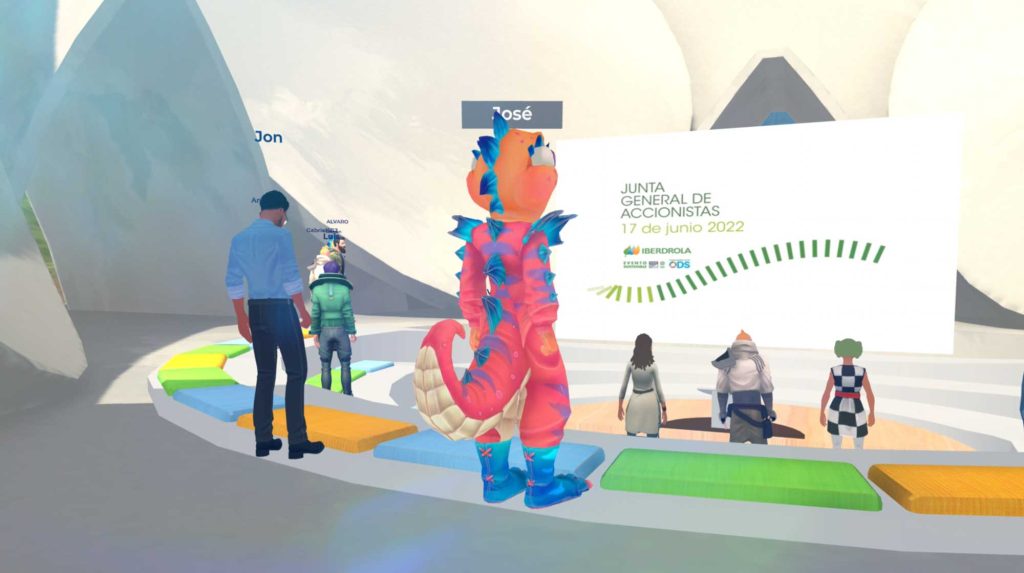
Al utilizar sensores IoT para recoger datos en tiempo real, los gemelos digitales ofrecen una visión detallada del rendimiento, el mantenimiento y la eficacia de las máquinas en la planta de fabricación, mejorando así la toma de decisiones y la eficiencia operativa. Unos Gemelos Digitales que también pueden convertirse en el punto de información y de reunión entre los stakeholders, como en el caso de la Junta de Accionistas y evento virtual de Iberdrola desarrollado en su propio espacio virtual 3D.
Evento Virtual en el Metaverso desarrollado por Imascono para Iberdrola
Computación en la nube
El cloud computing es un pilar esencial de la Industria 4.0, proporcionando la infraestructura necesaria para soportar la integración y el análisis de datos a gran escala. Facilita la centralización de información, permitiendo un acceso remoto y en tiempo real a los datos críticos almacenados en sus servidores, lo que optimiza la colaboración y la agilidad en la toma de decisiones.
Con la capacidad de almacenar y procesar enormes cantidades de datos de forma segura y eficiente, la nube posibilita la implementación de soluciones avanzadas de Generative Artificial Intelligence, automatización y IoT, permitiendo así a las empresas aumentar su eficiencia operativa, reducir costes y mejorar la innovación en sus procesos de fabricación.
Robótica
La electrónica, los ordenadores y los primeros robots mecanizados se introdujeron en el sector industrial durante la tercera Revolución Industrial. En la Industria 4.0. la robótica se ha visto reforzada, jugando un papel crucial en la automatización y optimización de los procesos de producción, su eficiencia y precisión.
Los robots avanzados pueden realizar tareas complejas y delicadas, adaptándose a entornos cambiantes y colaborando con humanos en tiempo real. La integración de robots autónomos y colaborativos mejora la velocidad, la calidad de la producción y reduce los riesgos laborales.
Además, libera a los trabajadores de tareas repetitivas, permitiéndoles enfocarse en actividades más estratégicas y creativas.
Big Data e Inteligencia Artificial
En la Industria 4.0, el Big Data y la Inteligencia Artificial son fundamentales para transformar la producción industrial a través de la recopilación y análisis de grandes volúmenes de datos generados por los dispositivos y sensores conectados al ecosistema de fabricación.
Estas tecnologías permiten la automatización avanzada y la toma de decisiones en tiempo real. Optimizando operaciones desde el mantenimiento predictivo hasta la personalización de la producción.
El potencial de la Inteligencia Artificial en la industria 4.0. puede ir más allá de la producción para enfocarse en los trabajadores. Convirtiéndose en una compañera más en su día a día: potenciando sus capacidades, resolviendo sus dudas y/o convirtiéndose en el portal de acceso a la información y formación de la empresa, como en el caso de IRIA, el avatar IA del grupo industrial Iveco.
Si quieres profundizar más sobre la IA te recomendamos → Desafíos de la inteligencia artificial aplicada a la empresa.
Phygital project developed for Rafa Nadal Museum by Imascono
Highlights of Industry 4.0
Industry 4.0. is characterized, mainly, by the creation of smart factories where physical and digital systems cooperate in an interconnected and autonomous manner. Interconnectivity, the digital transformation automation are some of the main characteristics of the implementation of these technologies in the industrial sector . Features which can be summarized as follows:
Respuesta en tiempo real. La capacidad de respuesta en tiempo real permite a las empresas monitorear y gestionar operaciones de manera instantánea y eficaz. Gracias al Big Data, los sensores IoT, las simulaciones 3D suponen un flujo continuo de datos que facilitan decisiones rápidas y precisas, optimizando el rendimiento del proceso productivo.
Descentralización. Esta característica se refiere a la capacidad de las máquinas y sistemas informáticos de tener autonomía en su funcionamiento y en la toma de decisiones operativas sin intervención humana directa. Operando de forma independiente y flexible, adaptándose a los cambios y necesidades en tiempo real de los procesos industriales.
Aumento de la productividad. Al integrar diferentes tecnologías, la automatización y optimización de los procesos impulsa un significativo aumento de la productividad. Estas tecnologías permiten una fabricación más rápida y con menos errores, maximizando el rendimiento de los activos y minimizando los tiempos de inactividad. Además, la recopilación y análisis de datos en tiempo real facilitan mejoras continuas y ajustes precisos en las operaciones de producción.
Industry 4.0. applications you should know about
Throughout the article we have been getting to know some of the examples and use cases of new technologies in Industry 4.0. Next, we would like to delve into the most relevant applications of this Fourth Revolution in the industrial sector.
3D Simulations
3D simulations in the industrial field cover a wide range of applications. From the employee training in the use and prevention of occupational hazards in safe environments, focused on tacit knowledge, to the possibility of knowing how the entire plant, logistics and machinery of a company work through 3D models and virtual simulations to full scale. Among the solutions already developed in this area we find the entire line of Virtual Training . Customized trainings in Virtual Reality implemented by companies from different industrial sectors such as the professional training of Global Spedition's employees or the presentation of the new industrial machinery of Boehringer Ingelheim .
Industrial Internet of Things: Industrial IoT
The Industrial Internet of Things (IIoT) goes a step beyond the IoT we know today, focusing specifically on the interaction between machines, devices and industrial systems. In Industry 4.0, this connectivity and machine-to-machine and human-to-machine communication The real-time, accurate and precise monitoring, predictive maintenance and optimization of processes is vital for industrial companies to scale and adapt in real time to market trends and needs.
Task management
Industry 4.0 transforms task management by automating processes and optimizing resource allocation through intelligent systems. Enabling the efficient coordination of tasks between machines and humans The system is designed to improve accuracy and reduce execution time. In addition to task management, we could also speak of the information management where large volumes of data from multiple sources can be collected, processed and analyzed in real time. Where not only do we obtain strategic insights The system also facilitates better coordination and communication between departments and levels of the organization through interfaces such as WebApps or even hyperrealistic AI avatars that humanize the interaction between users and data .
Industry 4.0. use cases at Imascono
From pharmaceuticals to logistics, automotive, agricultural machinery and the industrialization of livestock, there are many industrial sectors in which the Imascono use cases have been part of the leap to Industry 4.0. of large and medium-sized companies.
Como la virtualización y modelado 3D interactivo de las diferentes máquinas del grupo Tenias. Versiones tridimensionales para la presentación y formación sobre el funcionamiento de sus últimos productos.
Otro caso de éxito en la Industria 4.0. también lo encontramos en la formación en Realidad Virtual diseñada para Ceva Velactis, la principal empresa farmacéutica en el ámbito veterinario, donde se forma y promociona los usos y ventajas de sus nuevos productos.
At Imascono we know firsthand how important it is for industrial companies to have the right latest technological advances to optimize and scale up production At the same time, having enough flexibility and customization capacity to adapt to market changes. Therefore, training, data collection and a correct interaction between machines and workers are key to advance in Industry 4.0. Our team of more than 30 engineers and designers has more than 12 years of experience in the development of projects of Artificial Intelligence , Virtual Reality and Virtual Spaces focused on business and industry. Do you need making the technological leap to Industry 4.0 ? ¡ Contact with us !
Advantages and disadvantages of Artificial Intelligence in education
If there is one technology that is revolutionizing the present and future of education, this is Artificial Intelligence (AI). . Radically changing our learning schemes, developing new proposals and methodologies. Both at school, university and professional training levels. From personalizing the educational experience to automating repetitive tasks or fostering new immersive proposals, Artificial Intelligence applied to education proposes a series of advantages and opportunities for our educational systems The learning experience of the students will be as effective and inspiring as possible. In this post we are going to analyze in detail the implications of introducing the Artificial Intelligence in training and educational programs, as well as how it is complemented by the other technologies that are digitally transforming the way we learn .
Proyecto de Realidad Virtual Kai XR Platform desarrollado por Imascono en el sector de la educación
Artificial Intelligence Revolution in Education
When we talk about Artificial Intelligence we refer to the set of technologies, processes and algorithms that allow machines to think/act like human beings. By adapting to different situations and performing tasks that normally require human intelligence. These algorithms are feedback and self-learning through data training . A combination of machine learning models, Big Data and strategies that perform tasks such as pattern recognition or even decision making. Artificial Intelligence in education represents a revolution, since it fundamentally transforms how education is delivered and received. . By automating administrative tasks and personalizing learning, AI frees educators from repetitive and bureaucratic burdens. Tools such as intelligent tutors or AI-enabled training simulations enrich the learning experience. Making it more accessible, personalized, attractive and effective. The content is adapted to the individual needs of each student. If you are interested, you can learn more about AI in →I Generative Artificial Intelligence: definition and main applications .
Advantages of AI in education
The way students learn is changing, as is the way we communicate, interact with the world around us, and interact with technology. The Augmented Reality the Virtual Reality or the phygital experiences focused on the educational field propose new ways of deepening knowledge and training itineraries. By integrating technologies such as Artificial Intelligence into education, we create highly adaptive and personalized learning environments that respond to the individual needs of each student, preparing them for the challenges of tomorrow. These are the three main advantages of applying AI in the classroom :
Immediate feedback
AI systems and algorithms can quickly evaluate students' responses, which is an advantage for both students and teachers to have a immediate feedback on their learning progress. This allows students to understand and correct their mistakes in real time, facilitating more efficient and effective learning. And for teachers, to be able to have a more detailed control of their students' progress. A learning method that is reinforced if implemented with the most gamified learning techniques. Game mechanics , challenges that take student motivation to the next level. You may be interested in → What is gamification: benefits and examples
Espacio Virtual desarrollado para el proyecto Aprendiendo a Emprender de Ibercaja por Imascono
Personalización del aprendizaje
Linked to the above, another of the advantages that Artificial Intelligence offers in the educational field is the customization . The respond to the individual needs of each student . Not only when posing questions and challenges adapted to their level of knowledge, but also so that teachers can analyze the progress of students with a personalized approach.
By relying on AI, teachers can see each student's strengths and areas for improvement and come up with new, adapted learning strategies. Each student is different and the Artificial Intelligence in the classroom allows everyone to understand and advance in their training at their own pace and with the teaching method that works best for them.
Phygital project developed for Rafa Nadal Museum by Imascono
Increasing digital competencies
The integration of Artificial Intelligence in education not only enriches subject specific learning, but also prepares students for the digital future by enhancing their digital competencies . By regularly interacting with AI-based platforms, students become familiar with advanced technologies that are critical to the present and future of business.
This constant contact helps to develop essential skills, such as the ability to technological problem solving, critical thinking in digital environments and the ability to work effectively with data and automated tools. A success story of the AI applied to education that meets these three characteristics can be found in V-E-G-A, the hyper-realistic virtual avatar which tutors new technologies thanks to its Artificial Intelligence engine and its training in this specific area. V-E-G-A adapts to the user's level of technological knowledge and answers all their questions about the latest innovations and technological advances.
Disadvantages of Artificial Intelligence in the educational environment
The integration of Artificial Intelligence in the educational field has only been around for a short time, so at present it has some disadvantages that need to be taken into account and improved for the prosperous future that lies ahead for AI in education.
1. Reduction of human interaction
This is undoubtedly one of the main concerns presented by AI and, in general, the digital transformation that education is undergoing. Direct contact between students and teachers is crucial for emotional and social development, so we must foster an empathetic and responsive learning environment, where the most humanized technology helps us connect, not distance us.
2. Gran inversión
Today, implementing AI systems in teaching methods requires a significant investment in technology and training. It is important not only to acquire the hardware, but also the technological know-how to effectively use these new educational tools and get the most out of them.
3. Data privacy and security
Undoubtedly, data cybersecurity is one of the key issues when talking about Artificial Intelligence. AI-based systems collect and process large amounts of personal information, which makes it essential to implement robust measures to protect this data against unauthorized access and security breaches.
Applications of Artificial Intelligence in Education
After learning about the advantages and disadvantages of implementing the different types of Artificial Intelligence in educational projects, it is time to take a more in-depth look at the applications that this technology offers us in the field of training. The AI is revolutionizing the education sector Personalizing learning methods, providing more interactive and adaptive environments and offering new key tools for today's world. These are the three main applications of AI in education :
1. Exploratory learning environments
Immersive learning environments are not a novelty, but their enrichment with AI systems to make them more autonomous and open, achieving that they are adapt in real time to all student actions. In these exploratory learning environments students take control of the simulation and it adapts as the situation progresses. Enabling students to learn from your mistakes in a 3D environment that does not affect the real world, helping them to train in complicated tasks, in trying different paths and above all, allowing them to be creative, autonomous and looking for new routes to reach the final result. Simulated environments such as the Virtual Trainings in the industrial and healthcare fields, such as Boehringer Ingelheim's Virtual Reality training or the Global Spedition . Learn more about this technology applied to the health sector at Virtual Reality and medicine: applications in the healthcare sector .
2. Language learning
AI is radically changing the way students learn languages. Using the speech recognition and natural language processing AI systems can help students improve their pronunciation, grammar and vocabulary more efficiently. These systems offer instant and personalized feedback, allowing students to see their mistakes and progress in real time. In addition, AI can simulate conversations with native speakers of any language providing immersive language practice without leaving the classroom.
3. Intelligent tutoring
Undoubtedly, one of the main advantages offered by the application of AI in education is that it is an accessible tool for users, regardless of the time, date, place or difficulty of the question, Artificial Intelligence is always available to continue learning. Thus, the figure of intelligent tutors grows in the educational field . These AI systems attend to all student queries They launch new challenges, offer additional explanations and resources, and evaluate learner performance. Identifying strengths and areas for improvement, adjusting learning materials for each learner. Tutors that can be customized through virtual avatars equipped with Artificial Intelligence as in the case of the avatar IA of Miguel de Cervantes Who better than the Spanish writer himself to explain the impact that Don Quixote has had on world literature?
Artificial Intelligence projects in education: AI avatars by Imascono
either through 3D simulations, customized didactic materials or even hyper-realistic avatars of our great figures of world history, Artificial Intelligence projects for students are already a reality. And they are going to be key players in the future of education. At Imascono we believe that the introduction of Artificial Intelligence in education has to help us to be much more agile in our way of learning, to be more aware of the different rhythms of each student and to naturalize our interaction with the digital world. A humanization of technology that goes through AI avatars hyperrealistic tutors that through voice, chat and text facilitate interaction with students. Would you like to learn more about our Artificial Intelligence projects in the educational field ? Contact with us and our engineering team will be happy to answer all your questions.
Features and benefits of Augmented Reality in education
Features and benefits of Augmented Reality in education
The possibility of approaching the real world from new perspectives, of combining the physical and virtual worlds, of creating an environment full of information that adds value to educational activities. This is what the incorporation of Augmented Reality experiences in education . Instead of viewing simple images on the projectors, you can show three-dimensional models of outer space, geometric figures, parts of the body, historical moments or even the seabed, as if they were in the same classroom through Augmented Reality devices. Enhancing creativity, motivation and curiosity of children and not-so-children. Encouraging these digital natives to continuous discovery and to wonder what lies behind. Demonstrating that play and technology are great tools for learning. In this article we will know in detail the benefits, characteristics and the most important examples of Augmented Reality in education.
Importance of Augmented Reality in the educational context
Before delving into the digital transformation that the introduction of the Augmented Reality in education In order to understand what this technology is all about, it is essential to know what it is all about. Augmented Reality is one of the three technologies that form part of the Extended Reality This idea of uniting the physical world with the virtual world. The Augmented Reality combines the real world with the digital world by superimposing virtual elements on the reality itself . Thanks to this immersive technology, the real and virtual environments intermingle, creating interactive experiences accessible from various devices at the same time: from cell phones and tablets to Augmented Reality glasses. While AR experiences superimpose digital elements showing the real world at the same time, Virtual Reality, on the other hand, immerses users in totally artificial immersive and interactive environments. You can learn more about this other revolutionary technology in our publication: Virtual Reality in education: features and benefits . In the field of education, Augmented Reality makes the learning process a highly dynamic and interactive experience. By overlaying digital information on the real world, AR transforms classrooms into spaces where theoretical concepts become visual and tactile experiences. In addition, AR technology offers personalization of learning The content is adapted to the needs and rhythms of each student, resulting in a more inclusive and effective educational environment.
Key features of Augmented Reality in learning
We are currently witnessing how technological advances have been transforming curriculums and teaching methodologies to all ages. From toddlers to job trainings, the different modules, courses and learning models have been changing with the introduction of the Virtual Reality of Artificial Intelligence or the Spatial Computing . The Augmented Reality in training is distinguished by a series of fundamental characteristics that make it the basis for creating richer, gamified and immersive educational experiences.
Immersive experiences
Augmented Reality and other immersive technologies allow the strategy to be followed learning by doing that is, to work on the tacit knowledge and interactive learning with students. Everything to go beyond textbooks, pictures and videos, to go beyond textbooks, pictures and videos to complement them with immersive experiences where the student is part of the action. and proactively advances in their learning. A more practical experience that allows, from the classroom itself, to travel to the past, to space, to understand the most abstract concepts of mathematics and physics... everything through three-dimensional models superimposed on reality. Or even through educational experiences in Virtual Reality such as in the case of KAI XR, a VR platform where students can learn about history, the animal world and even NASA through Virtual Reality goggles.
Proyecto de Realidad Virtual Kai XR desarrollado por Imascono en el ámbito de la educación
Real-time interaction
Real-time interaction is one of the most valuable features of Augmented Reality in education, as it transforms the way students relate to learning material. This functionality allows learners to interact with virtual objects and environments overlaid on the real world, offering a instant response to your actions . Coupled with Artificial Intelligence, this real-time interaction can even be carried over to languages, with the simultaneous translation of conversations. Or to physics tests, where the superimposed 3D model changes in real time at the same time that we change the parameters. All with the idea of creating spaces for trial and error, to generate simulations and to make learning more dynamic and experimental. Take a look at our Artificial Intelligence services for companies .
Personalización del aprendizaje
New technologies such as Augmented Reality allow us to adapting the educational experience to the particular needs of each student . Personalizing the subjects and the pace of learning. Converting abstract concepts into interactive visual representations, facilitating student understanding. In addition, Augmented Reality allows learners to explore different topics and information at their own pace, fostering a autonomous and personal learning . This personalization not only enhances motivation and engagement It also ensures that each student is able to reach his or her full potential. You may be interested in → Augmented Reality and Artificial Intelligence Interactions .
Benefits of Augmented Reality in education
Augmented Reality is redefining the frontiers of learning in education, offering multiple benefits that transform both teaching and learning. student experience . By overlaying digital elements on top of the real world, this immersive technology facilitates more interactive and immersive educational experiences than the real world. attract the attention and stimulate the curiosity of the students. The following is a more detailed analysis of the three main benefits of Augmented Reality in education:
1. Motivación académica
Immersive technologies such as Augmented Reality enrich the educational experience by adding another layer of interaction and gamification to learning . By integrating visual and tactile elements into the classroom, Augmented Reality not only engages students' interest, but also invites them to explore and learn. Turning lessons into educational adventures The program is based on an active and participatory approach, traveling back in time to historical moments or transforming the classroom into the seabed.
2. Mejora la accesibilidad
Augmented Reality offers significant improvements in accessibility within education, especially beneficial for students with disabilities or special learning needs. By providing alternative and interactive methods for visualizing and manipulating information With this technology, this technology can be adapted to a variety of learning styles and physical abilities, allowing all students to participate more fully in the educational process. An example of this improvement in accessibility can be found in the project LOARRE XR, an Extended Reality platform in which the virtualized the visit to the Loarre Castle, a Romanesque castle of difficult access and with more than ten centuries of history.
3. Facilitates the understanding of abstract concepts
Undoubtedly, one of the most important benefits of the implementation of Augmented Reality in the educational system is its ability to improve understanding of the students. Allowing visualization of abstract or complex concepts in three dimensions, making it easier for students to understand and retain the information. All through memorable and interactive AR experiences where you can see a visual representation of parables, the human body, a historical event or mathematical concepts.
Augmented Reality projects in education by Imascono
Undoubtedly, technology plays a key role in the present and future of education . Throughout the article we have seen some examples, but here we want to show you three of the most relevant projects of Augmented Reality in educational experiences:
Un caso de éxito sin precedentes de la introducción de la Realidad Aumentada en las aulas lo encontramos en Chromville, una app de aprendizaje creativo basada en láminas coloreables cuyos personajes cobran vida a través de las pantallas y juegos educativos.
La Realidad Aumentada permite cambiar la interacción que tienen los niños actualmente con la tecnología. En vez de ser meros espectadores pasivos, las experiencias educativas AR los convierten en los verdaderos protagonistas de la acción. Como en el proyecto de Lacasitos App, donde los niños crean su propio mundo de diversión junto a los diferentes personajes.
La Realidad Aumentada nos ayuda a ir más allá de los libros de historia, para ver con nuestros propios ojos el pasado e incluso el futuro. Como en la experiencia AR de Ibercaja Xplora. Una webApp interactiva que permite a los visitantes viajar a tres épocas diferentes para conocer el pasado y futuro de la ciudad de Zaragoza.
Without a doubt, if there is one thing these projects have in common, it is that the technology, fun and immersive learning play a very important role in education. At Imascono We are aware of this and therefore we accompany our clients throughout the entire process of creating this type of educational experience. From conceptualization to implementation, through our Augmented Reality services for companies our team of engineers and designers work to adapt Augmented Reality technology to the needs of our customers. specific needs of each educational program and learning method . Do you need to develop a Augmented Reality focused on education ? ¡ Get in touch with us !
The interaction of Artificial Intelligence in Virtual Reality
The interaction of Artificial Intelligence in Virtual Reality
En la actualidad la tecnología está avanzando a pasos agigantados y la Virtual Reality no se queda atrás. Gracias a su convergencia con otras innovaciones clave como el Metaverso o el Spatial Computing, la experiencia inmersiva que propone va un paso más allá. Transformando nuestra forma de interactuar en el mundo digital.
Entre las tecnologías con las que se está combinando la Realidad Virtual, destaca, sin lugar a dudas, la Inteligencia Artificial. Consolidándose como dos fuerzas disruptivas para múltiples sectores. Desde transformar la forma en que disfrutamos del entretenimiento hasta revolucionar procedimientos médicos y programas educativos.
La combinación de ambas tecnologías ofrecen nuevas vías para innovar en el mundo virtual, crear elementos digitales en tiempo real y personalizar al 100% la experiencia inmersiva.
En este artículo vamos a explorar cómo es la unión de la Inteligencia Artificial con las experiencias VR, las ventajas que supone su combinación y qué futuro les espera a ambas tecnologías.
Ocio digital – Proyecto Spatial Computing desarrollado por Imascono
Differences between Artificial Intelligence and Virtual Reality
Although both technologies are often mentioned when talking about technological advances and tech trends with more business applications , Artificial Intelligence and Virtual Reality start from different contexts and lines of research in computer science. Virtual Reality is the technology capable of immersing us in fully digital alternative worlds , simulating completely immersive experiences, where we are the users who decide where to focus our attention. 3D environments in which our senses stop perceiving the real world thanks to total immersion through Virtual Reality glasses and its accessories. Creating the illusion of being present in a totally different place. On the other hand, Artificial Intelligence refers to the set of technologies that allow machines to think/act like human beings. By adapting to different situations and performing tasks that would normally require human intelligence. All through algorithms that feed back and learn on their own through training with data . A combination of machine learning models, Big Data and strategies that perform tasks such as pattern recognition or even decision making. AI does not create an environment, but rather endows elements of that virtual environment with the ability to think and react intelligently to user actions. You can find out more about Artificial Intelligence → Types of AI: what are the most relevant today? .
Technological convergence: Artificial Intelligence and Virtual Reality
The relationship between Virtual Reality and Artificial Intelligence is based on its mutual empowerment . AI can significantly improve the experience, through virtual space services for companies , making it more flexible, adaptive and personalized to the behavior of each user. On the other hand, Virtual Reality experiences provide AI tools with a unique space to bring out the full potential of this technology. From the development of non-player characters (NPCs) or the incorporation of hyper-realistic avatars with Artificial Intelligence like V-E-G-A that have a "life of their own" with intelligent actions, behaviors and responses. Also, the development of 3D environments that adapt in real time... virtual test environments where Artificial Intelligence can be trained and refined by users, which provides a richer and more dynamic experience , accelerating the development of intelligent algorithms without real-world consequences. Artificial Intelligence and Virtual Reality expand the boundaries of our digital experiences with intelligent and adapted interactions in real time. Together, these technologies not only advance in their respective areas, but also open up new possibilities in entertainment, education, medicine, among other fields.
Applications of Artificial Intelligence in Virtual Reality
Artificial Intelligence enriches Virtual Reality capabilities , providing richer and more personalized experiences. Next, we will see in detail some of the most important applications of AI in projects developed under Virtual Reality technology.
Interactive learning
The combination between Virtual Reality and Artificial Intelligence is revolutionizing education . Through AI, virtual environments can adapt in real time to the needs, abilities and learning paces of individual users/students. Through 3D simulations or Virtual Training Projects , the experience is not fixed, it evolves as the learner makes decisions within the virtual environment. In addition, you can adjust the difficulty of the tasks, analyze in detail the times and the type of answers the student makes in order to reinforce the most important contents . Not only does this improve knowledge retention, but it also keeps students motivated and engaged by adjusting the challenges to their skill level in real time. These virtual world learnings can be guided or tutored in the format of Artificial Intelligence avatar , which helps the user become familiar with the virtual space.
Personalized entertainment
Artificial Intelligence allows you to customize Virtual Reality experiences as much as possible , especially in the area of digital leisure . In video games, virtual theme parks, and even in film and television, AI adjusts content in real time to adapt to user preferences and emotional responses , creating dynamic plots and scenarios that change based on the player's decisions. This customization deeply enhances immersion, making each experience unique to the user.
Automation and data analysis
Undoubtedly, one of the great applications of the integration of AI tools into Virtual Reality experiences is the automation of processes and the analysis of all data generated. In Virtual Reality environments, AI makes it possible to create simulations that can be used to predict behaviors , optimize processes and perform complex analyses in real time; generating a database of great value on user behavior and interaction with digital elements.
Design of virtual spaces in real time
As we have seen in the previous sections, the combination of Artificial Intelligence and Virtual Reality allows for real-time customization and personalization . Not only at the content level based on user behavior, but also in the virtual space itself. A fact that gives the user more control and independence, adapting landscapes, decoration, and even allowing them to build their own space in that Metaverse or virtual world. A very important change in the sector of video games has also occurred in more entrepreneurial fields such as architecture and interior design. Now these studios can immerse their customers in the digital twins of their future properties, being able to change in real time the layout, colors and furnishings. You may be interested in → The Influence of Artificial Intelligence in the Metaverse
Promising future of Virtual Reality and Artificial Intelligence
Virtual Reality is benefiting from the integration of Artificial Intelligence, both now and in the future. A combination of technologies that is marking a new era of innovation and human-machine interaction . This synergy is revolutionizing and will revolutionize different sectors, such as entertainment, education, commerce and healthcare. Seeking personalized immersive experiences , adaptive in real time and in which users can get around naturally. With AI managing virtual environments that respond and adapt in real time to the user's actions and emotions, enabling new and better learning experiences, play and personalized therapies. In addition, the combination of these technologies can lead to significant advances in the simulation and modeling of complex 3D scenarios , allowing users to explore and interact with virtual worlds that mirror or exceed the complexity of the real world. In the design of these spaces, the limit is in our imagination.
Artificial Intelligence and Virtual Reality Projects with Imascono
At Imascono we know that the future of Virtual Reality lies in the integration of Artificial Intelligence tools, both in their own development and in the content and experiences they offer to users. For this reason, we have a team of 30 engineers and developers specializing in Virtual Reality and Artificial Intelligence that can help you make the leap to these technological breakthroughs through our Virtual Reality for companies services. Need a project that combines the best of AI with the virtual world? Contact us at !
Virtual Reality in video games: the future of entertainment
Virtual Reality has ceased to be just a science fiction concept and has become the great immersive technology that allows us to travel to a whole new digital universe in which the users are in control. In the video game and entertainment industry that means that fiction reaches the real world . The fourth wall is broken and the user becomes part of the game world. In this article we want to go deeper into the video game industry's commitment to this immersive technology, the digital transformation that this sector is undergoing and the benefits, both in the present and for the future.
¿Qué es la Realidad Virtual?
Virtual Reality is the technology capable of immersing us in completely digital alternative worlds, where we, the users, are the ones who decide where to focus our attention. 3D environments in which our senses cease to perceive the real world, thanks to the total immersion through the Virtual Reality glasses (HMD or Head-Mounted Display) and its accessories. The various remotes, gloves, headsets and haptic suits not only allow us to see, hear and feel these new digital experiences, they also offer us a great freedom of movement to enjoy the virtual universe. Virtual Reality is just one of the immersive solutions encompassed within the Extended Reality . A series of technologies to which also belong the Augmented Reality y la Mixed Reality . Their origins and software are different, but their objective is similar: eliminating the barriers between the real and the virtual . While Virtual Reality transports users to the fully artificial 3D spaces In Augmented Reality, the real world is still shown, but with virtual elements superimposed on reality. On the other hand, the Mixed Reality is the result of the combination of the two previous technologies, where users can interact with these digital elements superimposed on the physical world. A technology that we can also see in Spatial Computing.
Evolution of videogame development and Virtual Reality
From the earliest developments, the video game industry has been gradually introducing technological advances in its entertainment experiences. Wireless controllers, motion recognition systems, high-definition screens... Currently, the world of video games is in the process of introducing a new technology that is forever changing the way we understand gaming: the Virtual Reality. As mentioned before, Virtual Reality not only immerses you in a whole new world, but also in a whole new world. makes you the protagonist of the story . A leap into first person and immersive 100% experiences that changes the dynamics of video games. Players feel part of the game world, their senses adapt to this new 360° space and they can even look into the eyes of the other characters in the video game. Undoubtedly, significant changes that mark a before and after in the entertainment industry. You can learn more about this topic in our post→ Technology trends in amusement parks: Virtual Reality .
Benefits of Virtual Reality in video games
Virtual Reality has revolutionized the how gamers experience digital entertainment This has brought with it a series of benefits for the videogame industry that can be summarized as follows:
Increased immersion level
Virtual Reality (VR) transports players into the heart of the video game, making them feel truly part of the game and the action. With detailed three-dimensional environments and the ability to interact with the whole space as if they were real, Virtual Reality transforms the gaming experience making each decision feel more impactful and meaningful. If we add to this the incorporation of haptic suits and gloves The level of immersion increases even more: the video game is no longer only seen and heard in first person, it is also felt. See involves our whole body, movements and senses as in the Frozen Emotion immersive experience where, by combining Virtual Reality with the installation of the phygital of a physical bridge, users feel the adrenaline rush of crossing a bridge high in the snow-capped mountains.
Increased interaction
The virtual world of the video game opens up a whole new range of actions, decisions and interactions within the game. Players can explore space at your own pace and in the first person manipulating objects and even communicating with the characters in a much more natural and interactive way through virtual avatars . If, in addition, these avatars are endowed with Artificial Intelligence interaction is multiplied, as these video game AI avatars, NPCs, are able to interact with the players themselves. With training, context and prior information that allows it to adjust to the needs and open-ended actions that users perform during the game.
Gamification of the business world
Beyond video games and the world of entertainment, Virtual Reality and its game mechanics are also reaching the more business-oriented sectors thanks to the Gamification . This trend consists of transfer the dynamics of video games to professional education and training, as well as to VR testing and training simulations. Gamification coupled with Virtual Reality offers an attractive and effective way of training skills in controlled but realistic environments . As in the Global Spedition Virtual Trainings for the prevention of occupational hazards or the pharmaceutical company Boehringer Ingelheim for the training of healthcare workers in the preparation of their new drugs. You may be interested in → Digital leisure as a new form of entertainment.
Examples of Virtual Reality video games
Virtual Reality is a before and after in the way we consume multimedia content, where immersion in the action makes the fourth wall disappear for the first time. immersing us in a whole universe of entertainment and action. . Below, we will look at some of the examples and the most relevant success stories in the area of Virtual Reality and video games:
Si algo nos permite la Realidad Virtual es la posibilidad de viajar al pasado y al futuro, como en la experiencia inmersiva de Ibercaja Xplora donde los usuarios pueden descubrir el paso del tiempo en la ciudad de Zaragoza cruzando el ‘Portal Virtual’.
Este mundo virtual permite conectar diferentes industrias del entretenimiento, como son los videojuegos con la televisión. ¿El ejemplo? El vecindario virtual de Las Vueltas que da la Vida. La primera producción española en grabarse en el Metaverso y que, además, permite que los usuarios visiten y descubran por sí mismos sus escenarios virtuales.
El desarrollo de videojuegos en VR también puede llevarse al mundo del marketing y el customer experience. Este es el caso del Foster’s Hollywood VR Game, un juego inmersivo lanzado para la noche más terrorífica del año.
¿Te imaginas competir en una carrera virtual? Este es el caso de la experiencia eRunner VR desarrollada por Ibercaja para promocionar la Carrera Popular entre los nativos digitales. ¿El objetivo? Atraer al público joven y llevar el entretenimiento al siguiente nivel.
El mundo de los videojuegos y de la Realidad Virtual también están unidas a la cultura y al turismo. Este es el caso de la experiencia inmersiva de Loarre XR, para visitar virtualmente el castillo románico y, más recientemente, la visita experiencial del Acuario de Zaragoza, desarrollada íntegramente para las gafas Apple Vision Pro. Introduciendo el Spatial Computing en el sector turístico.
El mundo de los videojuegos también tiene cabida en la educación y capacitación profesional. Gracias a la inmersión y a la gamificación de las dinámicas del juego, el aprendizaje revoluciona: implicando más a los alumnos, motivando y haciendo más amena la lección. Como en el Virtual Training desarrollado por CEVA Velactis en el sector sanitario.
The future of video games in the Metaverse
Not only Virtual Reality is shaping the future of the video game industry, but also the major technological trend of the Metaverse and virtual worlds such as Fornite, Decentraland, Roblox or Spatial. 3D worlds, interactive, multiplayer, where the experience goes beyond the game, becoming a new socioeconomic space and communication channel for companies looking to connect with new generations.
Blockchain
In relation to the video game industry, we are witnessing the birth of new games and experiences like the play-to-earn video games . Games developed in the Metaverse and based on blockchain technology that allows players to earn money by buying and selling digital assets from the video game world, whether they are add-ons, terrains or avatars. The majority of these video games require an initial investment in the form of cryptocurrencies or specific starter packages to start playing. From that moment on, the player takes control and decides how to play and what to do in this universe.
Artificial intelligence
The future of videogames and entertainment in general, also involves the incorporation of the Artificial Intelligence . AI makes it possible to create more realistic, flexible and responsive characters and environments adapting in real time to the actions and decisions of the players. Artificial Intelligence also makes it possible to develop more complex narratives that change and evolve, offering new levels of customization and adaptability.
Virtual Reality (VR) development for videogames
After more than 12 years in business, in Imascono we have specialized in the ideation, creation and development of all kinds of projects based on Virtual Reality with great examples in the world of entertainment and video games. In all of them we provide support both in the consulting part as well as in their installation, training and dissemination. We accompany you throughout the entire process, from conceptualization to final implementation. We focus on understanding your specific objectives and requirements in order to offer you a Virtual Reality solution for companies efficient and high quality for your VR experience. Our technical team of engineers and designers has a wide range of experience in the field. extensive experience in the development of Virtual Reality projects and its latest innovations. Contact with us and find out how we can help you develop your VR game.